

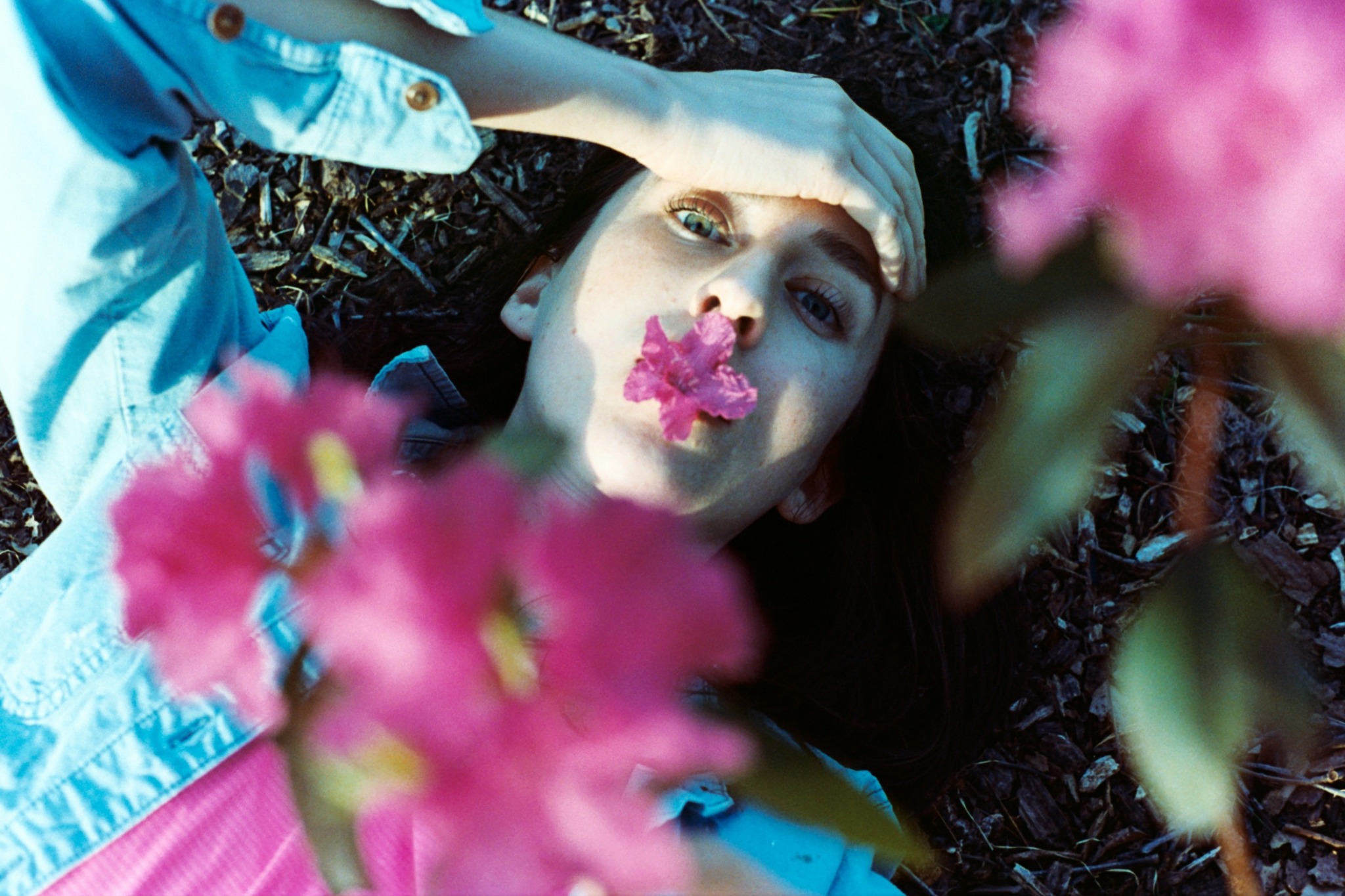

We caught up with the brilliant and insightful Laura Hobson a few weeks ago and have shared our conversation below.
Laura, thanks for joining us, excited to have you contributing your stories and insights. How did you learn to do what you do? Knowing what you know now, what could you have done to speed up your learning process? What skills do you think were most essential? What obstacles stood in the way of learning more?
I’ve been interested in art & music since I was very little, around 6 years old. My mom would button huge raggedy shirts backwards onto me so I could paint without ruining my kid clothes. There were hours spent on my bedroom floor flipping through my uncle’s old college art binders, trying to mimic the styles of drawing I liked. I’ve always been an animal & nature enthusiast; Watching animal planet at friends’ houses with cable, hoarding Zoobooks, pretending to be an Animorph. No one in my family was phased when I would bring home dead animals from the woods that I found to study them in greater detail & admire them up close. My mom let me keep one particularly interesting crow with 3 eyes in the freezer. I used to hide eggs from the refrigerator in stuffed animals to try and get them to hatch because I wanted a pet bird. My environment helped shaped me into an artist. My mom let my siblings & me be ourselves which solidified my identity early on. My parents started me on piano lessons young and I stuck with it through college, using my voice and the piano to write all the early songs I never released. It wasn’t until high school that I learned I could sing and really enjoyed it. My friend Mindy taught me how to do harmonies in a church pew during offering. Singing has always come easily to me so I did all the choir things in high school and joined some bands in college. During this period, I was always writing for myself in the background, sneaking time in empty practice rooms in the music building while majoring in fine art. After a decade of this, I felt stuck in a rut writing the same way over and over again on the piano, so at the age of 24 I moved to Austin, TX for a self-made guitar intensive. My brother majored in guitar in college & teaches at a music school so he formed a curriculum and we did lessons together twice a day. I had saved up enough money from my job after college to eat and pay for gas, and lived with my brother there to save money. Spending 8 hours/day playing, doing ear training exercises, learning theory, scales, notating songs, and writing was a fantastic way for me to learn. I left Austin feeling like I was on the right path, and more confident in my songwriting using this new instrument. I often feel behind because I learned guitar much later than my peers & still feel like people are speaking a different language when they start “talking gear”. If I had learned guitar as a teenager maybe I would be interested in all of that, but right now I’m much more interested in creating melody, mining feelings, & creating cohesive, tight writing. Sometimes I actually feel lucky that I don’t know too much about the guitar because I can break rules without feeling bad. I’ll often make up tunings and just pluck away all day until I find chords within the chaos. I do not have a mathematical brain, so theory has never “stuck”, but my ears are good. If I could go back, I would have minored in poetry or creative writing alongside my art degree. Being immersed in that world would have helped me to recognize patterns and symbolism in lyrics faster.
Great, appreciate you sharing that with us. Before we ask you to share more of your insights, can you take a moment to introduce yourself and how you got to where you are today to our readers.
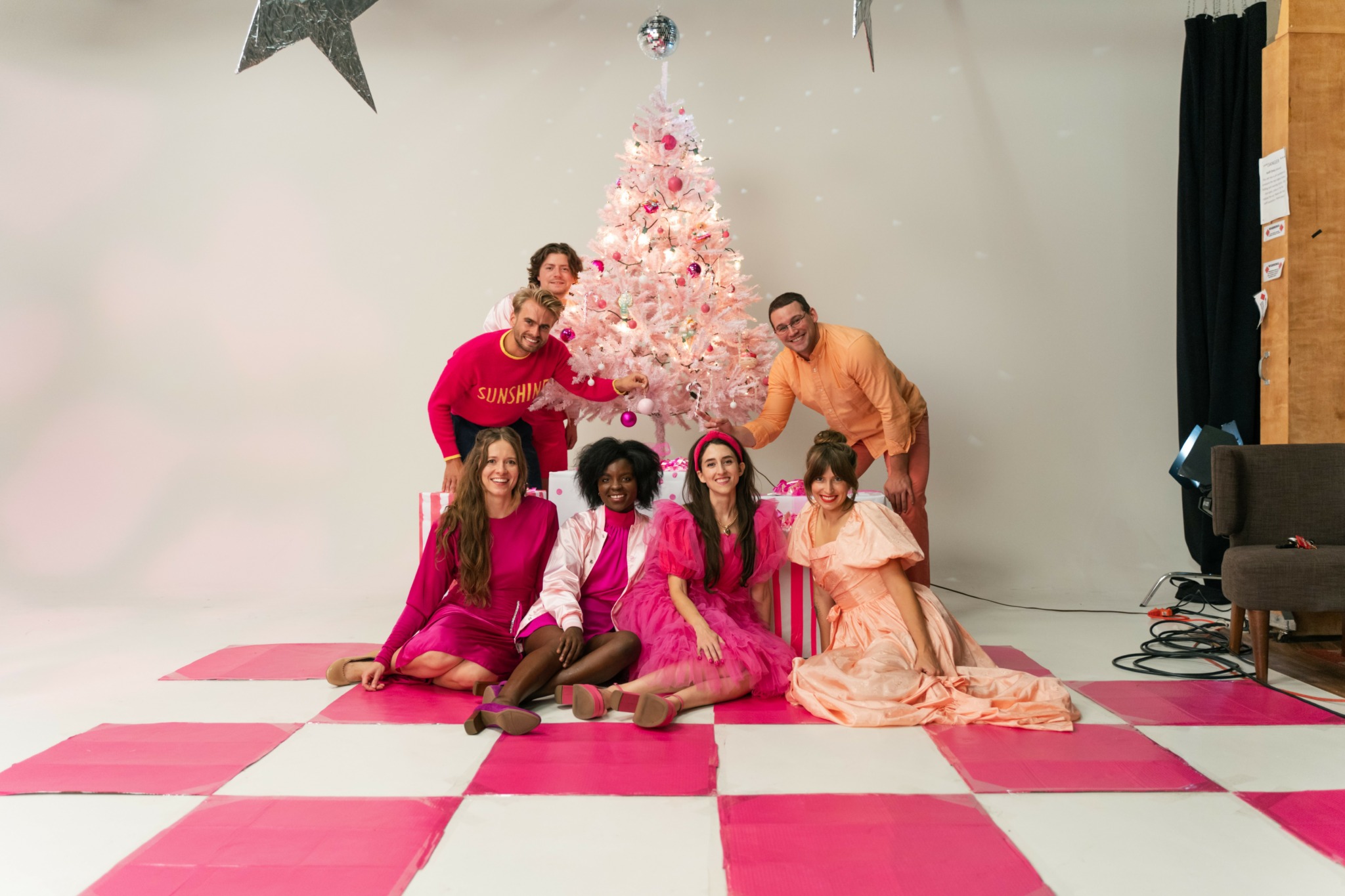
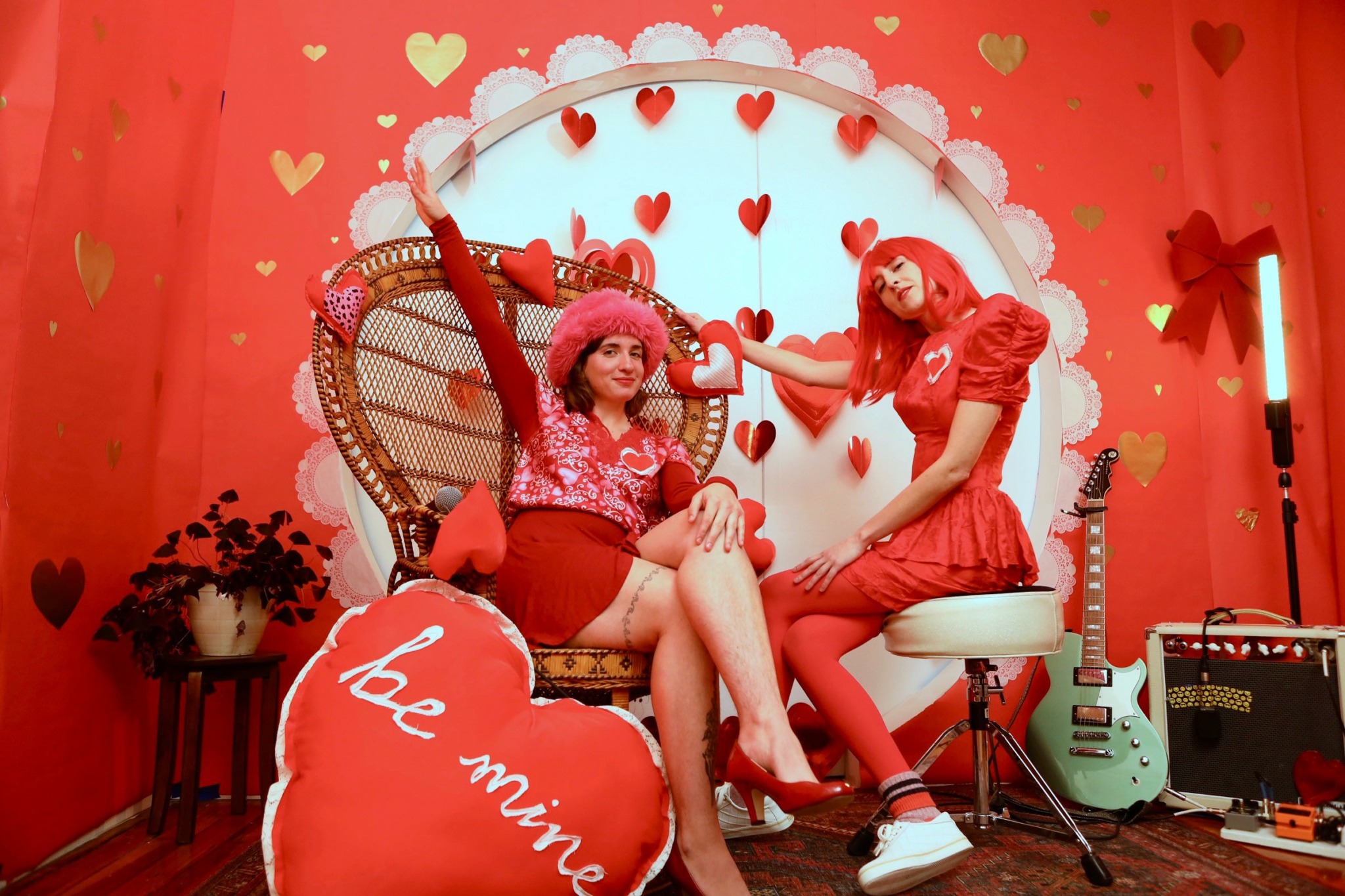
I’m Laura and I’m the front woman for the band Phabies. I began writing seriously with the intention to release music in a band in 2017. By 2018, I had formed Phabies and we recorded our first 2 EPs. After playing a couple shows, the pandemic put a pause on the world, so I began work on the full length album, “Fire Seed”, which was released in 2022. I take songwriting and core classes through School Of Song for my ongoing education from teachers such as Adrianne Lenker (Big Thief), Robin Pecknold (Fleet Foxes), Laura Veirs, Bartees Strange, and many others. My overarching desire and intent for Phabies is to connect DIY artists with a community of like-minded creative people. I want my art and band to feel like escapism from the world. We manage that through our collaborative music videos and live performances, which often feel more like full-blown stage productions than gigs. Depending on what kind of show we’re throwing, myself & other band members will spend a month or more creating props for the stage or set design. I like to tell people that I use my fine arts degree every day, because there’s this myth that an arts degree is a “waste of money”. It depends on what kind of a life you want to lead, and what you value. I don’t put a lot of value in having things. I value nature, the land, ecosystems, oak trees, the insects in the yard, and learning my part in it all. My lyrics reflect my desires and the sadness and destruction I see all around & feel burdened by. The escapism in my art is not an escape from the truth or our very real reality, but a way to find happiness to keep on living.
Are there any books, videos or other content that you feel have meaningfully impacted your thinking?
There are four books that have helped shape my songwriting practice:
1. “Writing Better Lyrics” by Pat Pattison. This author teaches at Berklee College Of Music and this book is basically his curriculum. Treat it like a course, stick to the book and you’ll learn to recognize tropes that you may have fallen for in the past, or understand what lyrics feel “lazy” or too easy. There are formulas to help garner more interesting rhymes or lyrics in general. I guarantee if you stick with this book, you’ll come out a better songwriter.
2. “How to Write One Song: Loving the Things We Create and How They Love Us Back” by Jeff Tweedy. Wilco’s front man gives you step-by-step instructions on how to write a song. This is easy to read and doesn’t feel stiff or too serious. Even though I’ve been writing for a long time, I still found it helpful & managed to write a few songs with the exercises.
3. “A Swim In A Pond In The Rain” by George Saunders. This book breaks down short story classics to look at choices made by the author, and how these small choices have huge impacts on the story and journey as a whole. I found it hugely helpful in identifying what I previously didn’t have words for. This is what I wish I had learned if I had taken any literature courses in college. Since songs are essentially very short stories, this book is a helpful way to keep your lyricism in check to make sure no words are wasted.
4. “Braiding Sweetgrass: Indigenous Wisdom, Scientific Knowledge and the Teachings of Plants” by Robin Wall Kimmerer. This book pinpointed and lit up a side of me I always thought was invisible to anyone else. Robin Wall Kimmerer gets it, she truly cares. Her book isn’t doom & gloom, it’s a friend that I turn to again and again to receive insight and to remind myself that there are so many of us who care about the natural world and what’s happening to our Earth. She’s full of insight and someone whose scholastic study of the world is greatly enhanced by her life-long observations.
In your view, what can society to do to best support artists, creatives and a thriving creative ecosystem?
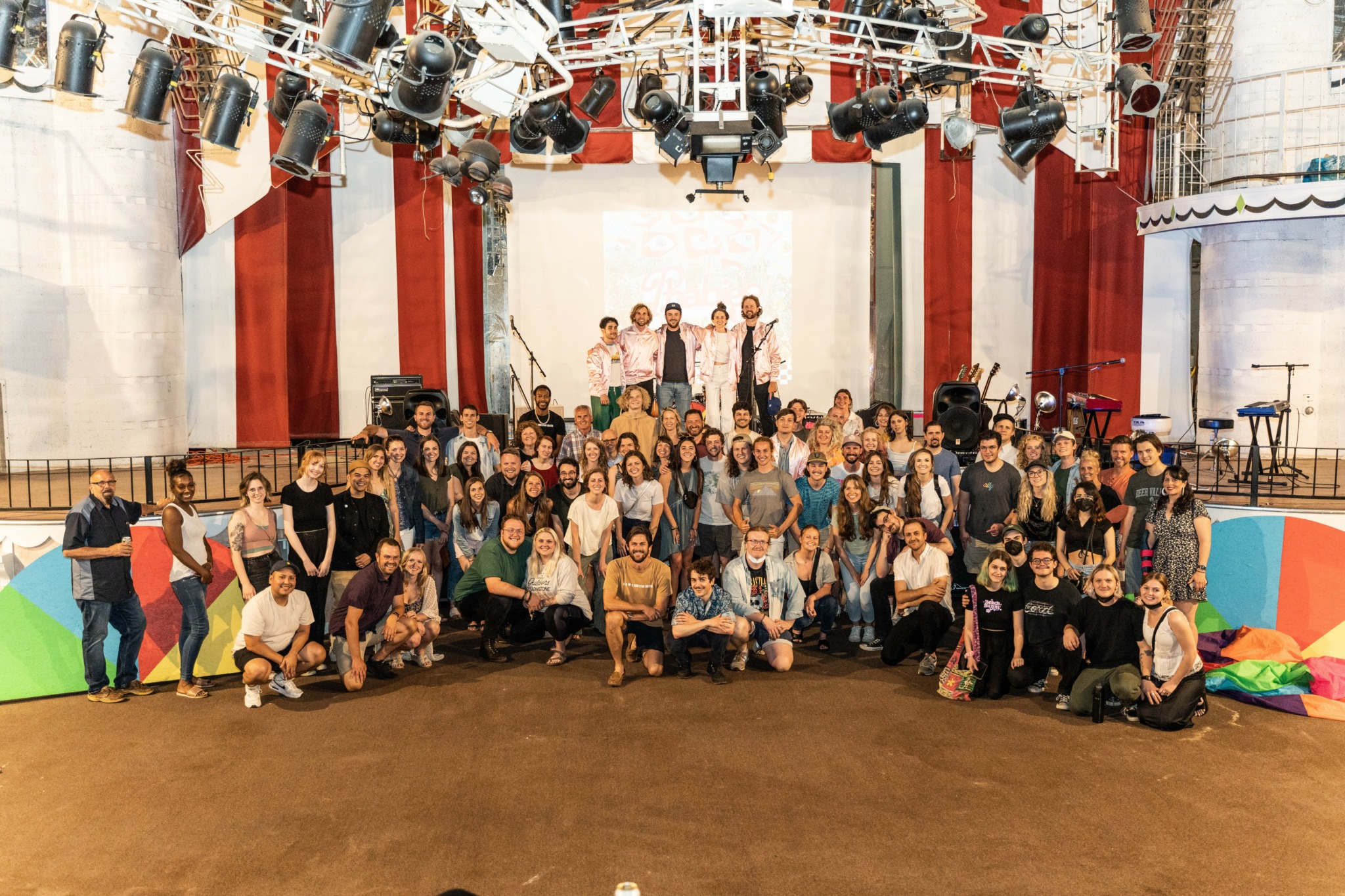
Stop buying into convenience. If you want to see a thriving creative ecosystem in your community, you need to support the people who actually care about artists. Buy from people who you trust, support those who align with your values. Shop small and local at every opportunity. Contribute to mutual aid funds if you’re able, talk to your neighbors & learn their names. If you’re tempted by “free shipping”, or lower pricing, remember that there’s always a cost. Truly the best way to support artists is by going to their shows and/or buying merch! If you’re an artist, direct people to actionable ways to support you. Don’t give streaming services free advertisement with shout-outs at your shows, they already profit enough off of artists. If you can’t support artists with money, TELL PEOPLE ABOUT THEM. Word of mouth is still very much a thing! Sharing with a friend or with your social circles about books, music, shows, and artists that you’re into makes a huge difference. No one can fall in love with your music if they don’t know about you.
Contact Info:
- Website: https://phabies.com/
- Instagram: https://www.instagram.com/phabiesband/
- Facebook: https://www.facebook.com/phabiesband
- Youtube: https://www.youtube.com/@phabies
- Other: Here’s our Bandcamp where you can find music & merch:
https://phabies.bandcamp.com/music
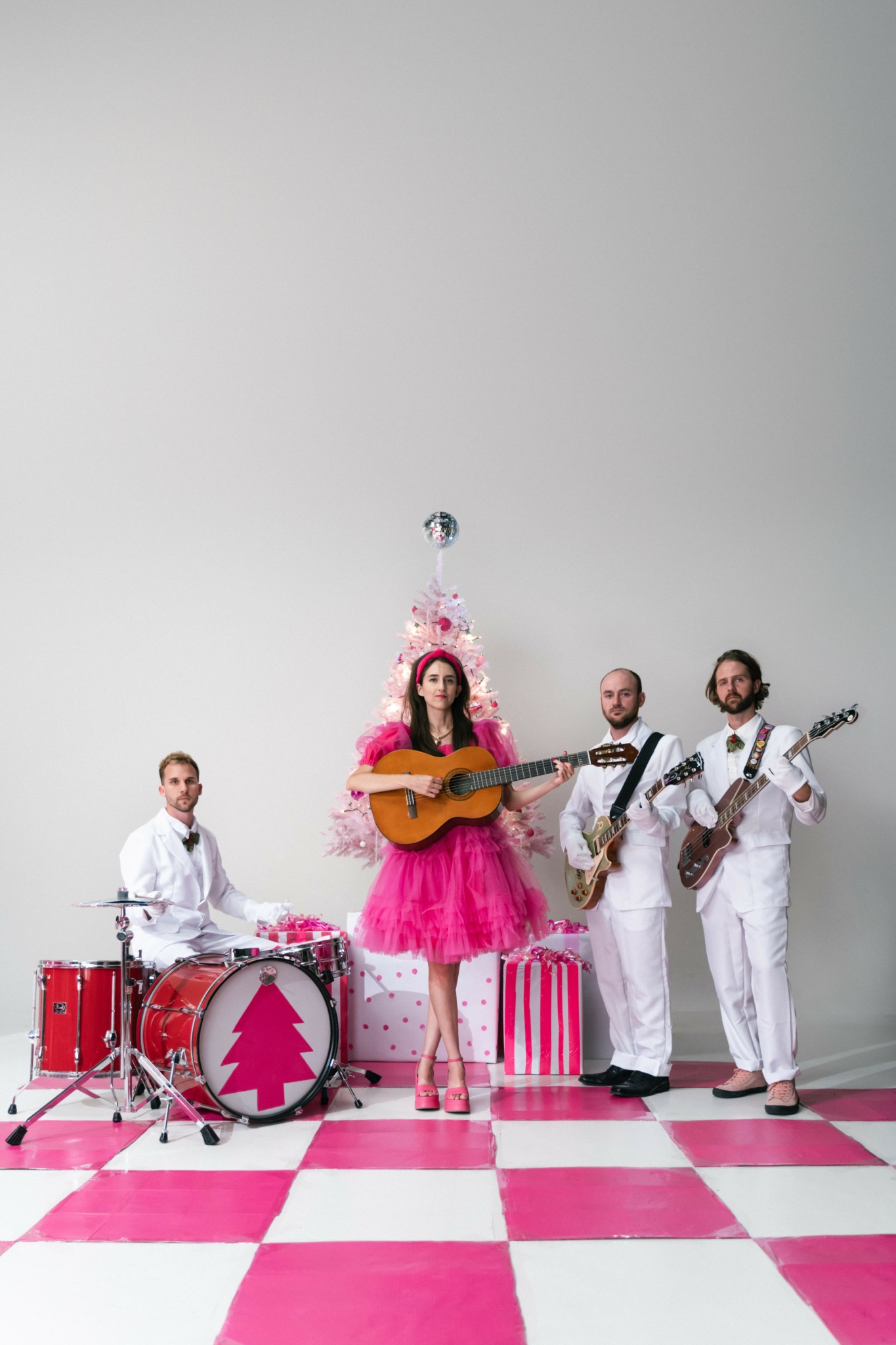
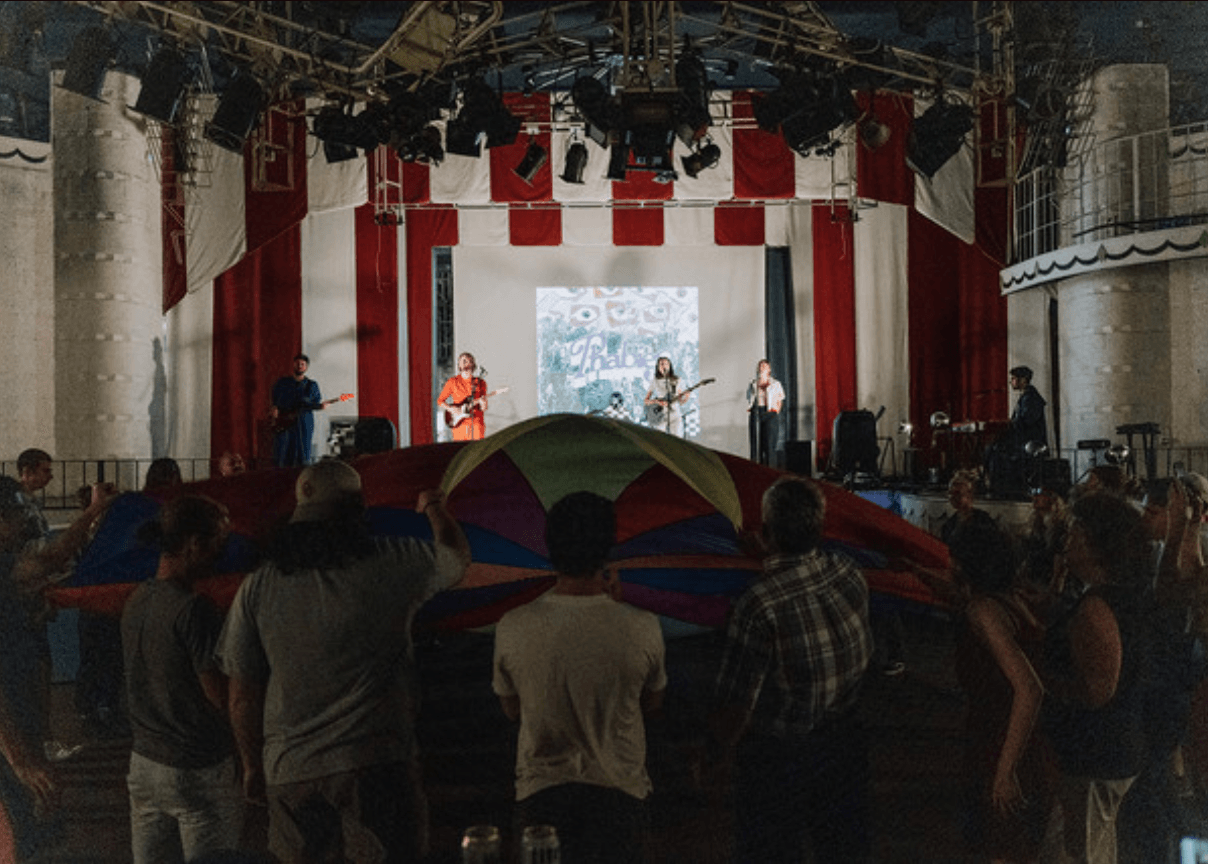
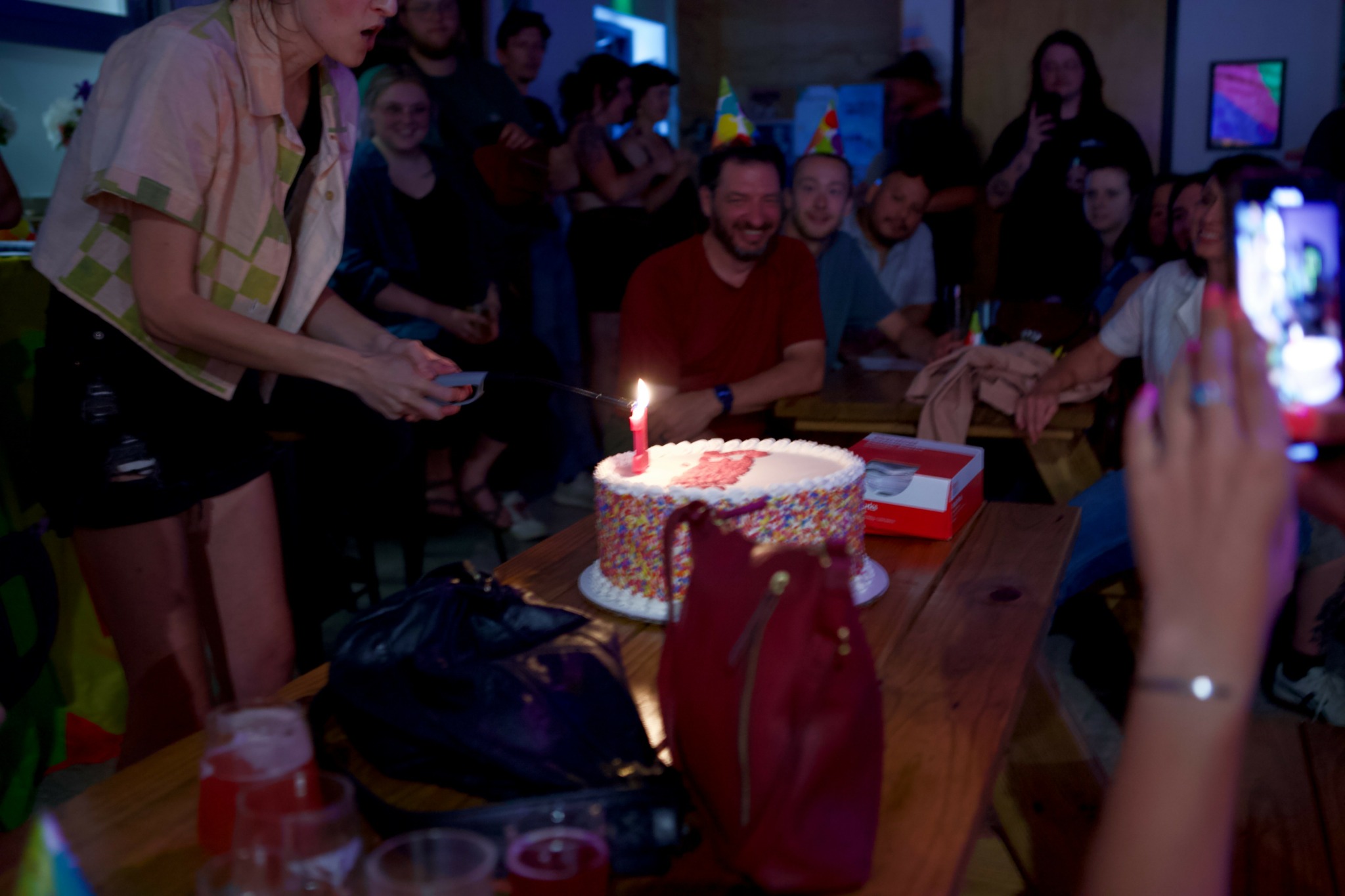
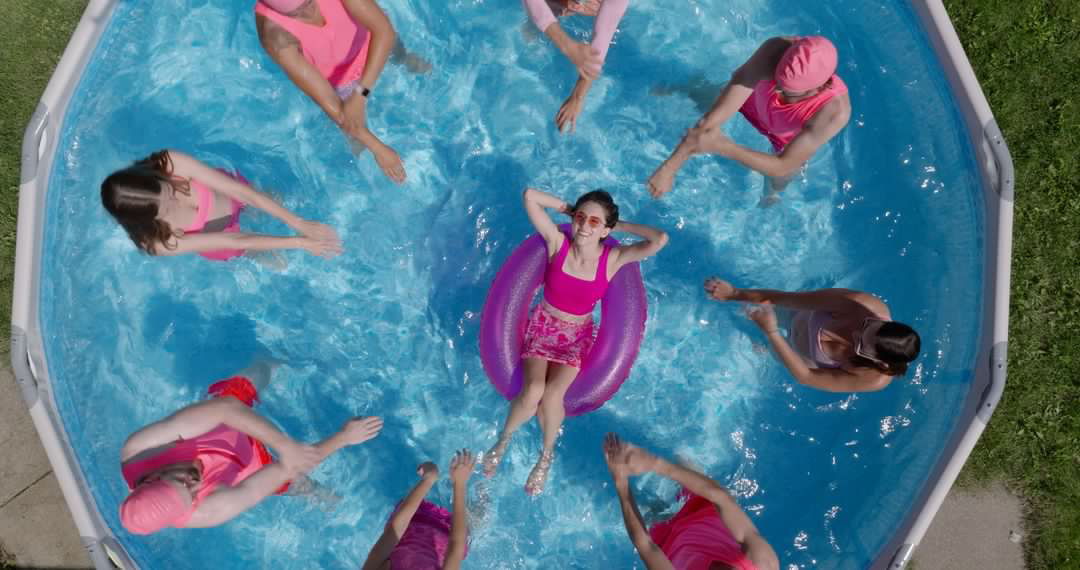
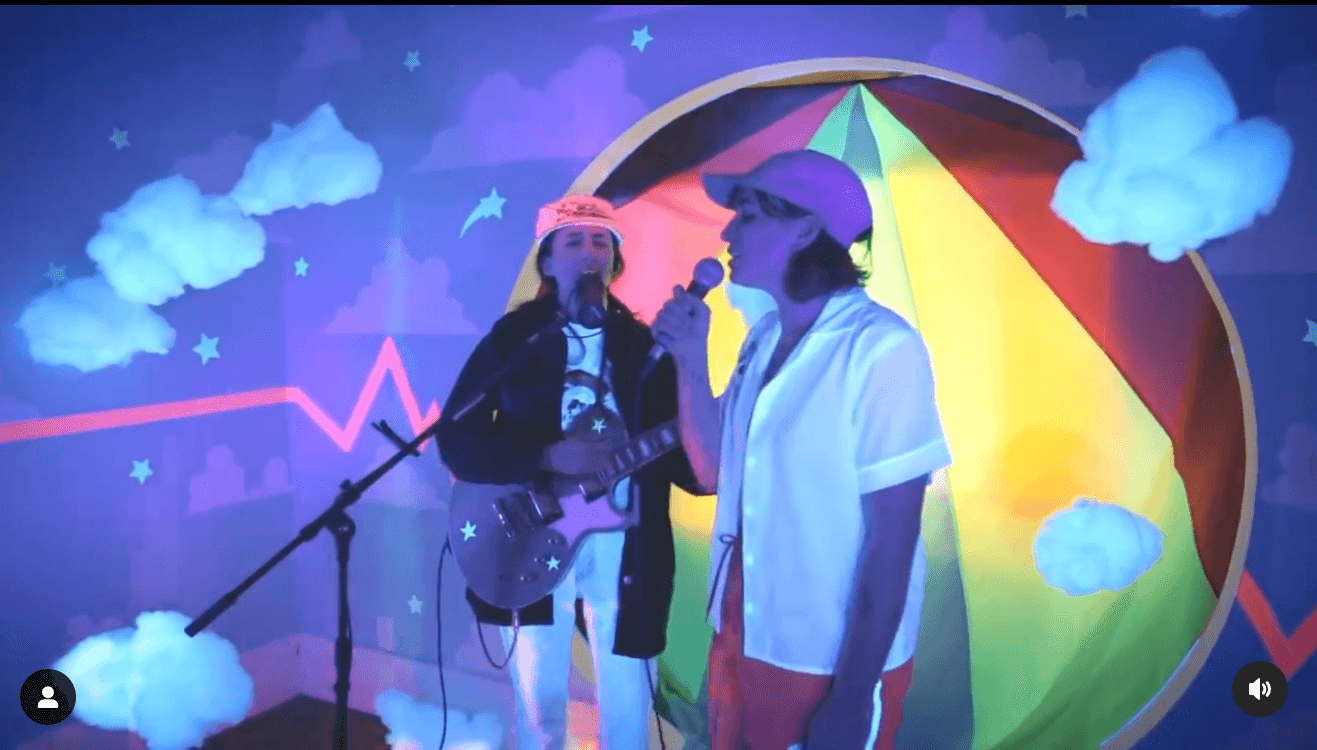
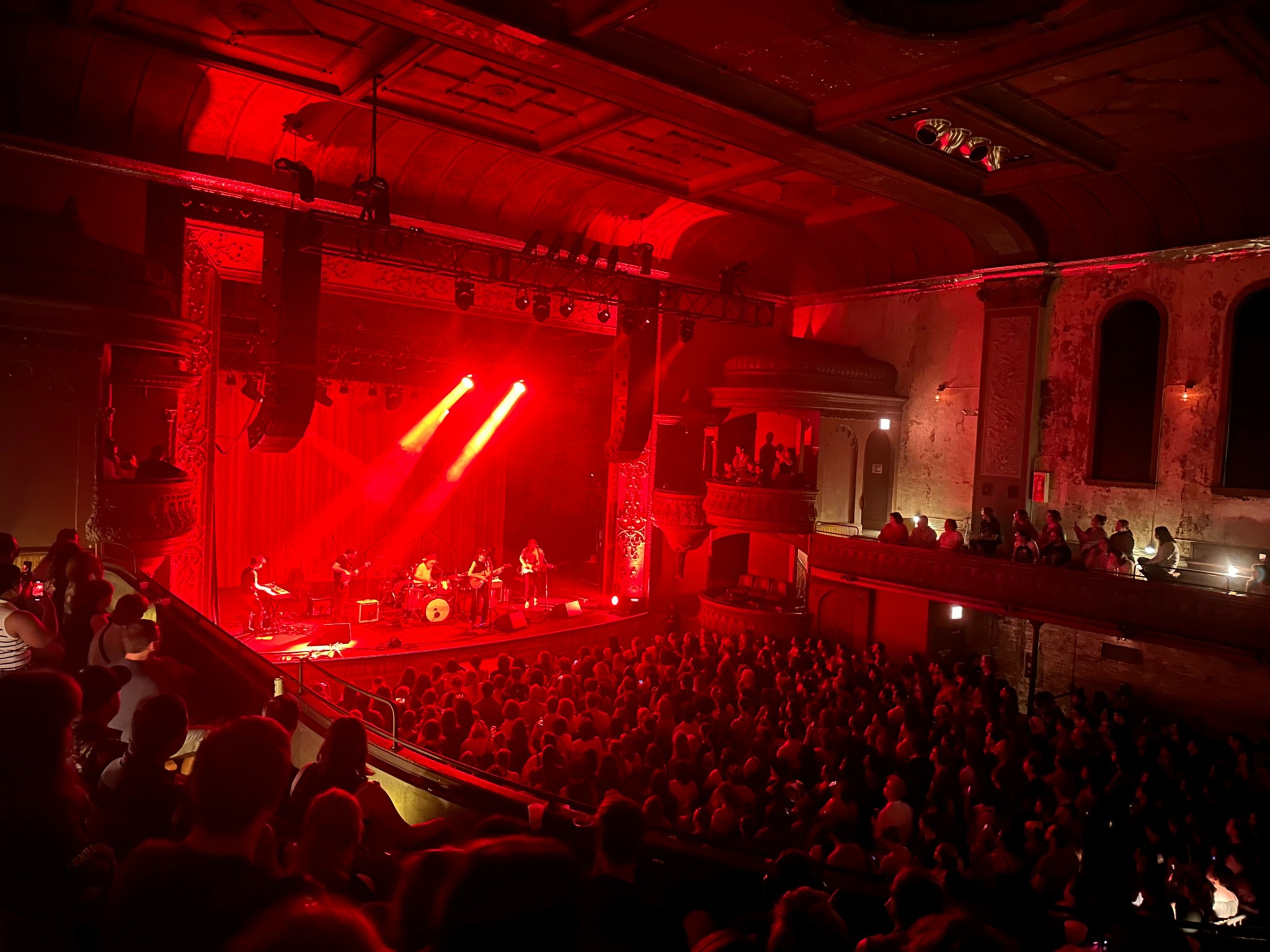
Image Credits
personal photo credit: Garrett Stier
additional photos (from top left to bottom right): Nick Buwalda, Robby Fischer / Dogtown Studio, Nick Buwalda, Nick Buwalda, Nick Buwalda, James Kessel Jr, Ryan Humm, Robby Fischer / Dogtown Studio, Joshua Banner