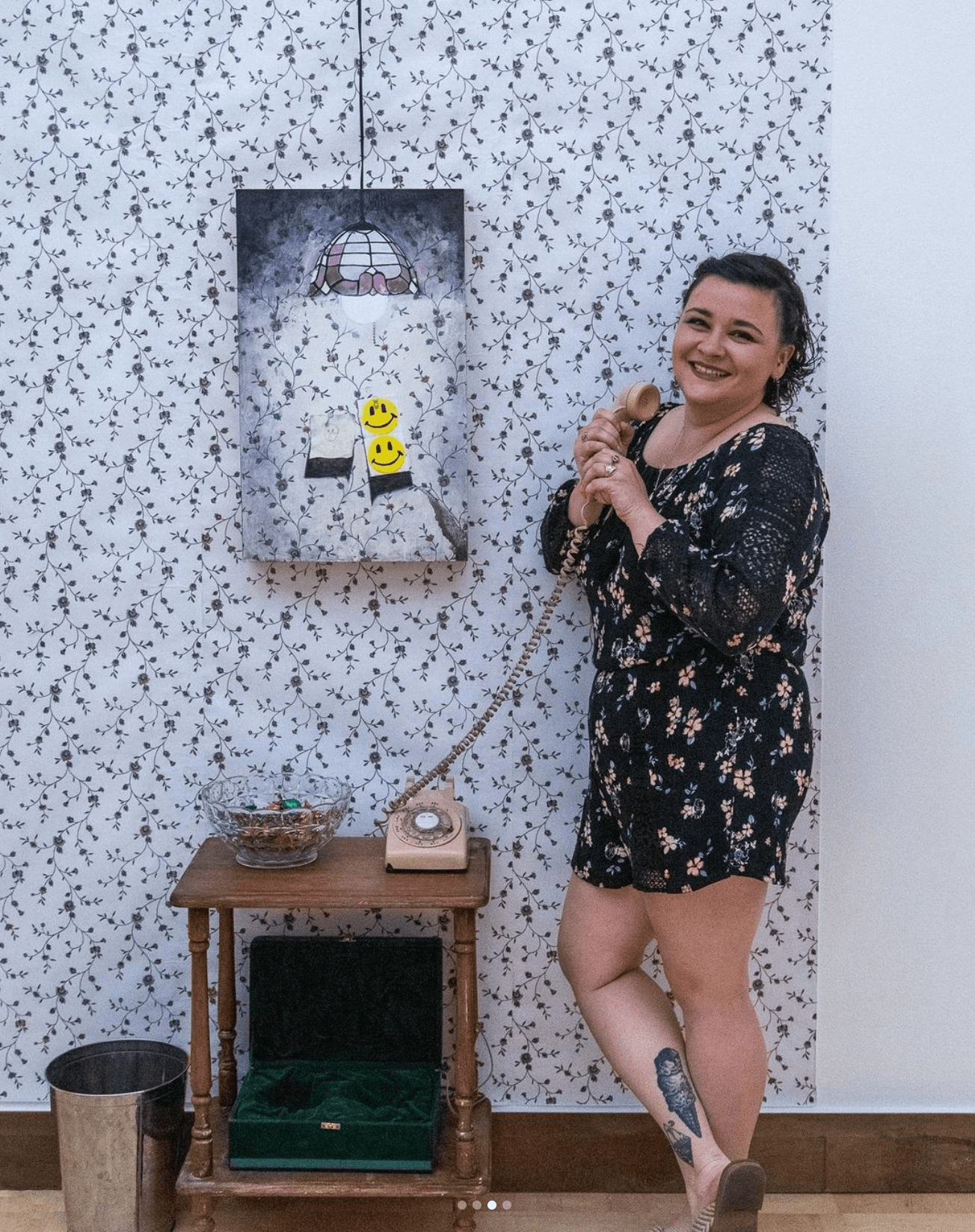

We’re excited to introduce you to the always interesting and insightful Kayla Cochran. We hope you’ll enjoy our conversation with Kayla below.
Kayla, thanks for taking the time to share your stories with us today Learning the craft is often a unique journey from every creative – we’d love to hear about your journey and if knowing what you know now, you would have done anything differently to speed up the learning process.
As an educator, I’ve thought a lot about my philosophies on learning. For me, there are three phases. The first is being taught. I owe a lot of that to my educators, particularly the instructors at Montserrat College of Art where I graduated with a BFA. Sometimes, though, being taught means self-teaching and researching centuries of evidence on a material’s methodology. I had nearly no knowledge of ceramics when I accepted a position that included teaching it to high schoolers.
The second, and arguably most important, phase is spending time alone with the craft. This is how I build a relationship with the materials and the subject. Collaboration is a beautiful thing, but I find being alone with the art and its equipment is one of the best parts of being an artist. Being alone is also how I experiment and break “rules” without reprimand. Like most life lessons, I have to experience it for myself to understand it.
The third phase is, of course, teaching it. This is how I organize my understanding of something and think of new ways to explain magic. Its how I discover methods of coaxing out of others a love for the craft that I found through my own educators.
Learning the craft is a lifelong pursuit, I don’t think I care to speed up the process.
Kayla, love having you share your insights with us. Before we ask you more questions, maybe you can take a moment to introduce yourself to our readers who might have missed our earlier conversations?
I am a Massachusetts born artist who moved to Seattle in July 2021. I have always loved art, and with my BFA at Montserrat College of Art (2015) and MFA at University of Washington (2023), I have made it my life. I am currently working as a custom framer with Museum Quality Framing and Frame Central. I am a former (and future) educator of middle school, high school, and college level art courses.
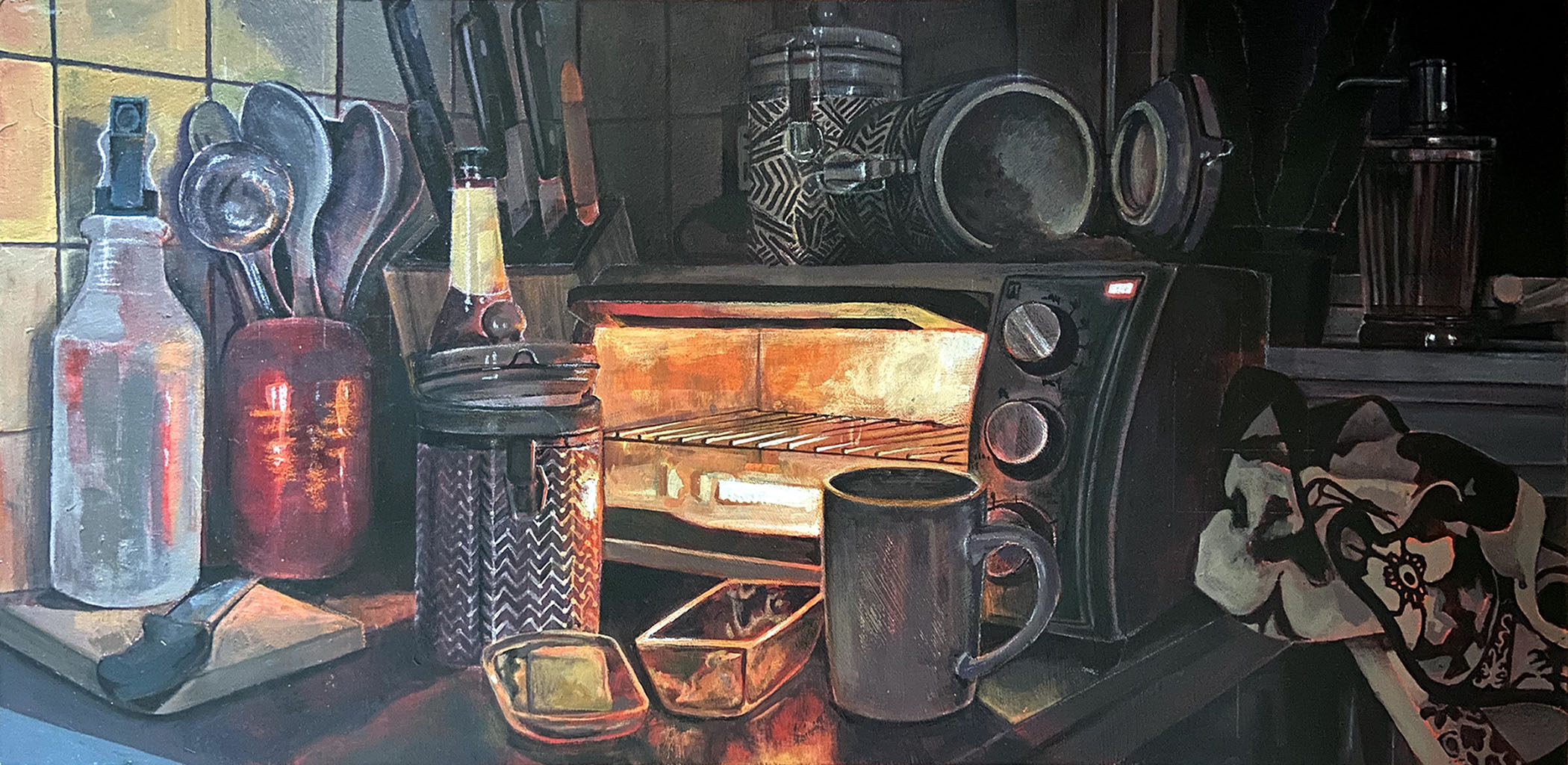
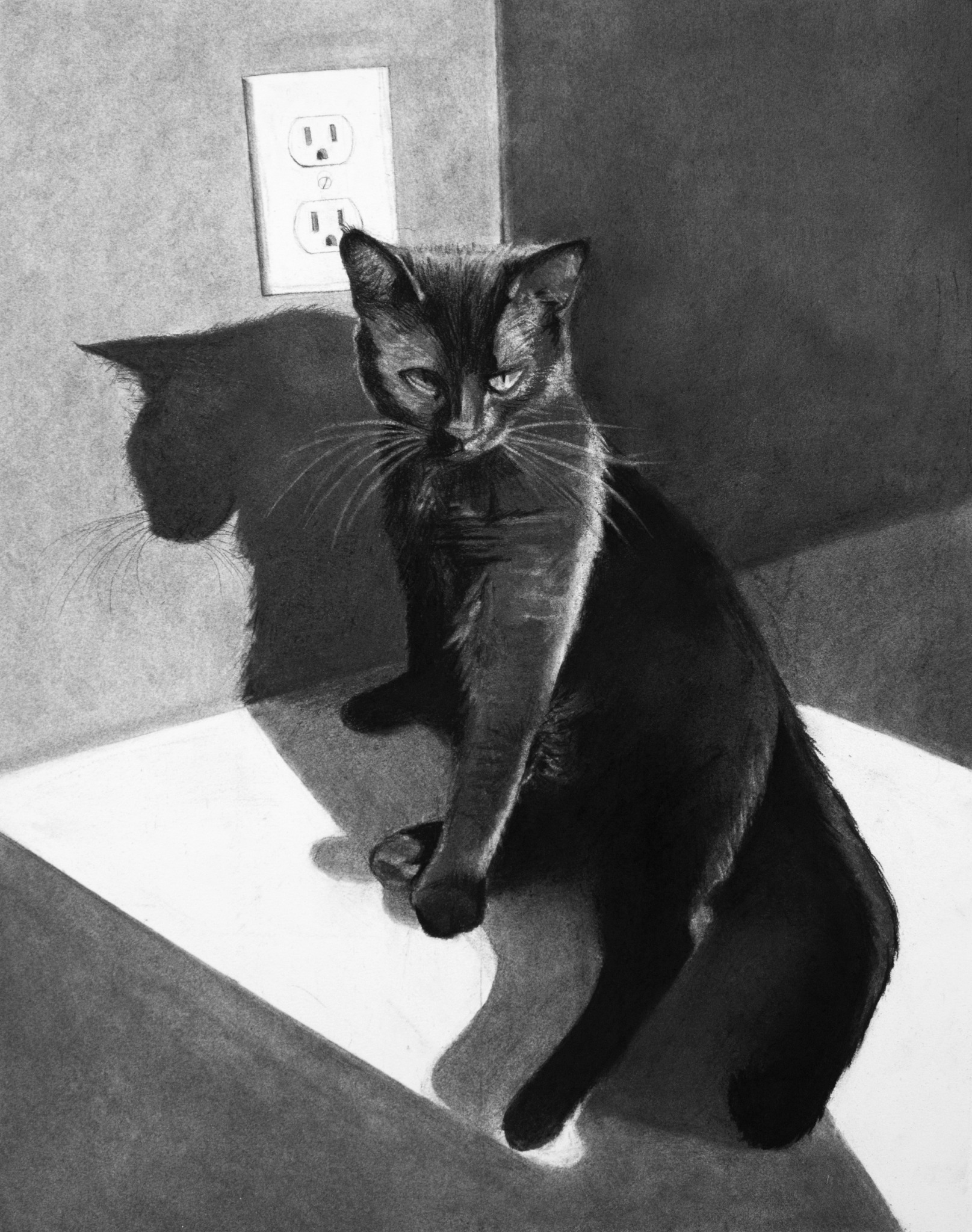
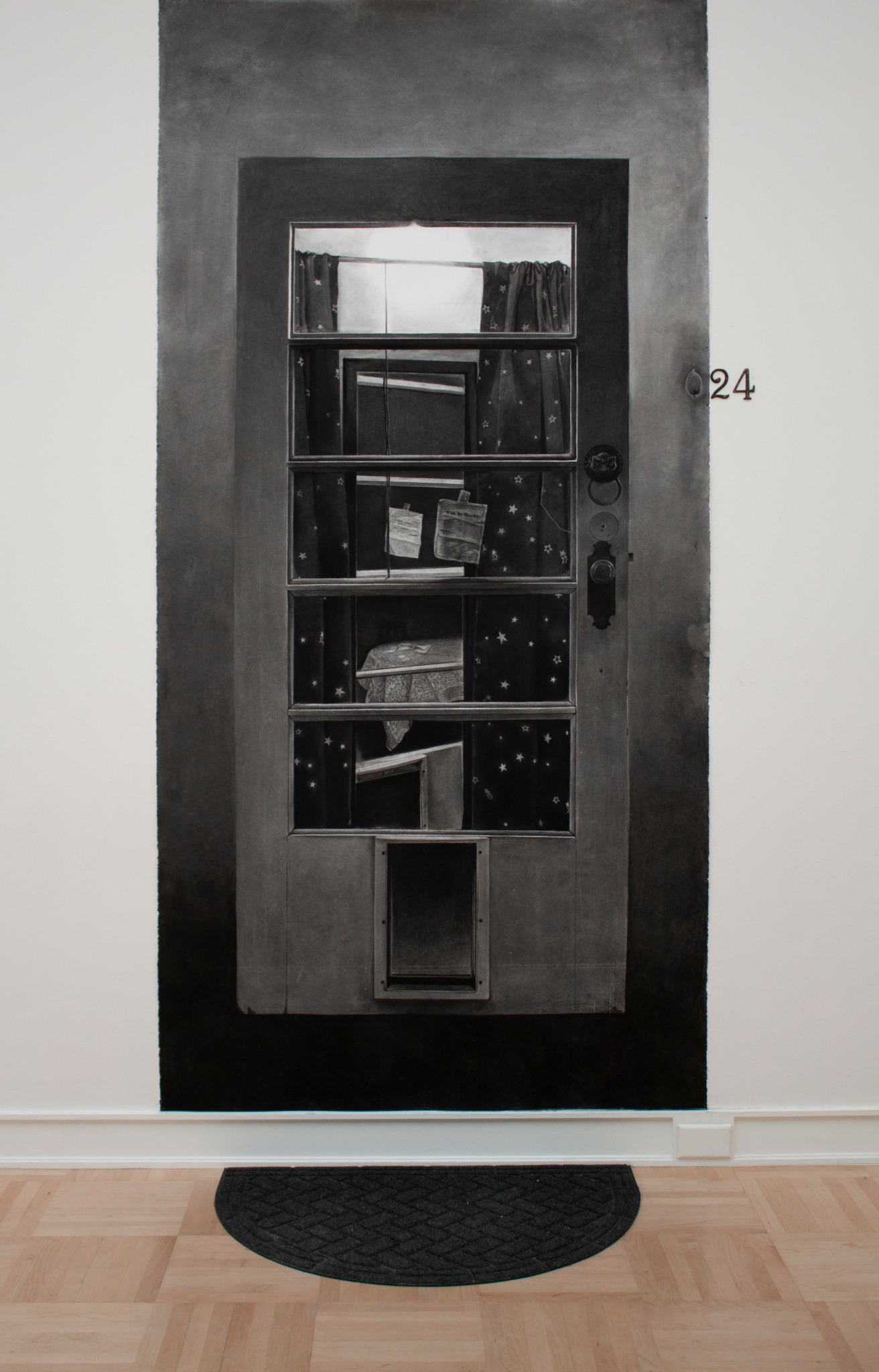
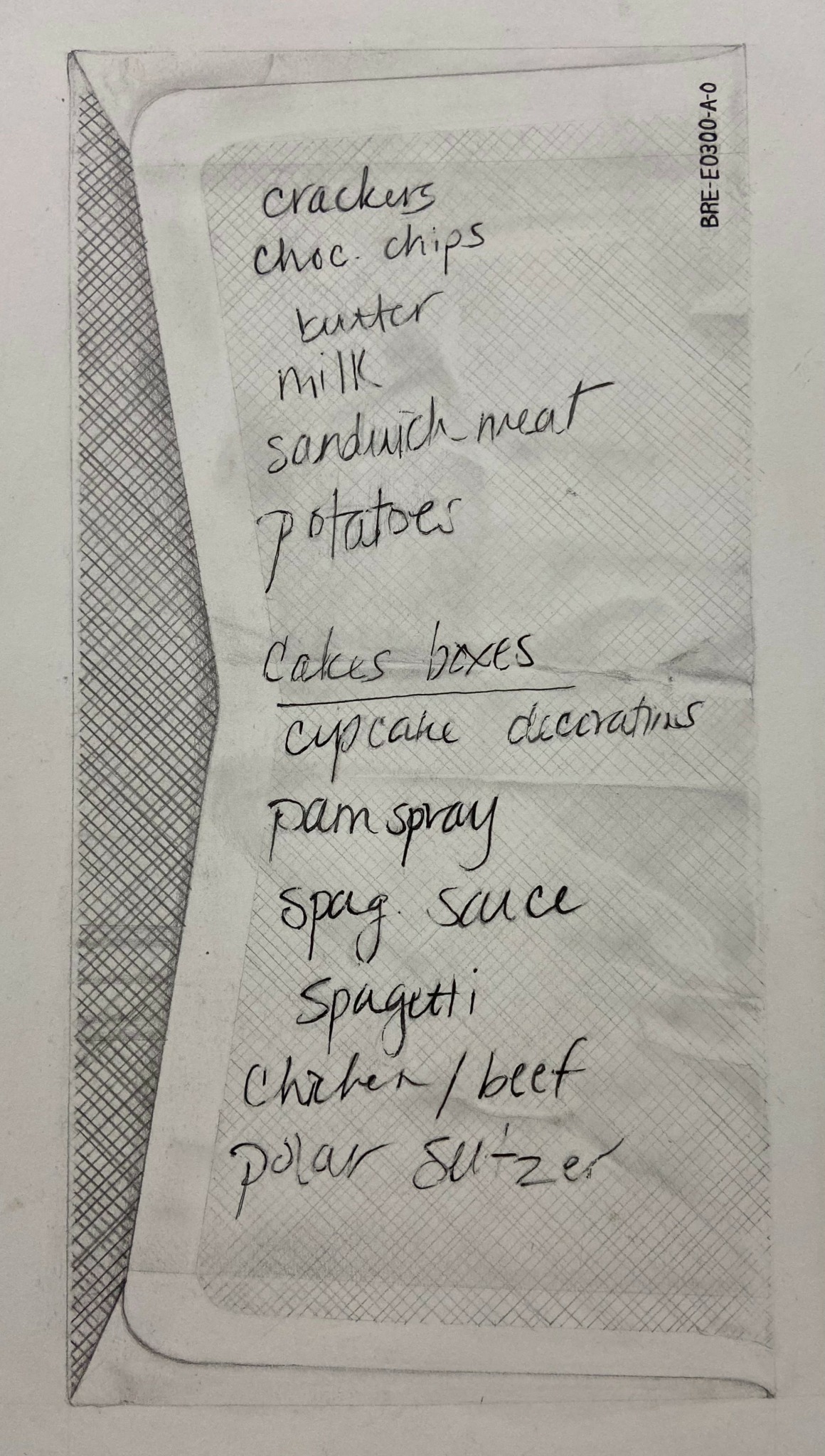
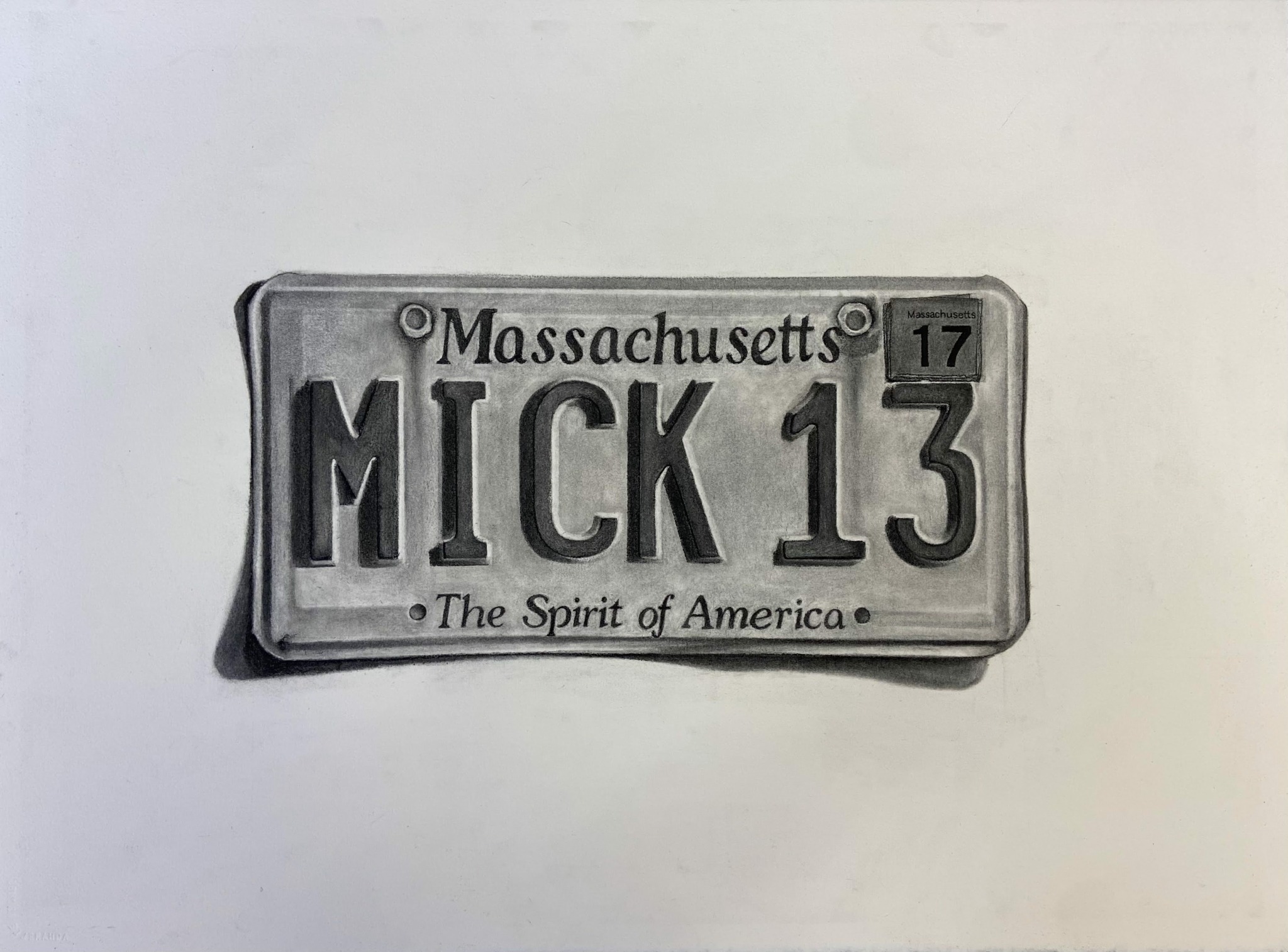
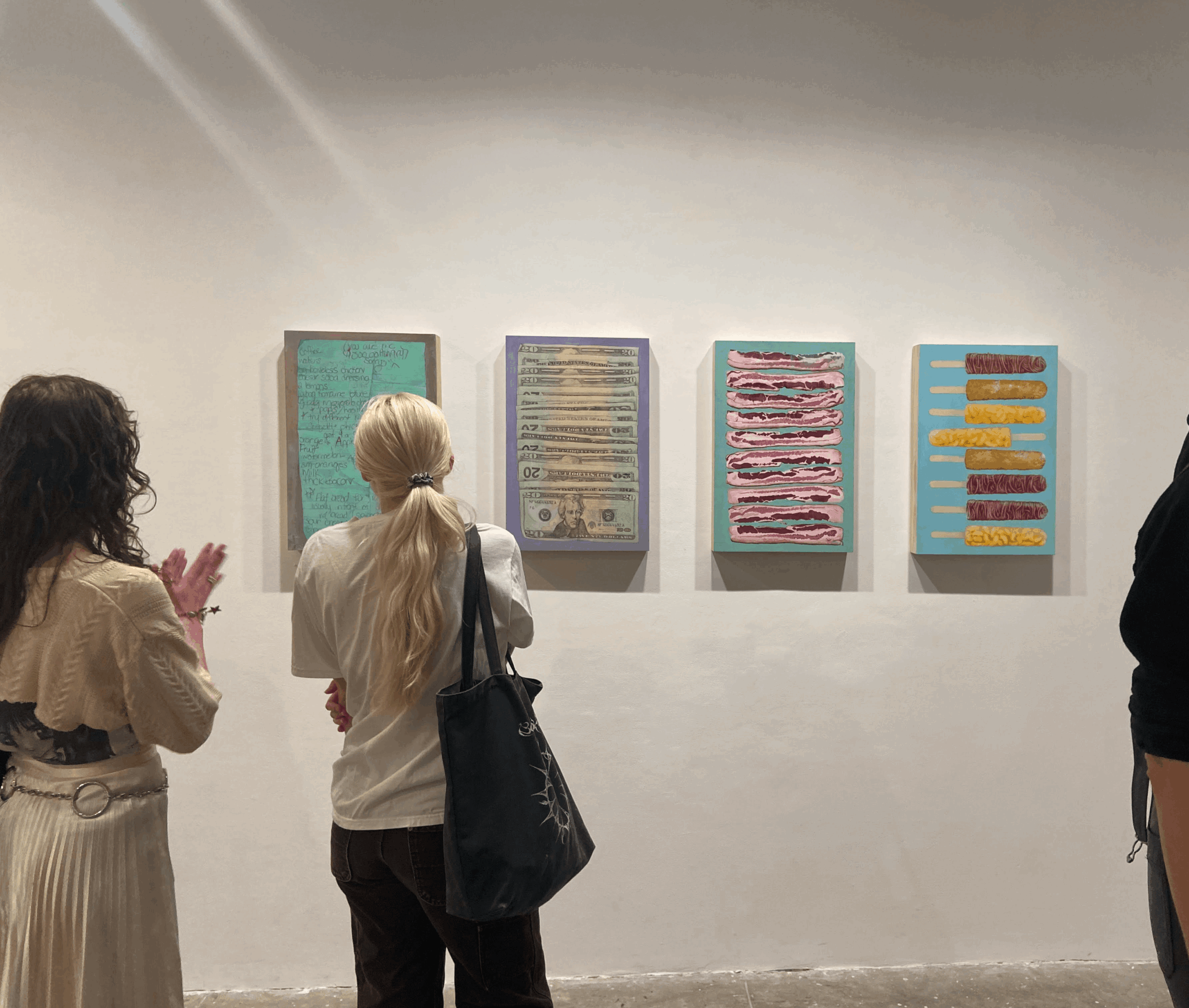
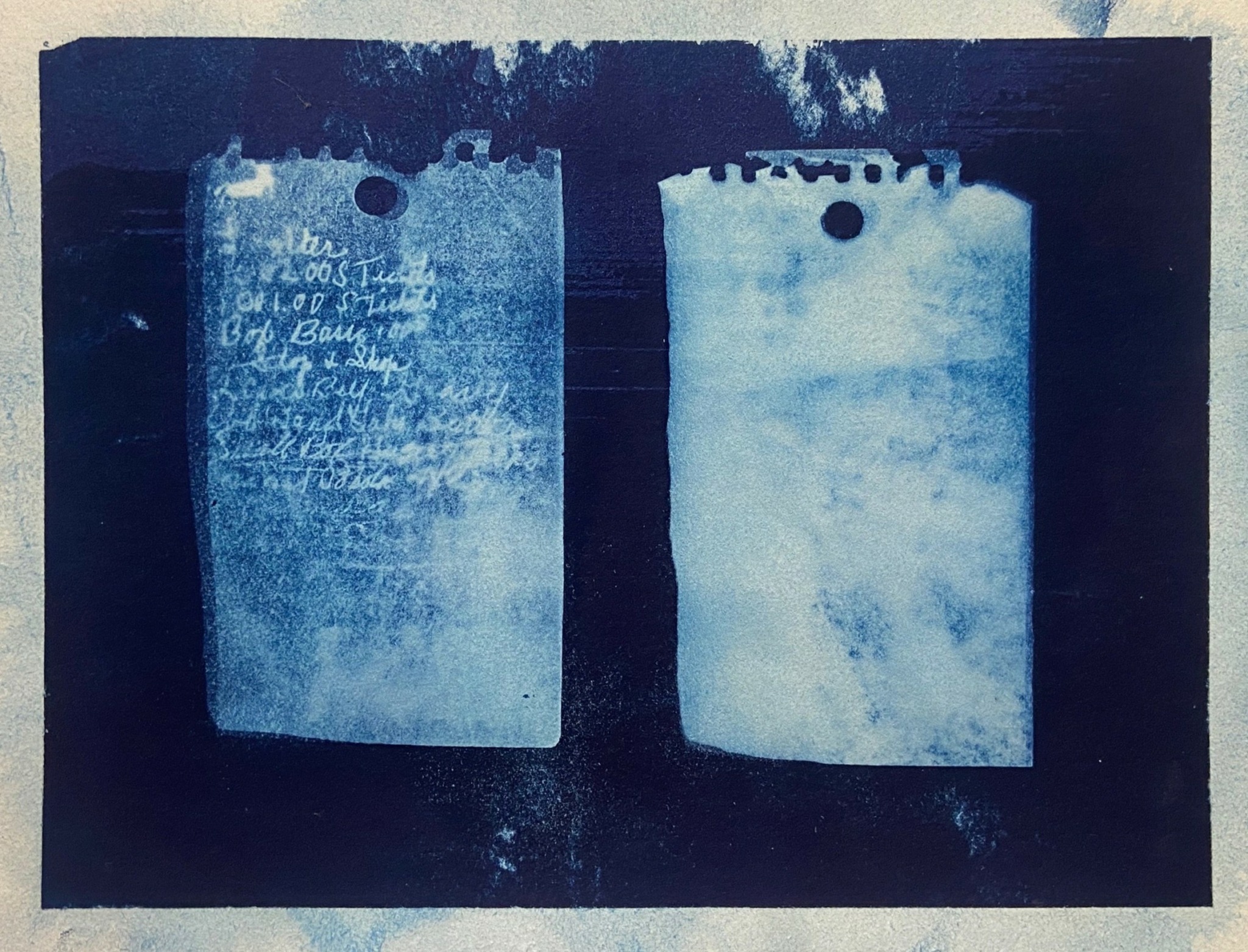
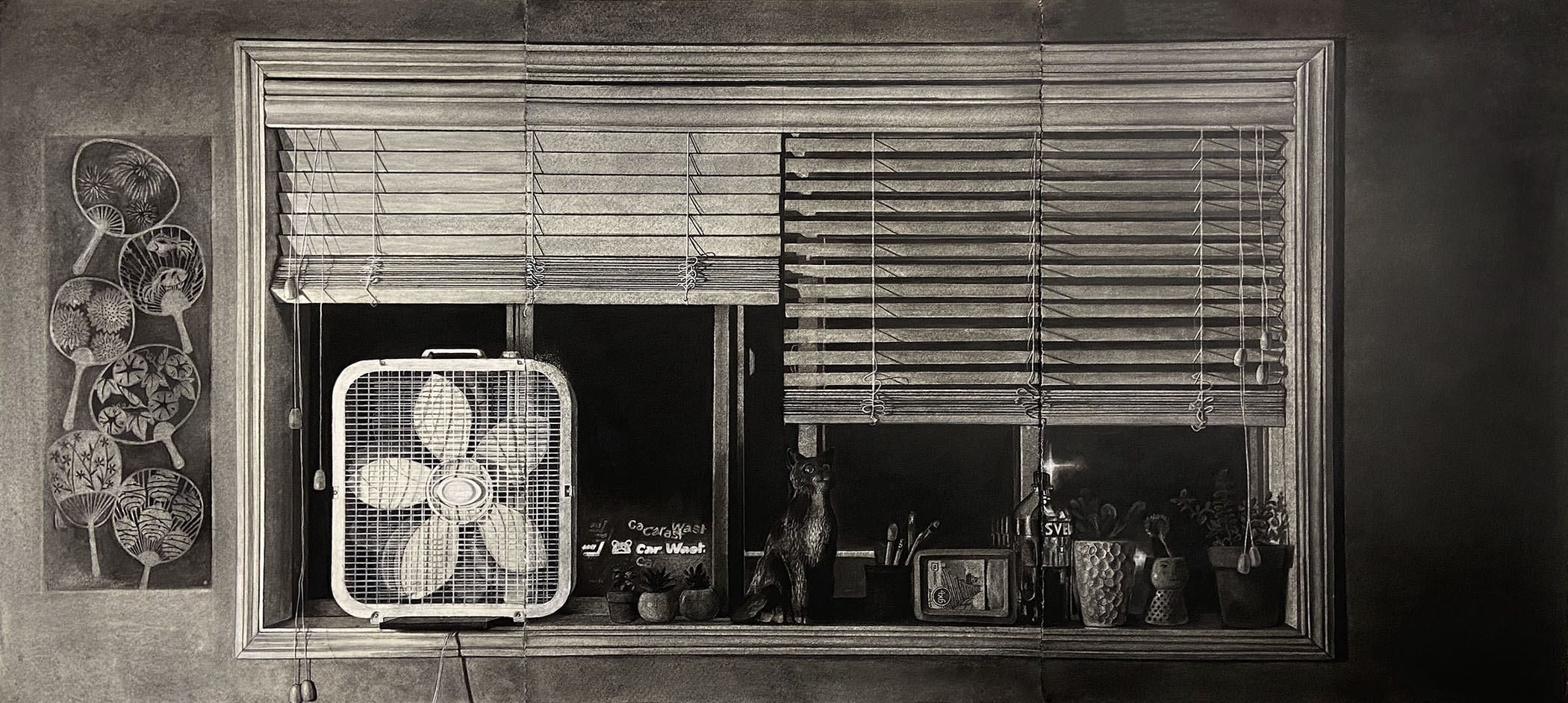
I want to share my art with more people! I do take commissions, and have the most fun with pet portraits, room drawings, and sentimental slips of paper. Take a look at my instagram and website for examples. My main medium is charcoal, but I am ultimately an interdisciplinary artist who has worked in paint, ceramics, photography, installation, and printmaking. I want to find the network of artists and art enthusiasts who are drawn to the themes in my work! Anyone interested in black and white, nostalgia, illusion, and haunted houses should check out my work!
What do you find most rewarding about being a creative?
When I finish a piece, there’s this sense of accomplishment, that I’ve made something real. Despite the fact that I was there the whole time, it still surprises me how I got there, making the whole process feel like magic in retrospect. I think part of that is looking so closely and critically at the parts of something, and then eventually stepping back and seeing it whole. . A piece of me lives in my artwork. Pairing that feeling of accomplishment with my identity is so important for my sense of self.
Some of the other rewards of being an artist are not so easy to spot. They are much more subtle and complex, and you have to really dissect your relationship with your practice to understand it. Writing my thesis, “The Closet Room”, really helped me process some of this. It doesn’t always feel like a reward, but being an artist means tending to the best and worst parts of myself. From “The Closet Room”:
“Creating is an act of both taking and surrendering control. Art making is, for me, an essential exertion of control. It is a safe place in which I make, break, and submit to rules governed by the material, the discipline, and pure intuition. My practice comes from the frustration of unobtainable jurisdiction over my mind, the future, and the world. Making allows me to exert my authority, but never fails to remind me that nothing is without its own limits. Art forces me to fail despite my best efforts. Craving control, fearing failure, and thinking in absolutes are psychological obstacles I contend with in every aspect of my life, certainly in my practice. The work does not offer a solution, for I don’t believe there is one. It accepts the lack of
control, the unknown, the gray areas, and the inconstancy of the human experience.”
How can we best help foster a strong, supportive environment for artists and creatives?
Don’t cut arts education from schools! Raise generations of students to understand and appreciate art. The skills learned in arts education go beyond the technical skills of the material. Art is about what it means to be human! Art is so important to our understanding of ourselves and the world.
At a higher level, arts education needs to change to better equip people for a creative career. There needs to be more curriculum and practice on building relationships with the art community, pricing work, conservation and storage, copyright, marketing, etc. Without it, we are left to navigate a complicated and corrupt system with so little knowledge of how it works.
Contact Info:
- Website: https://www.kaylacochran.com
- Instagram: @cochran.kayla
- Linkedin: https://www.linkedin.com/in/kayla-cochran-bb661a104/