



Alright – so today we’ve got the honor of introducing you to Ben Kennedy. We think you’ll enjoy our conversation, we’ve shared it below.
Ben, looking forward to hearing all of your stories today. So, let’s start with trends – what are some of the largest or more impactful trends you are seeing in the industry?
As a society, we’re more aware than ever of the toll alcohol takes on the body, even in small doses. We’re seeing the non-alcoholic market boom both internationally and here in the U.S., alongside the rise of the “Cali sober” lifestyle, where people are swapping out alcohol for more natural, less harmful alternatives like cannabis and mushrooms.
I was taught, the strongest brands are the ones that analyze conventions, identify tensions, and solve said tension with something new. Our mobile phones keep us tethered to work, news, and life for 16 hours a day, ratcheting up our anxiety levels. By the end of the day, we’re craving real moments to unwind before bed. Sure, non-alcoholic cocktails or beers like Guinness Zero may taste lovely, but they don’t quite offer the relief people are genuinely seeking.
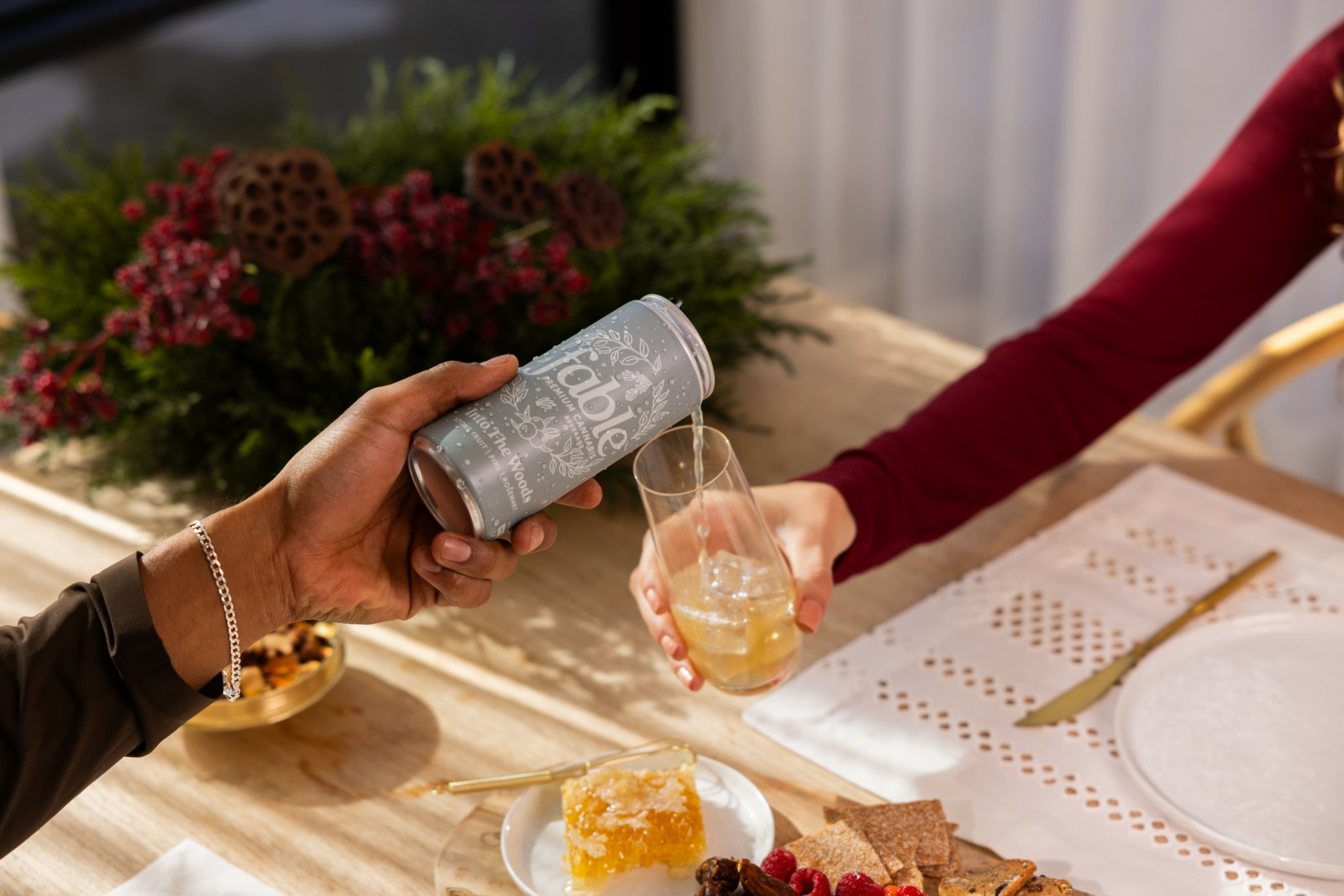
Traditionally, alcohol has served this need, but Fable offers the same sense of release without the punishment of a hangover the next morning. Our botanical cocktails contain a gentle dose of hemp-derived THC and CBD, giving you that familiar, tipsy feeling—without the morning-after regrets.
Here in the U.S., we’ve seen significant progress in giving consumers access to these kinds of beverages. Fable is available at Total Wines, hotels, restaurants, and can even be bought online, depending on your state. But with this new freedom comes the inevitable risk of bad actors. As an industry, we’ll need to regulate products that appeal to children, are sold outside 21+ environments, or contain irresponsible levels of THC. These must be removed from the marketplace at all costs.
Ultimately our opportunity is not to “replace” alcohol more so to replace a couple of the use occasions currently occupied by an alcoholic product. Fable may replace the 2 glasses of Wine on a Tuesday night, as an example.
As always, we appreciate you sharing your insights and we’ve got a few more questions for you, but before we get to all of that can you take a minute to introduce yourself and give our readers some of your back background and context?
I hail from Liverpool England, and remain a fan of the super reds.
Professionally speaking. For 15 years, I toiled in the corporate trenches, most recently with WPP and Omnicom—both marketing juggernauts with some of the largest companies on the planet as clients. My career was, dare I say, untraditional to the industry, as I found myself working within corporate strategy and business development, albeit within an enterprise that sold creativity. My role made for a deviation from the more traditional roles of Account/Project Management and Creative, but I worked with all these functions closely, which was awesome.
At WPP, I worked with a select group tasked with formulating corporate strategy and spearheading the global rollout of mobile. The year was 2007, and we were witnessing the birth of an entirely new screen.. With over 50,000 WPP employees scattered across the globe, all firmly entrenched in their traditional roles, our job was to figure out how this colossal enterprise could embrace and master “the third screen.” WPP (specifically GroupM) was where I learned the nuts and bolts of the “professional services firm,” with a crash course in billing ratios, staff – revenue models, and the delicate art of integrating new strategic business units into established agencies. I was lucky enough to collaborate with agency CEOs across the WPP portfolio, which gave me a unique line of sight into the business of international marketing agencies.
My role at Omnicom was similar, but with a focus on the changing face of retail and commerce. At the time, we were seeing the rise of “omnichannel” retail—a new world where the lines between physical and digital retail blurred into one. It was like watching the evolution of shopping from the front row. This, and specifically COVID-19, had a marked impact on our agencies and the kind of work clients were asking for. What the CMO wanted to achieve was predicated on the CIO or the CTO having systems, technologies, data lakes etc. in place for it all to happen. On a more practical note, it meant integrating new agency roles like UX strategists and UI designers—people who had different processes and opinions to the mainframe. The job required more emotional intelligence than anything else.
During my 15-year sojourn in the land of big advertising, I was fortunate enough to work with executives from the likes of Johnson & Johnson, PepsiCo, and Michelin. This gave me a firm footing to one day take the plunge and start my own CPG company. The advantage of having the role I had for networks like WPP and Omnicom was that, over time, you get a front-row seat to the very best in creativity, activation, targeting, packaging, and PR on the planet. I could bring that talent to bear for clients, but I’d never done it for myself.
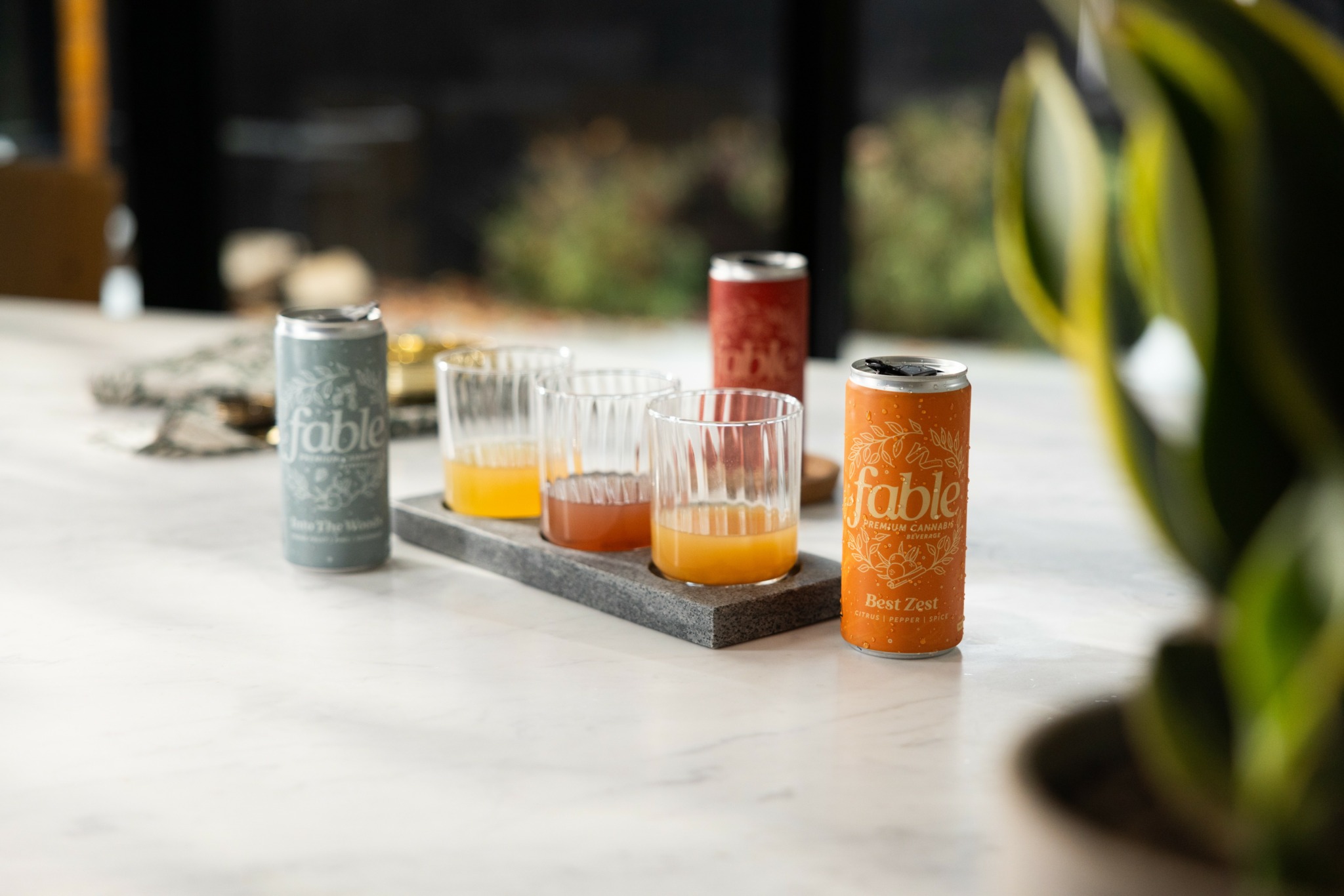
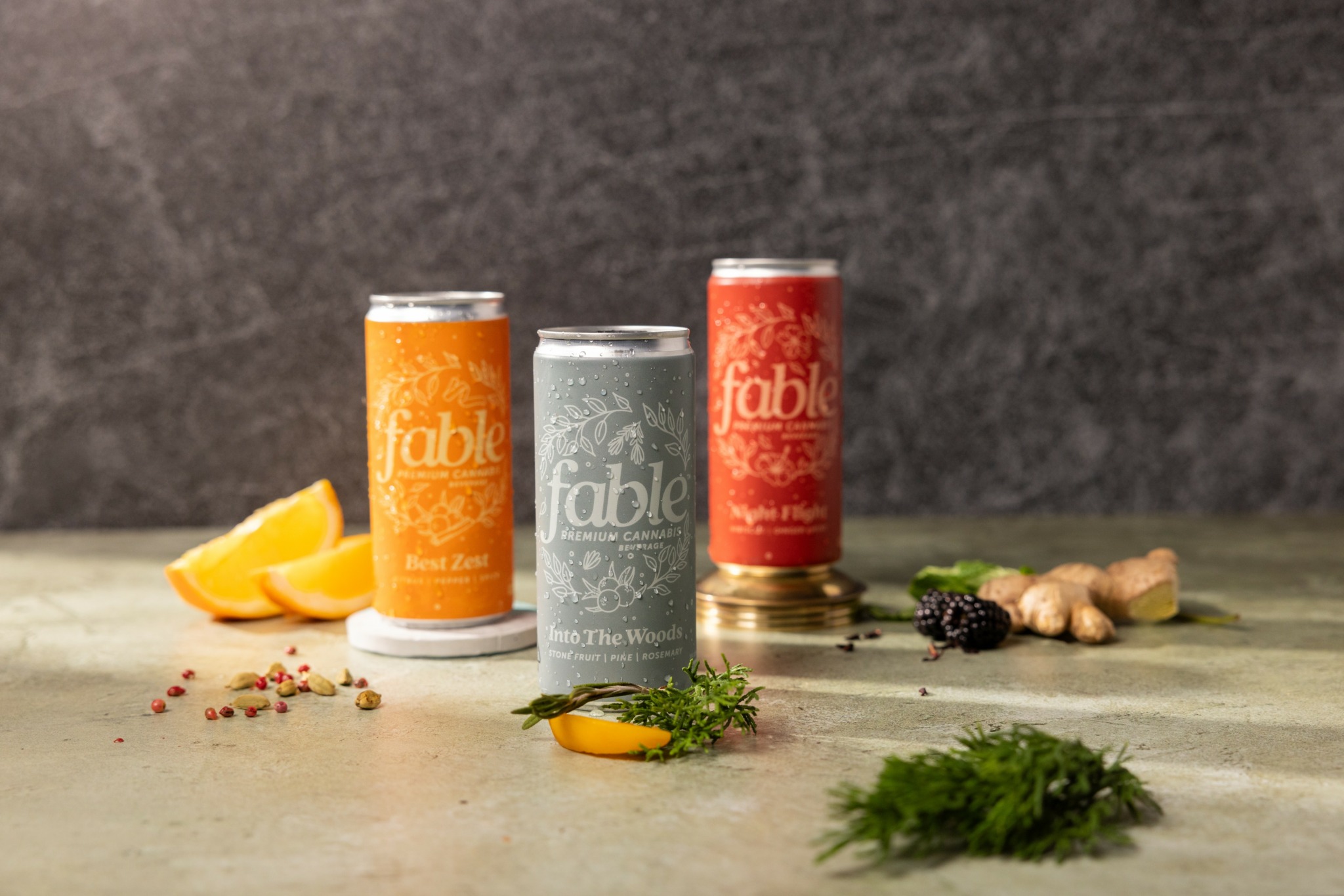
Our mission with Fable was simple: In small part, Disrupt the alcohol industry. Our original botanical cocktails contain zero alcohol but offer a delicate dose of hemp-derived THC and CBD—just enough to give you that relaxed, glass-of-wine feeling, without the alcohol. Fewer calories than a light beer, and crafted from all-natural fruits and spices. Fable has gone on to win awards in the alcohol industry (yes, even without the alcohol) and was proudly showcased at the 2024 Aspen Food & Wine Classic.
We’d really appreciate if you could talk to us about how you figured out the manufacturing process.
Fable Co-Founder Kristin (my wife) and I weren’t into making mixed drinks. Sure, I’d worked with beverage companies while at WPP and Omnicom, but actually crafting one? That was a whole new adventure. Our journey was more “failing forward” than a smooth ride. We initially set out to make a spirit, quickly realizing it was like trying to learn astrophysics in your garage. The first hurdle? Replicating alcohol’s bite. We tried everything, including Kristin distilling vinegar in our basement with copper equipment she found online. That was our “we don’t know what we’re doing” moment.
It led us initially to a flavor house, which is a common solution for teams looking to make flavored seltzer. After six months, we had a flavored concoction inspired by the “Gin & Tonic.” We refused to share it with friends, such was our embarrassment at the taste. It was a kick.
We realized at this point in time that Fable’s success would hinge on a proper product development team, versus a contracted flavor house. Our product development partner worked with Danone, Starbucks, Red Bull and others so we knew we had real professionals who understood the nuance of what we were trying to do. They dove deep into international food trends, hunted for spices that would complement THC’s natural taste, and cracked the code on how to get that all-important burn. They teamed up with chefs, mixologists, and food scientists to perfect the final recipes.
After three years of intense product development—including stability testing, supply chain headaches, and a pandemic—we launched our botanical cocktails in January 2022. Each blend has a unique, thoughtful flavor arc, delivering that signature bite and burn with natural ingredients like Sichuan pepper.
Fable is proudly produced at an established brewery in Lansing, Michigan.
Do you sell on your site, or do you use a platform like Amazon, Etsy, Cratejoy, etc?
Our intent from the very beginning was to build as strong ecommerce ecocystem. This starts with our own retail store in Drinkfable.com but beyond that we need to meet consumers wherever they may roam—whether it’s physical retail, online marketplaces, or through the labyrinth of search engines and affiliate marketers.
DrinkFable.com is built on WooCommerce and will continue to be an environment we curate carefully and continue to invest in. A prime example of this is our “Curious Arboretum” channel, which houses a mix of educational and lifestyle content. Not only does this help build brand credibility, but tactically, it gives us a leg up in the search rankings—always a good thing when you want to be found!
On the retail front, we partner with Airgoods to drive our direct-to-retailer efforts. It’s one of many marketplaces in our larger ecosystem, giving us access to a network of upscale, mom-and-pop-owned food stores across the country.
I would absolutely love to see Fable on Amazon, and we’ve got it on the roadmap for our non-dosed product line. Unfortunately, Amazon currently draws the line at selling cannabis-infused items, so our THC line is a no-go for now—though one hopes that might change in the future.
As a startup, we have to remain sharp and strategic with our capital allocation. Every move we make in the next 12 months needs to add real value to the business because we’re gearing up for a Series A in 2025. And believe me, there’s more than enough to keep us busy in the states where Fable is already available!
Contact Info:
- Website: https://drinkfable.com/
- Instagram: https://www.instagram.com/drinkfable/
- Linkedin: https://www.linkedin.com/in/benjk/
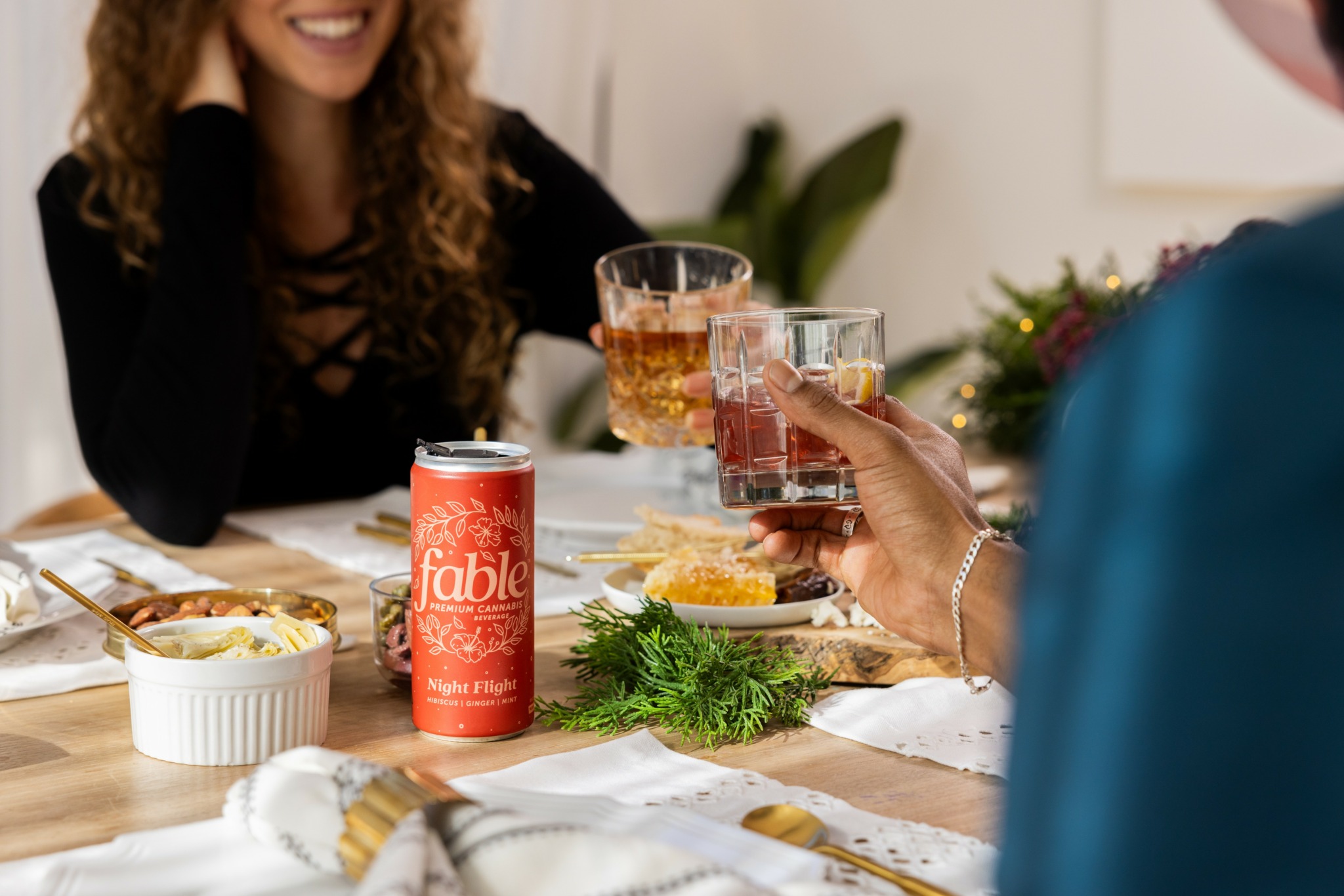
Image Credits
Photo Credit: Fable Libations