

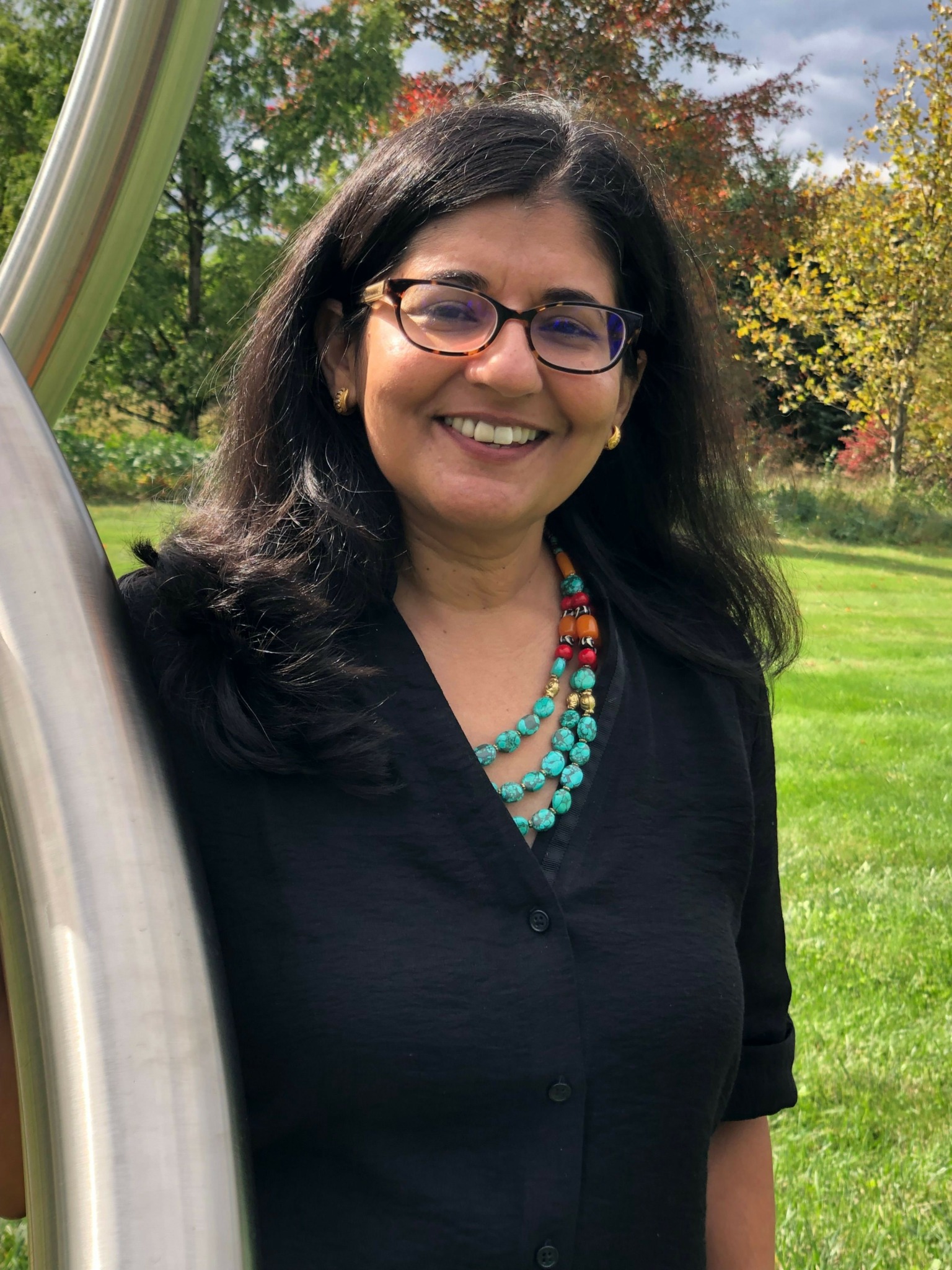

We’re excited to introduce you to the always interesting and insightful Yamini Pathak. We hope you’ll enjoy our conversation with Yamini below.
Alright, Yamini thanks for taking the time to share your stories and insights with us today. Learning the craft is often a unique journey from every creative – we’d love to hear about your journey and if knowing what you know now, you would have done anything differently to speed up the learning process.
Writing poetry is a radical act for me. I say this because I was born and raised in India where success is defined by following a profession such as being a doctor, an engineer, or an entrepreneur. As a result, my road to poetry is long and convoluted. My mother is a fierce woman who aspired for me to excel academically and earn as much or more than any man in a patriarchal Indian society. As a child, I loved memorizing poems and won many elocution contests held in my school where contestants would go on stage and recite poems from memory in “expressive” tones. I read Shakespeare and other British and Indian poets as part of my high school curriculum. However, I attended a top-ranked science and engineering school in India, where I studied for a master’s degree in information management and spent more than a decade designing software for Investment Banks first in India, and later in New York City.
When I had my two sons, my husband and I found that quality childcare options were scarce and expensive. Besides, I wanted to experience all the mess and delight of my children’s babyhood. Having children rewired my brain into slowing down to pay attention to the world. After a few years of being a full-time mom, I started to write poems with all the wide-eyed wonder of a baby. My childhood imagination had been fueled by my grandmother, who told me bedtime stories from the great Indian epics, peopled with heroes, gods, magical beasts, and hybrid monsters. They started to find their way into my poems.
At a kid’s birthday party, I met an experienced writer (the birthday girl’s grandmother) who advised me to find a writing group to improve my writing skills. Soon after, I found myself in a church basement with a lot of retired folks writing their memoirs. This group gave my writing much needed love and encouragement. I began to submit my poetry and non-fiction pieces and applied to writing workshops. One of the first workshops I attended was conducted by the Voices of Our Nations Arts Foundation (VONA) which is specifically geared towards writers of color. Working with the poet Ruth Forman, I saw that a path into the artistic life was possible for me.
I enrolled in the low-residency MFA program at Antioch University and received my diploma at the age of 51. I have published two chapbooks and my first full-length poetry collection will be published next fall. I am a late bloomer in the world of poetry, but I feel like all my life’s experiences are necessary to my poems. I don’t see poetry as a race. Rather, I see it as a path to live a life with curiosity, delight, intention, and attention.
Yamini, before we move on to more of these sorts of questions, can you take some time to bring our readers up to speed on you and what you do?
I grew up in different parts of India as a child. Each region could be a mini country in itself with its own language, food, and customs and I was exposed to many different languages and accents. My ears are sensitive to and delight in the rhythms of language and I lean naturally into the music of poetry. The language of my poems is sourced from a lexicon of images that derive from the history, landscapes, and natural history of the places that are dear to me. Food, in my poems, is intimately connected to home, tradition, and homeland, and intertwined with body and spirit. Translation is an art that is fascinating to me. Aside from writing poems in English, I am currently working on a project to translate poems from the Hindi language into English.
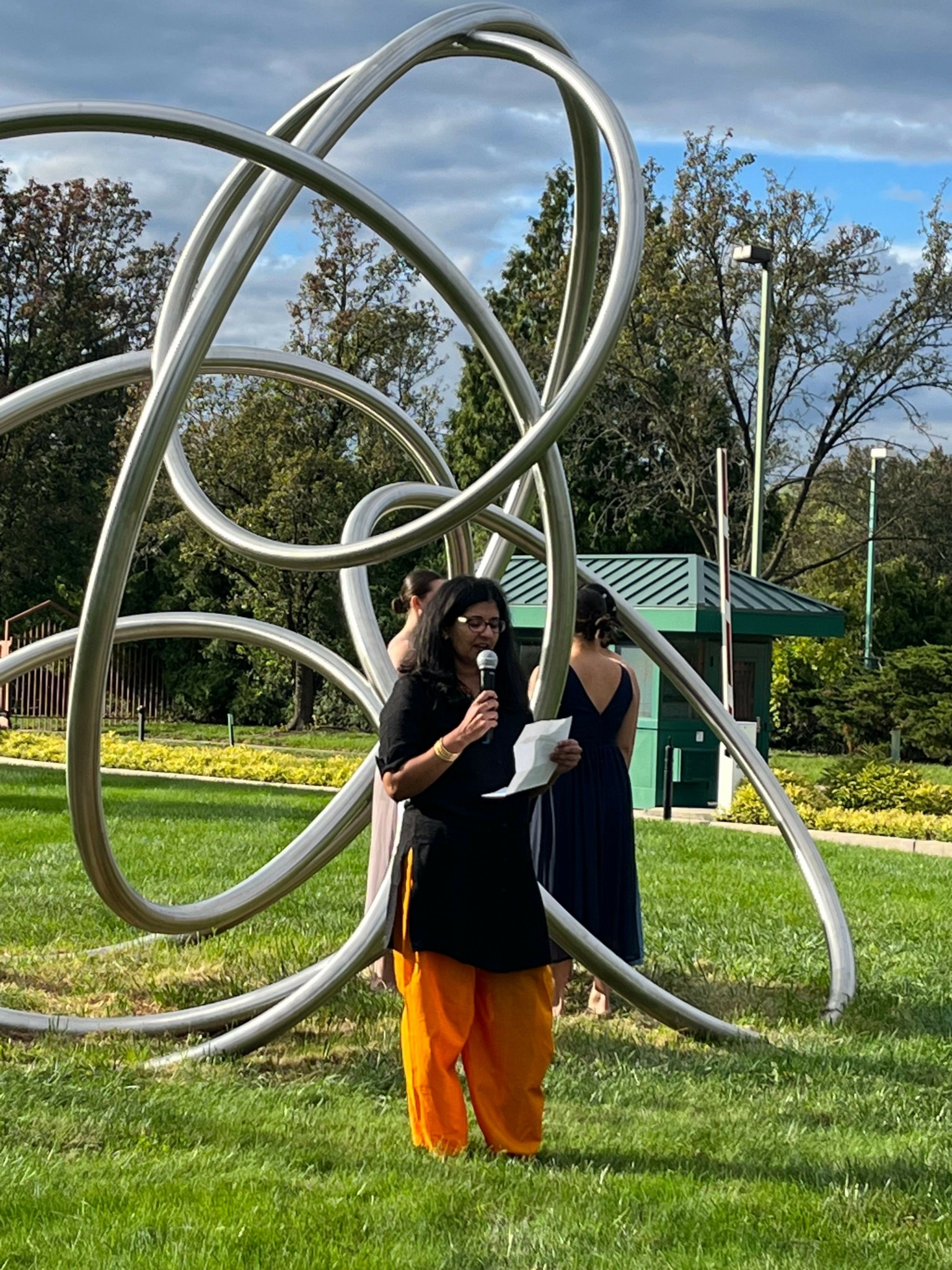
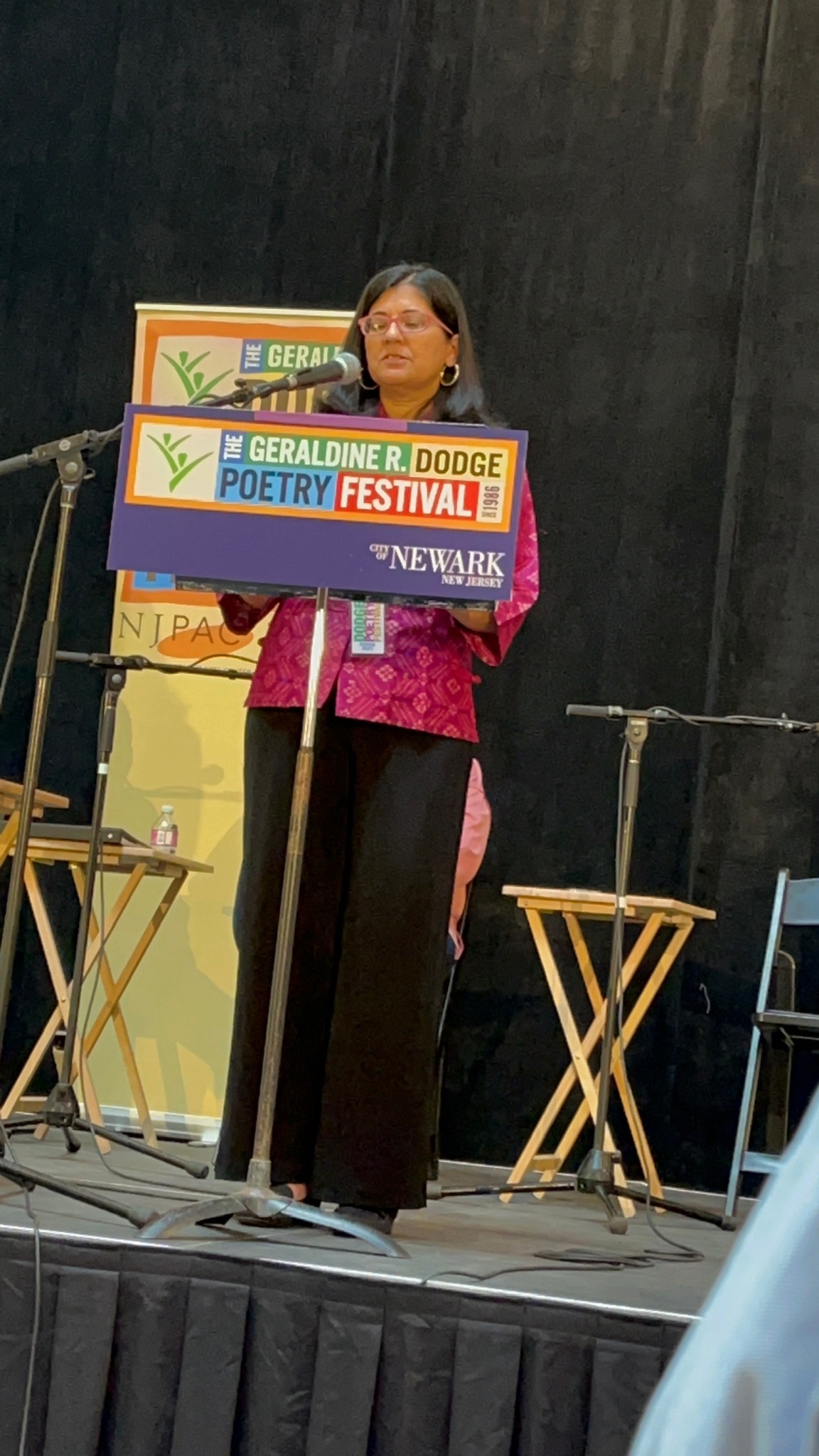
Working with the Geraldine R. Dodge Foundation as a poet in schools, I visited high schools to celebrate poetry with students. Beyond the Dodge, I visit elementary schools and hold writing camps for children that are filled with creative play. Though I teach workshops for adults through my township arts council, I am most inspired when I work with children because they are unafraid to take risks. Kids delight me with the freshness of their vision and their surprisingly flexible uses of language.
Some of the ways I love to champion the work of poets, especially those whose work has been underprivileged, is through writing book reviews and volunteering for various literary journals. In the past, I have been a reader for The Nashville Review and Lunch Ticket. At present I am the poetry editor and acting editor in chief of the Inch series of micro-chapbooks published by Bull City Press.
We often hear about learning lessons – but just as important is unlearning lessons. Have you ever had to unlearn a lesson?
A high achiever in school and my work life, I was always goal-driven, and made unreasonable demands on my body and spirit to “get ahead.” After switching to writing, I have learned slowly that this way of working is punishing and detrimental to my creative process. It has been a very difficult lesson to unlearn and some days I am not sure that I have quite achieved it. One way I have changed is by softening my hard-edged goals into intentions that move me in the directions where I want to grow. Knowing that to do my best creative work, I need to walk in nature often, get enough sleep, eat nourishing home-cooked meals, commune with the work of other artists, and share laughs with family and girlfriends helps me live and work with intention. Now I even take pleasure in doing things that I am not very good at such as dancing, that fills me with joy. In the past, I barely acknowledged my successes to myself and moved on right away to thinking about the next milestone I wanted to achieve. Now, when I accomplish something that I am proud of, I try to pause and soak it in, and feel grateful. Every experience, good or bad, has something to teach me. I consciously try to view a setback or rejection of my poems not as failure, but as part of the bigger process of creating. This leaves me freer to take risks and make mistakes when I write.
For you, what’s the most rewarding aspect of being a creative?
When I was a child, I was extremely shy and worried that others found me strange. I longed to break through my silence and express myself clearly. My creative practice has led me to a place where I can become still and hear my own voice. This clarity and grounding in the self has opened unexpected channels of communication to the world that allow me to stretch and explore areas out of my comfort zone. As part of the Duniya Collective, a group of BIPOC artists ranging in age from their teens to their seventies, I have featured in several audience-immersive programs weaving together dance, music, storytelling, ritual, poetry, and film at the Grounds for Sculpture Museum and other public venues in Central New Jersey. These collaborations have opened my eyes to the enormous potential for accomplishment through co-operation rather than competition. We lift each other up for our achievements and fill in for each other’s gaps in skills and experience. My writing community includes poets from my MFA program, the various residencies, and workshops I have attended, and even writers from that original group in the church basement. Many of whom are now my dearest friends.
Contact Info:
- Instagram: @ypathakpoet
- Facebook: Yamini Pathak (https://www.facebook.com/yaminip/)
- Twitter: @YaminipPathak
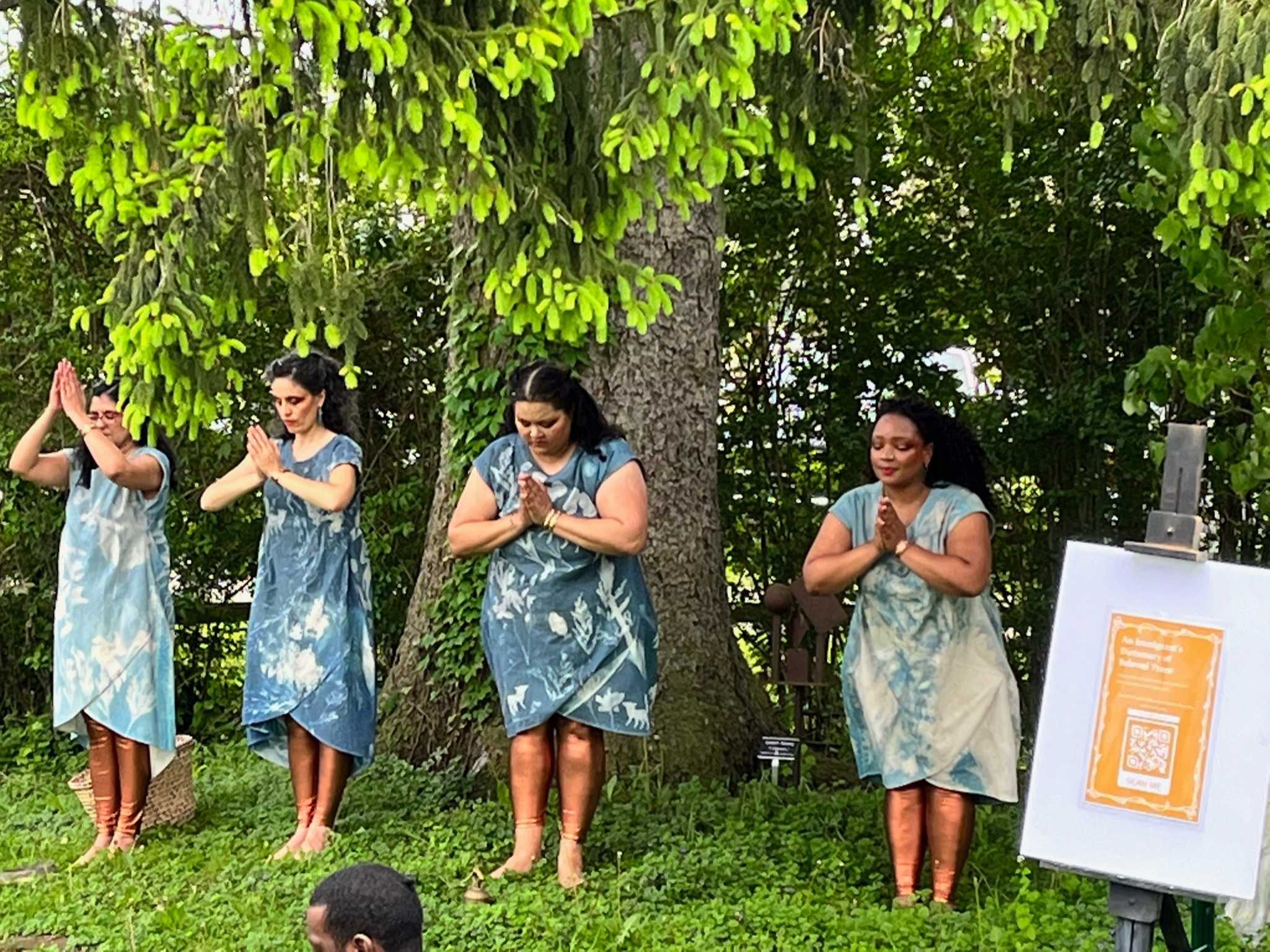
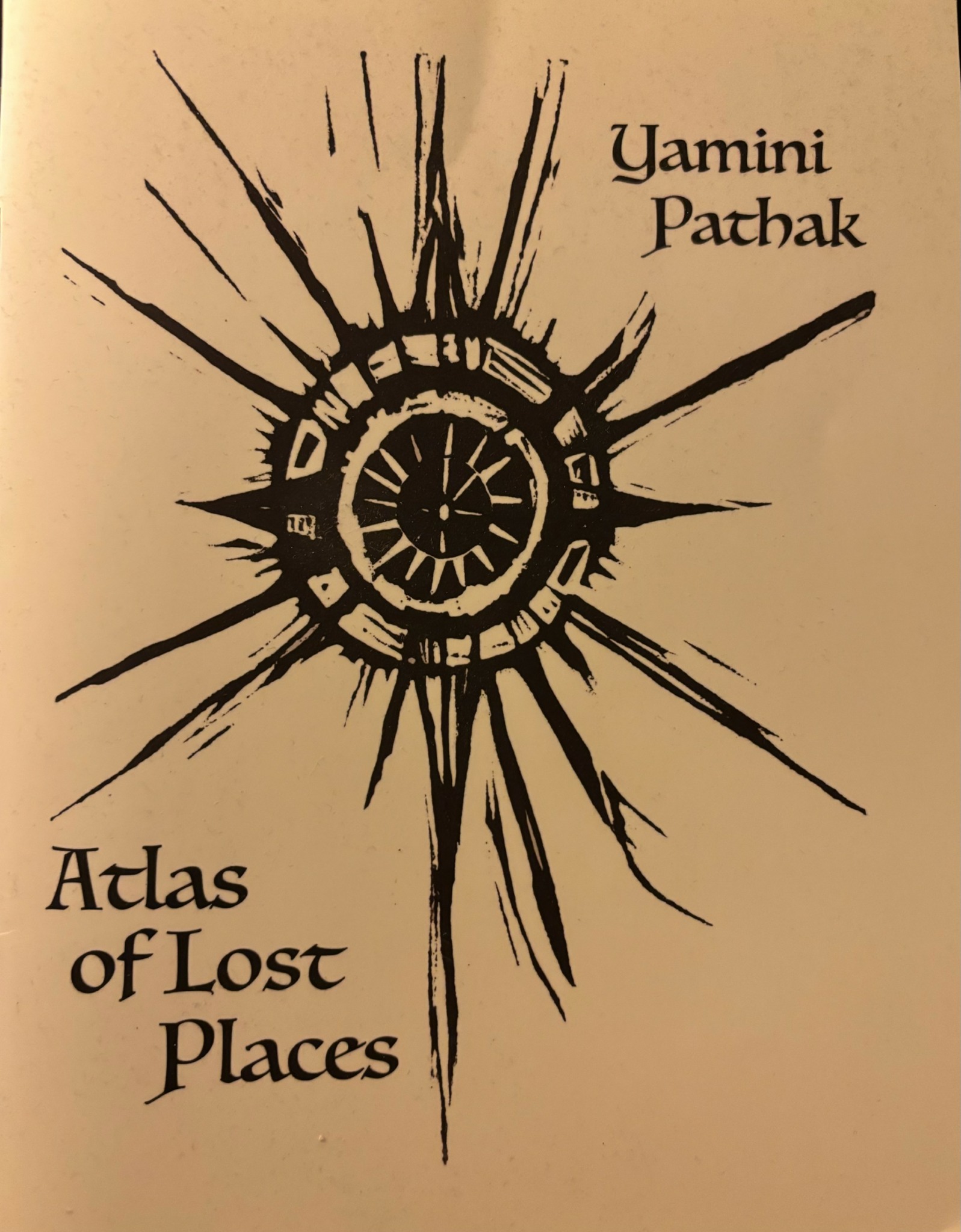
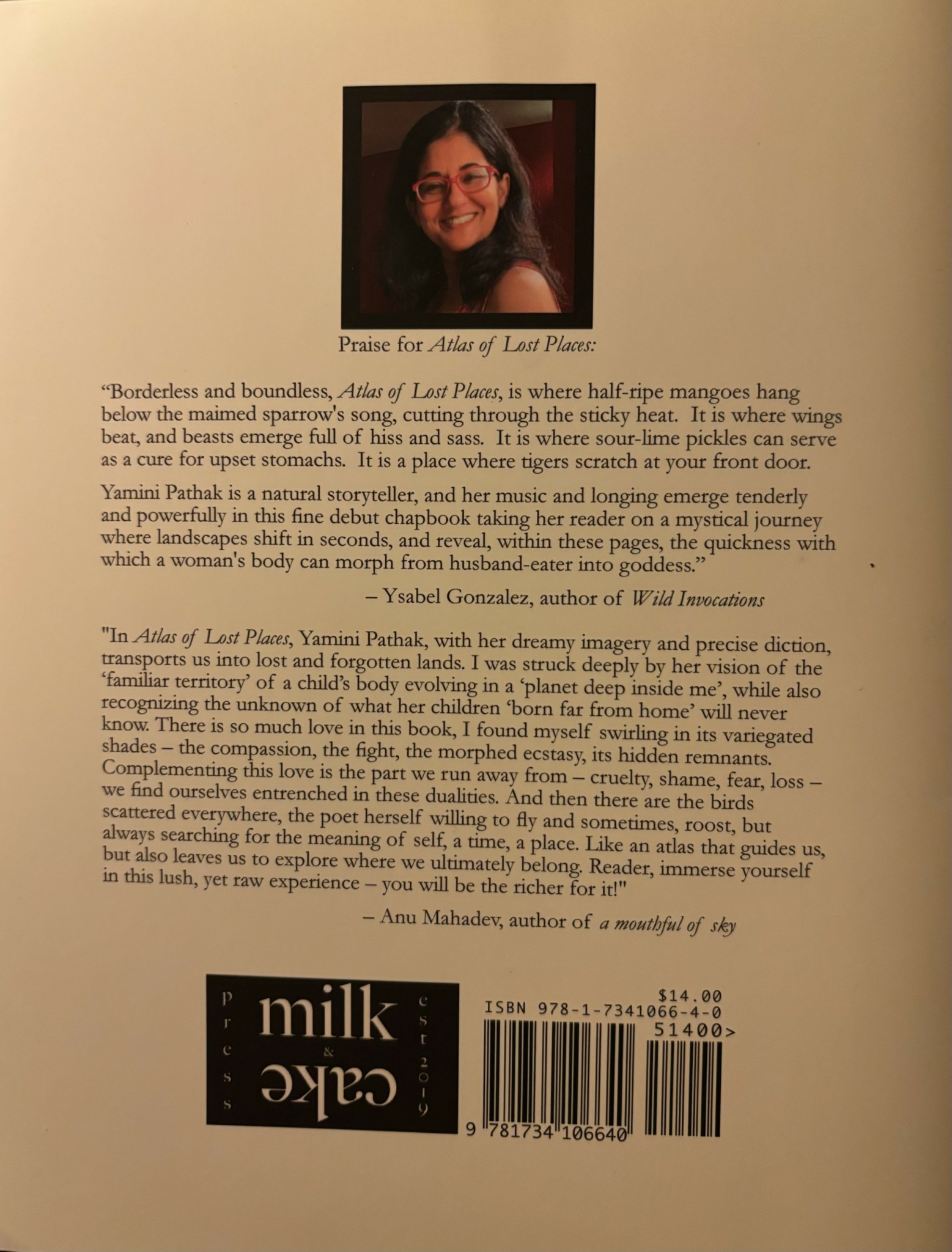
Image Credits
Image 3: Emily Dickinson Museum