

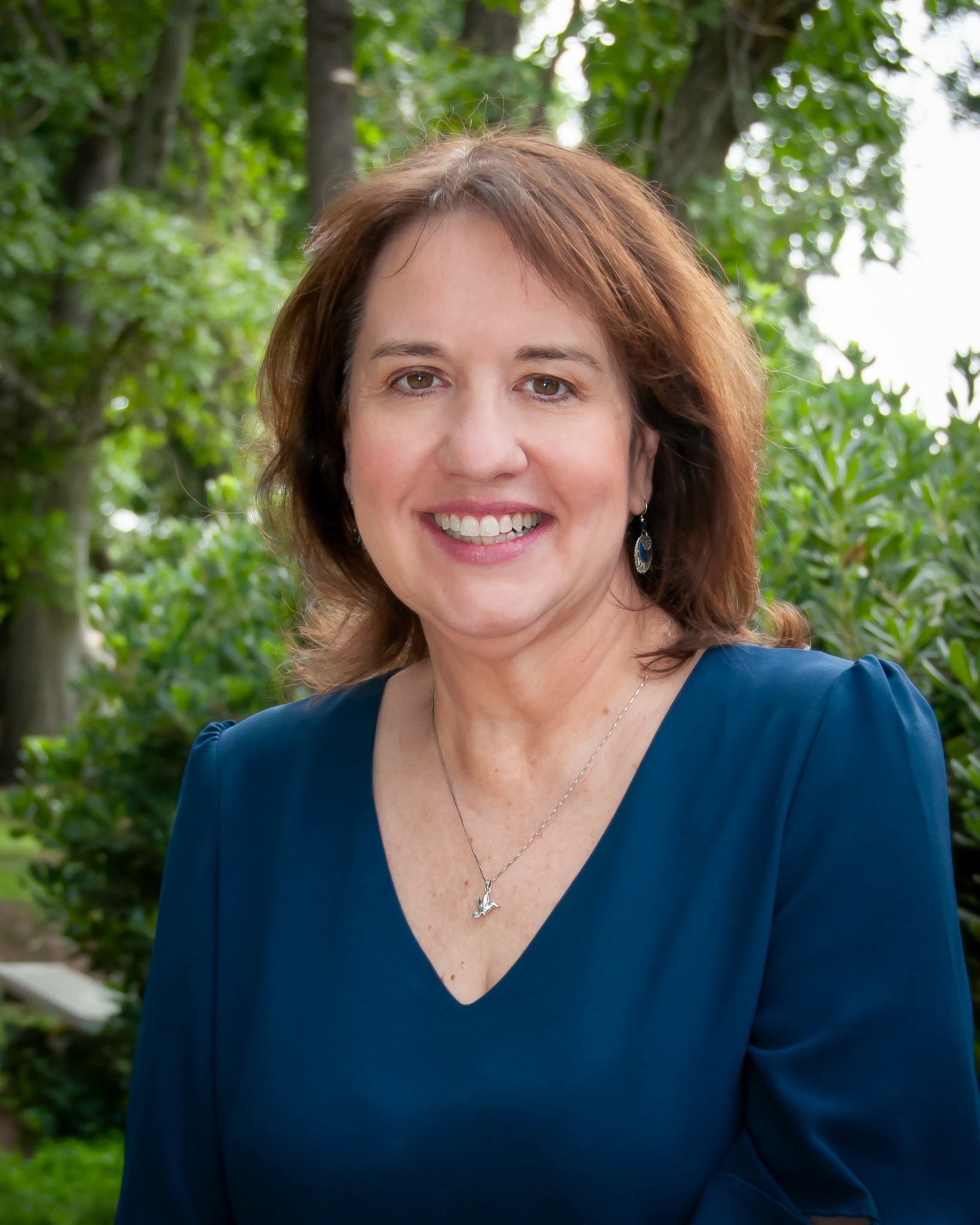

We recently connected with Danell Black and have shared our conversation below.
Hi Danell, thanks for joining us today. If you had a defining moment that you feel really changed the trajectory of your career, we’d love to hear the story and details.
My defining moment was when I decided to pursue a career in counseling.
In 2016, my husband, Patrick, was hit and killed by a meth-impaired driver while on an early morning bike ride. He had just turned 49 one week prior and was healthy and active. I never imagined his life and our marriage would end so soon. I couldn’t imagine how I would move forward. Over the next few weeks, I focused on getting through the immediate aftermath and being there for my 17-year-old and 19-year-old daughters. I appreciated the outpouring of support I received, including Patrick’s physical therapy patients, who reached out and shared stories of the difference he made in their lives. I wanted to find a way to continue his legacy.
I channeled my grief into writing and shared my words through social media. I received feedback from friends and relatives who appreciated me sharing my journey. I was told that I was helping others process their own grief. I began to realize that I could honor Patrick by choosing a career in counseling, and five months after his death, I enrolled in a master’s program for professional clinical counseling.
As always, we appreciate you sharing your insights and we’ve got a few more questions for you, but before we get to all of that can you take a minute to introduce yourself and give our readers some of your back background and context?
I came to the counseling profession later in life after experiencing the sudden, traumatic death of my husband in 2016. This loss taught me to appreciate the profound difference support and counseling can make when one is faced with unexpected life events.
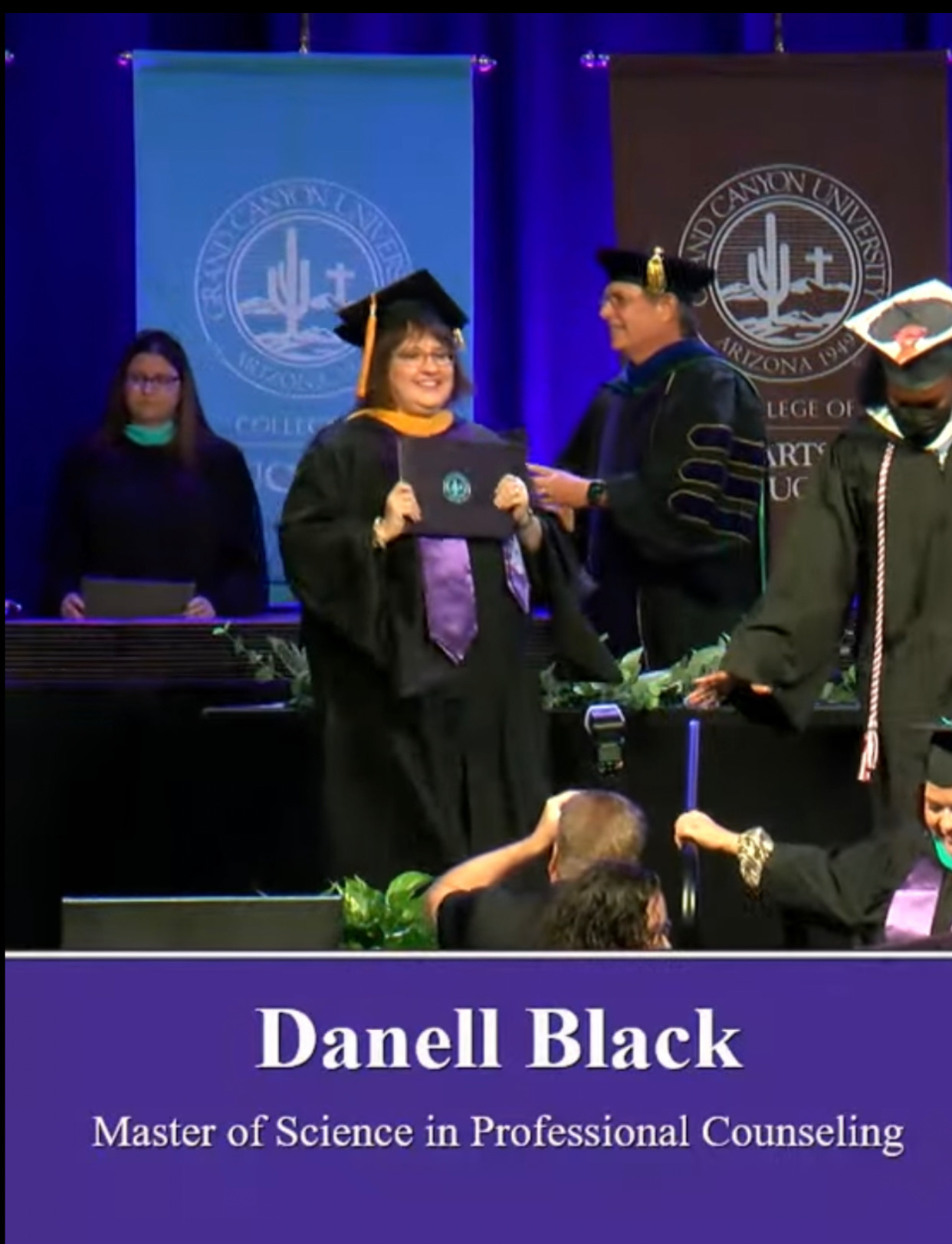
I have lived in the Central Valley my whole life and was raised in Clovis, CA. I received my Bachelor of Arts from California State University Fresno, with a major in Liberal Studies. I taught elementary school for four years and then worked for Aetna for 22 years. After being widowed in 2016, I decided to focus on a new career where I could make a difference in the lives of others. I completed my Master of Science in Professional Clinical Counseling at Grand Canyon University in 2020.
I am certified in Eye-Movement Desensitization and Reprocessing (EMDR) and specialize in trauma therapy. EMDR is a trauma treatment developed by Dr. Francine Shapiro in 1989. Research has shown that EMDR Therapy is an effective treatment for Post-Traumatic Stress Disorder (PTSD) and is also used for the treatment of General Anxiety, Performance Anxiety, Specific Phobias, Grief and Loss, Panic Attacks, Disturbing Thoughts or Memories, and Sexual/Physical Abuse and additional uses continue to evolve. Here is a link to a video about EMDR https://youtu.be/Pkfln-ZtWeY.
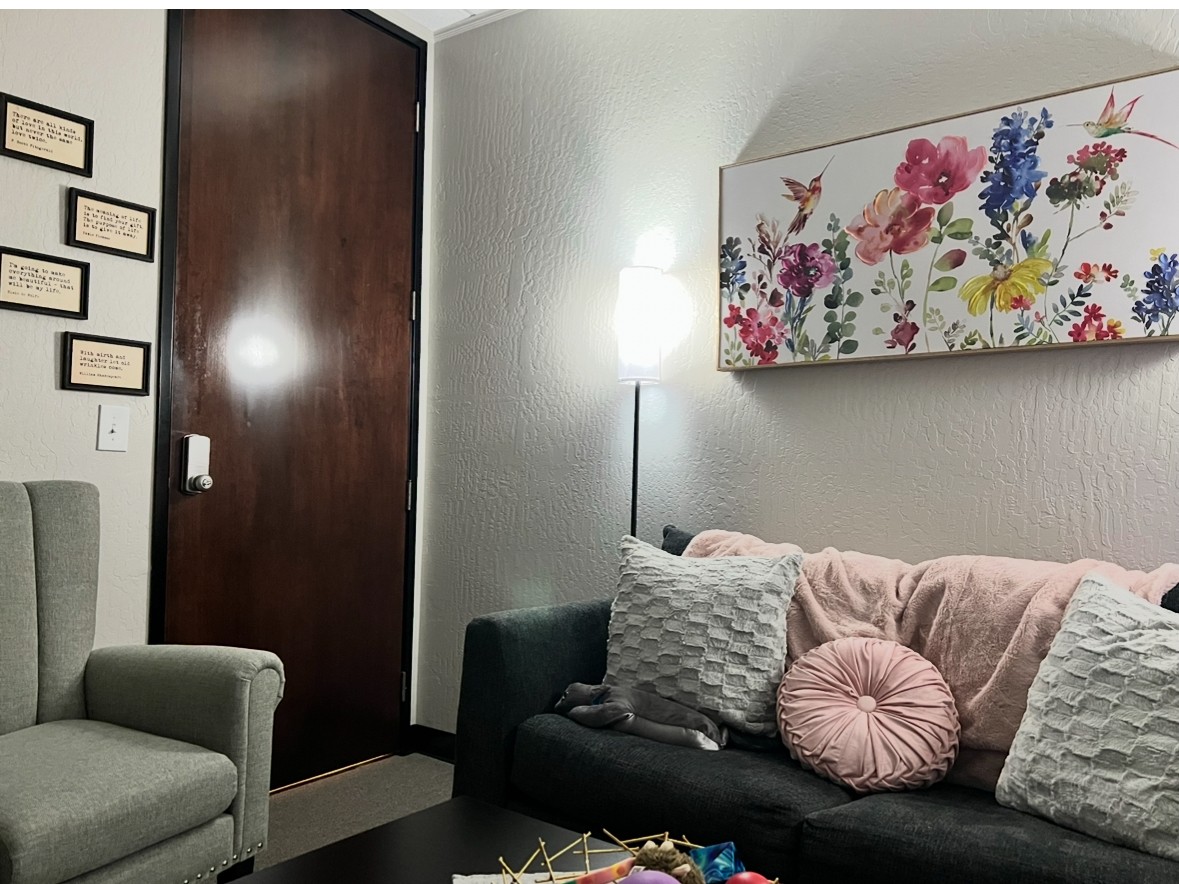
I have spent the last two years in private practice, and I currently see clients in person in Fresno, CA, or via telehealth in other parts of California. I enjoy helping my clients develop coping skills, manage their symptoms, and find a new path forward. I am incredibly proud of my progress in helping clients recover from trauma.
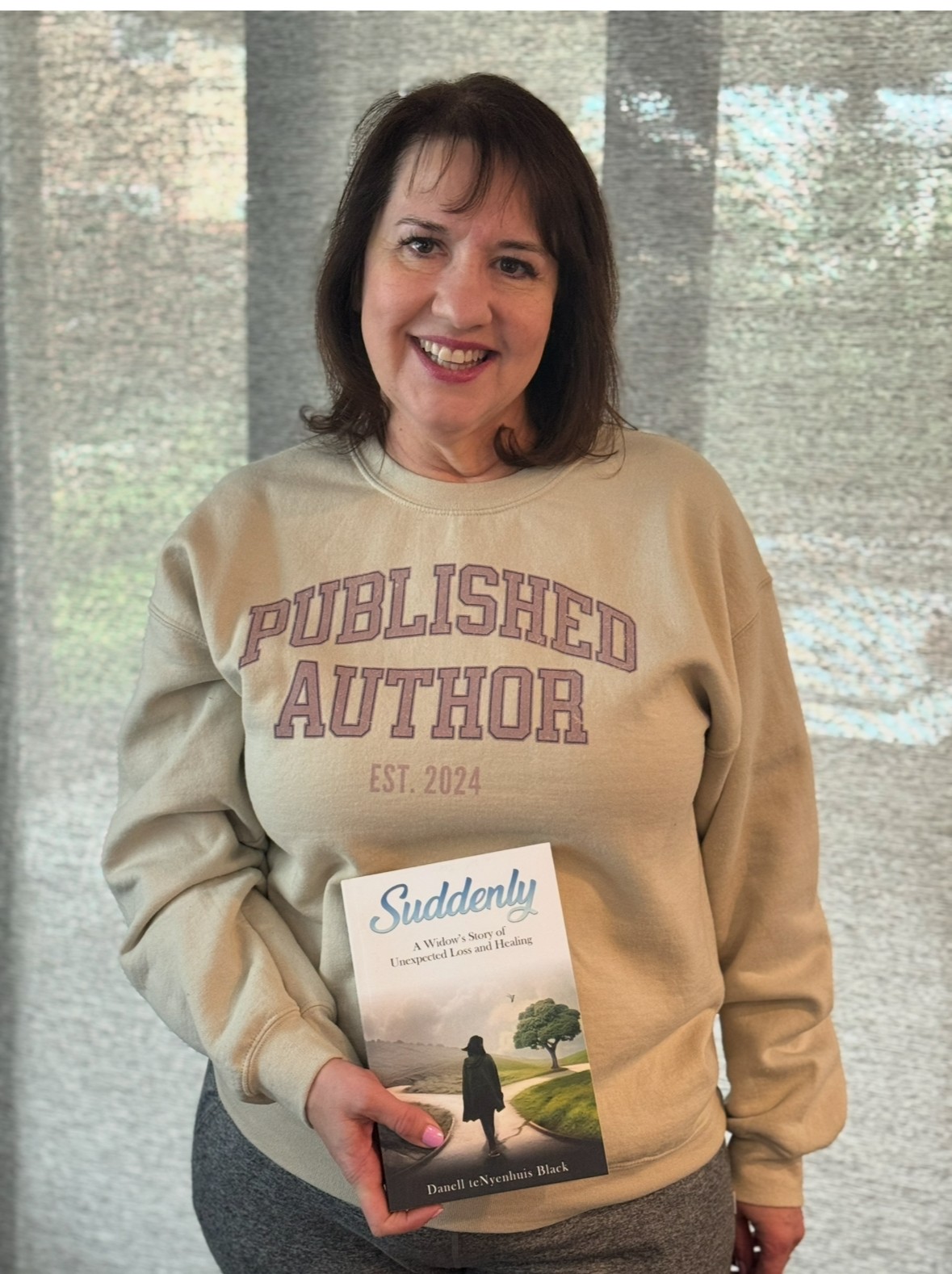
I hit another significant milestone this year when I published my first novel, Suddenly, A Widow’s Story of Unexpected Loss and Healing. This book combines seven years of blog entries with my counseling experience and knowledge. I read many similar stories when I was processing my own grief and loss, and I hope my story will touch others who are experiencing the same type of loss or any major setback.
If you could go back, would you choose the same profession, specialty, etc.?
If I had to go back, I think I would have chosen the same path. It’s easy for me to think I should have become a counselor 30 years ago, but my life experience contributes to my effectiveness as a counselor, and I am also a lot more confident at this stage in life.
I spent many years feeling guilty and regretful for “wasting” my teaching education. Eventually, I realized that the knowledge and skills I gained as a teacher were useful in other areas of my career and life, and I don’t regret that time.
My message to others is that it’s never too late to reinvent yourself. Counseling was not a long-term dream for me. I happened upon it after a very difficult experience, and it has turned out to be the best career for me.
Other than training/knowledge, what do you think is most helpful for succeeding in your field?
The biggest key to a successful counseling experience is the relationship between the counselor and the client. If the client is uncomfortable and doesn’t feel a connection to you, they will probably not get anything from the sessions. The ability to be empathetic and be a good listener is crucial. Counselors also need to be able to listen to all that their clients tell them without absorbing all of the pain. I’m not sure if this is a learned skill, but it is a quality that I possess. I care about my clients and feel their pain and joy, but I can set it aside at the end of the day. And, on those occasions when I have difficulty with that, I know what I need to do to ensure it doesn’t affect my counseling ability. This includes maintaining a therapeutic relationship with my counselor and practicing self-care.
I also feel it is essential not to be judgmental. My clients should be able to tell me anything without feeling I am disappointed or judging. I won’t say this is always easy, but it is very important and is another hallmark of a good counseling relationship.
Contact Info:
- Website: https://danellblack.wordpress.com/
- Facebook: https://www.facebook.com/profile.php?id=100063601147594
- Linkedin: https://www.linkedin.com/in/danell-black-4518a045/
Image Credits
Lea Lancaster