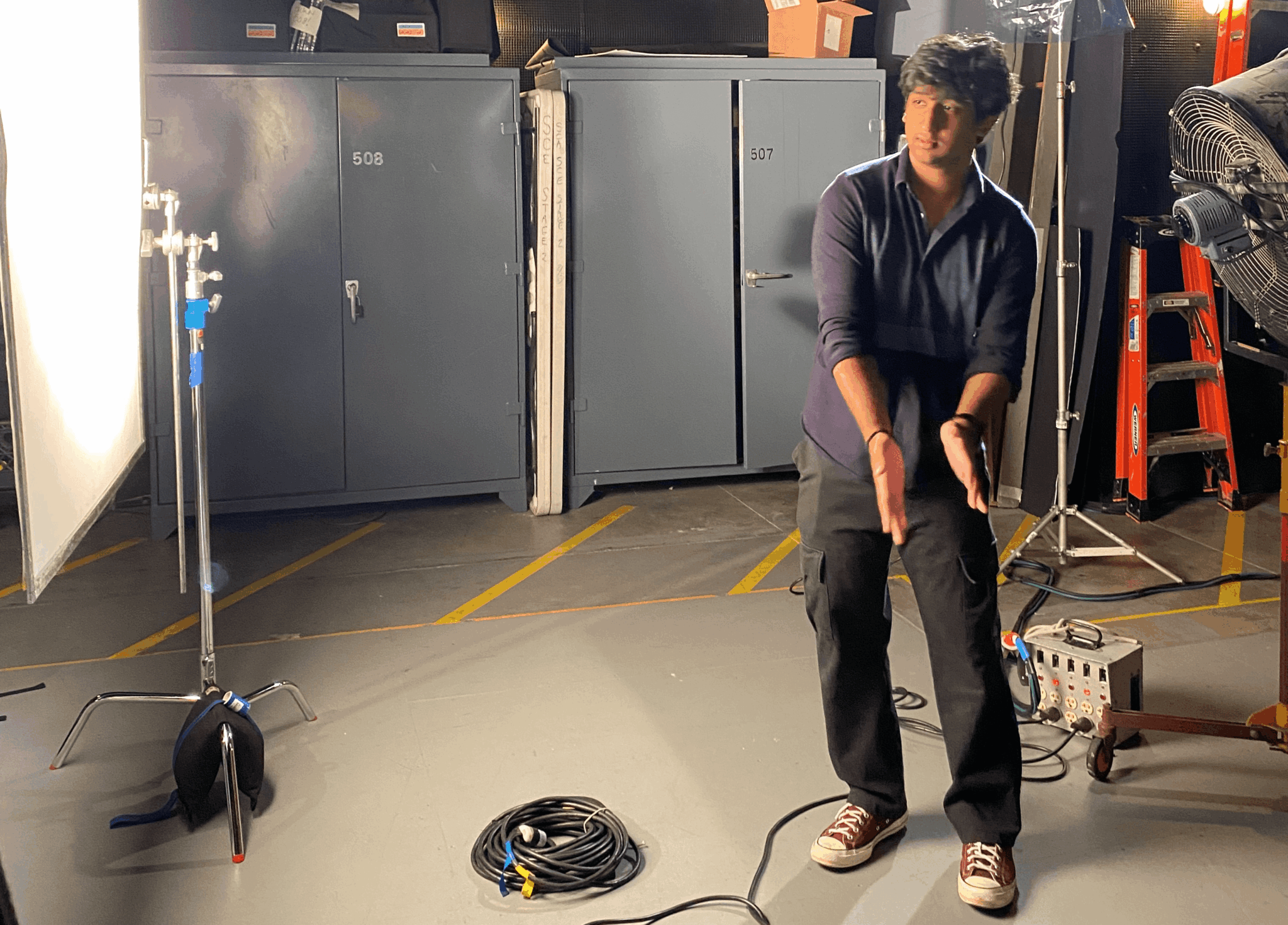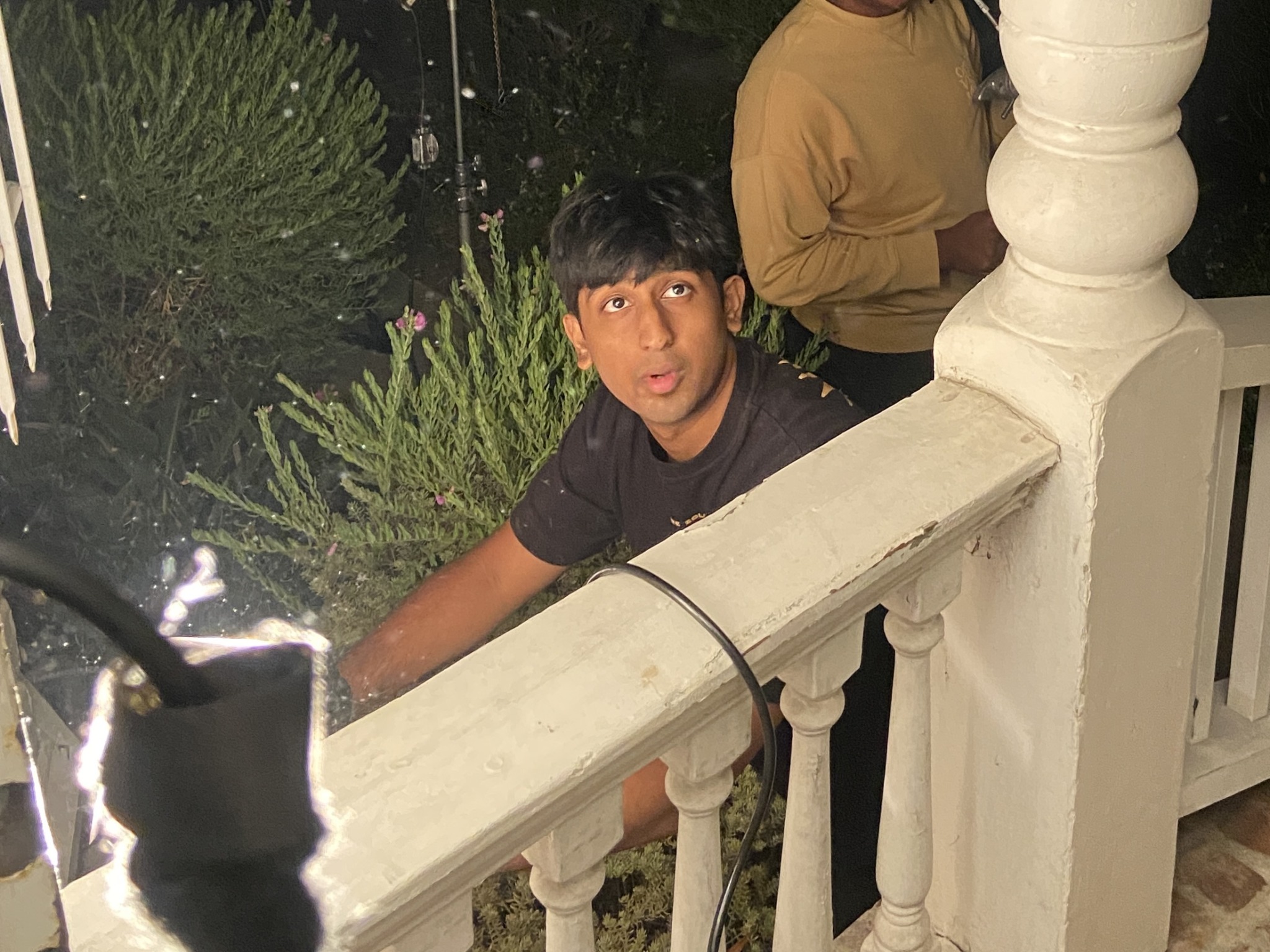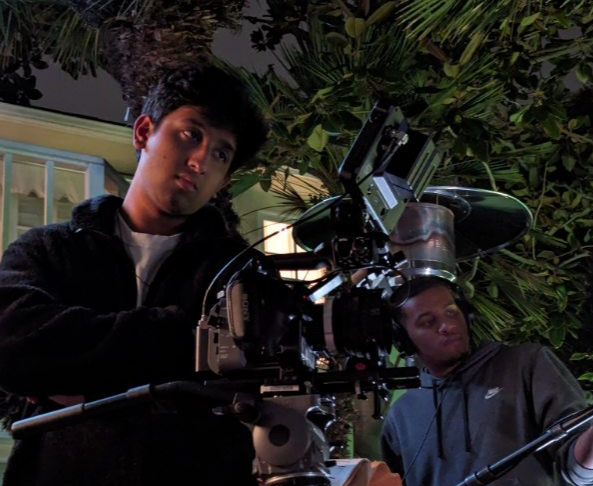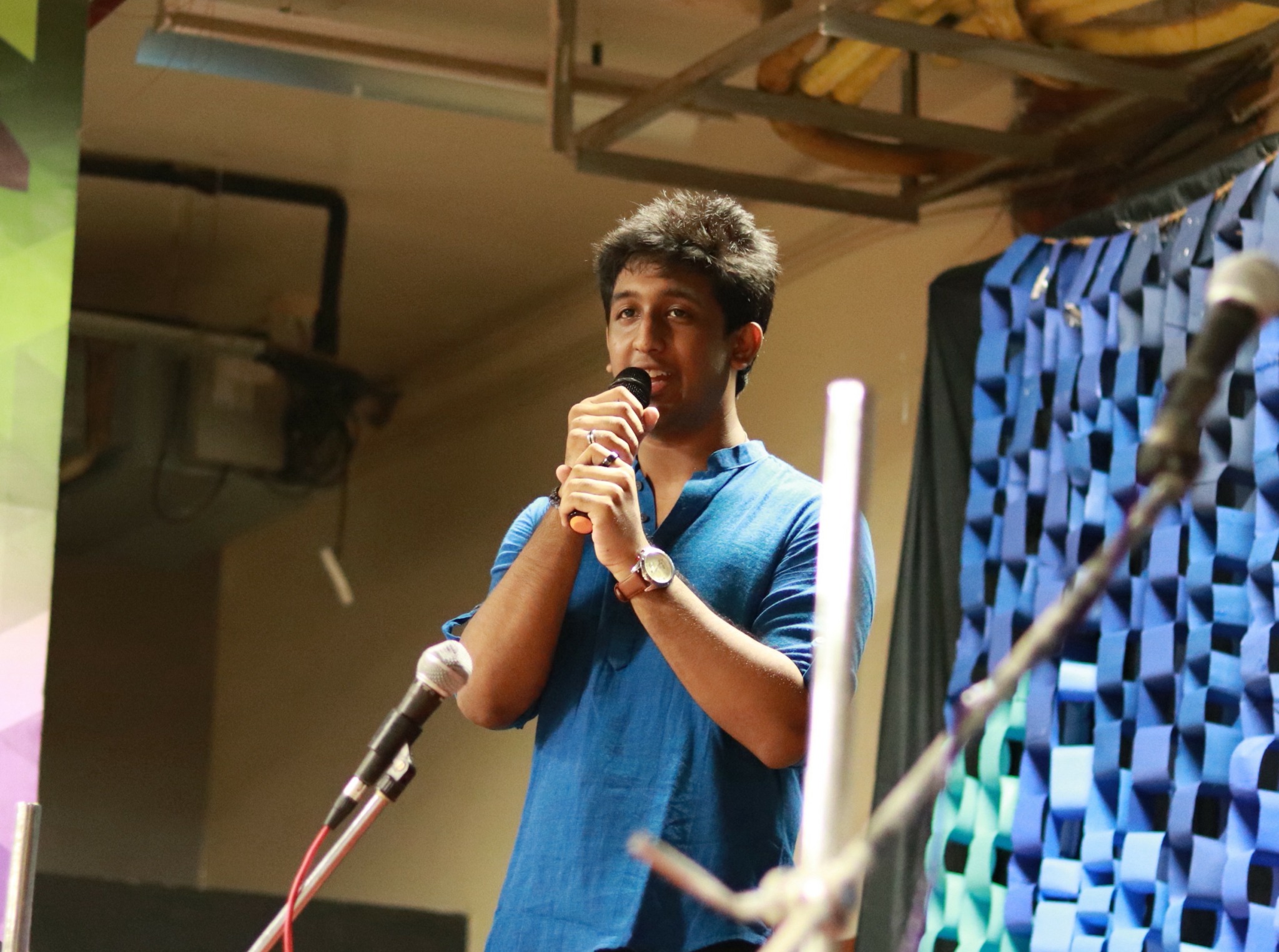

We were lucky to catch up with Shashwat Mathur recently and have shared our conversation below.
Alright, Shashwat thanks for taking the time to share your stories and insights with us today. What do you think it takes to be successful?
I’d say I’ll tell you when I become it, I can only speculate for now. But jokes aside, I see an x-factor in people who have done really well for themselves, especially in the artistic field. They just happen to have an edge that distinguishes them from the rest, it might be marginal but it exists. Some have it since the very beginning while some find it along the way, others are like carbon and need a conducive environment to transform into a diamond. But they will all develop that edge sooner or later if they do become very successful. After that, it is a matter of standing tall and delivering on it, putting in the hours and the work to make it happen.
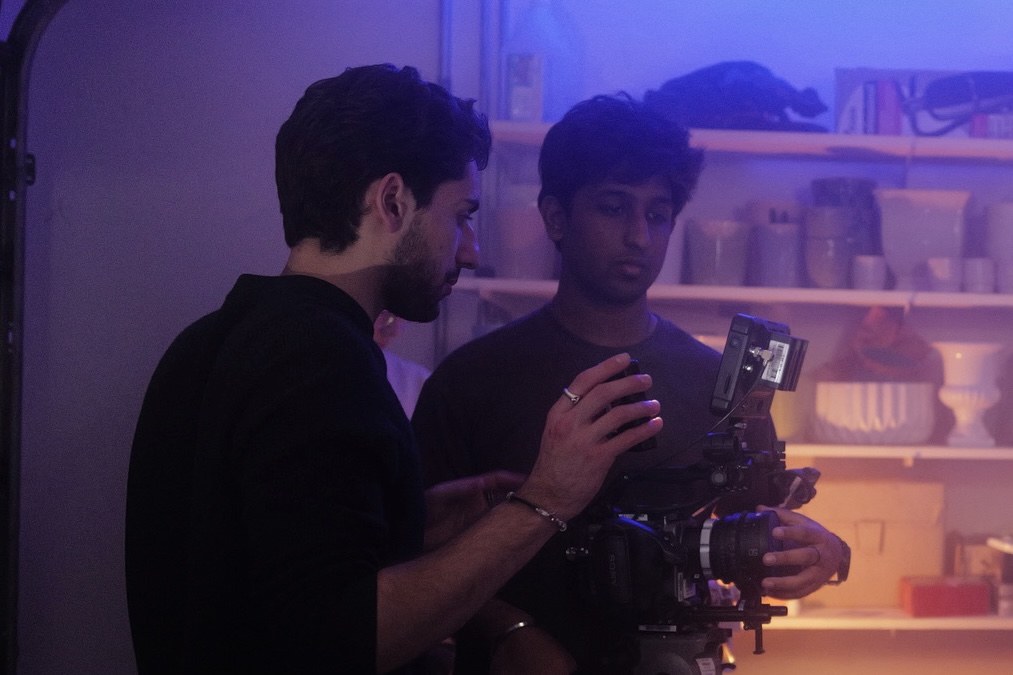
As always, we appreciate you sharing your insights and we’ve got a few more questions for you, but before we get to all of that can you take a minute to introduce yourself and give our readers some of your back background and context?
I spent my childhood moving across multiple cities in India, but it was Mumbai, home to the Hindi film industry or Bollywood, where I finally ended up. My mum inculcated her unabashed love of cinema into me, and by age 15 I had seen more movies than the rest of my class combined. So when the time came to pick a lane, there happened to be just one road leading straight.
Bollywood is deeply embedded in my DNA, I grew up on it. It is how I envisage movies to be: large and opulent. I am also an ardent lover of poetry and music. Like Robin Williams said, “These are the things we live for.” There is immense power in music which is almost universal, a language unto itself. While poetry has a unique brevity of condensing the most complex emotions into simple thoughts. Hence, an amalgamation of movies, music, and poetry is the zenith of creative artistry for me, which luckily happens to be the USP of every Indian film.
But international cinema, in particular certain British and American genres, have had a major influence on me and my creative choices. I have a lot of respect for the style and structure present here; there is so much to learn. Around the age of 17, I started exploring films outside of India. Sitting through the COVID-19 pandemic, I went through hundreds of films and tons of filmmakers. It opened my eyes to what films can do and how this beautiful medium can be used to tell stories. It pushed me to think bigger and be better. I landed up at the USC School of Cinematic Arts in the city of Los Angeles. Something I wouldn’t have imagined in my wildest dreams. But the goal ahead of me is clear.
I want to tell stories that are a marriage between the two halves of my personality. The core Bollywood fantastical fantasia with high emotions and high drama told through the lens of a three-act structure, hailing nuances and styles that are global. To put it colloquially, have Shah Rukh Khan spread his arms wide in a lush green field saying, “The path of the righteous man is beset on all sides by the inequities of the selfish and the tyranny of evil men.” Ok, perhaps not that but you get the gist. The intermingling of these two cinema powerhouses is exciting and I think there is a song to sing.
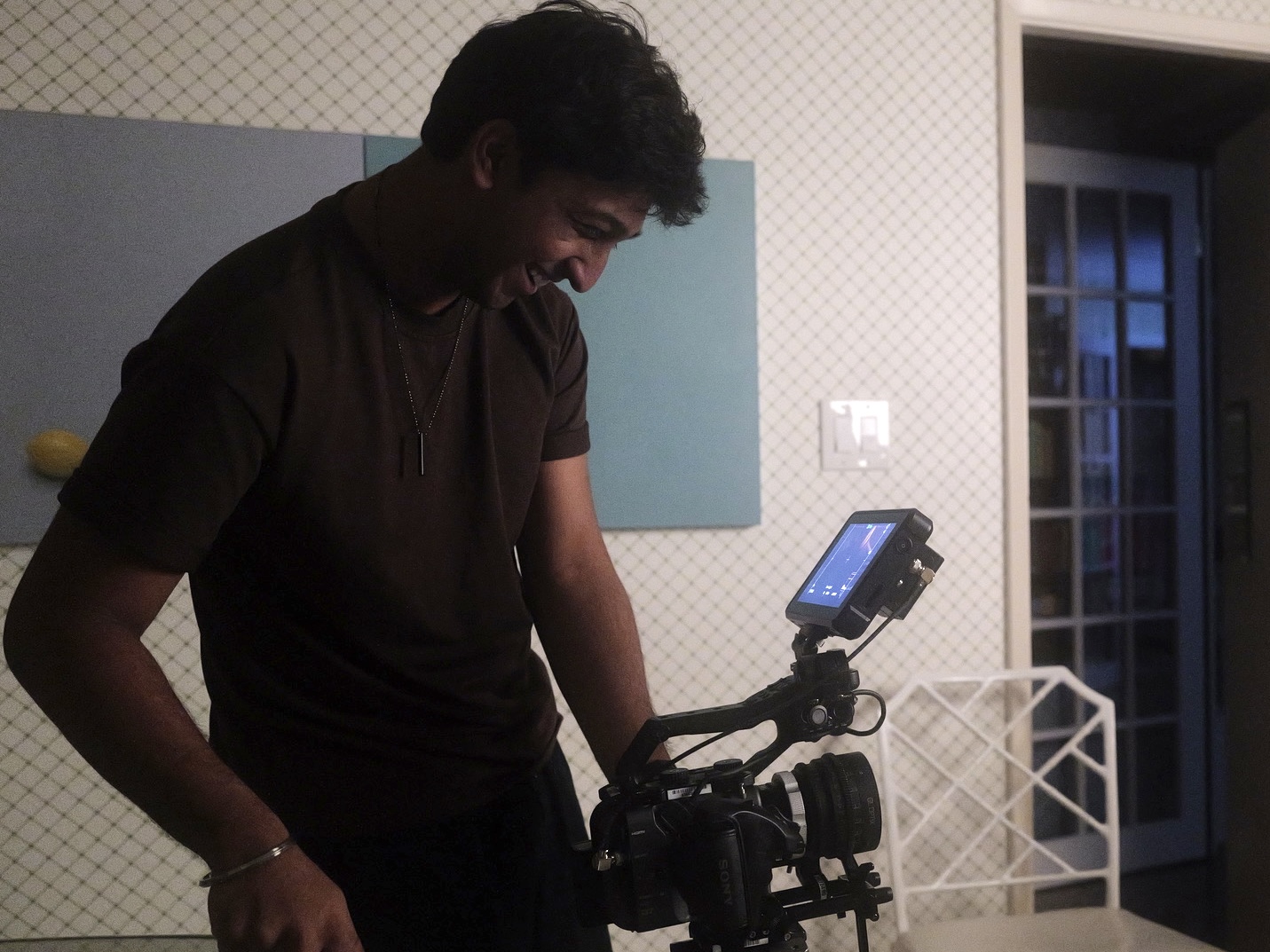
Any resources you can share with us that might be helpful to other creatives?
I think YouTube is a fantastic resource, it is hypocritical of me to say this, but a person could quite literally skip film school and learn everything they need to know from YouTube. I would recommend it to everyone who wants to be a filmmaker and even those who are interested in other creative endeavours. There is so much good stuff out there, all yours for the taking.
The first step of learning is immersion, and YouTube’s algorithm lets you do that. Subscribe to every film-related channel you find and soon enough your feed will be a repository of excellent information and tools that somebody even 2 decades ago didn’t have remote access to, make sure you exploit it. I remember watching a movie till 3 in the morning and then watching video essays about that film till 6. It is crazy how addictive it can get and how much you can grow your brain by consuming it regularly instead of the tons of immaterial content we watch every day.
My personal favorite channels include Moviewise, Thomas Flight, Lessons from a Screenplay, Studio Binder, In Depth Cine, Now You See It, and CineFix. There are a million more but these are the ones I keep revisiting the most.
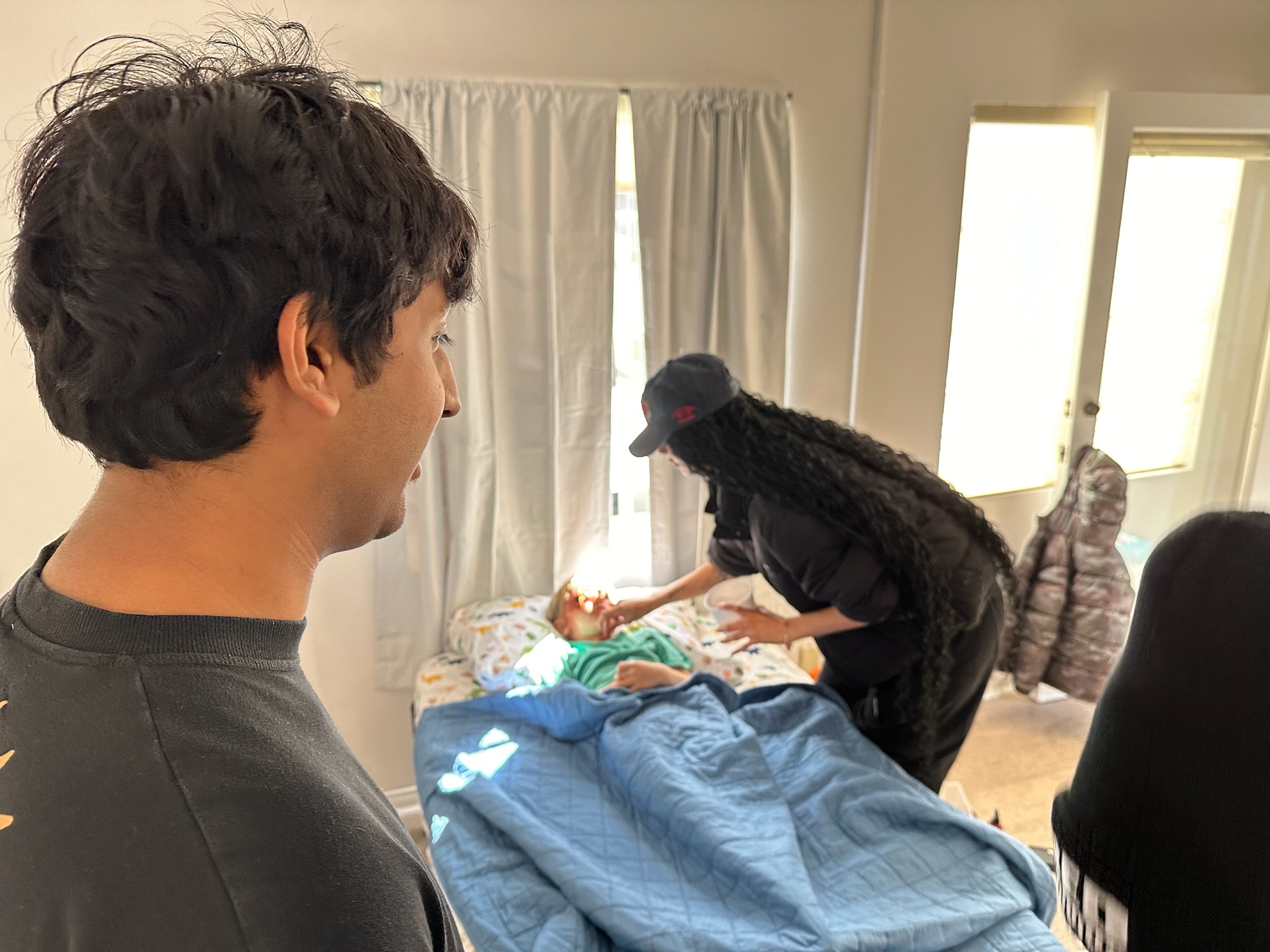
For you, what’s the most rewarding aspect of being a creative?
Storytelling, a profession since time immemorial. Having the privilege to indulge and engage with it on a daily basis has got to be the most rewarding aspect of this job. It is one thing that distinguishes us from the other species on this planet. The ability to communicate, to share our thoughts, ideas, and emotions with other humans. Stories help us make sense of the otherwise complicated and chaotic world around us. So much of life around us is built on stories. They can be found in books and films and music but also in life and love and longing and hugs. We see them on the street, in the bar, on the train, in nature, and even in our dreams.
To be able to learn how stories work and how to curate them for our kind is an absolute honor. Nothing matches the feeling of people watching or reading your work and reacting to it with fervor. Making them feel something, even if it is for a fleeting moment, that’s what we are all here for.
Contact Info:
- Instagram: https://www.instagram.com/shashwatmathur__/
- Linkedin: https://www.linkedin.com/in/shashwat-mathur-8650331b8/
- Twitter: https://x.com/Shashwatmath10
- Youtube: https://www.youtube.com/@shashwatmathur