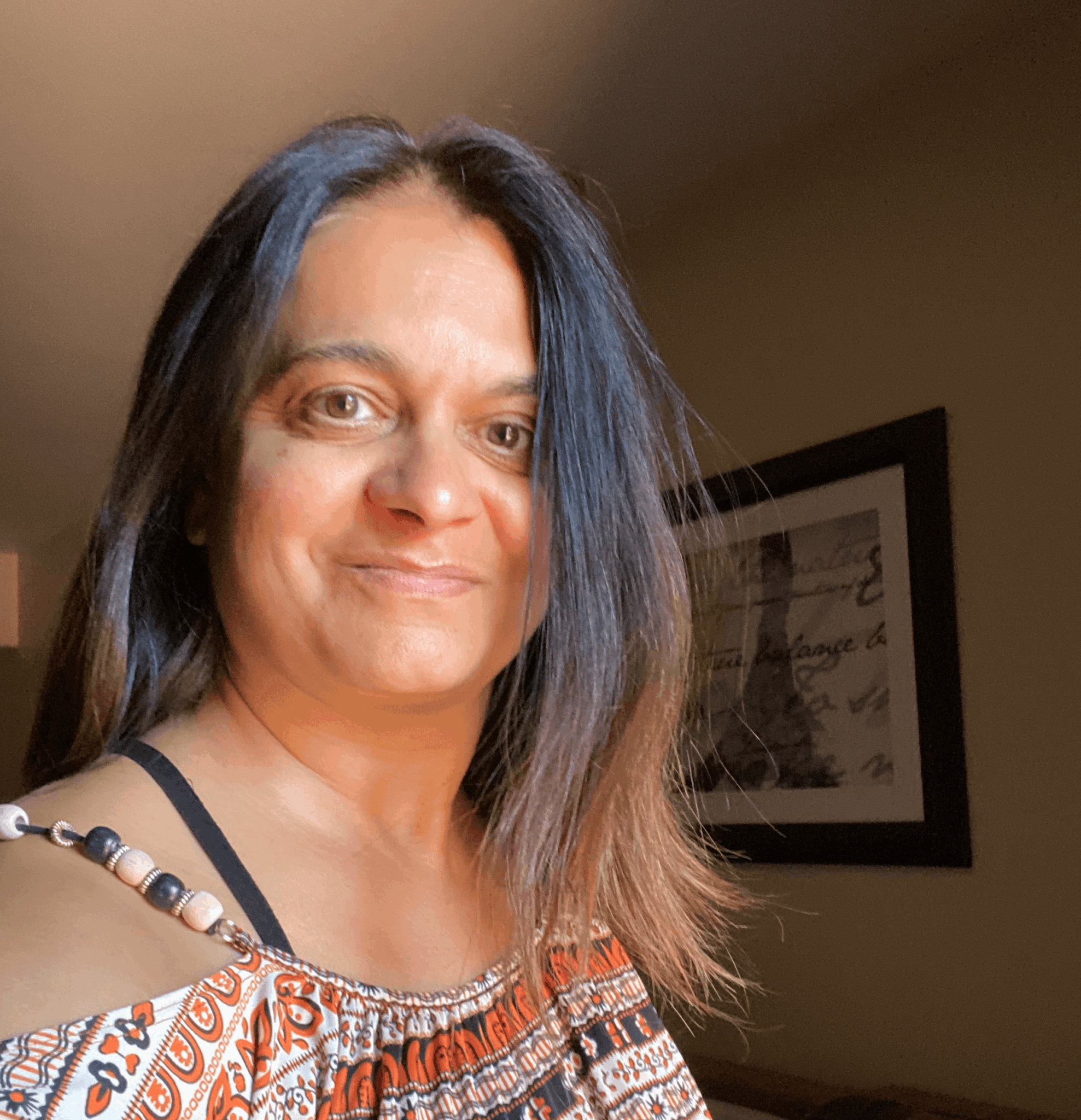

We were lucky to catch up with Nilam Khurana recently and have shared our conversation below.
Nilam, thanks for joining us, excited to have you contributing your stories and insights. Setting up an independent practice is a daunting endeavor. Can you talk to us about what it was like for you – what were some of the main steps, challenges, etc.
At first I said ‘Mark my words, I will NEVER open my own practice.’
My parents had small businesses and I saw the ups and downs of the finances, work and stress. I didn’t want that. I just wanted to see my patients and take good care of them. I realized soon after working for someone that I had to choose. I could not sacrifice the level of care I wanted to provide for my patients. It was painful, but I would not have chosen a different path. There were a lot of lessons learned. Most importantly is making sure you choose the right people around you. My business partner and I had many obstacles and there were many times that I wondered why I chose to do this with her. It was a quick decision because she approached me and I was young and new in the field. We both learned and grew and now I know that I would not have wanted anyone else along with me on this path. She and I had very different business ideas. But our passion to help all children receive high quality health care was the essential component that helped us through all of the obstacles as we plan to celebrate our 20th anniversary in a few months. Listen to your passion, but be wise on who you chose to join you on this path. It is like a marriage. The other major component my success has been my husbands support. He has been there to guide me, to push me and to tell me when to be strong enough to make the difficult decisions. Sometimes I didn’t take the honest criticisms well, but it would always kick me into gear to make some tough decisions that I knew I needed to make for the survival of our business. Especially during difficult times like during the COVID-19 crisis. So make sure your support system is wise, but also strong enough to risk you being offended if they need to. It was tough and I wish that I didn’t start my own practice on so many days. But I know that I would not feel the satisfaction of providing medical care to my patients if I didn’t have the autonomy to do it my way. So, now I am crazy enough to have opened another clinic where I am diagnosing autism and dyslexia. I am excited for this next step of my life. And I am glad I started my own way. We have had so many families so appreciative of how much guidance we offer in a supportive environment. So here I go again. Don’t give up on your dreams.
Great, appreciate you sharing that with us. Before we ask you to share more of your insights, can you take a moment to introduce yourself and how you got to where you are today to our readers.
I am a general pediatrician with a focus on Neurodevelopmental delays. I started my pediatric practice, Healing Hearts Pediatrics 20Years ago with my business partner Elizabeth Homans McKenna, MD and we expanded to 3 locations.
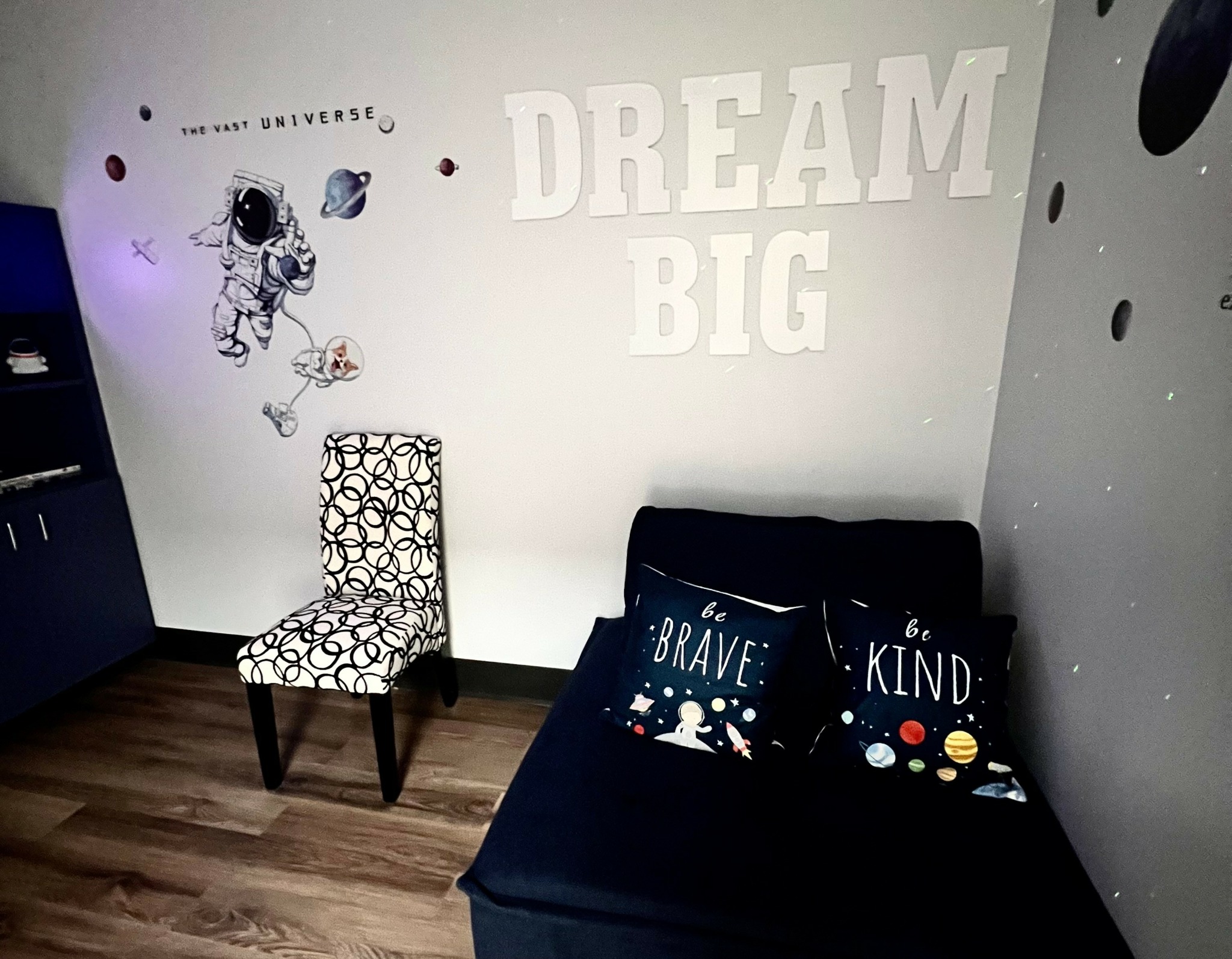
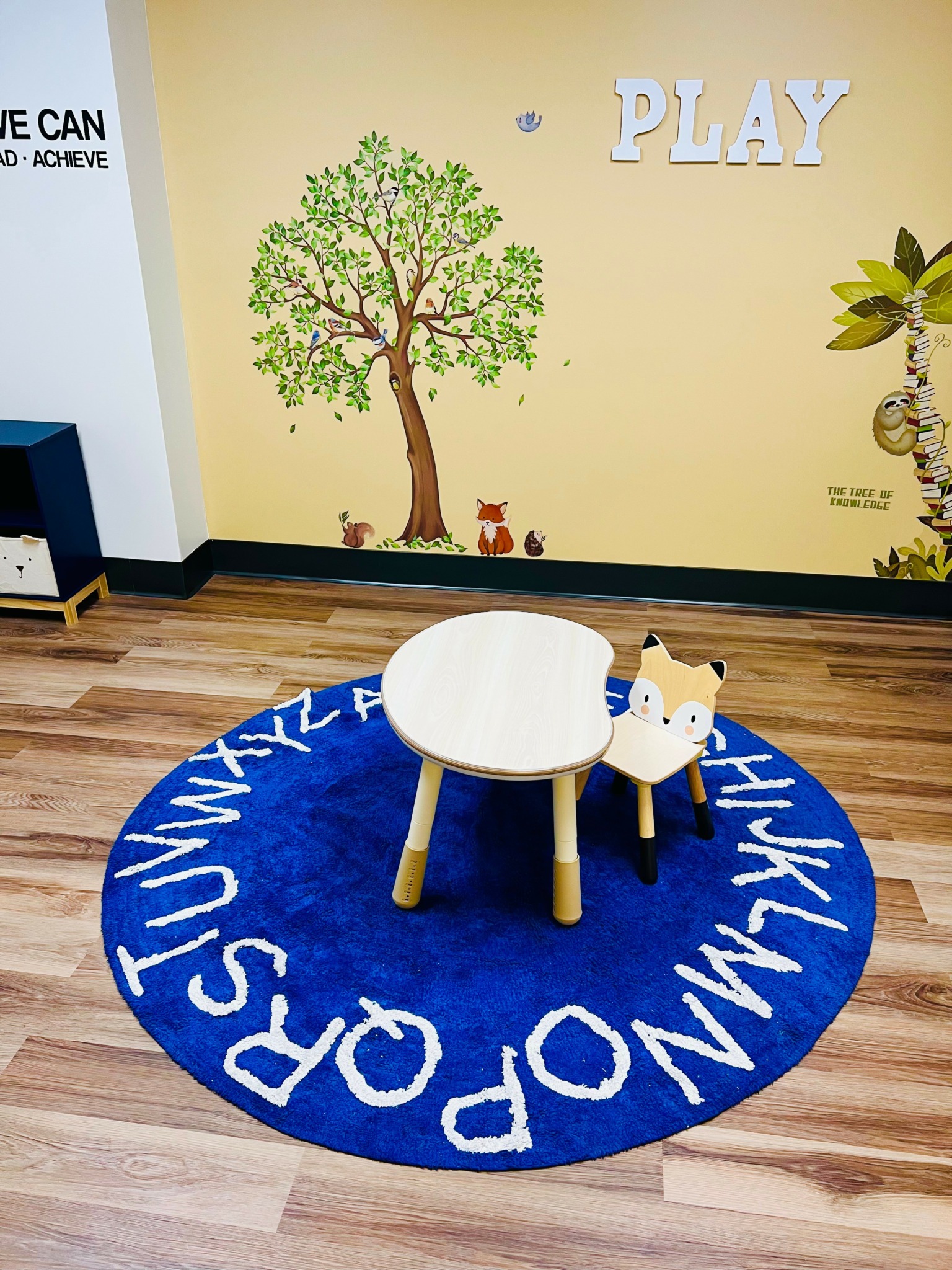
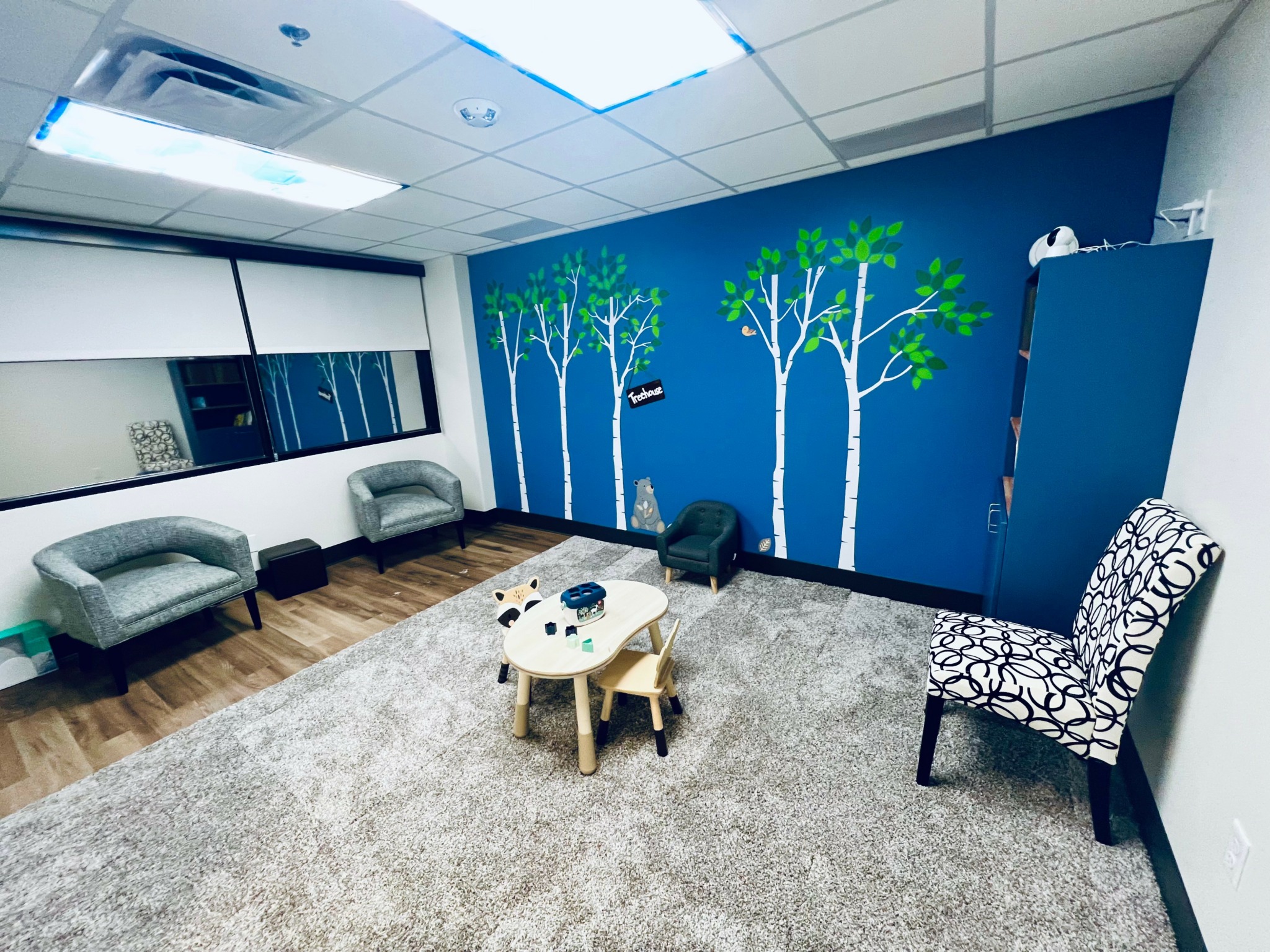
I completed a mini fellowship for diagnosing autism 8 years ago and now opened a new clinic to diagnose autism and dyslexia. Pediatric Developmental Connections has a unique way of educating families what autism really is. Too many people consider autism a stigma. Or they presume that it is tied with intellectual level. Most people have preconceived idea of what autism is. There are so many barriers in helping parents recognize their children with autism. We educate families and our community to learn more about autism. Our team is different because we connect the physician and multiple evaluators who have years of experience in early childhood developmental therapies. All of us are passionate about providing a high standard of care to all of our patients. We want to help families understand what autism is and how early detection and early therapy can reset the course of their child’s brain development.
Autism is simply a delay in the use of body language or gestures to communicate. Body language is our universal language. Kids need to have mastered this before mastering words. If kids cannot efficiently learn to use and understand these type of communication skills, there is a ripple effect of consequences. At Pediatric Developmental Connections, we look at the entire picture to determine if autism is causing difficulties in a child’s life. We confirm a diagnosis using gold standard evaluations (ADOS-2) and then provide parents with not only a diagnosis, but also an individualized care plan. Many parents wait up to 2 years for a diagnosis of autism. We have created a streamlined method so that patients will not have to wait more than a couple of months. And we have created a process that can be replicated if needed to help more children. We don’t want children to have to wait to start on their path of development. The first few years of life are crucial for early development of communication. Waiting even 6 months is a detriment to a child’s potential to build those communication skills.
We are also actively connecting with PCPs to educate and help follow up on care plan questions. We feel every child with developmental delays deserves to get an early evaluation and therapy so that they can reach their full potential.
We are also working on a model for diagnosing dyslexia through insurance and guiding families on how to help their kids learn to read in the first few years of school- even if they have dyslexia. They don’t have to fall behind.
There are so many children suffering because they didn’t get the help they needed earlier in life. I just imagine what it would be like if these kids got the right guidance earlier in life. I know there would be less of a mental health impact on so many children. How wonderful it would be to set these kids up for success.
Can you tell us the story behind how you met your business partner?
When I was in residency, I did a clinical rotation at a general pediatric office. My business partner was working there, and we met briefly there. We met again at an advocacy meeting for Arizona chapter of the American Academy of pediatrics.
I barely recall meeting her, but she remembered meeting me and called me two weeks after I started my new position at a clinic. That was my first job after residency. She asked me if I wanted to open a practice with her. I told her there was no way I would actually open a practice with her. Six months later, I called her realizing that I really wanted provide the best healthcare for my patients and this was not going to happen unless I made it happen myself. We’ve made it through a lot of ups and downs over the last 20 years and we are lucky to have each other.
Can you share a story from your journey that illustrates your resilience?
Being business owners of a primary pediatric practice during COVID-19 was one of the toughest times in our careers. Not only did we have to keep up with everything related to COVID-19 and all the problems that could come of it for our patients, but we had to look at everything from a business aspect. Everything was changing every week. How contagious patients would be, when we could see them, where we could see them, personal protective equipment.
Through it all we managed to keep our clinic staff and medical providers safe while continuing to provide our patients and their families with guidance, support, medical care for well and sick children, and up-to-date information during the constant changes that happened in that first six months of COVID-19. There was an obstacle in nearly every step of the way. For example, initially they told us that if a patient had suspected Covid, they would recommend that we shut down that room and no longer see any patients in that room for the day. That made it impossible to see all the children that had any illnesses, so we started evaluating children at the cars and on the sidewalks so that we could continue to see patients without having to shut down rooms. We utilized many different resources to continue to get protective equipment for our staff and testing materials for our patients. Eventually, we provided the vaccines for patients in our clinic. But of course, the vaccines could only be given within that same day and if the 10 doses in each vial wasn’t used up, it would have to be wasted. So in order to make sure we weren’t unnecessarily wasting vaccines, we had to organize specific vaccine clinics for specific age ranges before opening a vial. The challenges and management nightmares were constant. I still can’t believe we got through that but we persevered. That’s all you can do. Because you can’t give up.
Contact Info:
- Website: https://Www.pdcaz.com
- Instagram: Pdcarizona
- Facebook: Pediatric Developmental Connections
- Youtube: Baby101withdrkhurana