

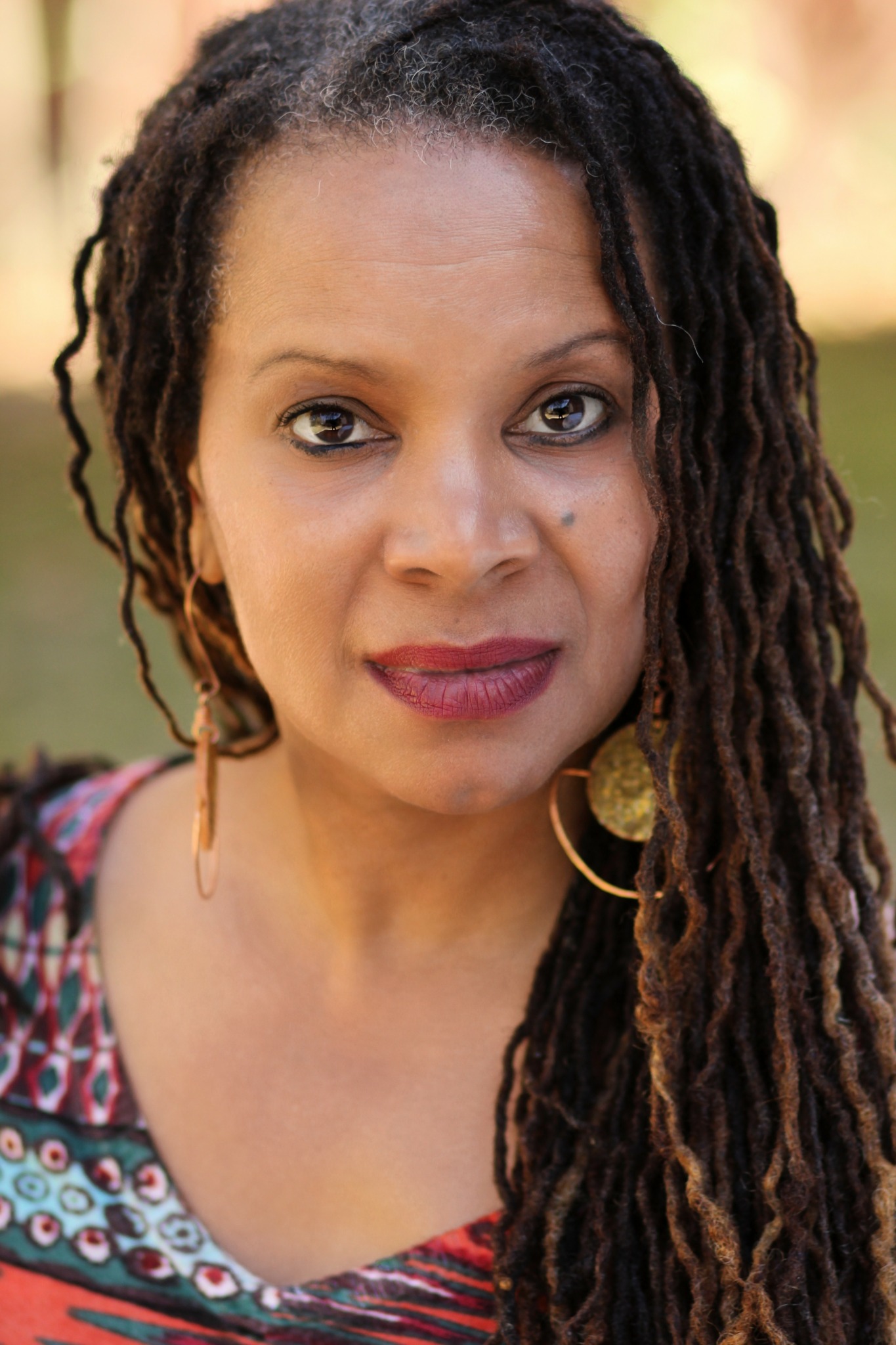

We were lucky to catch up with Daresha Kyi recently and have shared our conversation below.
Alright, Daresha thanks for taking the time to share your stories and insights with us today. Let’s start with the story of your mission. What should we know?
I was born in 1962, a year before the Voting Rights Act passed, and grew up during some of the wildest, most turbulent years our country has ever seen. As the pendulum swung back and forth from love, peace and a progressive, counter-cultural revolution that permanently changed America to the Vietnam War, Kent State and other college massacres, and Watergate, it was alternately exhilarating, excruciating, exhausting, and truly eye opening.
As a little Black girl living in Dayton, Ohio, America was a scary place to me. I watched as people who looked like me, including children, were beaten with batons, hosed and viciously attacked by dogs regularly on the nightly news. But I didn’t need those images to know that African Americans didn’t have the same rights as whites. I’d seen the grown folks in my family treated poorly in public places and had experienced the humiliation of racism first-hand when I had to wait at the back door for my white playmate because her parents didn’t allow black people in their house.
Born into a family of socially conscious activists, I knew voting was vitally important from an early age because “people had died” so that we could do it – Medgar Evers and Chaney, Goodman and Schwerner, the three young men who had joined the Freedom Summer campaign drive to register black voters, to name a few. So when my hero, Rev. Dr. Martin Luther King, Jr. was assassinated, I promised myself I would do everything I could to continue the fight for equal rights even as I hugged my mother and sobbed.
At seven, I became a pint-sized social justice warrior who refused to pledge allegiance to the flag, held up my fist and chanted, “say it loud. I’m Black and I’m proud,” and pointed out injustice any and every where I saw it. Good thing I was also a straight A student! As soon as I was old enough, I began signing petitions, organizing and marching in protests for divestment in South Africa, gay rights, women’s rights, abortion rights, African American rights, AIDS research and funding, and more. Truth is, I have been a civil rights activist my entire life. The only difference is that now I use the fine art of cinema to wage battle in my fight for social justice and equal rights to use.
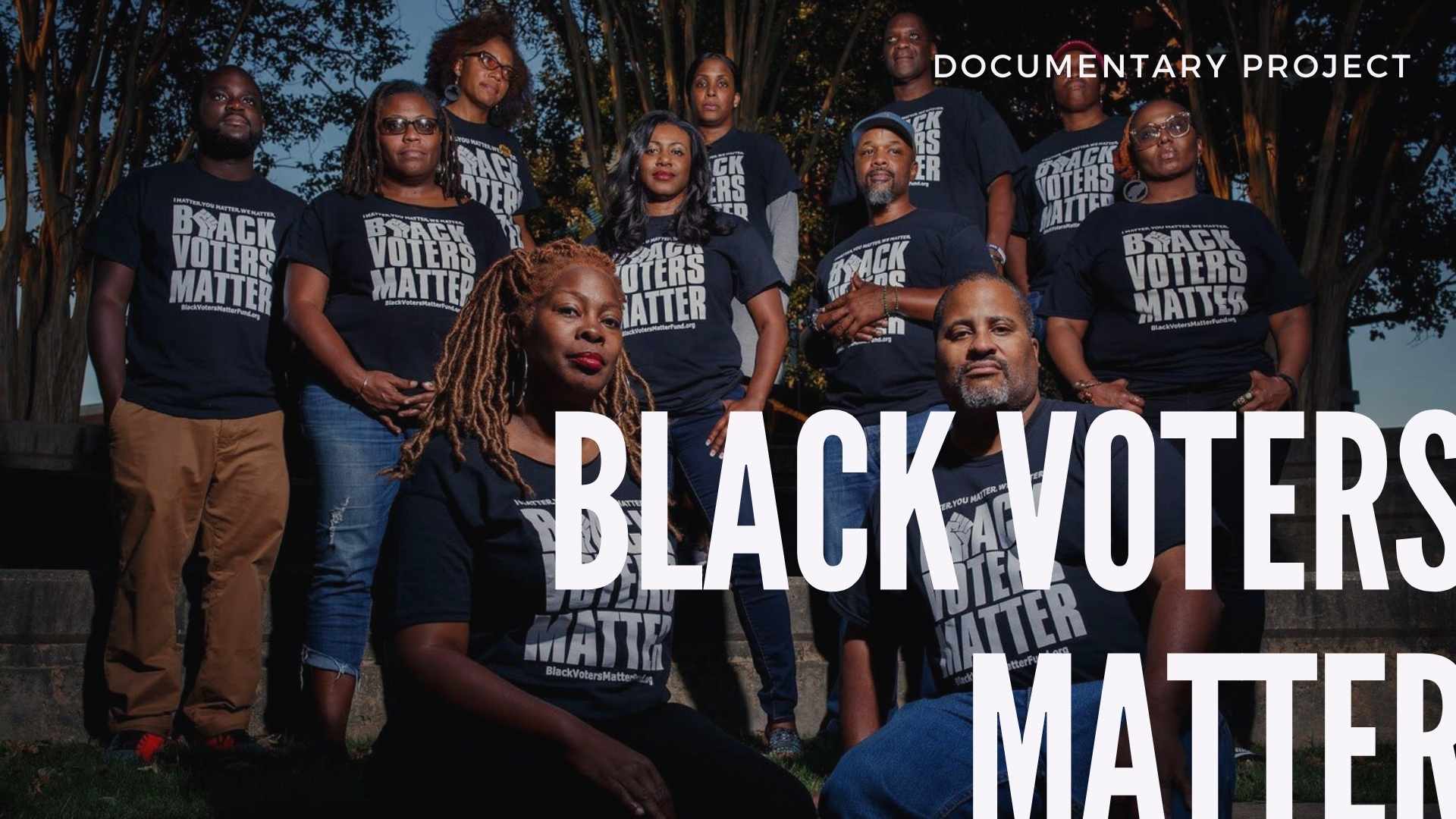
As an independent filmmaker, I love sharing true stories of warriors of light, game changers who shake up the world and leave it better than they found it: Whether it’s conservative Christian mothers who risk losing everything to embrace their LGBTQ+ children or civil rights organizers who risk their lives to empower marginalized communities of color, badass warriors aren’t just my kind of people, they’re my brand. My greatest joy as an artist is to witness my work shake people up, open their eyes and move them in new directions toward more love and acceptance of others. Ultimately my mission is to create a more just, loving society where everyone has equal rights and all are judged as Dr. King, Jr said, “by the content of their characters,” and not the color of their skin, their gender, sexuality, education or social status.

Daresha, love having you share your insights with us. Before we ask you more questions, maybe you can take a moment to introduce yourself to our readers who might have missed our earlier conversations?
I fell in love with acting when I was 7 or 8 years old. For years my greatest dream was to be a world renowned performer on stage and in wildly successful films and I pursued that goal with single minded passion. I performed in plays at school and the local community theater and then went to Sarah Lawrence College to study with Swedish actress Viveca Lindfors. I just knew I was on my way to fame and fortune until fate did what she loves to do and threw me a curve ball — a job with an independent documentary filmmaker during the summer between my freshman and sophomore years which opened up a whole new world of possibilities.
As a middle class kid from the midwest, filmmaking was never on my radar as a career possibility. I thought only people in Hollywood made movies! Once I realized “regular people” could make movies, it dawned on me that I could make the kind of movies I longed to see — AND STAR IN THEM!!! Later for auditions and the painful rejections that came with them! And I did it — once. In 1991, three years after graduating from NYU, I wrote, produced, and directed LAND WHERE MY FATHERS DIED, a short drama in which I co-starred with Isaiah Washington in his film debut.
I’m delighted to say I won numerous awards for the film, including an all-expenses paid fellowship sponsored by Tri Star Pictures to attend the conservatory at the American Film Institute as a director. It was a dream come true — until it turned into a nightmare. After returning the equipment from my 3rd and final project I had a car accident that immobilized me for days and cut into my editing time. Accustomed to being a superwoman who could always “make something out of nothing,” I didn’t tell the administration what had happened or ask for additional time and it showed. Not only wasn’t I invited to return for the second year, but my team and I had to sit onstage while the audience (full of film students vying for the coveted 2nd year invitation themselves) excoriated the film. Although I had arrived amidst Hollywood fanfare and hyped expectations, I left Los Angeles with my tail tucked and my narrative film career rapidly receded in the rearview mirror.
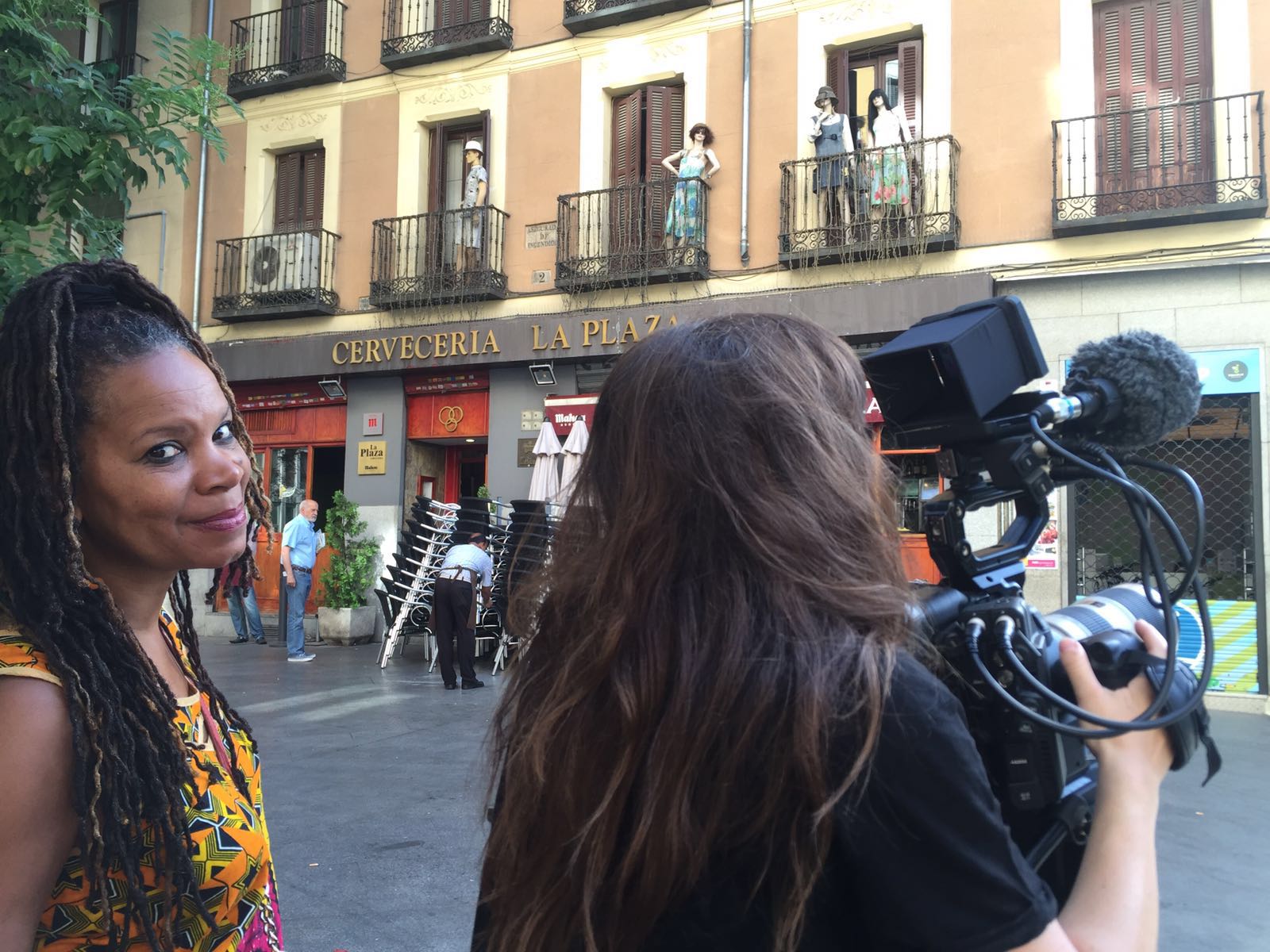
Although I knew it was a difficult experience, I only recently realized how deeply traumatic it was, how scarred it left me. For years I worked as a TV producer on all kinds of shows ranging from food, fashion, and movie to talk, reality, competition, and entertainment shows. The plan was to make films on the side but even though I produced films for other people, no matter how hard I tried I couldn’t seem to get a project of my own off the ground — until I co-directed CHAVELA, which won all kinds of awards, was distributed in 43 countries and breathed new life into my career.
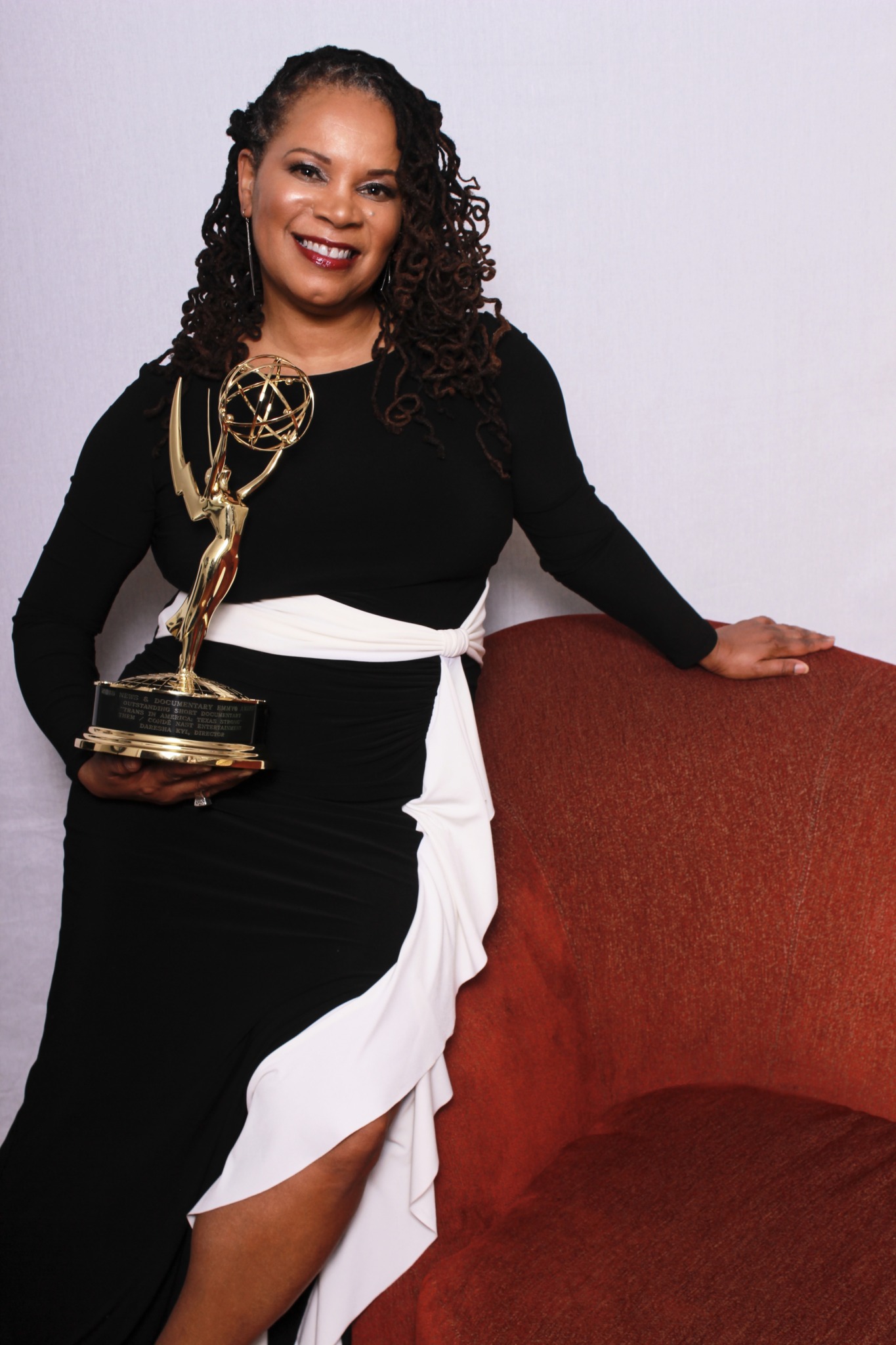
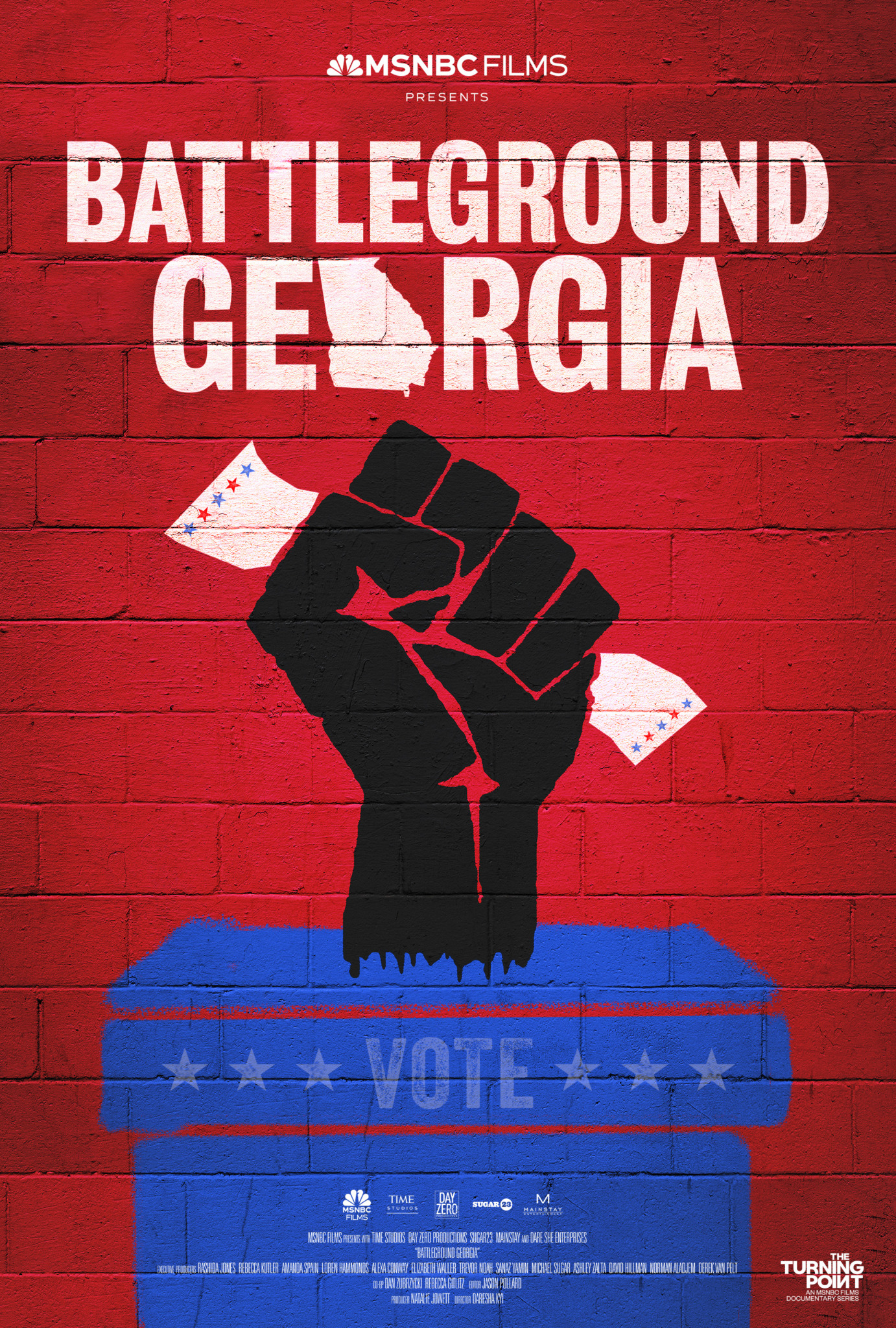
Suddenly I was being taken seriously as a talented director by the industry again and I wasted no time capitalizing on it. CHAVELA came out in February 2017 and by April that year I was already working on my second feature documentary, MAMA BEARS. And then I won an Emmy for TRANS IN AMERICA: TEXAS STRONG, a short film about transgender rights I was hired to direct for the ACLU and I was really cooking with gas! It’s been non-stop ever since.

What’s the most rewarding aspect of being a creative in your experience?
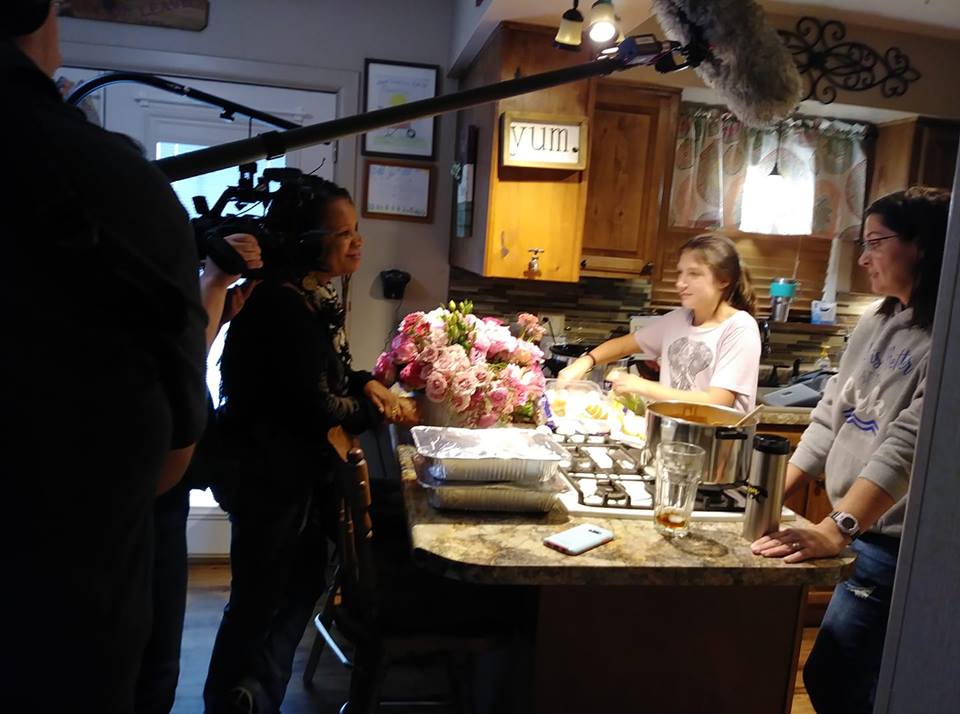
I make documentaries about badasses. Game changers who shake up the status quo and leave the world better than they found it interest me the most. I strive to create films that bridge divides, heal wounds and offer viewers new ways of seeing and being; movies that serve as powerful catalysts that jumpstart vitally important conversations about sensitive, important topics such as the harm experienced by LGBTQ youth as a result of conservative Christian theology.
LGBTQ youth from “highly rejecting” families report being 8.4 times more likely to attempt suicide, 5.9 times more likely to experience high levels of depression, and 3.4 times more likely to use illegal drugs compared with peers from families that report no or low levels of family rejection. In plain English, being scorned and discarded by their families can literally kill these vulnerable young people. So when a viewer watches MAMA BEARS and comes away with more compassion, understanding and a willingness to shift their perspective on this issue it is the best gift I could ever receive as an artist because it lets me know I’ve too have made a difference.
I’ve had the pleasure of experiencing this type of radical transformation more than once and it’s always deeply moving — enough to make up for the years of toil and sacrifice it takes to get an independent film funded and completed. Once when I screened MAMA BEARS an elderly woman raised her hand and said, “I’m the grandmother of a non-binary grandchild and I’ve been struggling to understand and accept them but now that I’ve seen your film I know exactly what to do. I’m going to join mama bears (the support group for conservative Christian mothers of LGBTQ kids).” I was so moved I burst into tears.
As someone who really loves people, I’m deeply committed to using film as a powerful tool for provoking social change and making the world a better place for all of us.

What do you think helped you build your reputation within your market?
As a filmmaker your reputation rests on the ways in which others perceive and receive your work — the impact it has on audiences. When your films are accepted into the top tier festivals and you win awards in addition to the audience reactions that’s when you know you’re on to something special! The only thing is you can’t take too long between movies because people have short memories!
Contact Info:
- Website: www.mamabearsdoc.com, www.dareshakyi.com
- Instagram: @DareshaKyi
- Facebook: https://www.facebook.com/daresha.kyi
- Linkedin: https://www.linkedin.com/in/daresha-kyi-a33bba321/
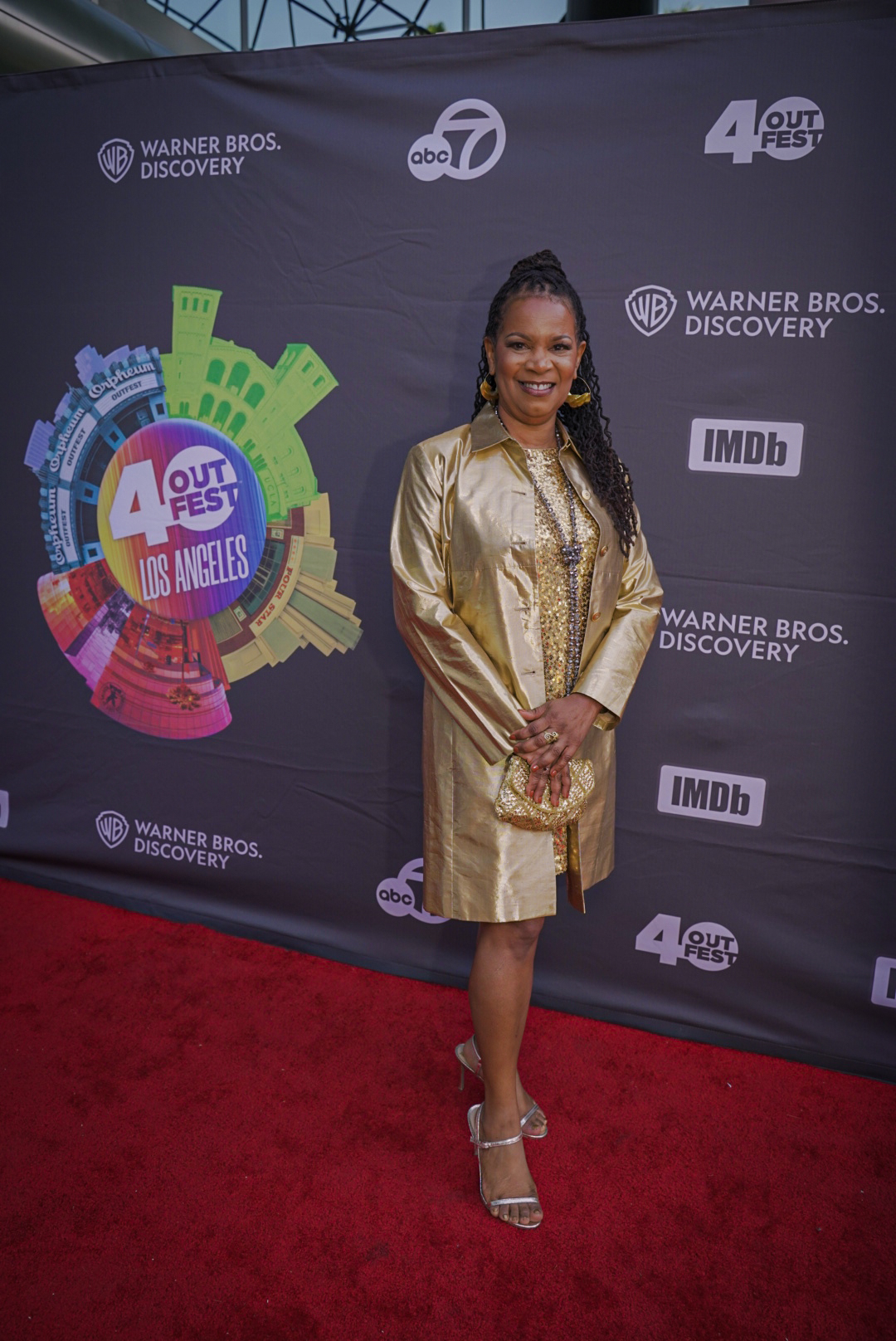
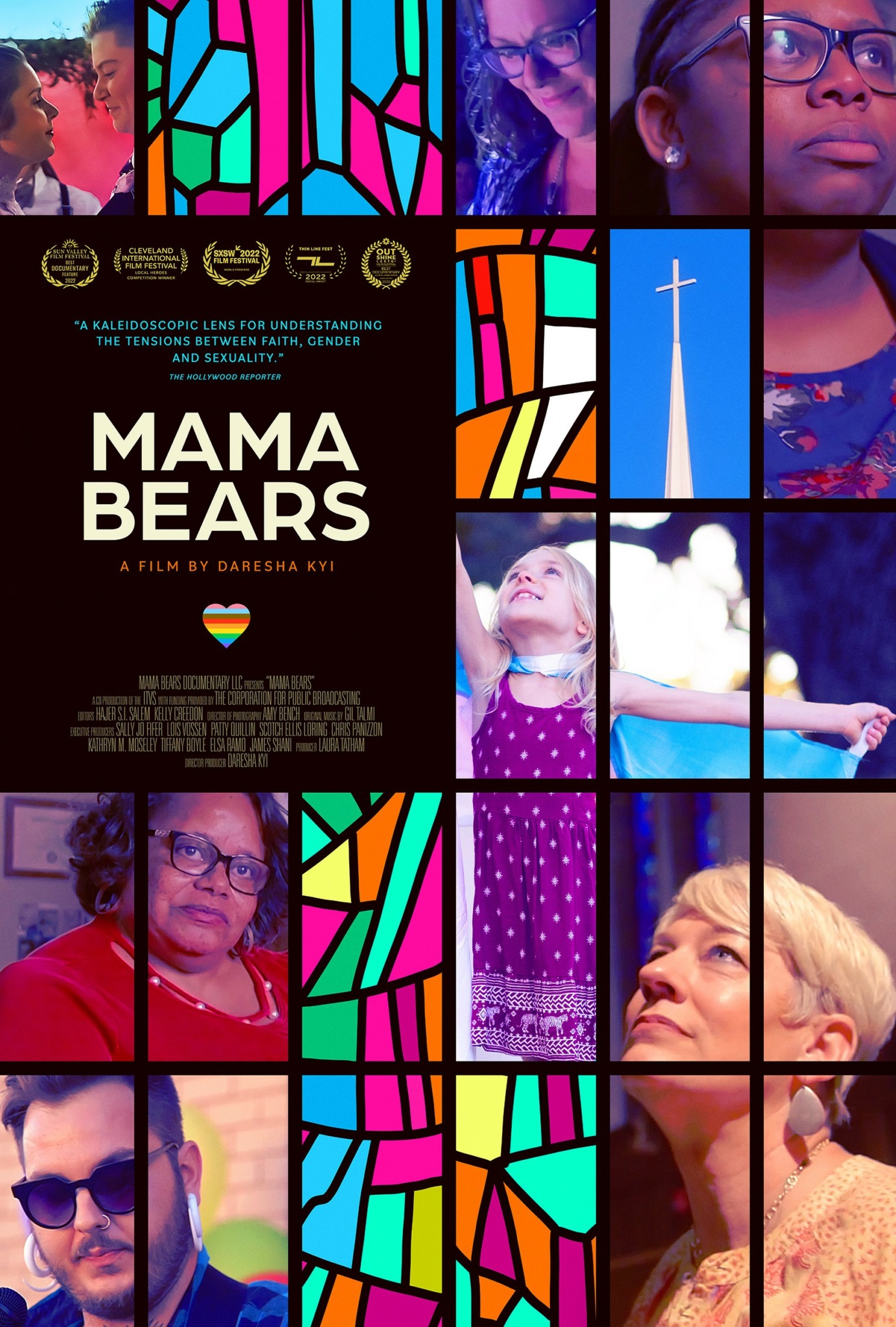
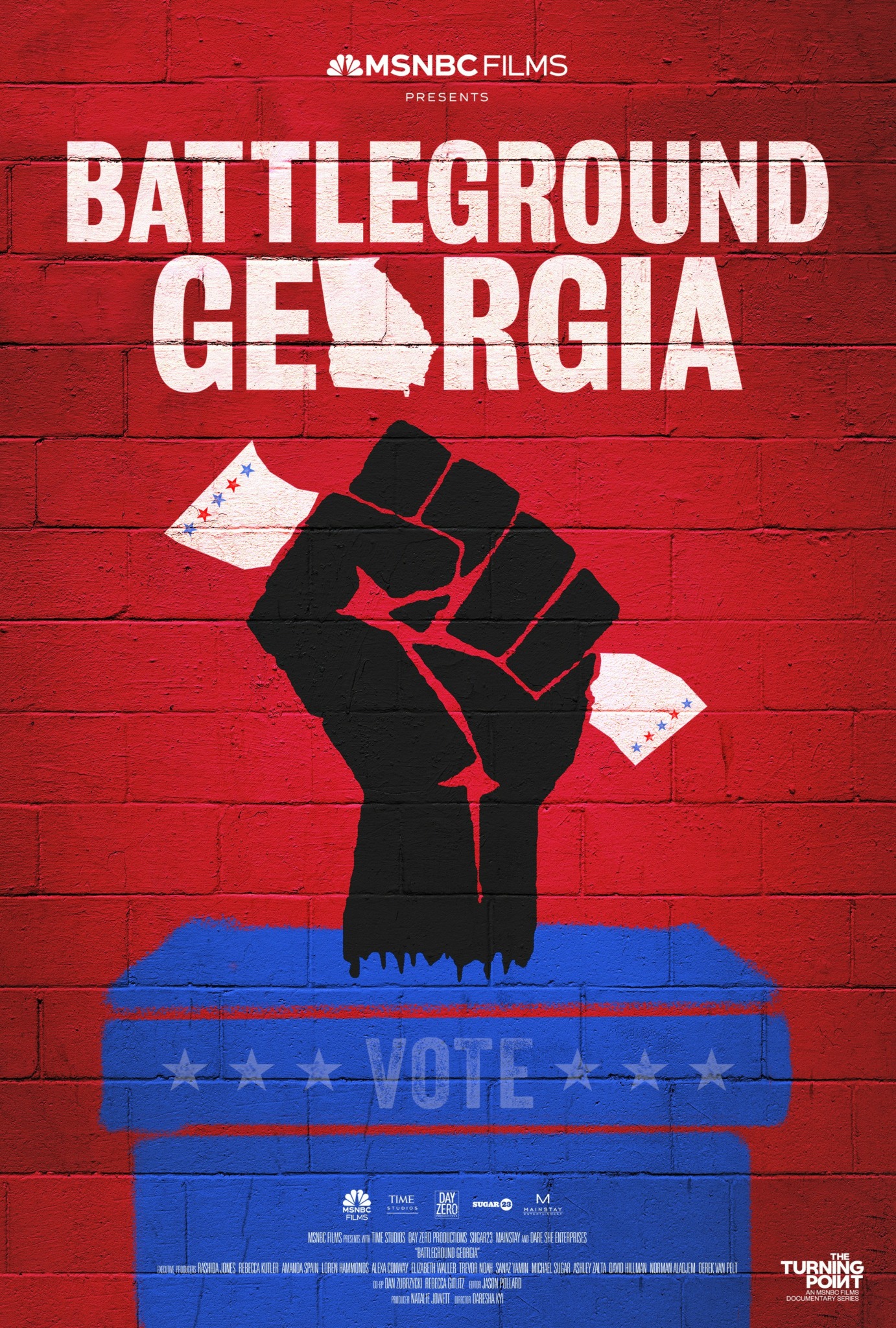
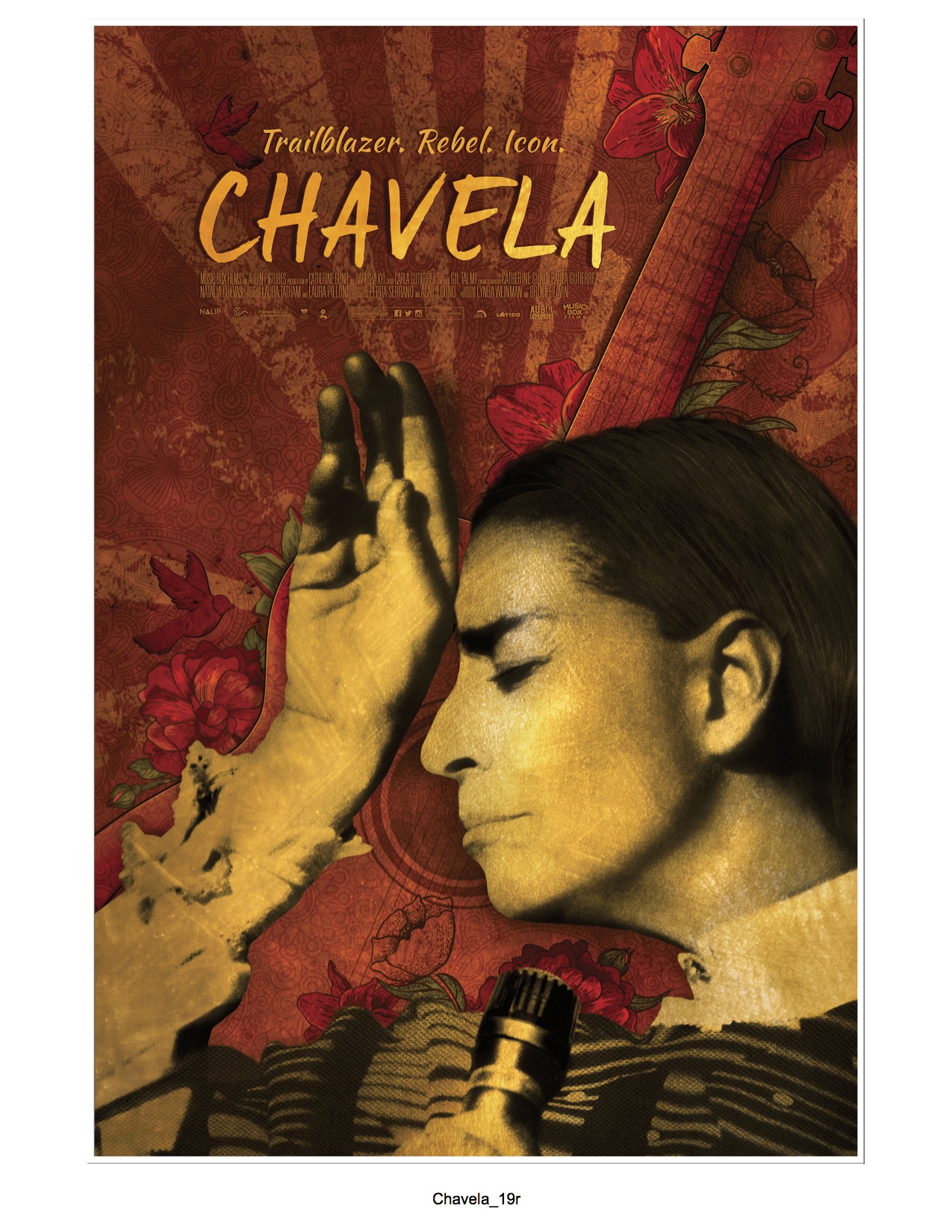
Image Credits
Headshot – Naylon D. Mitchell