



We caught up with the brilliant and insightful Christine Sheller a few weeks ago and have shared our conversation below.
Christine, looking forward to hearing all of your stories today. Let’s start big picture – what are some of biggest trends you are seeing in your industry?
I’ve been thinking quite a bit lately about the transformation in my industry, user experience research and design. AI integration is reshaping how we approach our work and what we’ll be doing in the future.
As a design leader, I’ve been assessing various AI products with my team and implementing those that help to streamline our UX processes. In the last few months, I’ve been attending a lot of conferences and events where other industry leaders are also discussing the profound impact of AI on user experience. Their insights, as well as my own experiences, raise questions about the future of our profession. And I feel both excited about the potential and wary of what it could mean for design practitioners.
Some of the tools we’ve recently been using help analyze research sentiments with remarkable efficiency, which has become invaluable in our design process. The efficiency is difficult to ignore; it enhances our decision-making and allows us to deliver better insights faster.
However, this shift isn’t without its challenges. There’s a growing concern among many I’ve been speaking with about the potential erosion of the human element in design. While AI can process vast amounts of data and highlight trends, it lacks the empathy and intuition that are core to creating meaningful user experiences. It seems that many of us are balancing between leveraging AI for efficiency and maintaining our focus on user-centered design.
As we navigate the unknown together, I’m focused on evolving our approach. I hope that as designers, we can continue to position ourselves not just as design executors but as strategic storytellers who can leverage AI insights to create compelling narratives around the work we do and the opportunity for impact. While AI enhances our capabilities, it’s essential that we remain grounded in empathy and understanding.
There’s an opportunity to redefine what it means to be a UX designer. By embracing AI as a tool rather than a replacement, we can enhance our workflows and deliver exceptional experiences without sacrificing the human touch. The path forward may be complex and not well defined quite yet, but we have enormous potential to innovate.
Christine, before we move on to more of these sorts of questions, can you take some time to bring our readers up to speed on you and what you do?
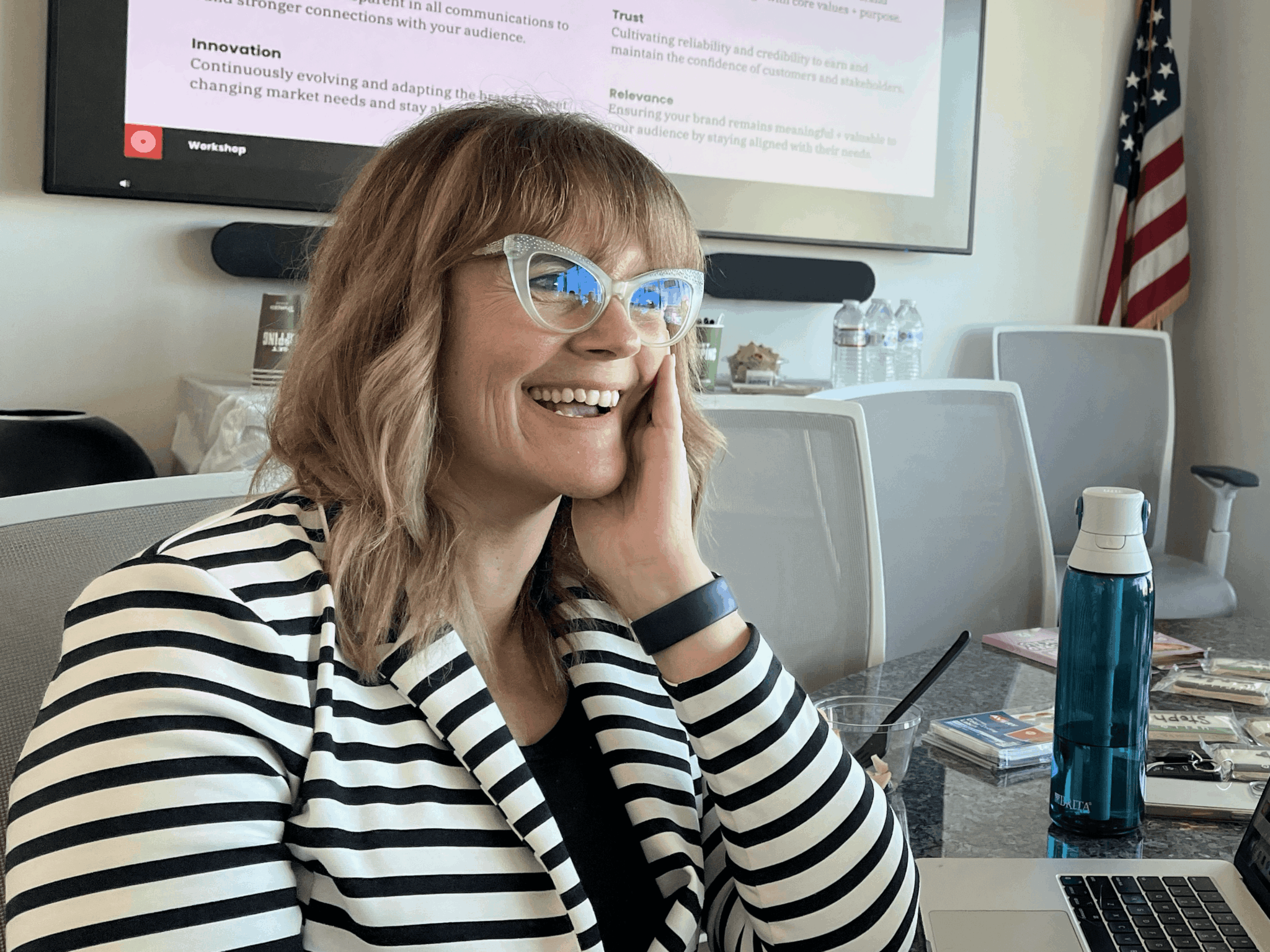
Hi, I’m Christine. I build brands, products, and teams. I drive business results by building strong cross-organizational relationships, empowering designers to reach their potential, and implementing processes that deliver outstanding outcomes.
I currently lead the UX function at O3, where I serve as SVP, Experience Research + Design. My focus is on leading a rockstar team to create exceptional customer experiences for our clients in health + wellness, life sciences, finance, and insurance. I am also helping to shape the next generation of designers at ArtCenter College of Design, where I teach user research as an Associate Adjunct Professor in the Interaction Design program.
Before O3, the bulk of my career was spent building award-winning design teams at companies like FS Investments, SIG, Lincoln Financial Group, and Motorola, always pushing for innovation, efficiency, and high-quality user-centered solutions. My true passion is helping people be the best versions of themselves.
I’ve also been involved with AIGA in various leadership roles, including the Philadelphia chapter President, where I helped launch initiatives supporting in-house designers and established a scholarship fund.
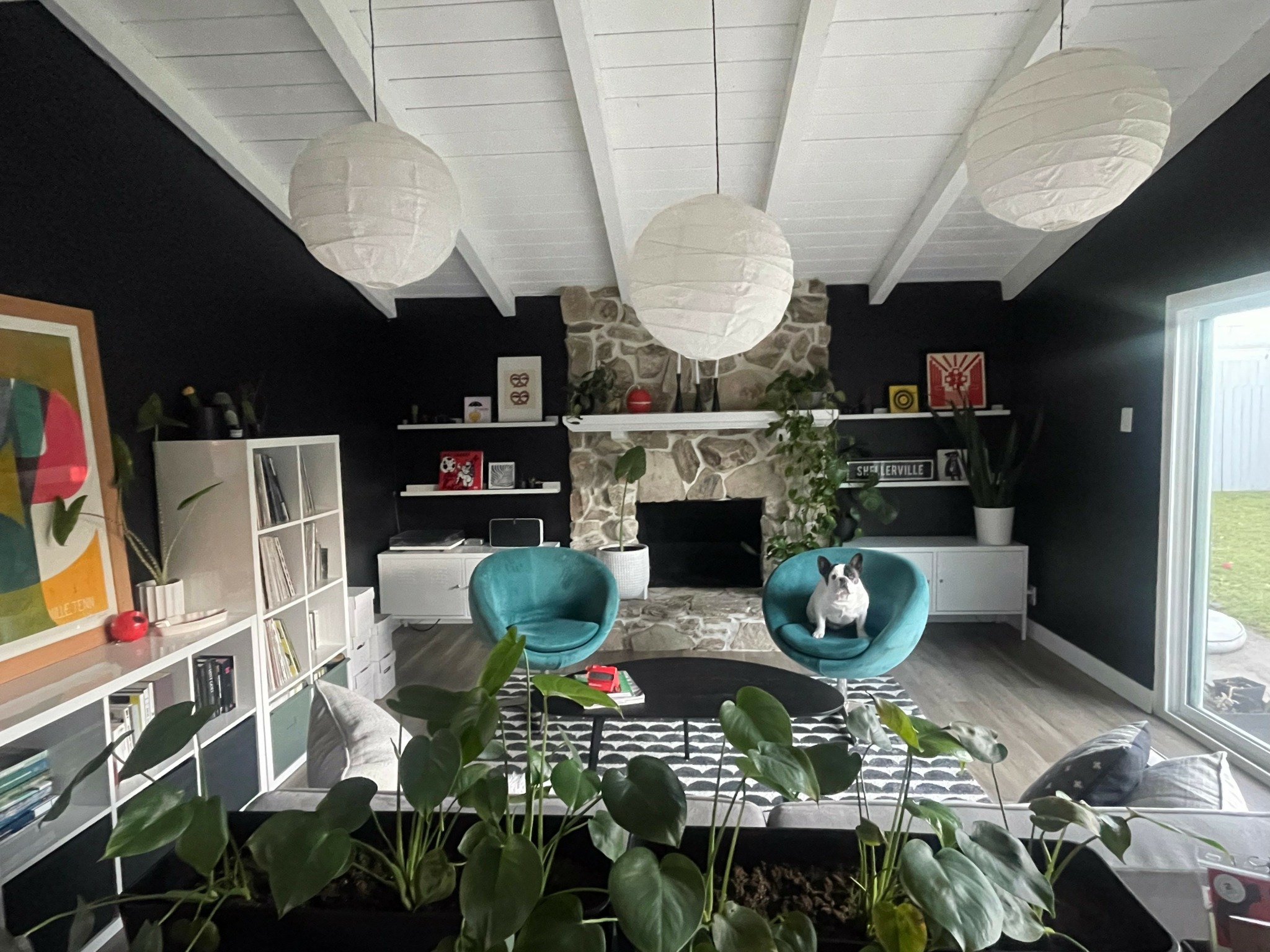
With a Master’s in User Experience Design from MICA and a Bachelor of Fine Arts in Design from Tyler School of Art, I bring creative, practical, and academic insights to my work. Originally from Philadelphia, I moved to Los Angeles in 2021 with my husband, John Paul, and our French bulldog, Fonz.
How about pivoting – can you share the story of a time you’ve had to pivot?
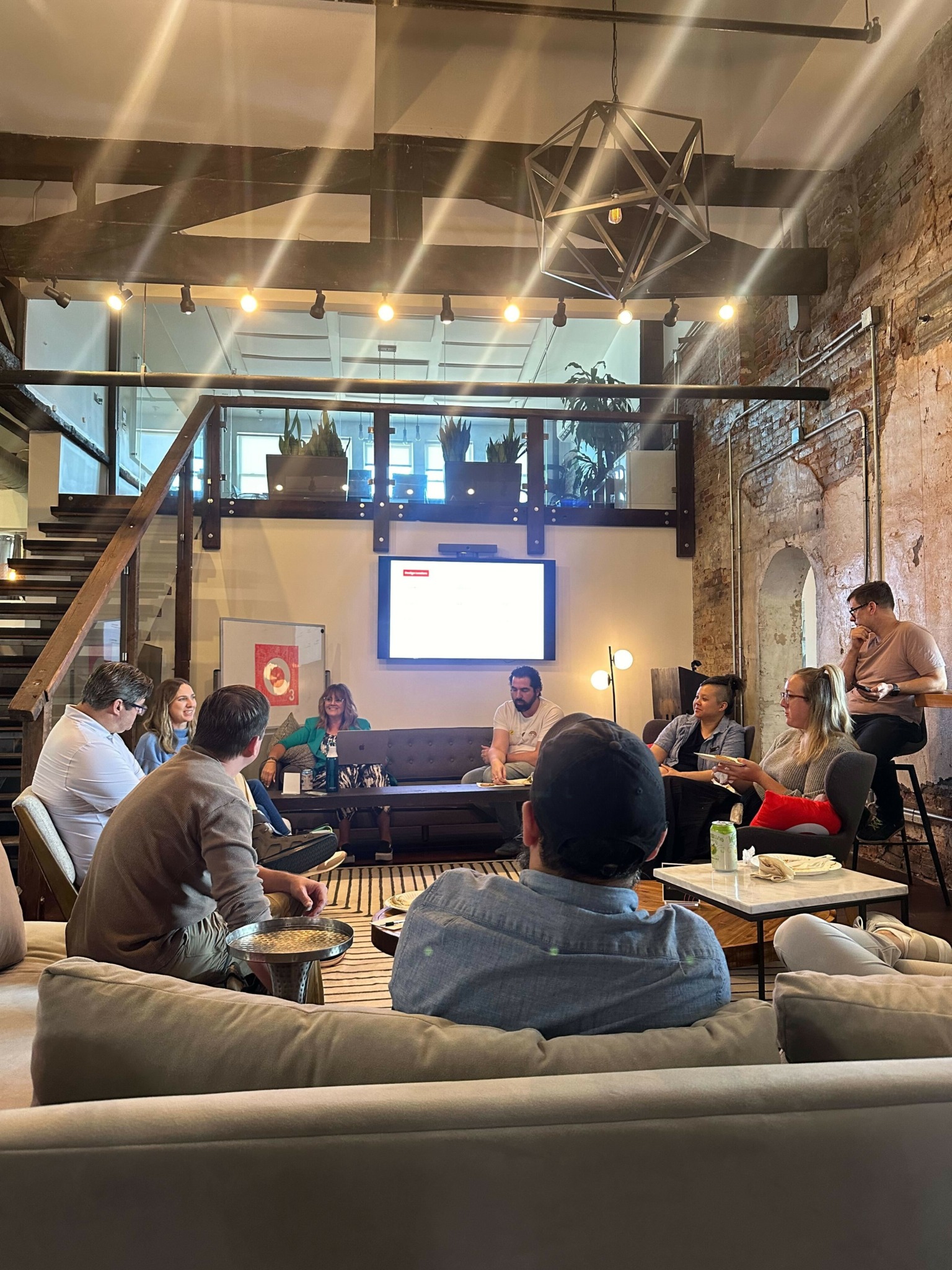
One skill that has been essential throughout my journey—and particularly relevant lately—is the art of the pivot. In my career, I’ve learned to adapt as my team and I introduce new ideas and solutions to the companies we work with. By understanding business goals, I strive to align our design efforts with those objectives through strategic partnerships. This often requires me to pivot quickly, learning new skills on the spot and adjusting processes and resources to deliver meaningful results.
What do you think is the goal or mission that drives your creative journey?
My creative journey is all about making life better for users and stakeholders alike. I’m passionate about design that goes beyond just looking good — it should speak clearly, be meaningful and purposeful, and build trust. By aligning user needs with business goals, I’m constantly learning and adapting. My ultimate hope is to create experiences that don’t just solve problems, but create moments of delight for users—those “aha!” moments that make people’s days a little brighter.
Contact Info:
- Website: https://o3world.com
- Linkedin: https://www.linkedin.com/in/christine-sheller/

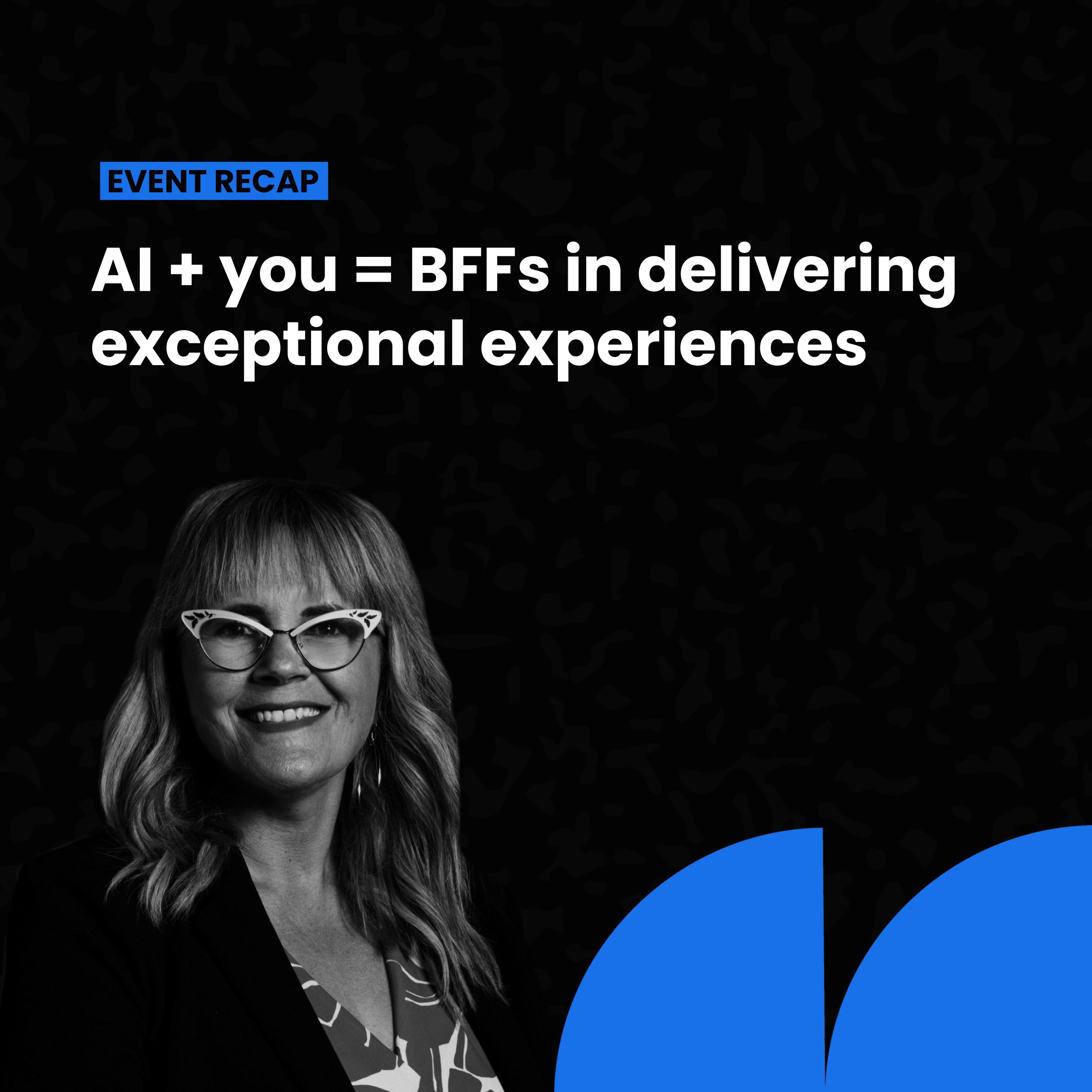
Image Credits
Permission to use all photos; most were taken by me and/or a colleague