



Alright – so today we’ve got the honor of introducing you to Chandler Scull. We think you’ll enjoy our conversation, we’ve shared it below.
Alright, Chandler thanks for taking the time to share your stories and insights with us today. Was there a defining moment in your professional career? A moment that changed the trajectory of your career?
At 19 years old, I was traveling solo through Central America and Africa for three months. Despite being a good student at a private school in Lancaster, PA, I found myself rather lost after high school graduation. My peers and I studied hard since before we were even teenagers to get into the most competitive schools in the country. For me, I got into my dream school, McGill University in Montreal, Canada, but it just didn’t feel right. So, as the rest of my peers embarked on their ivy league journeys, I took some time trying to figure out who I was and where this feeling of discontent came from within myself.
Ultimately, that lead me on my first of several solo travel journeys throughout the world. I stayed in youth hostels and volunteered with local organizations throughout Central America and several African countries (Zimbabwe, Zambia, Botswana, and South Africa).
In Antigua, Guatemala, my life changed. As an animal lover all my life, it was quite difficult to face the harsh realities of Guatemala’s street dogs. On my way to volunteer each morning, I walked to a bus station, which many street dogs flocked to in search of food. One morning, about two weeks into my current volunteer placement, I was sitting on a packed bus when I looked out the window to see a visibly unwell street dog who could barely walk. My anxiety shot through the roof, knowing that my obligation was to my volunteer placement, but deeply struggling with the discomfort of seeing this dog in distress. In an uncharacteristic move for me, I decided to get off the bus. Yelling back for the other volunteers to tell our placement I wasn’t coming that day, I hopped off the bus, and it drove off. I remember the other volunteers looking at me like I had three heads. In that moment, I had no idea what I was going to do, but every fiber of my being was pulling me towards that dog.
Over the next several hours, I navigated the busy bus station and surrounding market, getting food and supplies to contain the dog. Without being able to speak much Spanish, it was confusing and stressful for myself, especially when approached by local workers who wanted to help, but we simply could not communicate. The dog was quite painful and reactive, resulting in multiple attempts to bite. Ultimately, I secured the dog and accepted the help of a local worker who drove us to a local veterinary clinic in the bed of his pickup truck. At the vet, communication was still difficult, but we got by with the little Spanish I knew and the decent amount of English they knew. The dog was extremely ill with a huge mass in the abdomen. He couldn’t stand or walk more than a few feet, and it was clear he was suffering. I stayed with him and fed him chicken as the local veterinarian humanely euthanized him. Before I left, the veterinarian stopped me with tears in his eyes and thanked me for having a big heart. Truthfully, I cried the entire way back to the hostel, unsure why I just put myself in that situation and truly questioning if I should simply go back home, if I was strong enough to continue my volunteer placement here. What I didn’t know then was that this encounter was the start of my veterinary and animal rescue careers. This experience inspired me to write to a local dog rescue in Antigua, Unidos Para Los Animales, which ultimately lead me to volunteering with them and another local veterinarian, Dr. Calderon with Hospital Veterinario Vet-pro, who opened his doors to me, allowed me to watch surgeries, and provided me with my first experience in a veterinary hospital. Over the course of my placement, I brought multiple other dogs into local veterinarians for care, even locating the family of a dog with a broken leg, attending the vet with the family, and helping to facilitate a care plan between the vet, the family, this dog, and (as it turns out) her several puppies at home.
Two years later, right before COVID shut down the world and the US banned the import of dogs from hundreds of countries around the world (effectively shutting down this rescue’s efforts, as they relied on international adoption of street dogs), I went back down to Guatemala where I took suitcases of supplies to the rescue and veterinary hospital, as their postal system collapsed and imports into the country were nearly impossible in an affordable way, resulting in a severe lack of basic veterinary and rescue resources. At the end of this trip, I even ended up coming home with my very own street dog, Samara.
My entire life, I’ve felt different. I’ve felt feelings so deeply, and I often feel drawn to assist situations that cause others to question why I put myself in those situations in the first place. To be honest, I felt like there was something wrong with me, and I just didn’t belong. The day that I got off that bus and decided to give in to the strong urge to assist in that situation, I gave myself permission to start down this path of who I truly am. I gave myself permission to break free from who I was raised to be and who others expected me to be. Since these experiences, I’ve fostered over 250 animals through my own home and now have four+ years of veterinary technician experience under my belt. I founded by own animal rescue organization, and I’m attending the University of Pittsburgh to complete my pre-veterinary courses in the hopes of pursuing veterinary school by 2027.
Great, appreciate you sharing that with us. Before we ask you to share more of your insights, can you take a moment to introduce yourself and how you got to where you are today to our readers.
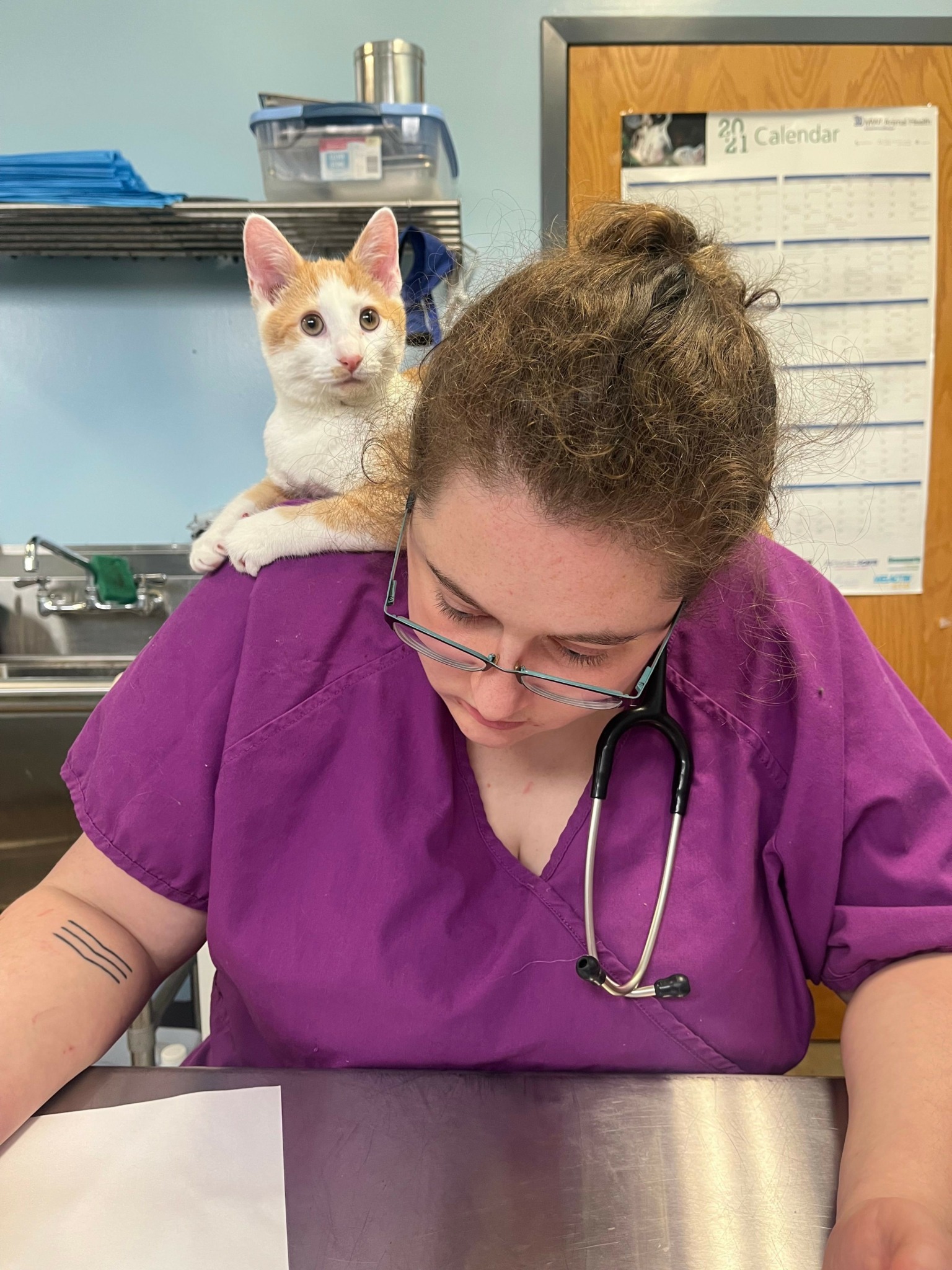
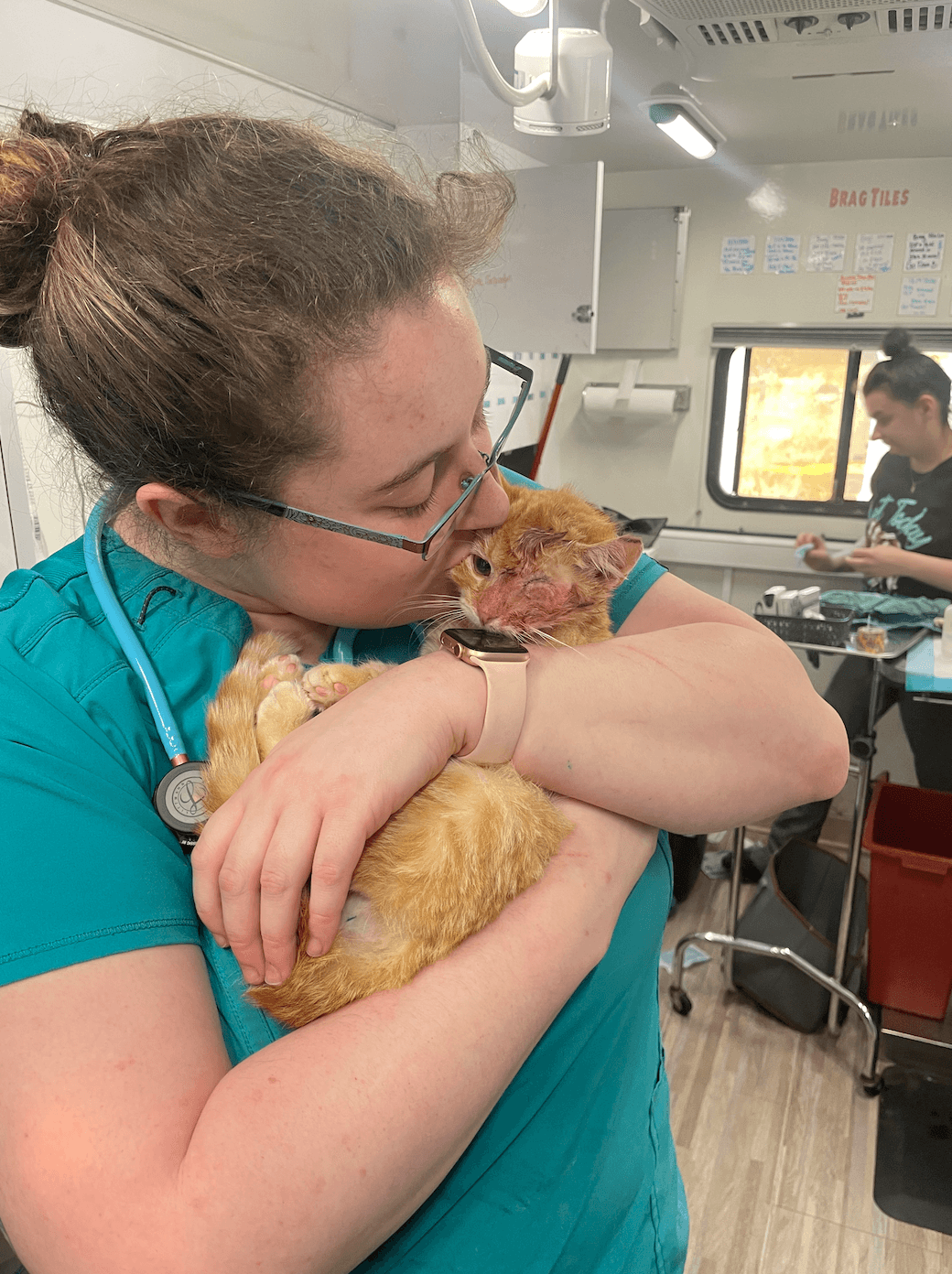
In late Feb 2020, I started as a veterinary assistant at the animal hospital where I took my childhood animals growing up. It took about 3 weeks for me to bring home my first animal from the clinic, a 2 year old diabetic cat presented for euthanasia. Over the next two years, I worked my way up from a veterinary assistant to a veterinary technician assistant, learning everything I could along the way, and quickly becoming the go-to person in the clinic to take in stray animals. Ultimately, I left that general practice with a lot of experience and the desire to become a veterinary technician, even thinking about pursuing a career as a veterinarian.
My partner and I decided to move across the state to Pittsburgh, PA, so I could begin my undergraduate studies at the University of Pittsburgh main campus. I also started work as a veterinary technician on a high volume, low cost mobile surgical unit. Here, I spent about 1.5 years, ultimately working my way up to Senior Surgical Technician and joining the board of a local animal rescue as the Vice President.
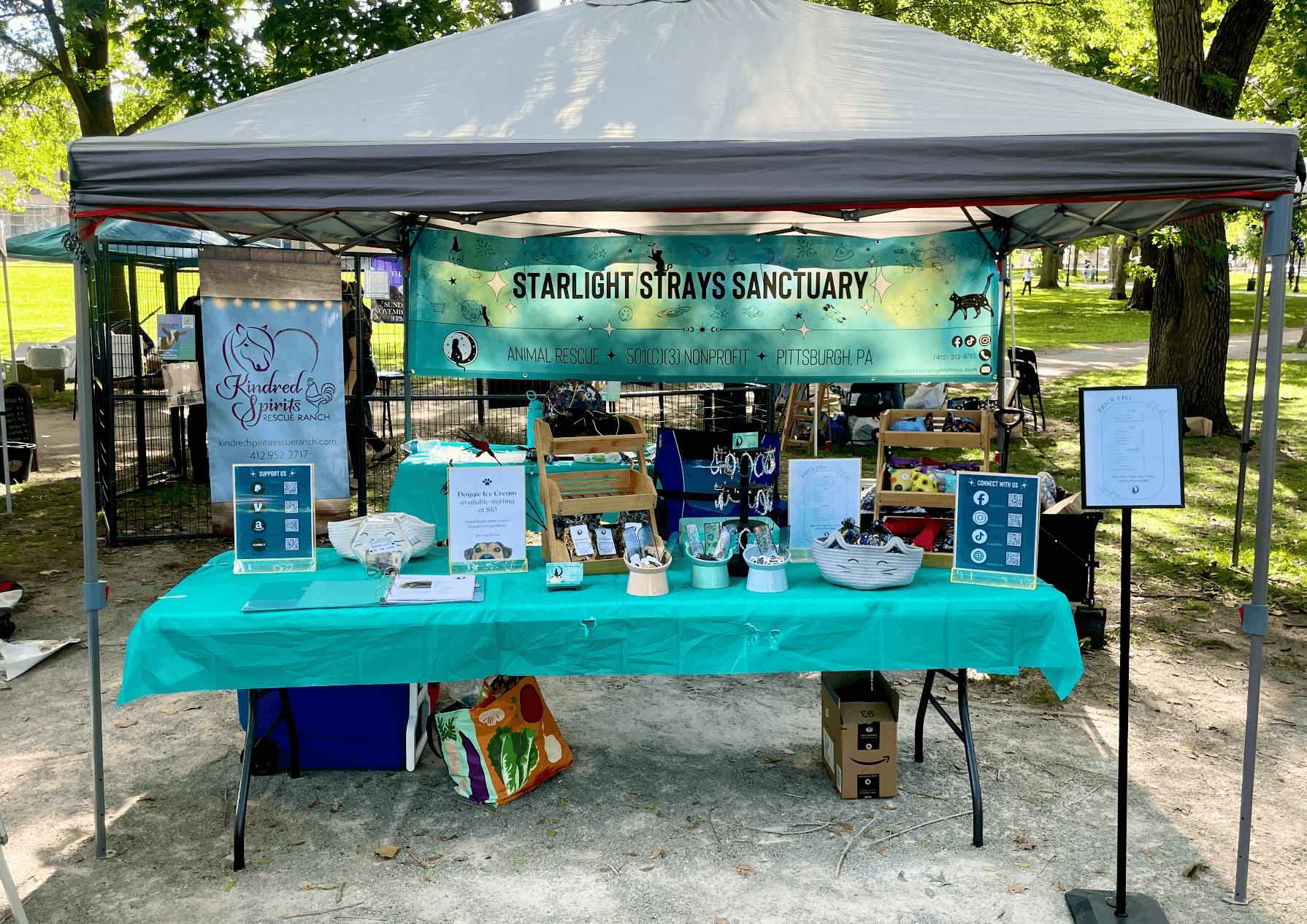
Unfortunately, as someone living with multiple chronic illnesses, I ultimately had to step out of the field for a time to focus on my health. This is when I decided to pursue my undergraduate studies full time and commit to pursing a degree as a veterinarian long-term. Now, I attend the University of Pittsburgh full time to earn my Bachelors of Science and I run my own 501(c)(3) animal rescue, Starlight Strays Sanctuary.
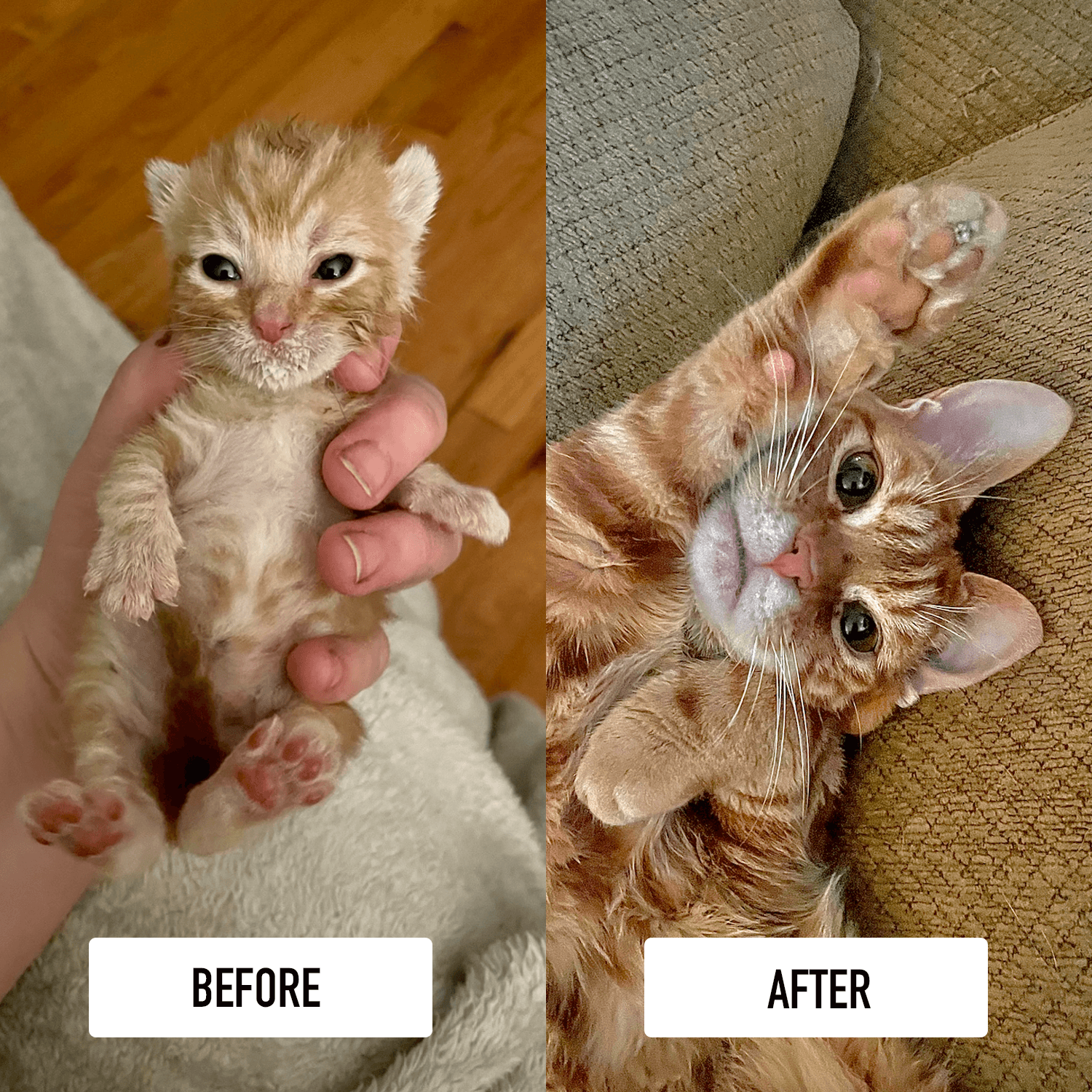
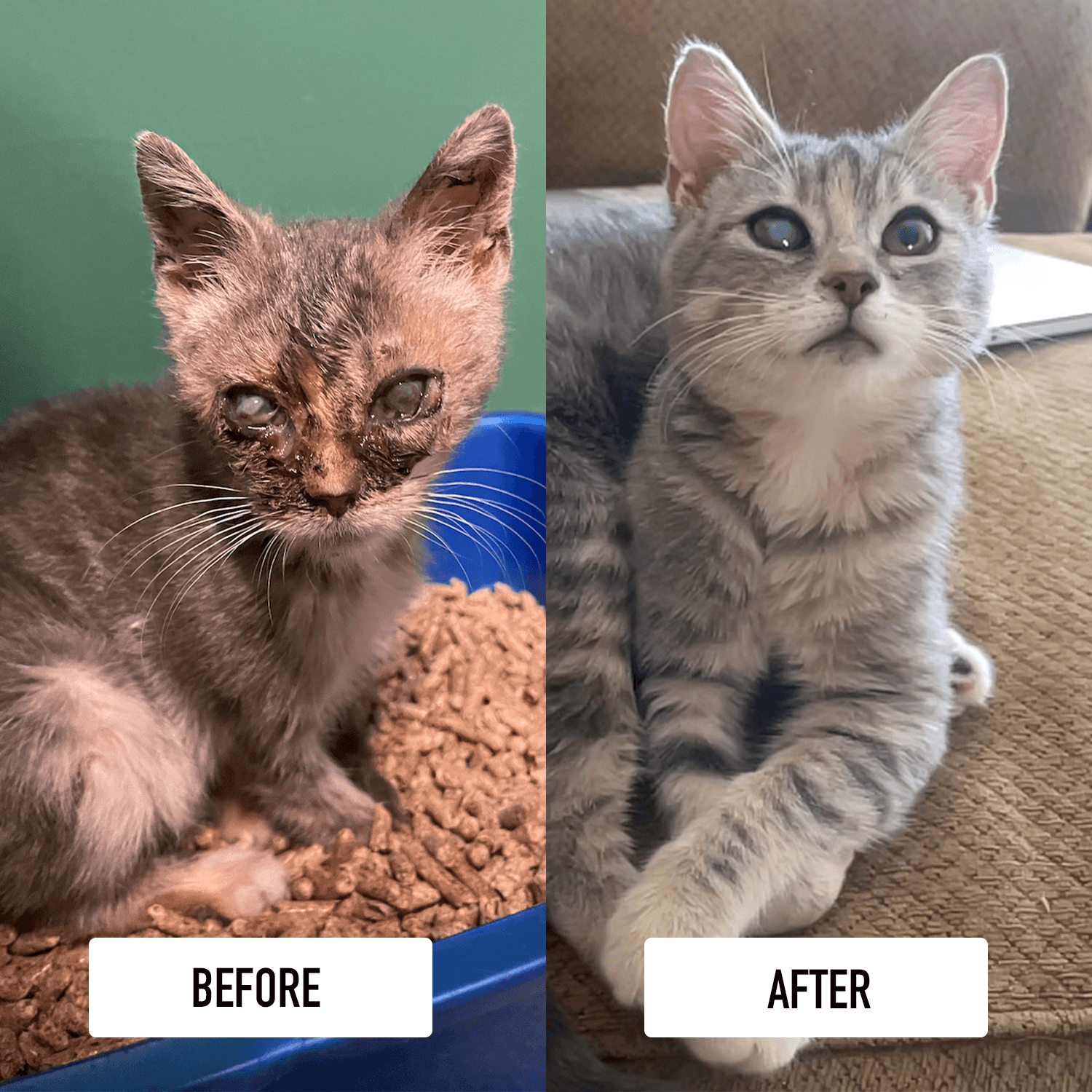
Starlight Strays Sanctuary is a labor of love and a culmination of all that I’ve learned throughout the years of working with numerous different animal welfare organizations. We are committed to the rescue, rehabilitation, and rehoming of our communities’ most at-risk felines. In particular, we focus on medical cases and special needs, especially in our stray cat population. While we mostly focus on cats, we’ve also occasionally rescued bunnies, guinea pigs, rats, and even a dog. As a rescue run by veterinary professionals, we are committed to veterinary excellence, high quality vetting, and community education.
As someone with a pretty extensive history of working in nonprofits, I am quite aware of how often nonprofits, especially animal rescues, simply are not run well. As such, I am most proud of our management, policies, and practices, all of which allow us to grow and help animals while ethically and responsibly managing this organization. I also think that our perspective and voice are quite unique within the rescue space. Not only do we bring a good bit a youth to the rescue community, but we also are able to merge veterinary practices, business practices, social media content/management, and community outreach/engagement into one organization, making us a powerhouse in the animal welfare space.
Putting training and knowledge aside, what else do you think really matters in terms of succeeding in your field?
Within veterinary medicine and animal rescue, I fully believe that the biggest key to success is a willingness to collaborate. Unfortunately, both of these fields can be plagued by burn out, compassion fatigue, and toxic cultures. All too often, we can get stuck in our ways and become resistant, or even hostile, to others in the same space simply trying to do the same work. At times, this tendency towards negative culture and competition with one another, rather than collaboration, can drastically worsen burn out and compassion fatigue, even driving passionate individuals out of the field.
Off the top of my head, I can think of more times than I wish to remember that I felt isolated, torn down, and unsupported in veterinary medicine and rescue, especially early on. I can remember often feeling unwelcome, and even like a burden for simply being new and trying to learn. As I’ve grown in these fields and as a person, I have reflected on this culture, including the times that I was part of it, and have become extremely passionate about supporting new veterinary professionals and rescuers. Within my own team, our mindset is one of “if we don’t get there together, we don’t get there at all.” Simply put: we will work as a team and get there as a team, or we simply will not achieve that goal. I am not willing to leave people out or leave them behind when they are there trying, wanting to learn, and doing the work. We all are involved in these fields to help animals, and none of us become our best selves without the help and support of other professionals. As such, we owe it to ourselves and each other to collaborate, not compete, to support each other’s growth.
Let’s lift each other up. Let’s freely share information. Let’s be willing to listen to new ideas and try new ways of doing things. Let’s protect each other. Let’s reflect on the times we have contributed to the toxic culture and vow to do better going forward. Let’s work together to make sure that new veterinary professionals and rescuers don’t have to feel the ways we felt when we first started. Let’s breathe life into one another and reach out a hand when someone else needs it. Let’s be better.
We’d love to hear a story of resilience from your journey.
Throughout my journey, I have been plagued by health struggles. As a high school student, I received five concussions, one ultimately resulting in me having to finish my senior year via cyber school. As I’ve grown as a young adult, I’ve been diagnosed with several conditions, chronic pain disorders, and injuries. Ever since I was a kid, I got sick more than other kids, and I’ve long felt the pressure between living my life my way and taking care of myself. Many days, it’s a balancing act that I don’t quite get perfect, but I get up the next day to try again.
After deciding to go back to school to continue my undergraduate studies in the hopes of pursing a veterinary degree, I was diagnosed with epilepsy 24 hours into my first semester back. Despite pushing through that semester, it was extremely difficult. At the end of that semester, shortly before the holidays, my grandfather passed away, someone who was one of the most trusted adults in my life and who I desperately wish could see me achieve these things that I’m achieving now. About two weeks later, my second semester back started, and 5 days into that semester I was diagnosed with a brain lesion, starting a series of appointments, scans, and questions, some of which are still unanswered. At times, these hurtles have felt like mountains, and it has been difficult to continue pushing through when there are times that it feels like one thing after another continues to go wrong, especially when it’s your own body betraying you before you’re even 30 years old. While I have a ways to go in learning how to balance my responsibilities, passions, and health, I am proud of how far I’ve come and even prouder that I didn’t give up, even when it would have been much easier to do so.
Contact Info:
- Website: https://www.starlightstrays.com/
- Instagram: https://www.instagram.com/starlightstrays
- Facebook: https://www.facebook.com/starlightstrays/
- Linkedin: https://www.linkedin.com/in/chandler-scull-7866a0211/
- Other: TikTok! This has some of our cutest content on it: https://www.tiktok.com/@starlightstrays
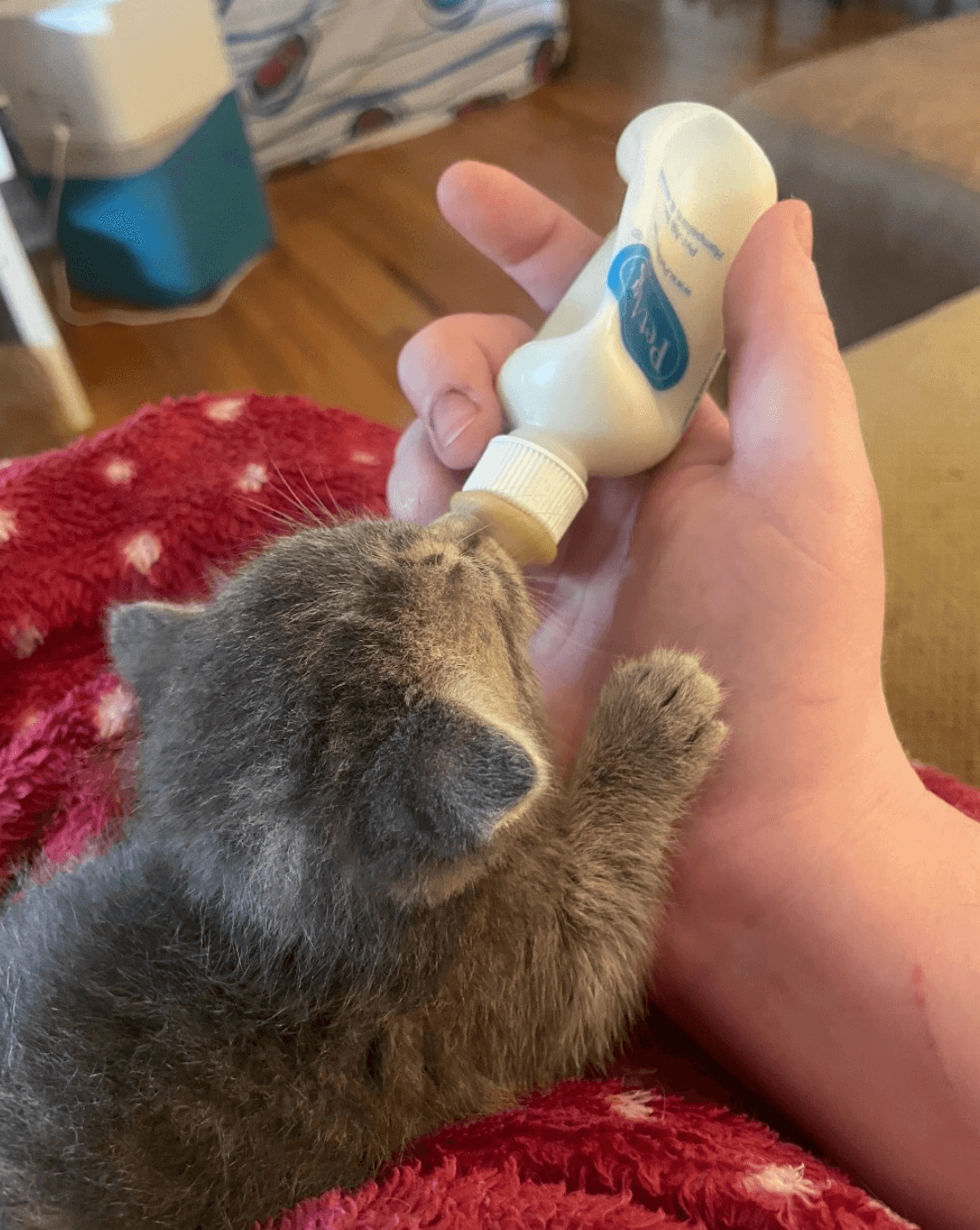
Image Credits
Samantha Skatula, Kelly Kline