



We were lucky to catch up with Amanda Faye Lacson recently and have shared our conversation below.
Hi Amanda Faye, thanks for joining us today. Can you tell us the backstory behind how you came up with the idea?
When I first got married, my new mother-in-law wanted to share the stories behind family heirlooms in her and her mother’s home. She had three kids, all boys. As the first daughter in the family, I felt the weight of responsibility to care for her collection, photograph the heirlooms, record the stories so we could pass them down to future generations. I researched the family genealogy in earnest, Alsatian and Norwegian lines that set down roots in America in the 1800s.
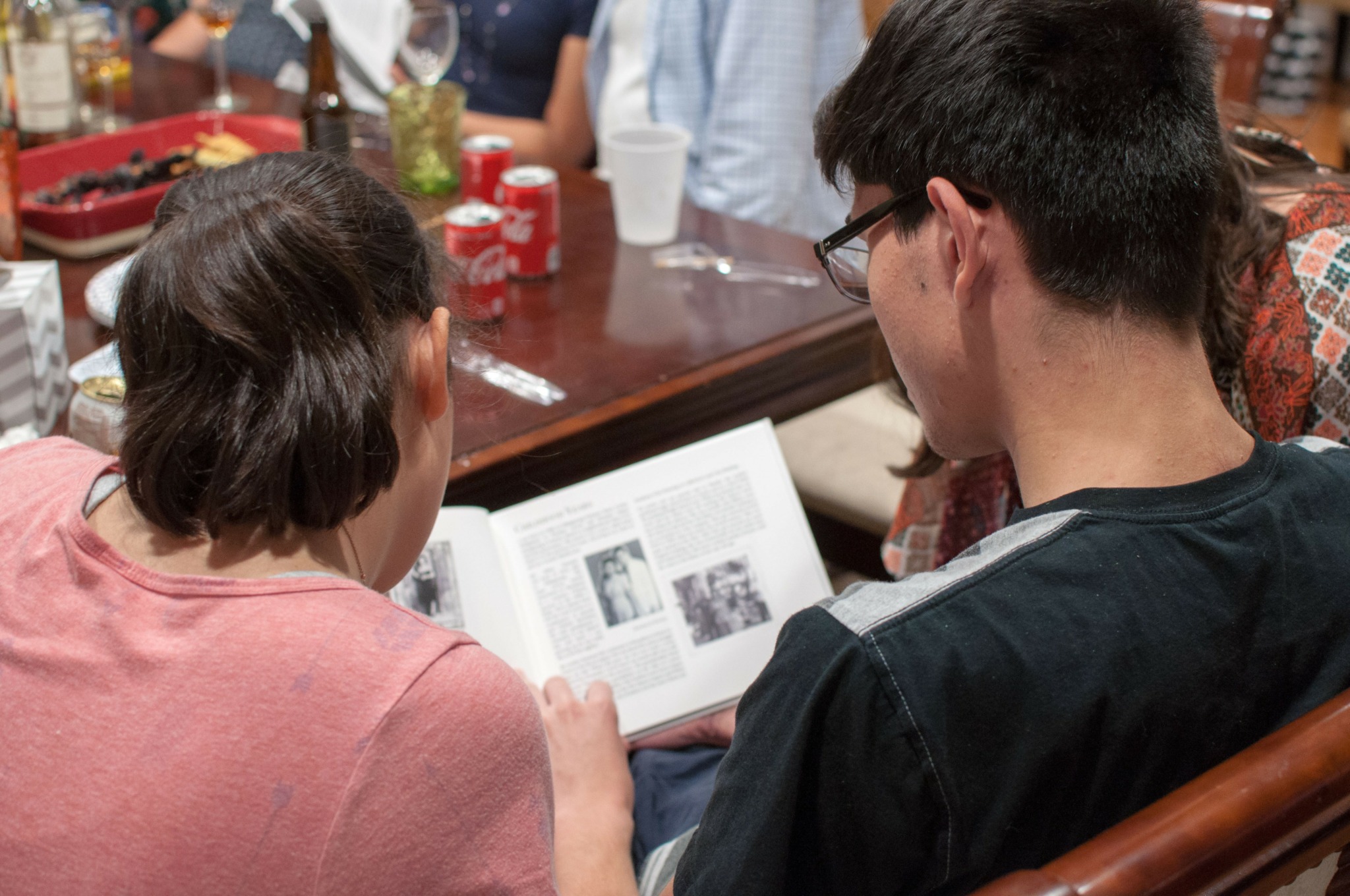
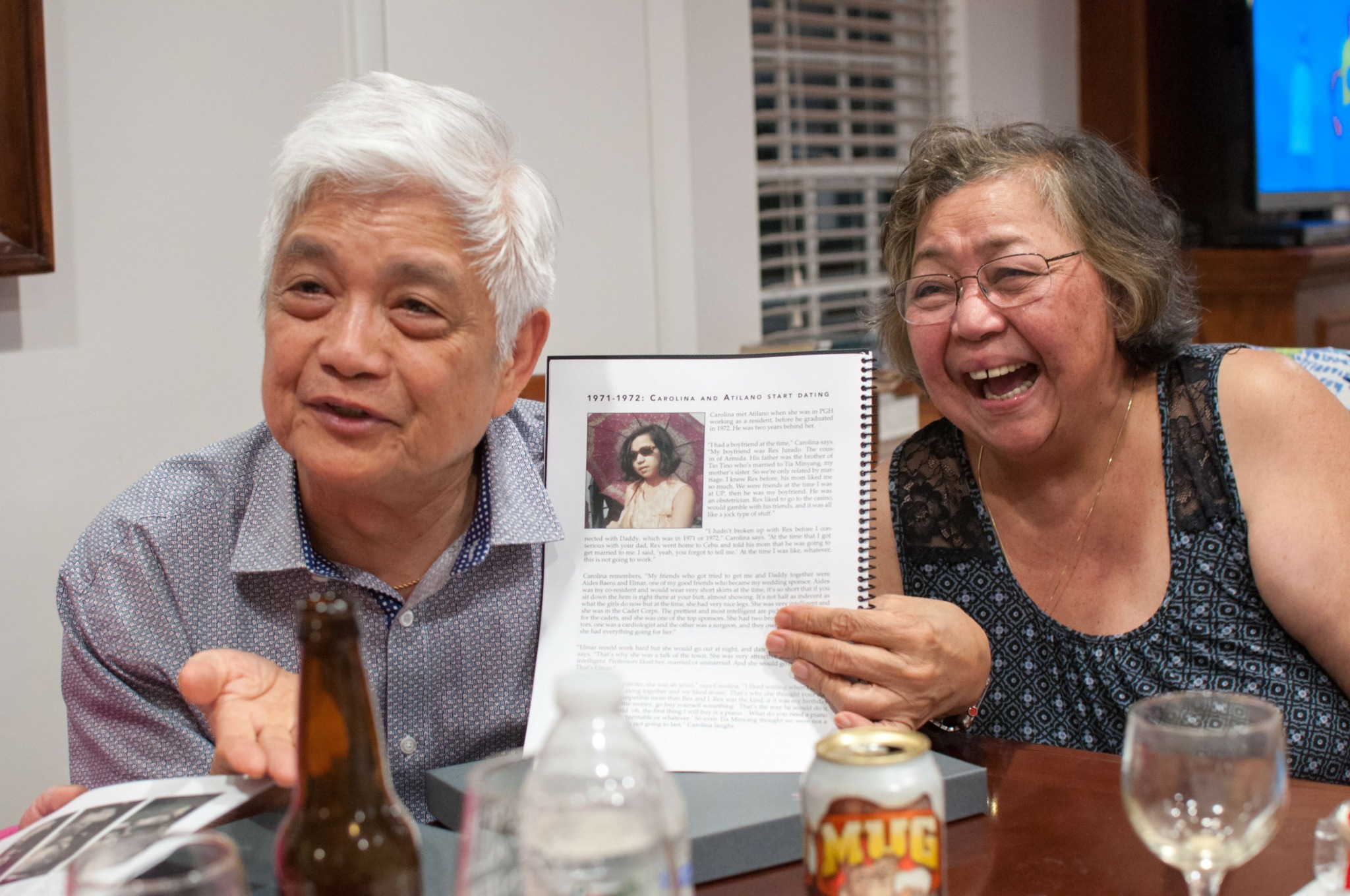
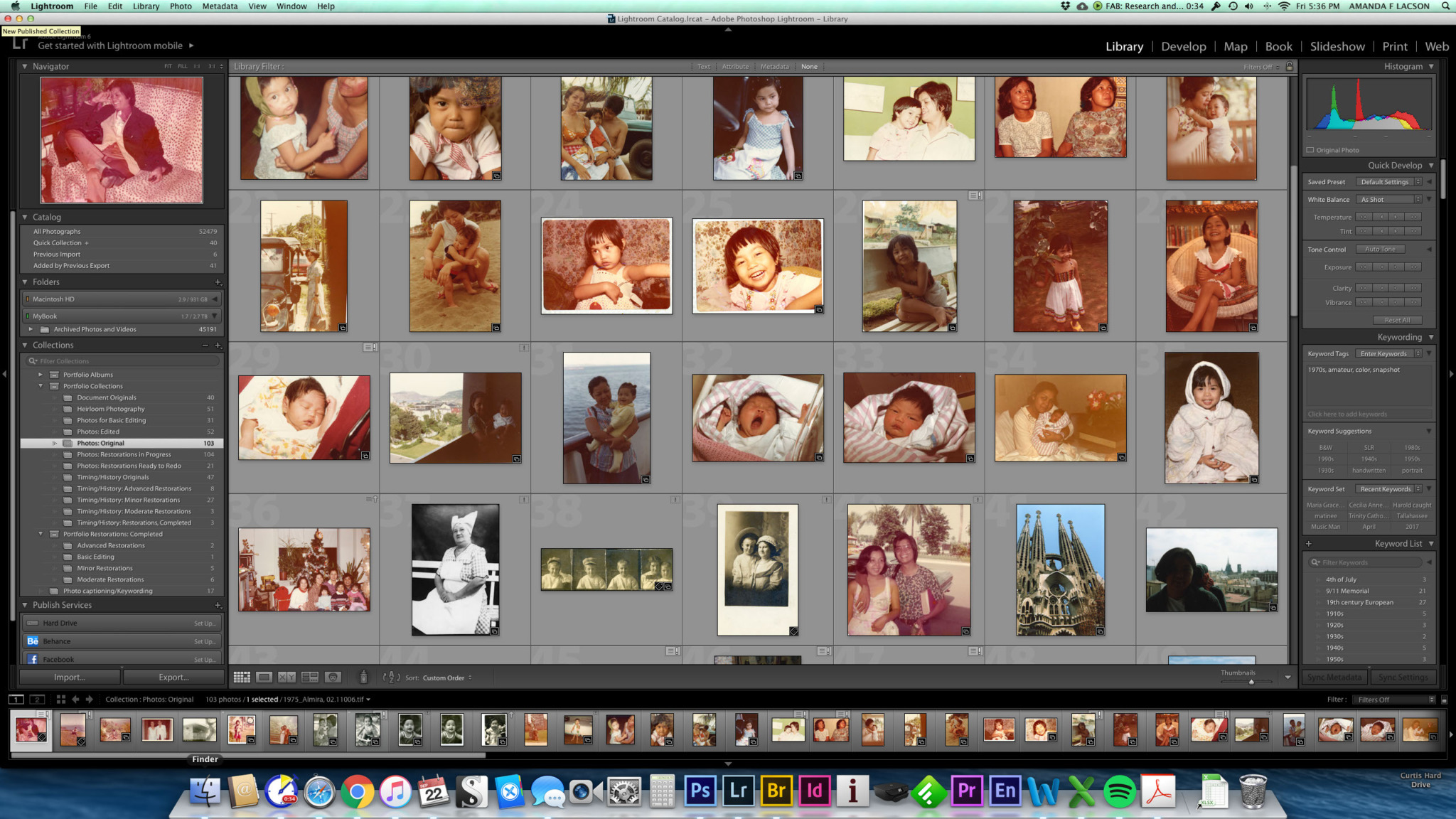
As I completed the research for my husband’s side of the family, I wondered about my own. I am a second-generation Filipina-American. My parents came to the States in the 1970s, and I was the first one born here. I looked into our lines on Ancestry and could only come up with one document, a marriage license for my maternal grandparents. I asked Ancestry if and when there were plans to digitize more documents from the Philippines: they said it wasn’t a priority. So I began to sift through the materials. As more recent immigrants, we didn’t have a ton of heirlooms. But we had photographs. The ones that intrigued me sat in two sticky magnetic page albums, yellowed and brittle. In one album were photos of my dad, young and smiling with Western landmarks in the background: the World Trade Center, the United Nations. In the other album, photos of my older sister as a toddler, growing up in the Philippines: sampaguita tucked behind her ear at preschool graduation, sitting with nuns and her cousin in kindergarten. I soon realized that these were the photos that the family sent to each other: my dad sending photos of himself back home to my mom and sister who weren’t allowed to come to the US, and vice versa.
For the past ten years I’ve worked on other people’s stories and archives: recorded oral histories, organized and digitally restored their photos, created books and videos to share with their families. Now I’m pivoting my business to serve the family and community historian. Revisioning Archives provides a curated collection of resources, articles and workshops to help people not only archive their stories, but encourage them to dig deeper, to look beyond the documents to find the story that has been left untold.
Amanda Faye, before we move on to more of these sorts of questions, can you take some time to bring our readers up to speed on you and what you do?
I am a writer, photographer and historian. My work, both personal and community-oriented, is centered on exploring how our identities are shaped, how they impact the way we move in the world, and how we write our history. I aim to bring forward voices and histories that have been less-studied through creative nonfiction and playwriting; photography that documents the artistic process at work; oral history-oriented podcast interviewing; and community-based workshops for the family historian.
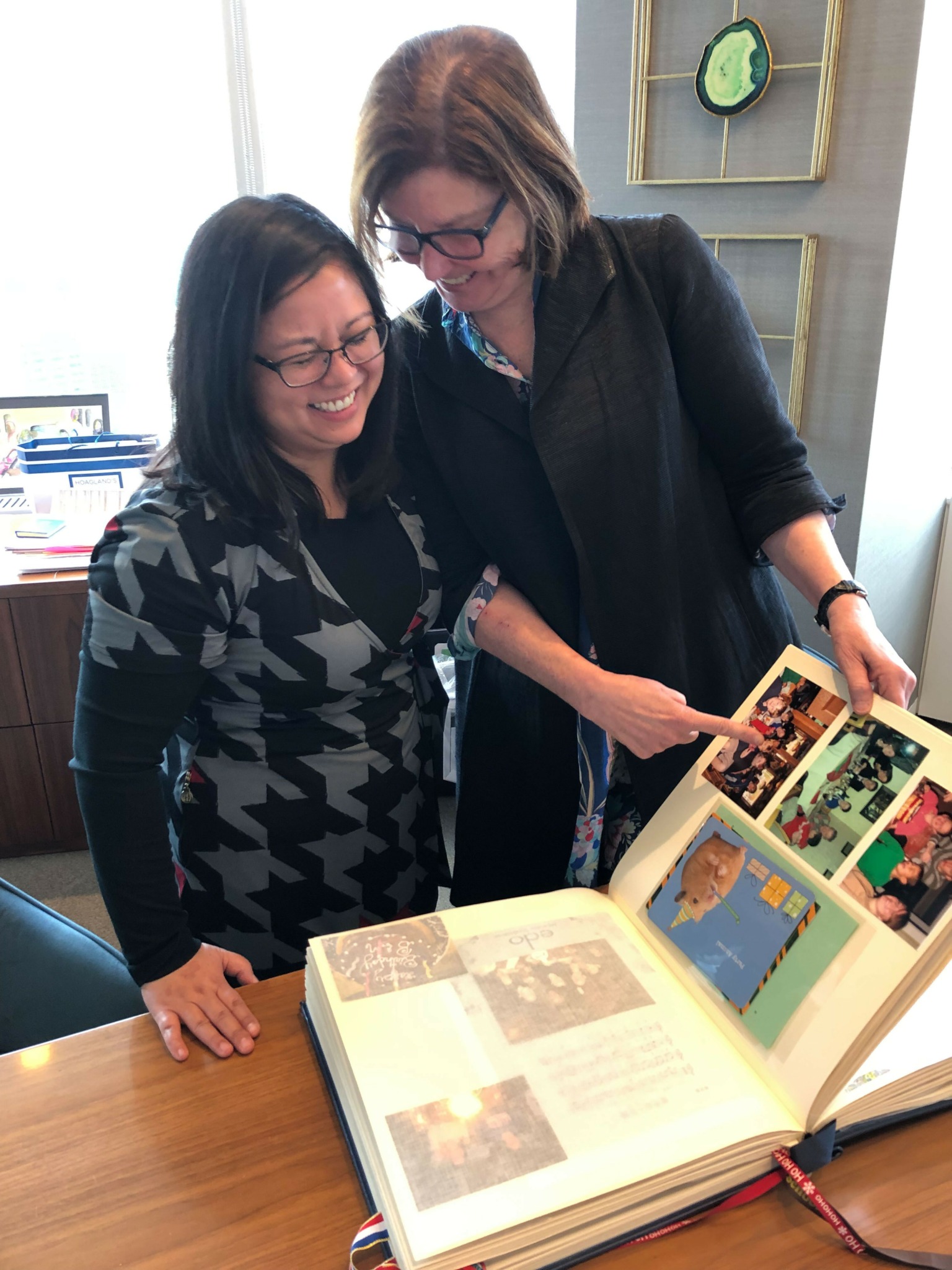
For a decade, I ran FamilyArchive Business, helping clients organize and digitize photos and videos, record oral histories, restore digital images, and create legacy materials like books and prints.
Now, with Revisioning Archives, I focus on providing tools for family historians, especially those with less-documented stories, such as individuals navigating complex identities or ancestral trauma. Revisioning Archives offers a free online library, with tools to improve one’s documentary practices and oral history interviewing. One of my favorite sections of the library includes resources on how to thicken the narrative, i.e bring in stories that are lesser-told (at least in American classrooms), from nonwhite narrative histories, to trauma-informed research.
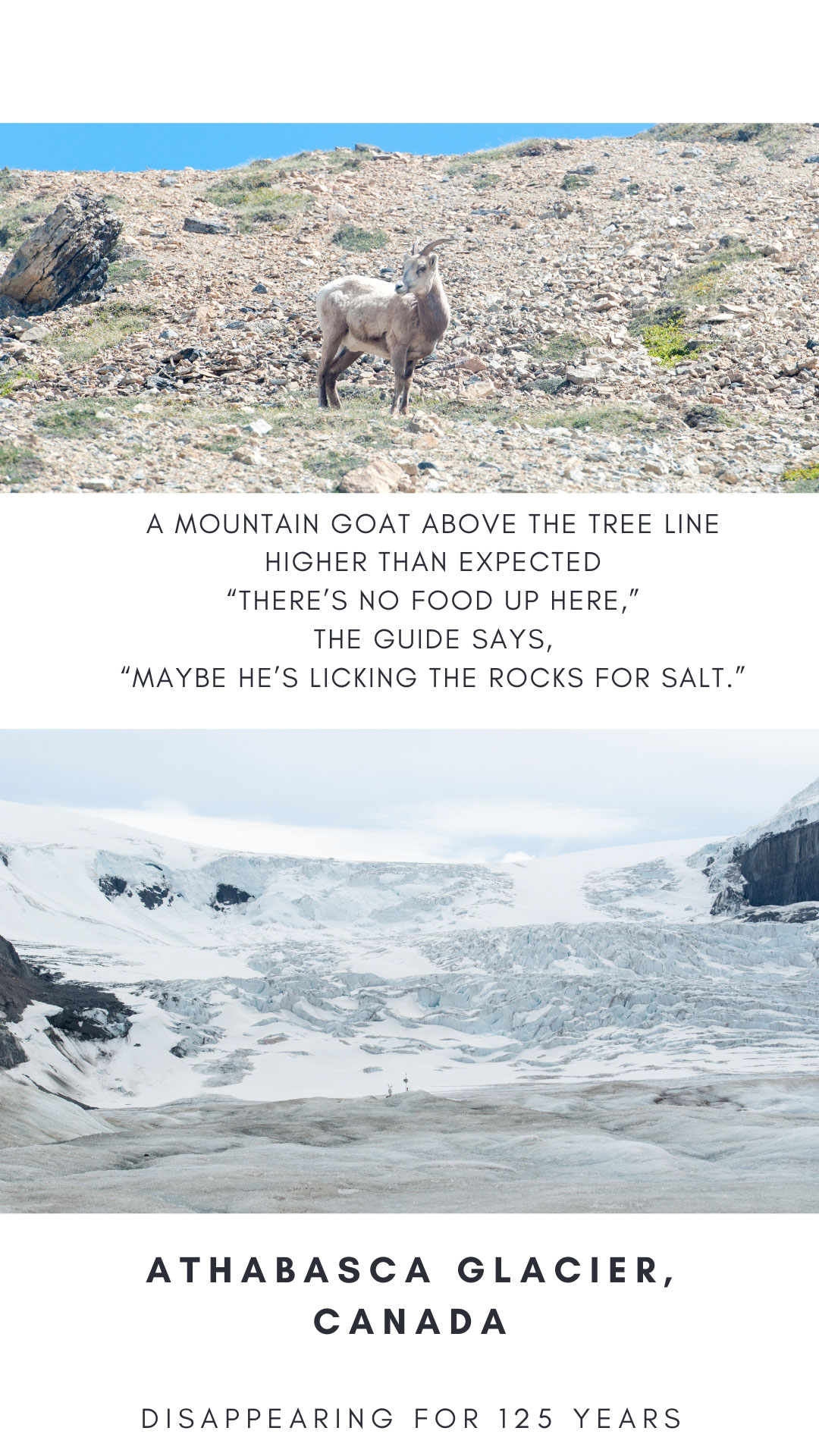
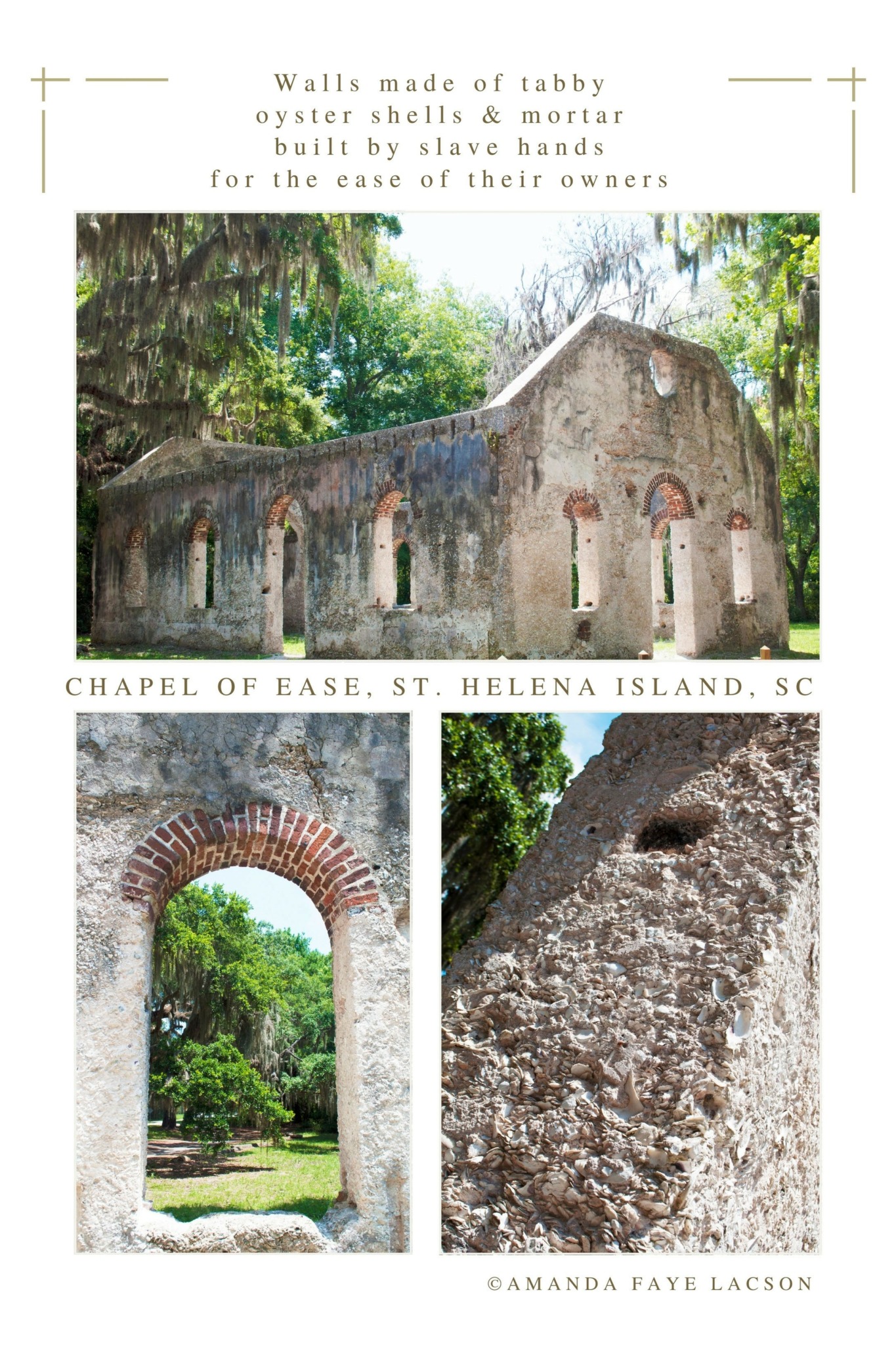
I also offer workshops, online and in-person, on how to bring these tools into your own work and critically examine your family and/or community history. I also share my own writing and photo collages, as I reflect on my own family legacy, and the aspects I want to pass down or interrupt.
Is there mission driving your creative journey?
I have been involved in Transformative Language Arts (TLA) for years. For those who don’t know, the Transformative Language Arts Network is an organization that supports individuals and organizations that change the world with words: we use words for personal AND community transformation.
For me, both are key. I learned about TLA when I was writing to make sense of a period of deep grief. I turned to mythology: the great Greek and Roman myths, yes, but also the cultural myths we’ve been told about romantic love and how they impact our ways of being in relationship. I studied the myths, reflected on how they impacted my experience, and tried to write a new love story.
I’ve since realized that this cycle runs through all of my work, from how I prepare community workshops to the things I’m inspired to write about:
Identify the myth
Reflect critically upon the myth
Dismantle the parts of the myth that are limiting
Move forward with a fuller story and worldview.
I apply these steps to analyzing family history, studying generational and embodied trauma, and creating new plays based on old stories.
Does your business have multiple or supplementary revenue streams (like a ATM machine at a barbershop, etc)?
I teach and facilitate community workshops online and in-person. I am a theater and behind-the-scenes photographer. I am a playwright.
Contact Info:
- Website: https://www.revisioningarchives.com
- Instagram: @amandafayelacson
- Facebook: @amandafayelacson
- Other: https://www.amandafayelacson.com
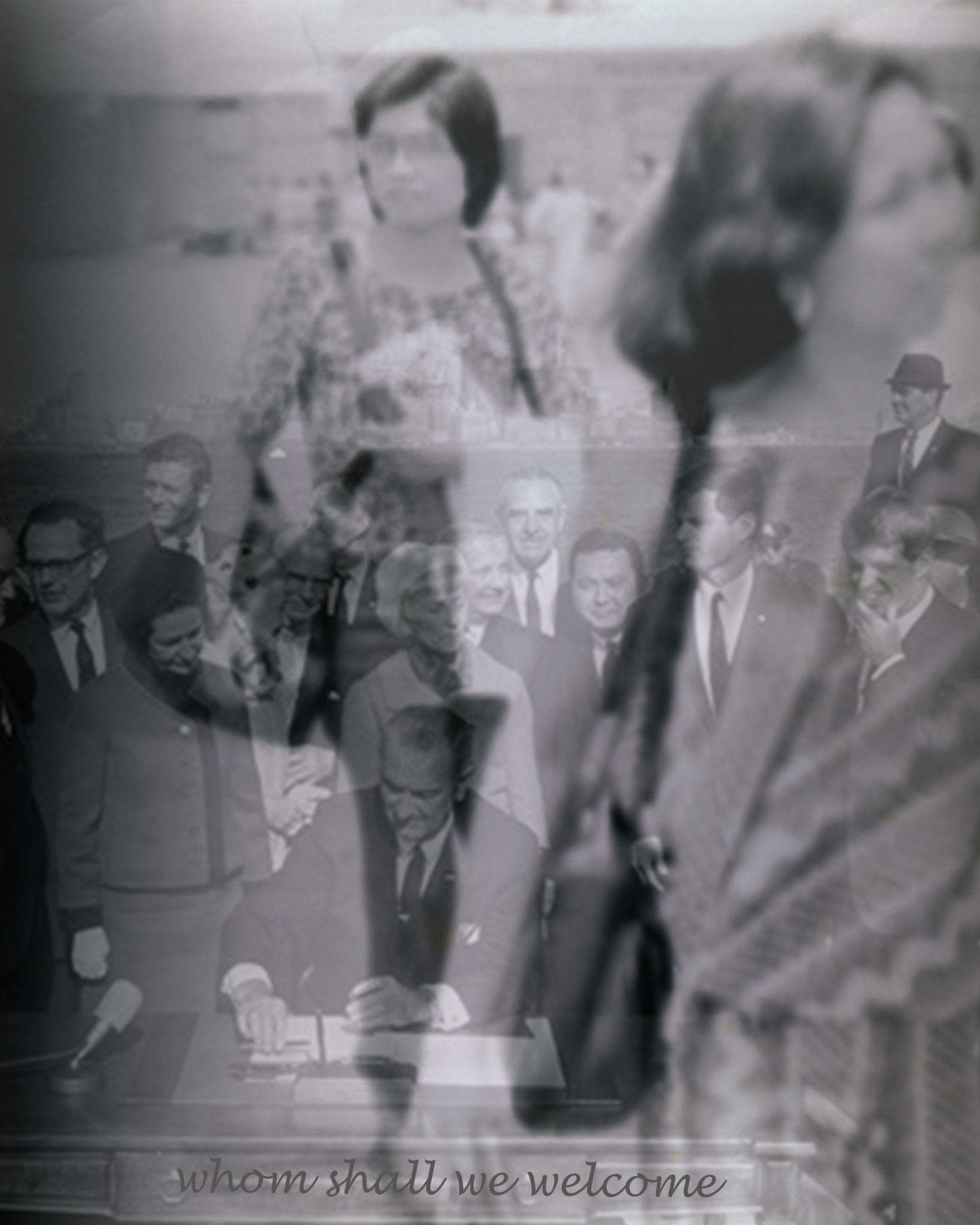
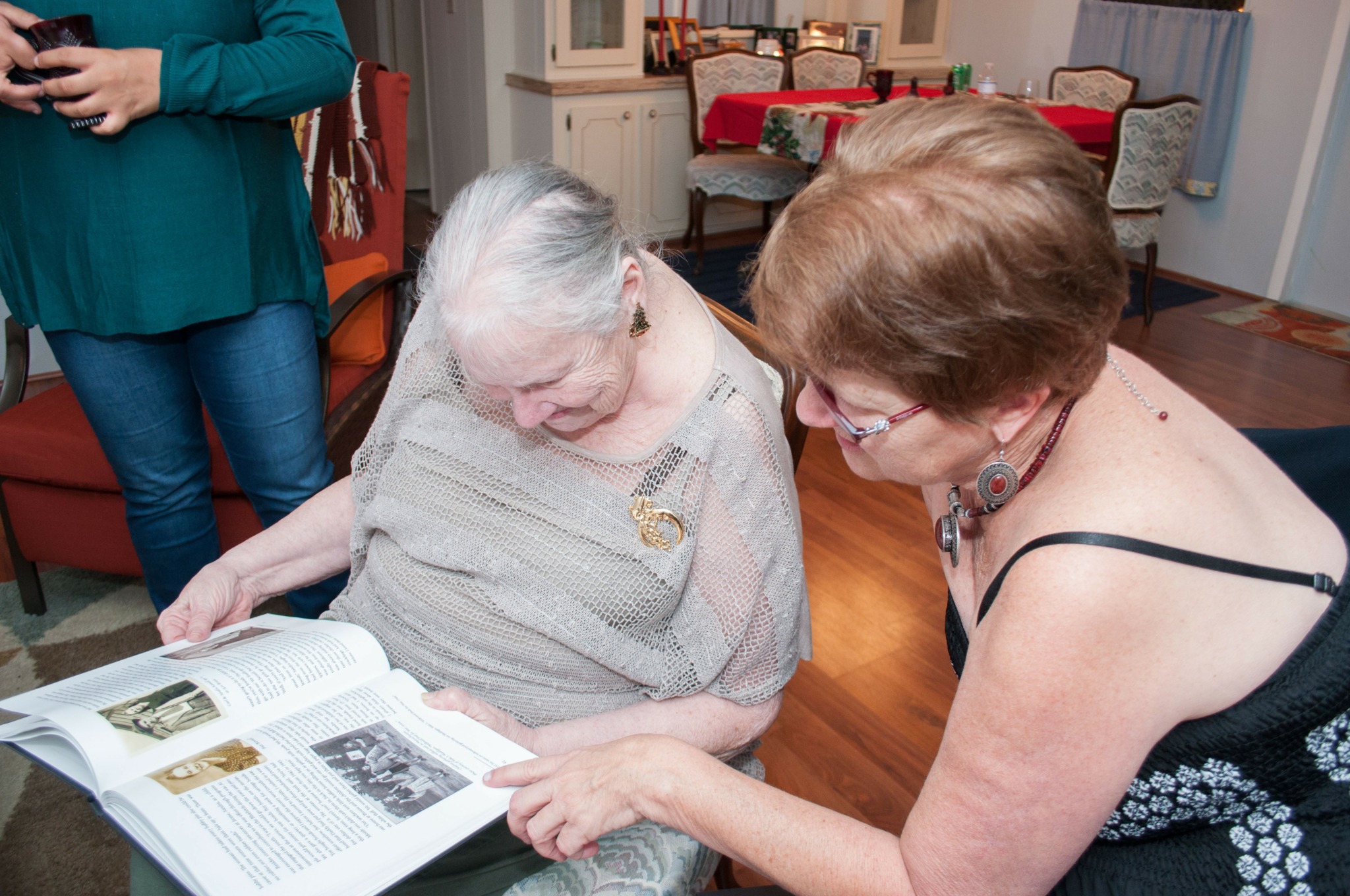
Image Credits
Amanda Faye Lacson