
We’re excited to introduce you to the always interesting and insightful Jordan Smith. We hope you’ll enjoy our conversation with Jordan below.
Alright, Jordan thanks for taking the time to share your stories and insights with us today. How did you come up with the idea for your business?
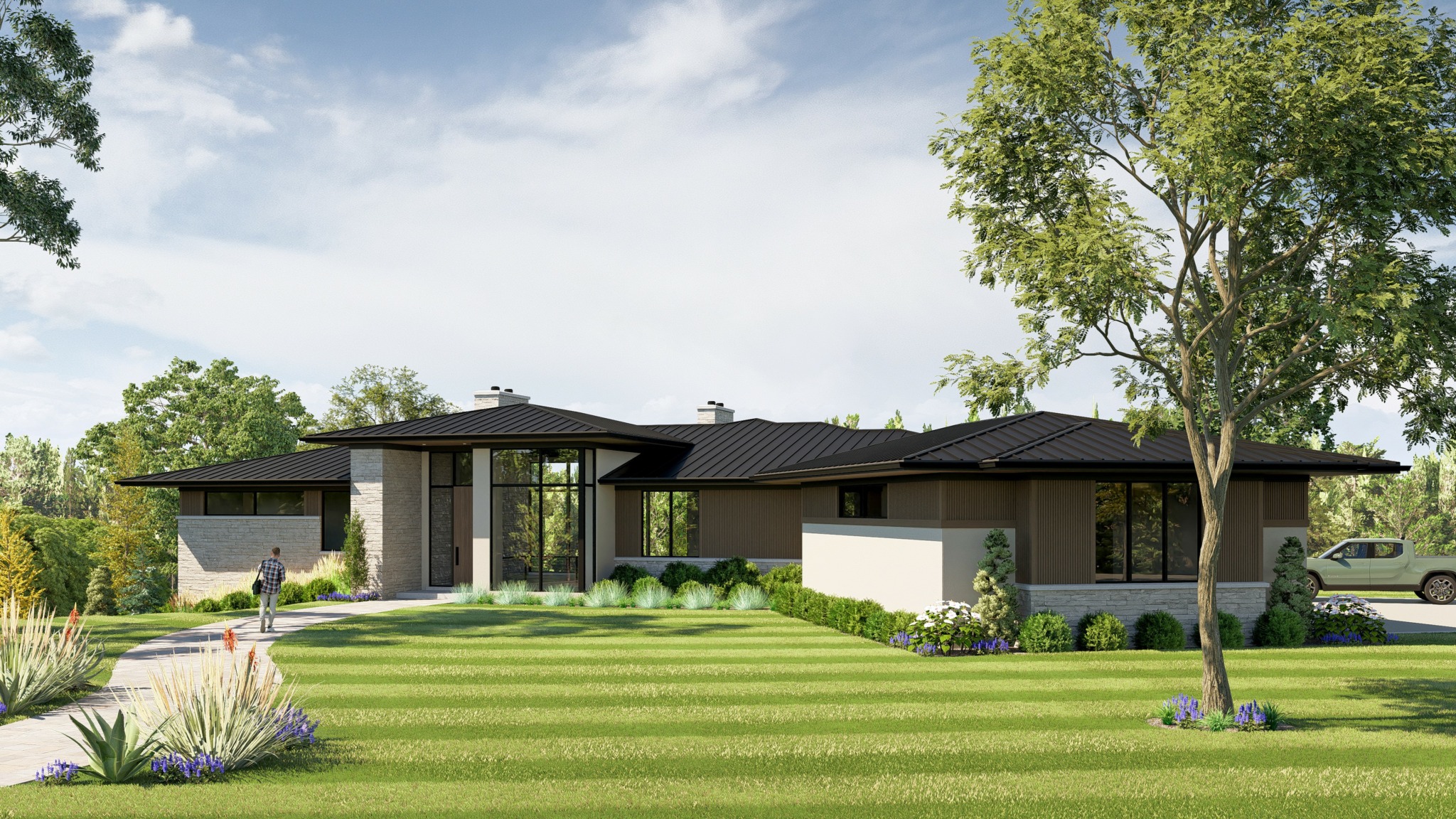
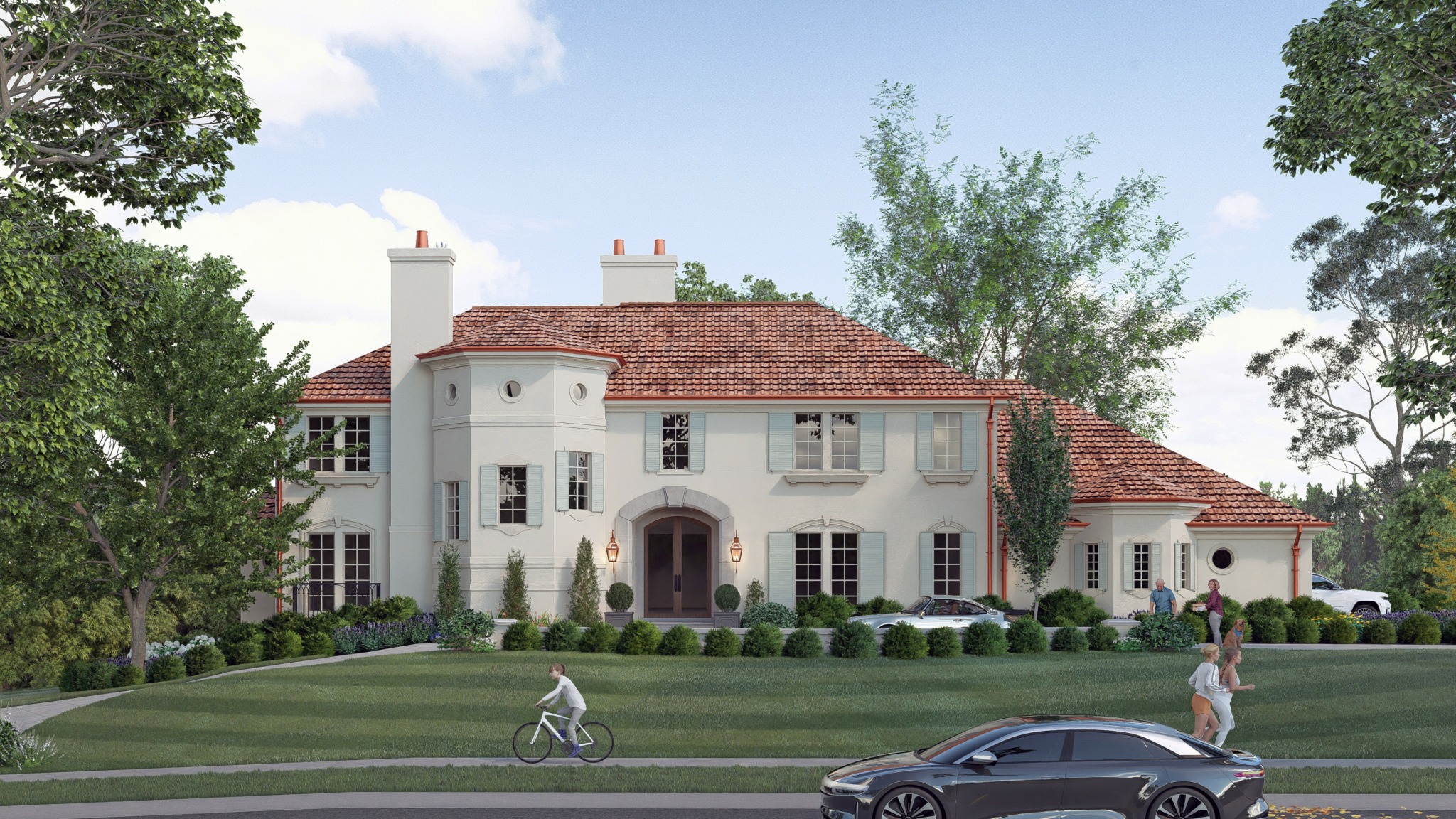
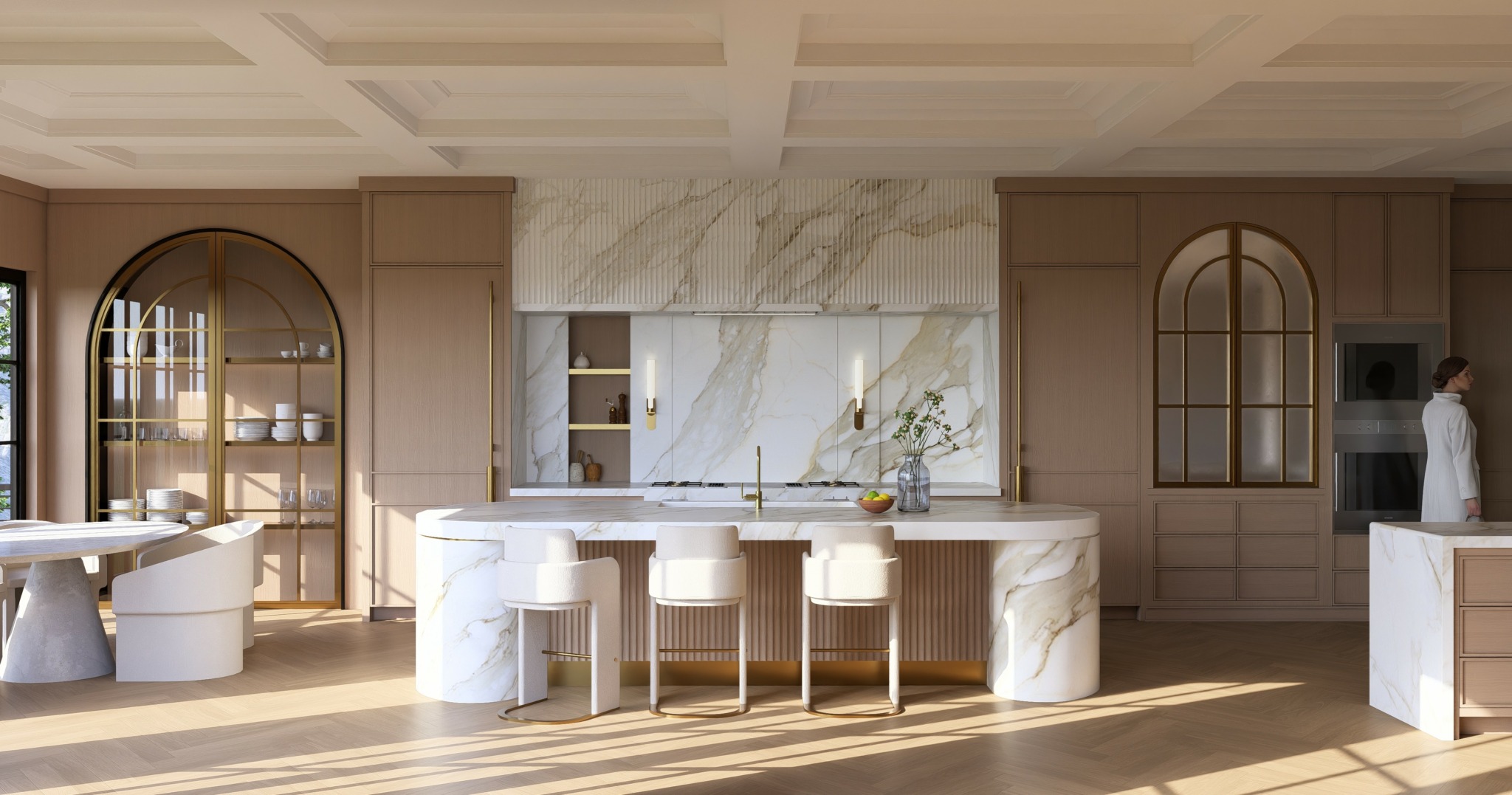
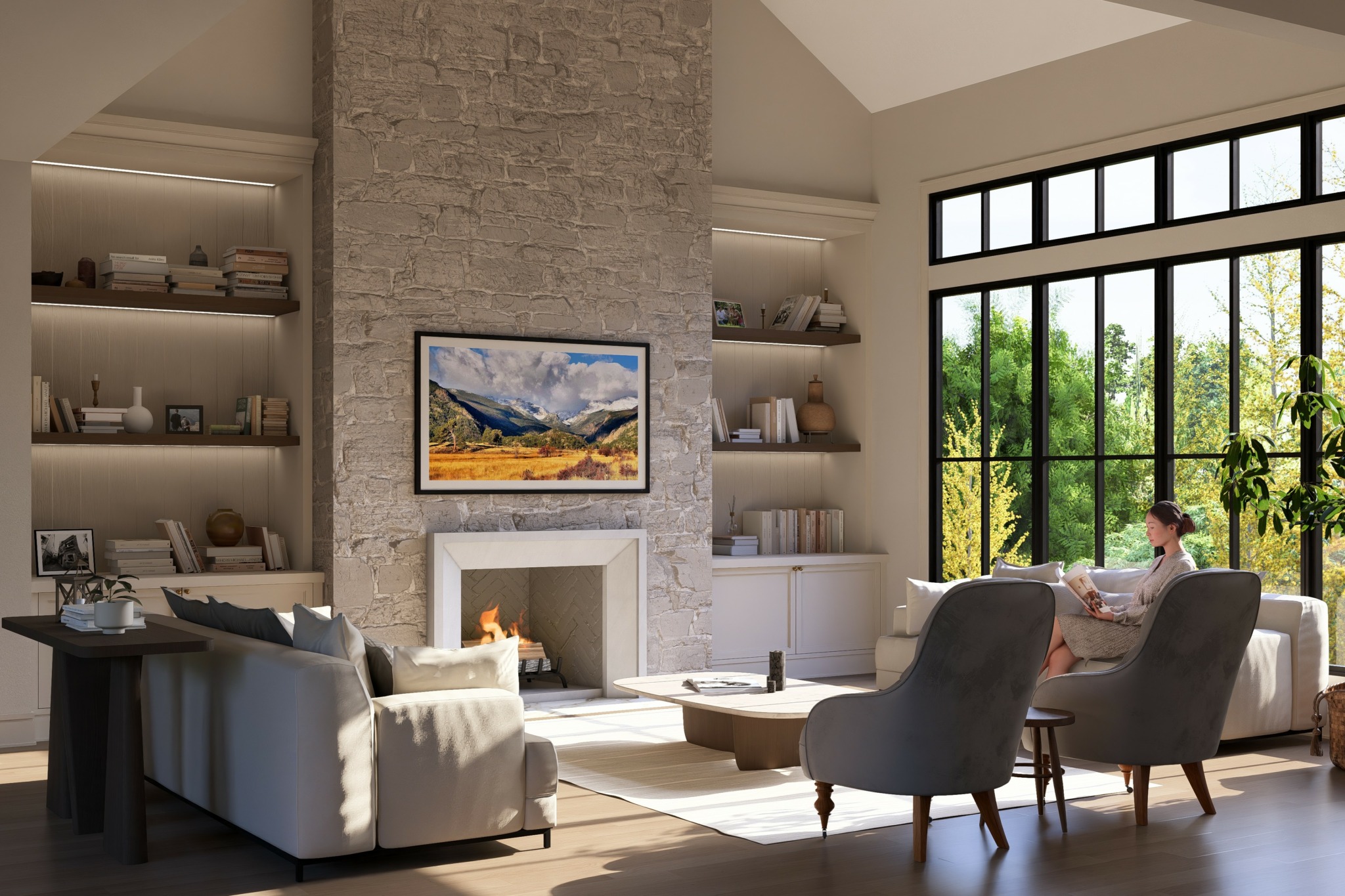
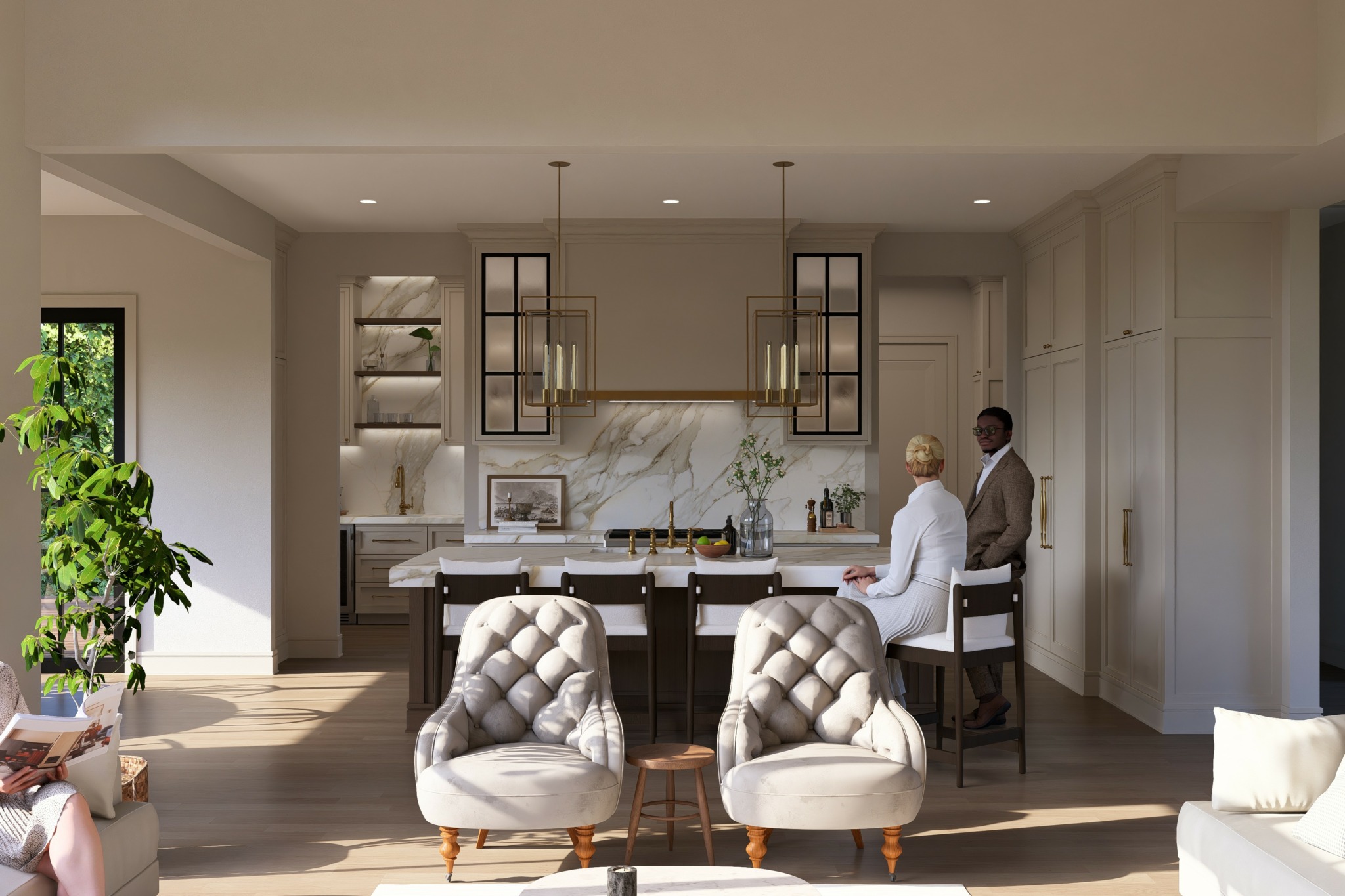
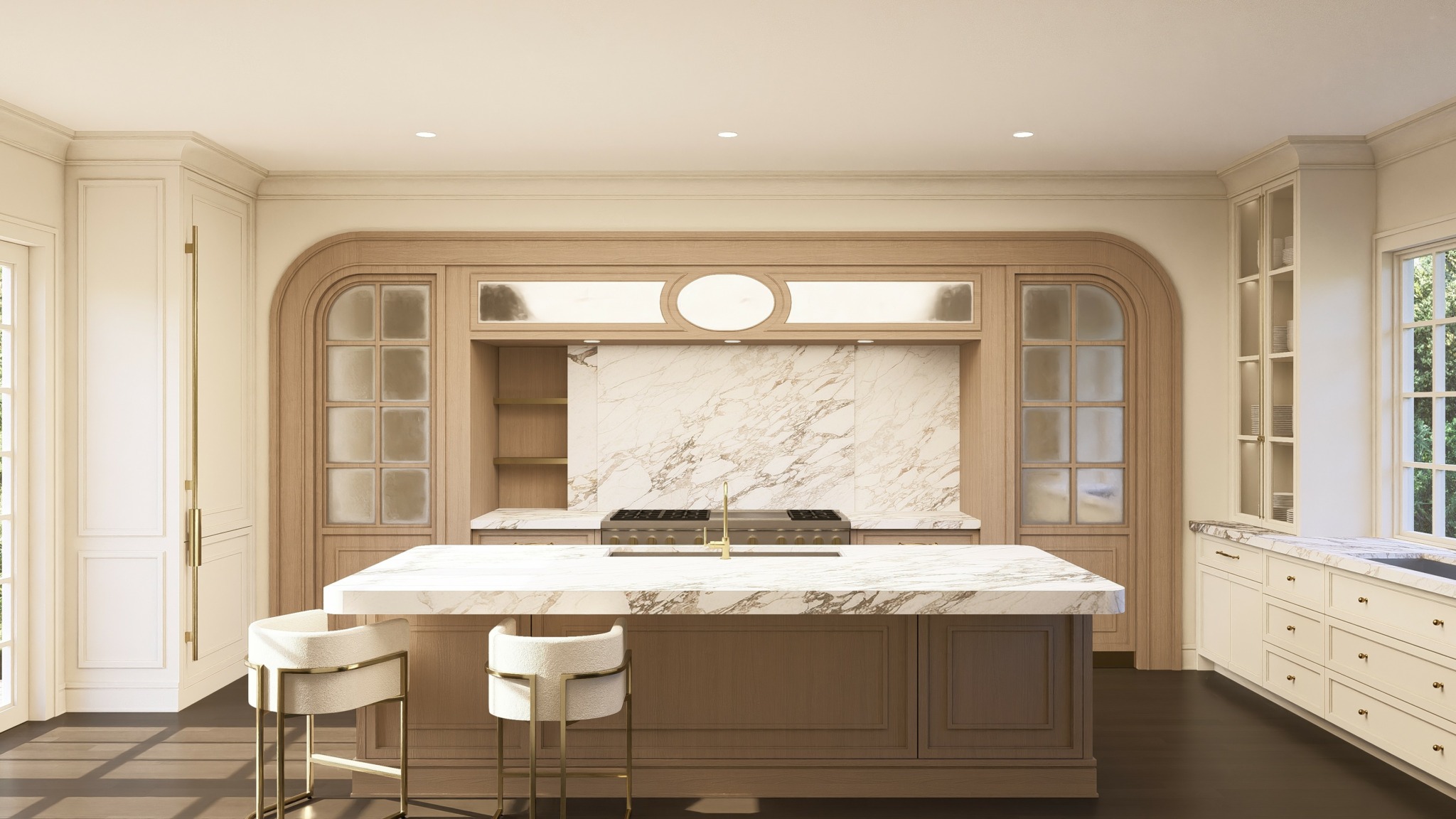
After graduating college in the summer of 2019, I embarked on my entrepreneurial journey by launching a business focused on developing 3D renderings for homes. Recognizing a significant gap in the market, I saw that while 3D rendering is a growing field, it’s often overlooked in architectural schooling, resulting in a scarcity of skilled artists. Many rendering professionals work overseas, which can lead to communication challenges and difficulties in capturing architectural nuances. By being domestic and having a Master’s degree in architecture, I was positioned to offer a service that conveys the intricacies of design accurately and with effective communication.
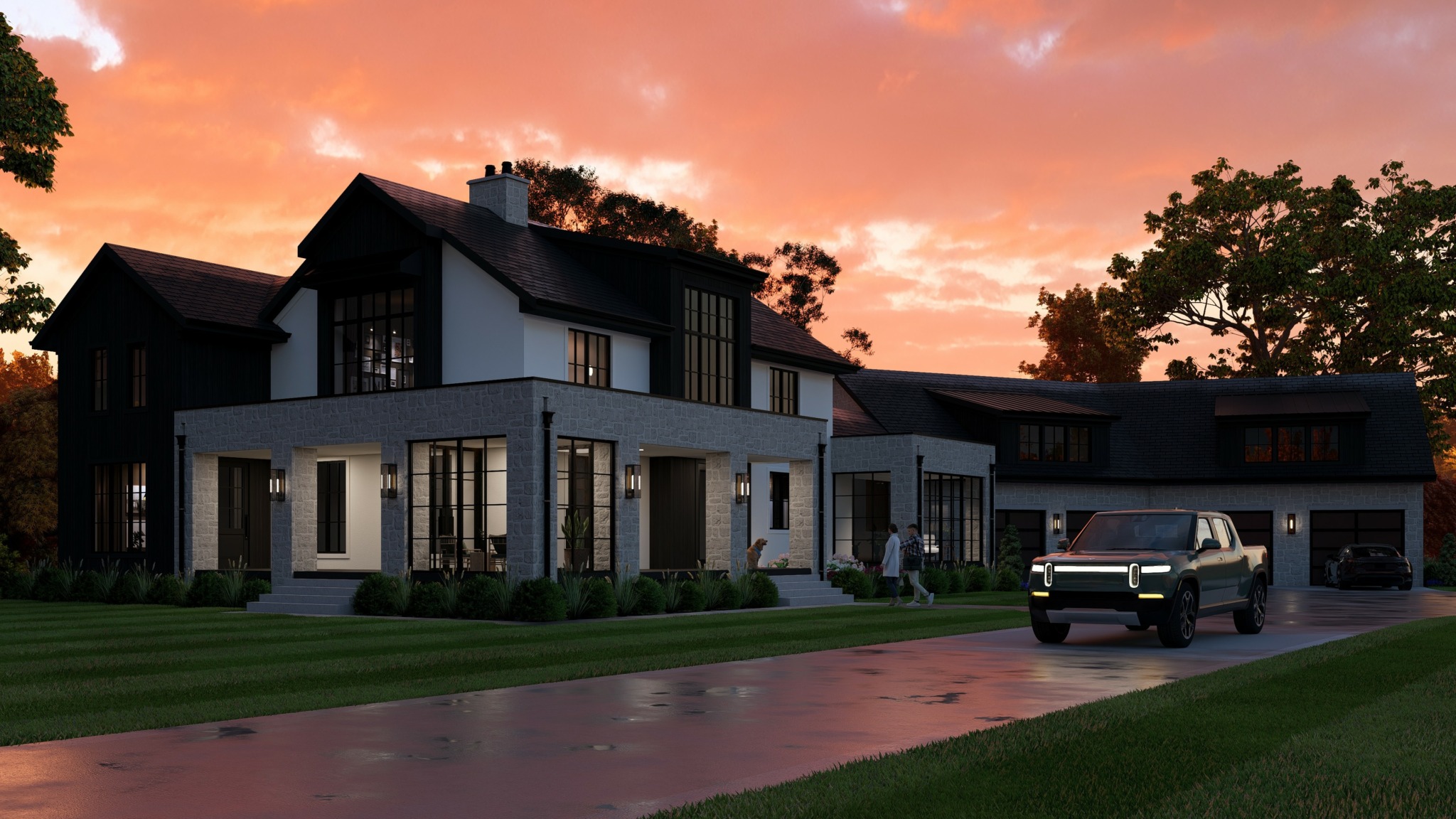
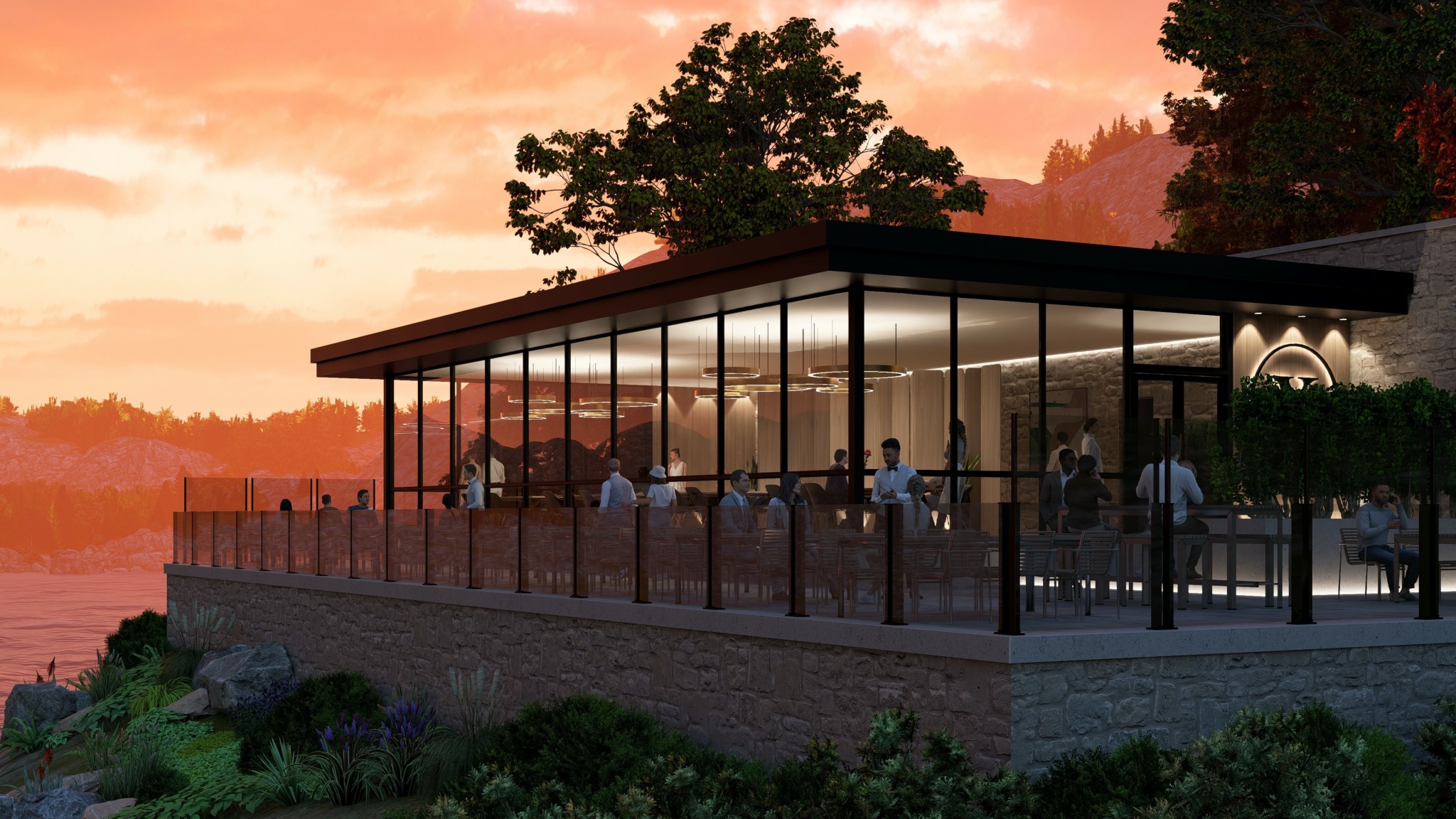
What drew me to 3D rendering was the opportunity to meld my artistic talents with my architectural expertise. As someone who has always enjoyed hand sketching, the transition to digital renderings felt like a natural extension of my passion. Working as a nationwide 3D artist has exposed me to a myriad of innovative designers and emerging trends, enriching my perspective on the study of architecture as a whole. Over time, my skills have evolved beyond merely rendering others’ designs; I now create, draft, and render my own unique concepts, allowing me to contribute to the field in a meaningful way and share my vision.
Jordan, love having you share your insights with us. Before we ask you more questions, maybe you can take a moment to introduce yourself to our readers who might have missed our earlier conversations?
I’m an architectural designer and 3D artist who owns TRACE LLC – a company focused on providing architectural design, drafting, and rendering services to architects, builders, interior designers, homeowners, developers, and more. My journey into this field began with a passion for design and an appreciation for how visual storytelling can bring architectural concepts to life. Architectural renderings are not just pretty pictures to “wow” clients – they visualize a design prior to construction, which can help identify and solve costly problems proactively. They bridge the gap between homeowners, designers, and builders, easing the burden of miscommunication and allowing designs to be executed with more accuracy. While I began as a simple architectural visualization company, I can now provide original design work. My hope is that I can be an approachable “one-stop shop” for residential design. I want to be able to translate a client’s ideas, wants, and needs into a set of legible construction documents and photo-realistic imagery, and ultimately guide them through the process of building their home.
What I’m most proud of is my ability to combine my technical skills with my artistic passions. I’ve always been an avid hand sketch artist, and translating that passion into digital renderings has been incredibly fulfilling. As my business has grown, I’ve expanded my offerings to include not just renderings of others’ designs but also my own unique concepts. I am in a unique position where I get to work with a multitude of different designers – which lets me explore various architectural styles and interior design trends. This opportunity is exciting and keeps me up-to-date with the movements of architecture and interior design. I want potential clients and followers to know that my work is not just about creating images; it’s about crafting narratives that reflect their visions and dreams. I’m committed to excellence, creativity, and collaboration, and I’m excited to help bring both my own and others’ architectural ideas to life.
Can you tell us about a time you’ve had to pivot?
The most significant pivot in my career was transitioning from commercial architecture to residential design. My first role as an associate architect was at a firm that specialized in multi-family projects. While I gained invaluable experience there, I quickly realized that this path wasn’t where my true passion lay. I often felt confined to technical tasks, and developing apartments for large-scale corporations didn’t provide the creative fulfillment I sought.
When the COVID-19 pandemic disrupted our firm, it presented me with the perfect opportunity to explore a new direction. I found a warm welcome in the world of residential design, which has brought me immense joy ever since. Although residential projects can be both simpler and more complex than commercial ones, I find them deeply rewarding because of their direct impact on people’s lives. I get to engage with clients on a personal level, learning about their interests, lifestyles, and family dynamics. Each project reflects their unique desires and passions, and it’s incredibly fulfilling to help bring their dreams to life.
How did you put together the initial capital you needed to start your business?
One of the greatest advantages of my field is the relatively low startup capital required. I often encourage architectural students to invest in learning 3D rendering, as it’s an invaluable skill that can serve as a profitable side gig. All you need is a willingness to learn the necessary software and a powerful gaming computer to run it. With time and experience, you can seamlessly transition into offering a comprehensive range of design services, relying mainly on your dedication and a solid computer setup. In total, the initial investment for software and hardware typically ranges from about $3,000 to $5,000, making it an accessible entry point into the industry.
Contact Info:
- Website: https://TRACEKC.com
- Instagram: https://www.instagram.com/trace_arch/
- Facebook: https://www.facebook.com/TRACE.KC.ARCHVIZ
- Linkedin: https://www.linkedin.com/company/tracekc/
- Youtube: https://www.youtube.com/@TRACEKC_Jordan