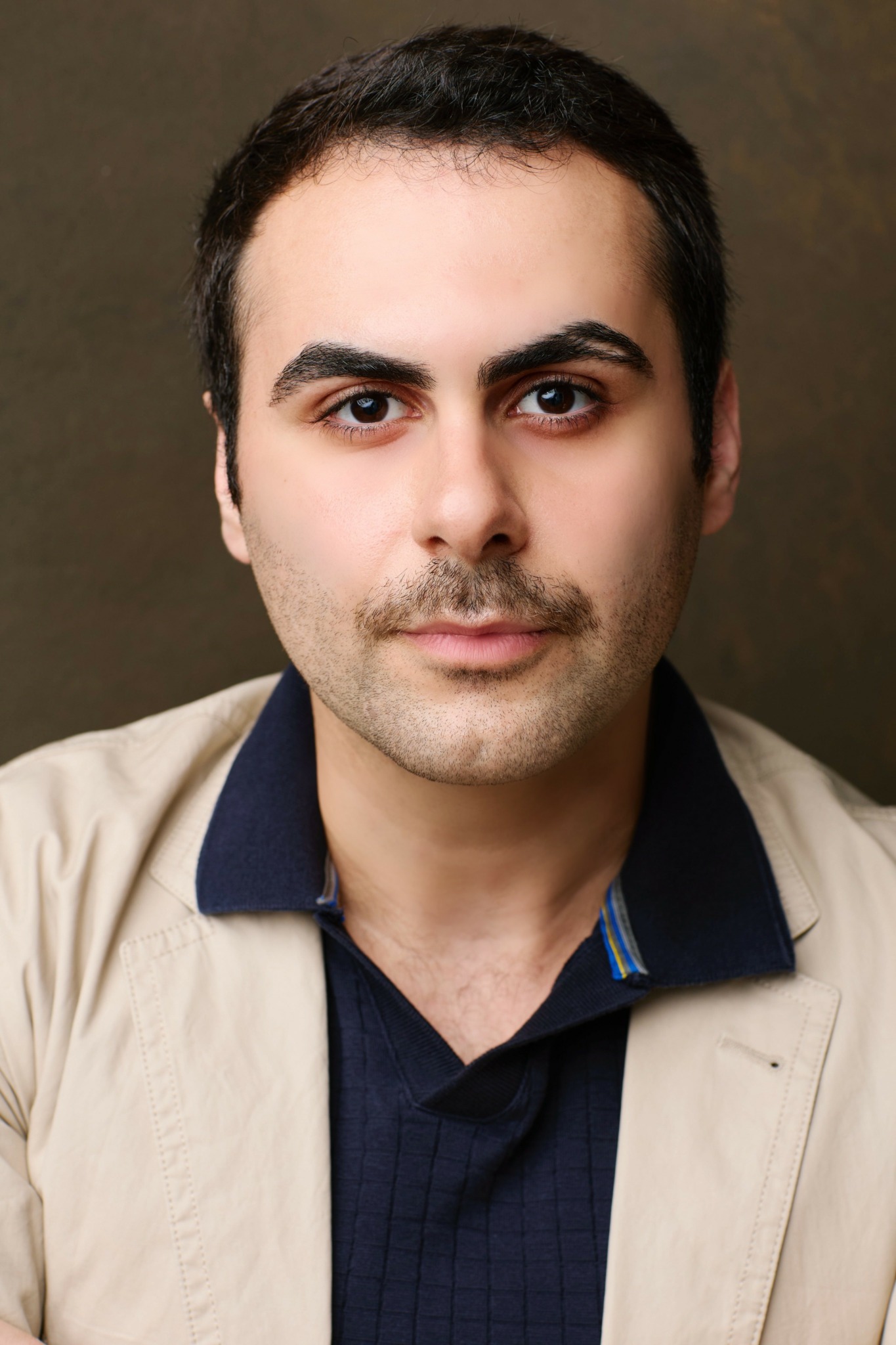
We recently connected with Shawn Esho and have shared our conversation below.
Shawn, thanks for joining us, excited to have you contributing your stories and insights. It’s always helpful to hear about times when someone’s had to take a risk – how did they think through the decision, why did they take the risk, and what ended up happening. We’d love to hear about a risk you’ve taken.
One of the biggest risks I’ve taken was deciding to leave a stable career path in marketing to pursue acting full-time. I had been working at a tech job, a company that offered incredible opportunities and a secure future, and while I enjoyed the work, there was always this lingering feeling that I wasn’t doing what I truly wanted. Acting was always my passion, but it was something I explored on the side—small theater productions, local acting classes. It felt like a dream I couldn’t fully chase because of the practical demands of life.
The turning point came after a conversation with my significant other. I was venting about how unfulfilled I felt, and they asked me point-blank, “If you had no fear of failure, what would you be doing?” The answer was immediate—acting. That night, I sat down and started researching acting schools, agencies, and everything I would need to make the leap.
Leaving a corporate job with a steady paycheck for the uncertainty of the entertainment industry was terrifying. I didn’t know if I would land roles, how I would pay rent, or even if I had what it took to make it. But I knew I had to try because the thought of looking back and wondering “what if” was far scarier than the possibility of failing.
I threw myself into acting classes, auditions, and networking. The first year was tough. I faced a lot of rejection, and there were many times I questioned my decision. But slowly, things started to change.
That decision changed the trajectory of my life, and while it was terrifying, it was the most rewarding risk I’ve ever taken.
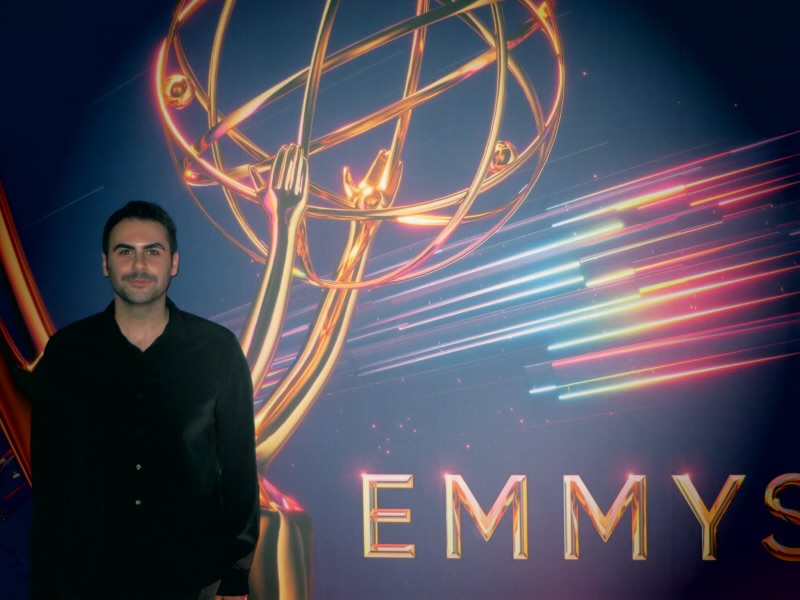
Shawn, before we move on to more of these sorts of questions, can you take some time to bring our readers up to speed on you and what you do?
I’m an actor with a background in marketing, which gives me a unique perspective on both storytelling and branding. My journey into acting wasn’t the most traditional—I spent several years working in the corporate world, but my passion for acting always tugged at me. I had been involved in small productions and background acting, but it wasn’t until I decided to take the plunge and pursue acting full-time that everything began to fall into place.
What sets me apart is the blend of creativity and business acumen I bring to my work. Acting isn’t just about delivering lines; it’s about connecting with audiences, building a personal brand, and understanding how your work fits into the larger entertainment landscape. I think my previous experience helps me approach acting from a holistic perspective. I understand both the art and the business of it.
I’m proud of my resilience and the work I’ve done so far, from indie films to commercials, and the gradual progress I’ve made in an industry that’s notoriously difficult to break into. But more than anything, I’m proud of the authenticity I bring to each role. I believe in telling stories that matter and portraying characters that resonate with audiences on a deeper level.
For potential collaborators, or casting directors, I want them to know that I’m dedicated, passionate, and committed to pushing boundaries in my performances. I’m here to tell stories that make people think, feel, and see the world a little differently.
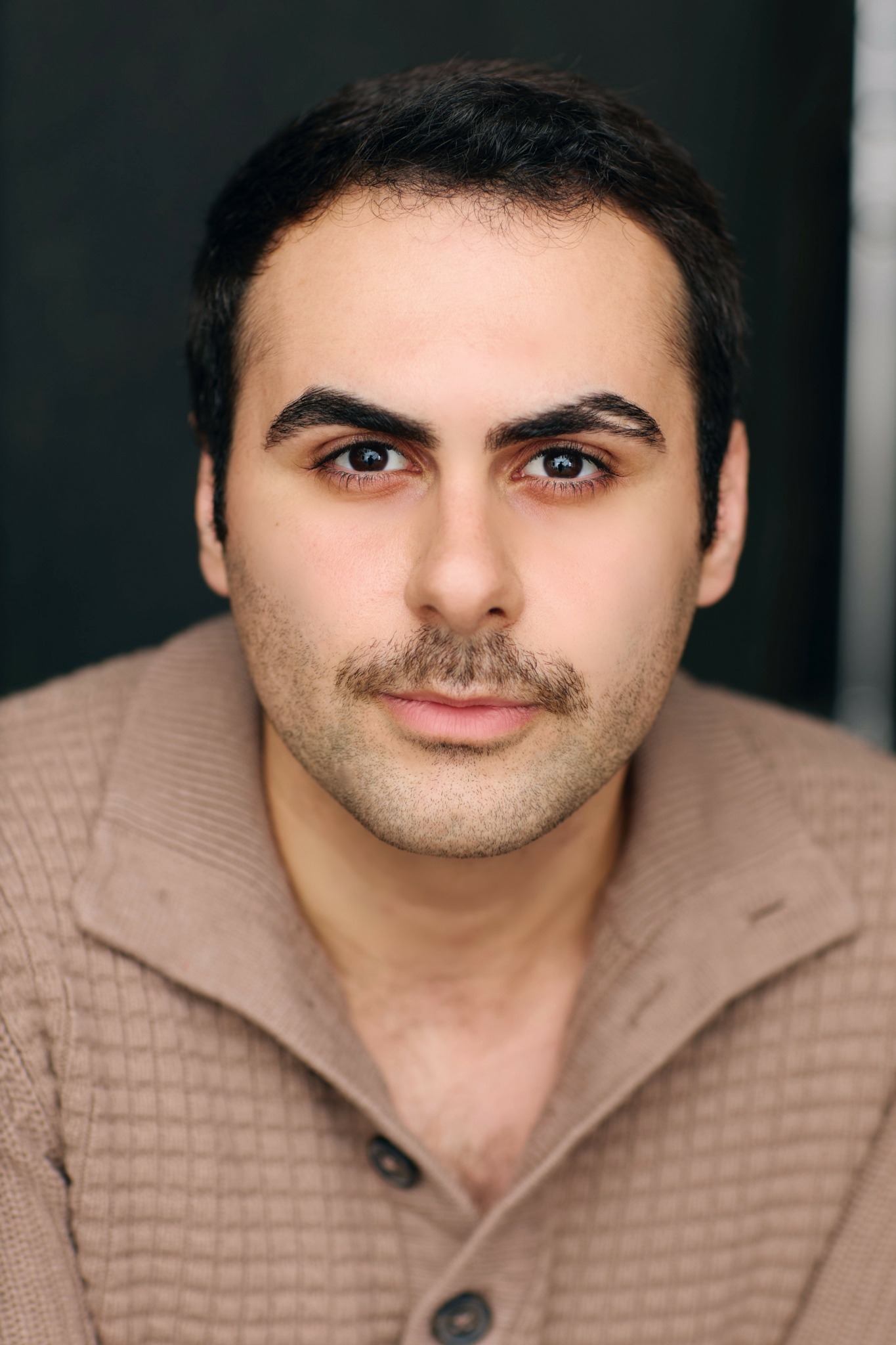
What do you find most rewarding about being a creative?
For me, the most rewarding aspect of being an artist is the opportunity to connect with people on a deep, emotional level. Acting allows me to step into different lives, explore diverse perspectives, and bring stories to life in a way that resonates with audiences. There’s something incredibly powerful about portraying a character and knowing that someone, somewhere, might see a part of themselves in that performance or be moved by the emotions and experiences I’m bringing to the screen or stage.
I also love the constant growth that comes with being a creative. No two roles or projects are the same, and with each one, I learn something new—about myself, about humanity, and about the craft. It’s a journey of self-discovery, and there’s a real sense of fulfillment in pushing my limits, taking on challenging roles, and evolving as an actor.
But most of all, it’s the shared experience with the audience. When people tell me that something I’ve done impacted them or made them feel understood, that’s the ultimate reward. It’s knowing that art can transcend barriers and touch people’s hearts, and being part of that process is what keeps me passionate about this career.
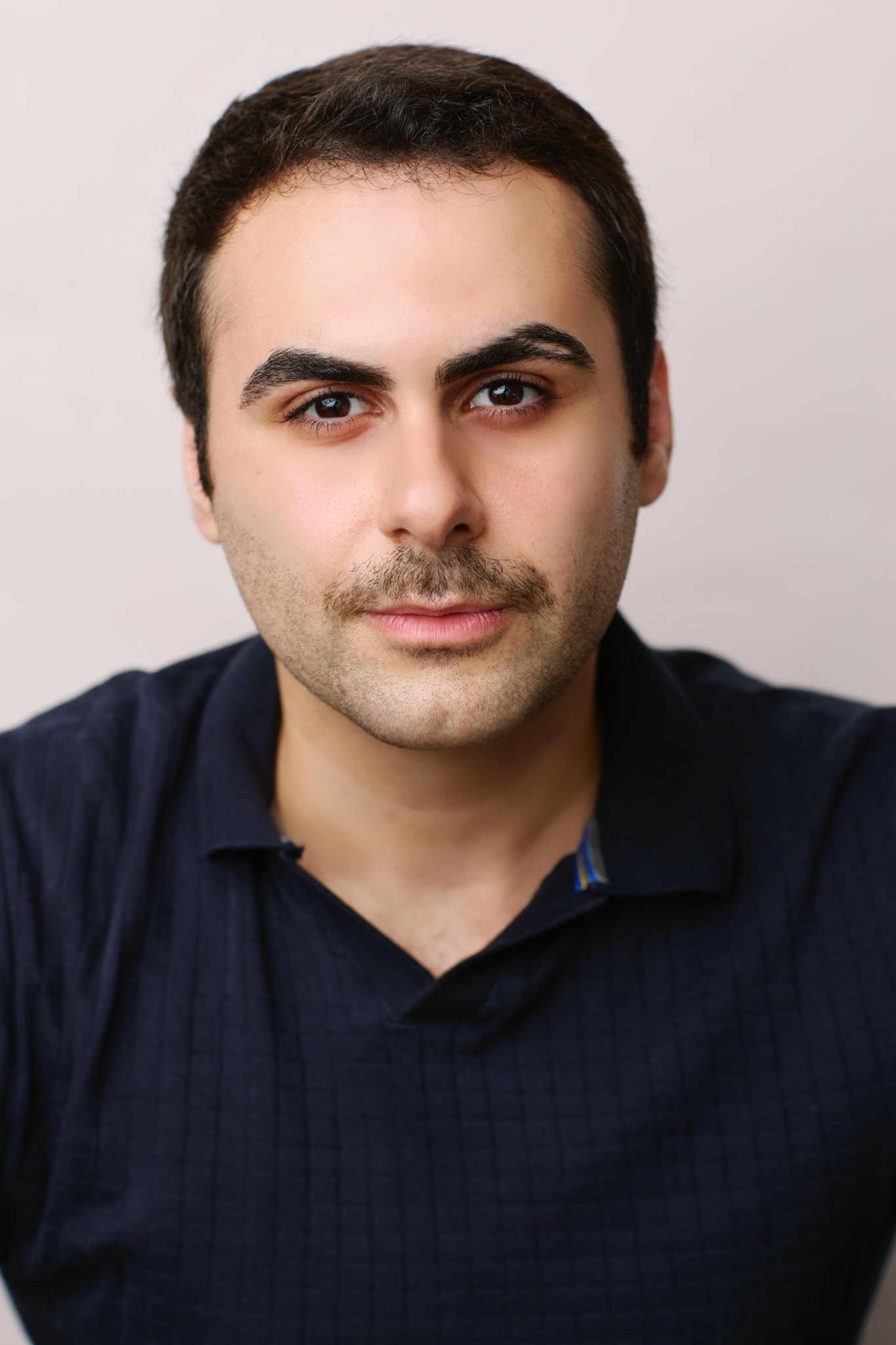
What can society do to ensure an environment that’s helpful to artists and creatives?
To truly support artists and foster a thriving creative ecosystem, society needs to start by recognizing the value that art and creativity bring to the world. Art isn’t just entertainment; it’s a reflection of culture, a way to challenge societal norms, and a source of emotional and intellectual connection. That recognition needs to translate into real, tangible support.
One key way society can support creatives is by investing in arts education. Early exposure to the arts can spark lifelong creativity, but too often, arts programs are the first to be cut from school budgets. Providing young people with access to theater, music, painting, and other forms of creative expression can help cultivate the next generation of artists. This can be done by ensuring that public schools prioritize arts programs, offering grants and scholarships to those pursuing creative careers, and even creating mentorship opportunities within communities.
Financial support is another critical aspect. Many artists struggle with the instability of freelance work and lack of consistent income, making it difficult to fully invest in their craft. Society can address this by creating more grants, funding programs, and affordable spaces for artists to create and showcase their work. Additionally, encouraging businesses and corporations to collaborate with and sponsor local artists can provide financial support while enriching the cultural fabric of the community.
Lastly, there needs to be a shift in how we perceive creative work. Artists often face pressure to justify their careers because the arts are sometimes seen as a “luxury” rather than a necessity. If society can collectively celebrate and value creativity as essential to our well-being and cultural development, it would shift the narrative. When people see art as an important part of our shared experience, they’re more likely to advocate for policies that support the creative industries.
In short, by investing in education, providing financial support, and shifting societal attitudes toward the arts, we can build a more robust, sustainable creative ecosystem where artists can thrive.
Contact Info:
- Instagram: https://www.instagram.com/shawnesho/