
We caught up with the brilliant and insightful Sara Baumann a few weeks ago and have shared our conversation below.
Sara, thanks for joining us, excited to have you contributing your stories and insights. What was the most important lesson/experience you had in a job that has helped you in your creative career?
Prior to becoming a full-time artist, I worked as an Occupational Therapist in outpatient rehab and acute care. If one thing is true about healthcare, it’s that it pulls you out of being shy quickly. Often, I was one of my patients’ main social interactions of the day, which taught me how to approach each person as an individual. This experience ingrained in me a deep sense of empathy and a genuine interest in understanding others’ unique needs and concerns.
In healthcare, you learn to listen first and speak second. A lot of times, when people are in pain or frustrated, they’re not necessarily looking for someone to fix everything immediately; they just want to be heard. This became an invaluable skill when I transitioned into the world of art and entrepreneurship. Whether I’m working with a client on a custom piece or engaging with collectors, I’ve found that the same principles apply—listening, understanding their vision, and being transparent about the process.
Moreover, healthcare taught me patience and the value of small, incremental progress—something that is essential in art. Creating a work of art or building a business takes time, and I’ve learned that showing up consistently and with compassion leads to deeper connections and ultimately more fulfilling outcomes. I think those qualities have shaped me not just as an artist, but as someone who can make genuine connections through my work.
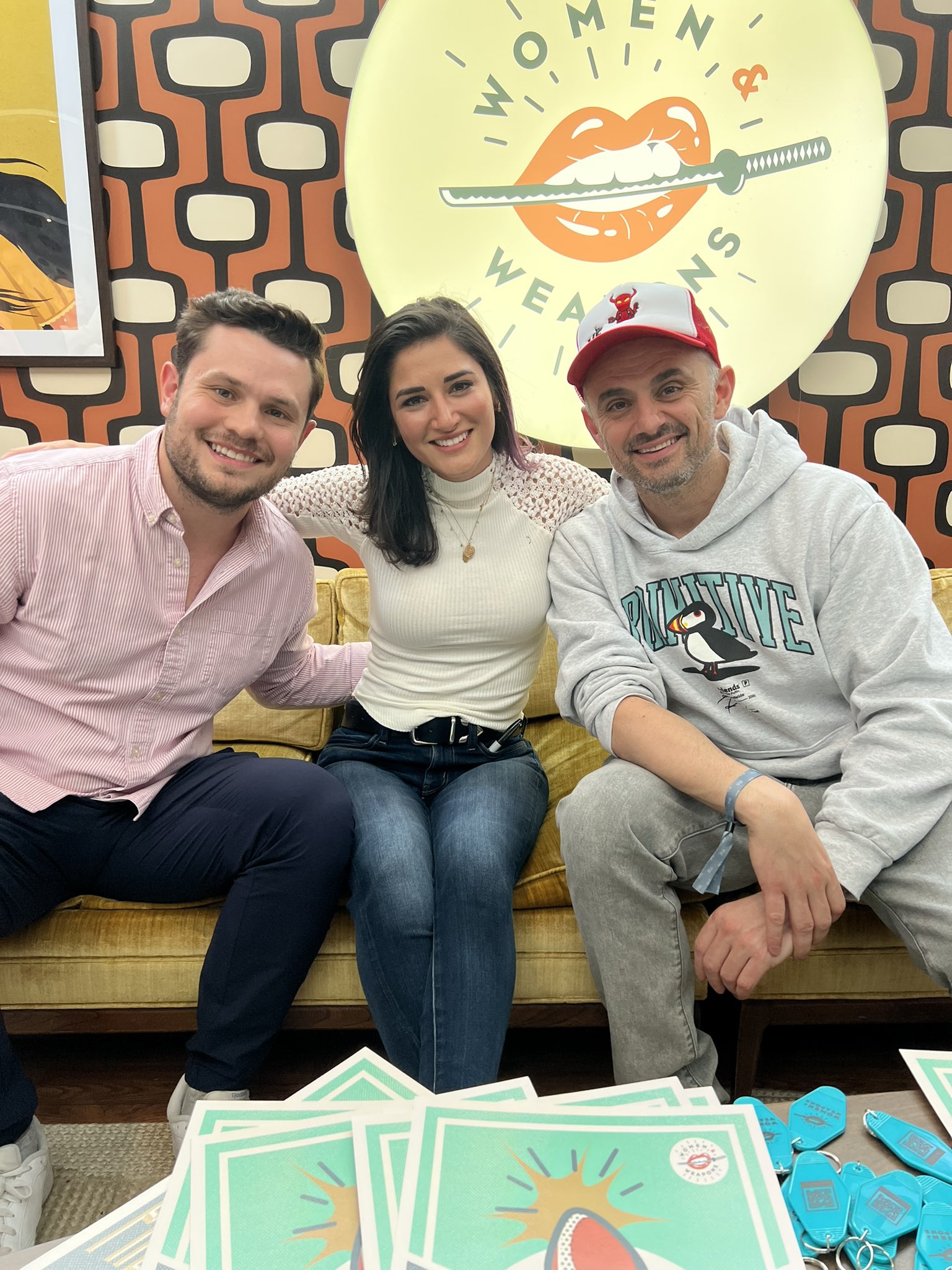
Awesome – so before we get into the rest of our questions, can you briefly introduce yourself to our readers.
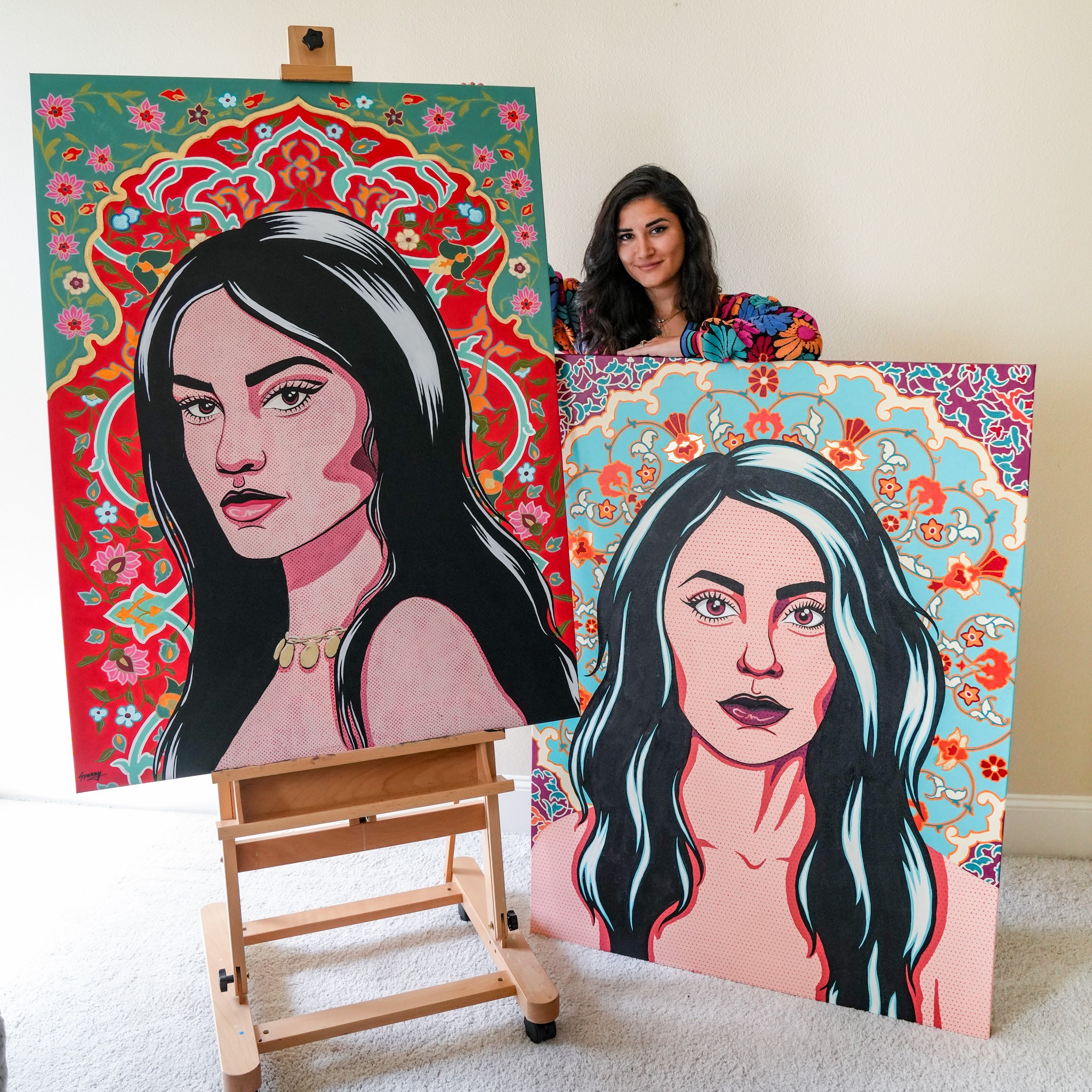
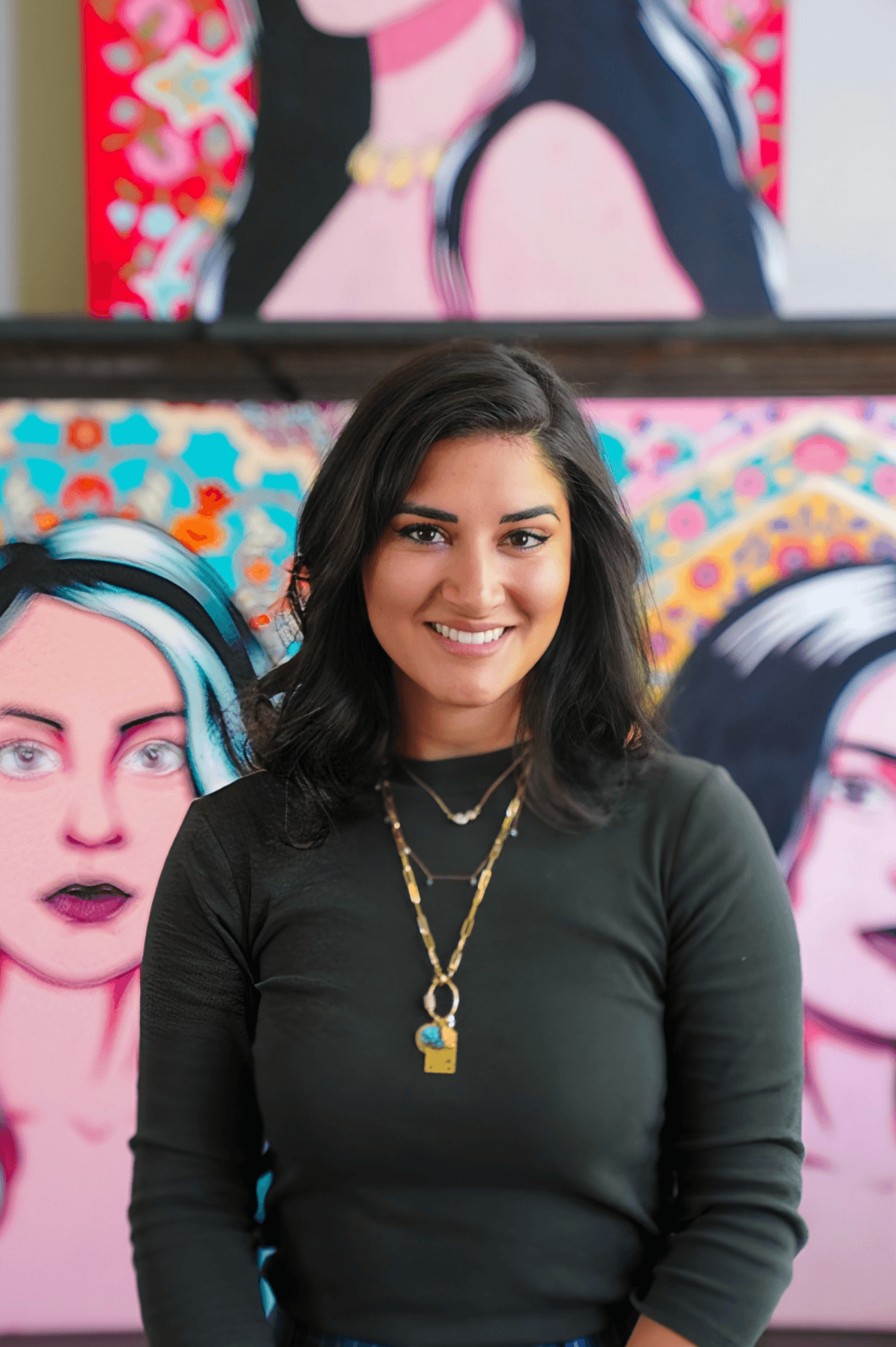
For those unfamiliar with my story, my name is Sara Baumann, and I’m a former occupational therapist turned full-time artist. I’ve always been passionate about art, but my journey into the creative industry, particularly through digital collectibles, has been a whirlwind experience. In 2021, I made a bold decision to transition from healthcare to focus on my art. I began experimenting with blockchain technology, minting my first NFT collection, which sold out almost instantly. This success allowed me to leave my job and pursue my artistic career full-time.
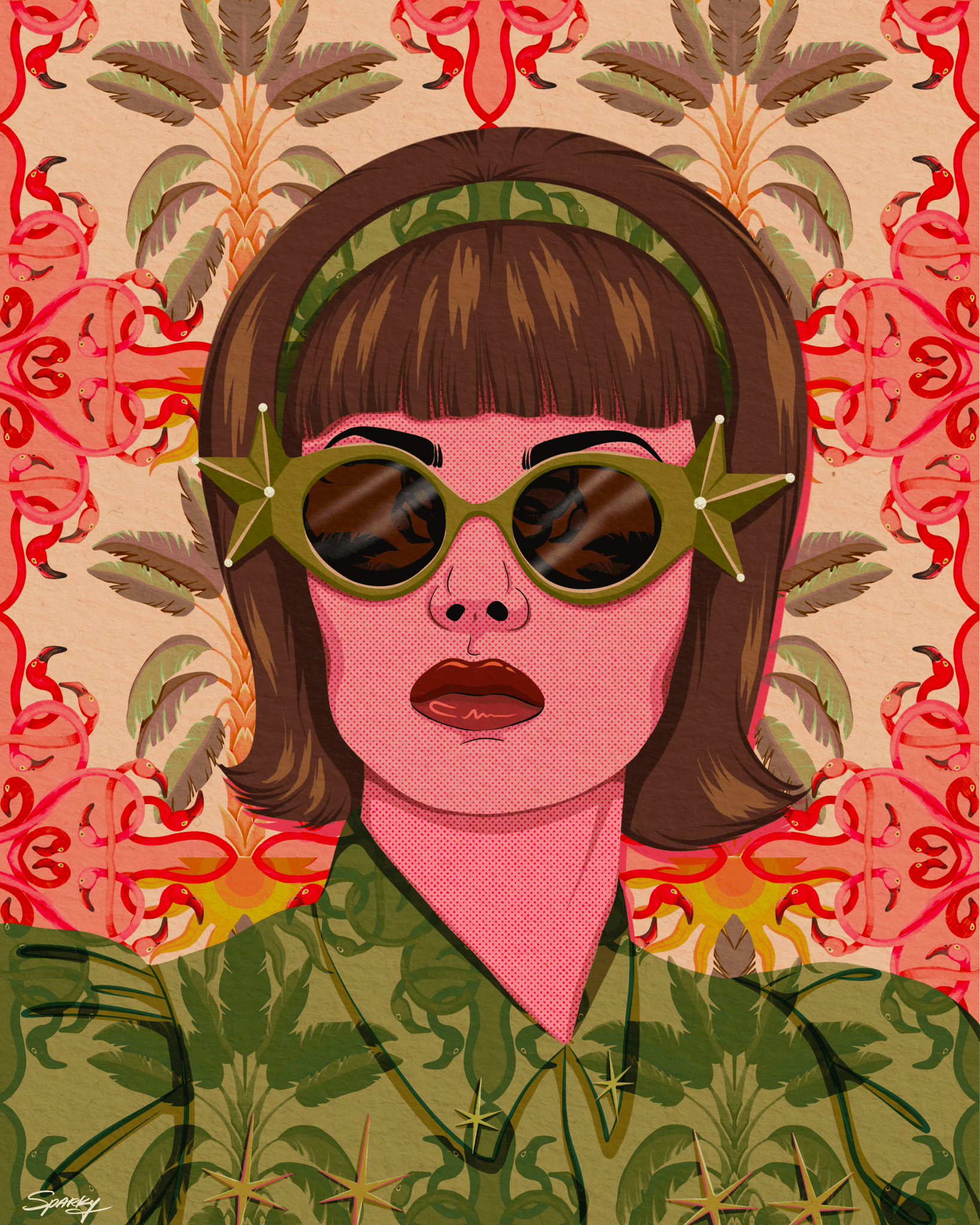
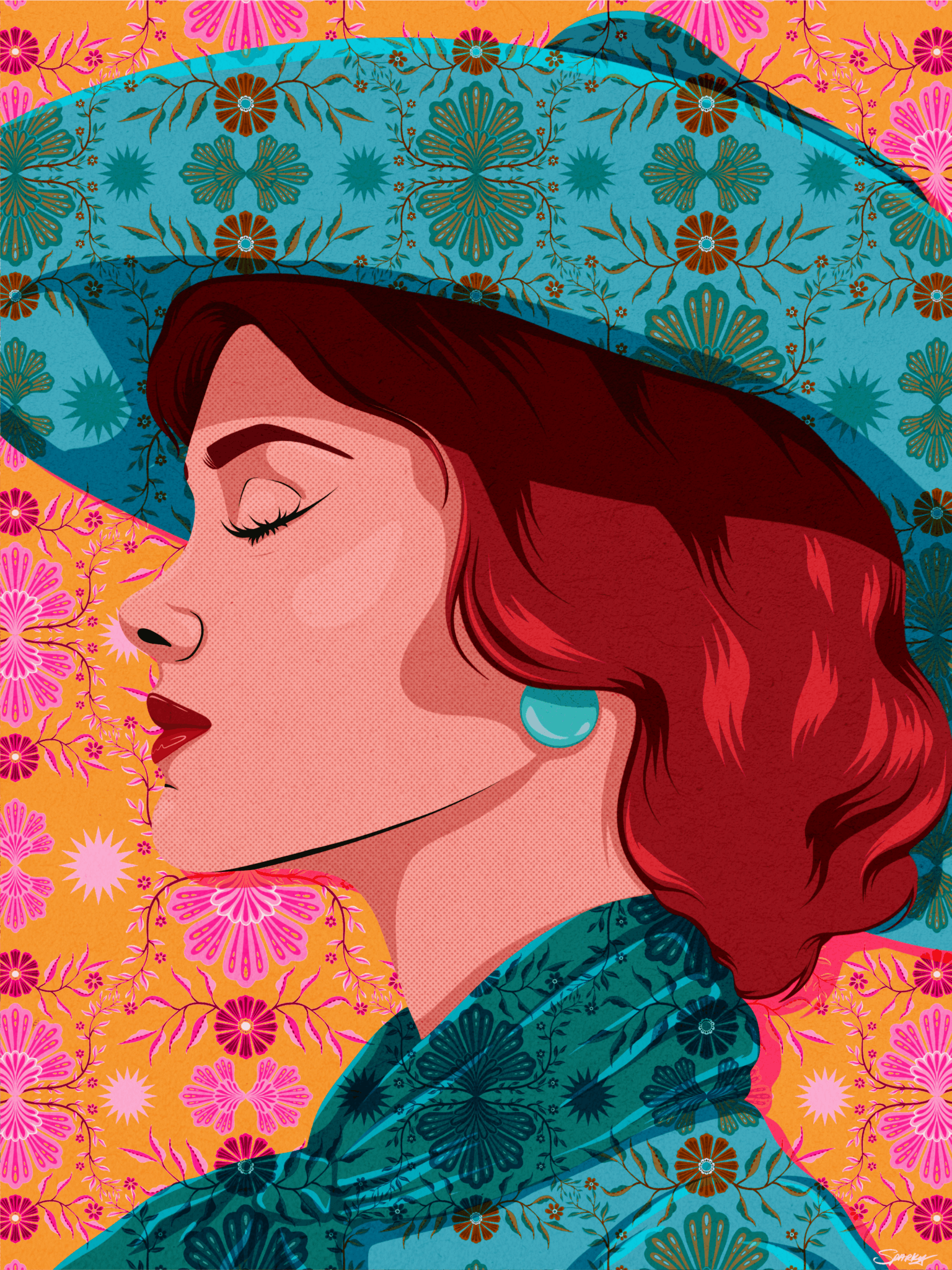
My most recognized project is Women and Weapons, a collection that merges bold visuals with themes of empowerment, particularly focused on women’s strength. It’s more than just art—it’s a movement to spark conversations about equality, identity, and the power dynamics women face globally. I’m proud that this project doesn’t just stop at art; we’ve pledged a portion of our profits ($150,000+) to support the Malala Fund, contributing to educational efforts for girls worldwide.
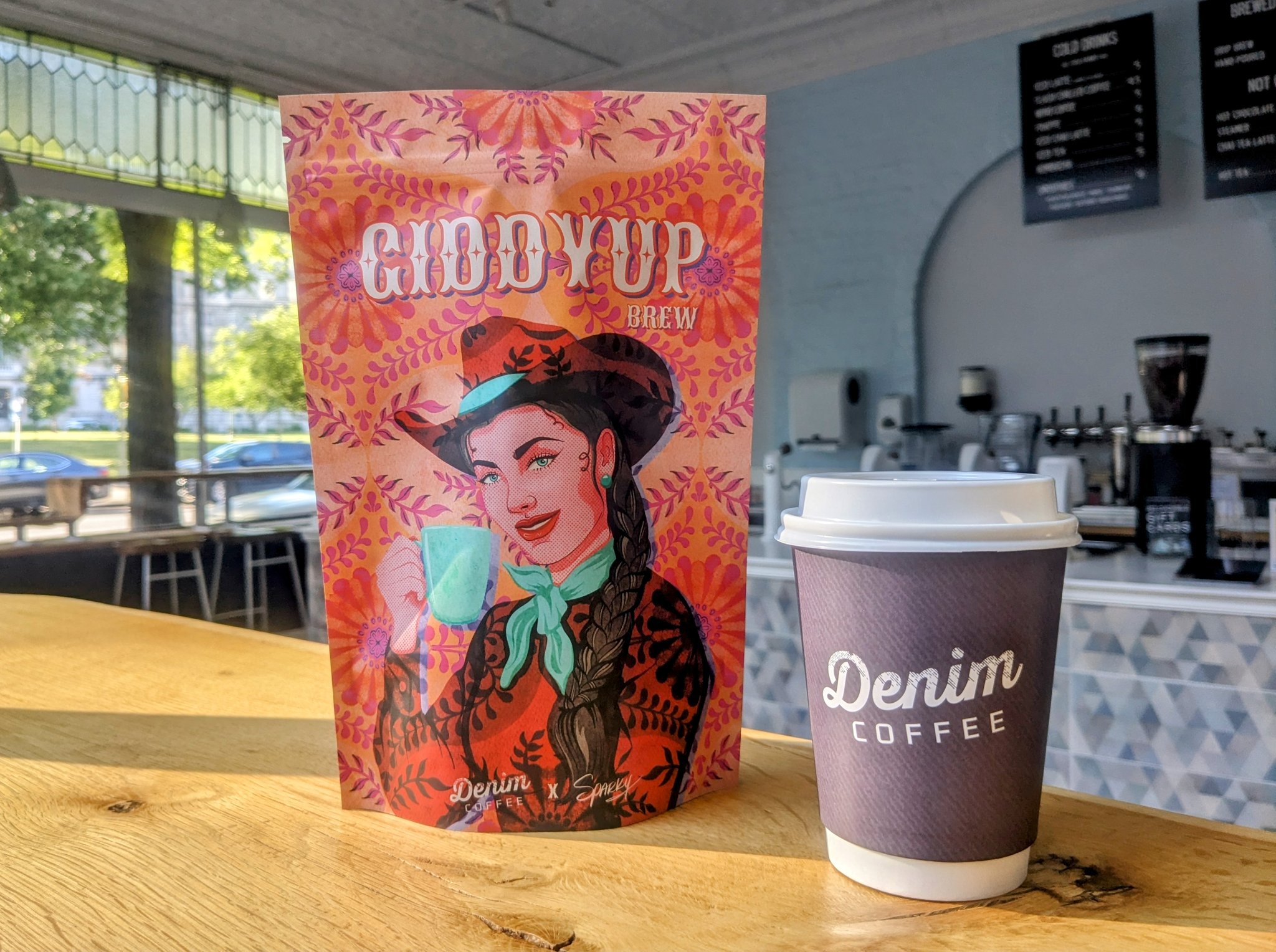
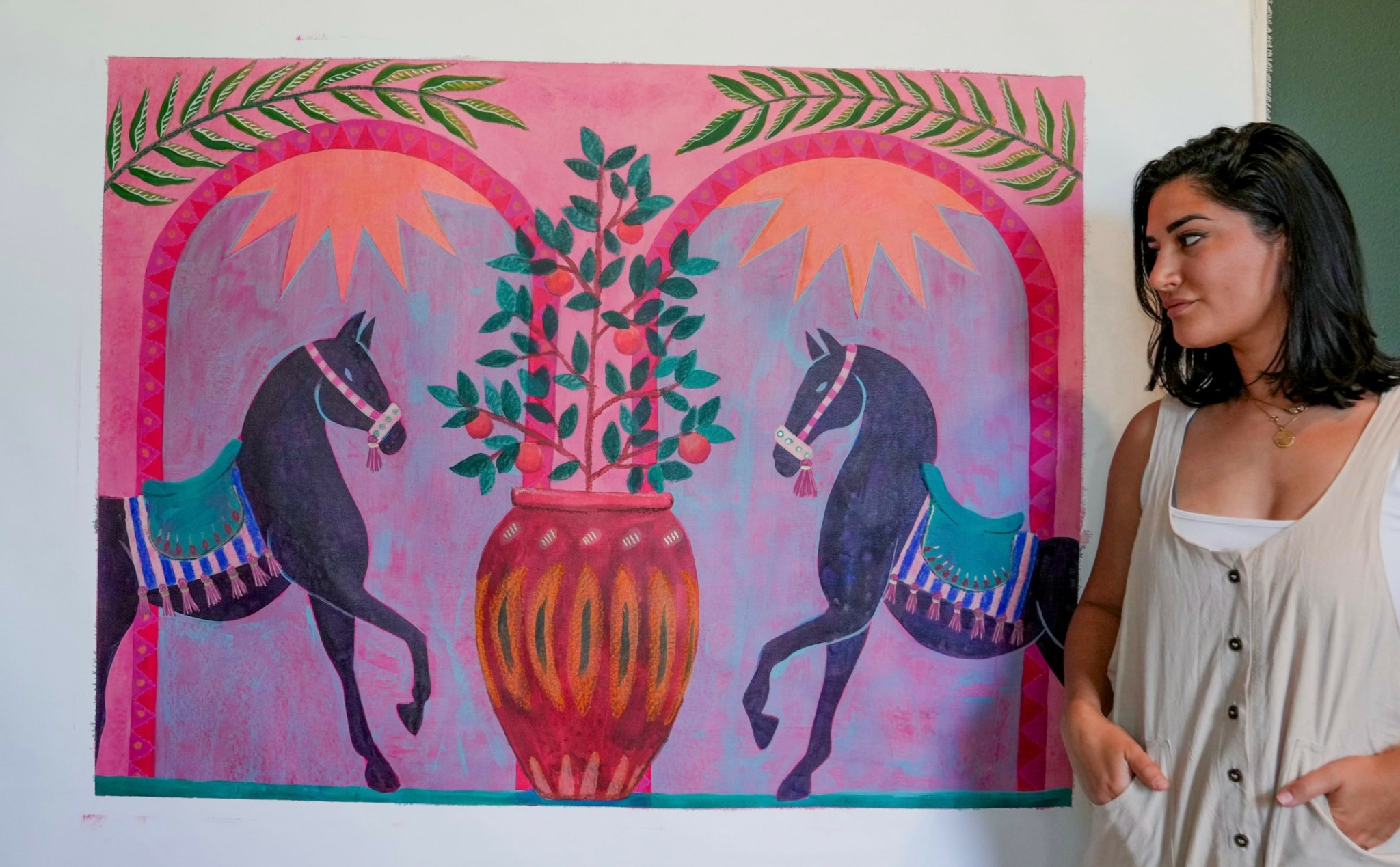
In terms of what I provide, my creative works span from physical art like prints and murals to digital collectibles, which allow me to share my art globally. I also focus on building a community around art, where people feel inspired and empowered to take risks, much like I did when entering a new space to me. What sets me apart is my ability to bridge traditional art with emerging technologies like blockchain, bringing a unique, accessible approach to the space while also giving back.
The core of what I do is creating art that resonates with people on a deeper level. I want my work to inspire others to take bold steps in their own lives, to challenge norms, and to recognize the power they hold within themselves. My brand is rooted in courage, empowerment, and creating positive change through art. Whether through charitable contributions or empowering women in tech industries, my focus is always on doing good and making a meaningful impact.
Alright – so here’s a fun one. What do you think about NFTs?
I see NFTs as a groundbreaking development for artists and creators, especially in how they connect us to a global audience. NFTs offer a powerful way to build lasting relationships with collectors through blockchain technology. What excites me most is the transparency and security that NFTs provide. Each piece I release can act as a digital certificate of authenticity, ensuring that the ownership and provenance of my artwork are recorded immutably on the blockchain. This is especially important when it comes to physical works because it adds a layer of trust between the artist and the collector, creating a bond that can last for years.
Additionally, NFTs offer new opportunities for accessibility and inclusivity. Through this technology, my work reaches a global audience without the traditional limitations of galleries and physical exhibitions. Collectors from anywhere in the world can access and engage with my art instantly. I see NFTs as a way to democratize the art world, empowering both artists and collectors in ways we’ve never experienced before.
Overall, I believe NFTs are more than just a trend; they are the future of art, allowing creators like myself to innovate and redefine the relationship between artist, artwork, and collector in ways that are deeply meaningful and lasting.
How can we best help foster a strong, supportive environment for artists and creatives?
First, we need more accessible platforms for artists to showcase their work. Whether physical galleries or online marketplaces, creators need visibility to grow their careers. Blockchain technology, through NFTs, has already proven to be a powerful platform for this by eliminating traditional gatekeepers and enabling artists to directly connect with a global audience. Expanding on these types of innovative platforms will allow more artists to share their work and build sustainable careers.
Second, financial support for the arts is crucial. Grants, residencies, and patronage programs play a huge role in helping artists sustain their work. Public and private sectors should increase funding for artists, particularly emerging ones who often struggle with the financial burden of creating while trying to gain visibility. Additionally, making it easier for artists to access affordable studio space and materials is another form of support that can foster creativity.
Third, education plays a critical role in nurturing future generations of artists. We should integrate more comprehensive arts education into school curriculums, teaching not just artistic techniques but also the business side of art. This would equip young artists with the tools they need to navigate their careers, including understanding how to market their work and manage their finances.
Finally, building communities that embrace and support the arts is vital. When cities and towns value and invest in the creative economy—by organizing public exhibitions, festivals, and performances—it not only enriches the local culture but also gives artists the exposure they need to thrive. I do think this is one thing that the city of Dallas has done incredibly well, I am seeing more and more support for artists here each year. Encouraging collaboration and networking opportunities among artists is another way to strengthen the creative ecosystem, as these relationships often lead to new opportunities and growth for individuals.
By prioritizing visibility, financial support, education, and community-building, society can create a flourishing environment where artists feel supported and valued. In turn, the contributions of these creatives will continue to enrich our culture in powerful and transformative ways.
Contact Info:
- Website: https://www.sarabaumann.art
- Instagram: https://www.instagram.com/sarasbaumann
- Linkedin: https://www.linkedin.com/in/sarasbaumann/
- Twitter: https://x.com/sarasbaumann