

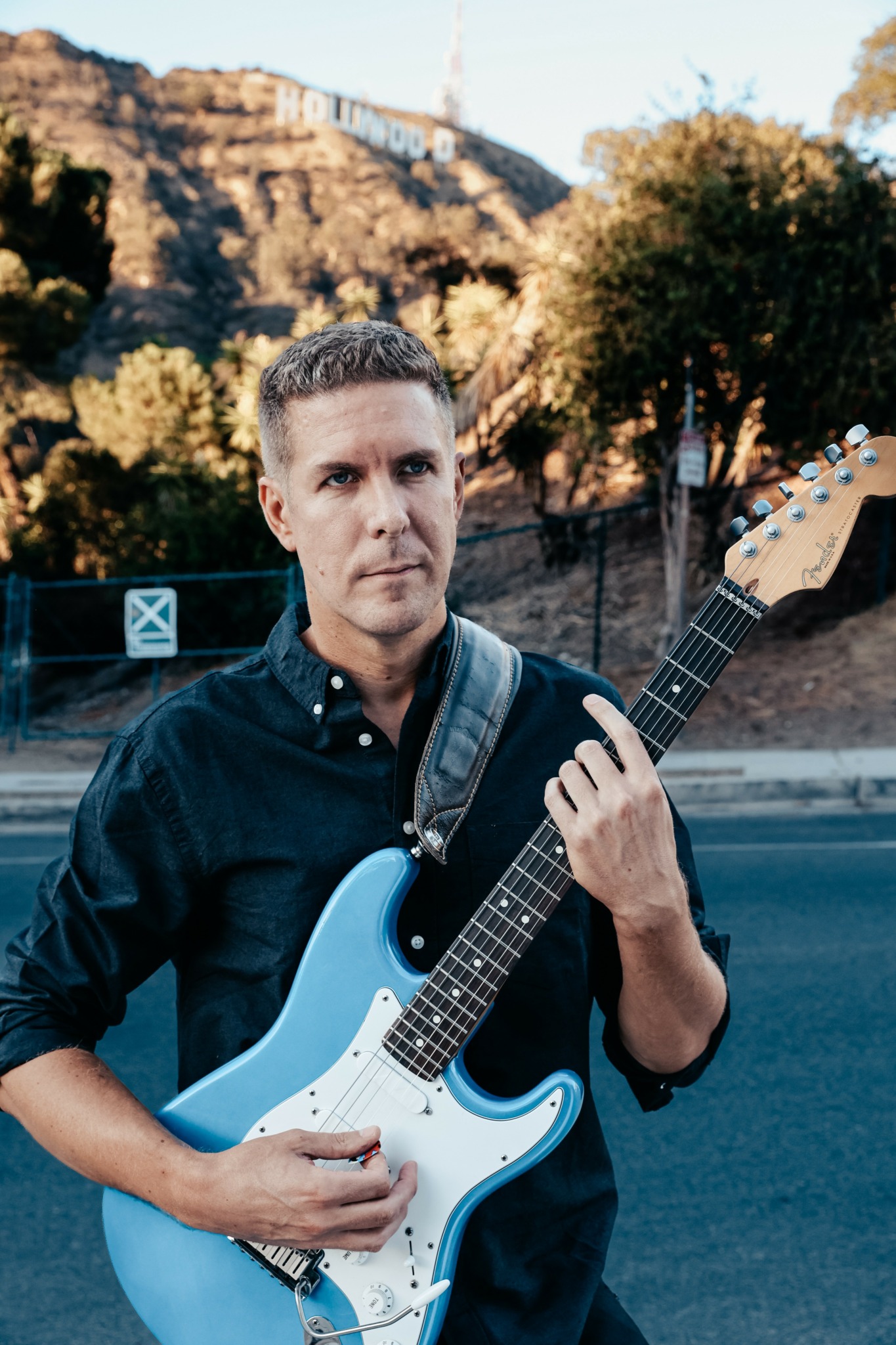

We caught up with the brilliant and insightful Nick Kellie a few weeks ago and have shared our conversation below.
Nick, looking forward to hearing all of your stories today. Are you happy as a creative professional? Do you sometimes wonder what it would be like to work for someone else?
Honestly, as a creative, I feel like a square peg trying to fit into a round hole when it comes to the idea of having a “normal” job. There’s a definite appeal to the stability and structure of a 9-to-5—consistent hours, steady pay, the ability to clock out at the end of the day. But for me, it just doesn’t fit. My mind thrives on creativity, spontaneity, and the unknown, and trying to force myself into that traditional mold feels like jamming a square peg into a round hole.
I’ve had plenty of “normal” jobs in my younger years—retail, customer service, you name it—and I don’t think of those roles as beneath me in any way. They’re important, and I gained valuable skills and experience from them. But after a while, I realized that, although I could do those jobs, they didn’t speak to who I am at my core.
That said, there’s a lot of uncertainty in what I do now, and I’ve had doubts many times. It’s not easy, and there are moments when the unpredictability feels overwhelming. The last time I thought about going back to a regular job, I was struggling with a project, feeling stuck and frustrated with the constant hustle. I looked at friends who had stable careers and thought, “Maybe I should just do that again.” The certainty of knowing where the next paycheck is coming from or having clear boundaries between work and life can seem so tempting when you’re in the thick of it.
But after thinking it through, I realized that even though a more traditional job might provide stability, it wouldn’t bring the fulfillment I need. I thrive in the creative chaos, even if it comes with a lot of uncertainty and self-doubt. So, I’ve come to accept that, while it might seem easier on the surface, I wouldn’t be able to fit into that round hole without losing a piece of who I am.
As always, we appreciate you sharing your insights and we’ve got a few more questions for you, but before we get to all of that can you take a minute to introduce yourself and give our readers some of your back background and context?
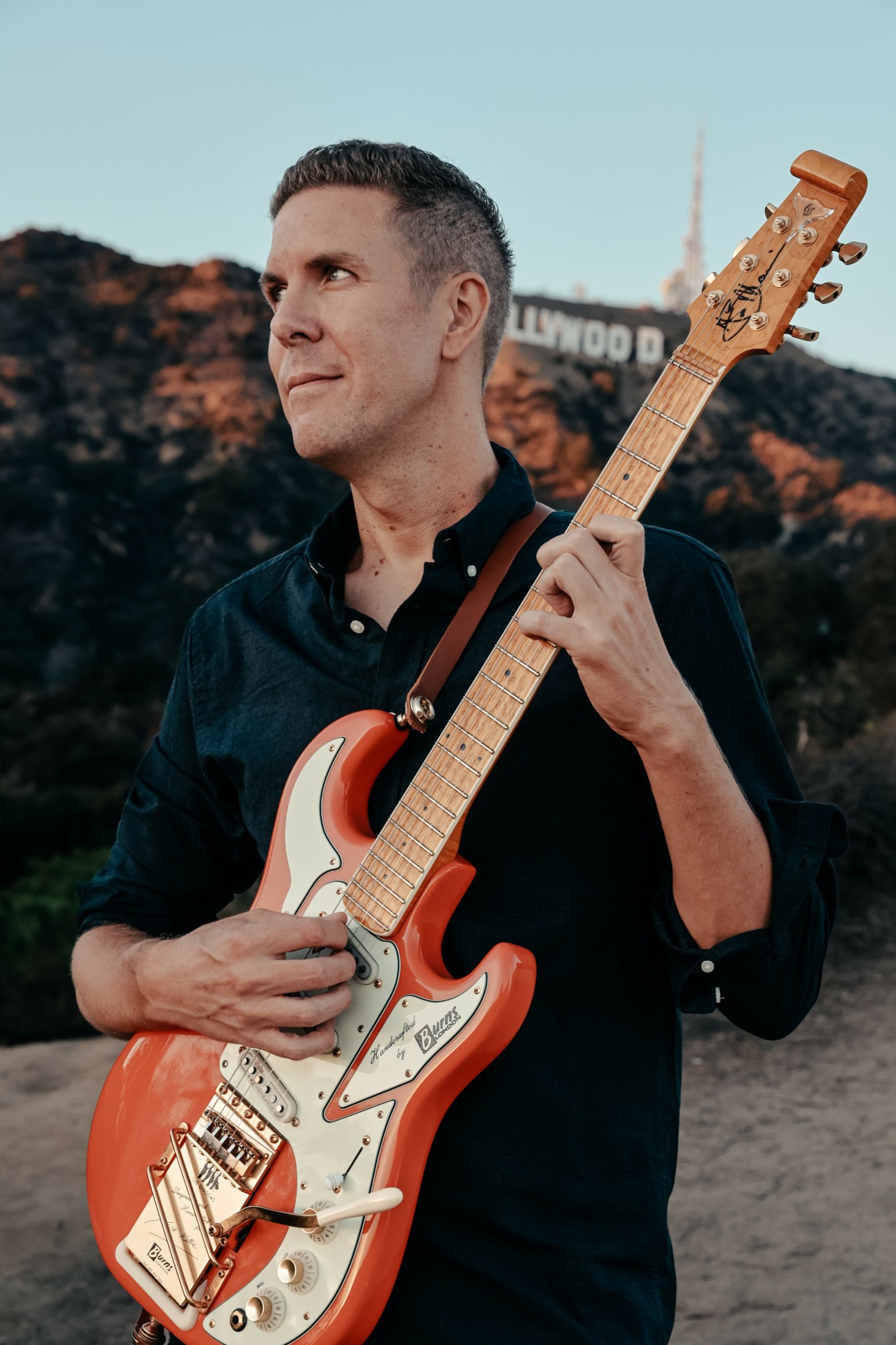
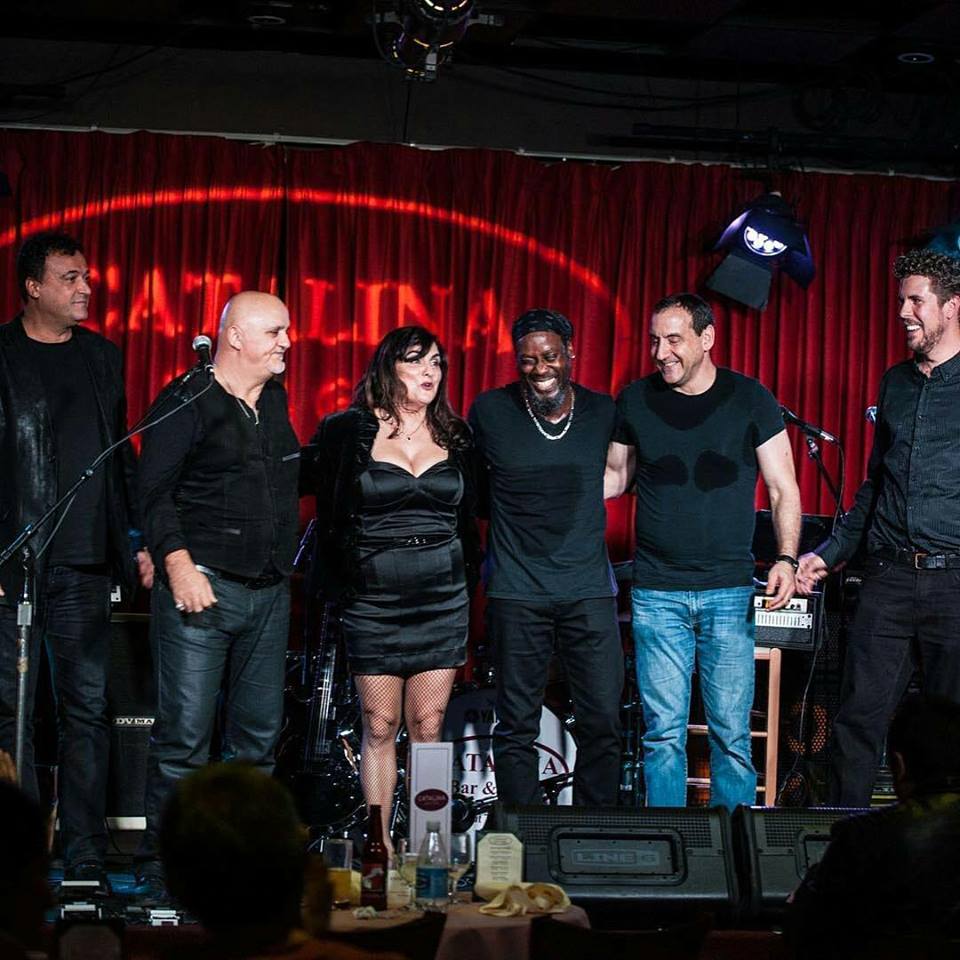
I’m a guitarist with a diverse career that spans live performances, recording sessions, and collaborations with some of the most respected musicians in the industry. I got into music from a young age, with guitar becoming my passion, and I’ve been fortunate to grow that into a career that allows me to express myself in a wide range of styles. I played second guitar and backing vocals in Frank Gambale Soulmine featuring Boca, and I’ve had the pleasure of working with legendary musicians like Brian Auger’s Oblivion Express.
Beyond live performances, I’m deeply involved in studio work. I’ve had the privilege of recording with incredible musicians like Vinnie Colaiuta and Jimmy Johnson, as well as contributing to Jimmy Haslip Productions for saxophonist Randal Clark. These sessions have given me the chance to be part of crafting music with some of the best in the business, honing my ability to contribute creatively to different soundscapes.
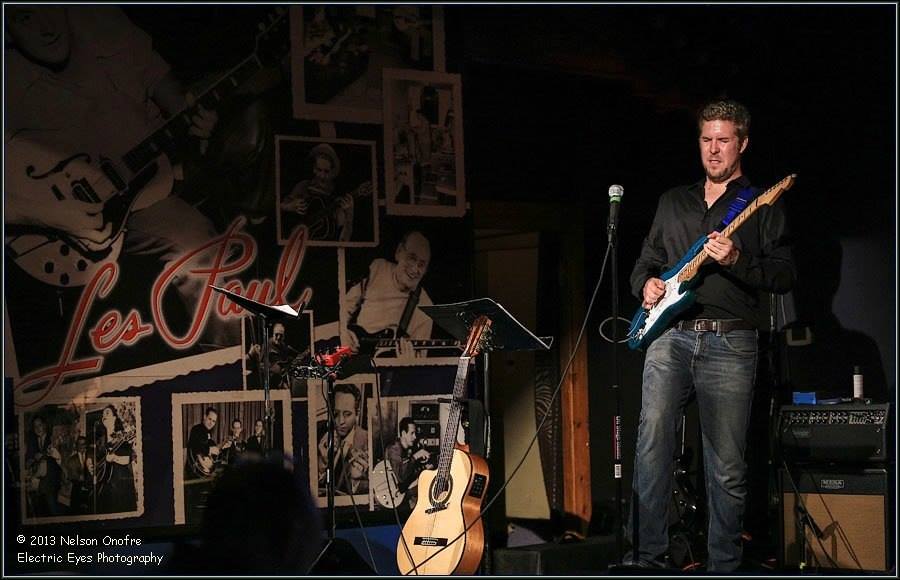
What sets me apart is my versatility and adaptability across genres. I’ve played at prestigious venues like the London O2 arena, Iridium Jazz Club in NYC, and The Baked Potato in LA, and my experience ranges from jazz and fusion to pop and soul. Whether on stage or in the studio, I aim to bring a unique voice and a high level of musicianship to everything I do.
I’m proud of the collaborations I’ve been a part of, and the relationships I’ve built in this industry. For me, music is about creating connections, and I always approach every project with openness and dedication to the craft.
For those interested in my work, I want them to know that my brand is built on authenticity, passion, and a relentless pursuit of excellence. Music is my life, and whether it’s performing live or laying down tracks in the studio, I bring the same energy and commitment to creating something meaningful.
Can you share a story from your journey that illustrates your resilience?
A key moment that illustrates my resilience was my decision to move to the USA from England to pursue my music career. It was a big leap, leaving behind everything familiar—family, friends, and the established network I had built in the UK. I didn’t know exactly what awaited me in the U.S., but I was determined to take the next step in my career, even though it meant starting from scratch in many ways.
Adjusting to a new country, culture, and the unpredictable nature of the music industry here wasn’t easy. I had to hustle hard, networking from the ground up, proving myself all over again in a completely different scene. There were moments of uncertainty, especially when it came to establishing a stable footing in such a competitive environment. But I stuck with it, playing any gig I could, meeting the right people, and slowly building my reputation as a versatile guitarist.
What made the journey worthwhile was my resilience—being able to push through the doubts and the difficult times, knowing that every challenge was a step closer to my goal. I knew I had to adapt, learn new things, and embrace the grind, and now, looking back, I can say it paid off. I’ve had the honor of working with some incredible musicians and performing at world-class venues, and I’m proud of how far I’ve come. Moving to the U.S. wasn’t easy, but it was one of the best decisions I’ve made, and it’s a testament to the importance of taking risks and trusting your journey.
What can society do to ensure an environment that’s helpful to artists and creatives?
In my view, society can best support artists and creatives by recognizing the value they bring and providing more tangible resources to help them thrive. One of the key areas is funding and financial support—whether through grants, public funding, or tax breaks for creative work. Artists often face financial instability, especially in the early stages of their careers, and having access to funding can allow them the freedom to focus on their craft without the constant pressure of financial survival.
Education and exposure also play a huge role. Schools should prioritize arts education, giving young people the opportunity to explore their creativity early on. Additionally, creating more public platforms—through festivals, community events, or media coverage—can help promote artists and allow them to reach a wider audience.
Another crucial element is fostering a culture of collaboration and mentorship. When more established artists or creative organizations take the time to guide younger or emerging talent, it strengthens the creative ecosystem as a whole. There’s also the need for spaces for artists to work and perform, whether it’s affordable rehearsal spaces, studios, or venues where new talent can showcase their work without prohibitive costs.
Ultimately, supporting a thriving creative ecosystem is about understanding that art isn’t just entertainment—it’s a vital part of culture, identity, and progress. Society can uplift creatives by making sure they have the financial, educational, and collaborative tools they need to focus on creating the art that enriches all our lives.
Contact Info:
- Website: http://www.nickkellie.com
- Instagram: https://www.instagram.com/nickkellie1/
- Facebook: https://www.facebook.com/nickkellie/
- Youtube: https://www.youtube.com/nickkellie
- Other: https://linktr.ee/nickguitar
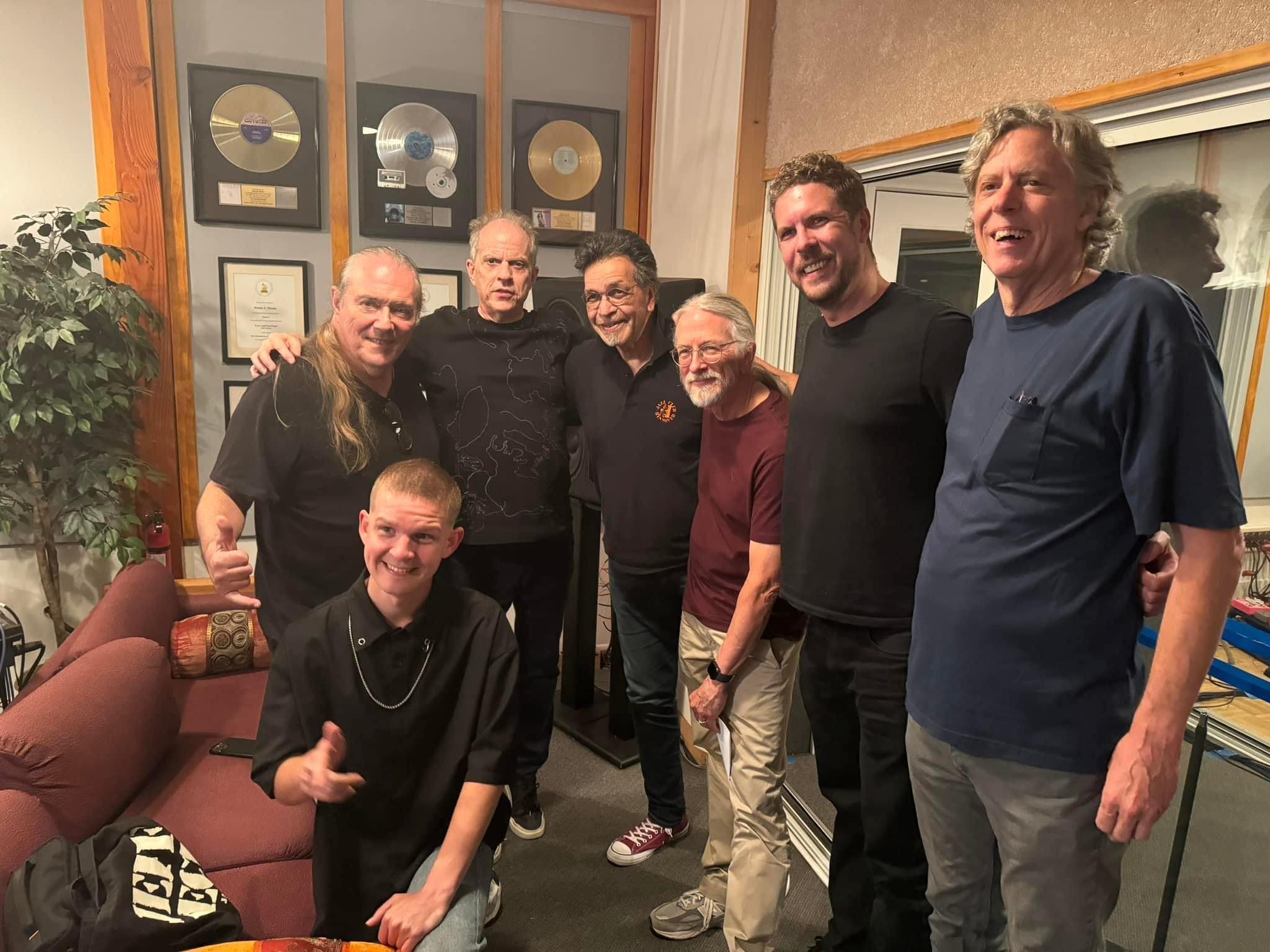
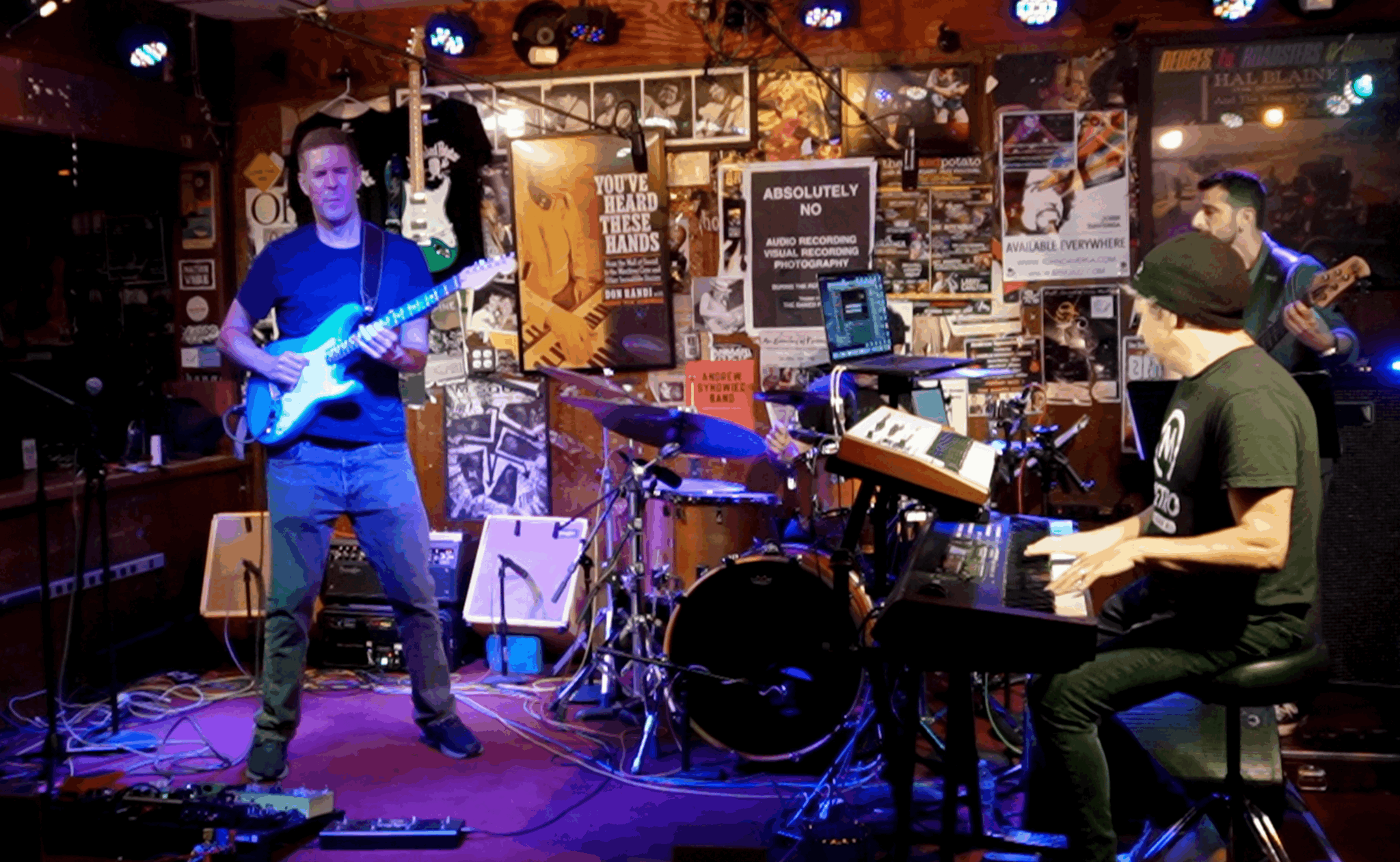
Image Credits
TANDEM PHOTO, Nelson Onofre