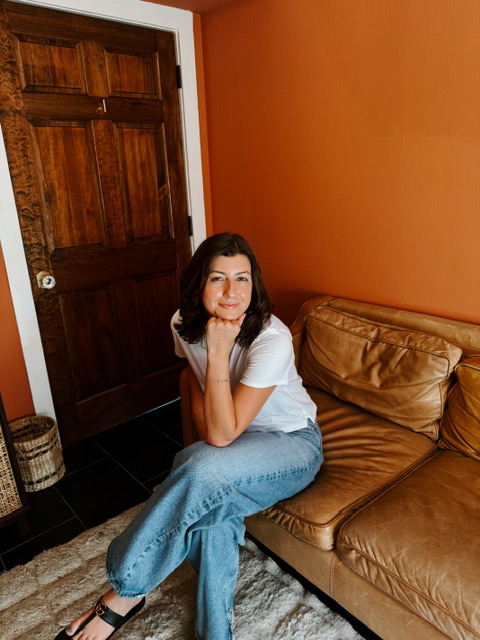

We were lucky to catch up with Alix Rudd recently and have shared our conversation below.
Alix, thanks for joining us, excited to have you contributing your stories and insights. Was there a defining moment in your professional career? A moment that changed the trajectory of your career?
I’ve known I wanted to be a therapist since I was in 9th grade. For as long as I can remember, I envisioned myself working in a hospital, believing it was the best way I could help people. During my Master’s program, I interned in a hospital during COVID, which reaffirmed my passion. After earning my degree and associate license, I started my career in a residential facility for eating disorders, and I thought this would be my path. I loved working with clients and their families, and I found deep meaning in helping those struggling with eating disorders.
However, I had a long commute, and over time, the emotional toll of working in such a high-acuity setting started to affect me. I vividly remember one day when I made a difficult phone call to a care provider about a patient. I cried the entire drive home, which had happened multiple times before, and realized how drained I felt. That evening, I struggled to connect with my fiancé, which was happening more frequently, because I was emotionally burnt out. It became clear that this career plan I had envisioned for so long was no longer sustainable.
Letting go of that plan was incredibly difficult. I had tied so much of my identity to it, and changing direction felt like a personal failure. After many conversations with my fiancé (now husband) and a lot of reflection, I made the decision to transition into private practice, which is something I never imagined myself doing. The change was hard at first, especially since I tend to struggle with feelings of uncertainty and being out of control.
Over time, though, I learned to give myself grace and shifted my perspective. I began to see this career change not as a failure, but as an opportunity to grow both personally and professionally. It allowed me to explore other passions within therapy and embrace the unknown. Now, I appreciate the beauty of letting go of control and allowing change to happen. It’s made me a better therapist, and I’m grateful for the growth that came from stepping into the unknown.
Alix, before we move on to more of these sorts of questions, can you take some time to bring our readers up to speed on you and what you do?
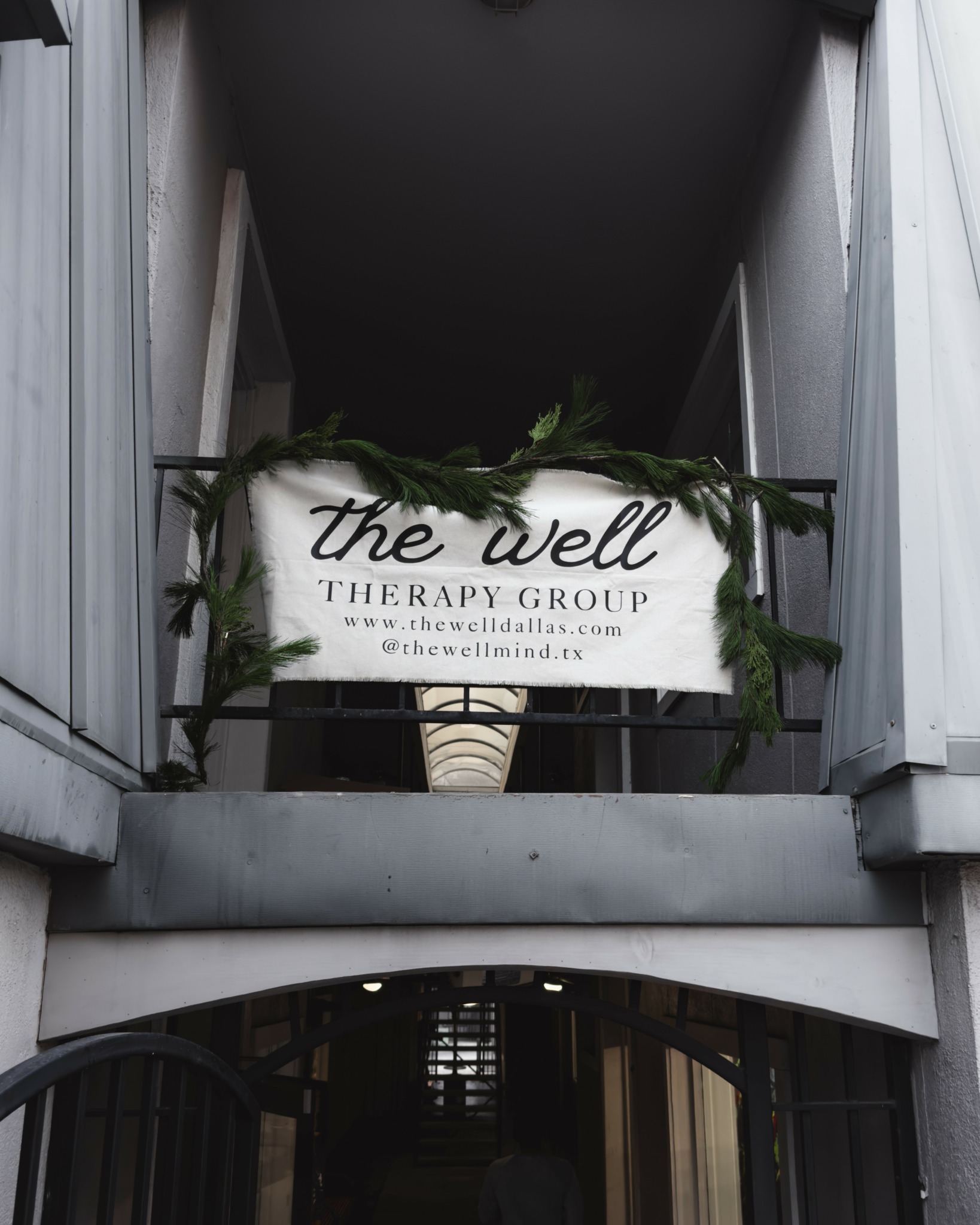
Hey, I’m Alix! I’m a Licensed Marriage and Family Therapist at The Well Therapy Group in Dallas, TX. I grew up in Southern California and eventually made my way to Texas Christian University, where I met my husband and fell in love with both him and Texas. We now have two golden doodles, Cali and Millie, who bring so much love and joy to our lives.
I’ve known I wanted to be a therapist since 9th grade. I remember feeling lost about what I wanted to do with my life while others around me seemed to have it figured out. I reflected on what I truly loved—helping people, studying human behavior, and understanding others. I took a psychology class in high school, attended a UCLA psychology camp, and my passion only grew from there. Now, I get to do what I love every day, building a career rooted in a genuine desire to help others grow.
At The Well, I work with teenagers, adults, couples, and families. Many of my clients come to me feeling anxious, overwhelmed, or stuck in cycles of overthinking, unsure of how to move forward. I specialize in helping those dealing with eating disorders, low self-esteem, trauma, and relationship challenges. I understand how difficult it can be to open up and be vulnerable, which is why I aim to create a space where my clients feel truly seen, understood, and supported.
My approach is holistic, focusing on helping people connect with themselves, their relationships, and the world around them. I guide my clients through life’s challenges while helping them embrace its beauty, with the ultimate goal of fostering personal growth and stronger connections. What sets me apart is my ability to blend empathy, mindfulness, and insight, creating a unique therapy experience that resonates deeply with my clients.
I am most proud of the growth I’ve experienced both personally as a therapist and the incredible progress I’ve witnessed in my clients. This career has pushed me to become more self-aware, embrace accountability, release control, and extend grace to myself in ways I hadn’t imagined. I’ve had the privilege of watching my clients work through significant challenges and show up authentically with bravery and openness. I deeply admire the strength it takes for them to walk into therapy each day, and I feel immense gratitude for their trust. Through this work, I’ve discovered parts of myself I didn’t know existed, and I’ve seen my clients grow into versions of themselves they once thought impossible. I’m proud of the journey we’ve shared, and I look forward to continuing to grow alongside them in the future.

Other than training/knowledge, what do you think is most helpful for succeeding in your field?
Other than training and knowledge, the most crucial factor for succeeding in my field is building a strong therapeutic relationship with clients. The therapeutic relationship forms the foundation for healing and progress. It’s through this connection—rooted in trust, empathy, and mutual respect—that clients feel safe to open up and explore their emotions and challenges.
Empathy allows me to understand their experiences deeply, while clear communication ensures they feel heard and validated. Maintaining a non-judgmental and genuine approach helps clients feel comfortable being their authentic selves, which is essential for effective therapy. Collaboration and empowerment are also key, as therapy works best when the client feels they are actively participating in their growth. When clients trust that you are fully present with them, and they feel supported without judgment, real progress can happen.
This relationship also fosters resilience through the inevitable difficult moments, creating a safe space for clients to face challenges and move forward. Ultimately, the strength of the therapeutic relationship is what allows the therapeutic process to succeed.

Do you think you’d choose a different profession or specialty if you were starting now?
If I could go back, I would absolutely choose to be a Marriage and Family Therapist again. During college, I explored other career options, but I always found myself returning to my passion for this field. The path I’ve taken has shaped me both personally and professionally, and I have a deep appreciation for the journey I’ve been on. Every step along the way has contributed to who I am as a therapist, and I wouldn’t change a thing. This career has been everything I hoped for and more, and I feel fortunate to be exactly where I am today.
Contact Info:
- Website: https://www.psychologytoday.com/profile/1100281
- Instagram: https://www.instagram.com/alixrudd.lmft?igsh=YW01Y3B3NGZ5dXFo&utm_source=qr
- Linkedin: https://www.linkedin.com/in/alix-rudd-19a123133?utm_source=share&utm_campaign=share_via&utm_content=profile&utm_medium=ios_app
- Other: https://bewelldallas.com/