
We recently connected with Lipika Devara and have shared our conversation below.
Hi Lipika, thanks for joining us today. It’s always helpful to hear about times when someone’s had to take a risk – how did they think through the decision, why did they take the risk, and what ended up happening. We’d love to hear about a risk you’ve taken.
One of the most significant risks I’ve taken was pursuing two of my passions simultaneously: social work and music, while studying full-time in college. On the surface, these paths seem disconnected, but for me, they both reflect my desire to connect with people, empower them, and create meaningful change.
Growing up, I was always drawn to helping others. My experiences working with American Red Cross, NGOs in underprivileged areas, like my time with Impact NGO in Jaipur, cemented my desire to focus on social work and community empowerment, hence starting my own non-profit, A.W.E(Addressing Wellness and Equity). However, alongside this passion was another deep love: music. From a young age, I found music to be a powerful outlet for expression, and it became my way of understanding and communicating emotions I couldn’t always articulate otherwise.
When I started college at the University of Texas at Dallas, I was faced with a choice. I could play it safe by focusing entirely on my studies and social work efforts, particularly with my ongoing project to help build a school for underprivileged children. Or, I could take a leap and fully embrace music as well—by finding gigs, creating an online portfolio, and building a platform to showcase my musical journey and to minor in Music.
I chose to take the risk and pursue both. It wasn’t an easy decision, especially knowing how competitive and demanding the music industry can be, and how much effort my social work requires. Balancing these commitments alongside a full academic load was intimidating, but I knew that if I didn’t give music a real chance now, I might always wonder “what if?”
The process has been challenging but rewarding. I’m still in the early stages of finding consistent gigs, and my online music portfolio is a work in progress, but I’ve already started gaining traction. At the same time, my work in social impact continues to inspire and motivate me. While it feels like walking two different paths at once, both pursuits have taught me resilience, time management, and the importance of following your passions, no matter the risk.
Looking back, I’m glad I took the leap. This decision has opened new doors for me, and even though it hasn’t always been smooth sailing, it’s been a journey of growth and self-discovery.
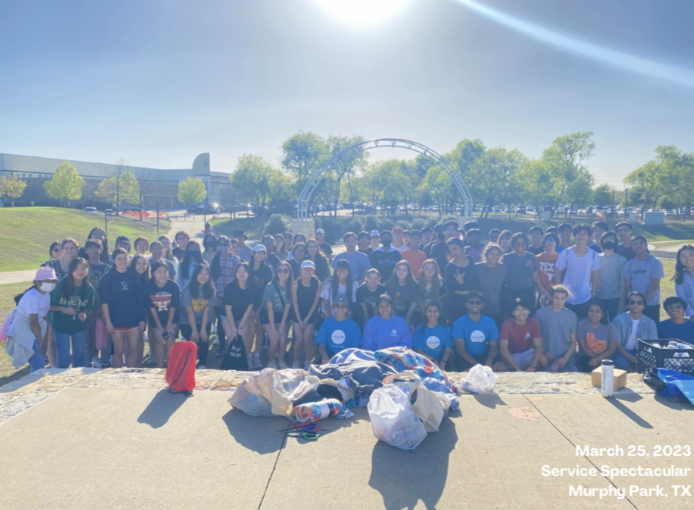
Great, appreciate you sharing that with us. Before we ask you to share more of your insights, can you take a moment to introduce yourself and how you got to where you are today to our readers.
I’m Lipika, a freshman at the University of Texas at Dallas, and my journey into social work stems from a deep desire to create real, lasting change in underserved communities. Growing up, I was always moved by the stories of those who lacked access to basic healthcare, which pushed me to become involved with NGOs that focused on providing medical assistance to underprivileged areas. My hands-on experience working with Impact NGO in Jaipur, India, opened my eyes to the systemic barriers many face when it comes to accessing even the most basic healthcare resources. This exposure led me to co-found A.W.E. (Addressing Wellness and Equity), a nonprofit organization committed to making healthcare affordable and accessible to those most in need.
At A.W.E., we aim to address both physical and mental health needs through a holistic approach. Our services include providing essential medical supplies, hygiene kits, mental health support, and education around wellness practices. What truly sets us apart is our focus on equity—we don’t just offer temporary solutions; we aim to build sustainable programs that empower communities to advocate for their own health and well-being. We work closely with local partners and volunteers to create solutions that are deeply rooted in the needs of each community we serve. Whether it’s through providing mental health workshops or distributing essential supplies, we approach wellness with a broader lens, recognizing that well-being extends beyond just physical health.
One of the aspects I’m most proud of is the global volunteer network we’ve built. We’ve been able to mobilize passionate individuals from all over the world who share our vision of equitable healthcare. Together, we’ve been able to make a tangible impact by providing services that go beyond just immediate relief. I believe in creating long-term change by fostering self-sufficiency and education, which is why our programs also focus on raising awareness around mental health and wellness, something often overlooked in many underserved areas.
What I want people to know about A.W.E. is that we’re not just another nonprofit—we’re a movement. We’re working toward a future where healthcare is no longer a privilege but a fundamental right, regardless of one’s background or financial status. Our mission is to make wellness accessible to everyone, particularly those who have historically been left behind by traditional healthcare systems. By addressing both mental and physical health, we strive to provide care that is truly comprehensive, helping individuals not just survive, but thrive.
As we continue to grow, our goal is to expand our reach and deepen our impact in the communities we serve. I’m incredibly excited about what the future holds for A.W.E., and I’m confident that by continuing to focus on equity and wellness, we can help build a world where healthcare is accessible to all.
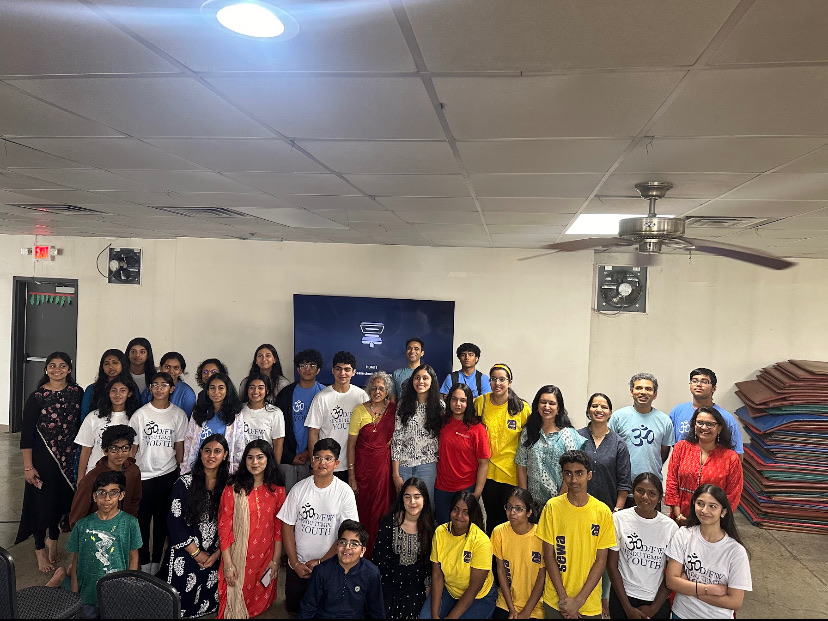
Do you have any insights you can share related to maintaining high team morale?
Managing a team effectively, particularly in a nonprofit like A.W.E., requires a strong foundation of transparent communication. Regular check-ins are essential for aligning the team with the organization’s goals, ensuring everyone feels engaged and heard. Empowering your executive team through delegation fosters ownership, allowing them to make independent decisions while staying accountable. Celebrating achievements, no matter how small, boosts morale, while a feedback-rich environment keeps the team motivated and adaptable. Maintaining trust, openness, and recognition ensures the team is unified in driving the nonprofit’s mission forward.
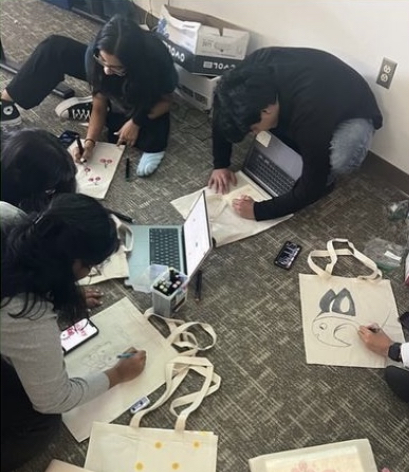
Other than training/knowledge, what do you think is most helpful for succeeding in your field?
In building a successful nonprofit, finding the right people for your team is essential. Beyond training, knowledge, and connections, you need individuals who are deeply passionate about the organization’s mission. Passion fuels commitment, especially in the face of challenges like limited resources or high demands. Look for team members who are adaptable and resilient, as nonprofits often operate in dynamic environments. It’s also crucial to foster a collaborative, inclusive culture, where everyone feels empowered to contribute their unique skills and ideas. Aligning values and personal investment with the nonprofit’s mission ensures long-term success.
Contact Info:
- Website: https://addressingwellness.wixsite.com/awengo
- Instagram: https://www.instagram.com/a.w.e_ngo/
- Linkedin: https://www.linkedin.com/company/addressing-wellness-equity/
- Youtube: https://www.youtube.com/@addressingwellnessandequity
- Other: Our Linktree with all our resources: https://addressingwellnessandequity.carrd.co/
Our Spotify Podcast “Equity Unpacked” : https://open.spotify.com/show/6nacwPXml3yboWCpqyOsX9?si=9ea39dd228d842e7