



We’re excited to introduce you to the always interesting and insightful Liz Oliver. We hope you’ll enjoy our conversation with Liz below.
Liz, appreciate you joining us today. We’d love to hear the backstory behind a risk you’ve taken – whether big or small, walk us through what it was like and how it ultimately turned out.
As an artist, in order to grow and to evolve, one must take risks. The biggest risk I have taken would have been when I decided to move to LA from North Carolina. I grew up in Charlotte, and have very fond memories of home. I have loving family, and many lifelong friendships. I was never the one in my circle that people would have imagined leaving for a large, sprawling city across the country.
What I did, and what I still do to this day, is follow my curiosity and my intuition. I always knew that I wanted to be an artist. I graduated from Appalachian State with a degree in Art. After I graduated, I worked as a waitress, as I continued to take textile related classes at institutions, such as Penland School of Crafts. I then signed up for a weaving concentration with Amy Putansu at Penland for two months. It was there that I realized I was intrigued by Costume Design. Once I left, I signed up for Post Bachelorette classes at the local university in Charlotte, UNCC, to see if this was a career I wanted to pursue.
While at UNCC I started working with my Costume professors on the theater shows that they were designing. I showed interest in dyeing, so that is what I ended up doing for them for about a year. Dyeing for a production typically requires knowing color theory, and being able to match yardage and garments to a specific color, chosen by the designer. During this time I learned that there is a very small niche of people in the world of costume that solely focus on dyeing and distressing for Costume Designers. This felt right. Color matching is one of my true loves. I look at it as problem solving with color. As I got better, I started to work elsewhere, downtown at the Children’s Theater of Charlotte. During this time, one of my professors introduced me to Jack Taggart, an “Ager/Dyer” or “Costume Textile Artist” that lived in LA and worked in Film and TV. He urged me to move out here, as there is a real need for people that do what we do.
So, I let everyone know I was leaving, found somewhere to stay, and moved out here within two months. I have now been working in the industry since 2010, and have learned so much about craft, fabrication, art and design and am beyond grateful.
As always, we appreciate you sharing your insights and we’ve got a few more questions for you, but before we get to all of that can you take a minute to introduce yourself and give our readers some of your back background and context?
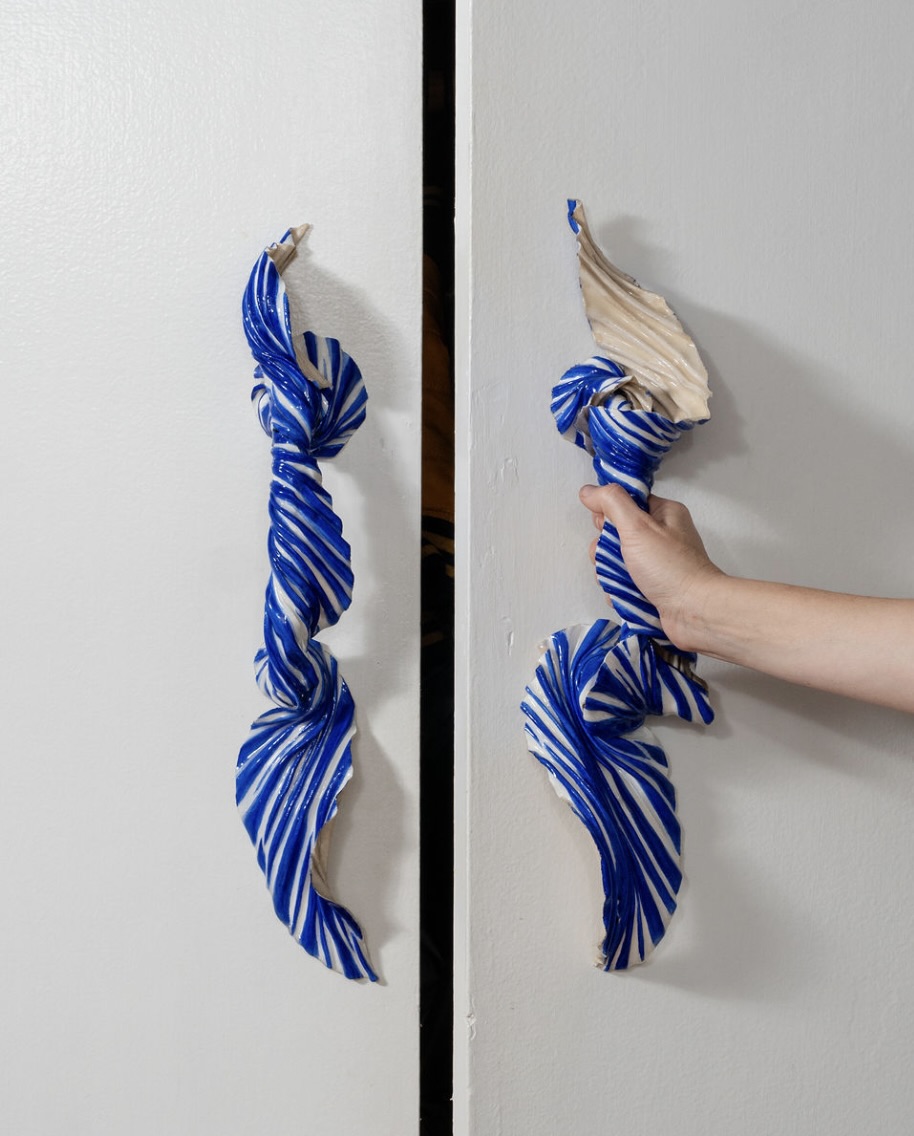
While working in the film industry, I continued to follow my curiosity and passion. I obsessively taught myself the art of shibori. In this practice, two dimensional fabric is transformed into a three-dimensional form by binding, wrapping stitching, twisting or clamping. Once it is fully bound, it is typically put into a dyebath. This creates resisted patterns on the cloth. If the fabric is left to dry while it is still bound, the pleats can also be preserved.
I would do Shibori in my free time, after work hours, or on the weekends. I took Shibori classes, and watched instructional DVDs/Youtube videos. Ana Lisa Hedstrom was a huge influence.
For a while, I just experimented with the many techniques that exist under the umbrella of Shibori. I fell in love with the way that this craft can mimic the universal patterns found within the natural world. This is why in most of my dye work, you will see a color palette based on nature.
Once I really got the hang of it, I started to have more meaning and intention behind my works. I aimed to have less of an all over pattern on my pieces, and eventually strived for more abstraction. All throughout this time, Costume Design has influenced my work. On every show I have done, there are new aspects of design I am familiarized with, new painting skills learned, new colors that I work with, eras that I learn more about, exciting fabrics that I get to use, and new ideas that come to me. When you work in the realm of Costume, half of the time you are doing things that have rarely been done. All of these elements bleed over into my art practice.
I was asked to create large scale textural pleated shibori pieces for a costume, and at first I was nervous. I had never tried to do this at that scale and didn’t want to over promise. Shibori is very time consuming, labor intensive, and the human hand is very necessary within this process. After some experimentation and collaboration, I was able to produce these pieces. I had always found the textural aspect of these pleats fascinating but did not know how to properly utilize them. It then came to me, these could become sculpture. Up until then, I had only been creating 2d artworks.
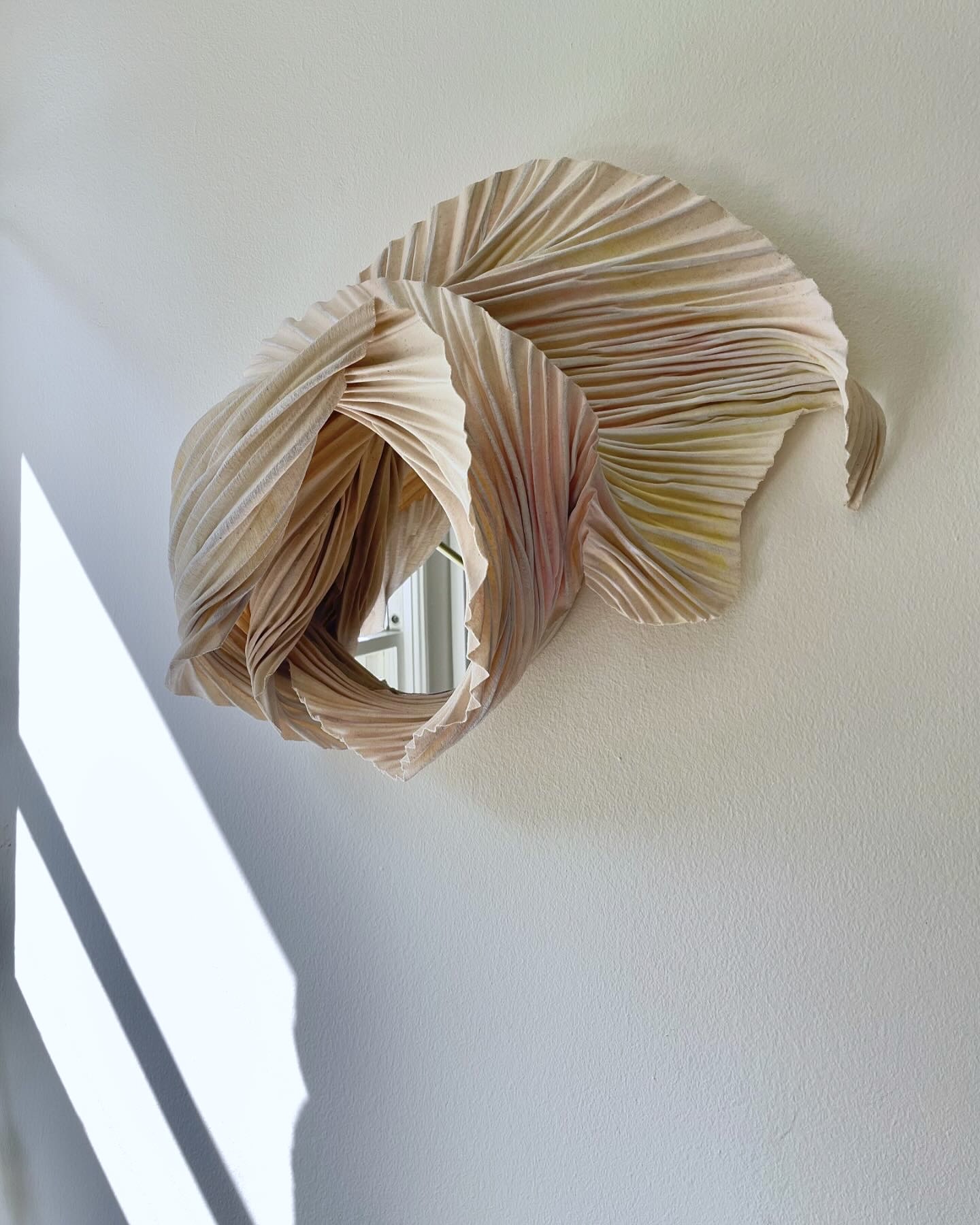
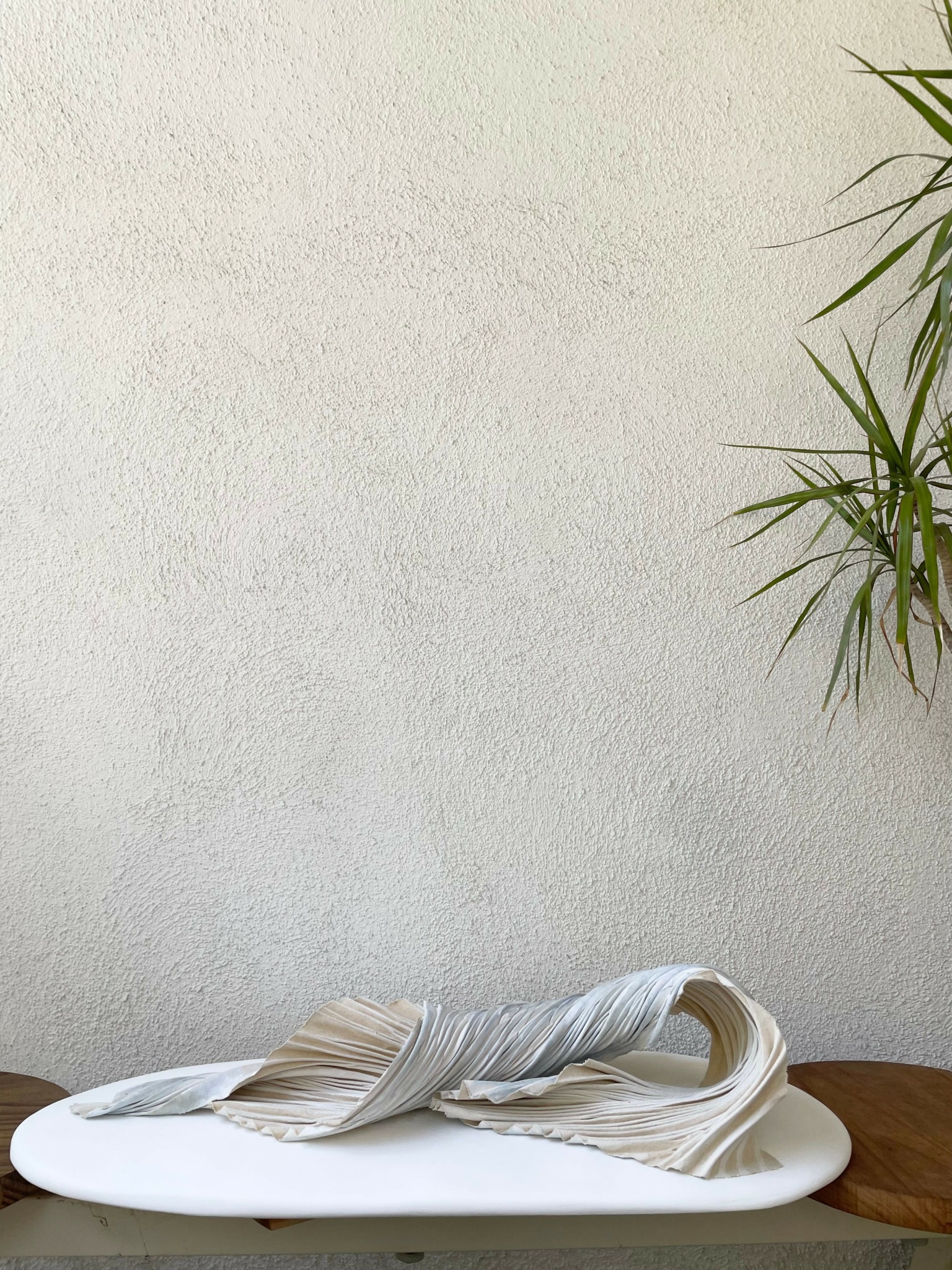
After about half a year of solely experimenting with the possibilities that pleating has to offer, I feel I have finally found what I was searching for all along. I want to emulate fluidity, play with patterns found in nature, experiment with abstraction and how light plays into this through the sculptural form.
There is so much variation within Shibori, I could do this medium for the rest of my life, and constantly be creating something new, and that really excites me on a daily basis.
I am currently creating and selling scuptural textile wall art. I have the intention of marrying elements of the fine art world with the craft of Shibori, through the use of items like canvas and paint. My art explores themes of memory, light and shadow, color, texture, fantasy, reflection and movement. I spend a lot of time intentionally working the form. Just like in life, I prefer to consider all angles, and all options- sometimes twice. It’s also about appreciating both sides of the pleats. This is why you will also see the use of mirrors within my sculpture.
For many years, I have been interested in lighting, so this is also a new avenue that I am currently pursuing with my sculptural artworks.
What’s the most rewarding aspect of being a creative in your experience?
The most rewarding aspect is being able to experiment constantly. For some reason, all of the artistic mediums that I gravitate towards are very hands on, unpredictable and labor intensive. Shibori, is constantly rewarding me with mysterious presents. When you open up a bound piece of fabric, you have some idea of what it is going to look like, but almost always you will find surprises and nuances. These then lead to other “what ifs”.
Are there any books, videos or other content that you feel have meaningfully impacted your thinking?
I am one of those creatives that is just not good at or interested in marketing myself, the commercial side of art, and organizing my many hopes and dreams. It does not come naturally. When I don’t know how to do something that I find quite necessary, I will find a way to learn about it to better find a solution. I prefer to actaully be in person with an expert instead of trying to teach these sort of things to myself. I looked to the world of business consulting, and found Nada Jones. She is “all about helping women articulate, organize and test the viability and thrivability (it should be a word) of their big ideas”. I met with her for almost two years, I joined her community of women entrepreneurs (Liberty Road) and I listened to her podcasts.
I also took a few seminars with McLean Art Projects, one with Zoe Pawlak, and went to a talk with well known artist Mary Little, on how she approaches her art business.
Once I had more clarity, this led me to being more specific. I found Pennylane at Dazed and Confucius, who has been immensely helpful, illuminating and confidence boosting.
I am also about to take the course that Susan Maddux is offering for artists who want to massively expand their sales potential by working with interior designers, art consultants and collectors.
Contact Info:
- Website: https://www.lizoliverstudio.com
- Instagram: @lizoliverstudio
- Facebook: https://www.facebook.com/lizoliverstudio
- Linkedin: Liz Oliver Studio
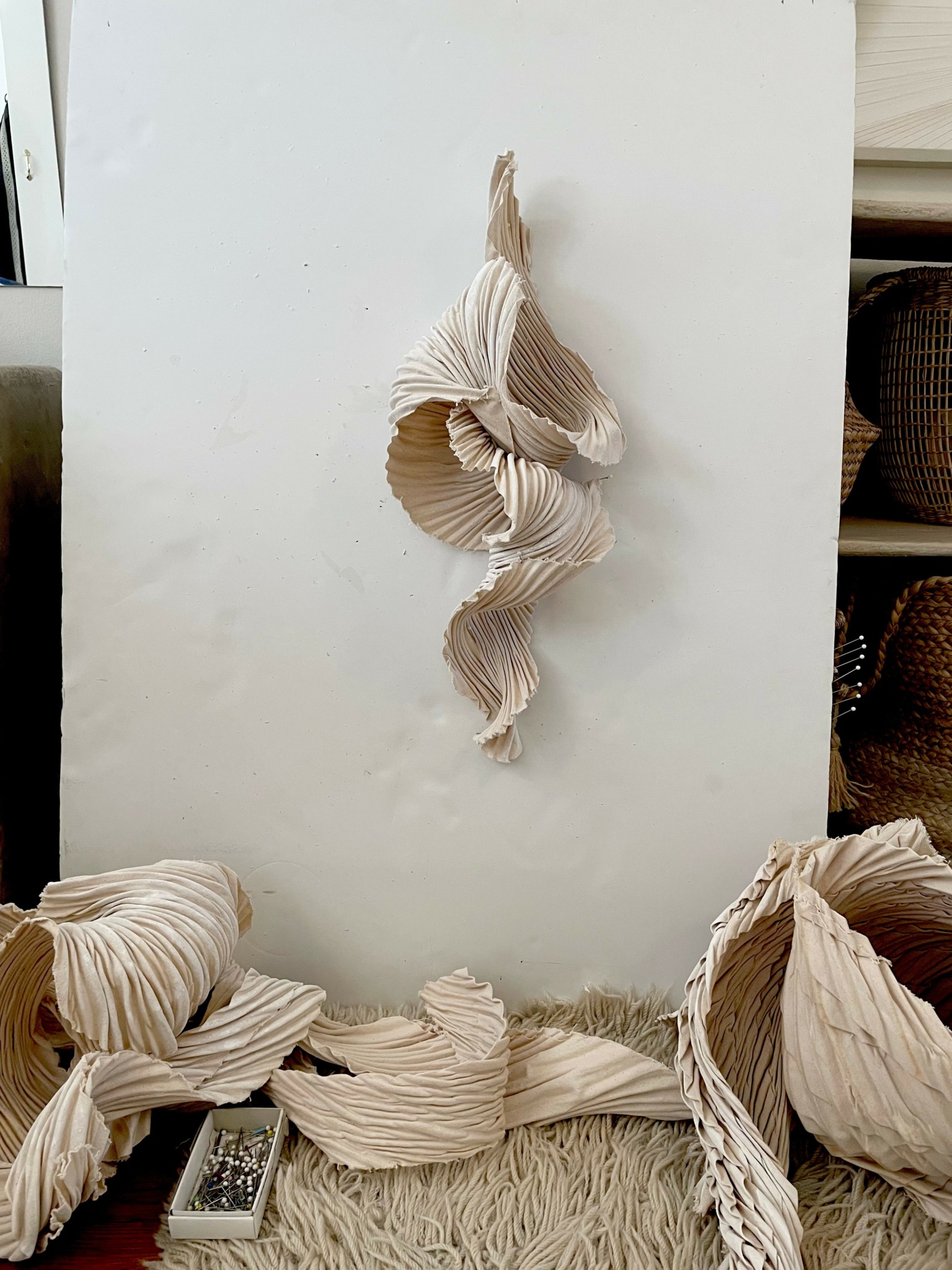
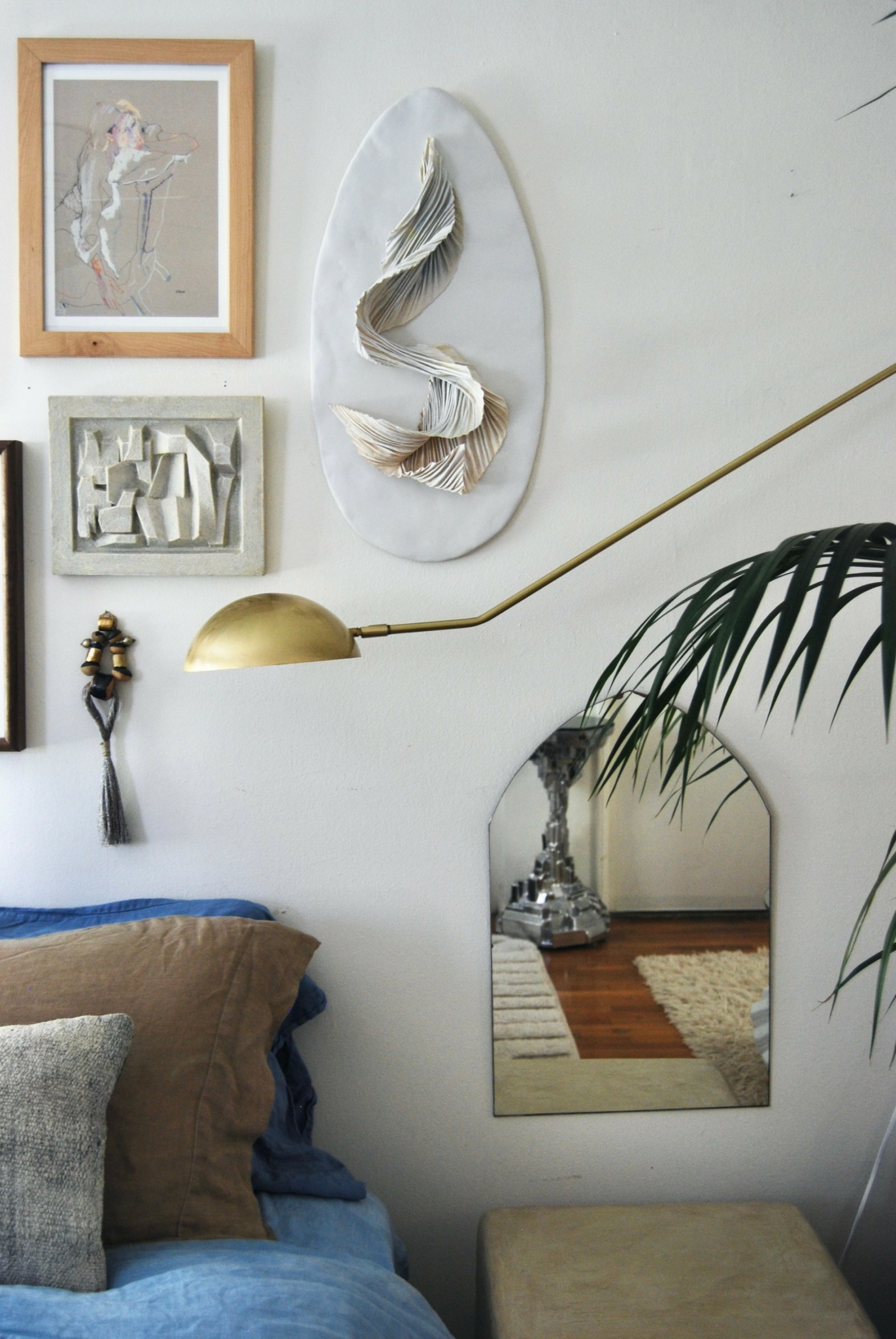
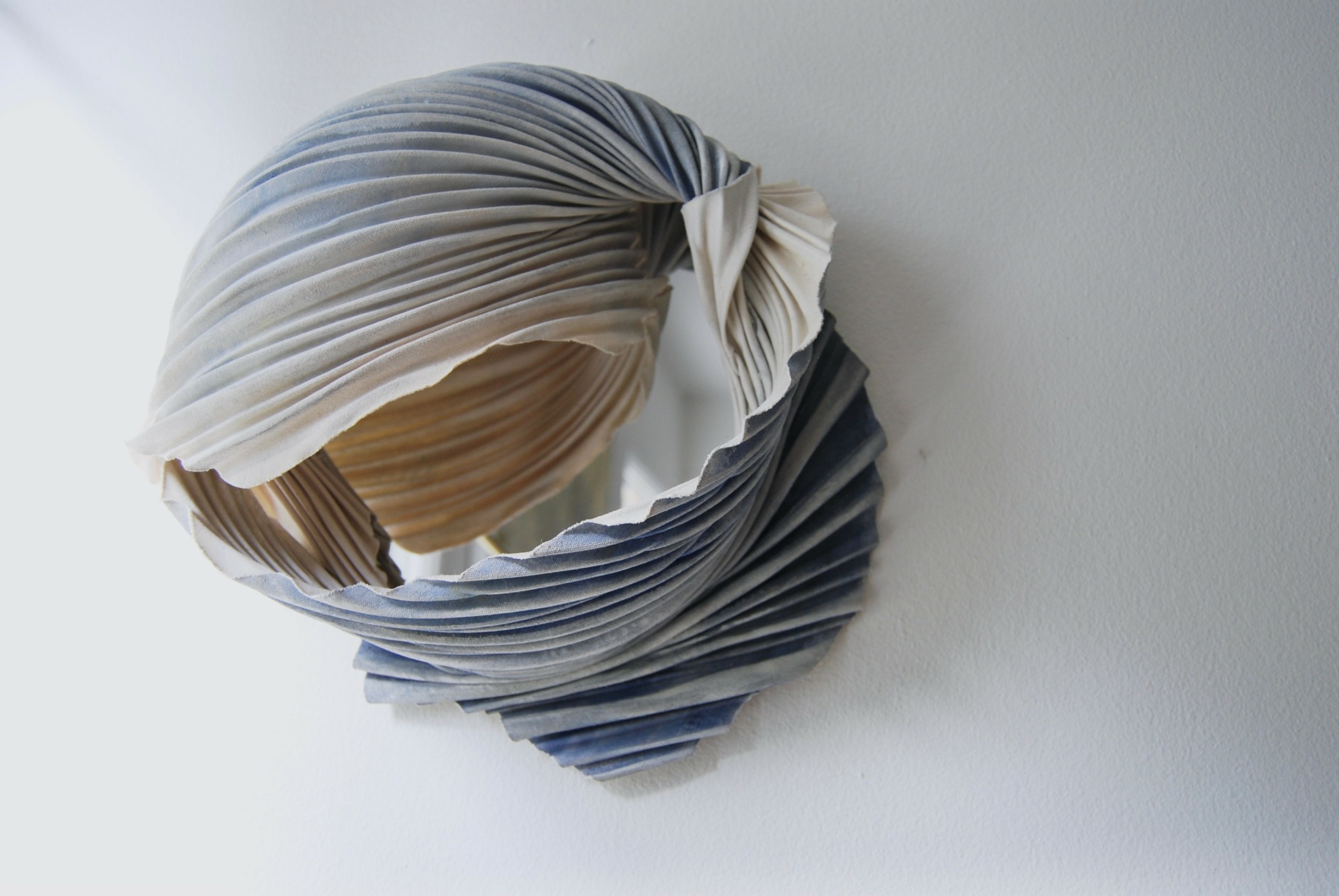
Image Credits
Door Handles were Cecily Brown, Photo of me was Wil Masterson, all others were taken by me