


We caught up with the brilliant and insightful Drew Archer a few weeks ago and have shared our conversation below.
Alright, Drew thanks for taking the time to share your stories and insights with us today. How did you learn to do what you do? Knowing what you know now, what could you have done to speed up your learning process? What skills do you think were most essential? What obstacles stood in the way of learning more?
I was fully immersed in food and the restaurant industry from a young age. My great-grandparents had a large garden that they tended to in their retirement. As a child, I would visit them, and some of my earliest memories involve sitting at a table or on a swing, shelling peas together. My grandparents on my father’s side owned three restaurants during their lifetime, and I had the opportunity to work with both my grandmother and my uncle at their restaurant, the Rose Garden, in downtown Clover, SC. Despite being surrounded by food, it wasn’t until I took a home economics class in middle school that I realized how much I enjoyed cooking. We started with very basic recipes, but that was enough to spark my interest. From there, I joined the culinary program at my high school, worked in local restaurants, and eventually attended Johnson & Wales University in Charlotte, NC, for a Culinary Arts degree.
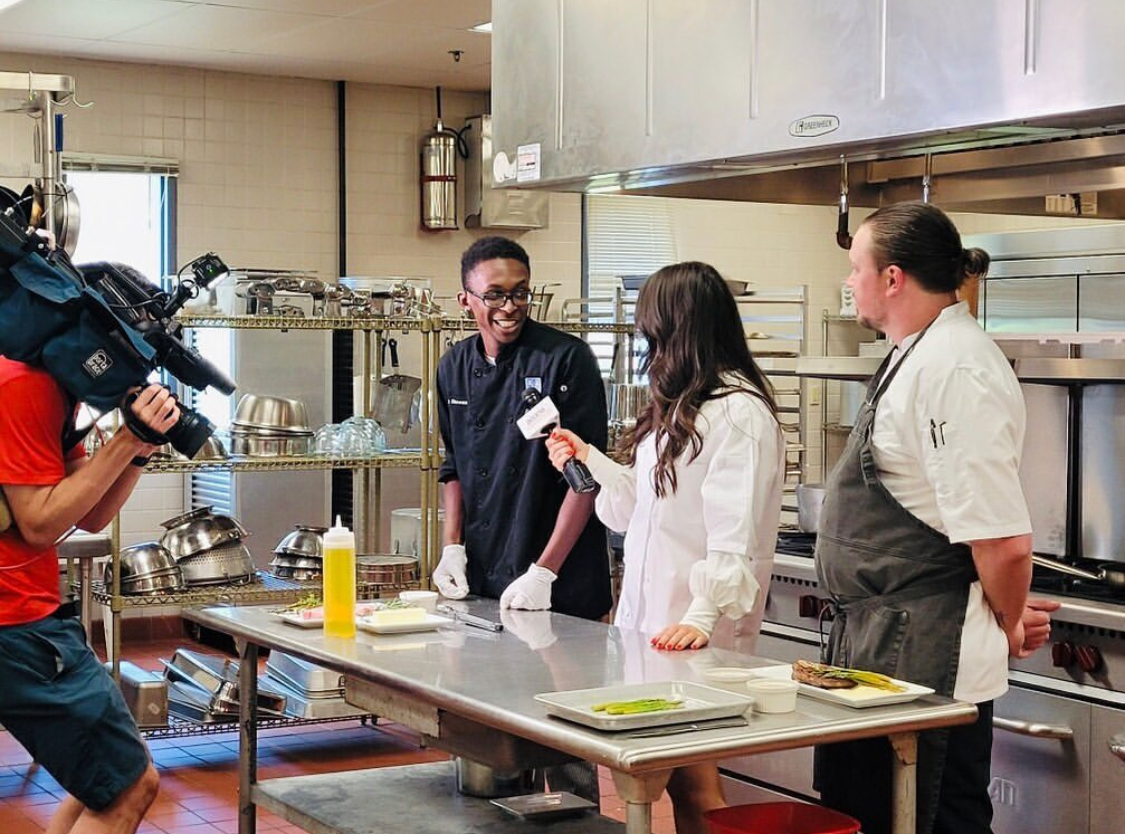
I take great pride in my formal education, but there is immense value in learning by doing and gaining real-world, hands-on experience. I grew the most and learned far more working in restaurants than I ever did in culinary school. The daily repetition and unique challenges behind the scenes in a restaurant are things that school doesn’t necessarily prepare you for. I say this as a culinary arts educator myself. While school does an excellent job of teaching foundational skills and techniques, nothing can replace being fully immersed in the chaos of a busy restaurant, where every second counts. I often remind my students: take what you learn in the classroom and put it to the test in the industry. It’s amazing to see how quickly they grow as cooks in just a short time working in a good restaurant.
The most important skills in this industry are simple and accessible to everyone: communication and organization. In the culinary world, we refer to organization by the French term mise en place, which translates to “everything in its place.” This principle is taught from day one at any reputable culinary school. Planning and preparation take up more time in a restaurant than actual cooking and service; it is what separates good restaurants from bad ones. Pairing this with effective communication sets you on the path to success in this industry. While chefs receive the recognition, it’s the team behind them, working together, that truly makes it all a success.
Awesome – so before we get into the rest of our questions, can you briefly introduce yourself to our readers.
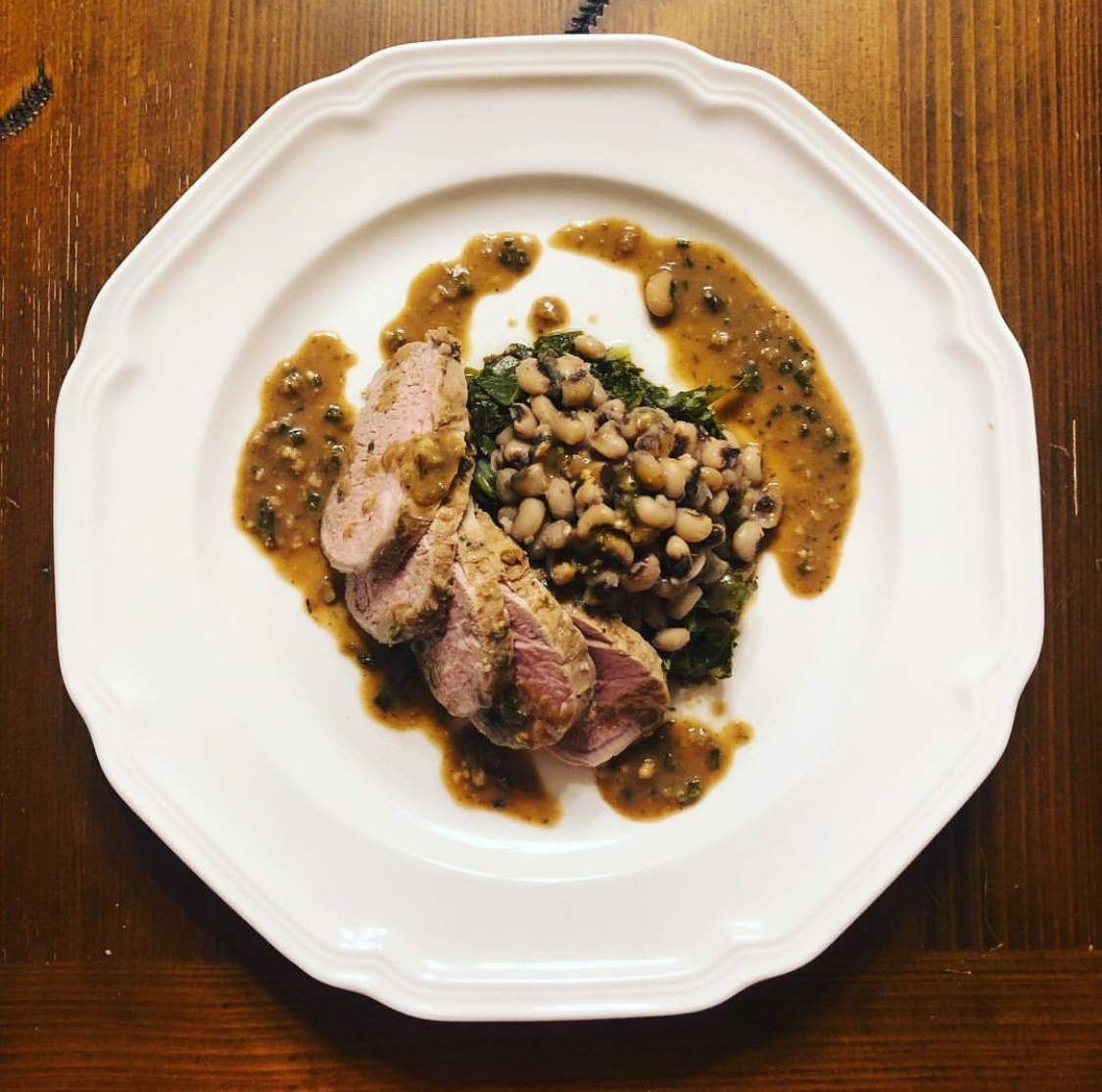
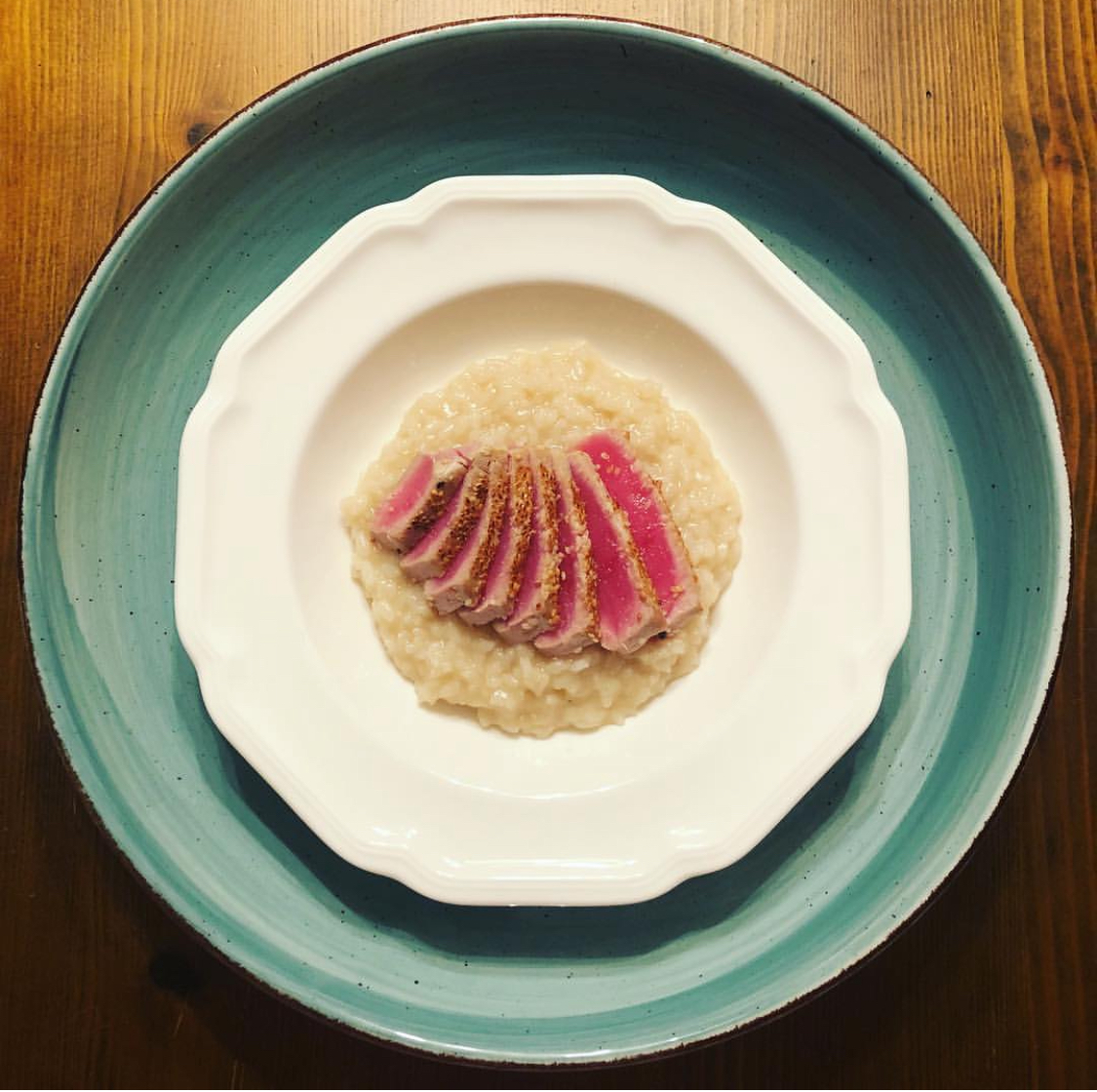
I was born, raised, and still live in South Carolina. After graduating from culinary school and working in restaurants since I was fourteen, I moved to Greenville in 2014 to become the culinary arts instructor at Donaldson Career Center. I am now in my eleventh year with the program and love my job. Early in my career, I began catering on the side to earn extra income. Over the years, this side venture has grown, allowing me to cater everything from small baby showers to weddings with over 200 guests. Currently, I own Yellow + Y’all, a private chef and pop-up business specializing in intimate private dinners. I enjoy this work because it enables me to create unique experiences for each client.
For you, what’s the most rewarding aspect of being a creative?
For me, it’s simple: it’s a feeling that takes me back to my childhood. I think of the art projects we made in elementary school for our moms on Mother’s Day. They may not have been the Mona Lisa, but the joy on your mother’s face when you gave it to her—that’s what it’s all about for me and where I find my joy.
As chefs, we work countless hours planning, prepping, and cooking meals that guests will enjoy in just a matter of minutes. All that hard work is worth it for the smiles on their faces and their kind words. Serving someone a meal that not only tastes good but is also memorable is what every chef strives for.
In your view, what can society to do to best support artists, creatives and a thriving creative ecosystem?
I am blessed to live in a community that supports and highlights its chefs, restaurants, farmers, and a variety of other artists. Greenville is home to Euphoria, an annual food and wine festival that just celebrated its 20th year. Chefs and guests from across the country come to enjoy the vibrant food scene at Euphoria each year. Another notable festival in Greenville is Artisphere, where, like Euphoria, artists from all over gather to participate.
I believe that having support from the community and its officials makes a significant difference. The growing art scene in Greenville is a testament to the backing from public officials and the people of Greenville County.
Contact Info:
- Instagram: Personal: drewarcherfood | Business: yellow_n_yall | School: dccculinaryarts
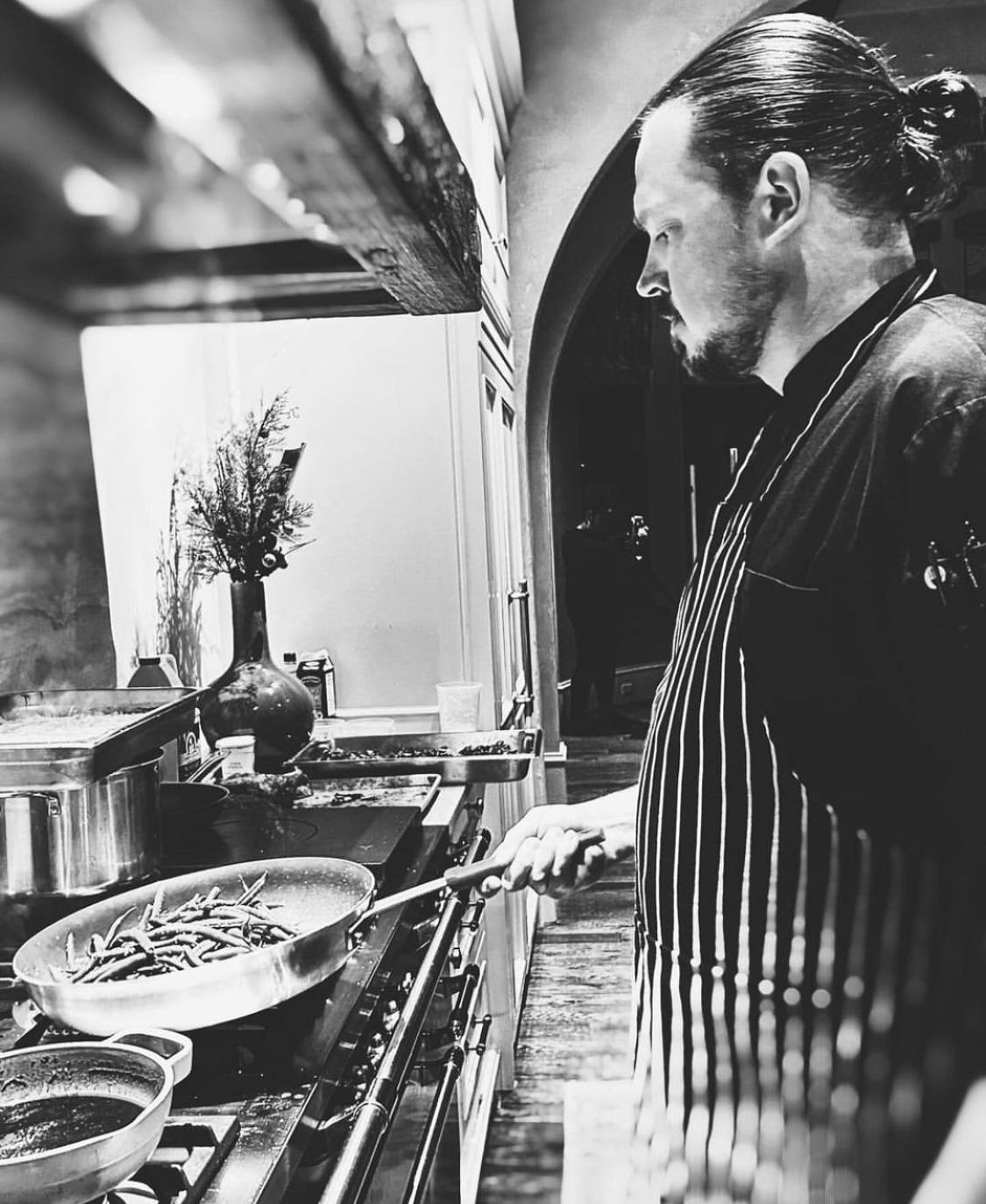
Image Credits
Black & White Photo: Daniel Florence
All others are mine