
We’re excited to introduce you to the always interesting and insightful Joshua Bassan. We hope you’ll enjoy our conversation with Joshua below.
Alright, Joshua thanks for taking the time to share your stories and insights with us today. Let’s start with a story that highlights an important way in which your brand diverges from the industry standard.
Alternative loan products. Just about every mortgage company offers Conventional, FHA, and VA loans. Many also offer USDA loans for houses in small towns or rural areas. But not many will use alternative income documentation such as bank statements in lieu of tax returns, or offer down payment assistance, or lend to someone with a low credit score, etc. Part of the reason I started my own brokerage, and have signed up with so many lenders, was to help people denied elsewhere.
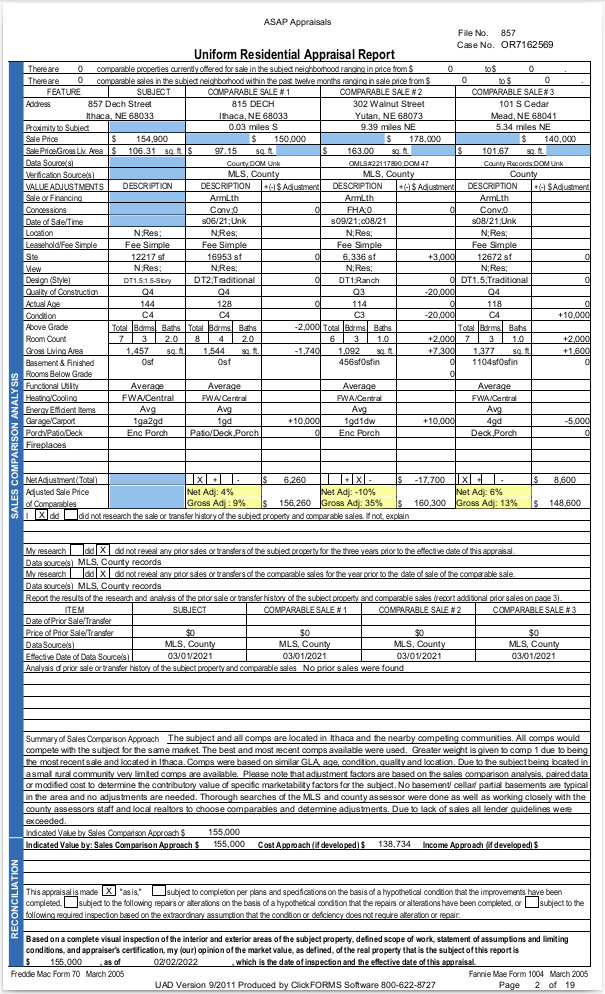
For example, I once had a couple who owned their current house free & clear, but misjudged how much they could sell it for. They found themselves in need of a loan for the house they were buying. One of their children had cancer, and the medical bills resulted in them declaring chapter 13 bankruptcy. The bankruptcy had been discharged recently, so an FHA manual underwrite could’ve been an option. But they were in a lawsuit with their timeshare, they believed they had been cheated, and their attorney had advised them to not make any payments. A single late payment on an installment loan in the last 12 months, on an FHA manual underwrite, is an automatic denial. No exceptions. I found a Non-QM lender who would lend to them. Their saving grace, of course, was the large down payment from the sale of their current home. But you can imagine their frustration: Sure their credit history had these negative items. But even with an explanation, and so much down, would no one lend to them, at any interest rate? I was able to help them.
Another example is an independent trucker, whose company is young and had a lot of startup costs. His tax returns showed very little income. Even his last 12 months’ bank statements, for the caliber of house he wished to purchase, showed insufficient income. But he was a good saver, and had the necessary 25% down + closing costs to qualify for a no-income documentation loan. He was able to purchase a home roughly 2 years sooner than he would have, if waiting for his tax returns to catch up to his current income.
Joshua, before we move on to more of these sorts of questions, can you take some time to bring our readers up to speed on you and what you do?
Prior to lending, I was in the litigation support industry and had started my own company there. The venture failed, and I was looking for something new. I happened to be talking to my cousin, who had recently married and moved to Denver, started his own mortgage brokerage, and was doing well. For some reason, I instantly thought I’d both enjoy it and be good at it, and asked him for a job. That was 7 years ago. 3 years ago I started my own company.
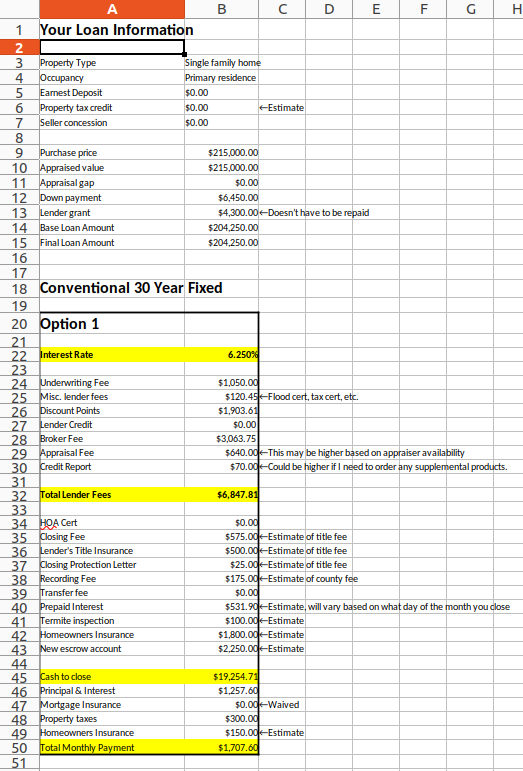
For someone getting a normal loan, I have a similar pricing structure to my cousin’s company: I beat Chase, US Bank, and Wells Fargo by 1.5% in yield spread. So on a 300k loan, at the same interest rate, my fees will be ~4.5k less. 400k loan, ~6k less, etc. However, in Nebraska (my own company is licensed in Nebraska, Iowa, and Virginia), loans subsidized through the state agency have insanely low rates/fees, so my price advantage is negated. There are 2 situations in which my pricing will still be competitive. For anyone who falls outside of those 2 situations, I refer folks to a friend of a friend of mine at another mortgage company.
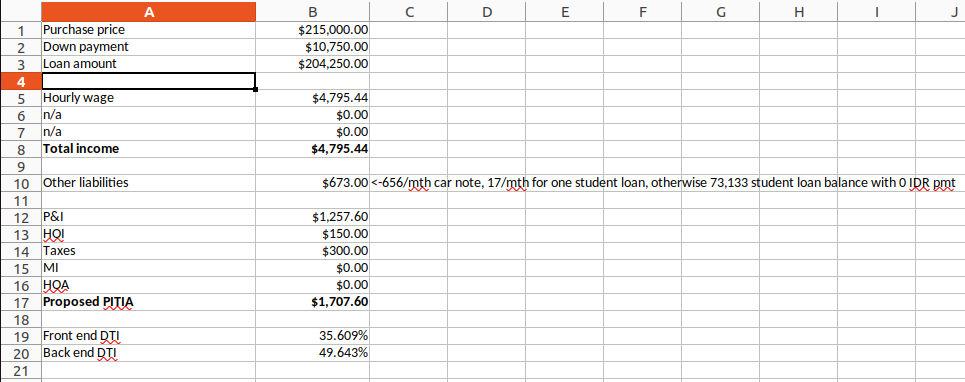
Another advantage for normal loans: Higher debt to income ratios (DTI) than most banks (I primarily work with non-bank lenders), thus higher pre-approvals. A higher loan amount will mean a higher payment, of course. But if you’re OK with the higher payment, and your current lender won’t go as high as me on DTI, switching mortgage companies can help you qualify for more.
For someone who doesn’t qualify for a normal loan, I offer many alternative loan products to help people get financing: Bank statements in lieu of tax returns, someone with no income but good credit and a large down payment, someone with a low credit score, someone without a down payment, etc.
Finally, I virtually always start with a soft credit pull, so your scores won’t be affected. Depending on your finances and loan product applied for, I may have to do a hard pull before pre-approving you, I may not.
What do you think helped you build your reputation within your market?
Intelligence: Harder loans have more moving parts that have to be juggled. The setup has to be right from the get-go. Guidelines have to be met. Calculations have to be correct. Everything has to be accurate; otherwise, the loan won’t close.
Work ethic: Things almost always come up during the loan process that makes it less than smooth. Not giving up, working to meet every challenge.
Integrity: Everyone fears a bait-and-switch in a business often seen as a series of one-shot-deals: Being told one set of numbers, then having the numbers changed on you shortly before closing and having to choose between a more expensive loan, or not getting the house. Being honest and conducting myself with honor, a word largely considered old-fashioned nowadays, is paramount.
Any thoughts, advice, or strategies you can share for fostering brand loyalty?
After I close a loan for someone, I e-mail them every 6 months updating them on the state of the market, i.e. what rate/fees would they get today if they were to make the same purchase with the same financial profile. As rates drop, this turns into quotes for refinances. Instead of a Happy Birthday or Merry Christmas once a year, I contact them twice a year with information relevant to their relationship to me.
Contact Info:
- Website: https://www.HonestMortgageNE.com/
- Instagram: https://www.instagram.com/jbassan26/
- Facebook: https://www.facebook.com/profile.php?id=100090421224344
- Linkedin: https://www.linkedin.com/company/honest-mortgage-inc/