

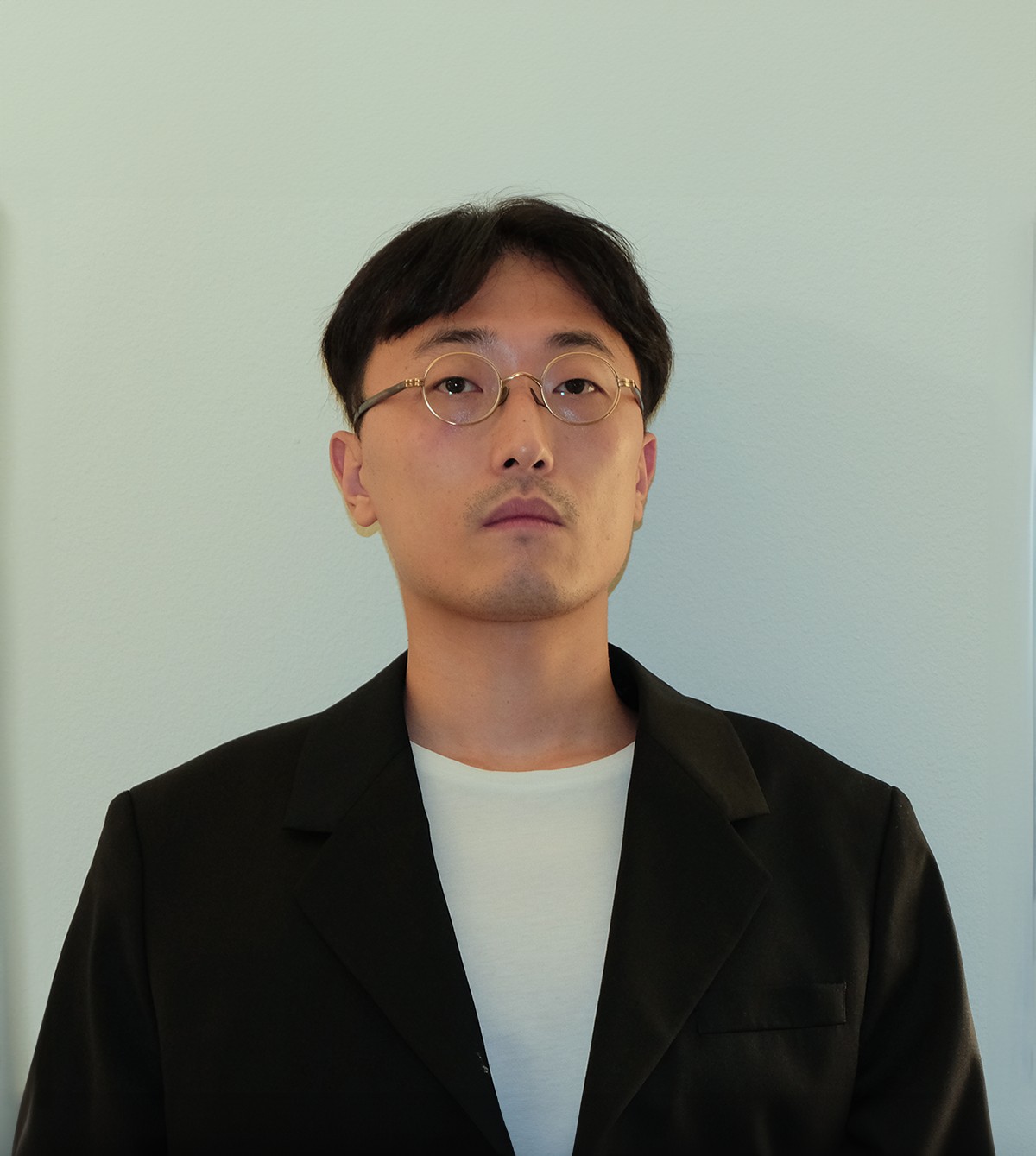

We recently connected with Sanghyun Suh and have shared our conversation below.
Sanghyun, appreciate you joining us today. It’s always helpful to hear about times when someone’s had to take a risk – how did they think through the decision, why did they take the risk, and what ended up happening. We’d love to hear about a risk you’ve taken.
Taking risks is often a crucible for growth, both personally and professionally. One pivotal risk I took was during my time at The Ohio State University when I made the decision to switch my focus from engineering to architecture. This choice stemmed from my growing frustration with the limitations of engineering, particularly its conservative approach to innovation.
The backstory begins in my first few years as a welding engineering student, where I excelled academically but felt an increasing disconnection from my true passion—design. The rigidity of traditional engineering practices felt stifling, and I yearned for a creative outlet that would allow me to explore new ideas and materials. Inspired by visionary architects and their ability to shape spaces that resonated with human experience, I realized that architecture was my true calling.
The leap to architecture was daunting; it meant leaving behind the comfort of a well-defined engineering path for an uncertain future in a field I had only just begun to explore. I applied to the Knowlton School of Architecture, unsure if my background would be accepted or even relevant. This transition required immense dedication as I had to catch up on design principles, architectural history, and advanced computational methods.
Despite the fear of failure, I was driven by the desire to redefine the boundaries of architecture through innovative technologies and sustainable practices. My decision was validated when I was accepted into the program, where I flourished in an environment that celebrated experimentation and interdisciplinary thinking. The skills I acquired and the connections I made set the foundation for my future endeavors, including my current role at Patterns.
Reflecting on this experience, I recognize that taking that risk was a defining moment in my career. It not only paved the way for my work on award-winning projects like the Cadigan Building and the Victory Wellness Center but also transformed my perspective on design and its potential impact on society. This journey taught me that stepping outside one’s comfort zone is often the first step toward profound growth and fulfillment.
Great, appreciate you sharing that with us. Before we ask you to share more of your insights, can you take a moment to introduce yourself and how you got to where you are today to our readers.
I am Sanghyun Suh, an architectural designer, technologist, and educator, deeply engaged in exploring the intersections of architecture, technology, and human experience. My journey into this multifaceted industry began with a foundation in engineering at The Ohio State University, where I pursued a Master of Science in Welding Engineering. Initially, I believed that engineering would offer the creative outlet I sought, but I soon found the discipline to be too constraining for my aspirations.
This realization led me to pivot toward architecture, where I felt I could merge my technical background with a more expressive and innovative approach to design. I pursued a Master of Architecture at the Knowlton School of Architecture, which significantly expanded my understanding of the field. It was here that I discovered the profound societal and political implications of architecture, influenced by my educators who emphasized the discipline’s potential to challenge norms and drive change.
Building on this foundation, I transitioned to the Southern California Institute of Architecture (SCI-Arc) to further refine my expertise, earning a Master of Science in Architectural Technology. My experience at SCI-Arc was transformative, as it immersed me in cutting-edge research and innovative design practices, allowing me to explore the integration of technology within architectural frameworks. This environment encouraged a critical examination of traditional approaches and inspired me to experiment with computational design, machine learning, and other emerging technologies.
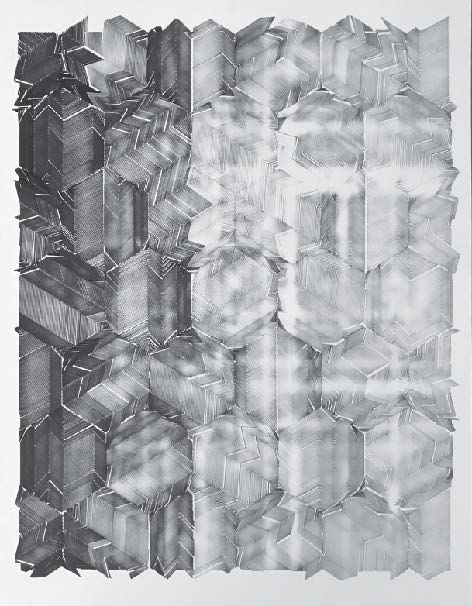
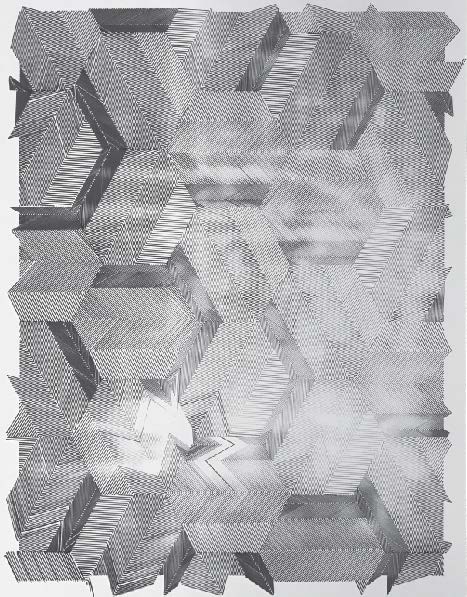
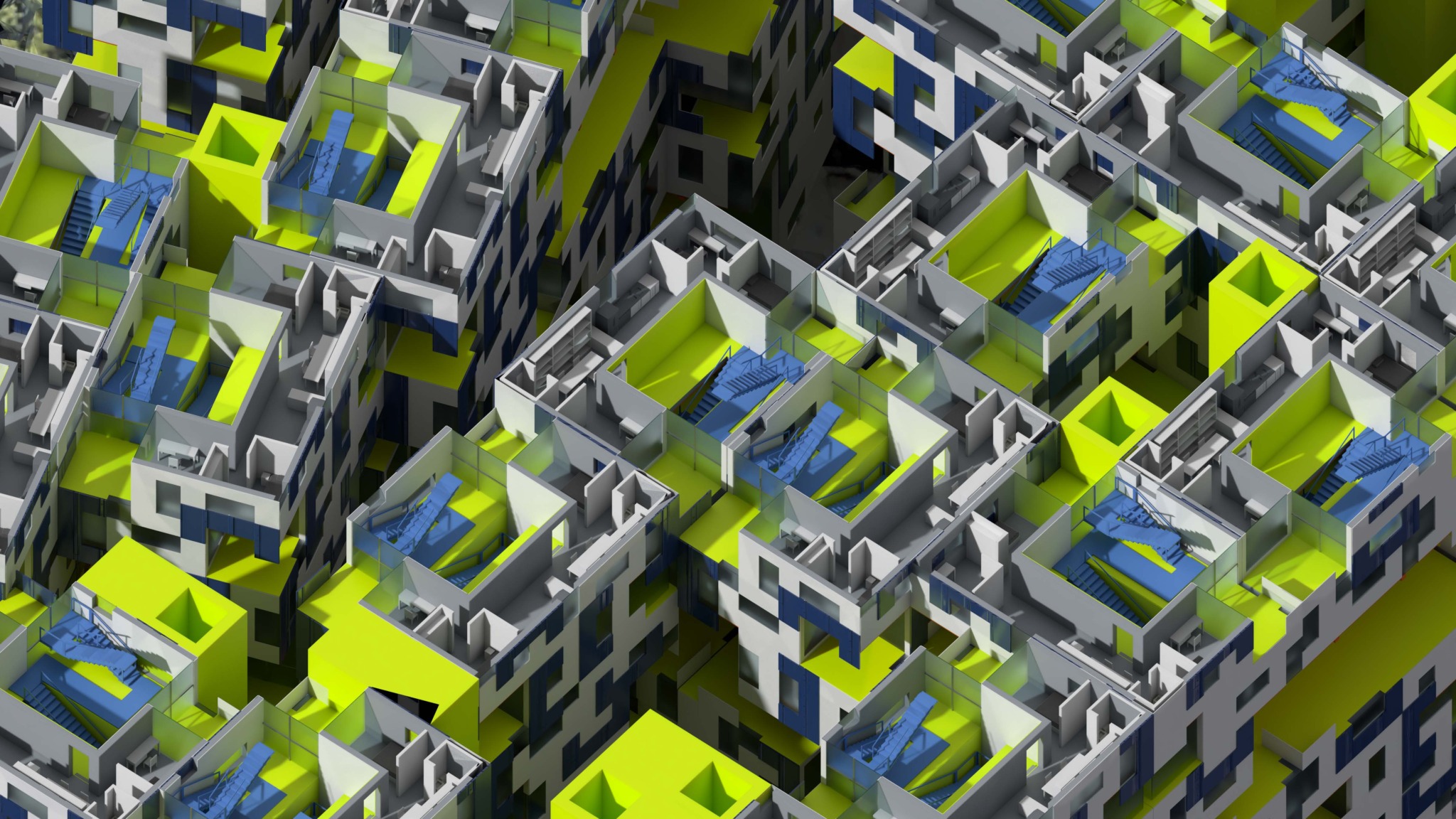
Today, my work spans a broad spectrum of creative outputs, encompassing architectural design, research, and interdisciplinary projects that embrace innovative technologies. Collaborating with renowned firms such as Patterns has profoundly shaped my practice, particularly through my work on award-winning projects like the Cadigan Building and the Victory Wellness Center. Under the guidance of esteemed partners Marcelo Spina and Georgina Huljich, I have learned to push the boundaries of conventional architectural norms while ensuring that our designs address the functional needs of users. These projects not only highlight sustainability and community engagement but also reflect a commitment to crafting spaces that inspire and connect with their surroundings.
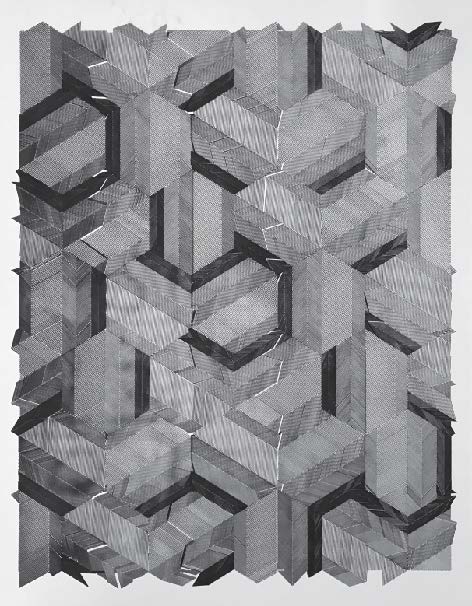
One of the core problems I solve for my clients is the integration of innovative technologies into architectural design. I advocate for a platform-based approach, where the design process evolves alongside advancements in construction technologies, thereby fostering more efficient and sustainable solutions. By harnessing tools such as computational design and machine learning, I create environments that resonate with both human and machine interactions, facilitating hybrid living experiences that anticipate the future of our built environment.
What sets me apart in this competitive field is my unique blend of engineering expertise and architectural sensibility, allowing me to navigate both the creative and technical challenges inherent in design. I emphasize a multidisciplinary approach that encourages collaboration across disciplines, breaking down the silos that often exist in architecture and engineering.
I am most proud of my role as an educator, where I have had the opportunity to shape the next generation of architects at prestigious institutions like UCLA and SCI-Arc. My teaching philosophy centers on fostering an inclusive, dynamic classroom environment where students can engage with complex ideas and learn through realization. Witnessing my students grow into confident, innovative thinkers is incredibly fulfilling.
For potential clients, followers, and fans, I want to convey my commitment to pushing the boundaries of what architecture can achieve. My work is not just about creating buildings; it’s about crafting experiences that harmonize with the environment and enhance human interactions. I strive to foster a collaborative atmosphere where every voice is valued, believing that great design emerges from shared ideas and collective insights. Ultimately, my goal is to leave a lasting impact on the architectural landscape, one that champions sustainability, innovation, and inclusivity.
Are there any books, videos, essays or other resources that have significantly impacted your management and entrepreneurial thinking and philosophy?
I would say that Susan Sontag’s essay “On Camp” has profoundly influenced my perspective on design and creativity, particularly in how I approach architectural projects and engage in interdisciplinary collaboration. Sontag’s exploration of camp aesthetics resonates with my belief in embracing the playful and the exaggerated within architectural practice. This sensibility encourages a willingness to challenge conventions and norms, which is crucial in an industry often bound by rigid expectations.
Additionally, Sontag’s insights into the value of irony and the appreciation of the “trivial” inform my collaborative philosophy, particularly in how I cultivate an environment where diverse ideas can flourish. I strive to create a space where unconventional concepts are celebrated, allowing for creative freedom and the exploration of new approaches. This mindset enriches the design process and encourages partnerships across various disciplines.
Engaging with other resources that discuss the intersection of culture and aesthetics, such as writings by artists and theorists exploring the avant-garde, also significantly shapes my collaborative efforts. These works remind me to value diverse perspectives and foster open dialogue, which is essential for nurturing creativity in our architectural endeavors.
Ultimately, the resources that resonate with me advocate for a more inclusive and playful approach to design, reflecting my commitment to pushing the boundaries of architecture and fostering an environment where collaboration and innovation can thrive.
What’s the most rewarding aspect of being a creative in your experience?
For me, the most rewarding aspect of being a creative lies in the profound impact that design can have on people’s lives and the environment around them. Architecture is not just about constructing buildings; it’s about crafting experiences that resonate deeply with individuals and communities. When I see my work positively influence the way people interact with their surroundings—whether through fostering connections in public spaces or enhancing the functionality of a home—it reaffirms my purpose as a designer.
Moreover, the collaborative nature of my work adds another layer of fulfillment. Engaging with diverse perspectives allows for richer, more innovative solutions, and witnessing the synergy of ideas in a team setting is incredibly gratifying. This interplay fosters a dynamic environment where creativity flourishes, leading to designs that transcend conventional boundaries.
Additionally, as an educator, I find immense joy in guiding students and emerging talents. Watching them grow, experiment, and develop their unique voices in architecture is a source of inspiration for me. It’s rewarding to know that my influence can shape the next generation of thinkers and innovators, ensuring that the field continues to evolve.
Ultimately, the ability to inspire, connect, and challenge norms through my work is what makes being a creative deeply fulfilling. It’s a constant journey of exploration and growth, and I’m grateful to be part of a field that allows me to contribute to the broader discourse on architecture and design.
Contact Info:
- Instagram: https://www.instagram.com/sanghyun.suh/
- Linkedin: https://www.linkedin.com/in/sanghyun-suh-15a7934a/
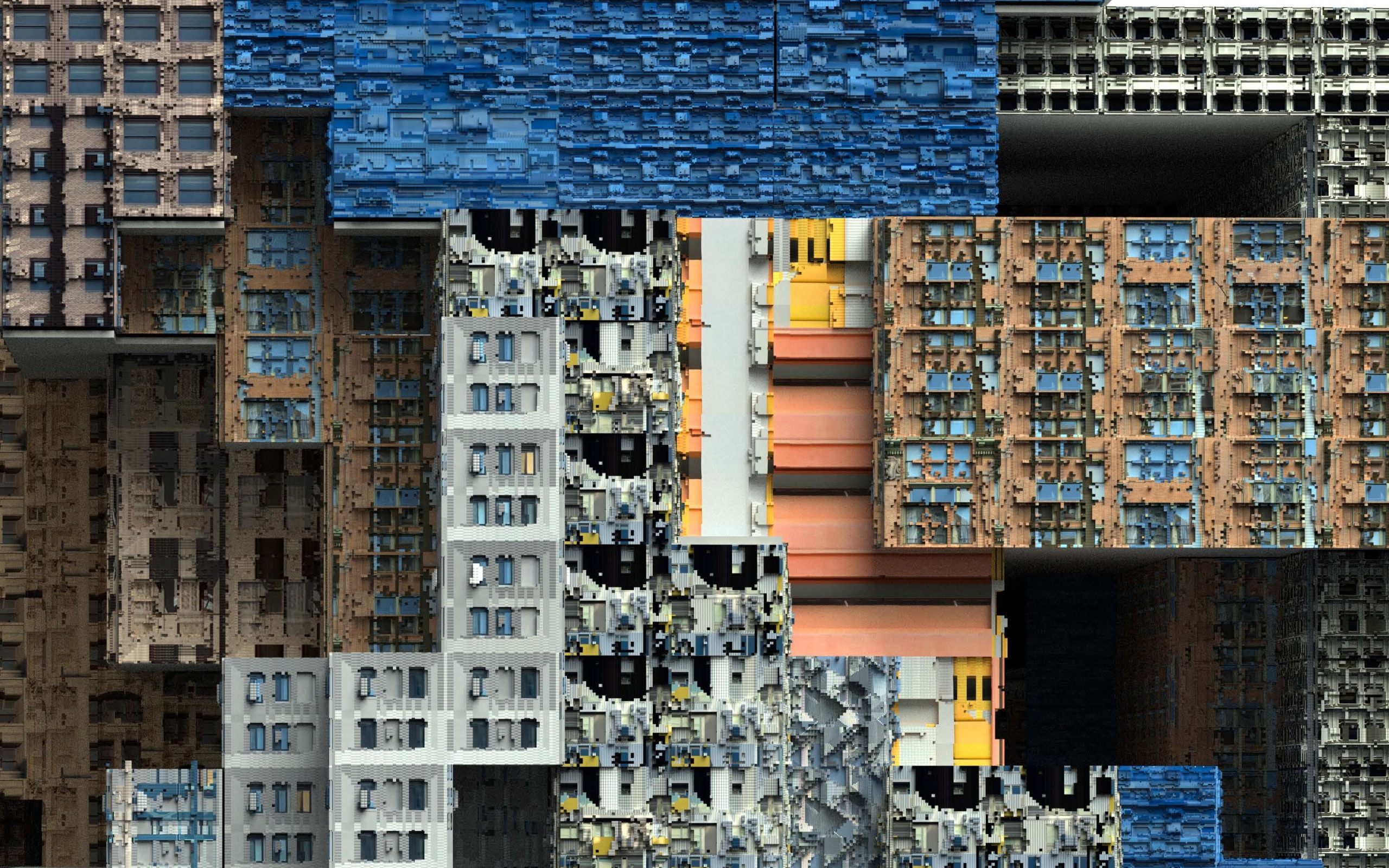
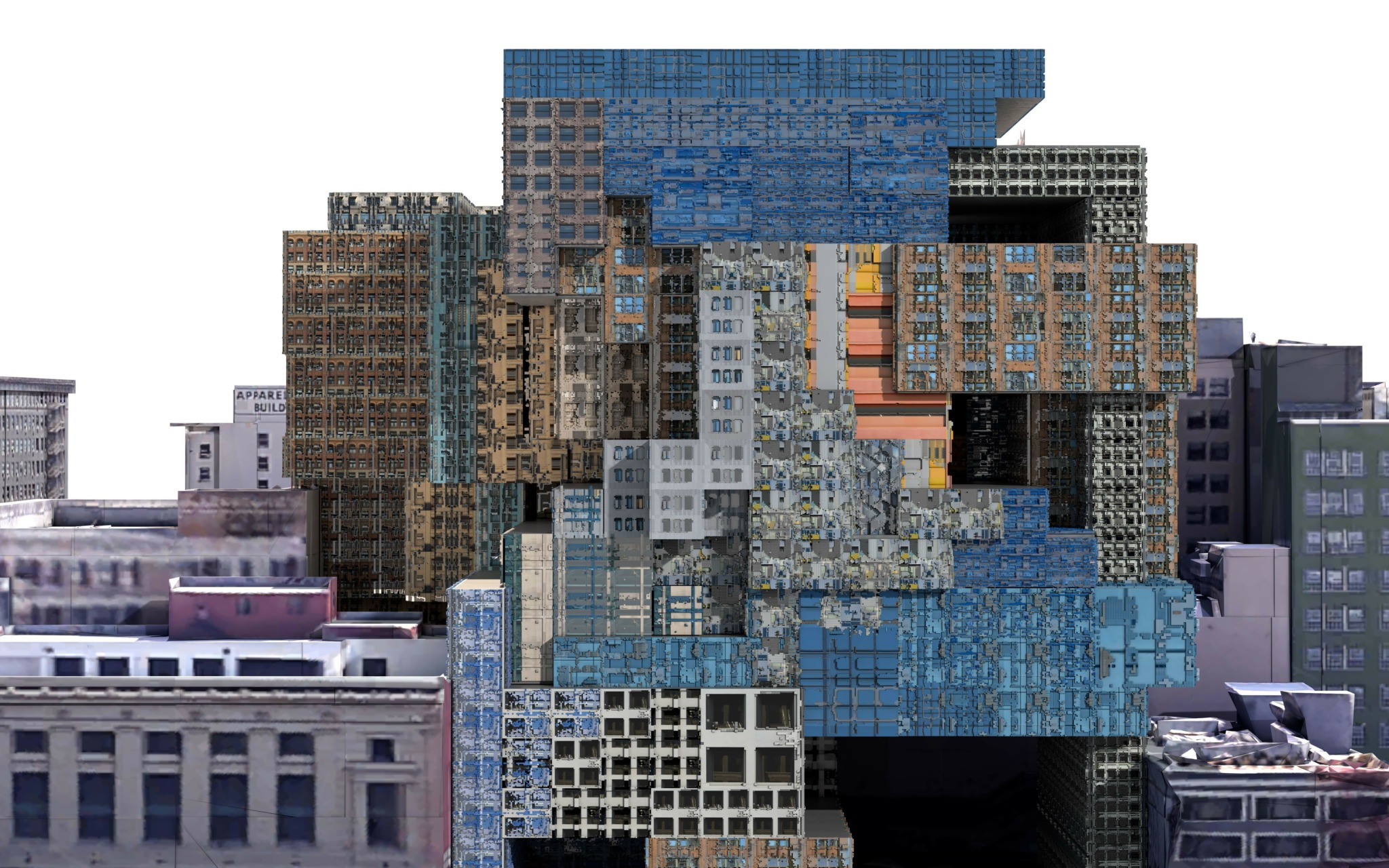


Image Credits
Sanghyun suh