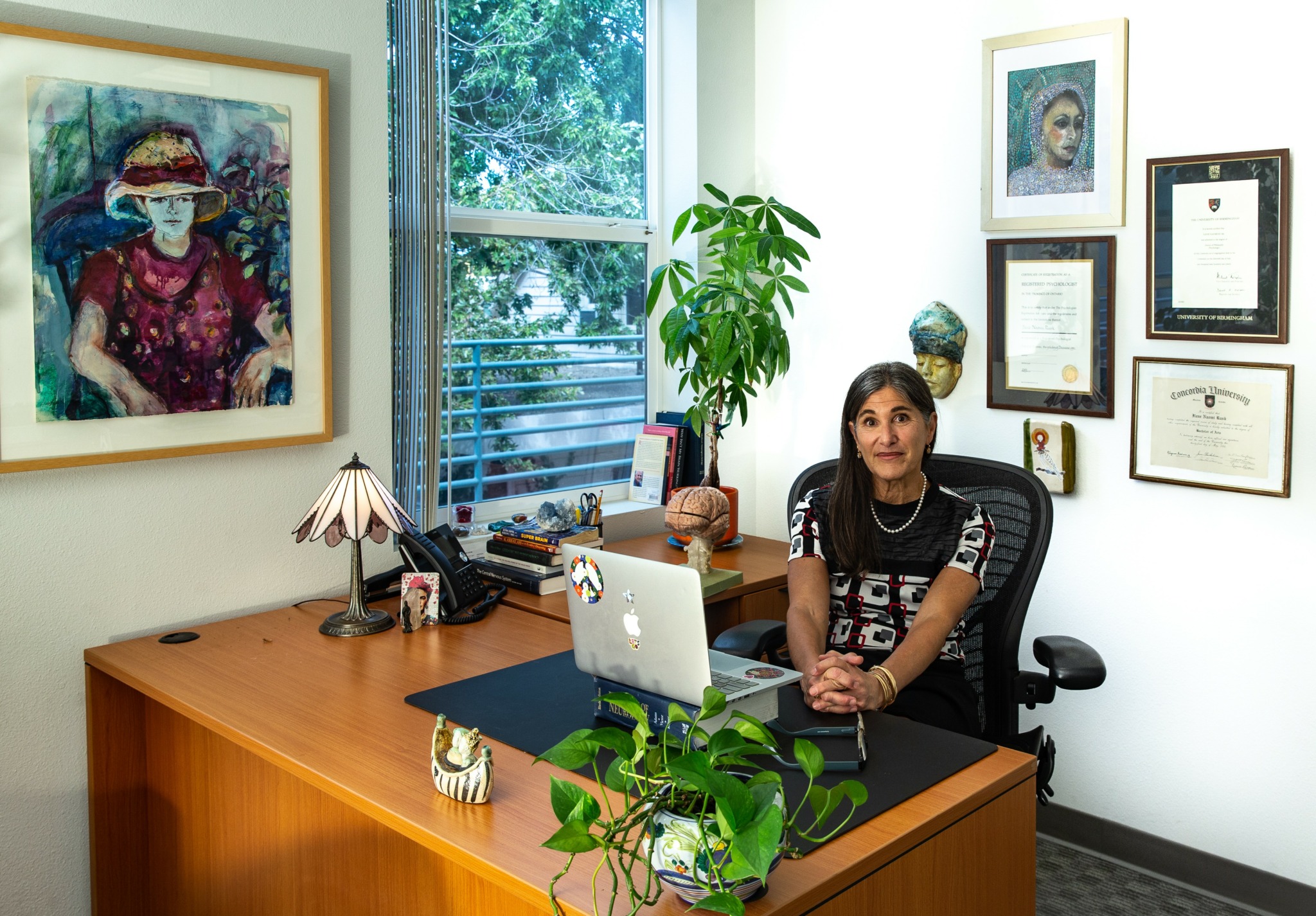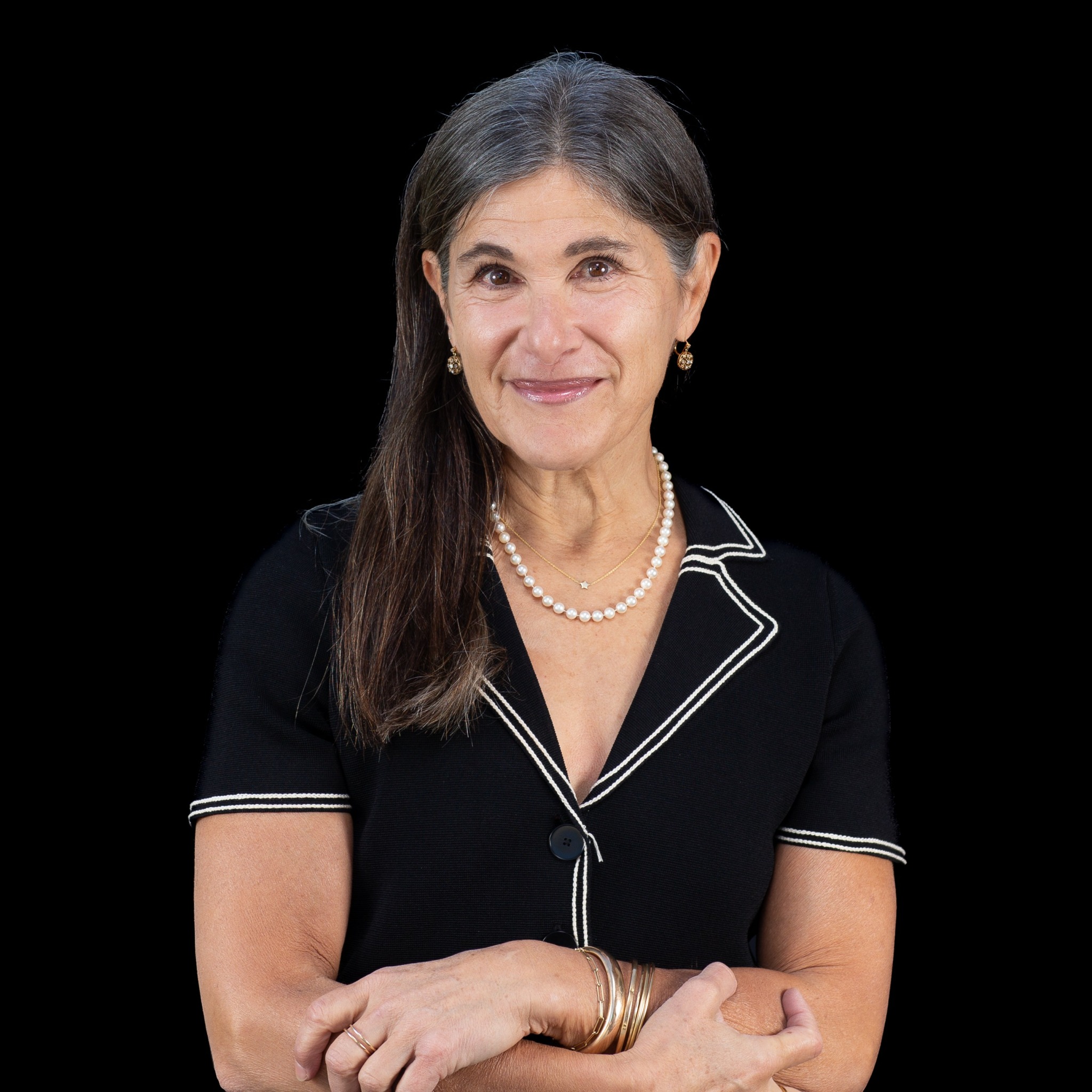

Alright – so today we’ve got the honor of introducing you to Dr. Ilene Naomi Rusk. We think you’ll enjoy our conversation, we’ve shared it below.
Dr. Ilene Naomi, appreciate you joining us today. Was there a defining moment in your professional career? A moment that changed the trajectory of your career?
I had a lot of fears when I was growing up, and leaning into my fears was what motivated me to grow. My fear of mental illness and neurologic illness drove me to do neuroscience research and study behavioral neurology and psychology. Basically my fears became my passion and I’m just as passionate today as I was 30 years ago ago. It was always those jobs that I was fearful about taking that motivated me to stretch myself. I was offered a fellowship after my doctorate, and it was a very prestigious fellowship offered by the British government. I had been doing a PhD and working on very specific drugs that would help people with very crippling neurological illnesses like Alzheimer’s disease and Parkinson’s disease. Working with adults was what I was used to but the fellowship in England was with children with neurological illness. That terrified me. I thought that seeing children suffering would be too much for me to handle, but I knew that this new treatment approach was considered very effective and I was encouraged to take the position. The pivotal moment for me was seeing one of my first patients who was a young + gentle blonde boy who had a brightness and kindness in him that just glowed. i ended up experiencing the kind golden heart in each one of those children I worked with. I felt a sense of hopefulness (and love) that allowed me to overcome my fears and inspired me to see through people’s illness, straight through to their capacity to grow and heal.
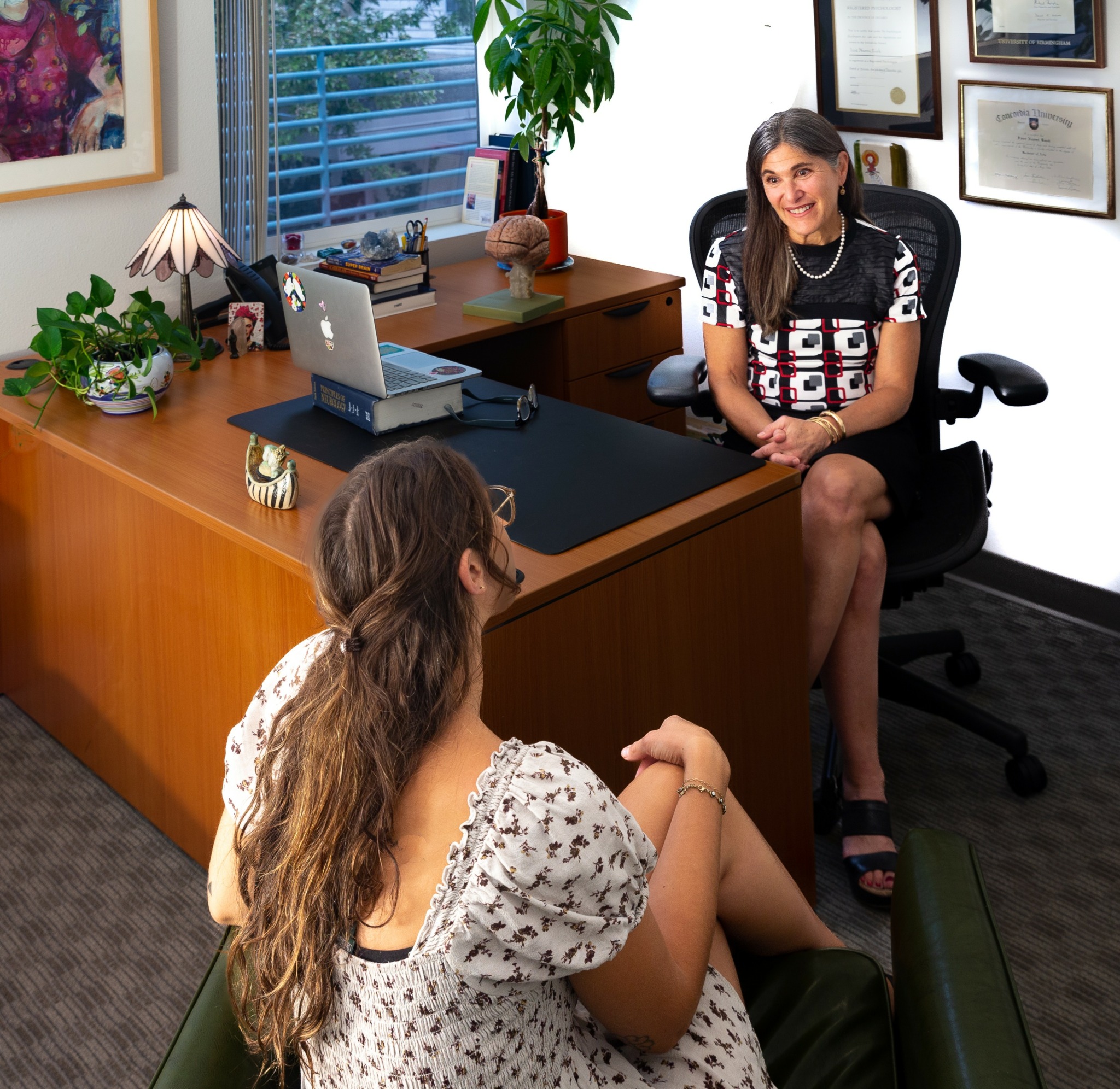
As always, we appreciate you sharing your insights and we’ve got a few more questions for you, but before we get to all of that can you take a minute to introduce yourself and give our readers some of your back background and context?
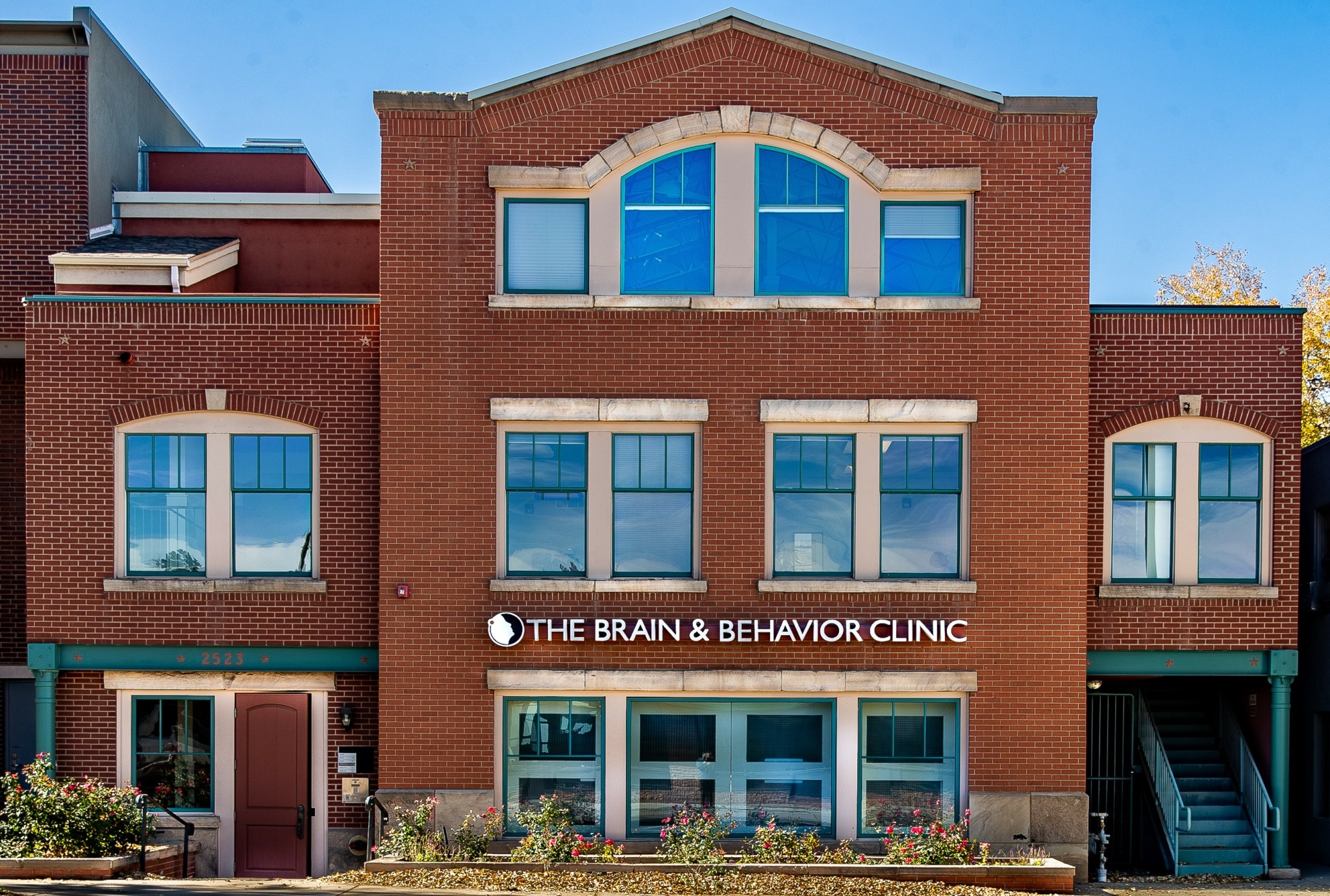
I did the first part of my university work in Montreal, Canada, where I was born, and then completed a PhD in psychology and Psychopharmacology in England. I love learning, so I did some post doc fellowships there, and then returned to the United States where I was offered a position at the NIH. I decided I wanted to live in Canada again, so I was recruited to the hospital system in Ottawa Canada, where I did Fellowships in Neuropsychology, Movement disorders, and Neuropsychiatry. I’ve authored many papers having to do with targeted drugs to treat Alzheimer’s disease, and Parkinson’s disease and papers on the best strategies to work with pandemic stress. I moved to the United States 30 years ago to co-found The Brain and Behavior Clinic in Colorado. We assess, diagnose and treat people with concussions, head injuries, memory problems, and we help people with their brain health. There are many ways to prevent Alzheimer’s disease and to treat it. I’m founder and Director of the Healthy Brain Program and my passion is to use an integrative functional medicine approach to help people have sharp minds, healthy brains and nervous systems wellness at all ages. Nervous system health seems to be at the root of so many problems and solutions. am most proud of my focus on trauma and nervous system healing because I see that untreated trauma and stress can linger with people and affect their health poorly, and really impact the quality of their relationships and their flourishing. I developed six pillars (plus) of brain resilience and I personalize them for people’s whole health. We have neuropsychologists, trauma psychotherapists, a cognitive trainer, and we do amazing neurofeedback, and cutting edge neuro-stimulation as well. I weave somatic and mindfulness practices into everything I do.
What do you think helped you build your reputation within your market?
My reputation has been built by word of mouth, caring for people in a way that really is personalized, unique and helpful. All of the providers at our clinic are also very experienced. I have been honoured to give community lectures locally and around the world on topics like pillars of brain health, healing trauma, and vagus nerve health. How to live a healthier life with a sharp mind and deeper and more satisfying relationships seems to be an appealing subject! I was the Community Director of Health Education at a fabulous non-profit in Boulder which our local hospital used to house and support. I was eager to make this type of knowledge, about ourselves and our health accessible to as many people as possible, so I organized other experts, and spoke at so many public lectures on topics like Pain, Psychedelic Medicines, New Treatments for Alzheimer’s, and Death, Dying and Rebirth. I think people grew to see my trustworthiness and passion for empowering them to know more about their own potential for psychological healing and happiness well into aging. The other facet of our practice, our forensic work at The Healthy Brain Clinic and The Brain and Behavior Clinic never really did any marketing for patients who have had concussions or traumatic injuries. This sounds old fashioned, but we have been mostly successful because lawyers, doctors, naturopaths and other people in the community hear about us and know that our integrative treatment methods really are effective and tried and true. We have seen over 11,000 patients over the last 35 years or so, a testament to the quality of attention and resilience skills we offer our clients and patients.
How about pivoting – can you share the story of a time you’ve had to pivot?
Oh, I have a huge story to tell. This was a really big life pivot. I’ll share my career pivot with you in a minute. I was in my 30s and the head of Neuropsychology at two hospitals in Ottawa. I became well known in the areas of Parkinson’s disease and Alzheimer’s disease and new treatment strategies. I’d been offered jobs, and the Parkinson’s disease foundation of Canada chose me to be their only fellow, which was a big honour to my work. I felt completely fulfilled. I then moved to Colorado in my 30’s and didn’t know anybody here, except for my partner, who is also a neuropsychologist Our brain clinic was doing really well here and then…. I got pregnant. I was pretty darn sure I’d be able to be a devoted mother, breast-feed my baby, and still see patients and talk to referral sources. and here comes the pivot; we lived in a little cabin on Lookout Mountain at the time and I remember very clearly speaking to a referral source about a patient, and looking at my newborn baby’s eyes at the same time. I had been in a trance, staring at her, and when the referral source asked me a question, I realized I had no idea what he had spoken about because I was so enraptured with this newborn bundle of my focus. I made a really tough decision to surrender to motherhood, and dove into attachment parenting, and to learning everything I could about loving and mothering fully. I had a really hard time with my identity. At the time I remember having had media attention, and my ego was probably a little too puffy. Parenting my son and daughter were my best pivots ever, but they were so difficult because I felt so scared about forgoing my whole sense of identity, my passion for my work and helping people! During those early parenting years my former identity was stripped and a new one formed. I really didn’t leave my children much. I studied secure attachment, trauma healing, intergenerational trauma, human connection, integrative medicine and many of the meditation practices of ancient wisdom traditions. That’s how I learned about nervous system health, and how I use my mothering skills every day. It was a beautiful way for me to integrate my whole life, and nurture both my mothering and my clinical work.
My professional pivot was when I read a scientific paper by Dr. Dale Bredesen in 2014 about a multifaceted, integrative approach to reversing Alzheimer’s disease. I had been working on single targeted pharmaceuticals to try to cure these complex illnesses forever, despite the true feeling that that approach would not work. He was at UCLA at the time, and I called him and said “can I please work with you?”. He said “okay, sure!” and I started to integrate this new work into our clinic. I joined him in an effort to create protocols to help prevent and treat Alzheimer’s disease using a functional medicine and root-cause approach. It’s very a very individualized protocol, very deep into physiology, biomarkers and lifestyle, and promotes much deeper cognitive and mental health. I’ve woven his work and functional medicine into my passion for helping people flourish as they heal psychologically and become more resilient.
Contact Info:
- Website: ilenenaomirusk.com and healthybrain.clinic
- Instagram: dr_rusk
- Facebook: Dr Ilene Naomi Rusk
- Linkedin: Dr Ilene NAomi Rusk
- Youtube: Dr Ilene Naomi Rusk