



We were lucky to catch up with Reyad Abedin recently and have shared our conversation below.
Reyad, appreciate you joining us today. Can you talk to us about a project that’s meant a lot to you?
As an Artist, every project I worked on and am working on is connected to me, something I deeply care about, and I feel obliged to tell that story or preserve that time. My artistic pursuits are deeply rooted in the land of my upbringing.
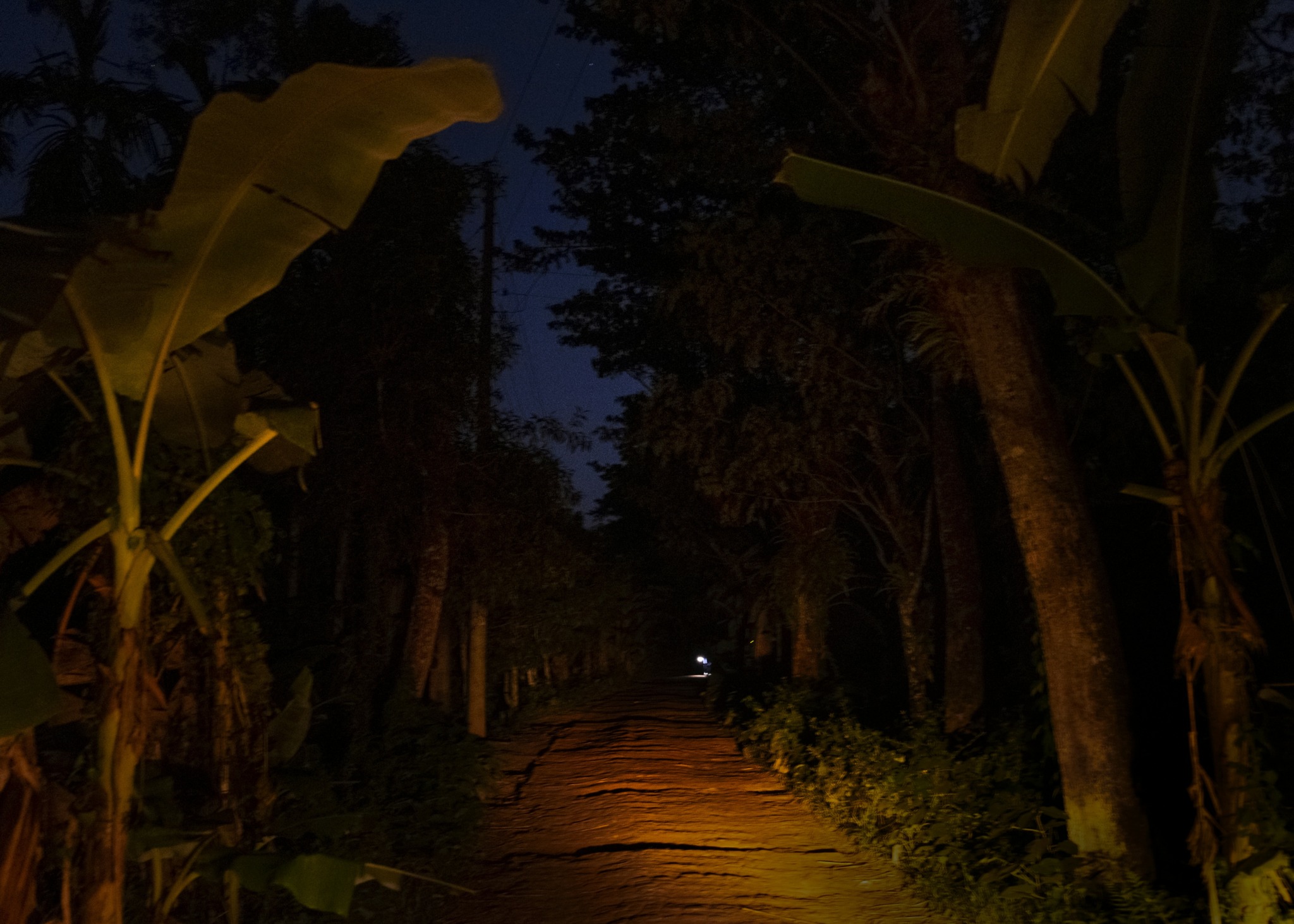
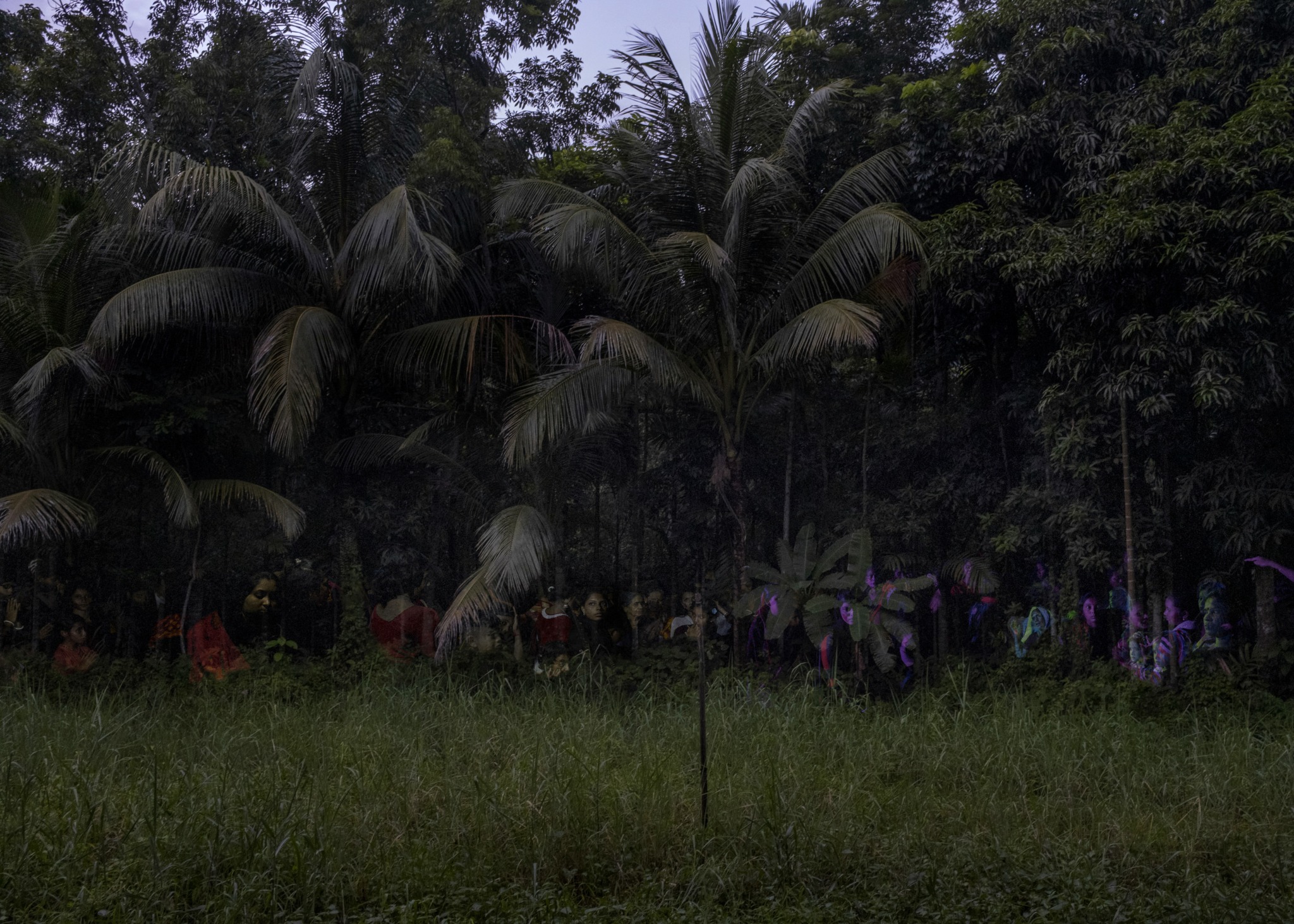
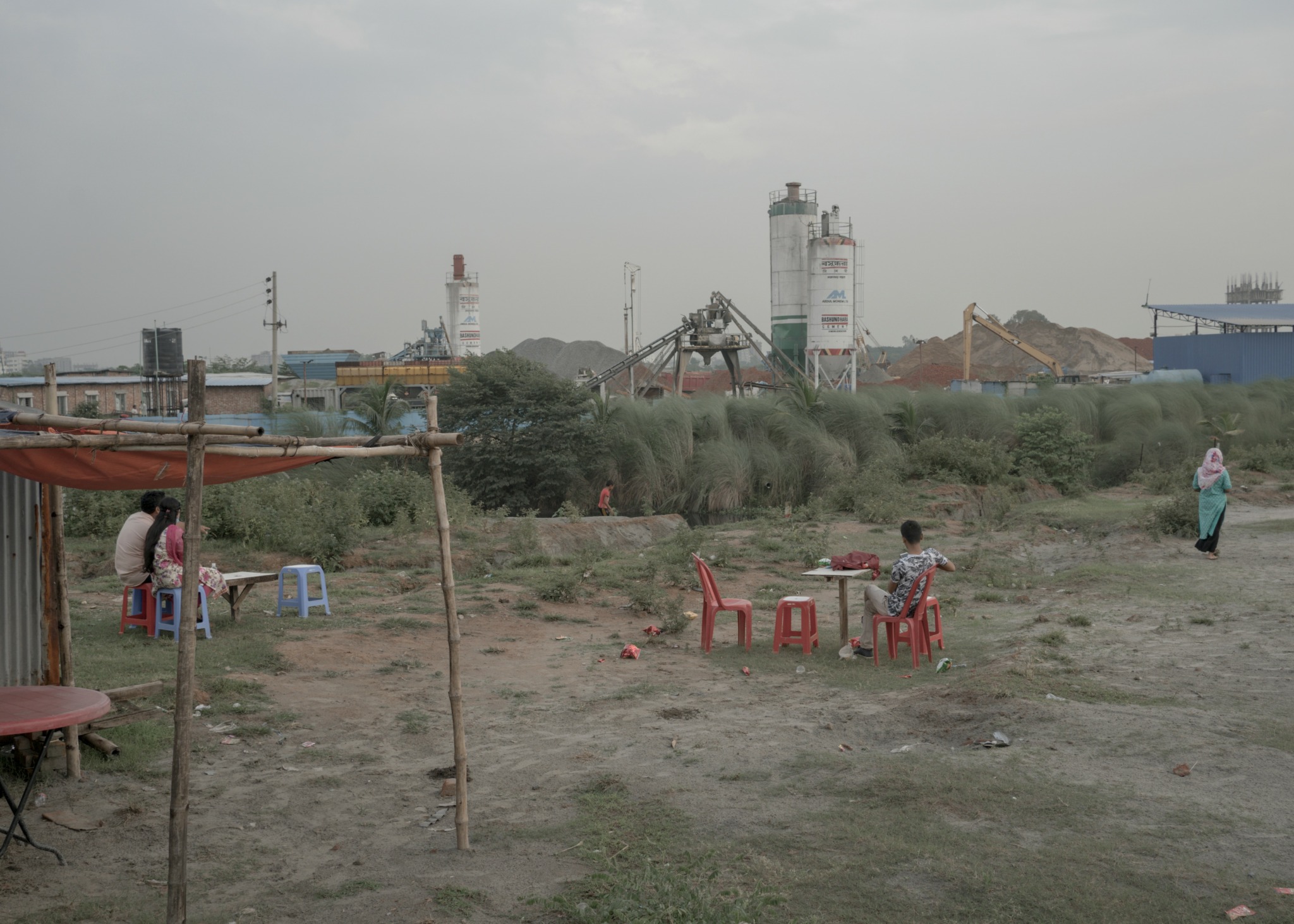
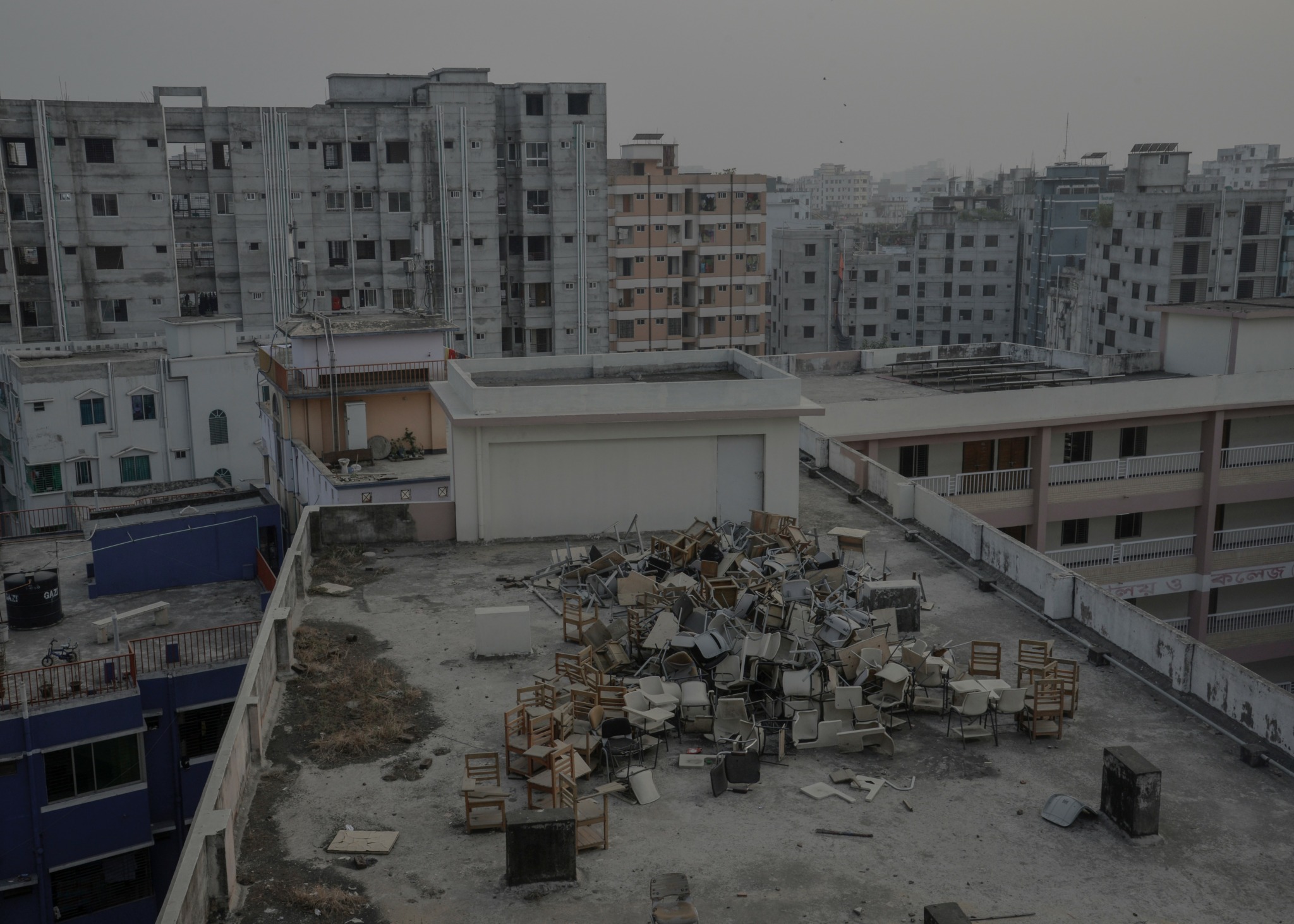
I was born and grew up in a coastal district of Bangladesh; later, I moved to the capital city, Dhaka, for my bachelor’s degree. I saw the human domination and uneven, patchy intersections between humans, non-humans and environments. I started thinking about what it means to live in a world where humans and non-humans are intertwined in complex, often unpredictable relationships. I started working on a project to invite people to think about how we understand the uneven effects of human activity on different ecosystems. What does it mean to survive in an interconnected world where the outcomes are uncertain? To know that any unmediated intervention or radical environmental change devastates community culture and threatens the human race and non-human domain.
My other project, ‘In Search of Lost Tune, narrates how the partition lingers from the corners of memory and experience; the partition of Bengal and India inflicted wounds that still impact the people in these regions. In the aftermath of British colonial rule, a crucial time in 1947 initiated complex and still-unresolved nation-building processes across the South Asian subcontinent. The violence of the resulting displacement, fragmentation, and geopolitical conflict endures today, shaping the societies and peoples there and in the diaspora. My work employs photography, collected archives, text, and digital collage. It delves into historical and personal trauma and the interplay of loss and love. I explored historical documents and diaries written by human rights activists who volunteered in peacemaking during transitional periods to navigate the places. I focus on the 1946 Noakhali Riot, which played a crucial role in ensuring partition and violence repeating in that region. As this region is my birthplace, I have better access to and understand the locality. I am documenting current sectarian tension by visiting the community, families, and individuals who have suffered as victims.
Our current reality may be a curated version of history. It is crucial to politicize history education and information in these challenging times. So, what does liberty mean in this context? What does liberty signify for love and co-existence in these circumstances? I aim to create a safe space for people to share their stories as a step toward healing. Collective healing begins with connecting with others in our shared grief. I aim to showcase who we are today, shedding light on our stories and providing a platform to be acknowledged and heard, enabling us to define ourselves and express how we wish to be represented.

Reyad, before we move on to more of these sorts of questions, can you take some time to bring our readers up to speed on you and what you do?
I am Reyad Abedin, an artist originally from Bangladesh. I am based in Syracuse, New York, and pursuing an MFA in Art Photography with a minor in South Asian Studies at Syracuse University. My work explores complex social and political themes such as the Partition of Bengal, marginalized communities, identity, and ecological politics. I use photography, video, sound, archival materials, and collage techniques.
I first discovered my interest in photography during my undergraduate studies, which led me to continue learning documentary photography at Counter Foto in Dhaka. Over time, I’ve had the chance to show my work in different countries, have received recognition from national and international organizations, and published my work at home and abroad. Additionally, I am a graduate teaching assistant at Syracuse University Department of Film and Media Arts and an adjunct faculty member of Counter Foto A Center for Visual Arts in Dhaka. I have participated in developing a photography course curriculum for the Bangladesh National Technical Education Board, while I also worked for private clients and org to provide photo documentation services.
My art focuses on telling stories reflecting personal and shared experiences, drawing inspiration from my culture and historical events. I aim to create projects that invite people to think about identity, community, and the environment. Some of the work I’m most proud of highlights the effects of the climate crisis and the aftermath of Partition. I hope to contribute to meaningful conversations in both artistic and academic circles.
What’s the most rewarding aspect of being a creative in your experience?
Ability to live in the moment, understand, and observe time. I work for my heart; is not it the most precious reward in life? In some ways, it is an opportunity to work for the society. It is an ability to touch and welcome every new sun and the moon, the light and the dark, ability to see the breeze.
We’d love to hear a story of resilience from your journey.
One story of resilience comes from my experience navigating the tension between the romantic ambition of becoming an artist and the economic realities of being from an economically disadvantaged background. From the start, I was confronted with the fact that art requires not just passion but resources—something I had little of. The cost of equipment, education, and time weighed heavily on me. Every step felt like a choice between survival and passion.
But there’s something profoundly human in this tension, in balancing the practical with the romantic. The financial struggle forced me to find resourcefulness in my limitations and clarity in my purpose. Despite the hardships—working a full-time job and taking long journeys on tight budgets—confronting these challenges head-on was a sense of growth.
What kept me going was the belief that art is not about comfort or luxury but about telling stories that matter. Perhaps it was in this very struggle that I found a deeper connection to the work I was creating. Each obstacle became part of the story, part of the reason I kept moving forward. In the end, resilience is not just about enduring hardship but finding meaning within it.
Contact Info:
- Website: https://www.reyadabedin.com/
- Instagram: https://www.instagram.com/reyad_abedin/
- Facebook: https://www.facebook.com/ReyadAbedin1/
- Linkedin: https://www.linkedin.com/in/reyad-abedin-3321647b/
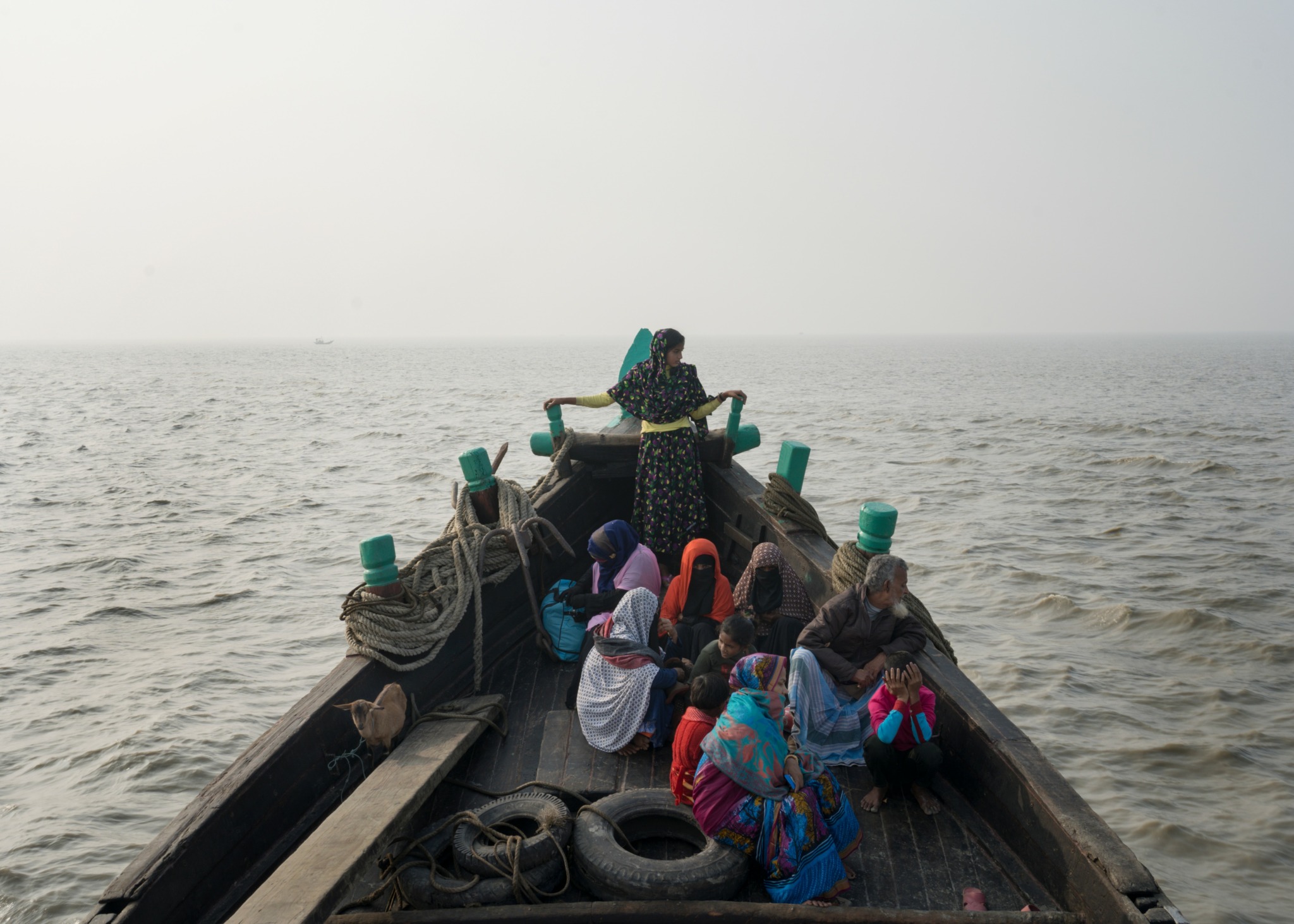
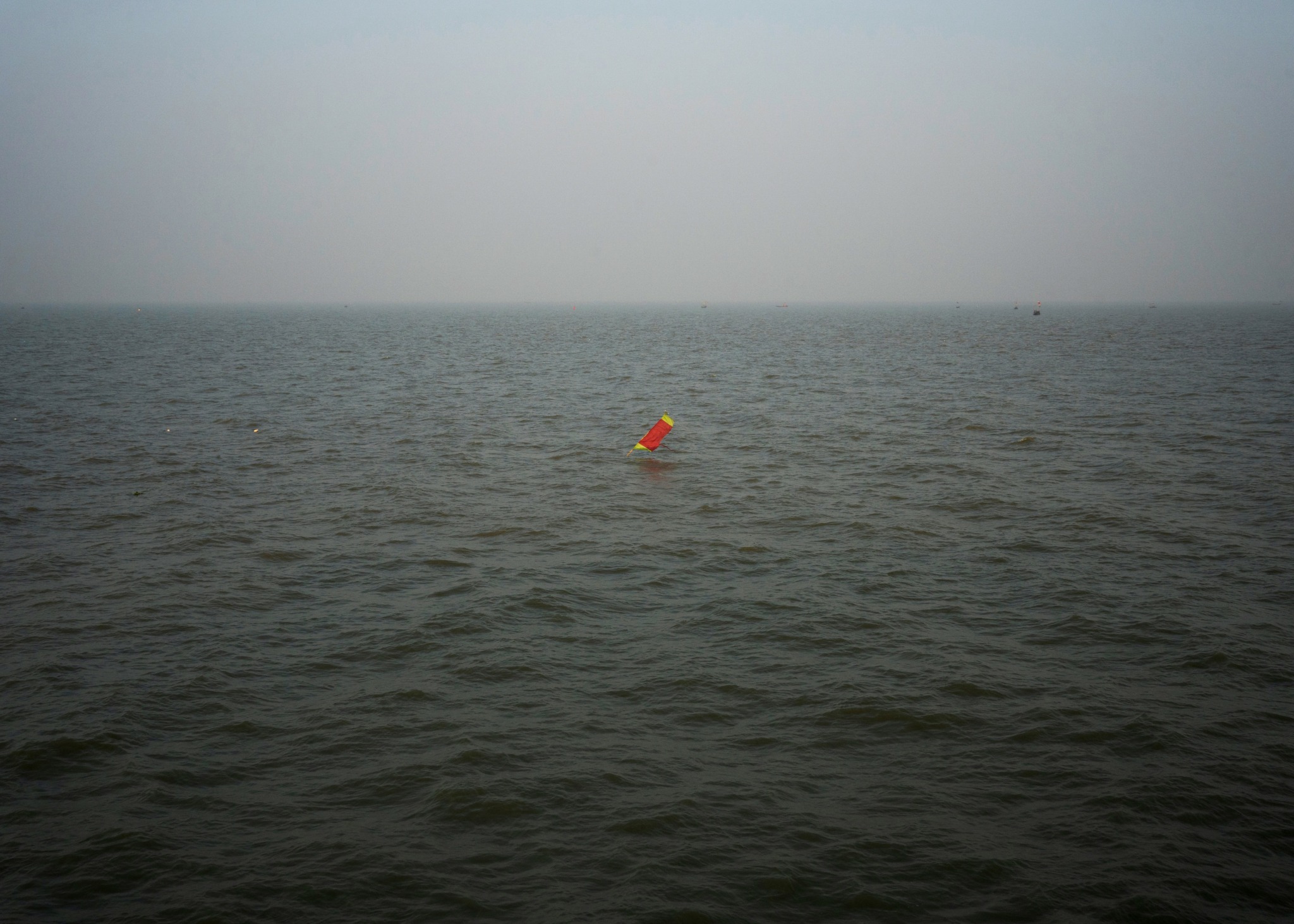
Image Credits
Personal photo (c) Ahmed Rasel
Additional Photos: (c) Reyad Abedin