

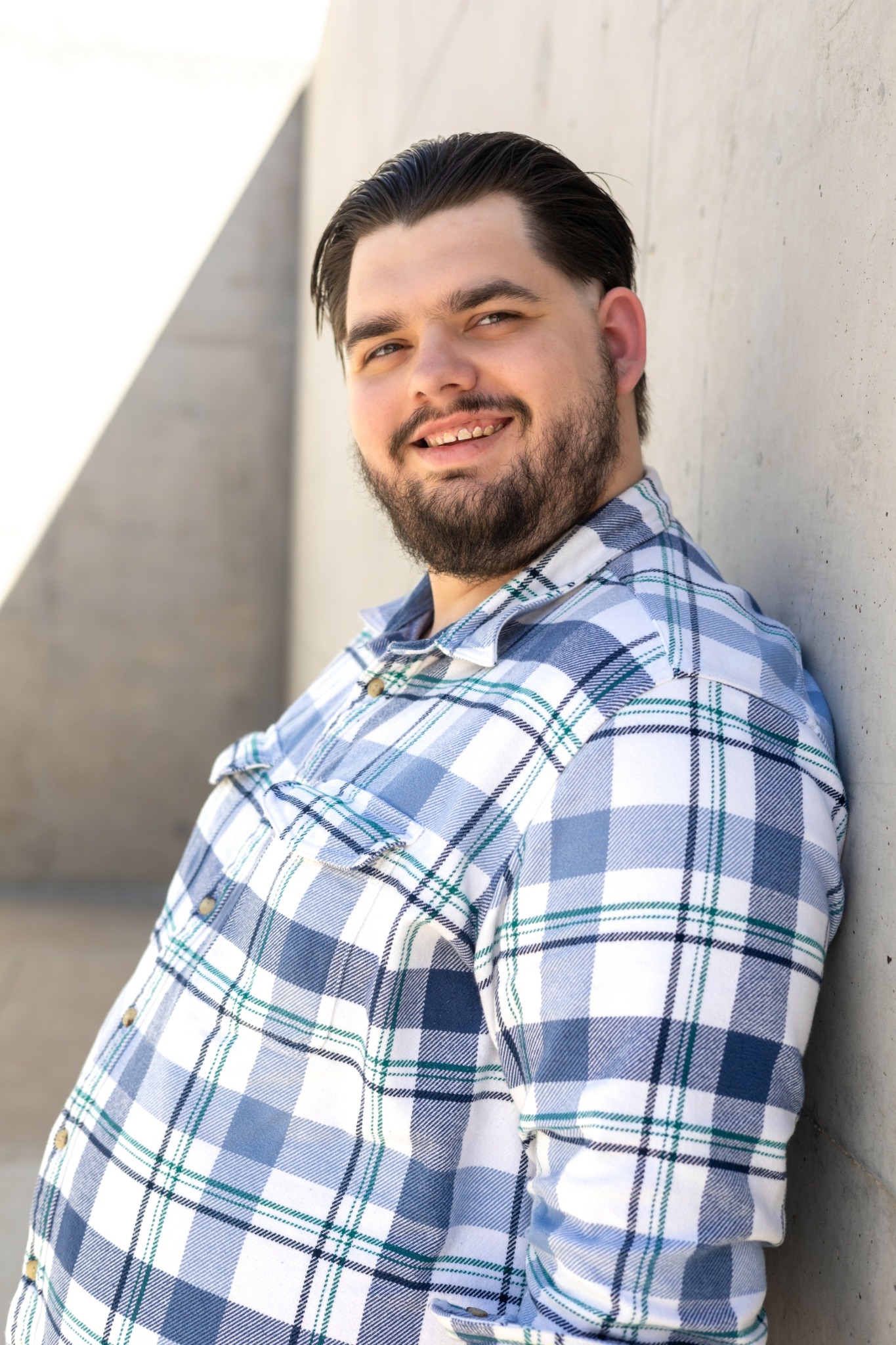

We caught up with the brilliant and insightful Jacob Holley a few weeks ago and have shared our conversation below.
Jacob, thanks for taking the time to share your stories with us today How did you get your first job in the field that you practice in today?
Getting my first job in human services felt like stepping into an entirely new world, one that was deeply personal to me. At the time, I had recently aged out of foster care, and the idea of turning my own experiences into something meaningful for others was growing inside me. I had a strong desire to help kids who were in similar situations, but honestly, I didn’t have a clear sense of what that path would look like. I was torn with having my past be my identity and having my past shape my future. I just knew I wanted to make a difference and help my community, especially after seeing how the system works—both the good and the bad.
When I got my first job at Free Arts of Arizona, I was 16 and had just been reunited with my biological family. It was a strange and emotional time, trying to reconnect with the people I hadn’t lived with for years, while also figuring out my place in the world. It was like time had froze while I was in care. Free Arts came into the picture almost by accident. I wasn’t actively looking for a job, but I stumbled across their program, which uses creative arts to help children heal from trauma. Ironically, I was in Free Arts Programs as a youth in care and stumbled upon them like it was a door opening me to my new found life and the skills I would gain along this path. The idea resonated with me instantly. Art had always been an outlet for me during some of the tougher times in foster care. So, when I heard they were looking for volunteer youth mentors, I felt drawn to the opportunity, even though I wasn’t sure what to expect. This is where I called my home for 10 years with Free Arts in both volunteer and paid opportunities. This was the moment in time that I can recall where I realized that I had something valuable—my story and the empathy that comes from living through similar situations.
Starting that role felt like stepping into something that was both familiar and new. On one hand, I understood what those kids were going through because I had been there myself. On the other hand, the responsibility of being a mentor was something I was still growing into. There were moments of doubt, wondering if I was making a difference or if I was even capable of helping anyone.
Looking back now, I’m incredibly grateful I ended up at Free Arts for my first role with youth in the foster care system. It wasn’t just about getting paid—it was about finding a space where I could use my past to help others while also healing parts of myself. That job was the catalyst that helped me realize my passion for working with children and families affected by trauma. It shaped my goals in human services and set me on the path I’m following today.

Jacob, love having you share your insights with us. Before we ask you more questions, maybe you can take a moment to introduce yourself to our readers who might have missed our earlier conversations?
I’m Jacob Holley but I go by Jake, and I’ve spent the better part of my life navigating the human services field, both as someone who has been impacted by the system and now as a professional working to improve it. My journey into this work was deeply personal, having grown up in foster care and experiencing firsthand the challenges that come with it. That experience sparked a fire in me to make a difference in the lives of children and families.
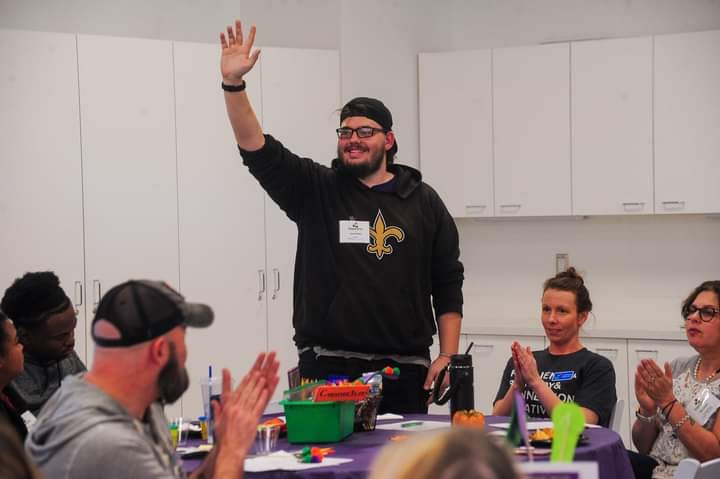
Today, I’m focus on a holistic family approach, grounded in trauma-informed care, that recognizes the profound impact trauma has not just on youth in foster care but also on the families supporting them. The approach I use has two key components: First, when working with youth, I emphasize that the difficult circumstances they’re in are not a reflection of their own failings but rather the result of larger systemic issues. Second, when working with families, I acknowledge that they often face resource limitations—whether it’s because agencies lack consistent support systems or because families themselves are struggling to access the help they need. Both of these challenges deeply affect the family unit and, by extension, the youth. This dual-focus approach ensures that we’re addressing the needs of the youth while empowering families to create a more stable environment, all while recognizing the trauma they’ve both endured. I’m currently working with organizations like Child Crisis Arizona, where I serve as a guest speaker for foster families and parents and being a youth board member with Fostering Advocates Arizona. Fostering Advocates Arizona or FAAZ for short is made up of individuals that have lived experience in the foster care system to help address the change that we see that is needed. My role in both of these spaces involves educating, supporting, and advocating for those in the foster care system, helping both children and the families who care for them. I am also in school right now for an Associate’s degree in Liberal Arts and a Bachelor’s degree in Human Services, with a focus on Child and Family Services. In the long term, I’m considering advancing my studies with a master’s degree in either Psychology or Human Services with my dream of being a Kinship/Adoption Specialist or a national Trauma Certified trainer for foster families/organizations.
The problems I solve for my clients often revolve around understanding trauma, building resilience, and improving the overall quality of life for children who have been through the foster care system. Many foster families face uncertainty about how to care for kids who have experienced significant trauma, and I help bridge that gap by offering insights from my own lived experience, coupled with my professional knowledge.
What sets me apart is my dual perspective. I know what it’s like to be on both sides of the system: as a foster youth trying to make sense of the chaos, and now as someone who works within the system to create change. That unique vantage point allows me to connect with kids and families in a way that’s both empathetic and effective. I don’t just teach theory—I share my personal experiences, which I believe creates a genuine connection with people. My approach combines practical knowledge with the reality of what I’ve lived, and that authenticity helps others relate to me on a deeper level.
I’m most proud of the fact that I’ve been able to take something that was once a source of pain in my life and turn it into a platform for healing and empowerment. It hasn’t always been easy, but every time I see a foster kid or family gain a better understanding of their situation, or feel more supported, it makes all the struggles worth it.
The main things I want people to know about my work are that I’m here to support, educate, and inspire change in the foster care system. Whether it’s through one-on-one advocacy, public speaking, or working directly with families and organizations, my goal is to make a tangible difference in the lives of those who need it most. At the core of everything I do is the belief that everyone, no matter their background, deserves a chance to heal and thrive.
If you could go back, would you choose the same profession, specialty, etc.?
If I could go back, I would absolutely choose the same profession and specialty without hesitation. Working in human services, particularly focusing on children and families affected by trauma, feels like the path I was meant to follow. My experiences in foster care profoundly shaped who I am, and being able to use that background to help others navigate similar challenges has given me a deep sense of purpose and fulfillment.
There are definitely times when the work is incredibly challenging—navigating complex family dynamics, addressing systemic issues, and confronting the emotional toll of trauma can be overwhelming. Yet, knowing that I’m making a real difference in people’s lives and contributing to their healing makes it all worth it. Each time I see a child or family gain insight, hope, or support, it reaffirms my commitment to this work.
Moreover, I feel that my lived experiences provide a unique perspective that enhances my effectiveness as a professional. I understand the struggles firsthand, which allows me to connect authentically with those I work with. This connection often fosters trust and openness, creating an environment where healing and growth can occur.
So, yes, if given the chance, I would choose this path again in a heartbeat. It’s not just a job for me; it’s a calling that aligns with my values and aspirations. I genuinely believe that this work can change lives, and I’m proud to be a part of that change.

We’d love to hear a story of resilience from your journey.
Overcoming homelessness at the start of the pandemic was one of the most challenging periods of my life, but it ultimately became a powerful testament to my resilience and determination. When COVID-19 hit, everything changed dramatically. Like many others, I faced job losses and financial instability, but for me, it meant being on the brink of losing my home.
There were moments of uncertainty and fear, wondering how I would provide for myself and navigate the rapidly changing world around me. Yet, I found strength in the community around me and in my own determination to not let this situation define me. I reached out for help, connecting with local organizations that offered resources and support. I embraced the idea of resilience—not just enduring the hardships but actively seeking solutions and opportunities.
During this time, I kept reminding myself of my passion for helping others, which fueled my drive to move forward. I began volunteering whenever I could, using my experiences to connect with those in similar situations and offering support. It was through these acts of service that I found a renewed sense of purpose and clarity about my path.
Eventually, with perseverance and the support of those around me, I was able to secure stable housing and get back on my feet. That experience not only strengthened my resolve but also deepened my commitment to working in human services. Now, I can channel that adversity into helping others facing their own struggles.
I often share this story to illustrate that resilience isn’t just about bouncing back; it’s about growing through the adversity and emerging stronger. It taught me valuable lessons about compassion, empathy, and the importance of community support, all of which I carry into my work today. Now, I’m proud to be in a position where I can help others navigate their challenges, turning my hardships into a source of strength for myself and those I serve.


Image Credits
The headshots are credit to Sophia DuBois with Sophia DuBois Photography. www.sophiaduboisphoto.com, Instagram: @sophiaduboisphoto