



Today we’d like to introduce you to Curtis Haynes
Hi Curtis, it’s an honor to have you on the platform. Thanks for taking the time to share your story with us – to start maybe you can share some of your backstory with our readers?
My interest in art grew while living in Germany and traveling Europe after my time in the Army. Seeing the works of great masters I never imagined I could become an artist. Although I may never be on their level, I may have found my unique style.
My art journey began in 2010 when my wife called to inform me that her art class was at risk of being canceled unless more participants enrolled and that she had enrolled me. My initial response was no, I would not take an art class. I couldn’t even draw a straight line. She replied that the class was abstract art, so I would not need to draw straight lines. At a loss for other excuses, I reluctantly agreed to participate.
I struggled at first. It seems I was an expert at creating the color of mud. Thankfully the instructor, a very well-known artist, was very patient.
My wife then signed up for an art workshop in Santa Fe, New Mexico. I was impressed with the art in the galleries and the workshop. Since that first class, I have taken many art classes and workshops (together with my wife, of course!).
Because of my experience in Santa Fe, I wanted to paint in reverse on acrylic panels. It intrigues me how metallics, color shifts, or highlights appear or disappear depending on the light.
Cast acrylic panels have protective paper on both sides. To keep the viewing side pristine I leave the protective paper on that side while painting, This challenges me to imagine how the next color or shape affects the previous layer of paint. Will it push it forward or pull it back? I start with details and work toward the background, the left side will become the right side when turned over, text has to be backward, etc. As layers of paint are applied I see less of what the result may become. When the painting is complete or nearly finished I remove the paper from the viewing side. Making changes requires removing paint, which is not always easy to do.
A lot of labor goes into creating my paintings. Cutting acrylic panels on a table saw leaves very rough edges. Sometimes the acrylic sticks to the blade, and this can cause kickback or other issues. It is also quite messy due to the static cling of the shavings, and safety gear is mandatory. I also sand and polish the edges in many stages until they are clear.
Sometimes I mount my paintings onto metal that I cut freehand with a 4 1/2″ grinder. Or I might make a wooden frame and the artwork will go either in or on top of the frame. I also create art clocks which I like to refer to as “functional art”.
Having started unwillingly, I never thought I would have art in galleries or exhibitions, be an exhibition juror, be video interviewed, or be contacted by CanvasRebel. I haven’t retired from my day job as a training manager and mechanic at a forklift dealership, but I can foresee art becoming my next full-time career.
Something I’ve learned is being an artist requires a lot of work. I also believe artists are not special people but everyone is a special kind of artist. I’ve witnessed people develop from beginners to established artists. I’m grateful for the many artist friendships along the way. The journey has been very insightful and I look forward to trying new ideas and techniques. I hope viewers find surprises in my art when they shine a light on it.
Would you say it’s been a smooth road, and if not what are some of the biggest challenges you’ve faced along the way?
The journey has not always been smooth. As a novice, I had a lot to learn. Growing up I was a trombone player and music was my priority. The only drawing classes I had before beginning my art journey were mechanical drawing of machine parts during my apprenticeship in Germany. Although that was a good experience it does not compare to being an abstract artist.
Thankfully the art teachers along the way were all very patient with me. After a few years, I realized art classes where I had to paint on standard surfaces such as canvas or panels did not interest me. But learning new techniques is always beneficial.
Thanks – so what else should our readers know about your work and what you’re currently focused on?
My professional life has always been as a mechanic with education both in the US and in Germany. Since 1986 I have worked as a mechanic on forklifts and related equipment. My day job is training mechanics and providing technical support at four Kansas locations.
My experience as an artist has also affected my day job. I was commissioned to create a painting on acrylic to display behind the main office receptionist’s desk. As part of the Wichita, Kansas, Keepers on Parade initiative I was commissioned to paint a ten-foot tall mini Keeper of the Plains statue. The statue is on the roof above the main entrance where I work. This commission also allowed my wife to paint a Keeper of the Plains statue that can be found in front of the corporate office.
What am I most proud of? I don’t know if “proud” is the right word. I am very thankful for the experiences resulting from my journey as an artist.
What sets me apart from others? I believe my artwork is unique in the way it is created and in the experience of viewing the results.
Before we go, is there anything else you can share with us?
I appreciate this opportunity to write about my art and the journey to get where I am as an artist today. I have new ideas for working with acrylic panels and I would also like to try my hand at metal sculpture. Who knows where this journey will lead me? I hope everyone enjoys my art.
Thank you for your time.
Contact Info:
- Instagram: https://www.instagram.com/curtis.haynes.artist/
- Facebook: https://www.facebook.com/ArtbyCurtisRHaynes/
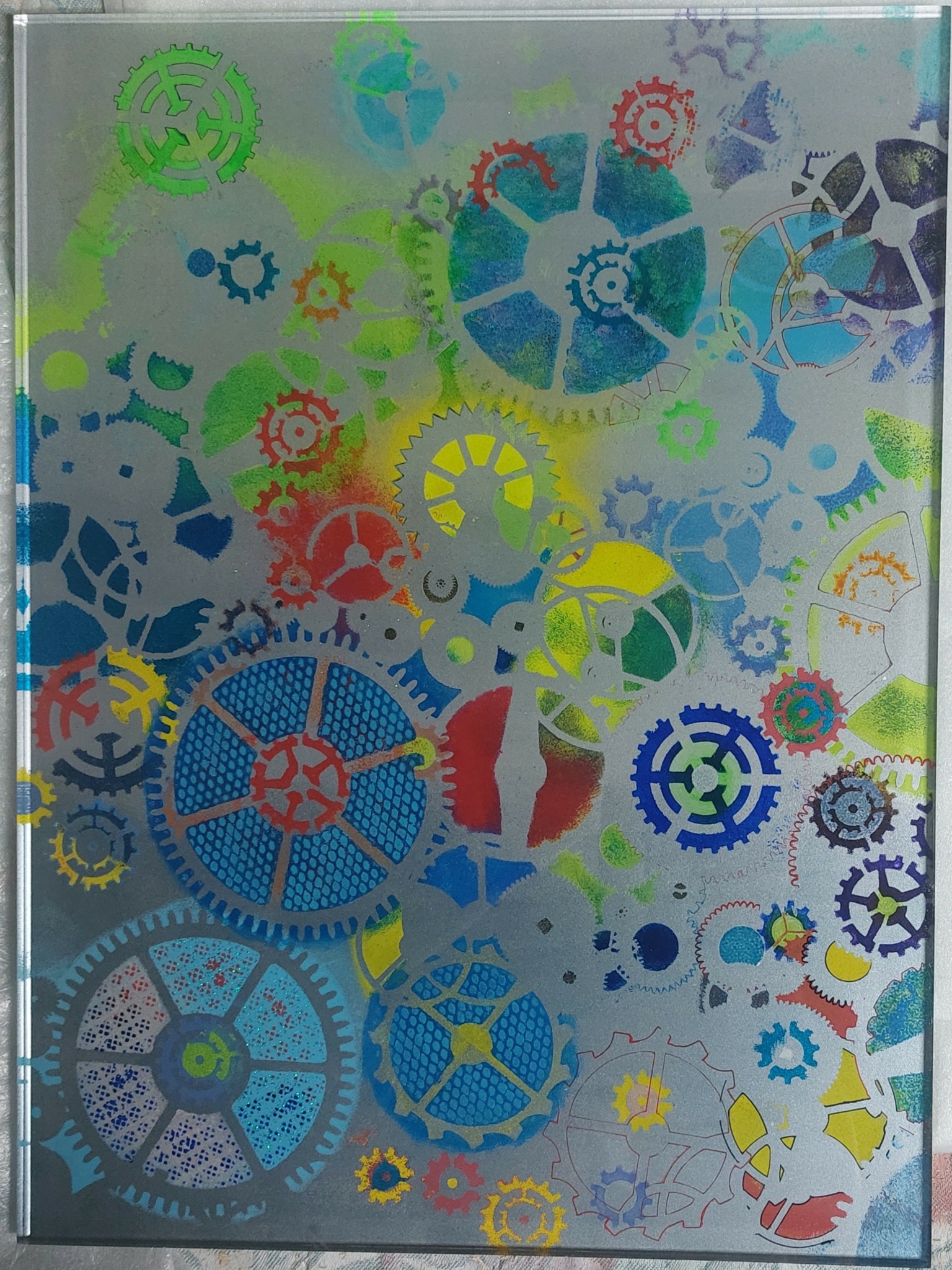
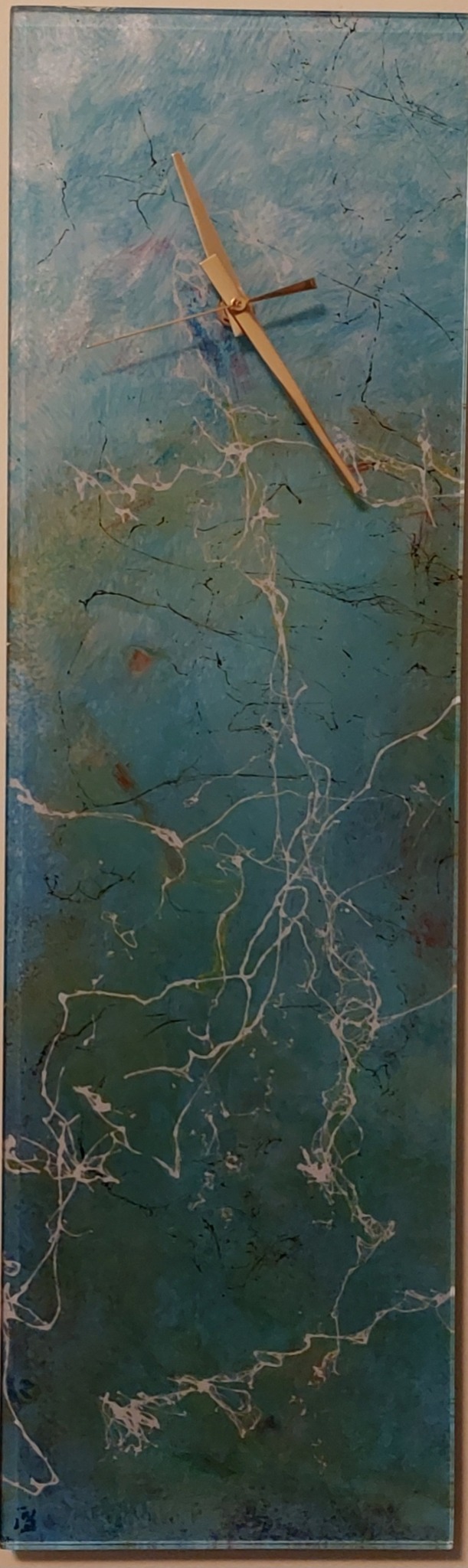
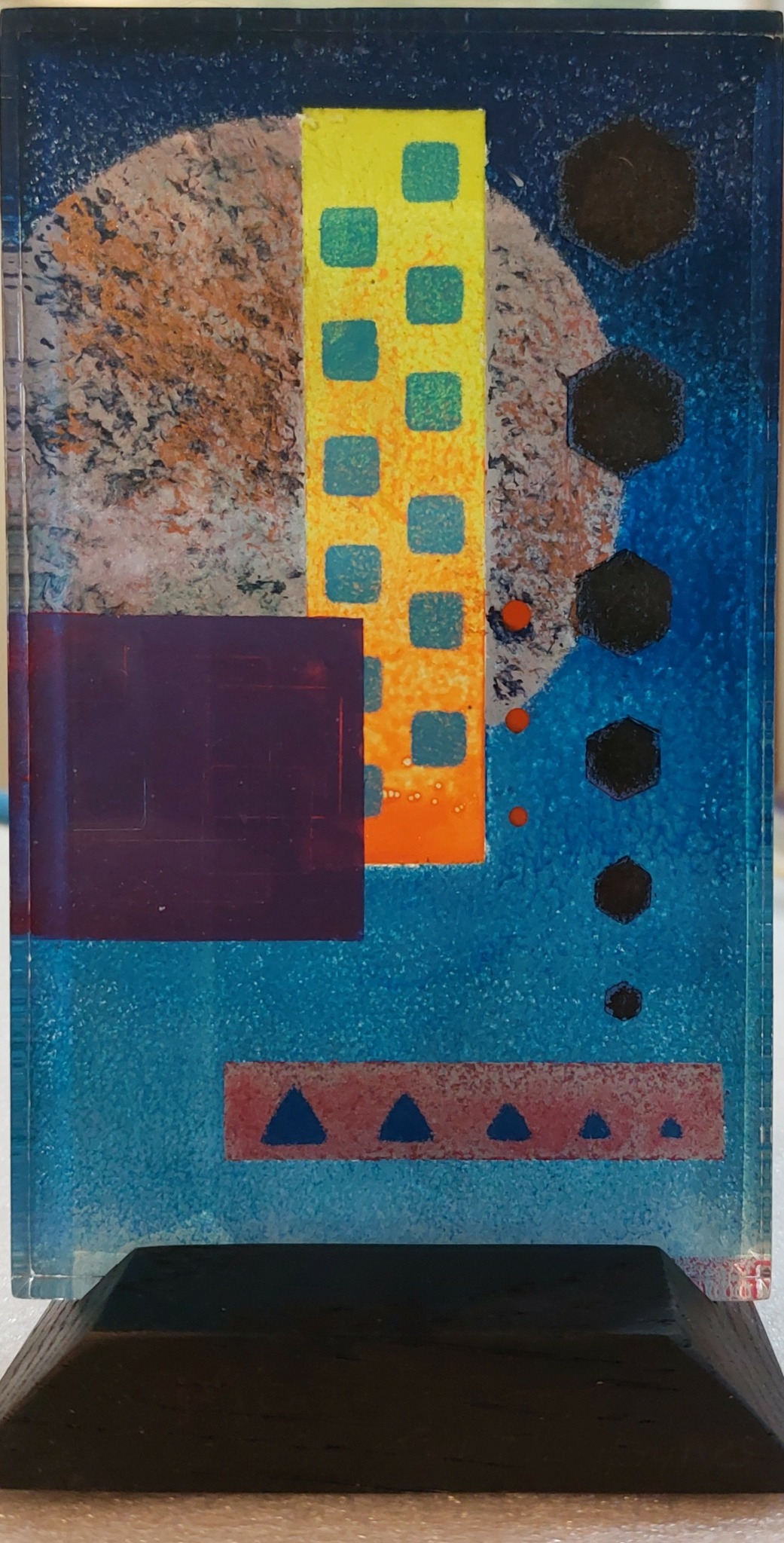
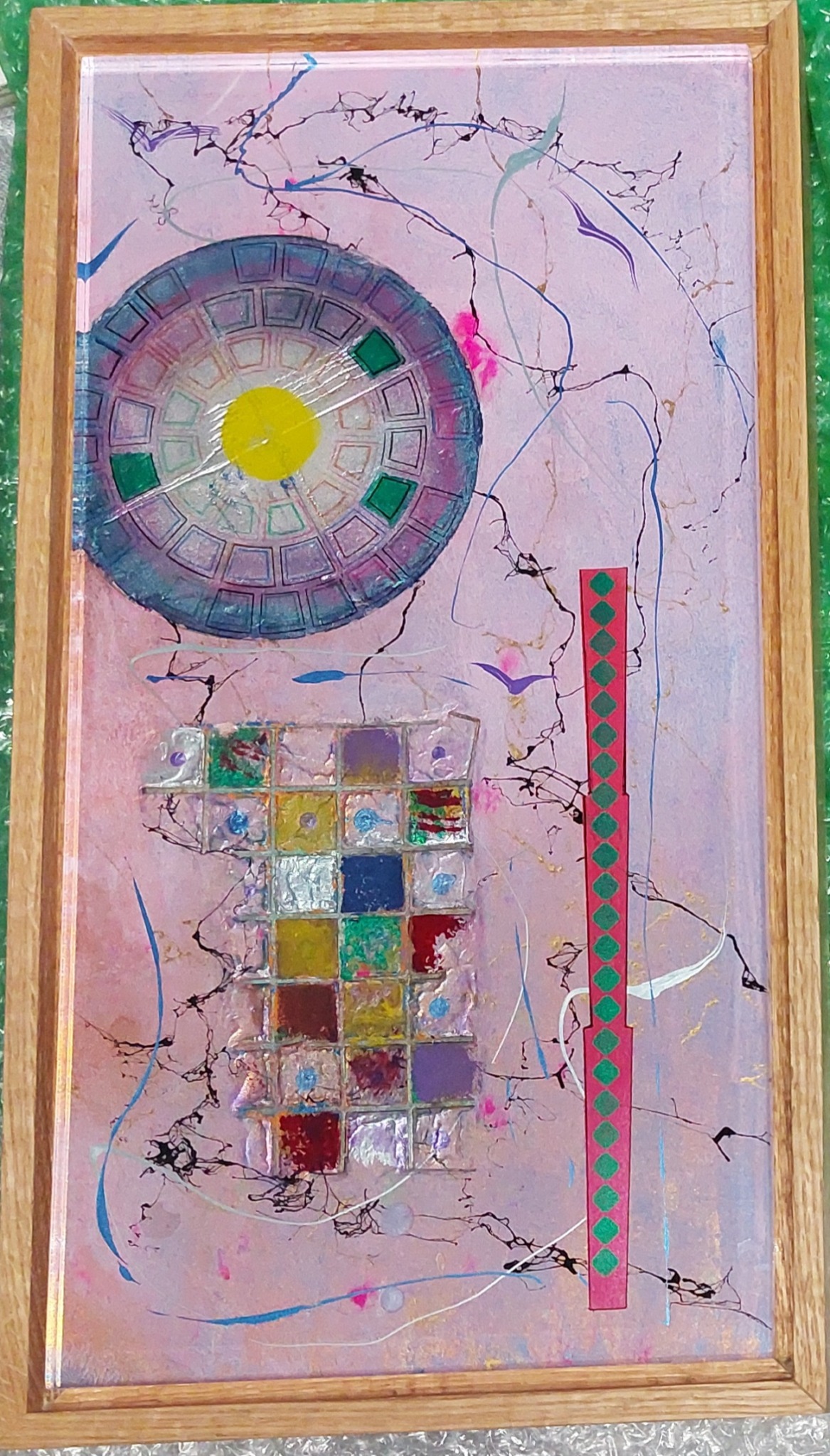
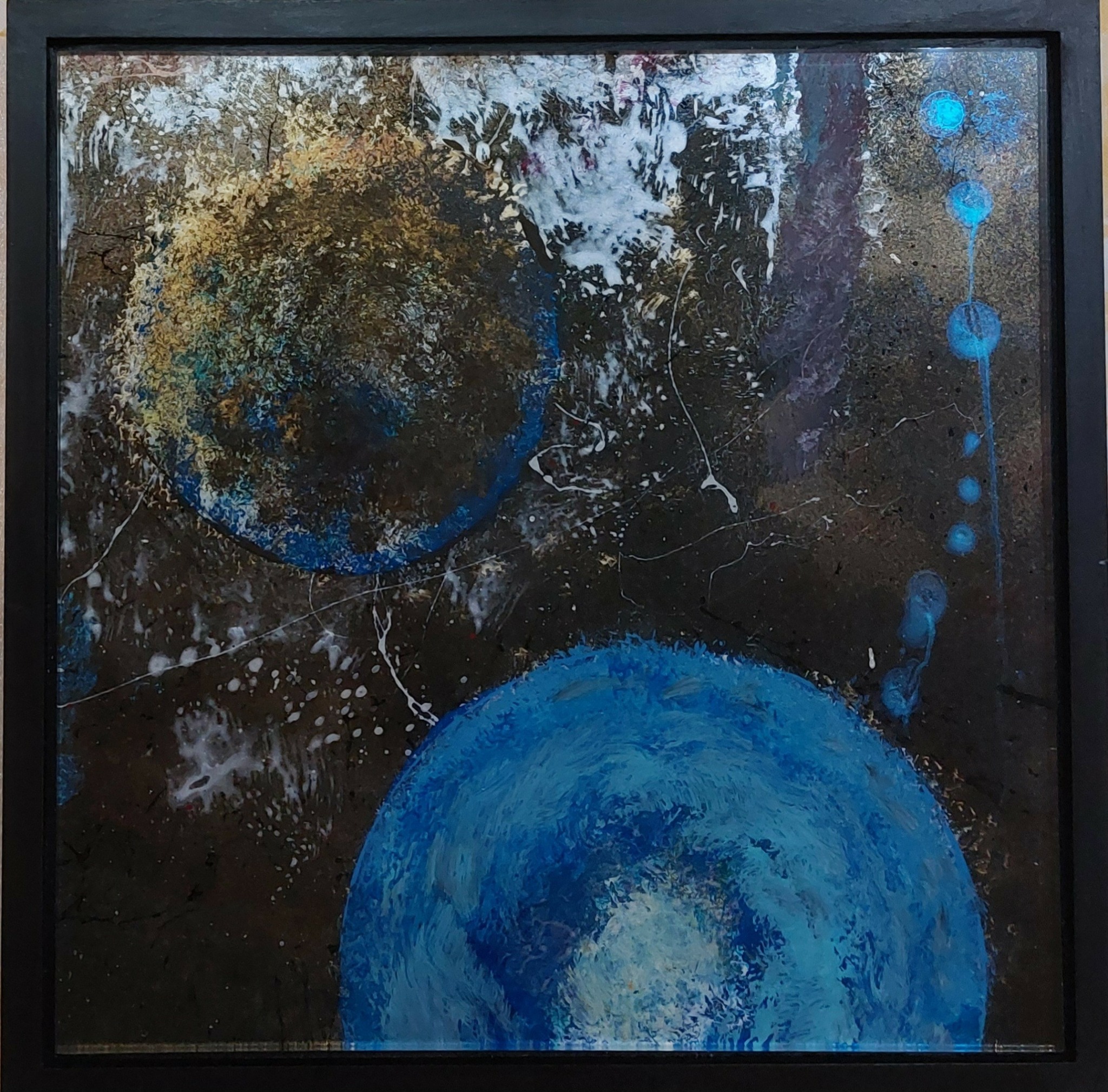
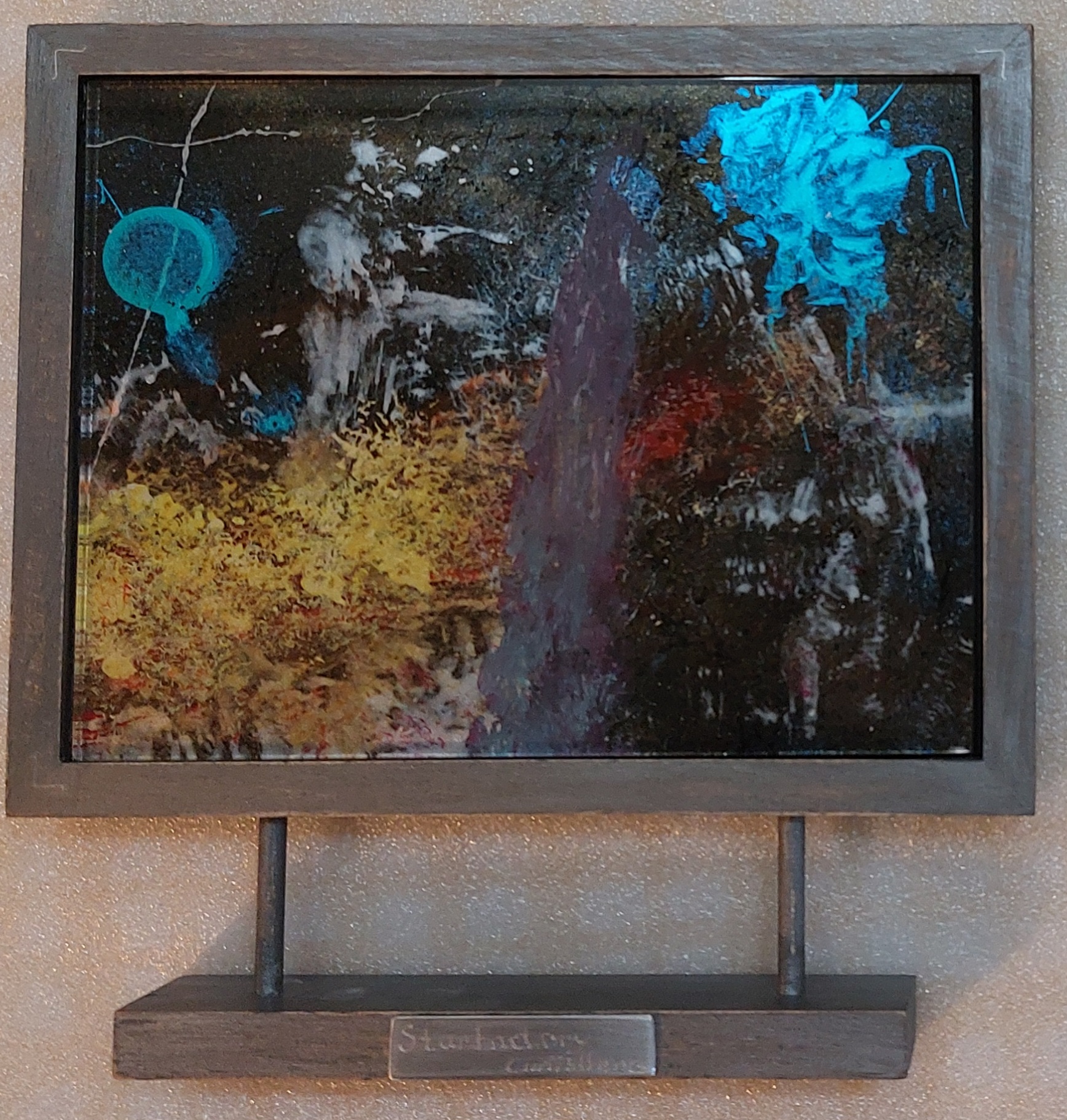
Image Credits
Curtis Haynes