

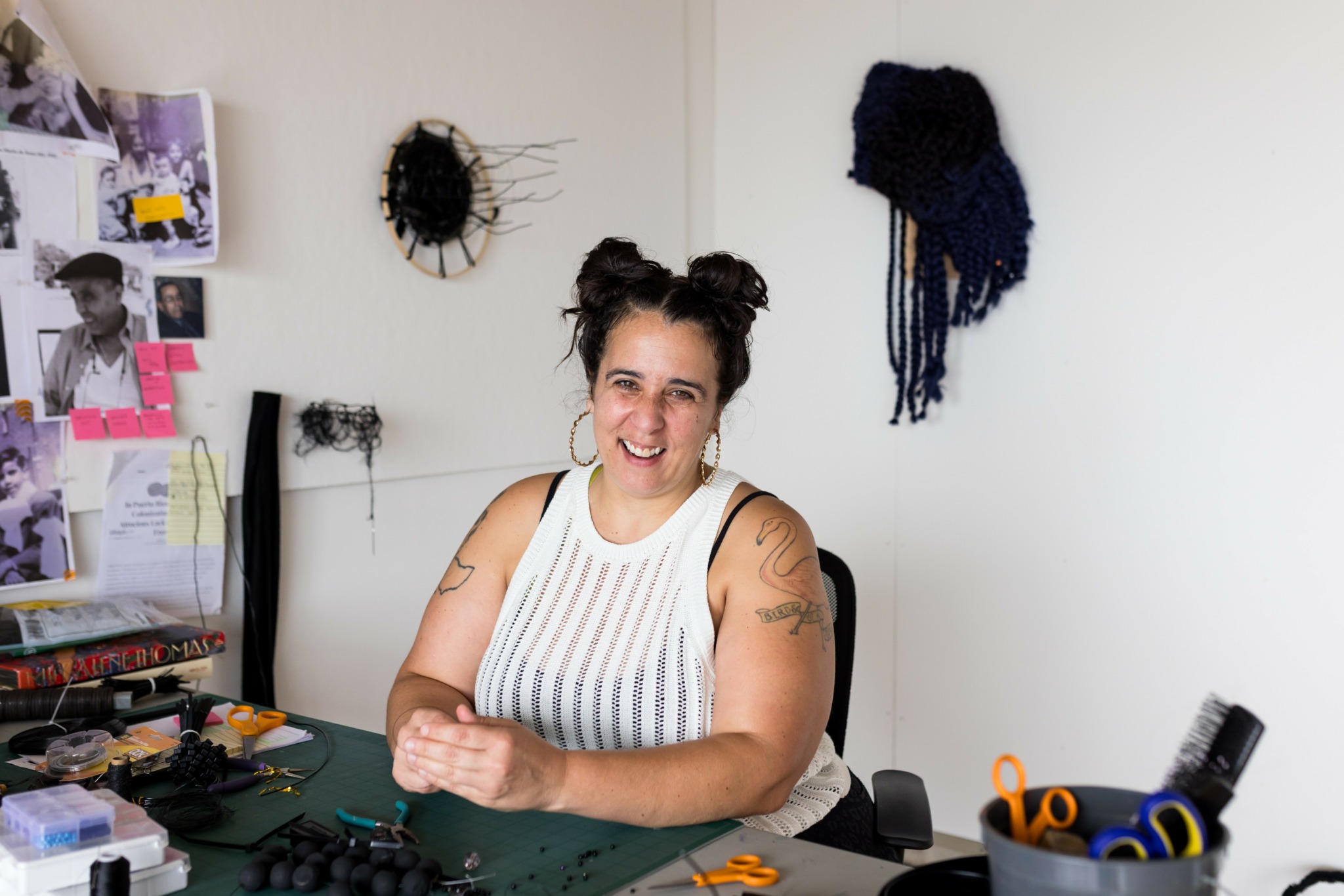

We caught up with the brilliant and insightful Verónica A Pérez a few weeks ago and have shared our conversation below.
Verónica a, thanks for taking the time to share your stories with us today We’d love to hear about the best boss, mentor, or leader you’ve ever worked with.
I am lucky enough to work as an Administrative Assistant at the Black-led arts non-profit Indigo Arts Alliance in Portland, Maine. I was introduced to Indigo through a residency program I did there called the David C. Driskell Black Seed Studio in 2021. A few years later, I applied for a job there and have worked there for the past two-plus years. The whole organization – and all of the other people who work there – is based on an approach of intentionality, kindness, and mindfulness. It is a 180 from every other institutions and organizations I have worked for. I work with and alongside people here and contribute when I come to work.
My main manager, the person I report to the most, the executive director Jordia Benjamin, has changed my perspective on what a good boss can be. I have had bosses in the past who like to micro-manage me, think that I am gaslighting them, have power struggles with me, and some who were even creepy old white men who made passes at me.
When I first started working at Indigo, I was nervous. At this point, I had left two jobs because of poor management, micromanaging, and gossiping. I wondered if it was me that made this keep happening. The toxic work culture had seeped into my brain, and I kept waiting for the other shoe to drop and the toxicity to seep in.
But it never did. Jordia is kind, empathetic, and communicative, allowing me to make my own decisions. She knows that if she asks me to do something, it will get done. She speaks to me not with contempt but with openness and understanding. She empowers me to support Indigo’s values and missions and pushes me to do my best.
I also have a small child and needed to bring her to work with me when they were younger because daycare was too expensive. She allowed and supported me to do that. I remember one instance when she told me the adage ‘it takes a village’ when I was apologizing for bringing my daughter in and the stress it was causing me.
Jordia is such a great leader for all the reasons I mentioned, but also because they understand. They understand how it is to be a working person living in this world and that support from an intentional and mindful place will be more effective than the latter. This has seeped over into my personal and artistic practice. When I see that I can be intentional, communicative, and open, I can push my practice further with integrity.
Verónica a, love having you share your insights with us. Before we ask you more questions, maybe you can take a moment to introduce yourself to our readers who might have missed our earlier conversations?
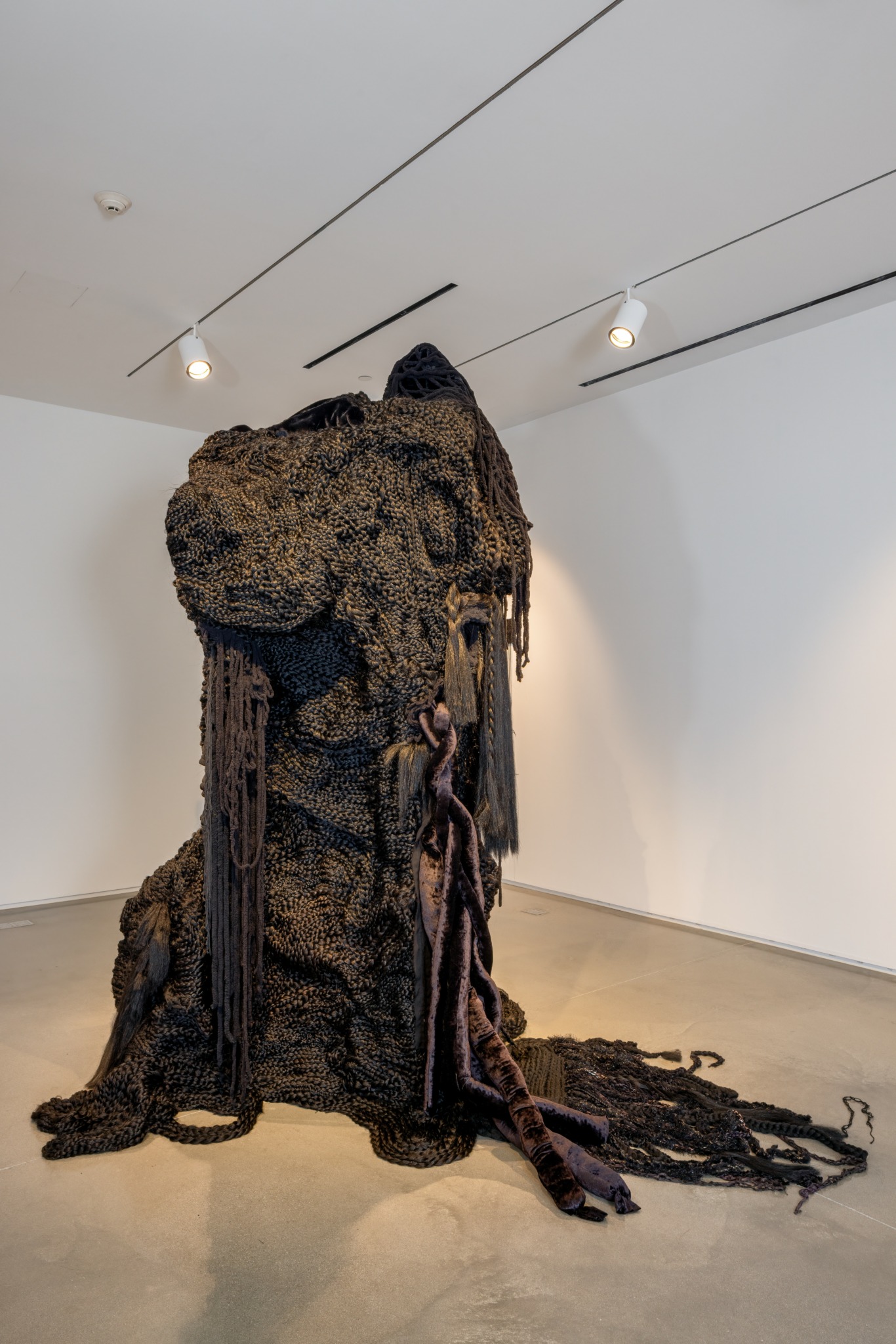
I am a sculptor deeply engaged in the intersection of sculpture, history, and identity. I use community collaboration to address themes of erasure and foster interdependency. I embed personal narratives and share them with a broader audience through sculpture and storytelling, particularly in my community workshops called braiding circles, where participants engage in intentional conversations about identity while braiding banana fiber hair textiles.
I employ hair and textiles to explore the profound history of colonization, aiming to illuminate and repair its fracturing effects and bring awareness for systemic change.
The psychological effects of white supremacy inform my exploration into the impacts of colonialism on identity. My familial history, especially my father Miguel’s experience with the Puerto Rican diaspora, contributes to a fractured family narrative and a distorted sense of identity.
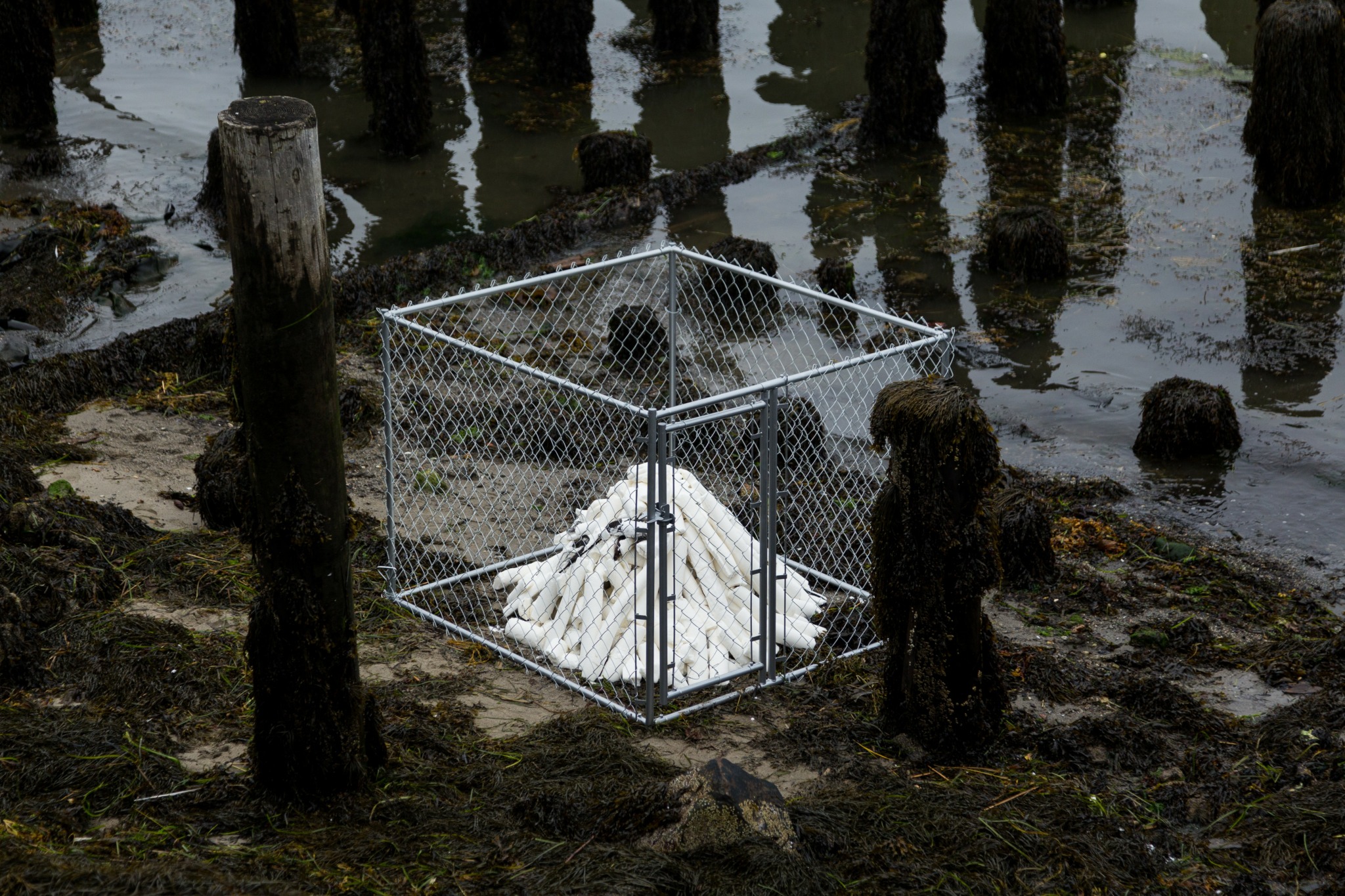
I address ongoing colonization and historical injustices like forced sterilization and land displacement through my work, shedding light on complex intersections and inviting reflection on the enduring legacies of oppression and displacement.
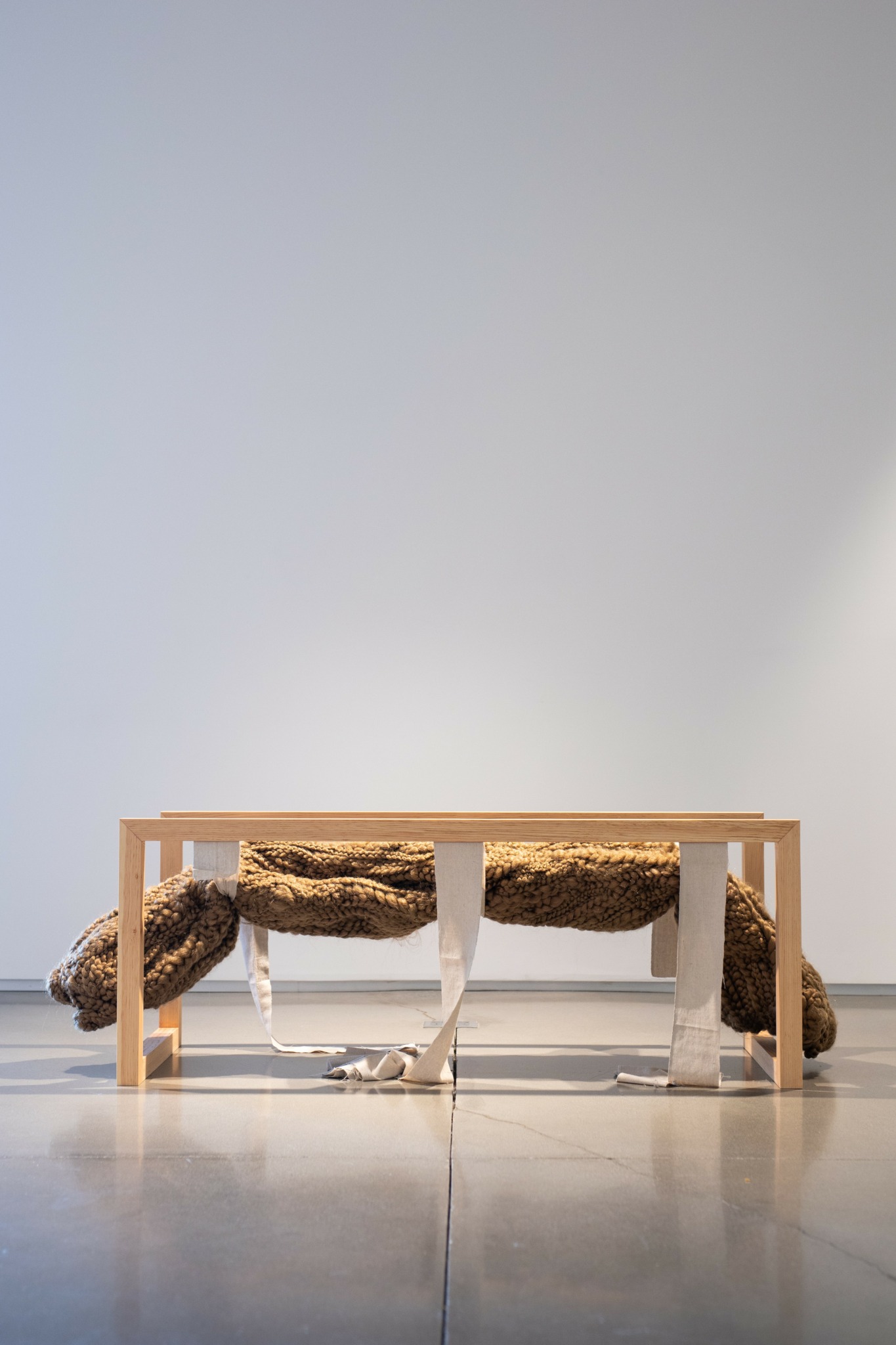
Through my sculptural work, I explore the symbolism of hair, incorporating braids to evoke emotions and the stolen histories repaired by the community through braiding and conversation. The braided sculptures’ forms reflect this—amorphous, organic, undulating. They are reminiscent of slime, with a viscous quality that seems to be trying to find its shape—a terra birthed out of coiling masses of hair formed by stories.
When I create, I hold precious spaces for my antepasados. Though my sculptures are crafted from dark materials and may initially appear formidable, they evoke a nurturing embrace, inviting viewers to perceive the love within rather than succumb to fear.
For me, art becomes a tool for understanding socio-political issues affecting communities, enabling collaboration toward representation and interdependence.
Is there mission driving your creative journey?
In my artistic practice, one driving force is behind me: my dad – Miguel Archangel De Jesus Pérez. His life is mired in mystery, and this is the driving force behind my work to build empathy, understanding, and belonging in a world that often isolates people, particularly those from marginalized communities. All of the work I do becomes a platform for addressing the lingering effects of colonization and white supremacy—how these systems of oppression continue to shape identities and communities. As I said before, this project’s genesis stems from the familial history of my Puerto Rican father, who was part of the diaspora. He left Borikén at age five and lost his connection to his homeland, something I have been trying to reclaim for the past 40 years. I never heard his growing-up stories, and I feel a strong responsibility to recover and carry forward these untold histories.
I do this through my project, braiding circles, which is not just a community-building initiative but a collaborative effort. Participants are not just attendees but active contributors. They engage in workshops, create three-strand braids from banana fiber-based har and textiles, and discuss identity and belonging.
Following the workshops, only BIPOC participants are invited to share their personal stories, which are then recorded (they are compensated for this labor). I then use the braids created in these workshops to craft amorphous sculptures in my studio. These sculptures serve as visual art. I incorporate the recorded stories through embedded Bluetooth speakers inside the sculptures, giving the work a sensory dimension that includes sight and sound. I aim to diversify and preserve narratives by embedding these voices into the artwork. These braided structures, infused with the community’s voices, will reflect personal and collective histories, addressing the legacies of displacement and identity while building empathy. This is why I only ask for stories from this sect of people; these are the stories they tried to eradicate. Through this project, I aim to rectify a portion of that fragmentation.
This project aims to diversify the narratives archived, drawing from the oral storytelling traditions of Black, Latine, and Indigenous cultures. By preserving these intimate stories, the project confronts isolation and contributes to communal healing.
Through this workshop, I have deepened my research into the Puerto Rican diaspora and its impact on subsequent generations. Though much of my family and my father from that time has passed, I aim to reconstruct their experiences through archival research and community engagement and collect stories that go unheard.
I believe in the power of art as a tool for healing. Puerto Rico has endured colonial control since the early 1400s, and its people continue to suffer the repercussions of being used as pawns in a larger geopolitical struggle. By connecting with the island’s past and present and the memories of my father, I create bodies of work that reflect these historical and ongoing challenges, weaving together diverse cultures and stories that contemplate similar themes of displacement, identity, and resilience. Puerto Ricans have shown empathy throughout history, even when it was met with exploitation, such as during the time of Columbus and the Taíno people. The culmination of this part of the work represents these themes of empathy and belonging.
Since my father is no longer here and has been gone for 17 years, I yearn to collect these stories to honor him. I did not get the chance to ask him all of the things I wanted to and learn from him – because white supremacy ripped that part of his identity away. But through this work, he would be so enamored and proud to call himself a Puerto Rican once again. I dedicate all I do to him.
Let’s talk about resilience next – do you have a story you can share with us?
About ten years ago, when I moved to Maine, I was in grad school and searching for a community to be a part of. Naturally, I thought that would be my grad school cohort because, obviously we were all here for the same reasons, and we would lift each other through this time of intense making and learning. I came from an all-women’s undergrad program with a lot of support and camaraderie, so I figured this would be the place to build my community—obviously, that didn’t work out, which is why I am telling you this story.
During grad school, I faced a lot of criticism of my work – and before you think, ‘Well, it’s a fine arts grad school – that’s what they’re paying for,’ it wasn’t a constructive kinda criticism. It was a deep fracture of not understanding the place I was making as a queer biracial person investigating their history, culture, and identity – which colonizers have primarily snuffed out.
I was working from a place where the history I was writing about and using was largely not ‘accredited’ because it came from Puerto Rican and Latine scholars. I was not referencing Ptolemy or some other white guy who was going on and on about some abstract thought. I was making and writing from a place of real and tangible emotion and feeling. At one point, I was referred to as ‘Racheal Dozeal’ because I was working on a piece that basically ‘killed’ my old self, and I emerged as my authentic self. I am supposing white people thought I was cosplaying a Puerto Rican – but I think that’s because they have an idea about what a ‘Puerto Rican’ looks and sounds like, and they probably shouldn’t be in a grad program. But the issue was that my cohort and instructors had never had to learn about white supremacy and colonization and what their ancestors did to mine- and how that causes fractures in BIPOC folx identity.
I had other BIPOC folx in my cohort – not many – but they all faced the same issues. There was comisseration among us, but unfortunately, due to all of the trauma and harm this program caused – almost all of them are not even practicing artists anymore. I was nearly one of those people – especially after a fellow instructor decimated me by telling an incoming class of second years that my thesis defense was not good. It wasn’t good because they did not know how to support me. They did not know what resources to give me. They all had their agendas on what art and artists should be and look like from a Eurocentric lens. Since I was making things they didn’t understand as a fat, queer biracial person – with foreign materials – they just ignored the statements I was trying to make and probably thought I would fade away.
After I graduated, I considered quitting art and doing something completely different. I did come to my senses and realized that I HAD to keep making. I had to be the person who helped people understand that people like me can be artists and create the worlds that I see in my head. I had to use my voice to talk about the injustices in the world and how Black, Brown, and Indigenous people still exist and are not monoliths.
Long after I graduated – in 2020, I met someone named Stacey, who had this organization called Tender Table, which uplifts Black and Brown people through storytelling and food. I remember when I met them and how enamored with them I was – they built this community of BIPOC people who have had these same experiences in academia, workplaces, and life. We commiserate together, holding space for one another to be open and vulnerable and to realize that we belong here and can have a voice and live outside of whiteness. I was also in residency at Indigo Arts Alliance, a Black-led arts non-profit committed to uplifting Black and Brown people locally, nationally, and internationally. This residency upended my ideas of who I could be as an artist and what I could discuss in my work. I didn’t have to explain myself or where I was coming from as an artist – instead, I could make and they understood and also fostered me to be able to disseminate it to others through my works.
My resiliency is that I kept pushing and going—even when I saw that others wanted me to fail and hide my vice. My father was the same way —stubborn— and I felt his resiliency pulsate throughout my artistic voice. I ended up – through being resilient and not wanting to give up – finding my community of artists, creatives, makers, and change agents that not only wanted me to have a voice but wanted all of us to thrive together.
Resilient is a funny word, too. To become resilient – something has to be enacted upon you, pushing you down. This time I spent in grad school should not have been the most problematic two years I had mentally faced since the death of my father. Instead, they should have been supportive and enlightening and caused me to have a breakthrough. However, because of the community that was fostered at that institution, BIPOC people are forced to become resilient. Now, I am not saying this is a bad thing. Still, it is funny to harp on this idea of BIPOC, specifically Puerto Rican people, being resilient because of injustices enacted upon them.
Resilience is a strange thing to romanticize when it’s forced on us. It’s not something I aspired to, but something I had to become in order to survive—and that survival is wrapped up in systems that were never made for people like me. I didn’t want just to survive, though. I wanted to thrive, which I’ve been pushing toward in my work.
As I move forward, I carry the strength of my ancestors, my community’s support, and my father’s memory. Resilience isn’t just about getting back up; it’s about transforming—turning all the weight of history and experience into something tangible, something meaningful. It’s about making art that speaks to who I am, a voice that refuses to be silenced. I keep creating, not because I’m ‘resilient,’ but because I refuse to let anyone else tell me where I belong.
Contact Info:
- Website: https://veronicaaperez.com/
- Instagram: https://www.instagram.com/veronica_a_perez/?hl=en
- Soundcloud: https://soundcloud.com/veronicaantoinetteperez
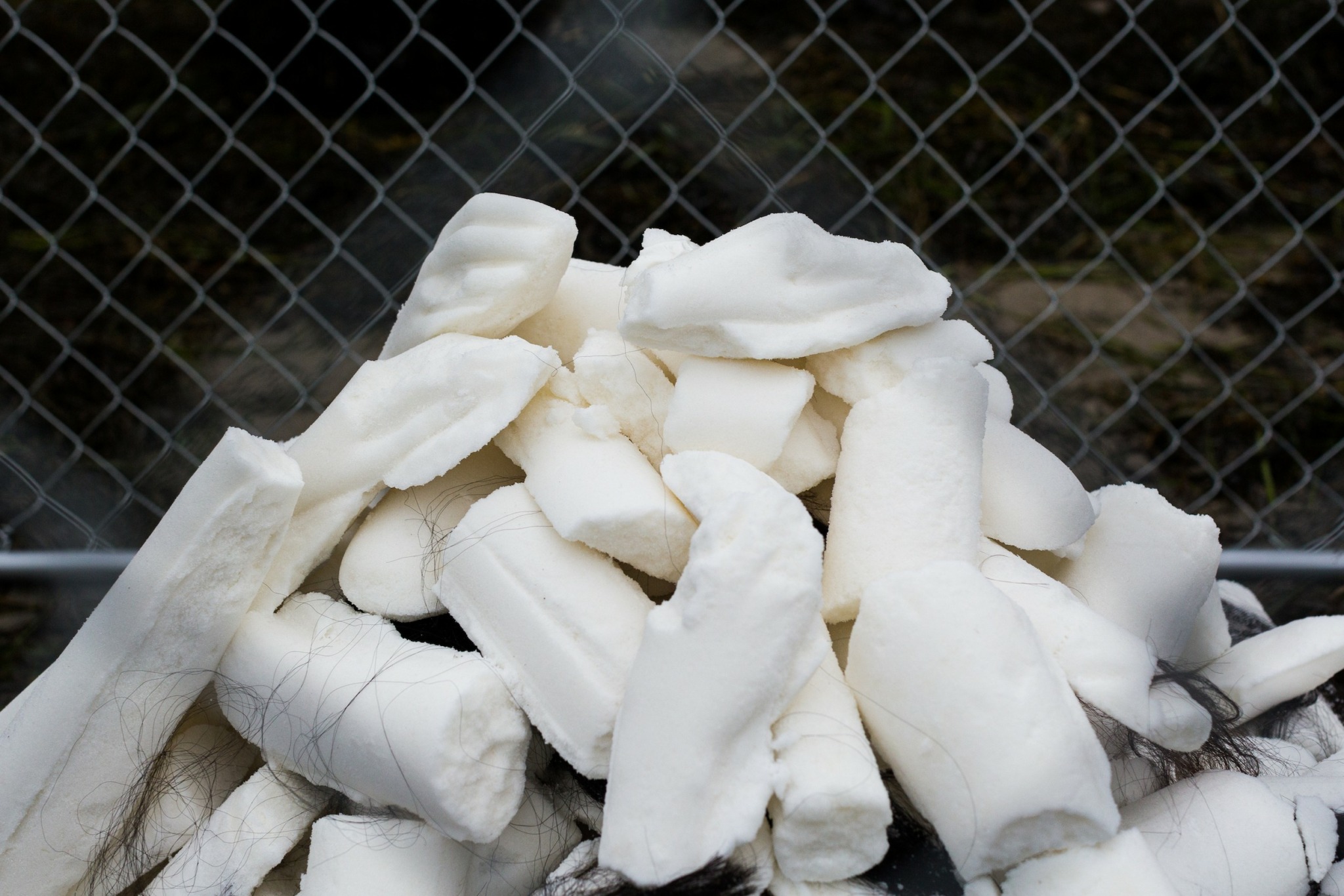
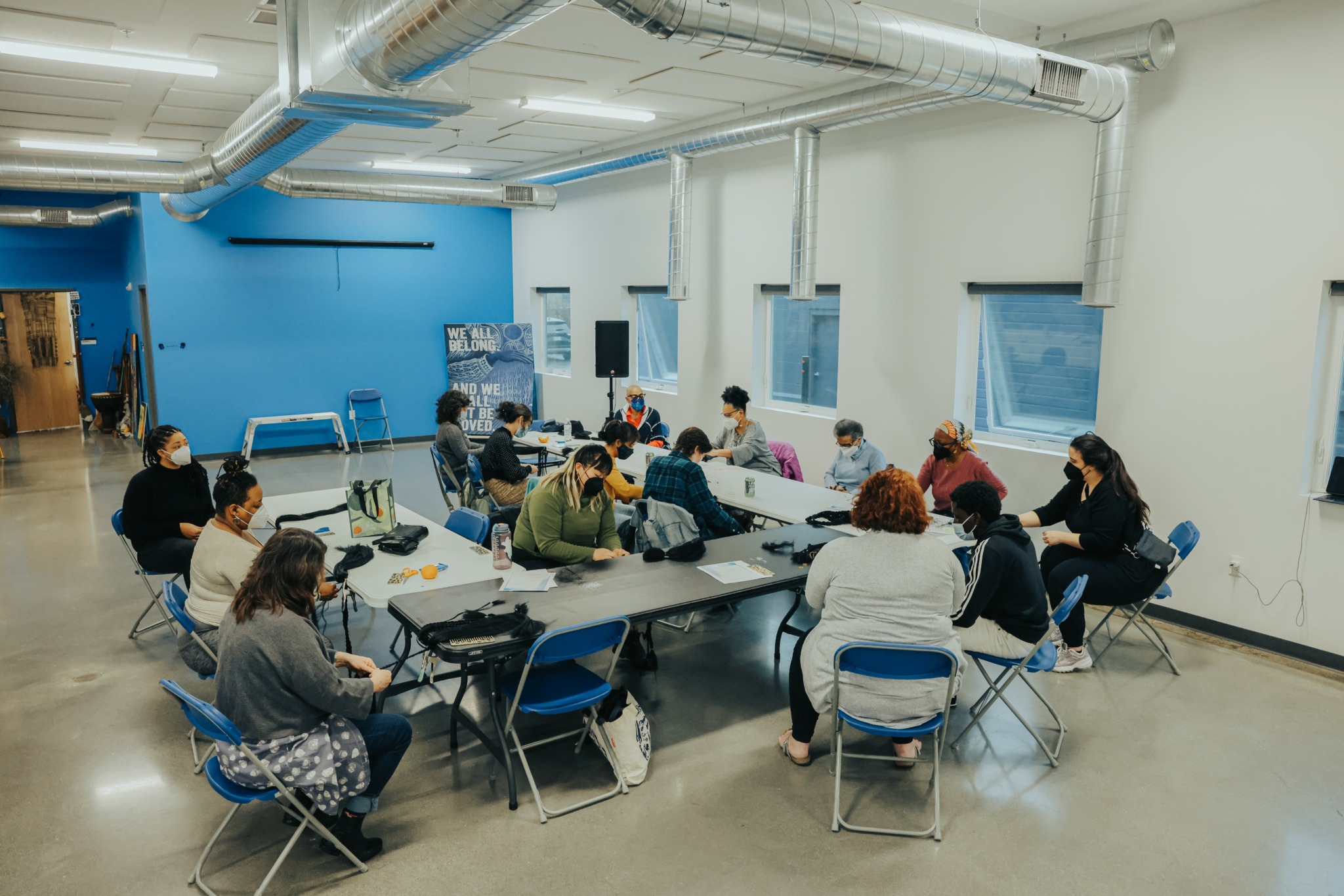
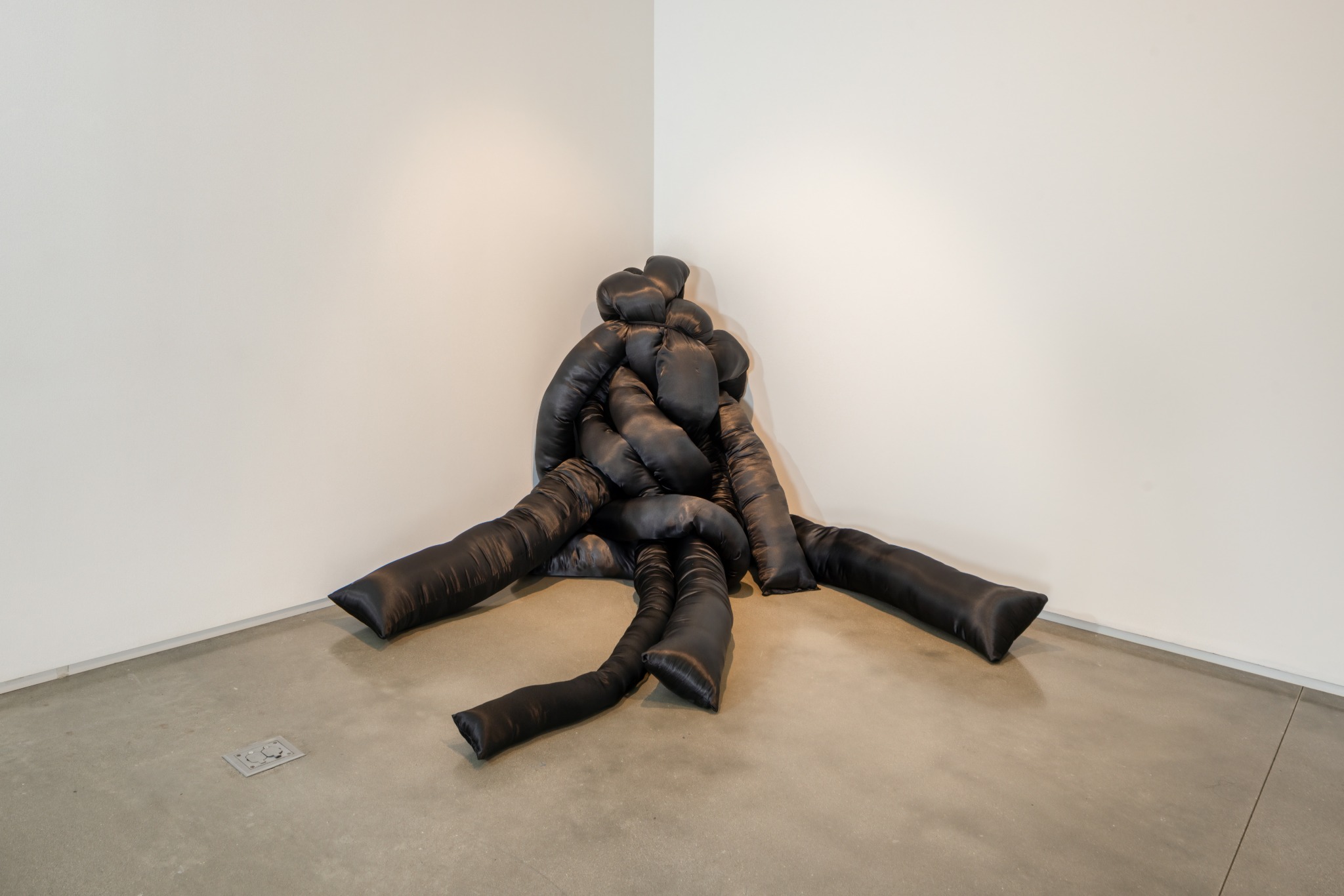
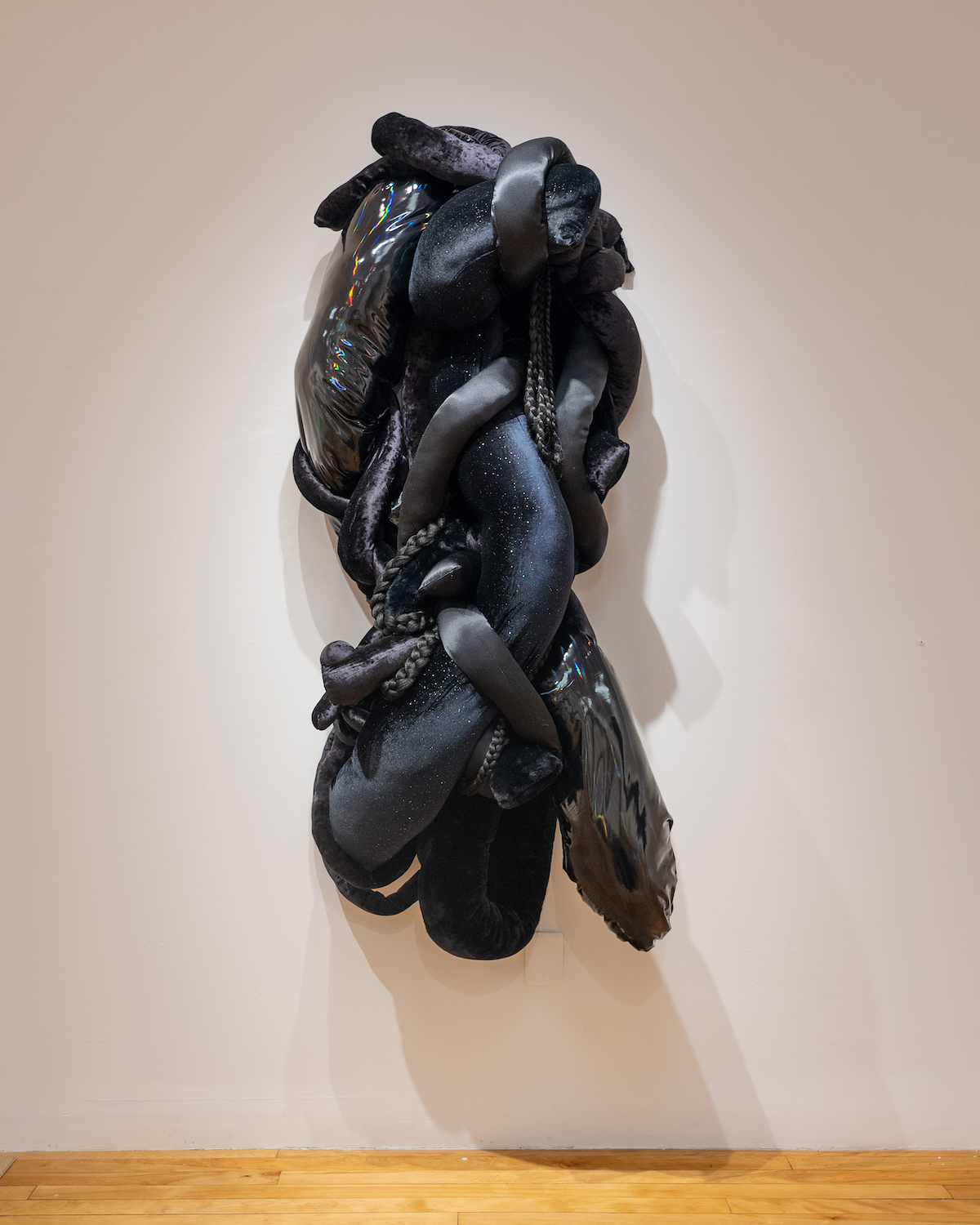

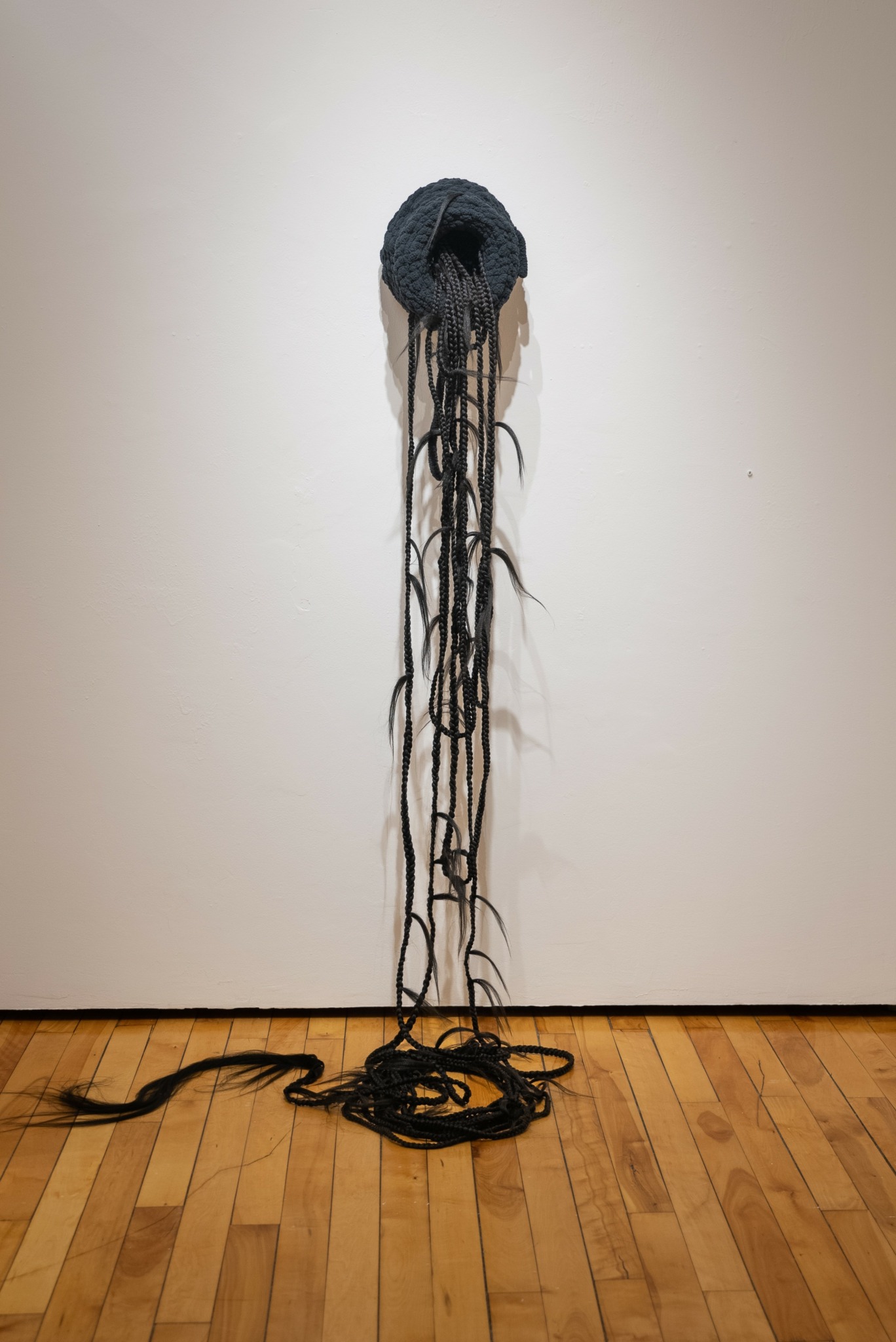
Image Credits
Jack Stoltz, Jo Silver, David Clough, Kerry Constantino