


Establishing your own firm or practice is an incredibly daunting task. From myriad of legal and regulatory hurdles to the financial and career related risks, professionals who choose to start their own firm have to overcome so much and so we wanted to reach out to those who’ve done it successfully for advice, insight and stories.
Bill Walton
I after working in sales and sales leadership for fortune 500 consumer products organizations, I realized that I cared more about developing people than selling the next truckload of my product. I always knew that I wanted to be a consultant, but I didn’t know what domain I wanted to practice in. I also had to think about where my expertise lies and where I wanted to be an “expert.” When I made the decision to enter into the world of training and development, I felt I didn’t know enough about the learning profession and went to work for several larger training and coaching firms to see how training was sold and delivered. I actually sold those services, developed clients, but also got to know the delivery network that was providing the facilitation in the classroom. These were 1099 employees living a great life. Read more>>
Phil Gutman
After 25 years of experience in residential real estate and sales, I decided to open Gutman Development Marketing (GDM), a real estate consultancy that caters to developers of the area’s prime developments, including notable high-end condominiums, condo-hotel properties and residential communities. The firm looks to fill a void in the market. Both developers and brokerages have their own interests, and somewhere in the middle is that individual who can help monetize the sales for the project. Having grown in real estate and worked for developers and brokerages, I not only understand the roles each plays in the new development arena, but I also know how to find the balance between the two. Read more>>
Krisia Gattas

From the moment I started working in outpatient physical therapy, I realized I wanted to someday own my own clinic. Typical treatment sessions in a physical therapy practice consist of a few minutes of heat therapy, modalities, a few minutes with the PT itself and then some exercises with a physical therapy aide. I knew that in order to truly make a difference in patients’ lives, I wanted to offer individualized treatment sessions, where patients were seen for an entire hour, hands-on with the physical therapist. When I moved to Miami in 2020, I immediately started to plan to open my practice in 2021. Read more>>
Blossom Law

Oh, of course! I’d love to share my journey—not just as a yoga teacher, but as a yoga student, too. Honestly, so many of us struggle with making movement a regular part of life, right? Figuring out how to make yoga stick was tough for me, and I’m sure I’m not alone. Adding something new is never easy! So here’s how it all unfolded for me, with a few bumps along the way. When I started, four major hurdles popped up: money, space, time, and knowledge. I wasn’t always strong or active, like… at all. Growing up, I was the small, weak kid who hated PE—seriously, I was the one trying to disappear in the back! So when I graduated, I was relieved. No more being the slowest, no more hopeless stares from my PE teacher. Done! Read more>>
Danine Dean

I remember the early days being difficult because I often questioned my own worth and knowledge. I think I started my practice during a time in the world when people were still unsure and skeptical about the value of mental health. I can remember thinking about specific marketing strategies and wondering who would take me seriously, or who would honestly trust that I am knowledgeable, educated or trained enough to trust me with their story. Imposter syndrome was not something that was spoken about widely during the early years of me constructing my own practice, and I knew that I just felt insecure about the business aspects of my work, insecure about how the world would value me, and insecure to ask for people to pay for the services that I was providing. Read more>>
Al Loren

I started my Practice full-time in 1991. I had been training Martial Arts and Tai Chi for almost twelve years prior. I was in a corporate sales position at that time, but was not satisfied with that career choice. It was suggested that I start teaching and really excited me. I began to put all my waking energy into building this business that I became so passionate about. Thirty three years later I have a thriving Practice and am well known and respected for the work I do. Initially to build my clientele; I would call schools and businesses offering my services. Many times I gave free demonstrations of both Martial Arts and Tai Chi; depending on which program was being offered. I posted many flyers of classes, mailed out information to perspective schools, Centers and Businesses. Was on the phone constantly talking to decision makers about what I teach. Telling everyone I knew and spoke to about it. There was no internet or Social Media back then. It was old fashioned mail outs, Demos and lots of vebal self promotion. Read more>>
Amber Drake
The journey to start the Drake Dog Cancer Foundation was fueled by a deep passion to change the way we approach canine cancer care. I had witnessed far too many cases where pet parents were left in the dark, not given enough information about their options for reducing cancer risk or caring for a dog already battling the condition. It was heartbreaking to see families who, due to financial constraints or lack of other professional perspectives, couldn’t access the advice they needed for their beloved companions. These experiences are just some of the many reasons I decided to create an organization focused on natural, preventive measures using herbal medicine and other natural options. My goal has always been to provide guidance for reducing cancer risk in dogs that haven’t been diagnosed and to educate pet parents on the steps they can take at home while working alongside their veterinarian’s traditional treatments. And– not costing “an arm and a leg.” Many pet parents drain their bank account to access a professional in the field. My organization provides this information at low cost or, in many cases, free-of-charge. Read more>>
Justin Hilderbrandt
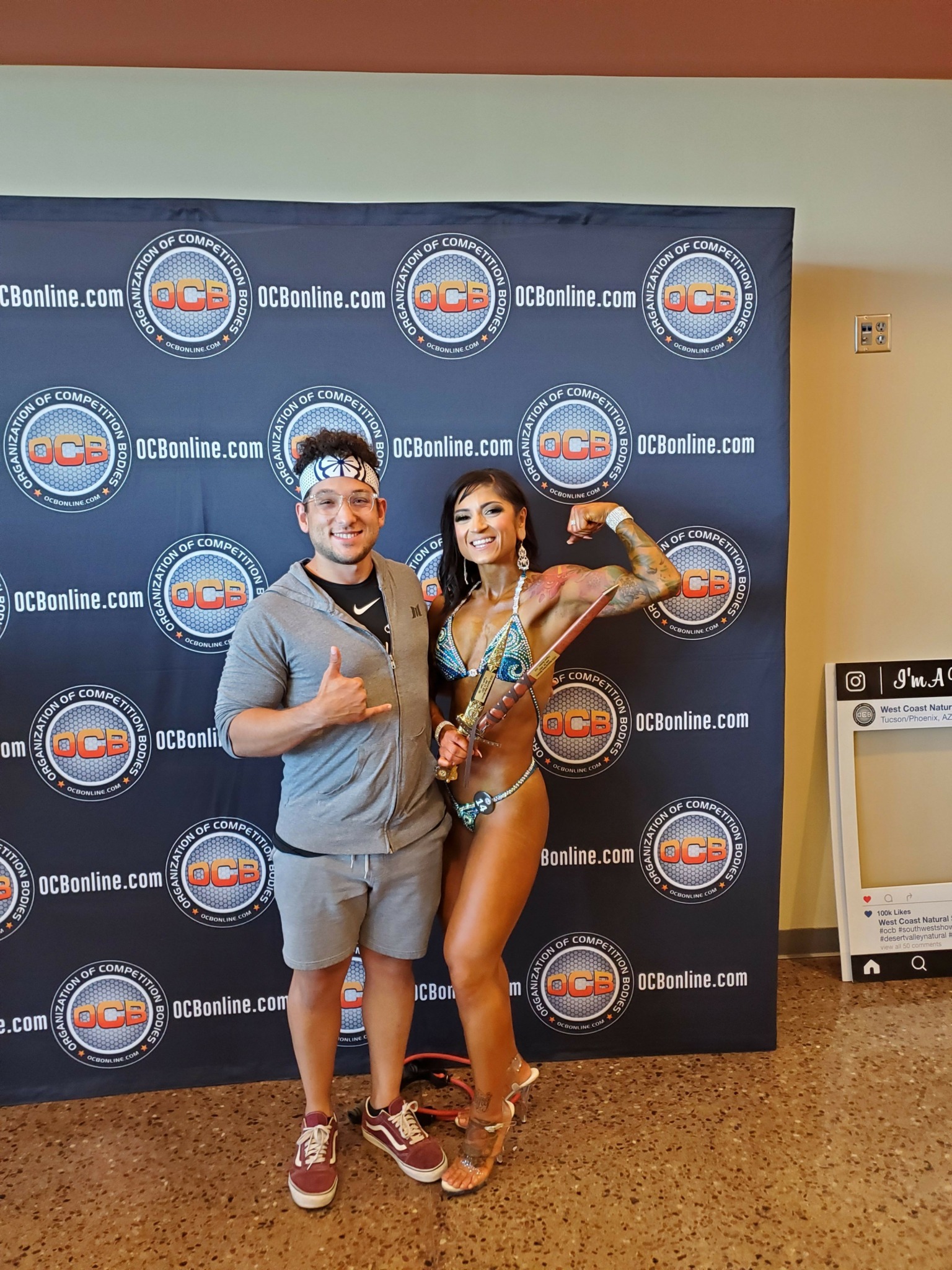
From the time I was in my late teens, I wanted to be running my own personal training business. I was going to school for exercise science, and things were going great, until the stresses of school and life got to me, I dropped out, and spent the next 10 years working my way up the management ladder in the the health and wellness retail industry. I always wondered “what if I had accomplished what I initially set out to do?” I felt no joy answering the dreaded question of what do you do for work? One day, my district manager sat me down and told me she wanted me to take over her position, and that’s when it all hit me. I was not going to spend the rest of my life doing something I do not have the passion for, no matter how much money I would be making…as they always say, money does not buy happiness. Read more>>
Kyle Brandt-lubart

The process of establishing my own holistic mental health and community arts practice has been in the works for over 14 years. At times the steps involved have been slow and subtle, especially early on. I’m at a moment in time and space where I’m able to recognize that I’ve been building towards where I am now for much longer than I’ve been consciously aware of where I was going. Working in the realm of mental health has always felt incredibly natural, in part because the lived experience that society often labels “mental illness”, “disability”, and “addiction” are intimately interwoven into both my inner world and my family history. One of my earliest jobs was as a group home aide for adults diagnosed with developmental disabilities. I filled out graduate school applications over night shifts while everyone in the home was asleep. When I was getting my Masters of Social Work degree I took the initiative to design my own concentration, specializing in “Mental Health & Community Arts”, which really helped me set the groundwork for my current practice. I then worked at a community-based mental health organization for seven years before feeling ready to start my own business. Read more>>
Levina Kumar
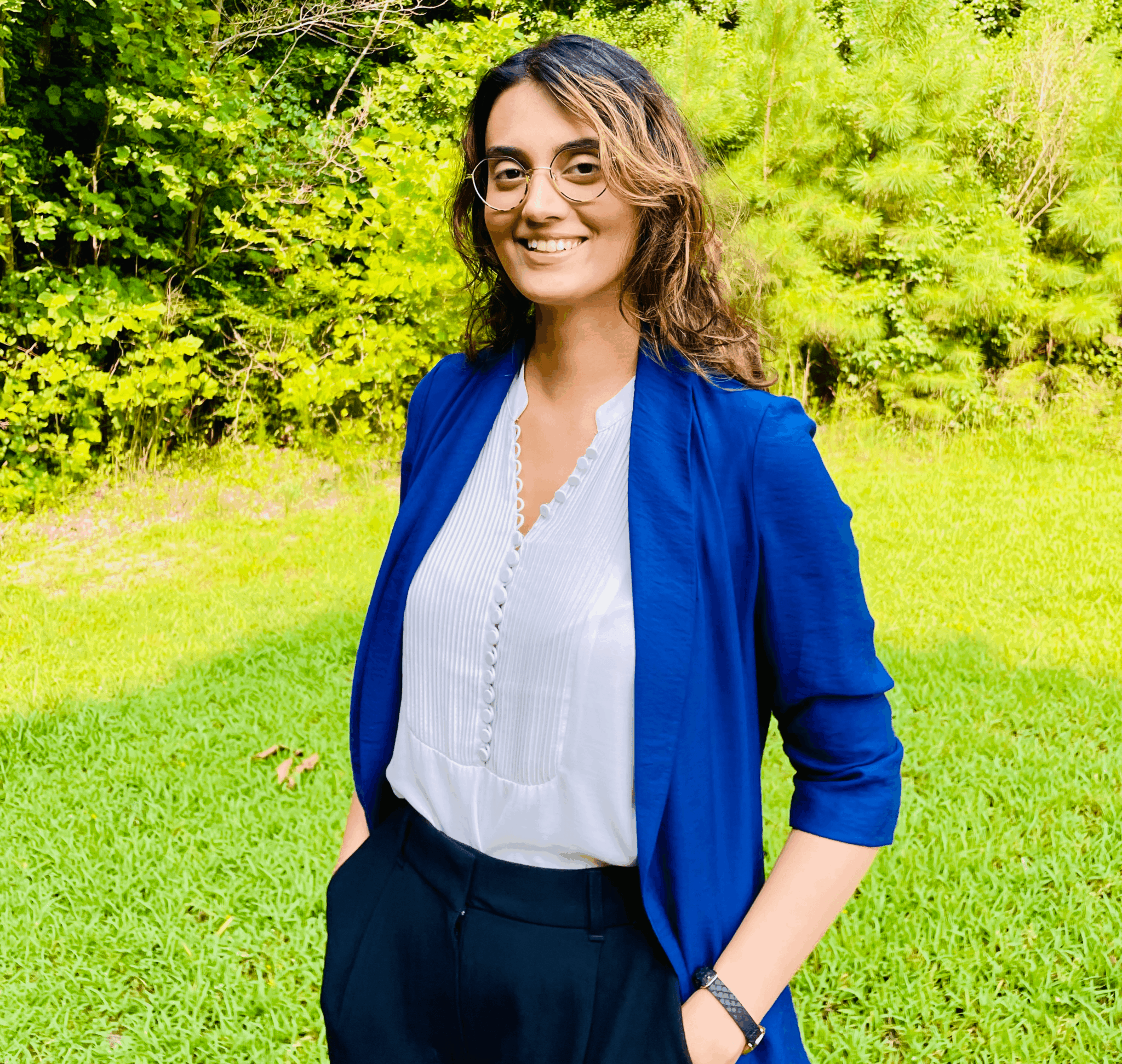
My journey toward providing mental health care started with my upbringing in Asia. From an early age, I began to realize how difficult it was to talk about mental health needs despite the stressors individuals experience daily. Discussions around stress, trauma, and mental health were frowned upon, which often led to feelings of anxiety and despair. I began to realize that my experiences were not unique. The stigma around mental health continues to prevail across all cultures and countries as individuals delay or refuse to seek help from a psychiatric provider due to fears of being called “crazy” or “inadequate.” This led me to my passion as I aim to normalize conversations about the need for mental well-being across cultures, genders, ages, and societies. In nearly a decade of my work in psychiatry, I have seen how individuals excel to their true potential once they have accessible options for mental healthcare. Banyan Wellness came to provide accessible mental health care virtually or in person. Our goal is to prioritize you and hear your story. Read more>>
Darcy
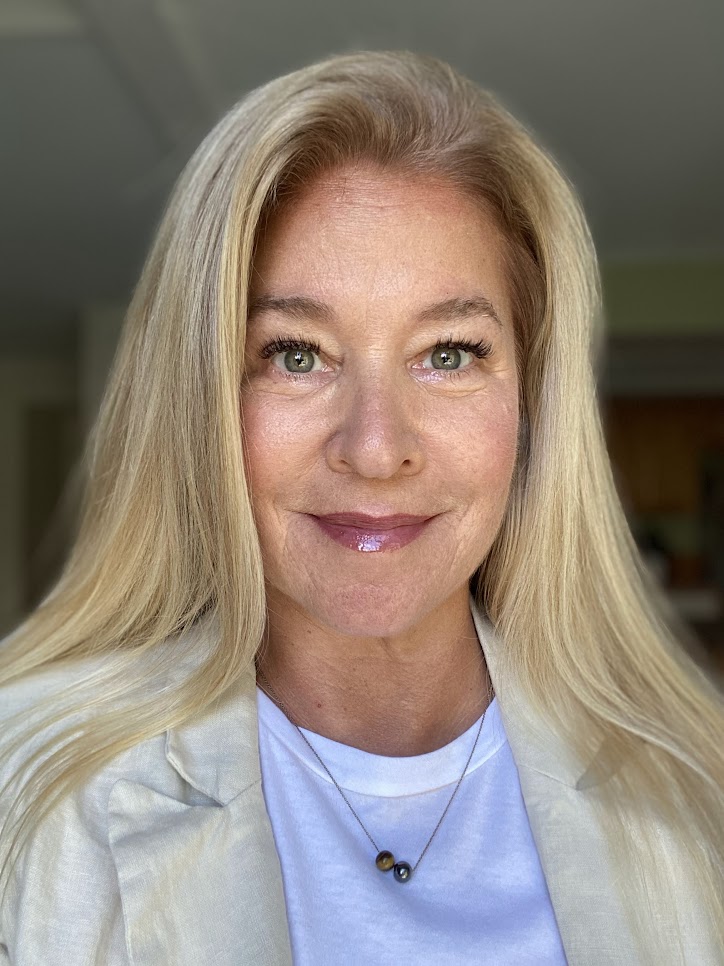
I have been practicing Energy Healing and Divination Arts since my late teens. It wasn’t until the current, trying times of the so-called pandemic that pushed me to set up shop. It was pertinent choosing to step into a field where I could can make a meaningful difference in people’s lives by helping them restore balance and wellness on a holistic level since 2020 robbed so many people of their sovereignty. The roughest part is gathering collateral to have an office. For many years, subleasing office space from others who operated spiritual centers or also renting from yoga studios to conduct large-scale Sound Healing events, but was indeed my only choice. It gets tough because of the realization of not having your own space, one can feel ungrounded. Still, this part of the process had to suffice and when you are authentic, your clients will remain with you. Read more>>
Leslie Jordan Garcia
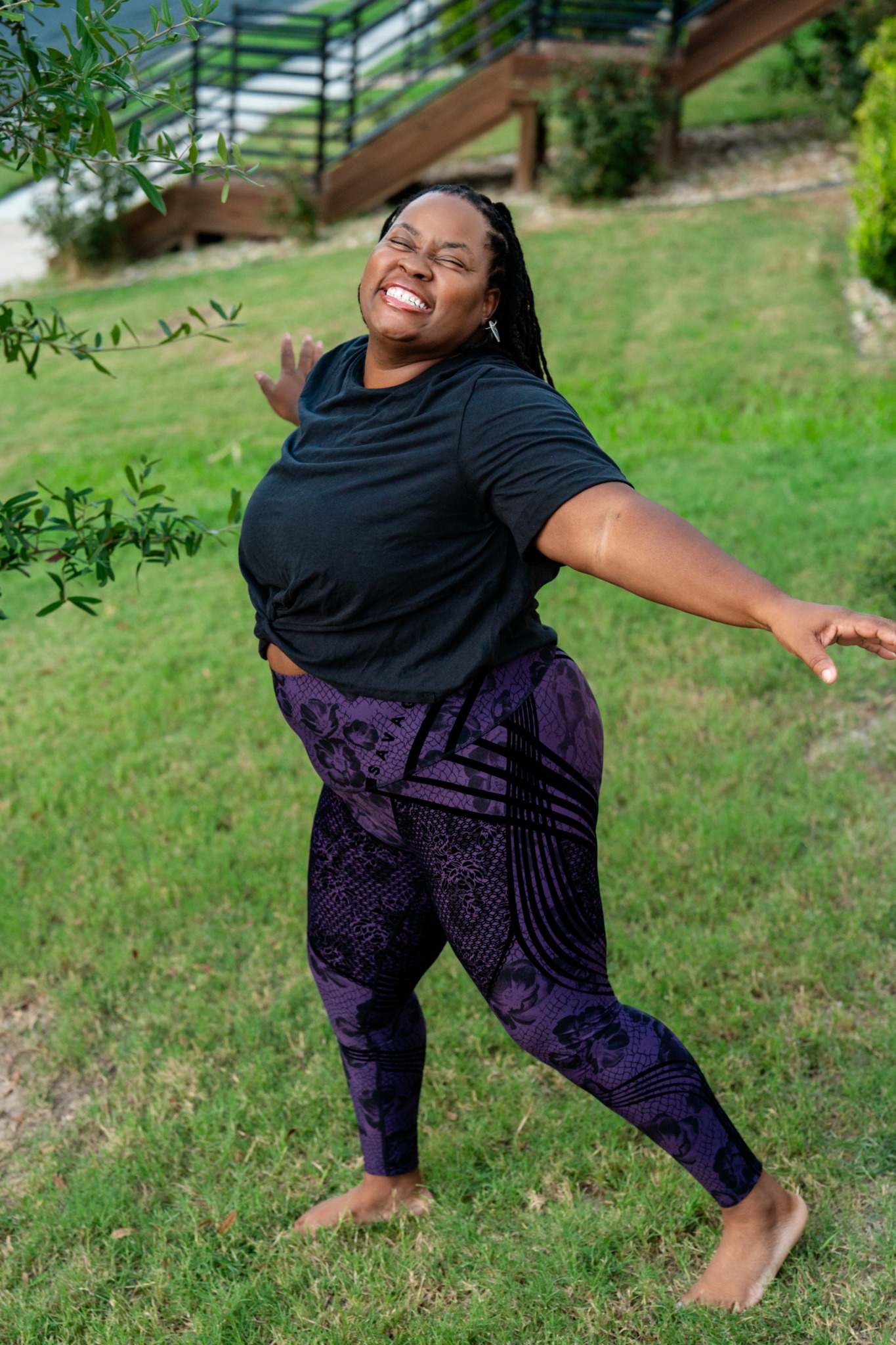
The journey to starting Liberati Wellness began with a clear realization: the world needs more inclusive, compassionate spaces for body healing and recovery. My background in community health, education, and diversity, equity, inclusion, and belonging (DEIB) work had already prepared me to serve people navigating the complexities of eating disorders, body grief, and the intersection of their identities. However, it wasn’t until I saw firsthand in my own eating disorder recovery journey how traditional approaches to wellness and recovery were failing marginalized communities—especially women in larger bodies, BIPOC folks, and those with non-normative experiences—that I knew I had to create something different. But 20 years, I did not really know how I would do it. Read more>>