

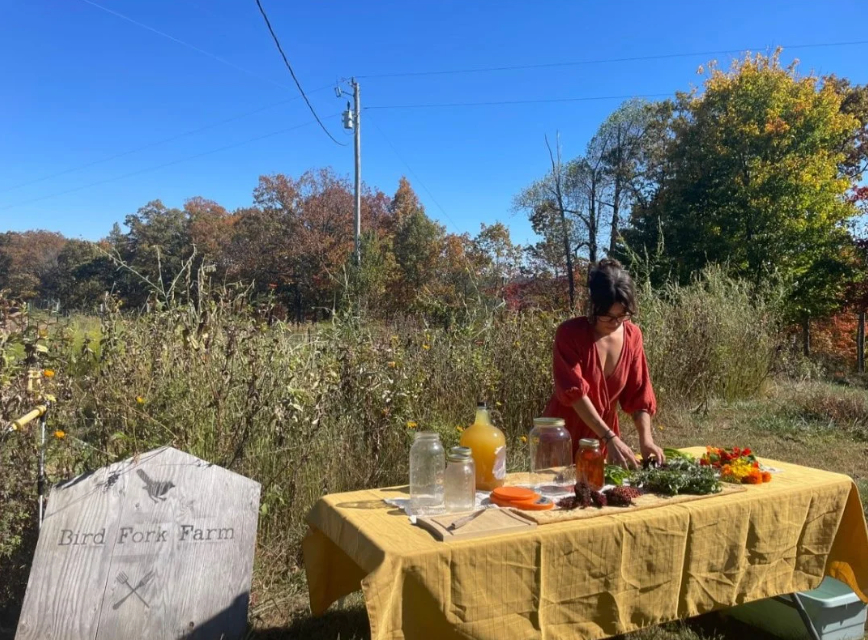

We recently connected with Alysia Leon and have shared our conversation below.
Alright, Alysia thanks for taking the time to share your stories and insights with us today. How did you get your first job in the field that you practice in today?
Farming wasn’t necessarily in my purview until after I had chosen my career path. While attending Flagler College in Saint Augustine, Florida I fell in love with archaeology. Getting my hands dirty, working outside, piecing together past stories, and the depth of unending knowledge that came along with the field. About halfway through college, I began to learn about permaculture and it got me curious. Permanent agriculture is a design philosophy that pulls from many cultures aiming to realign modern agricultural practices (and so much more) towards being in harmony with nature and our communities. I slowly began to dabble in gardening while living in a house with a permaculture passionate landlord that had an edible garden planted at our home. At that point, between gardening and archaeology, I knew I just wanted to be in the dirt. College allowed me to work over the summers in Costa Rica and Peru where I closely observed farming practices I was surrounded by and excavating.
Once I graduated, I traveled and volunteered on a farm in Nicaragua. That farm offered me a one year internship, but I ultimately accepted a scholarship to attend graduate school at Southern Illinois University for archaeology. While attending SIU, my soul felt called to farm outside of just the tomatoes I was growing in my house in the middle of Illinois winter. It was hard to finish the program at some points. I recall crying numerous times to my roommate about how much I just wanted to farm. I continued to build my farming knowledge while in school, devouring free workshops and online courses in addition to some volunteering. After school, I was in a lot of debt and so I jumped into the archaeological workforce in the states, which is very different work than most think. Archaeologists in the states most often are working in Cultural Resource Management which can be quite varied if you have a lot of experience, but at the bottom rungs, you are shovel bumming. Shovel bumming is moving from job to job across the country for sometimes just a few days here and there, to much longer projects with often no stability or home. The jobs are primarily for the energy sector, so think pre- and during- construction of all electrical lines, pipelines, waterlines, most things requiring digging in archaeologically sensitive areas. While the traveling was exciting, watching the earth get ripped up in destructive ways hurt, but working outdoors in this field allowed me to learn native plants I was surrounded by. It felt like my way to balance the destruction that I was seeing I suppose. Learning about what was being destroyed around me for the sake of unsustainable energy and reclaiming knowledge of how herbs can support my body felt pivotal. While I had started learning about herbs in college, I feel like this time of duality is what really launched me on this path.
The yearning to farm didn’t go away while working in archaeology, and it in fact got worse. I eventually accepted a position as a historic preservation specialist for the Federal Emergency Management Agency (FEMA) to have a full-time stable job that would allow me to pay off my student debt and save for land while helping after natural disasters. My very first deployment was to Puerto Rico after Hurricane Maria, an island I had visited and fell in love with before. My time there was filled with so much love, heartbreak, stress, exhaustion, joy, motivation, and anger. Anger for the policies that prevent United States citizens (PR is a US territory, yet they have no representation) from accessing food without unnecessary regulations that requires all imports to dock in Miami before heading to the island regardless of the distance it’s traveling. For instance, avocados from the Dominican Republic (their neighbors) end up going to Miami first before Puerto Rico and are then taxed heavily because of all the extra steps. Food costs have always been higher on the island, but after the hurricane, it got much worse. Additionally, so many communities (including in the continental U.S.) are not prepared to feed themselves in the event of natural disasters with the shift to reliance on grocery stores. I watched as more small farms popped up on the island working to regain their food sovereignty, to feed and support their neighbors, and fight for independence. It was beautiful and frustrating to know how hard the U.S. has worked to dismantle small agricultural systems across not only “our lands”, but others as well. The resiliency of Puerto Rico and how folks came together to build back a better system is truly inspiring and showed me first hand the importance of community.
It took a few more years for me to land in Tennessee, but this land tells me I am home.
Alysia, before we move on to more of these sorts of questions, can you take some time to bring our readers up to speed on you and what you do?
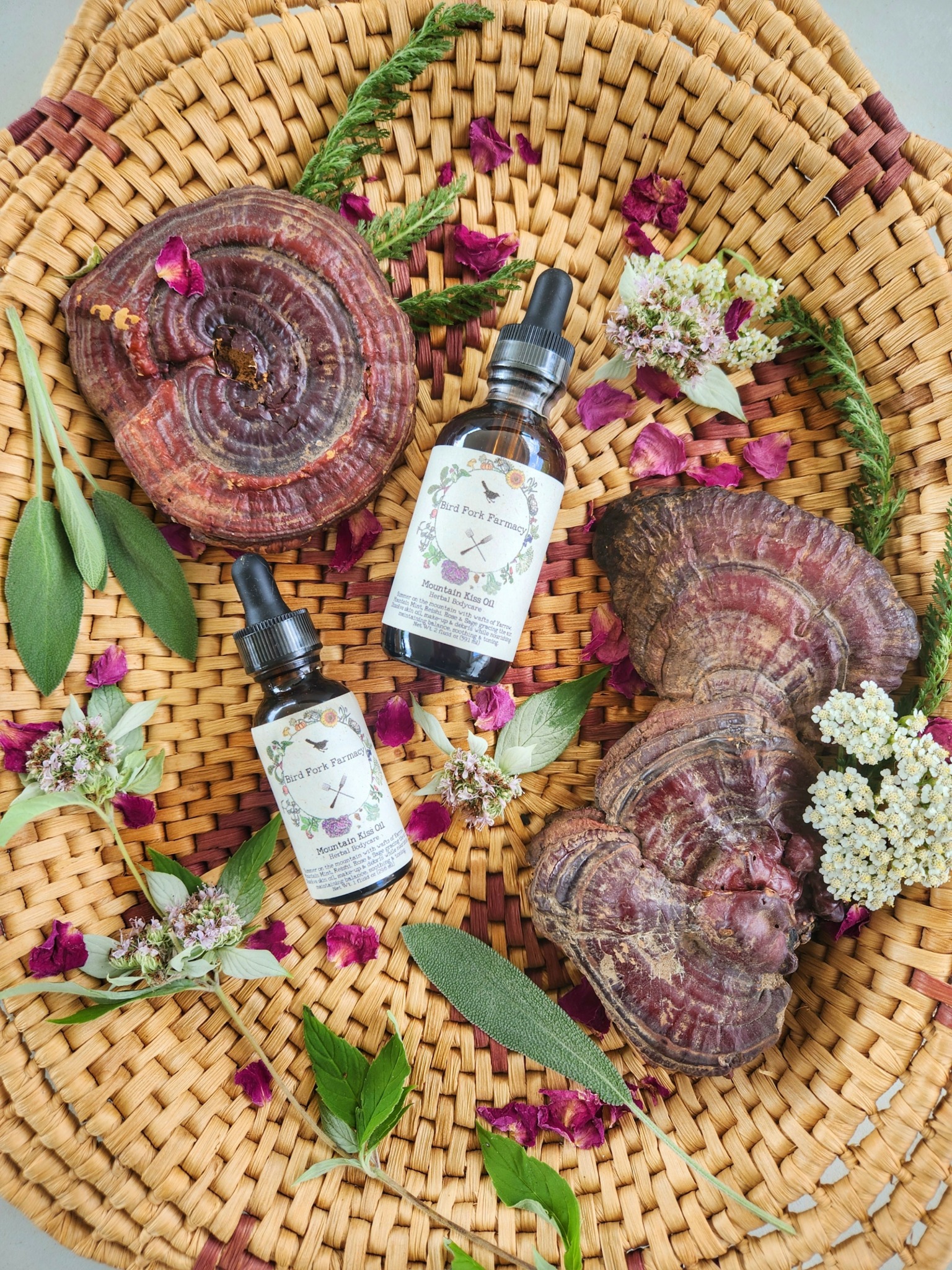
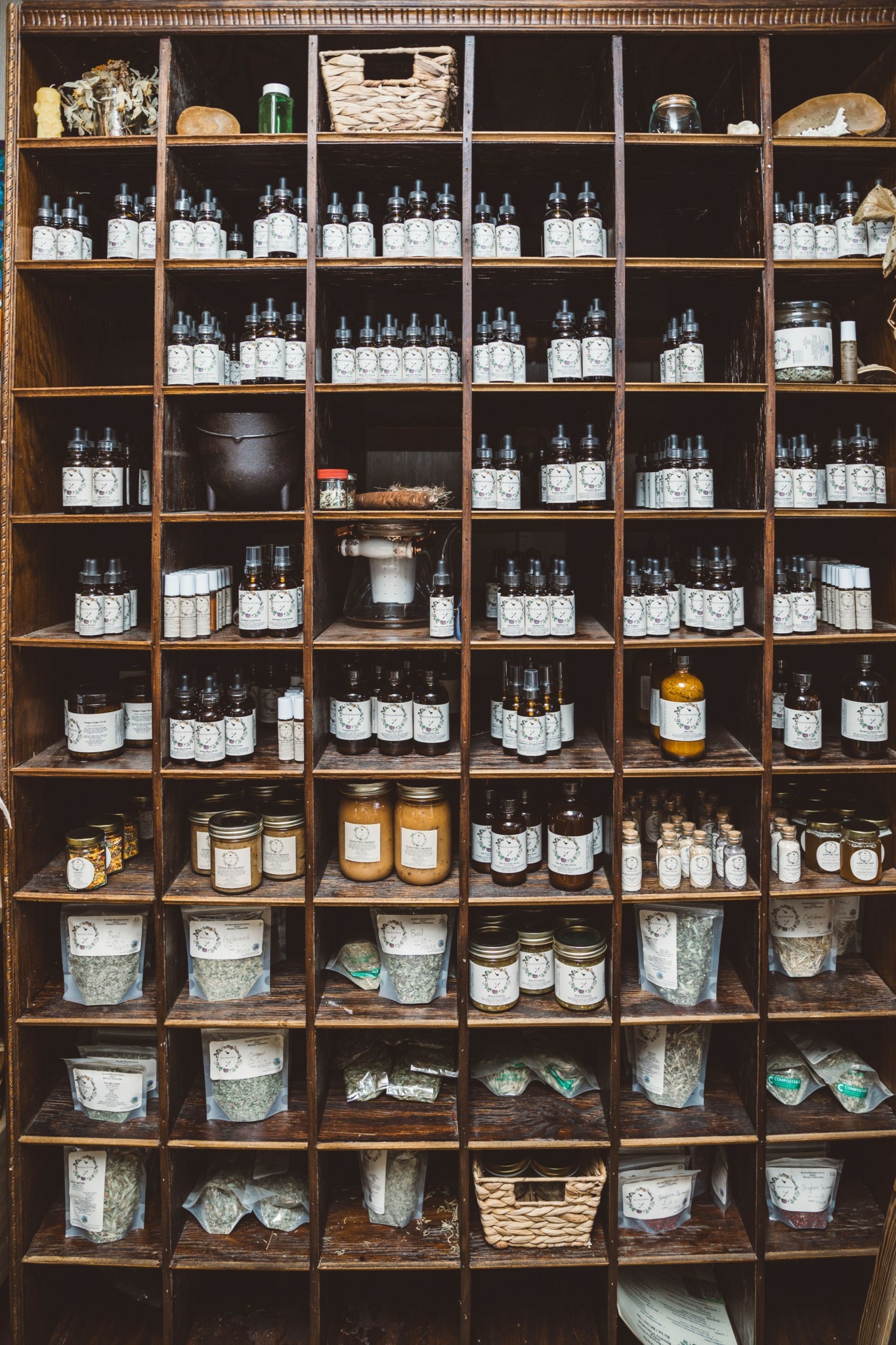
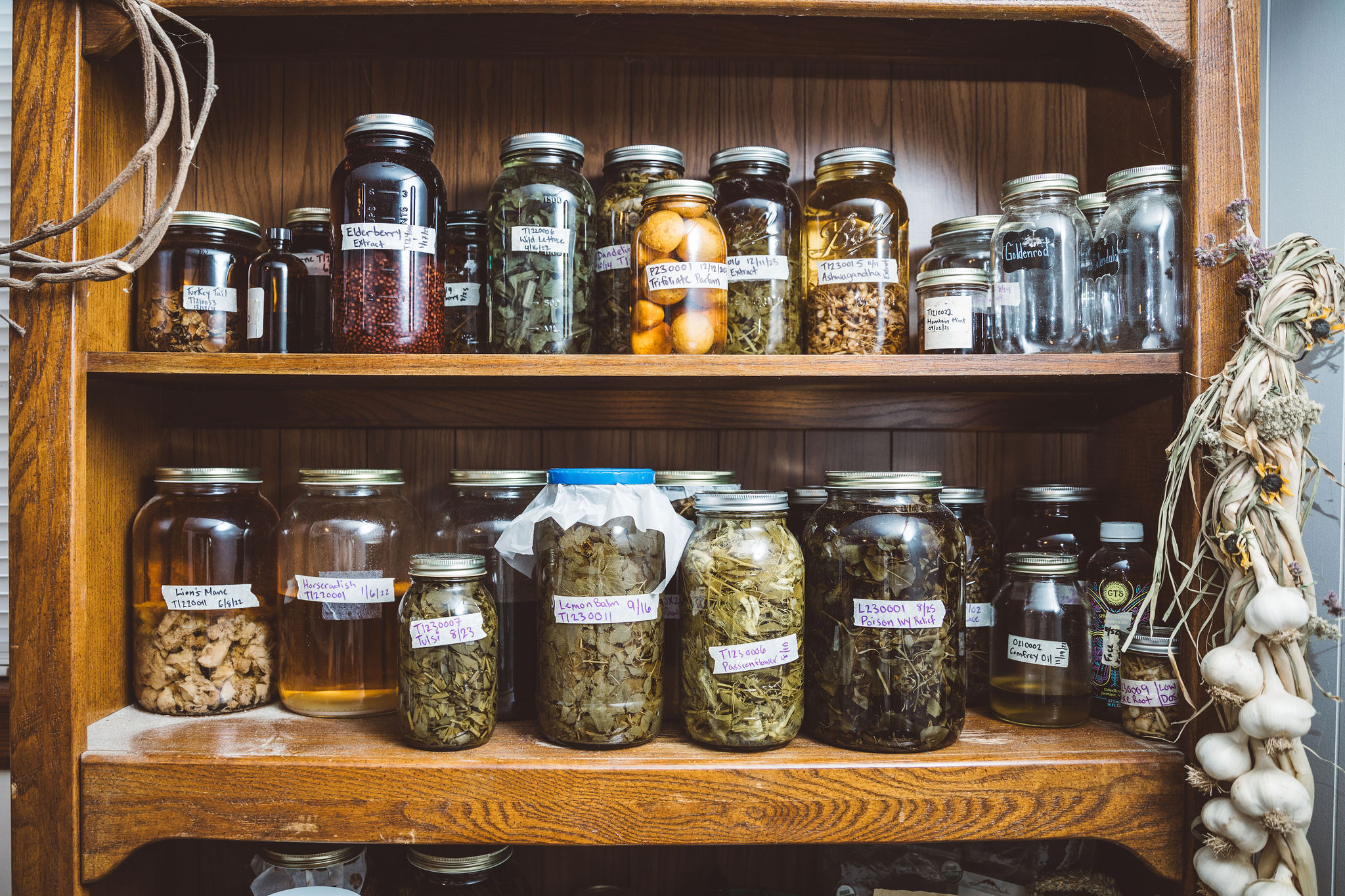
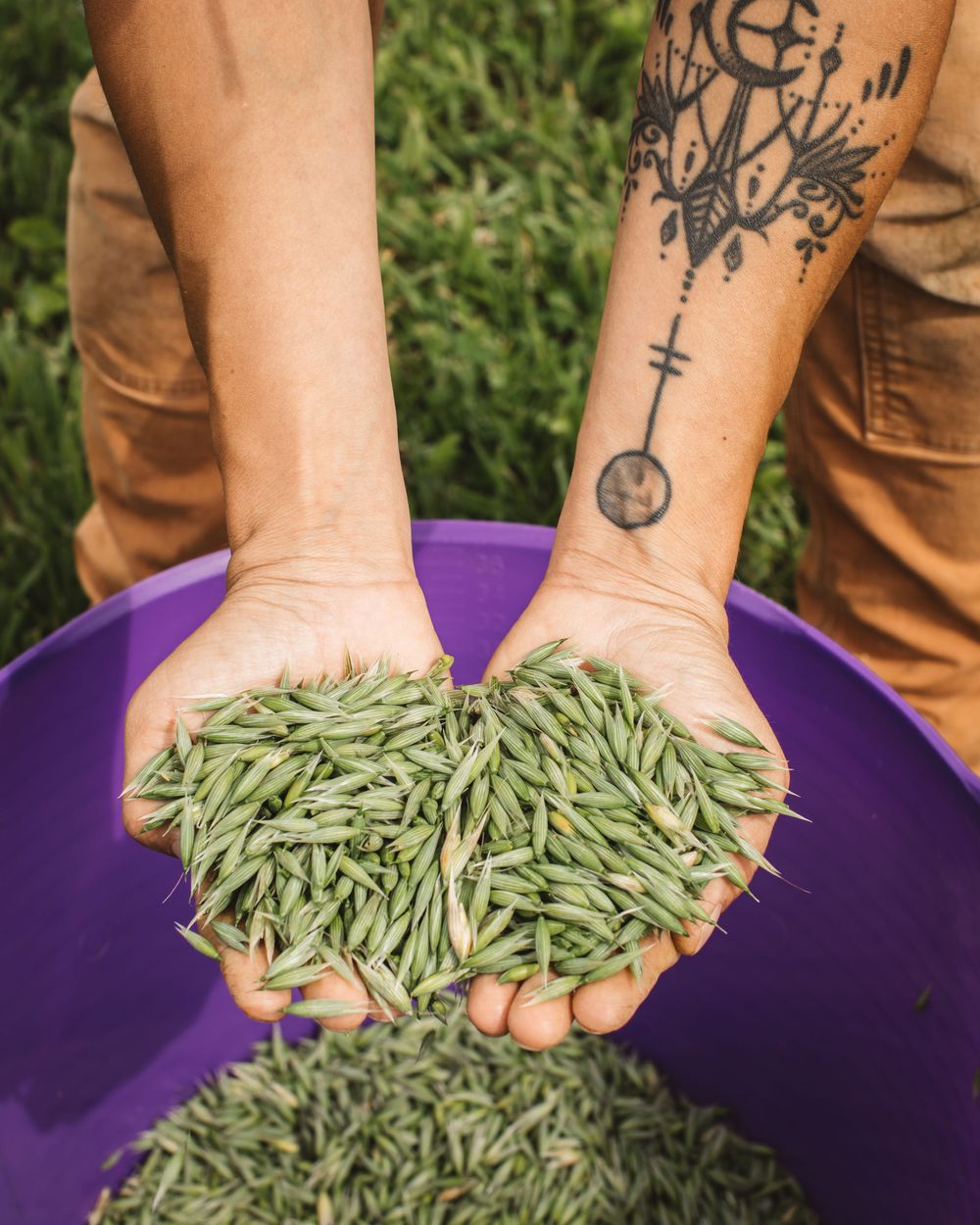
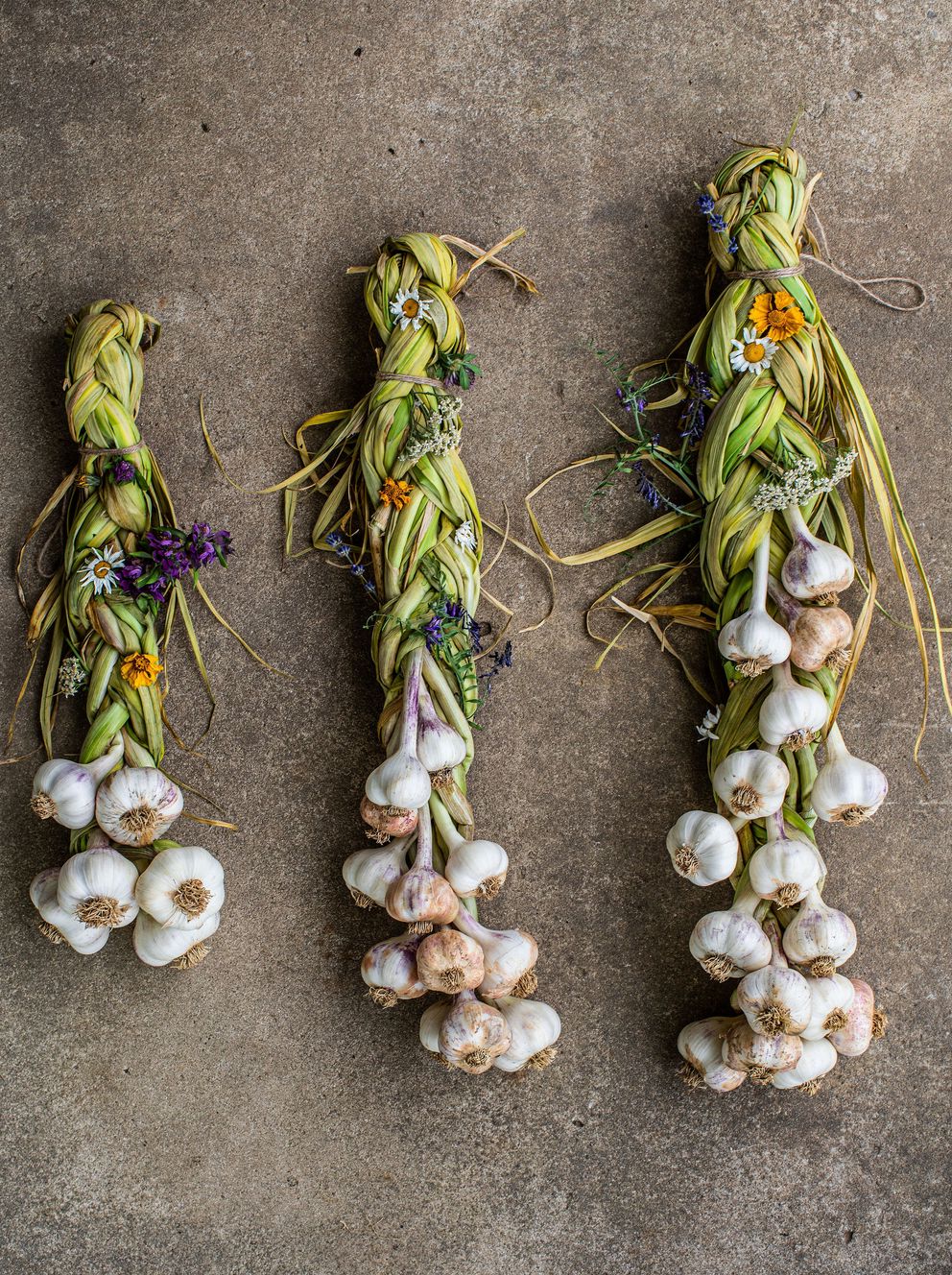
Bird Fork Farm (where the land is our BFF!) is a small farmstead located that provides produce, fruit, herbs, and herbal concoctions hyperlocal to Middle and East Tennessee. All of our products are made with plants we lovingly grew ourselves (Certified Naturally Grown) and/or ethically foraged nearby. We nerd out trying to make high quality herbal products that are as local to us as we can get. This often means it can take sometimes up to 2 years for certain products to be brewed. We make our own raw vinegars from our orchard, we kayak to access native fruits, and we forage our warming spices to avoid ordering items such as pepper, cinnamon, allspice, and nutmeg. We have access to so many plants around us that can impart these same flavors and characteristics without shipping them all the way around the world. In sharing these often unheard of plants with our customers we educate and challenge folks to look at the plants around them through a different lens. We offer a wide range of herbal teas, tinctures, oxymels, syrups, sauces, body care products, fresh and dried herbs, and more; crafted entirely on-farm from our own CNG grown and/or ethically wildcrafted plants in completely reusable, recyclable or compostable packaging.
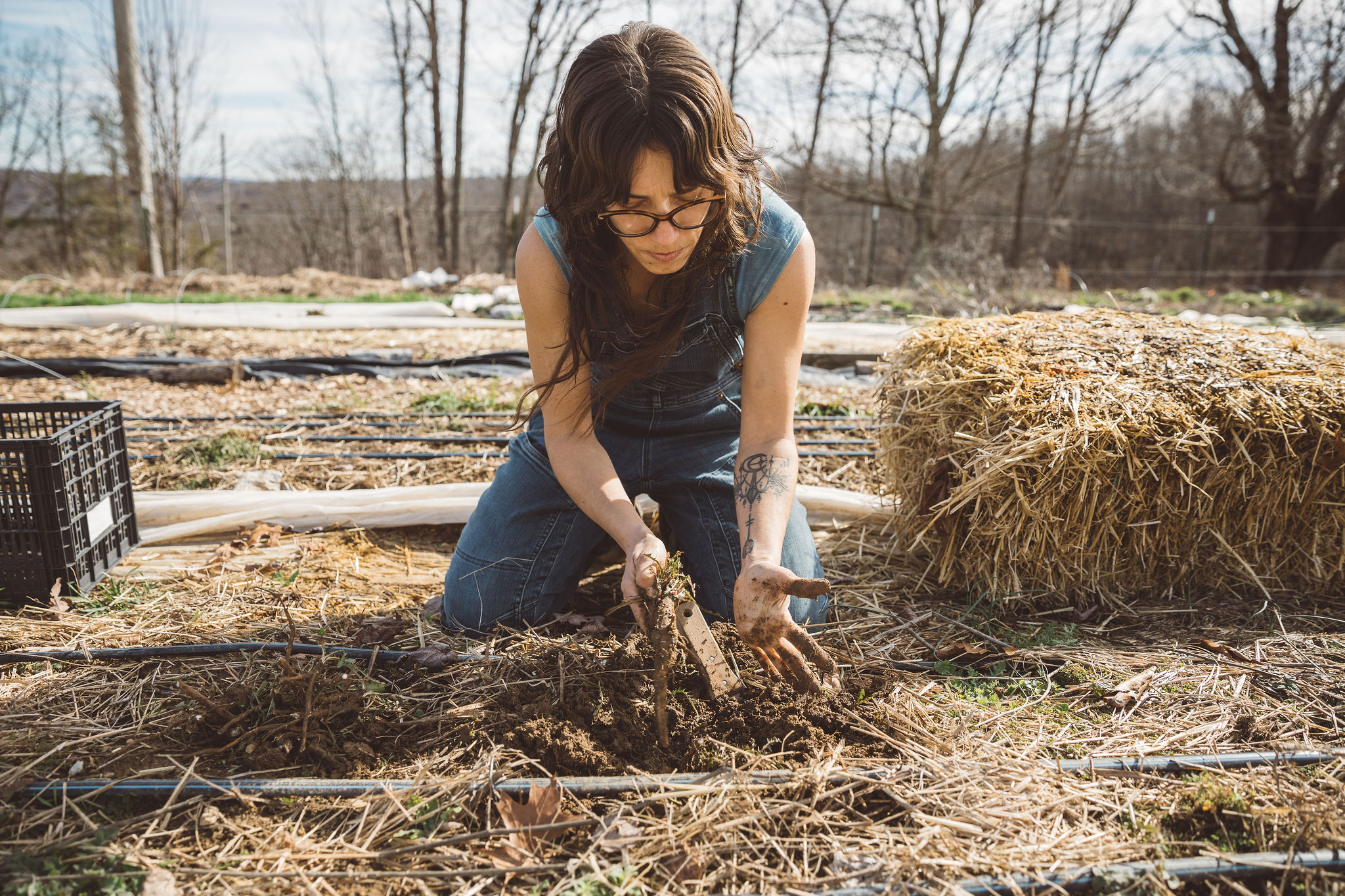
Of BFF’s 55 total acres, approximately 2 ¼ acres are farmed solely by hand. The remaining 52 acres are an at-risk forest and transitional prairie ecosystem we protect. In 2023 BFF received a grant to re-introduce fire to the land and transform the old hayfield into a native prairie. Through low-till and no-till practices, composting, and increasing biodiversity, we have been transforming this once heavily plowed land into a microbiological oasis for a healthier ecosystem. We aim to increase our community’s knowledge surrounding herbs and how they relate to health sovereignty by offering on-farm herbal workshops, shipping throughout the USA, Herbal Community Supported Apothecary Shares (CSA), and showing up in the community. BFF is also a gathering place for folks to safely enjoy nature, a place for friends and family to come together, to learn, teach, share, and grow. To reconnect with the land and themselves away from the city.
Other than training/knowledge, what do you think is most helpful for succeeding in your field?
Being flexible and resilient. It’s all about adapting to whatever circumstances are thrown our way in any field really. With the large climate swings we have to focus on how we can live more sustainably and in community. So many folks are drawn to homesteading which is wonderful, but it is extremely hard. We need to work on shifting away from individuality towards working together.
What do you think helped you build your reputation within your market?
Consistency and a willingness to be open about learning with folks along the way. Being available as a guide to talk folks through our products and what may be a good fit for them. Standing with our ethics of being a sustainable business that encourages others to live in harmony with the land and seasonality truly has helped us along the way. Sharing our stories of how hard and yet beautiful it can be to live this way and to support small business owners who put good back into the world.
Contact Info:
- Website: https://birdforkfarm.square.site/
- Instagram: @BirdForkFarm
- Facebook: @BirdForkFarm
- Other: https://www.naturallygrown.org/cng_farm/bird-fork-farm/
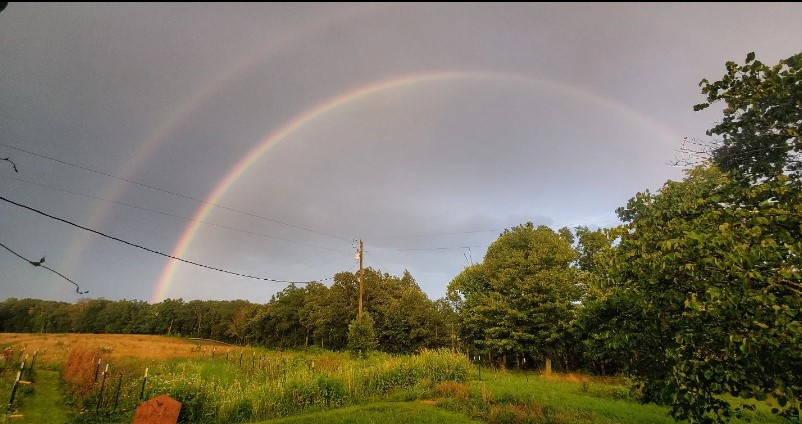
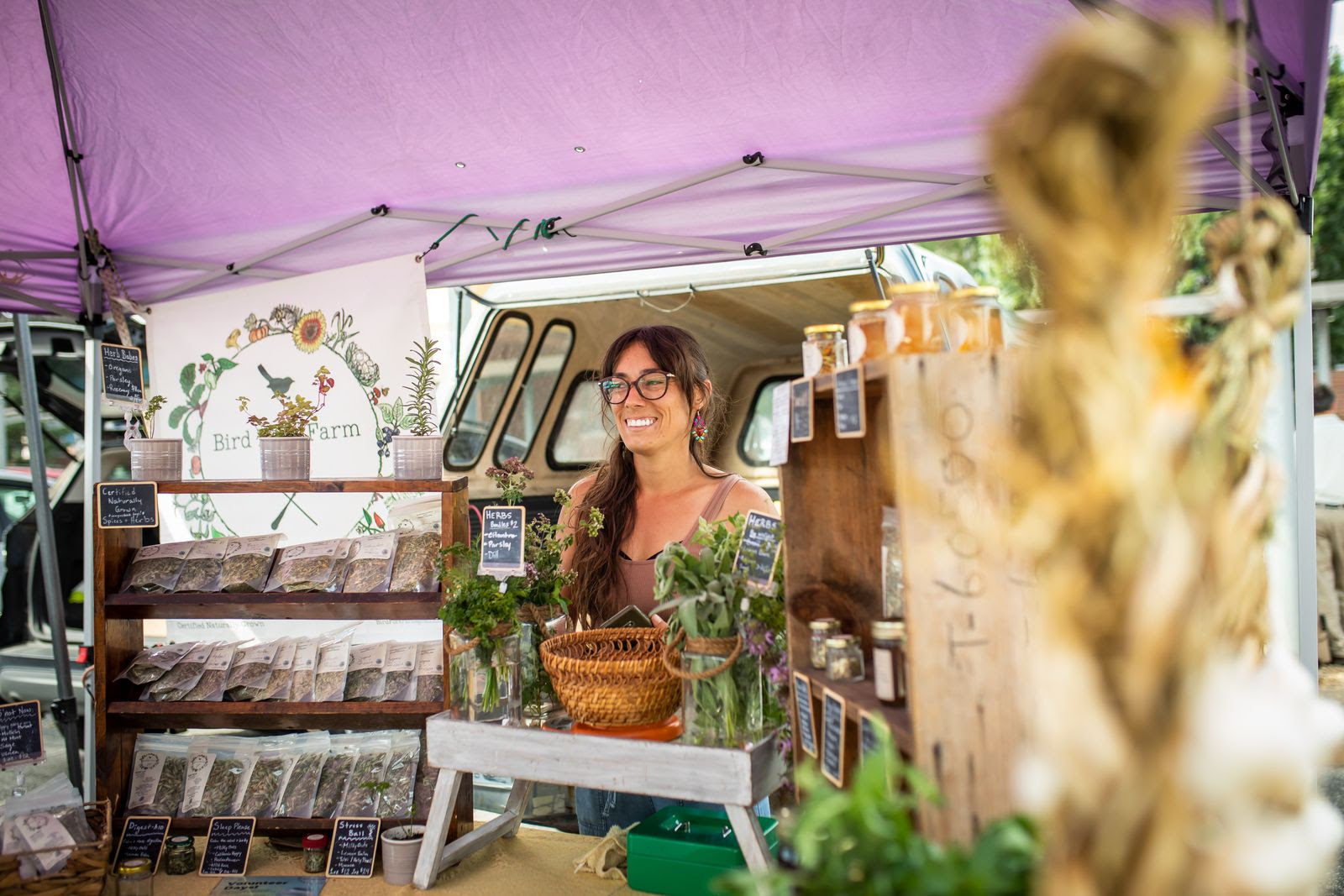
Image Credits
Sarah Catherine Unger