

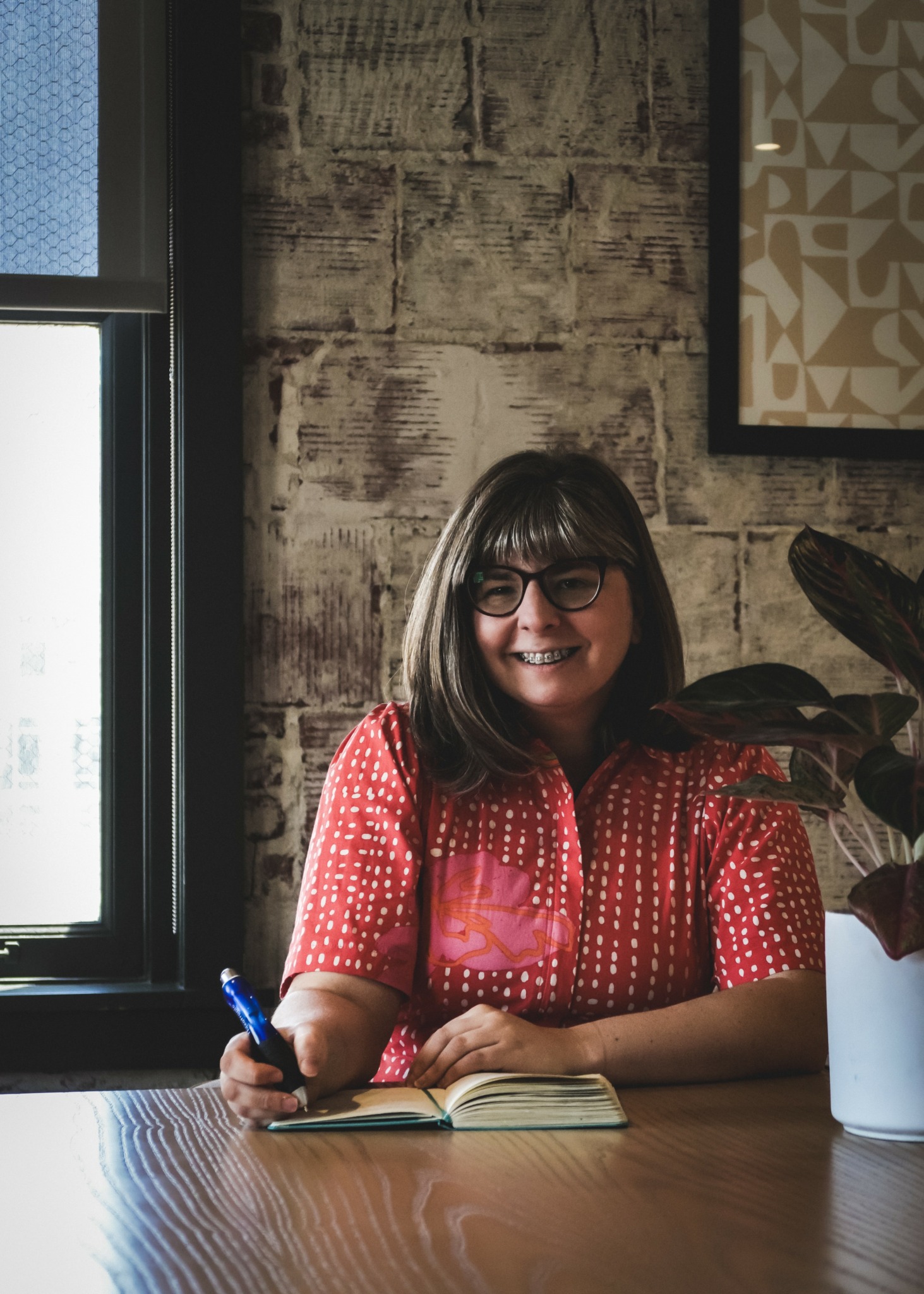

We recently connected with Justina Martino and have shared our conversation below.
Justina , looking forward to hearing all of your stories today. We’d love to hear about a project that you’ve worked on that’s meant a lot to you.
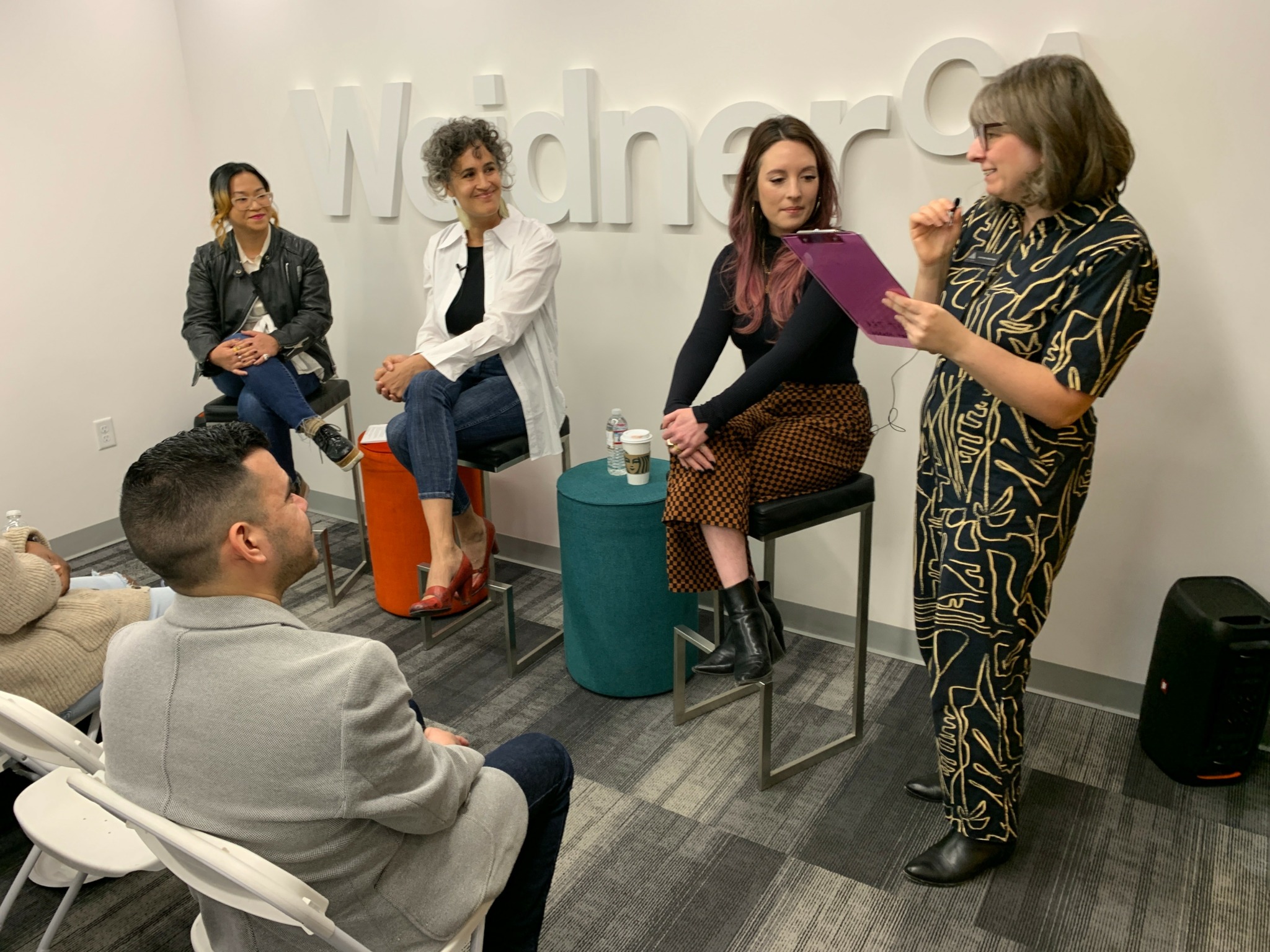
The most meaningful project I worked on was called “Artistic Pathways,” an event series that introduced artists to income-generating opportunities within businesses and organizations in Sacramento, CA. For the series, we invited artists to attend a breakfast mixer at an organization that hired artists, followed by a moderated discussion with a representative from the organization and an artist who had been hired by that organization. Discussion topics included balancing business and art making, networking, mentorship, collaboration, and more. I conceived the idea for this series to satisfy my own curiosity and desire to share knowledge and resources with the artists in my community. By working with artists and being an artist myself, I understood how challenging it could be to find opportunities to earn money from an artistic practice.
Justina , before we move on to more of these sorts of questions, can you take some time to bring our readers up to speed on you and what you do?
I’m passionate about art and writing, which led me to help my artist friends with grant and residency applications. While working at a local nonprofit arts organization, I was also hired as a project manager by London-based artist, Joshua Sofaer, for a large-scale community-engaged public art project in Sacramento and West Sacramento, called River Crossing: I want to communicate with you. I managed the on-the-ground support and community engagement since he couldn’t be here in person.
This experience helped me realize that I wanted to make this kind of work my full-time business. To make the transition, I worked with local arts business coach Kate Farrall, who helped me develop my services in grant writing, artist application assistance, and art project management. Now, I also offer professional development events and workshops for artists.
What sets me apart is that I’m an artist myself and deeply involved in the local art community. I am one of the managers of a shared studio, called Sunrider, which houses 10 artists total including ceramicists, stained glass artists, and painters. In my own art practice I explore mental health, relationships, feelings, and memories in painting and ceramics.
I’m most proud when I see my clients achieve their goals—whether it’s winning grants, creating public art, exhibiting their art, or selling to collectors. I value the strong sense of support and collaboration among artists in Sacramento, particularly within Black, Indigenous, and People of Color communities.
I aim to build and strengthen artistic connections across communities and facilitate resource sharing among artists to help our creative community thrive.
What can society do to ensure an environment that’s helpful to artists and creatives?
There are so many ways we can support artists! First of all, affordable housing is a game-changer. It lets artists focus on their work without stressing about high living costs. We also need to make sure they have access to safe, affordable studio spaces, which are crucial for their creativity and productivity.
It’s also great to see artists involved in sectors outside the traditional art world. For example, the City of Sacramento hired five artists in residence through the California Creative Corps program. These artists worked with city departments such as Community Engagement and Planning to use art to improve their processes and impact.
Business training is another important piece of the puzzle. We need to provide education in college art programs and beyond. I’d love to see business accelerators and incubators designed specifically for artists.
Lastly, buying art from local artists instead of corporations can make a big difference. Contrary to popular belief, art isn’t always expensive—many artists offer pieces at a range of prices. Prints and smaller works are typically the most affordable, making it an accessible and rewarding way to start your collection.
What’s the most rewarding aspect of being a creative in your experience?
The most rewarding aspect of being an artist is the freedom to play and use my imagination every day. I love being my own boss and setting my own schedule, which means I can go for a swim or take a nap in the middle of the day without anyone getting on my case about it. Collaborating with fellow artists and art administrators to bring their ideas to life is incredibly fulfilling. I’ve never been one for the traditional 9-5 workweek or rigid rules, so working in the arts allows me to follow my intuition and work with inspiring people, all while contributing to our community.
Contact Info:
- Website: https://www.arttonic.org
- Instagram: @justinamartino @art.tonic
- Linkedin: https://www.linkedin.com/in/justinamartino/
- Youtube: https://www.youtube.com/@arttonicservice
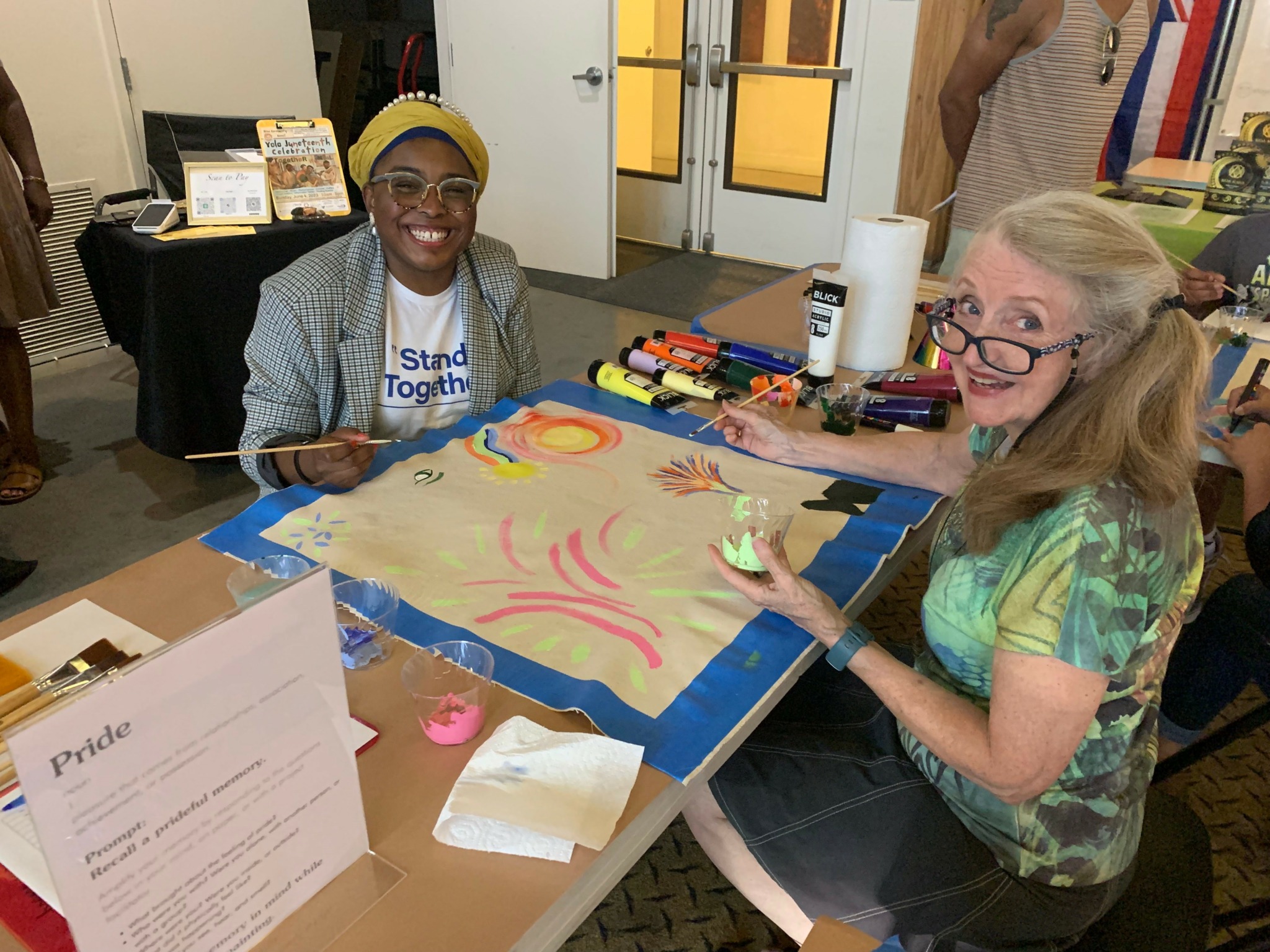
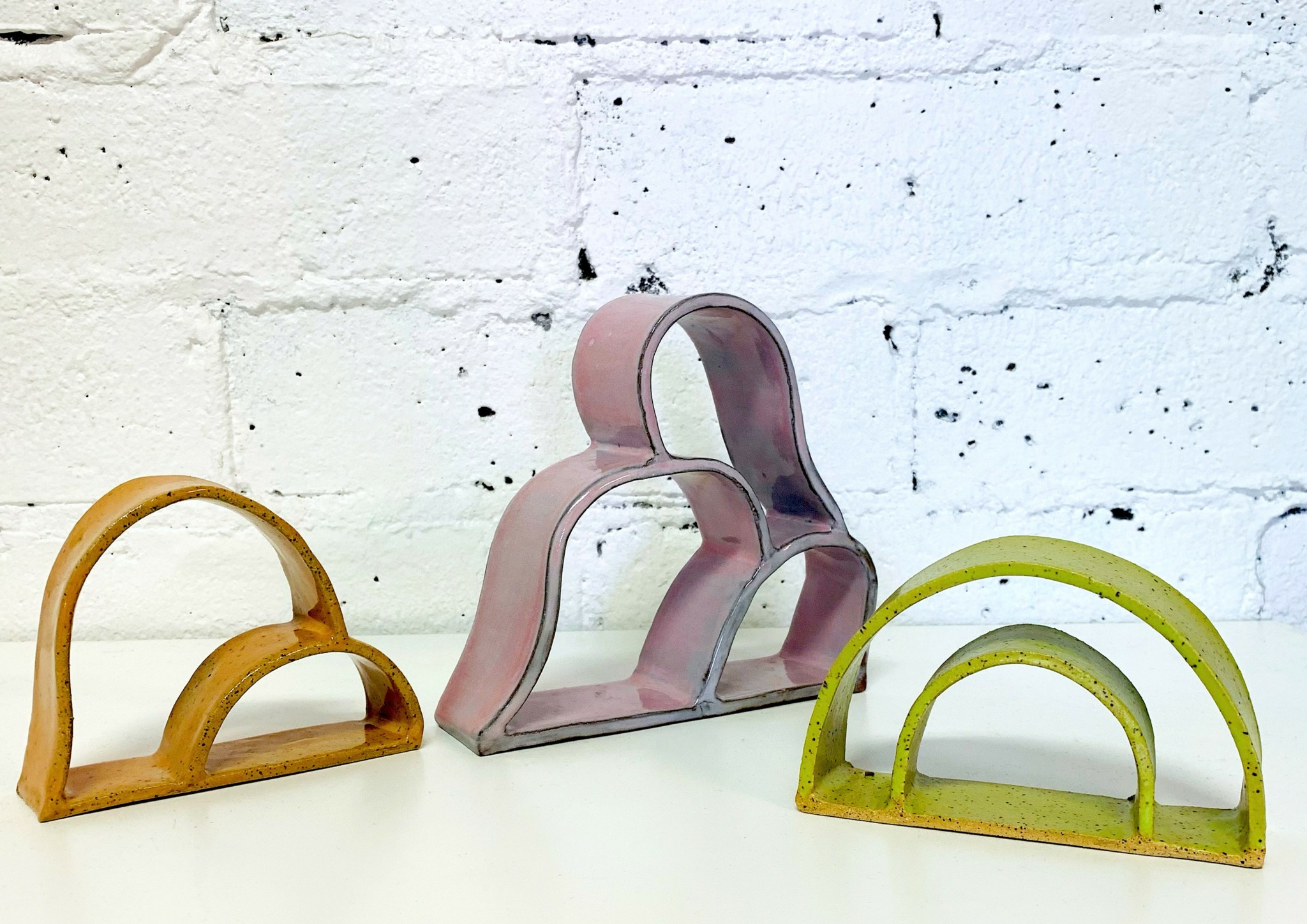
Image Credits
Artistic Pathways at WeidnerCA with Julie Bernadeth Crumb, Jaya King, Zoe Watson, and Justina Martino
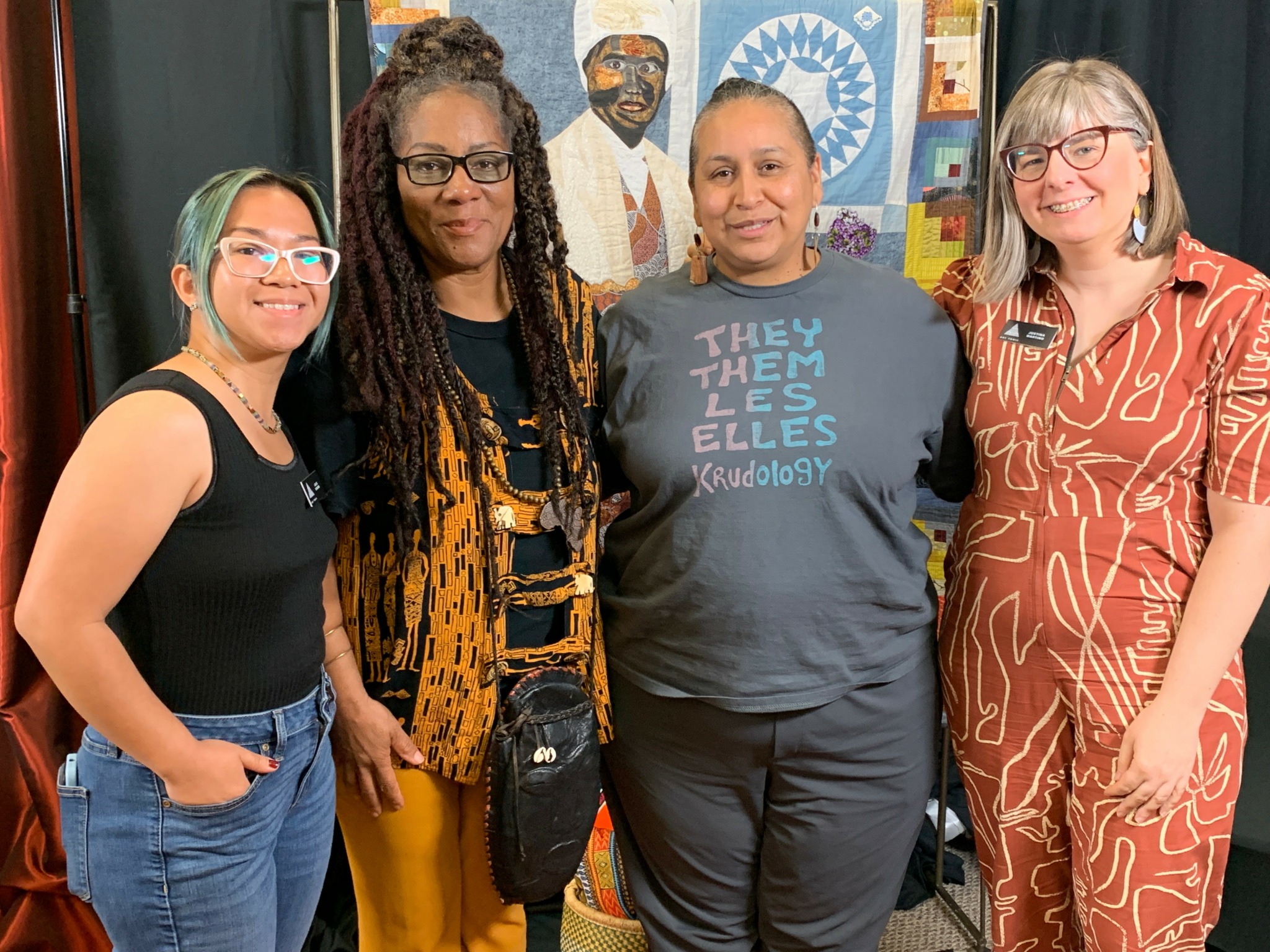
Artistic Pathways at Sojourner Truth African Heritage Museum with Julie Bernadeth Crumb, Shonna McDaniels, yAyA Porras, and Justina Martino
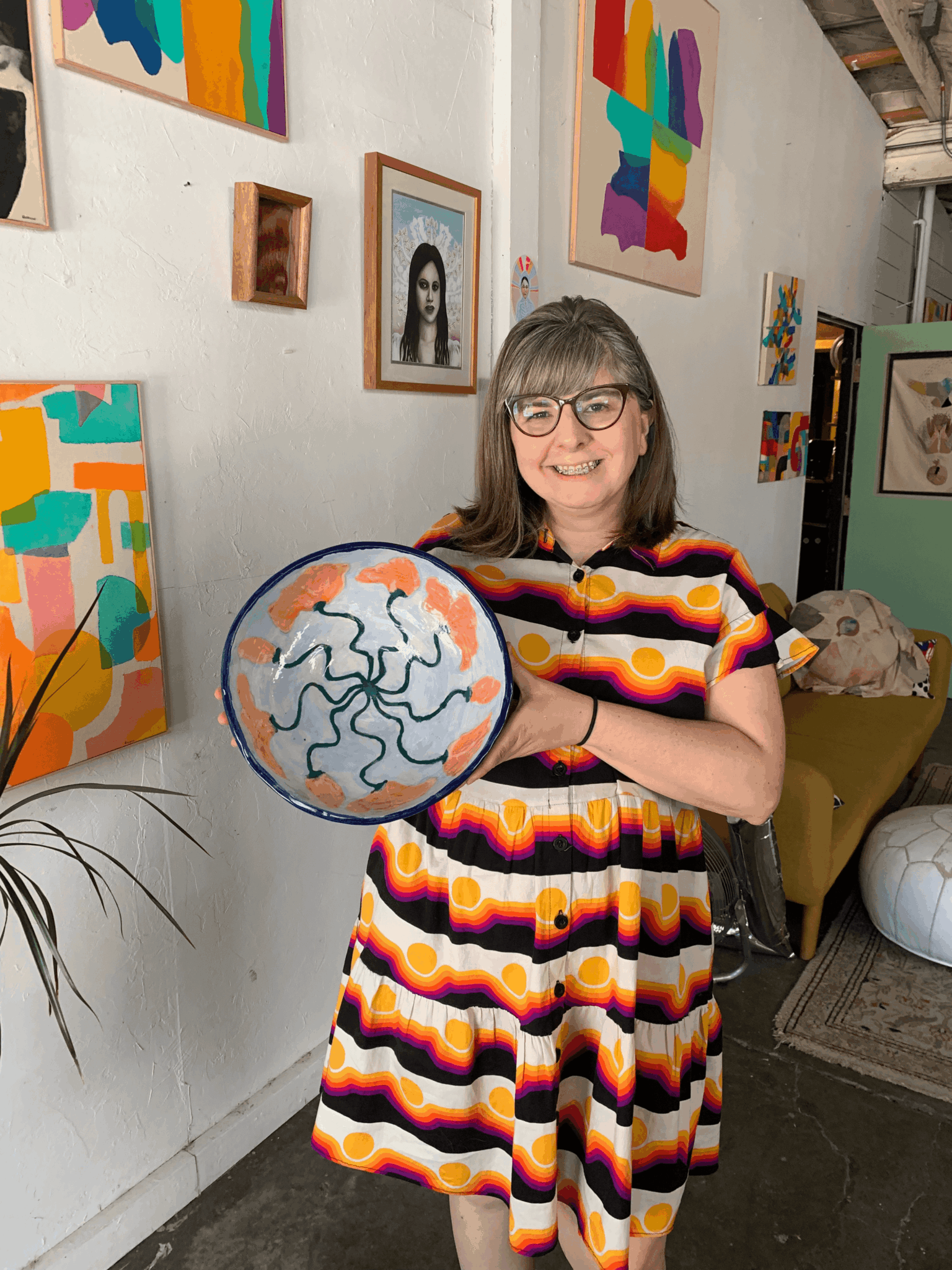
Justina at Sunrider Studio with Ceramic Bowl, 2024
Collective Feeling activity with Art Tonic friends and clients, Shani Zuberi and Cynthia Speakman
Justina Martino, Ceramic Sculptures, 2022
(Please credit Taylor Newbold as the photographer of my headshot.)