

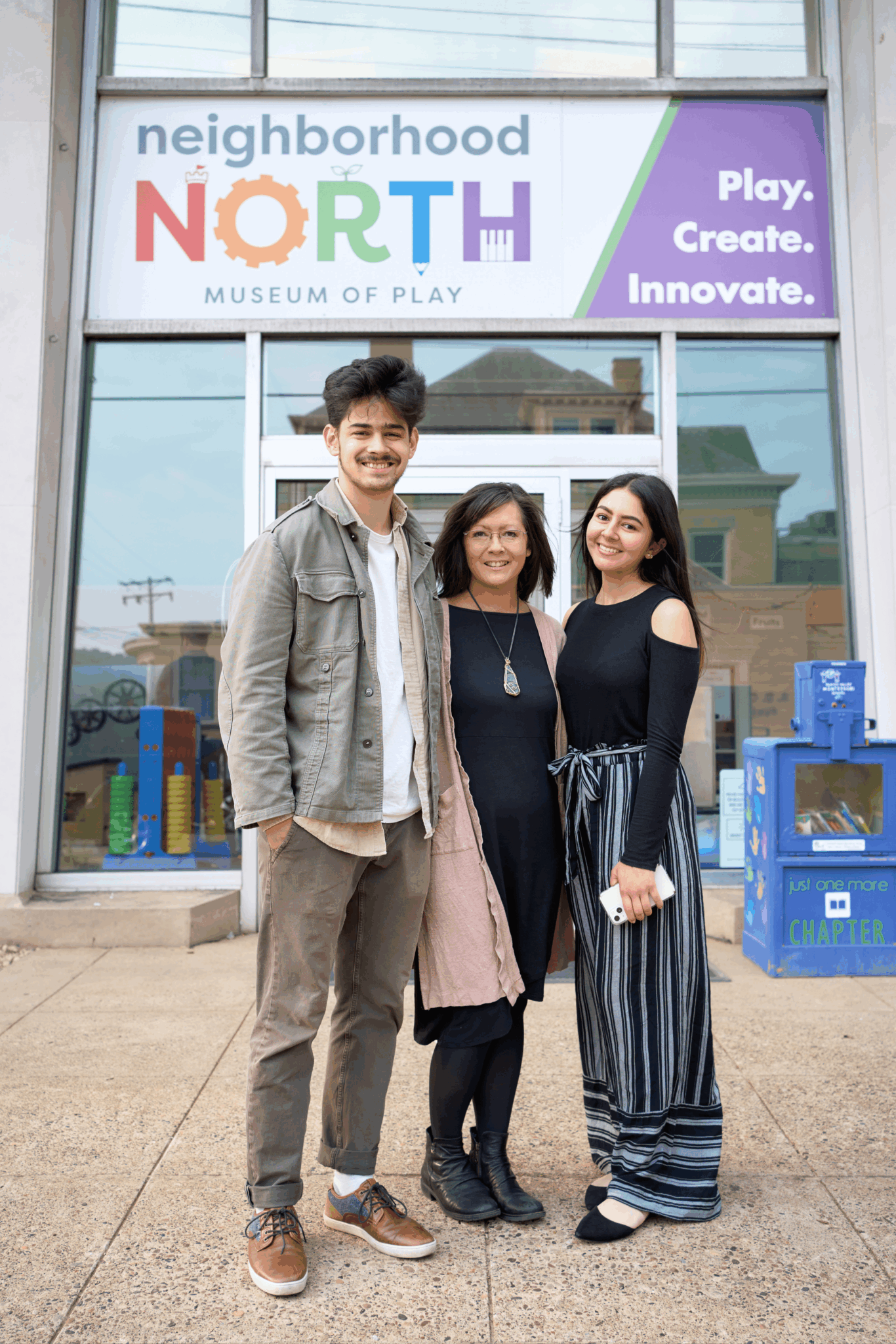

We were lucky to catch up with Christine Kroger recently and have shared our conversation below.
Alright, Christine thanks for taking the time to share your stories and insights with us today. So, let’s start with a hypothetical – what would you change about the educational system?
Frequently, the words we use to describe a situation shape our perspective and influence how we approach it. In recent years, the language used to describe our education system has led us to view learning as isolated, standardized, and restricted by inflexible criteria.
Along with many experts in the field, I believe that this framework no longer supports the well-being of young people or our communities. Our education system is intended for human beings, and our understanding of child psychology and development informs us that humans learn and grow in diverse environments—environments that are often more complex than straightforward.
Instead, I believe our vocations are part of a lifelong rhythm of learning, work, and play. The education system must reconsider who is considered a learner and how and when learning takes place to better prepare students for a more fulfilling life and career. Art, play, and hands-on creation should be emphasized as essential components of education, and learning should be acknowledged as happening both inside the classroom and out in the community. Elevating how play creates equity and fosters knowledge acquisition, understanding, and social-emotional development will impact learning across domains over a learner’s lifetime and impact community flourishing.
Children thrive when their families, schools, churches, and neighborhoods work together. Research shows that play is the best way to help children develop a wide range of skills and support their socioemotional development (Brookings Institute, 2021). It’s a shared responsibility to make sure that children have the chance to play, create, improve, and learn in a supportive environment.
Ample studies show that engaging in play and hands-on activities can enhance learning and cognition, especially when done with trusted individuals. By involving multiple senses, this approach helps create strong and lasting memories, leading to better retention of information. Furthermore, when both adults and children incorporate fun into learning, they are more likely to discuss the topic later and make connections with other subjects, thereby enriching the educational experience. This type of play-based learning is most needed in communities that have experienced the systemic traumas of poverty and racism. However, these are often the communities where play is most often lacking.
As I imagine the future generation of entrepreneurs, leaders, and employees, I believe the arts and play-based learning framework will play an increasingly significant role. This approach not only provides opportunities for lifelong learning but also has the potential to transform our education system. Investing in resources promoting creativity, cooperation, curiosity, and critical thinking can prepare a generation of more thoughtful, engaged, interdependent, and empathetic citizens.
Great, appreciate you sharing that with us. Before we ask you to share more of your insights, can you take a moment to introduce yourself and how you got to where you are today to our readers.
I am the Executive Director and Founder of a community-based children’s museum in a small Milltown in southwestern Pennsylvania called Beaver Falls, about an hour north of Pittsburgh. I’m not originally from here, but have spent almost twenty years raising my kids and working here in the education, public library, and nonprofit spheres leading teams, developing innovative solutions, and working collaboratively between regional sectors. My primary focus areas are children and families, community development, and creative placemaking initiatives. I am especially interested in programs that promote equity, elevate justice, and integrate the arts. This is home now. For the past 5-6 years, I have focused on play and its potential to foster equity in our learning ecosystem.
My journey to launching the museum began in 2015, while I was a librarian at the Carnegie Free Library in Beaver Falls. Our school district was one of the 50 at-risk school districts to receive an (RTT) Early Childhood Community Innovation Zone (CIZ) Grant to increase family engagement, strengthen relationships between early childhood providers and schools to build birth-3rd grade alignment and strengthen community collaborations. I was the Lead for the Library partnership in this 3-year grant, and through my role there, I saw the need for more equitable access to play-based learning opportunities for our community’s young learners and their families. Being a lifelong user of museums of all kinds, I understood the power of museums to help connect folks to new experiences and opportunities that promote curiosity right in their own backyard. This understanding led me to research, meet with other museum experts and founders, and then establish the Neighborhood North Museum of Play in 2018. The museum serves as a hub for innovative art and play-based learning programs, research, and community engagement, addressing the identified issues and contributing to community well-being and economic revitalization in Beaver Falls.
Learning opportunities missed during the critical early development years can’t always be addressed in later years. Ultimately, the impact of these educational deficits expands beyond children and families to negatively impact entire communities and our region’s economy. As an antidote, children’s museums are at the heart of community renaissance, often working in tandem with other educational and community partners to create a learning ecosystem that more holistically supports children and families. By providing a community space where grown-ups and children can learn together through fun hands-on exhibits, classes, and programs, Neighborhood North is helping to close knowledge and opportunity gaps and is transforming the local educational environment through equitable, innovative learning. Children’s museums provide a vehicle through which all children can be exposed to various learning experiences, promoting curiosity, innovation, and creativity, positively influencing learning across all domains.
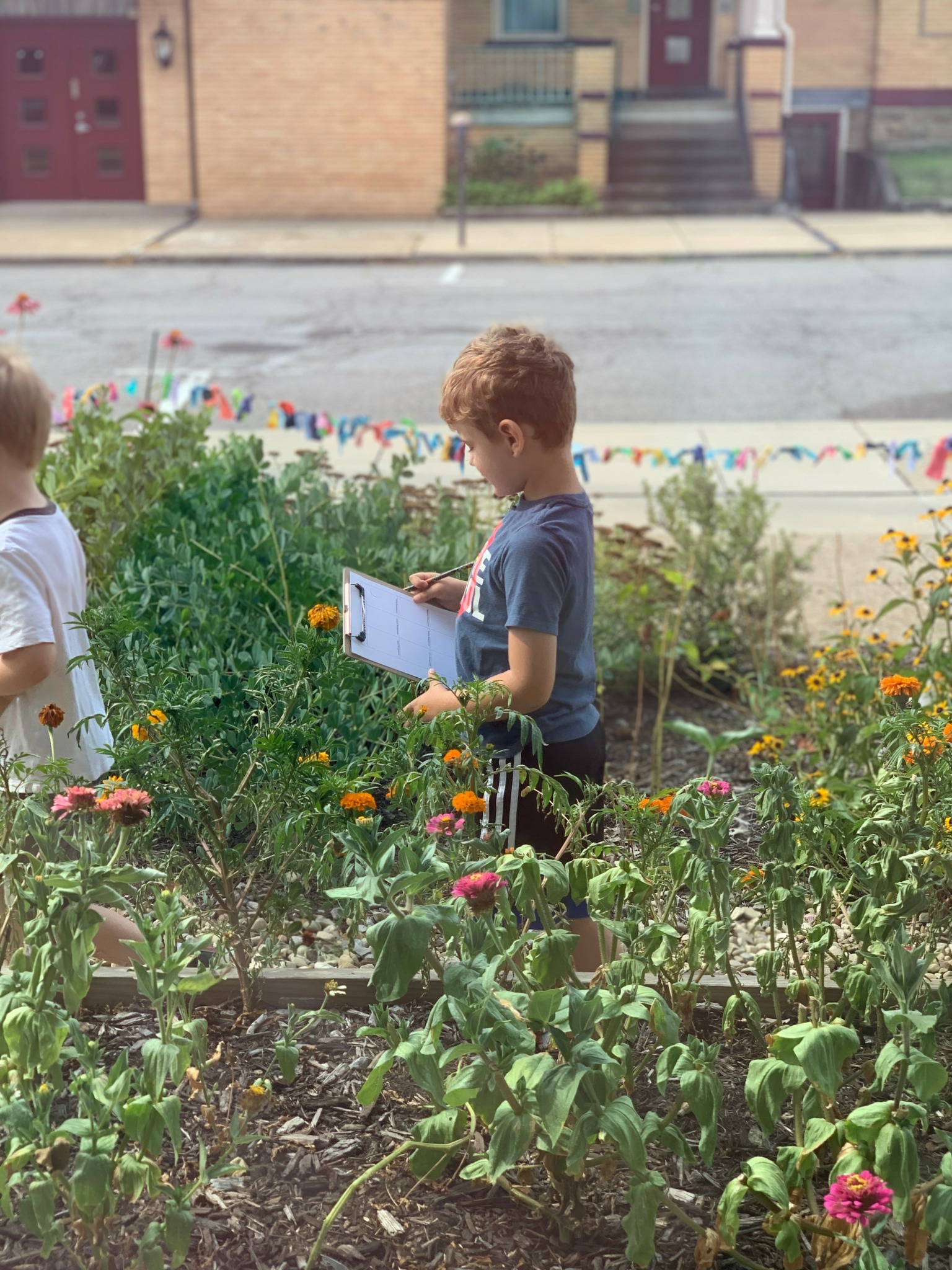
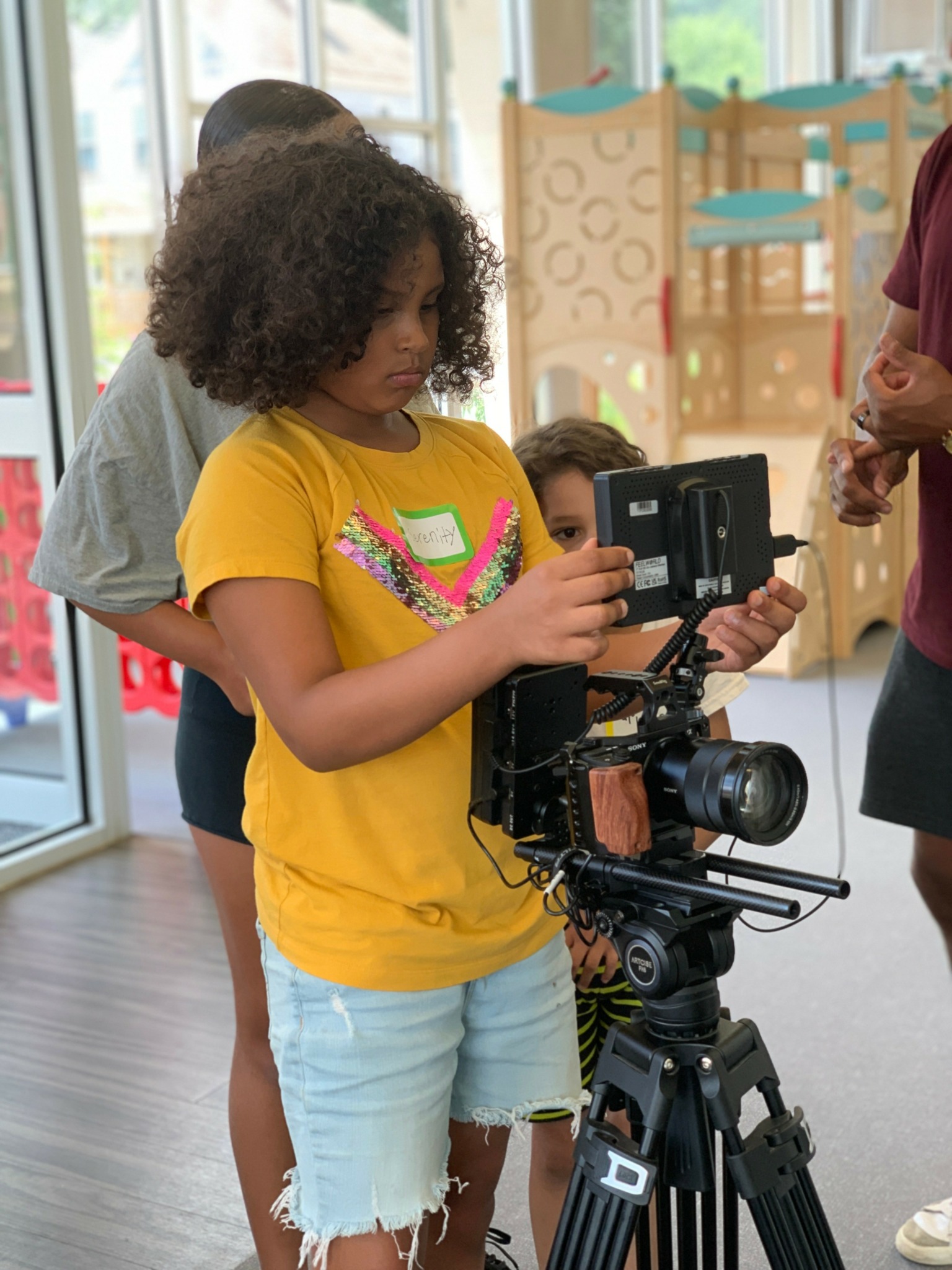
I founded the Neighborhood North Museum of Play in 2018, and we incorporated it in 2019. We operated as a pop-up “Museum without Walls” for several years and opened the first children’s museum in Beaver County in November 2021, located in a renovated bank building in downtown Beaver Falls. Since then, we have welcomed over 10,000 children and caregivers each year for Open Play, programming, field trips, and event rentals. Our Preview Space has 12 installed exhibits and a Digital/Analog Maker Space as well as outdoor exhibits in their Pollinator Garden, with new exhibits slated for installation in 2025. With funding and support from foundations, government agencies, corporations, and private donors, we launched three major initiatives in 2024 intended to foster a Teaching Artist economy, enrich the local Maker Community, and support intergenerational learning. Neighborhood North partners with the local school district to support 21st Century Community Grant- and USDA Farm-to-School Grant Initiatives.
Neighborhood North positively impacts at least two of the five social determinants of health (Education and Social and Community Context), contributing to the creation of a better neighborhood for children and families and aligning and prioritizing the following five Sustainable Development Goals: No Poverty, Zero Hunger, Quality Education, Gender Equality, and Affordable and Clean Energy. In addition, Neighborhood North will contribute to the revitalization of the downtown business district in Beaver Falls and the economic development of the region, through direct and induced employment and tourism.
Looking forward, we are working to restore the iconic News Tribune Building, a 18,000-square-foot building located on the campus with the library, which will serve as the future home of Neighborhood North. We have just embarked on our $10 million Capital Campaign, planning to move the museum into the expanded location in early 2028. As a space of curiosity, innovation, and creativity for our county, I am proud that Neighborhood North is helping build a pathway to a more playful and equitable future.
Have you ever had to pivot?
We launched Neighborhood North as a “Museum without Walls” in 2018, which meant we visited community events with our traveling exhibits. This approach allowed us to concentrate on promoting our vision and gaining community support. As a result, by 2020, we had increased social capital in our community by bringing together the interests of local families, school administrators, social service agencies, government, and businesses. I secured a lease for an old bank building in Beaver Falls in March 2020 and were developing plans to renovate it for our children’s museum when the COVID-19 pandemic forced us to adjust our plans, like many others.
During the summer of 2020, I leveraged the relationships we had developed to be the driving partner in offering the Community Summer Learning Program, which provided tutoring, STEM and art activities, and family engagement programs to students and their parents living in local public housing.
During that time, I was part of a group of regional educators who were discussing student needs and responses to the pandemic. When a large regional school district decided to have its students attend classes in a hybrid fashion in the fall of 2020, one solution that emerged was to have Arts/Youth Serving providers create Learning Pod support centers. I thought this could potentially be a solution for our Beaver County students who needed extra support. As the head of a young organization, I was able to quickly respond as the needs in our Beaver Falls community became apparent that fall. When our school district opted for a hybrid learning model, I advocated to my board and our funders to allow us to reallocate funding to open our physical space in an adaptive effort to offer Neighborhood Learning Pods. These pods provided much-needed academic and structural support to vulnerable students.
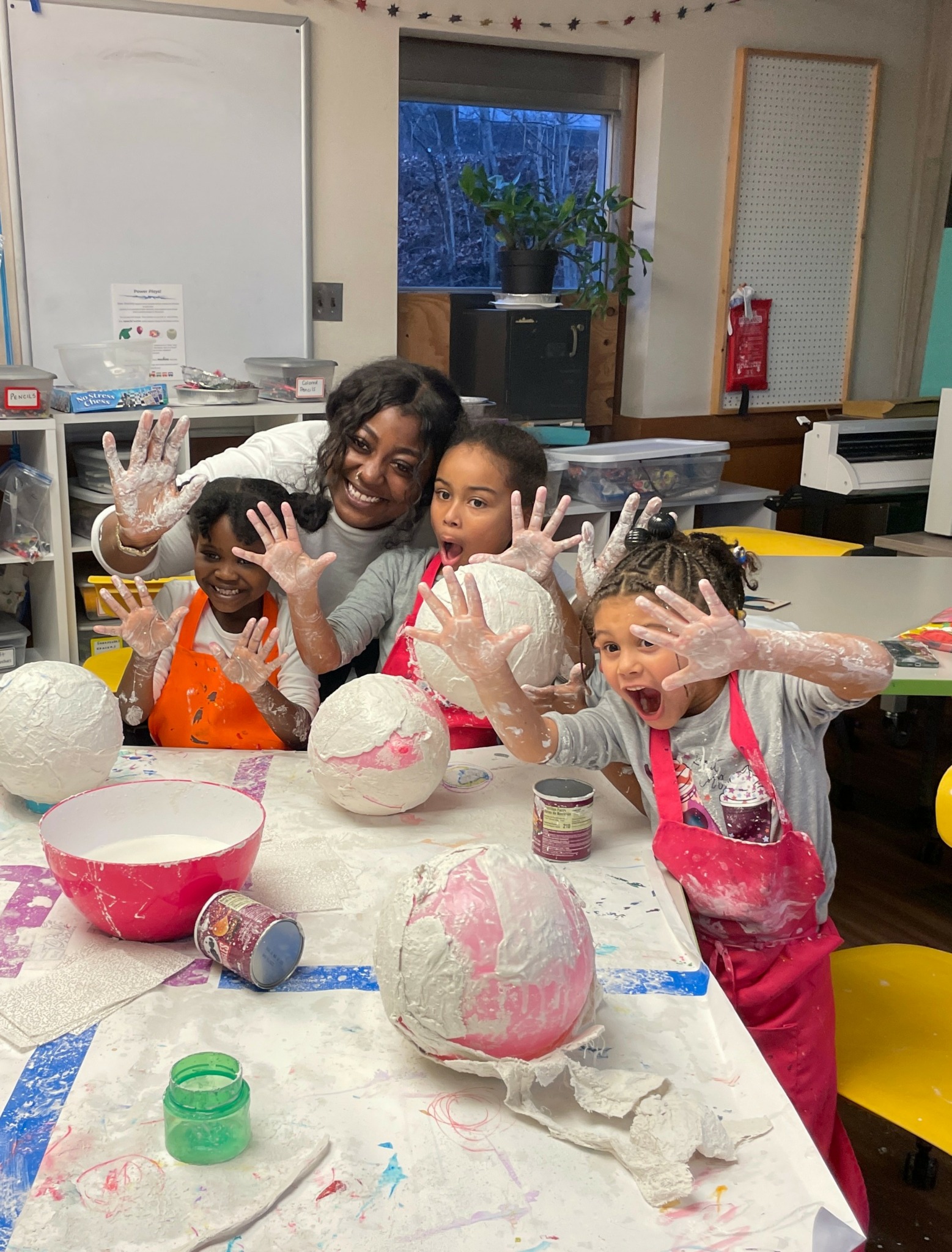
We worked with educators, teaching artists, the school district, speech pathologists, and researchers to quickly create a flexible model. Our team served nearly 100 at-risk students in our Learning Pods during the 2020-21 academic year. We continued to provide programming to these students throughout the summer, even as we prepared to open the museum to the greater community.
The pandemic presented unique challenges for everyone, and we were no exception. We recognized that the well-being and success of our students are closely tied to their health, housing, environment, and access to food. Therefore, during the 2020-21 year, we prioritized establishing partnerships and providing support for our students and their families across these areas. As the founder and leader of a young organization, I had to be flexible and creative in responding to the community’s needs. As a nonprofit in its early stages, I faced the challenge of addressing these needs while staying focused on our main objective of launching a children’s museum. Reflecting on this period, I believe it was a time of valuable insights and growth for our organization, shaping us in ways that would not have been possible otherwise.
Have any books or other resources had a big impact on you?
Many resources have been both practical help and inspiration during this entrepreneurial journey, but one that I continue to come back to is adrienne maree brown’s book Emergent Strategy.
As a museum founder and nonprofit leader, I’ve been required to think pragmatically and strategically when developing the roadmap for Neighborhood North. I saw a need in the community, researched, met with other museum founders and leaders, and created a business plan for approaching this audacious task. As a community development practitioner, I’m called to live with my community and think about flourishing in the context of the neighborhood of which I am a part.
There is a tension there.
No one has helped me understand how to marry these perspectives together more than adrienne maree brown, who, sharing insight from the natural world, writes about emergent strategy and radical imagination. Without disregarding the essential need for intended and deliberate strategies that allow an organization to pursue a structured plan, she layers the need for emergent strategy, which constantly evaluates the bigger picture. Emergent strategies allow us to be flexible and adaptable in our approach as we respond to changing conditions and get in right relationship with change, allowing us to develop our organizations with a vision towards “community, liberation, and justice”. Her call for radical imagination has been a message of both hope and a challenge to me as we work toward building a children’s museum in my Milltown community.
Contact Info:
- Website: https://www.neighborhoodnorth.com
- Instagram: https://www.instagram.com/neighborhoodnorth/
- Facebook: https://www.facebook.com/neighborhoodnorth
- Linkedin: https://www.linkedin.com/in/christine-kroger-9b1311170/
- Youtube: https://www.youtube.com/@neighborhoodnorthmuseumofp1334
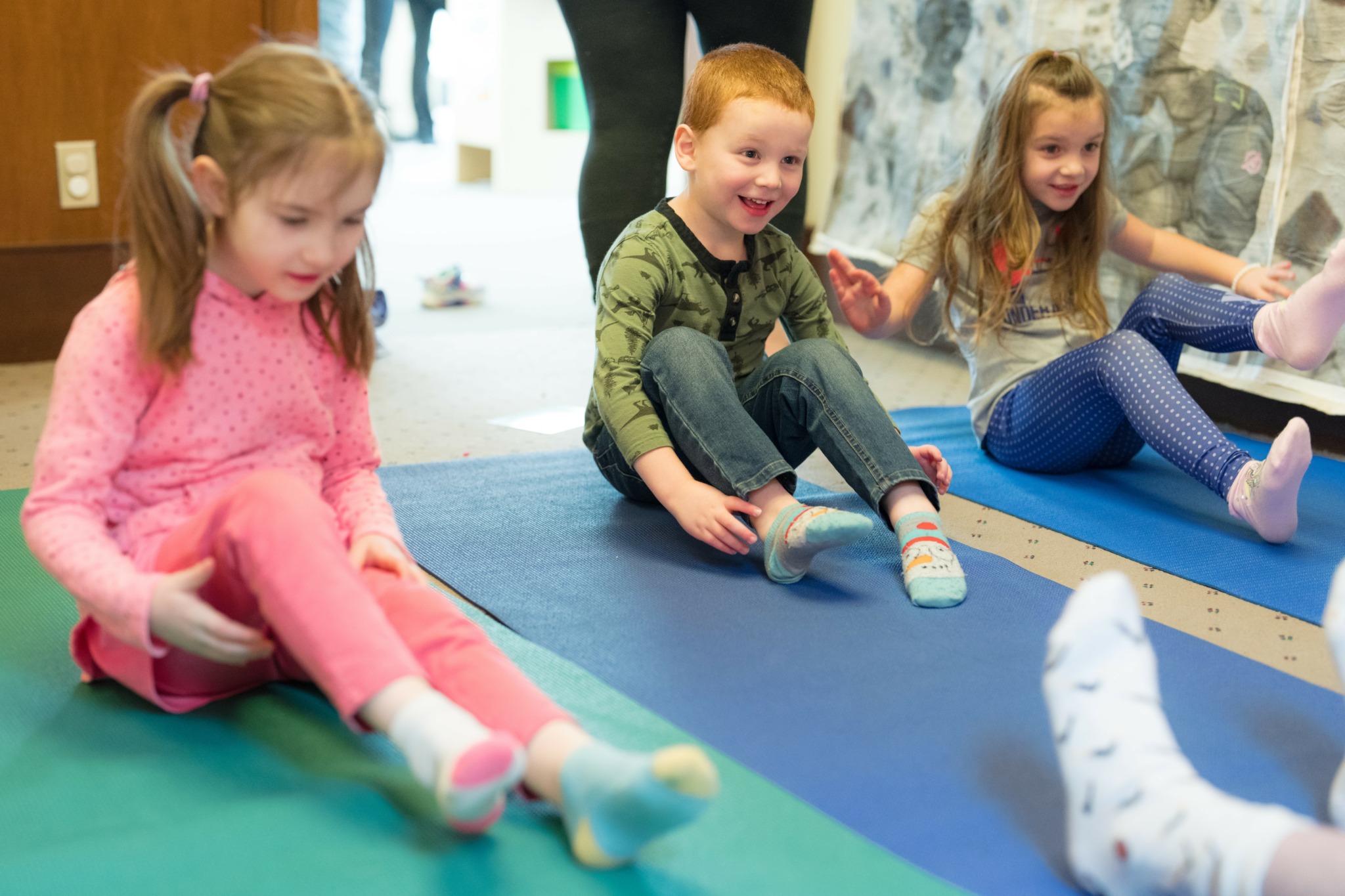
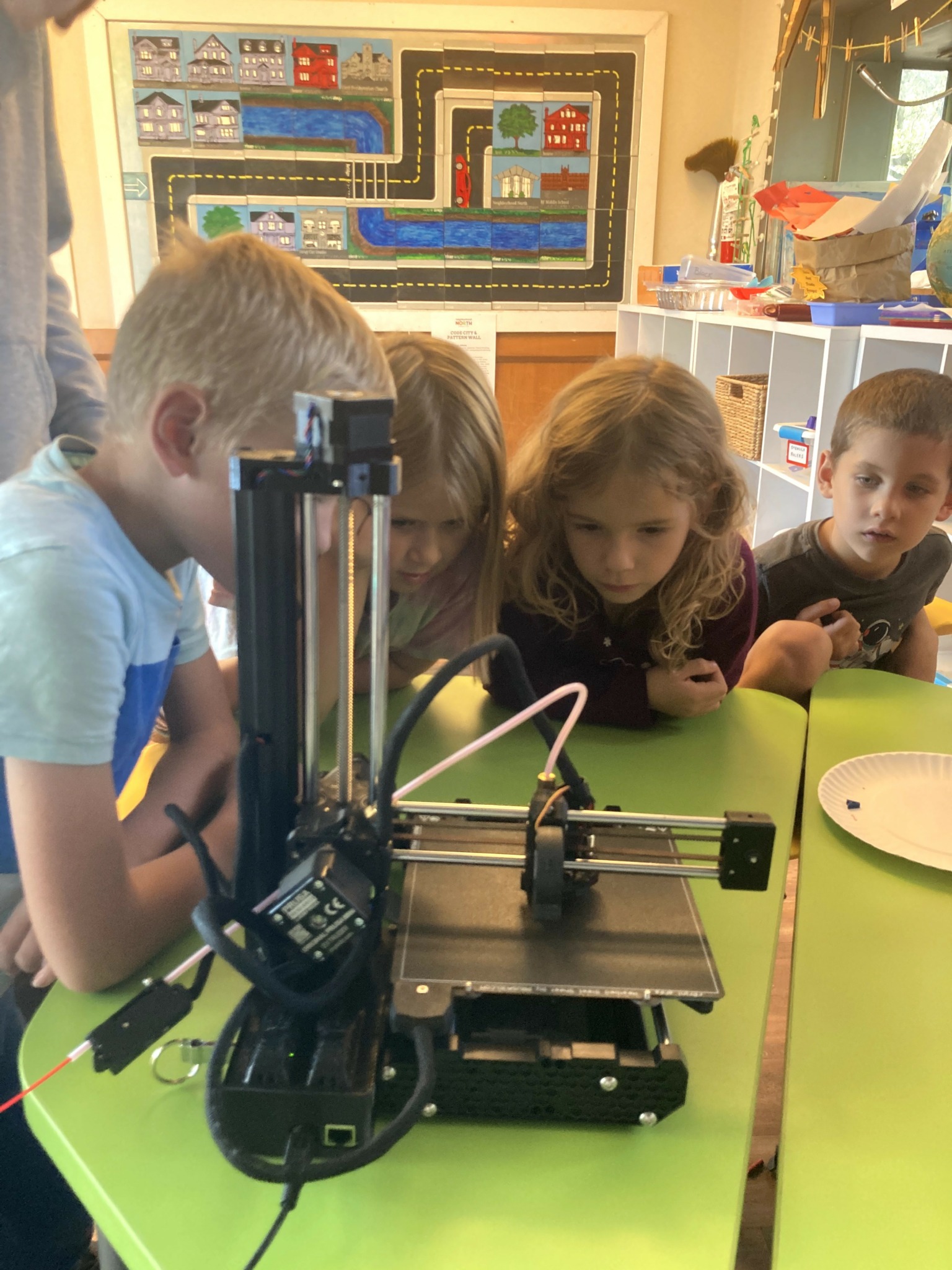
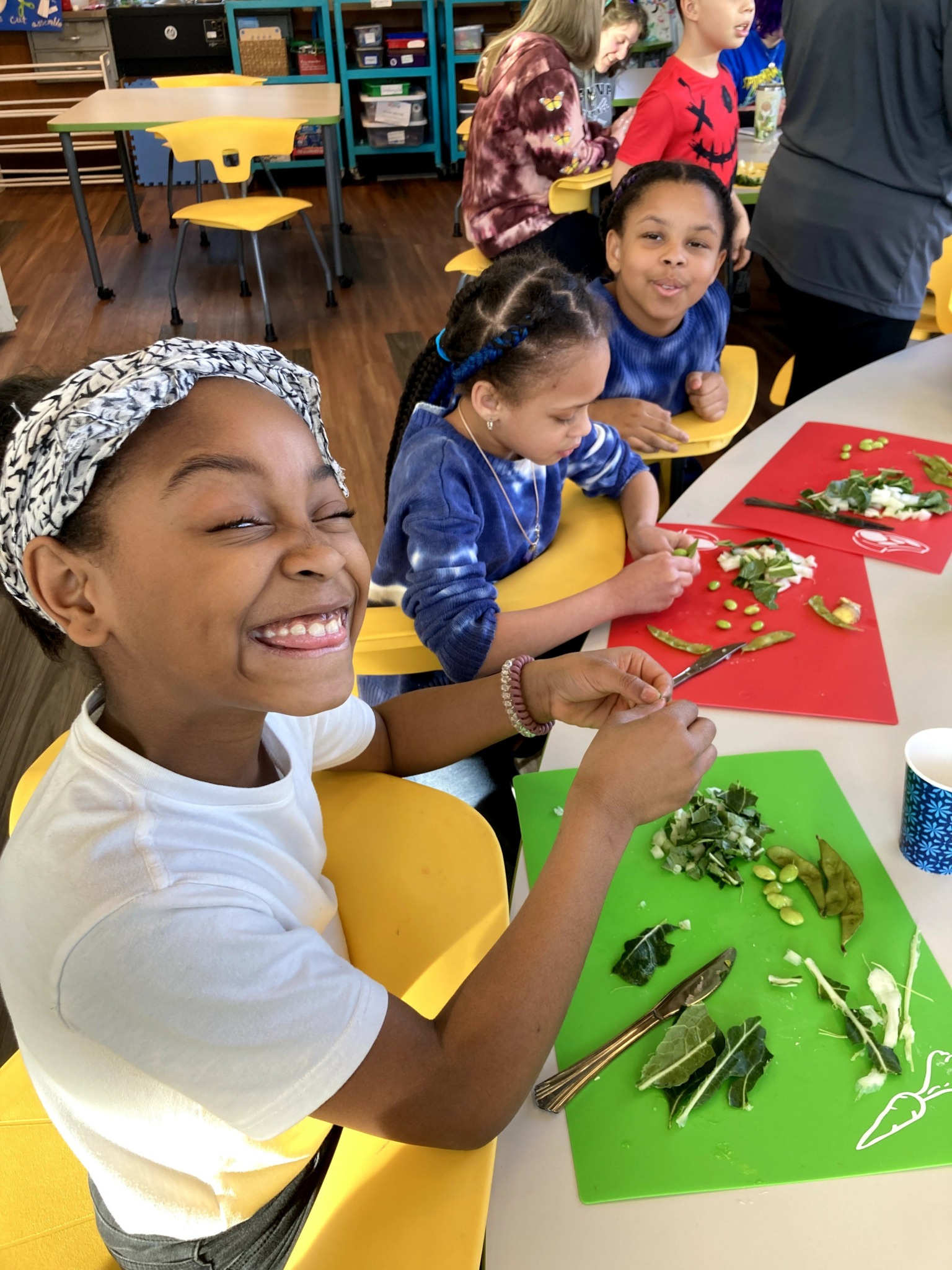
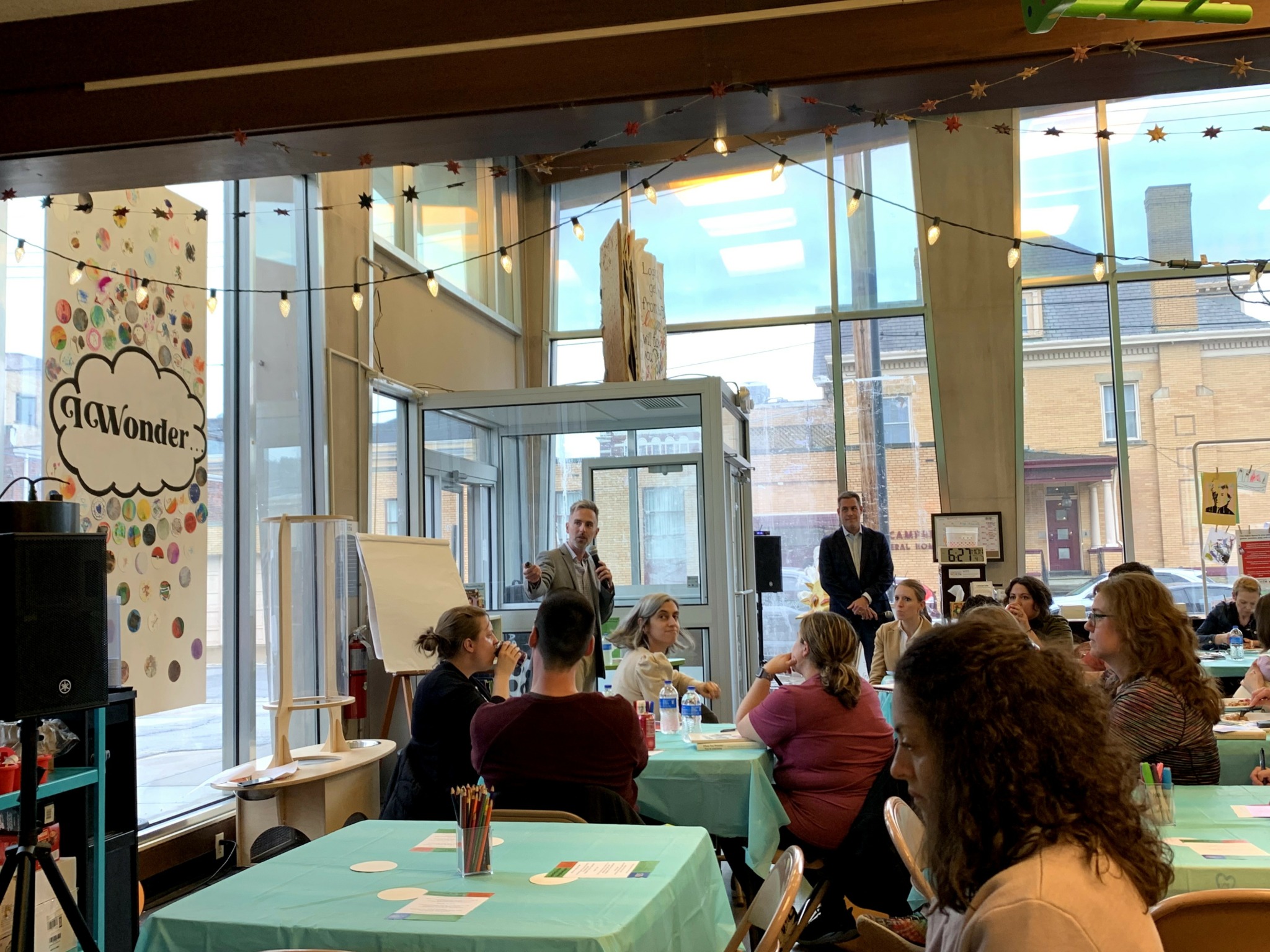
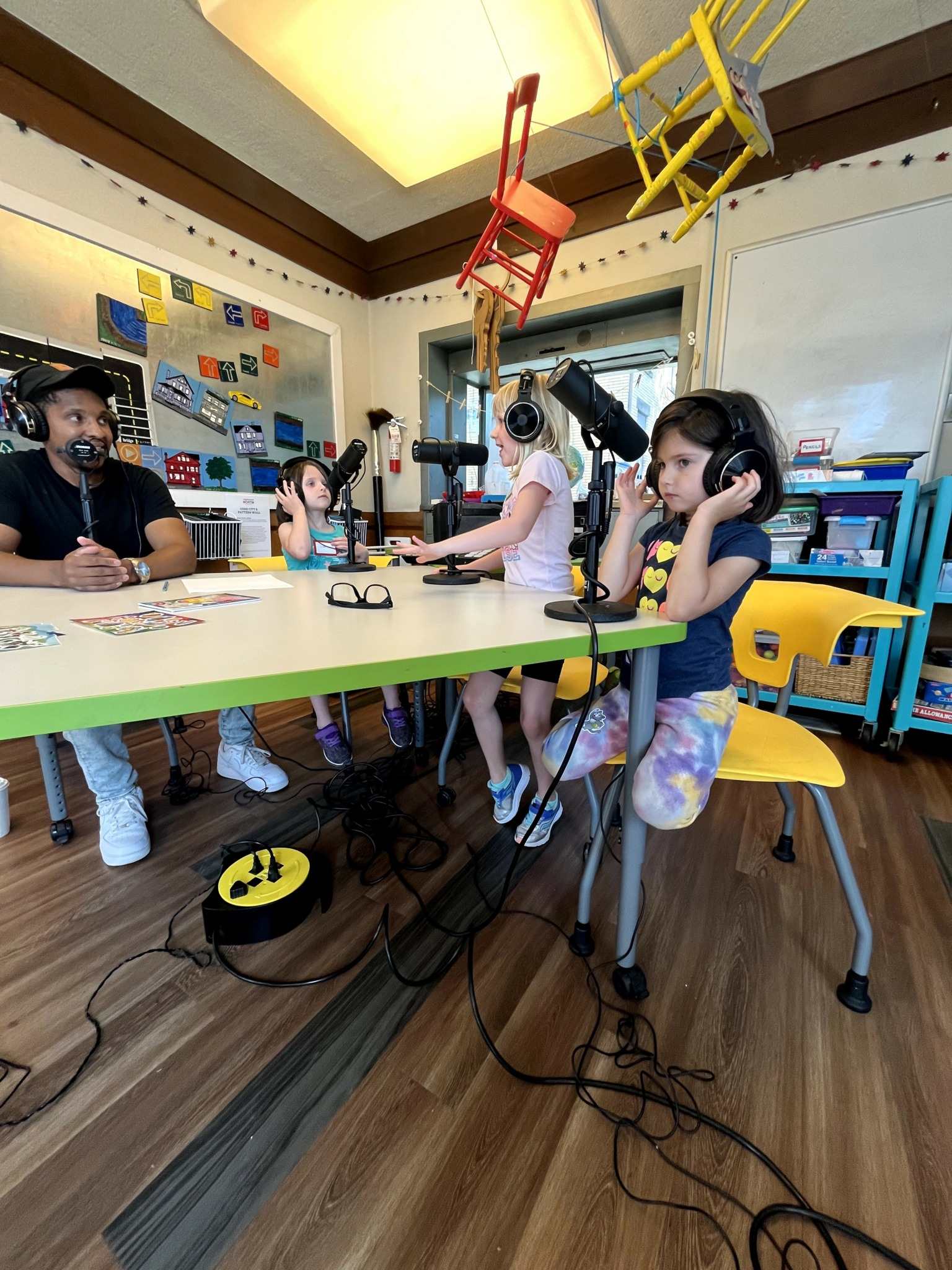
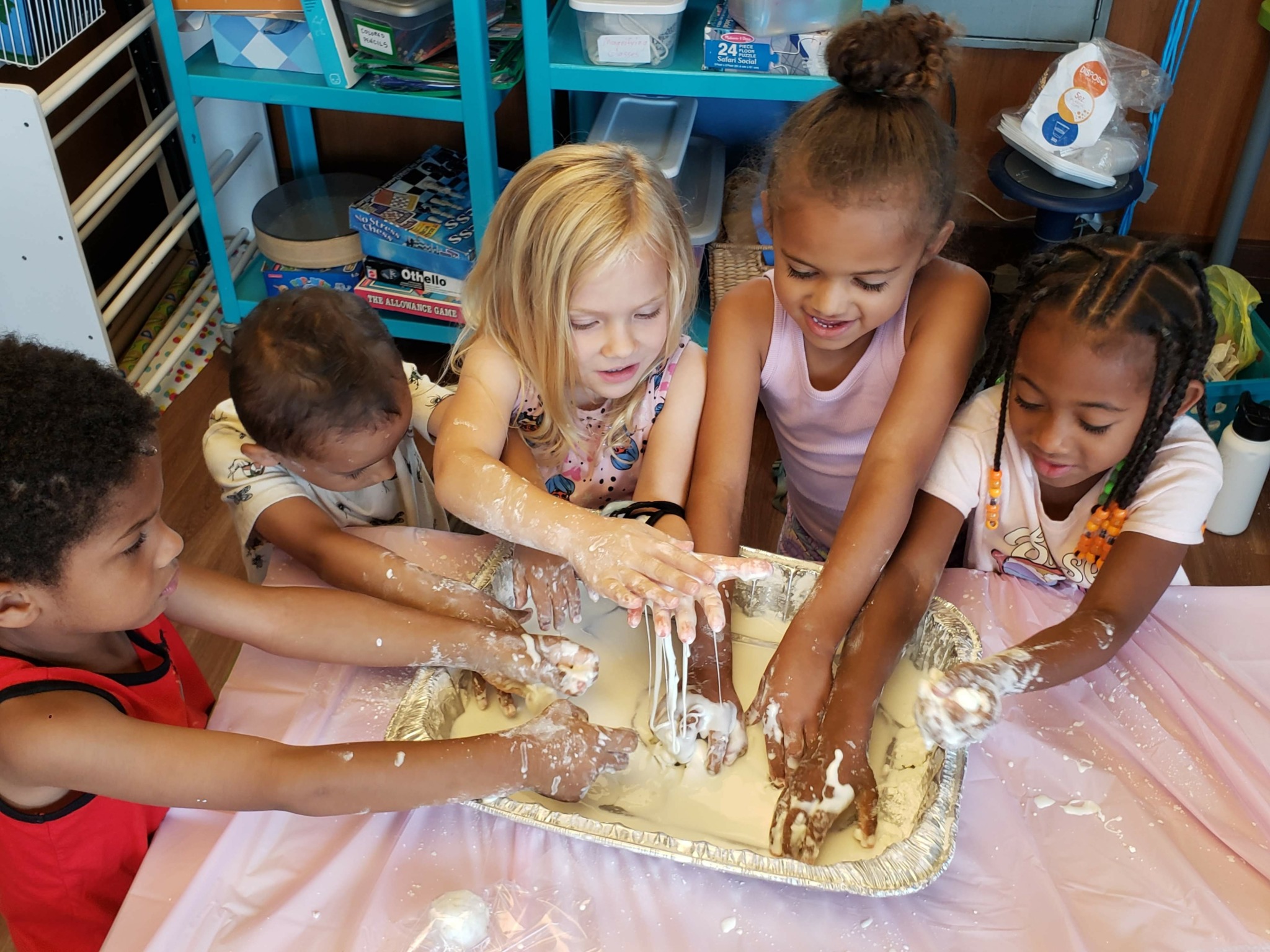
Image Credits
Guyruffphotography
Rustbeltmayberry Photography