

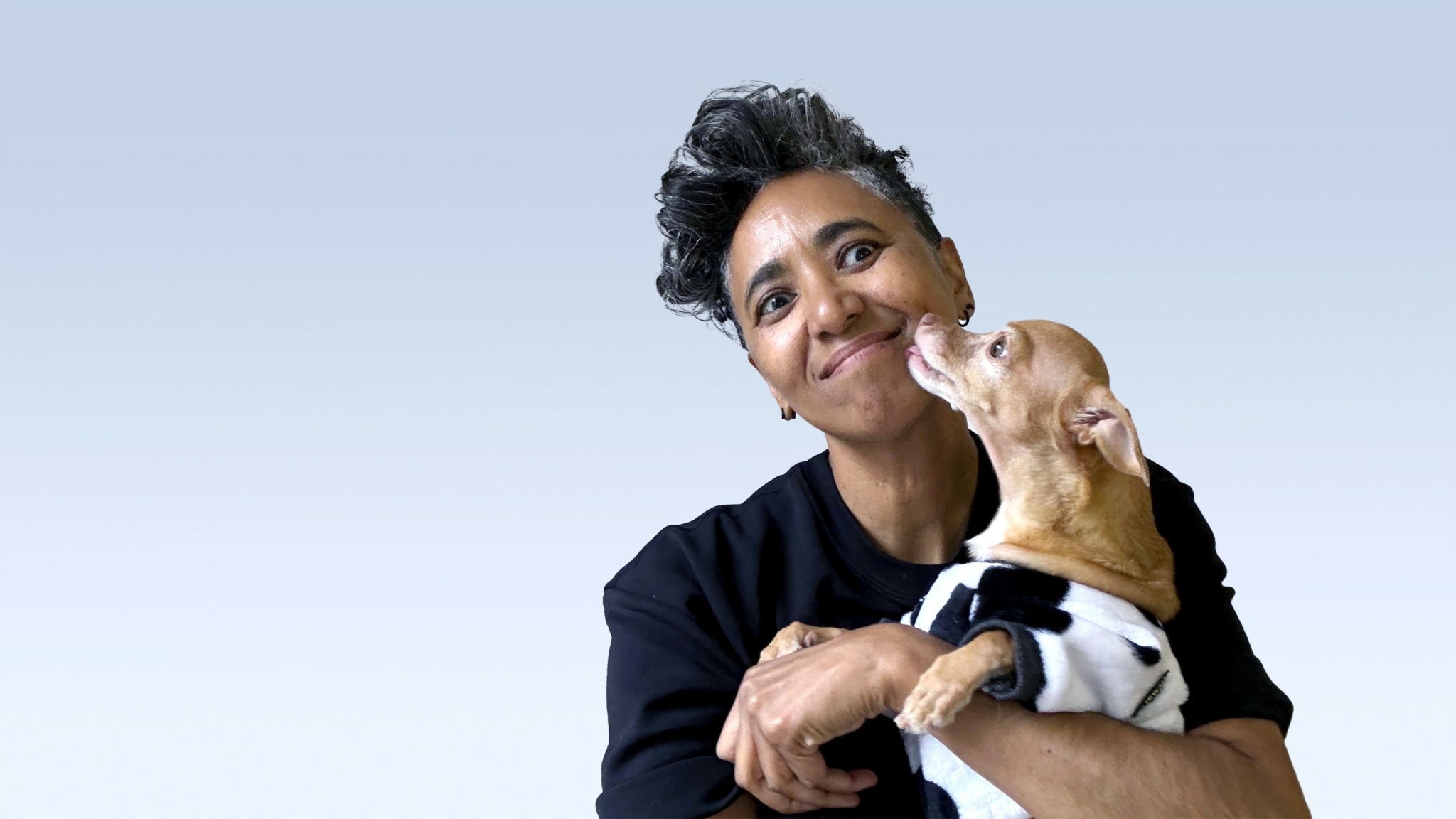

We caught up with the brilliant and insightful Kai Erasmus a few weeks ago and have shared our conversation below.
Alright, Kai thanks for taking the time to share your stories and insights with us today. We’d love to hear the backstory behind a risk you’ve taken – whether big or small, walk us through what it was like and how it ultimately turned out.
Imagine this: After more than 17 years working in a corporate environment, advancing in my current position, being in a senior leadership role, all the while concealing not only the typical figurative mask required to maneuver office dynamics, but also the genuine, tiring mask that accompanies being neurodivergent in a society that often struggles to understand individuals like myself.
Furthermore, consider also being LGBTQIA+, middle-aged, and an immigrant. Let’s just say I had several hats to balance at once. Sometimes I didn’t know which version needed to show up in those rooms.
The salary was attractive, the position prestigious, but there was a lingering sensation that the current processes were not designed for individuals like myself. The absence of awareness and support, the constant hiding, it takes a toll on you. The turning point occurred during the George Floyd incident.
Similar to others, it caused me to stop and think about what truly matters, what I have power over, and how I could make a meaningful impact outside of the workplace.Therefore, I took a chance. I left my high-paying job, which surprised my accountant, to start 3 Dots Coaching. I didn’t aim to simply be a consultant; my goal was to establish an environment where neurodivergent individuals and all intersectionalities could be themselves and have their distinctive lived experiences be appreciated and understood.
Ever since then, I have not turned back. It has definitely been quite an unpredictable journey. However, each obstacle has only confirmed my decision to take that chance. I am currently engaged in work that is not only significant but also influential, guiding others through the same obstacles I used to encounter, and creating something that, quite frankly, should have been present from the beginning. I sometimes wish I had a leader or executive coach like me (or someone like me).
Great, appreciate you sharing that with us. Before we ask you to share more of your insights, can you take a moment to introduce yourself and how you got to where you are today to our readers.
Who or what am I? I’m Kai —a globetrotter who’s equally at home with a cup of tea and the latest tech gadget. The fur-parent of Daenerys a dog that does not live up to her name. Oh yeah, recently embracing non-binary identity (still working through it)
By day, I’m an ICF credentialed executive coach, consultant, and CEO of 3 Dots Coaching. But trust me, my path here wasn’t exactly a straight line nor should it be.
I spent over 17 years in the corporate world, climbing the ladder to senior leadership roles, all while juggling the challenges of being neurodivergent, LGBTQIA+, middle-aged, and an immigrant. It’s been one heck of a journey, to say the least.
I started 3 Dots Coaching because I saw a glaring gap in how organizations—and society in general—support people like me. You know, those of us who don’t quite fit the traditional mold but have tons of potential if given the right understanding, support and tools. So, I took the plunge and left a cushy, high-paying job to build something that didn’t exist—a space where neurodivergent leaders, and anyone grappling with executive functioning, career transitions, or relationships, could be themselves and actually thrive.
At 3 Dots Coaching, I offer more than just your run-of-the-mill coaching sessions. I team up with individuals and organizations to help them navigate the maze of neurodiversity. Whether you’re a neurodivergent leader looking to turn your quirks into superpowers, or a team wanting to get a handle on diverse thinking styles, I’ve got you covered. My work runs the gamut from one-on-one executive coaching to team workshops and consulting on how to make workplaces more inclusive.
What sets my approach apart? Well, I’ve been in your shoes…still wearing them. I’ve had to mask my neurodivergence in environments that just didn’t get me, and boy, have I experienced the toll it took on my mental health. I’m not just coaching from some dusty old textbook; I’m coaching from the school of lived experience and empathy. My philosophy is pretty simple: I meet my clients where they are on their journey. No judgment, just the right questions to help turn what’s often seen as a stumbling block into your secret weapon. Yes, I do coach neurotypicals as well.
One of the best parts of why I love what I do and “be” is seeing the transformation in my clients. When someone has that ‘aha’ moment and realizes they don’t need to be a square peg in a round hole to lead effectively, or when a team figures out how to support their neurodivergent colleagues—that’s the good stuff right there. My work goes beyond just career development—it’s about helping people live and work in a way that’s true to who they really are.
For anyone reading this, here’s what I want you to know: Whether you’re struggling to keep all your plates spinning, trying to figure out your next career move, or navigating relationships as a neurodivergent person—or maybe you’re on the other side, trying to better understand and support those who are—I’m here to help. 3 Dots Coaching is all about creating a space where everyone, regardless of how they think or process the world, can really come into their own.
So, if you’re ready to embrace your authentic self and make it work for you, or if you’re looking to build a more inclusive environment for others, let’s chat. There’s a whole lot we can achieve together, and I’m excited to get started.
What’s a lesson you had to unlearn and what’s the backstory?
One of the hardest lessons I had to unlearn was the idea that what worked for me before would continue to work as I grew and evolved. It’s funny how much we cling to old habits, old ways of thinking, even when they’re no longer serving us.
For years, I believed that the key to success was in fitting in—masking my neurodivergence, adapting to others’ expectations, and keeping my true self under wraps. And honestly, it did work for a time. But as I started to step into a more authentic version of myself, I realized those old tactics weren’t just outdated—they were holding me back.
Unlearning isn’t easy. It’s actually much harder than learning something new. When you’ve spent years perfecting the art of blending in, suddenly stepping out as your full, unfiltered self is terrifying. But here’s the thing: I’m different now. My relationships, my outlook, everything has shifted because I’m no longer hiding. I’m out, I’m proud, and I’m no longer willing to sacrifice my authenticity for anyone or anything.
My values have crystallized around this new perspective—authenticity, fairness, and flow. Authenticity means showing up as I am, without pretense. Fairness is about creating spaces where everyone, not just a select few, can thrive. And flow? That’s about finding the ease in things, trusting that when I’m aligned with my true self, the right opportunities and people will come naturally.
Unlearning was tough. It meant letting go of a lot—old mindsets, old relationships, even parts of myself I thought were essential. But what I’ve gained is so much more valuable: a life and career that truly reflect who I am today, not who I was trying to be yesterday.
Can you share a story from your journey that illustrates your resilience?
Resilience is a funny thing—you often don’t realize how much of it you have until you’re staring down something that feels insurmountable. Last year, I decided to climb Kilimanjaro for my birthday. I’ve always been drawn to summits and mountains; they’re like physical metaphors for the internal challenges we all face. Brianna Wiest says, “the mountain is within,” and that really resonates with me. Every climb is an opportunity to learn something new about myself.
Day 2 of the climb was when it hit me. I wanted to give up. I was exhausted, and the altitude was starting to mess with my head. I remember thinking, “If this is supposed to be the easy part, how on earth am I going to handle the rest?” But something inside me just refused to quit. I kept putting one foot in front of the other, even when everything in me was screaming to stop.
What’s interesting is that everyone said days 3 and 4 would be the hardest, but for me, they were almost a relief compared to that second day. By then, I’d tapped into a reserve of resilience I didn’t even know I had. I wasn’t just climbing a mountain; I was proving to myself that I could persevere through anything.
That climb wasn’t just about reaching the summit; it was about realizing that resilience isn’t always loud or dramatic. Sometimes, it’s the quiet determination to keep going when no one would blame you for stopping. It’s about knowing that the mountain might be within, but so is the strength to overcome it.
Contact Info:
- Website: https://www.3dotscoaching.com
- Instagram: www.instagram.com/3dotscoaching or www.instagram.com/kerasminny
- Facebook: https://www.facebook.com/3dotscoaching
- Linkedin: https://www.linkedin.com/in/kerasmus
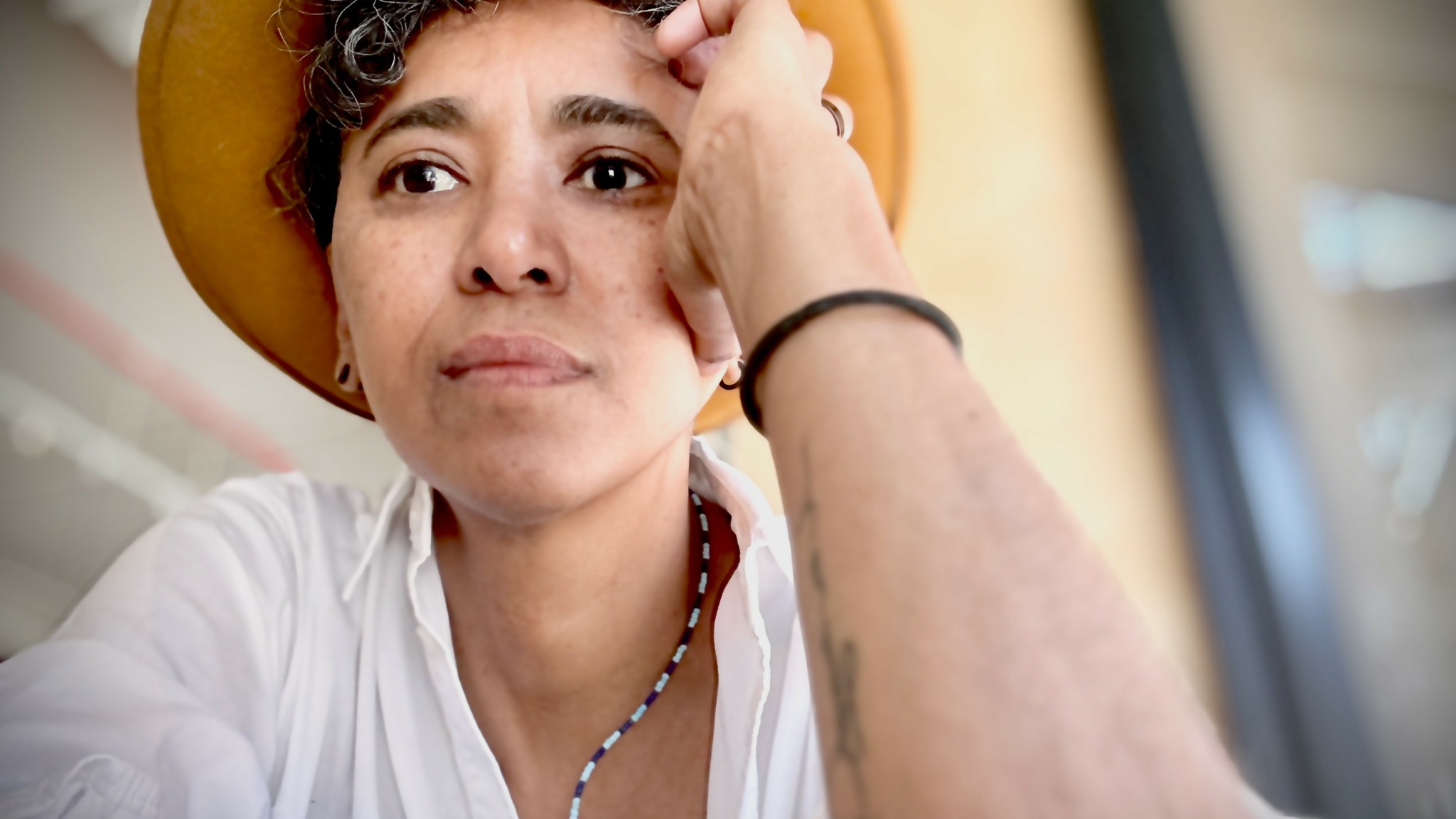
Image Credits
Kai photography