



We caught up with the brilliant and insightful Adam W. Barney a few weeks ago and have shared our conversation below.
Hi Adam W., thanks for joining us today. What sort of legacy are you hoping to build. What do you think people will say about you after you are gone, what do you hope to be remembered for?
The legacy I hope to build is one of empowerment, optimism, and the ability to spark change, particularly for younger generations. I want to be remembered as someone who not only helped people tap into their own energy and potential, but also as someone who encouraged them to make the world a better, more just place—regardless of where they started in life.
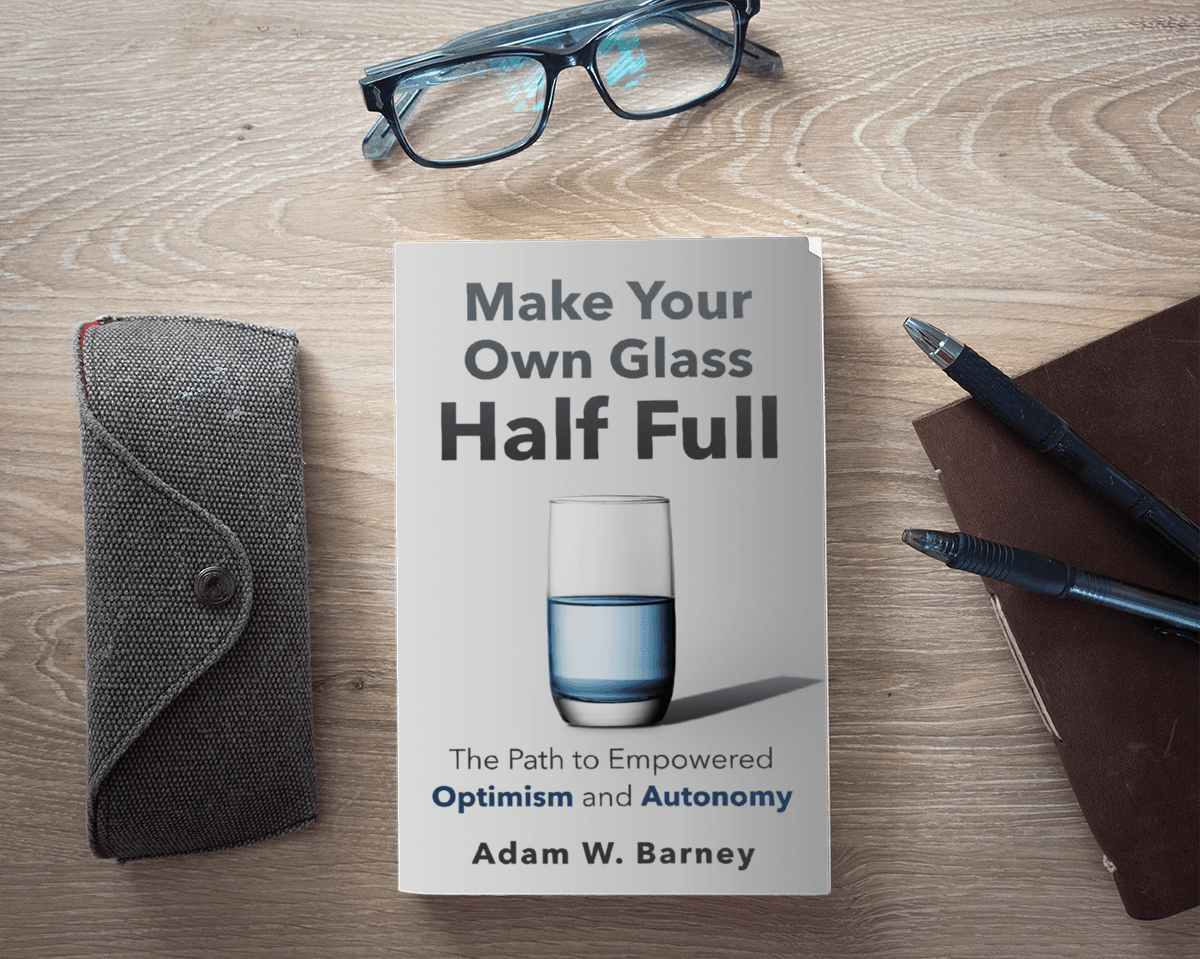
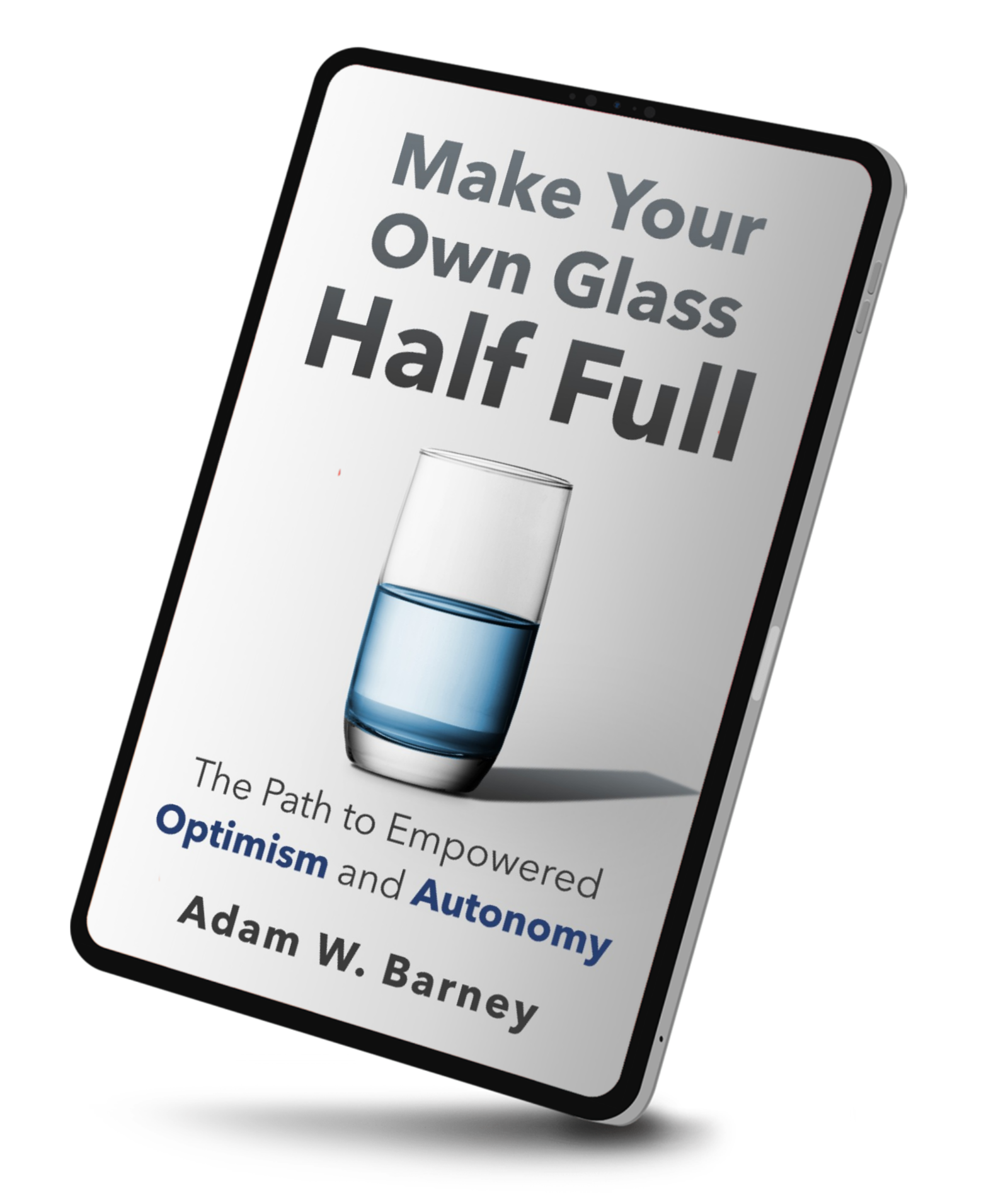
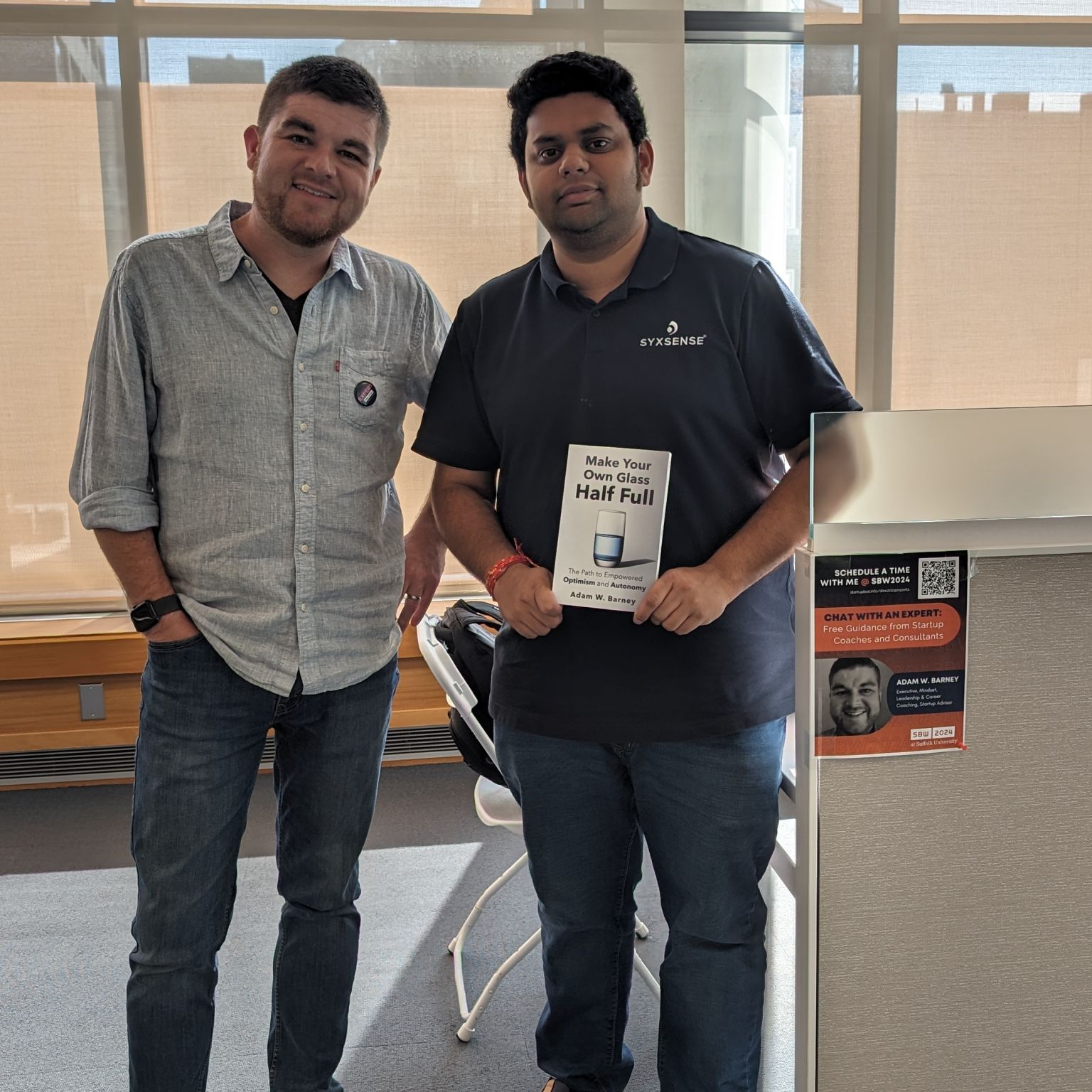
In my book Make Your Own Glass Half Full: The Path To Empowered Optimism and Autonomy, I share stories of individuals who embraced the power of optimism and autonomy to transform their own lives and the world around them.
One such story is that of Sandra, a former executive who seemingly had it all—career success, leadership roles, and the recognition that came with it. But despite her achievements, Sandra found herself questioning the deeper impact of her work. She asked, “Am I contributing to something meaningful?”
Her turning point came when she attended a climate change conference, not as an activist, but for a tech-related project. That experience opened her eyes to the urgency of climate issues, and she realized that with her skills and resources, she could make a real difference. Sandra chose to leave behind her high-powered corporate role to work in the environmental space, using the optimism and autonomy she had cultivated in her career to pivot toward a mission that aligned with her values.
Sandra’s story exemplifies what I hope to be remembered for—helping people unlock their potential to create meaningful change. I want to influence younger generations to realize that no matter their background or experience, they have the power to drive justice, equity, and sustainability in their own lives and communities. By empowering others to see obstacles as opportunities, to chart their own course with confidence, and to use their energy for the greater good, I hope my legacy will live on through the positive impact they create.
Ultimately, my goal is to inspire a ripple effect—where the people I coach and reach through my work continue to influence others, spreading optimism, autonomy, and a commitment to making the world a more inclusive and equitable place. If I can be remembered for helping others discover that power within themselves and use it to better the world, I will have achieved the legacy I hope to leave behind.
Adam W., love having you share your insights with us. Before we ask you more questions, maybe you can take a moment to introduce yourself to our readers who might have missed our earlier conversations?
After two decades in leadership roles across a non-linear marketing path, where I built great success but also faced challenges that required resilience, I stepped away in the fall of 2021 to build my own coaching practice. This decision was based on my desire to have a greater impact on the world and enable people to reach their goals through coaching, ultimately leading to more justice and equity.
Being an energy coach has allowed me to use the philosophy I’ve followed in terms of using optimism and autonomy to drive success. However, it wasn’t a simple journey to begin with, as it required iteration. Like any founder, entrepreneur, or business owner, I faced challenges in fine-tuning my approach to build visibility and stability within the practice. After a few years in this business, I realized I wasn’t being clear about my value proposition, so I’ve spent this year refining it.
Additionally, I’ve leaned into my superpower of networking, which involves building genuine, authentic communities and networks to help grow my practice. This approach has provided opportunities for feedback that have helped me reach where I am today.
Three traits that are instrumental to my coaching practice are optimism, autonomy, and levity. Optimism has been an essential tool in my toolbox since my youth and has carried me through challenges, such as being laid off twice due to workforce reorganizations or shifts. Autonomy, the ability to work independently, is the second character trait and is tied directly to my book, Make Your Own Glass Half Full. These two traits, when combined, push individuals towards a greater chance for success. This philosophy has allowed me to see not only my own path but also the paths of others, which is incorporated into my coaching business.
Lastly, I’ve always embodied a certain amount of levity and humor within my leadership throughout my corporate career. This approach has helped me maintain a positive outlook and foster strong relationships with my clients.
I have incorporated my coaching practice into my life, which I believe is essential for my approach. This allows me to provide genuine and authentic support to my clients and influence others to make positive changes.
A quote that resonates with me strongly comes from Oliver Wendell Holmes: “All limitations are self-imposed.” This ties back to the character traits of optimism and autonomy, which can drive success, but only if they are internalized and self-actualized regardless of one’s background or experience.
Currently, I am working on some interesting projects in my coaching business, including one-to-one coaching, group coaching, and expanding my coaching abilities. I am in a program where I coach 80 micro-business grant recipients across various locations in the U.S. These businesses face different challenges and levels of scope, ranging from doggie daycares to local restaurants and shipping companies. This experience has broadened my understanding of how these businesses operate and allowed me to tailor my coaching to the specific needs of each client.
In addition to my coaching practice, my first book was just published, Make Your Own Glass Half Full: The Path To Empowered Optimism and Autonomy. The book focuses on using optimism and autonomy to drive success. Another aspect of my coaching that sets me apart is my use of the Positive Intelligence platform. This self-reflective approach guides clients through positive mindset training, helping them identify and overcome self-sabotaging behaviors and beliefs. This process allows clients to unlock new opportunities and achieve their goals.
The impact of those who embrace the sage way of thinking is significant. This powerful, transformative approach has helped me build my practice and grow. It’s exciting to have a book on this topic coming out in July. Throughout my coaching career, there have been many memorable success stories, some even dating back to my corporate days. My approach has always been to enable success, whether indirectly through teams I’ve led or directly with my coaching clients. Ultimately, it’s about taking big, transformational steps to make changes.
I’ve seen this across all levels, from junior employees new to the workforce, to experienced strategic leaders. When someone dives into looking inward and using a tool like Ikigai, the Japanese concept of one’s reason for being, they often experience transformative change. These are the memorable stories that inspire me.
My coaching has evolved over the years. I’ve realized that a coach needs a coach, and a leader needs one too. It’s crucial to have a community of people who keep you accountable and help you refine your ideas. As a solopreneur, founder, or entrepreneur, having a board of advisors is essential. These individuals know you well and can provide guidance and feedback on your ideas.
Feedback is crucial because nothing is ever perfect. You need to continually iterate and change. One underappreciated innovation in coaching is the ability to have a coach. The technology available today greatly benefits coaching. While not everyone may have access to this, I’ve found that, whether on a Zoom meeting, a Google Meet, or sitting across a table in person, I can connect deeply with others and inspire them to work towards success. This innovation of connectedness has been a game-changer in the coaching field.
Because I come from a marketing background, I’m built on communication and flexibility. So outside of our meetings that we have, having that communication stream over email or within my Slack community or through text message to support my clients at the right time when they need that support, that’s an underappreciated part of coaching in general and the evolution of how technology has enabled that.
Mental health is something that, you know, gets talked about more and more deeply. And it’s so important when it comes to my coaching philosophy. Mental health is, you know, coming to the forefront. It’s never been in the forefront in corporate America. And it’s something that touches diverse populations and gives them a chance to build a path and feel supported within an organization.
AI and machine learning is another piece that comes to play. How many AI-led tools are out there that say that they’re just as good as a coach or they’re an AI coach? I’ve used one for a few years now. It’s called Bunch.AI. And it’s an AI program that is built on this idea of two minutes a day can get you 1% better through learning in that platform. Are those as effective as having an actual heartbeat on the other end who gives you that accountability and support? I’m not sure that’s been proved out. There’s still more to be written on the impact of artificial intelligence and machine learning. And that innovation is going to continue to happen here as well.
That, of course, ties into considerations around ethics and privacy. And I foresee an opportunity here, similar to what we’ve gone through in the medical and mental health space, of HIPAA regulations. There’s got to be some impact here that we see of guarding our clients’ information and making sure that that’s front and center. I’m not saying it’s going to get, from a policy perspective, as formalized as HIPAA. And, of course, there are organizations out there like IPEC and the ICF that reach a level of ethics consideration in that practice. And that’s going to continue to be more and more important.
That said, it’s as simple with my clients as telling them in a kickoff call or even in our foundation building conversations, what we talk about stays within these walls. It doesn’t leave this space. I’m not talking about client specifics. I’m not talking about names and what’s happening with their boss. What might be happening in their personal life, that’s not going to be shared outside of our coaching sessions.
In their job search or what’s happened in their past, even things like harassment that have guided them to the place they are today, that stays within our walls of the conversation. I guardrail that. That’s so primarily important in what I do on a daily basis.
Can you tell us about a time you’ve had to pivot?
One of the most significant pivots in my career came during my time at Microsoft. I had been working in marketing leadership roles for years, but the opportunity to step into a sales position with one of the world’s largest companies was one I couldn’t pass up. I threw myself into learning new skills, navigating complex sales cycles, and working under a leader whose growth mindset was incredibly inspiring. However, despite my enthusiasm and best efforts, the role didn’t align with my passions, and I eventually found myself laid off during a restructuring.
That moment was pivotal in more ways than one. Rather than seeing it as a failure, I leaned into the principles of optimism and autonomy that I had been building my career and life around. As I walked out of the office that day, I felt a deep sense of relief and opportunity. I knew that this setback was actually an opening to something bigger, and it gave me the clarity I needed to return to my passion—coaching. That pivot led me to establish my Energy Coach practice and ultimately to write Make Your Own Glass Half Full, where I share the tools that helped me turn what could have been a major setback into the launchpad for the work I do today.
Let’s talk about resilience next – do you have a story you can share with us?
One of the most challenging periods of my life was when I lost my mother to ALS. This experience profoundly tested my resilience, both personally and professionally. At the same time, I was struggling to get my business off the ground, which added another layer of hardship. But through this, I found a way to channel my grief into purpose.
Losing my mother led me to get involved with the ALS Therapy Development Institute (ALS TDI) and a familial ALS study with Dr. Michael Benetar at the University of Miami. These experiences gave me the strength to keep going, knowing that I could contribute to something meaningful despite the pain I was enduring.
Resilience, for me, isn’t just about pushing through tough times; it’s about finding ways to transform adversity into action. I leaned on the principles of optimism and autonomy, the same tools I discuss in my book Make Your Own Glass Half Full, to navigate that difficult period. I embraced the idea that while I couldn’t control the loss, I could control how I responded to it, using it as motivation to keep moving forward with my business and my advocacy work.
That journey taught me that resilience is about creating meaning out of hardship and continuing to move forward, even when the path is steep and uncertain.
Contact Info:
- Website: https://www.adamwbarney.com/
- Instagram: https://www.instagram.com/grow_with_adamwbarney/
- Linkedin: https://www.linkedin.com/in/adamwbarney/
- Other: For my first book just published, Make Your Own Glass Half Full: The Path To Empowered Optimism and Autonomy: https://www.makeyourownglasshalffull.com/
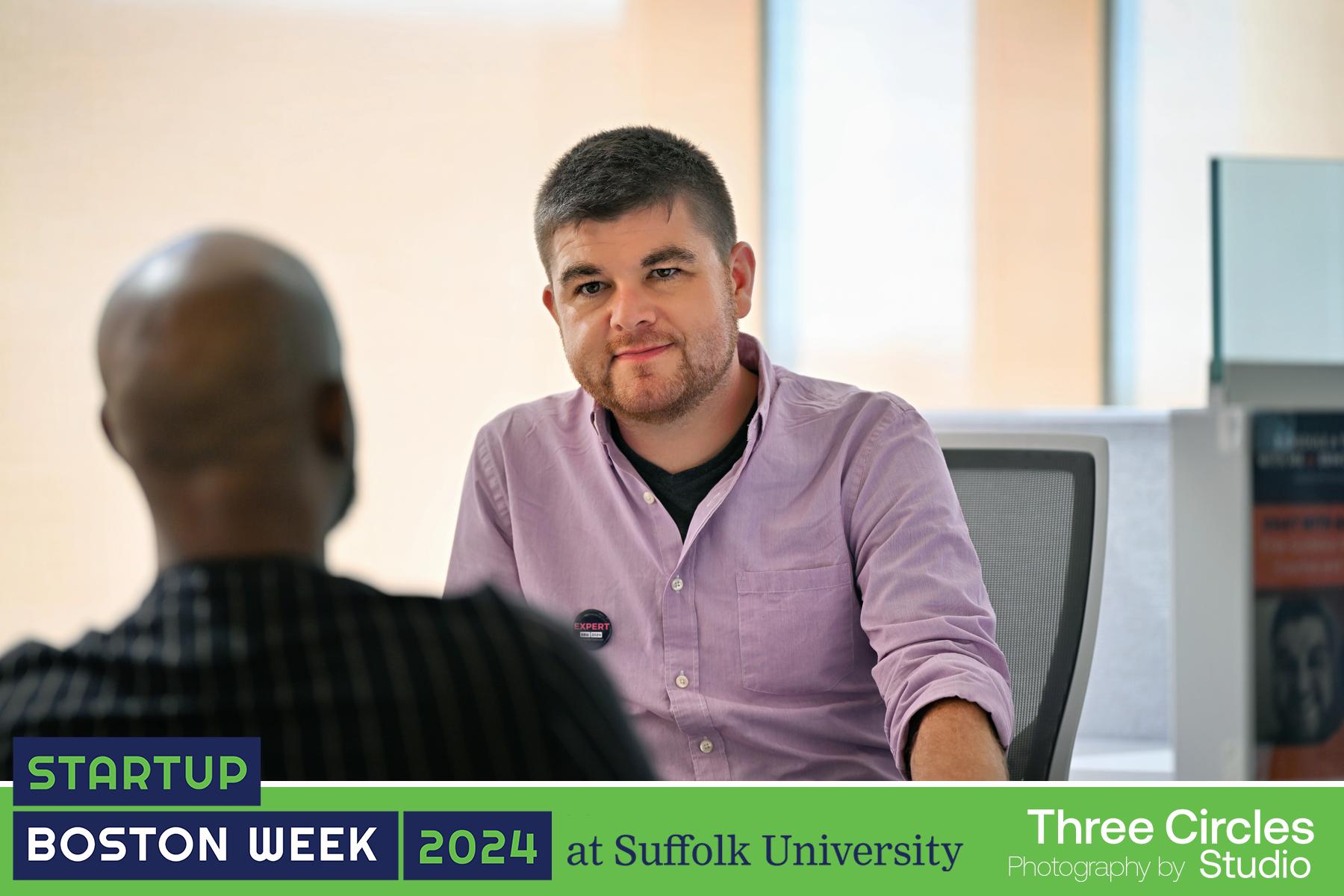
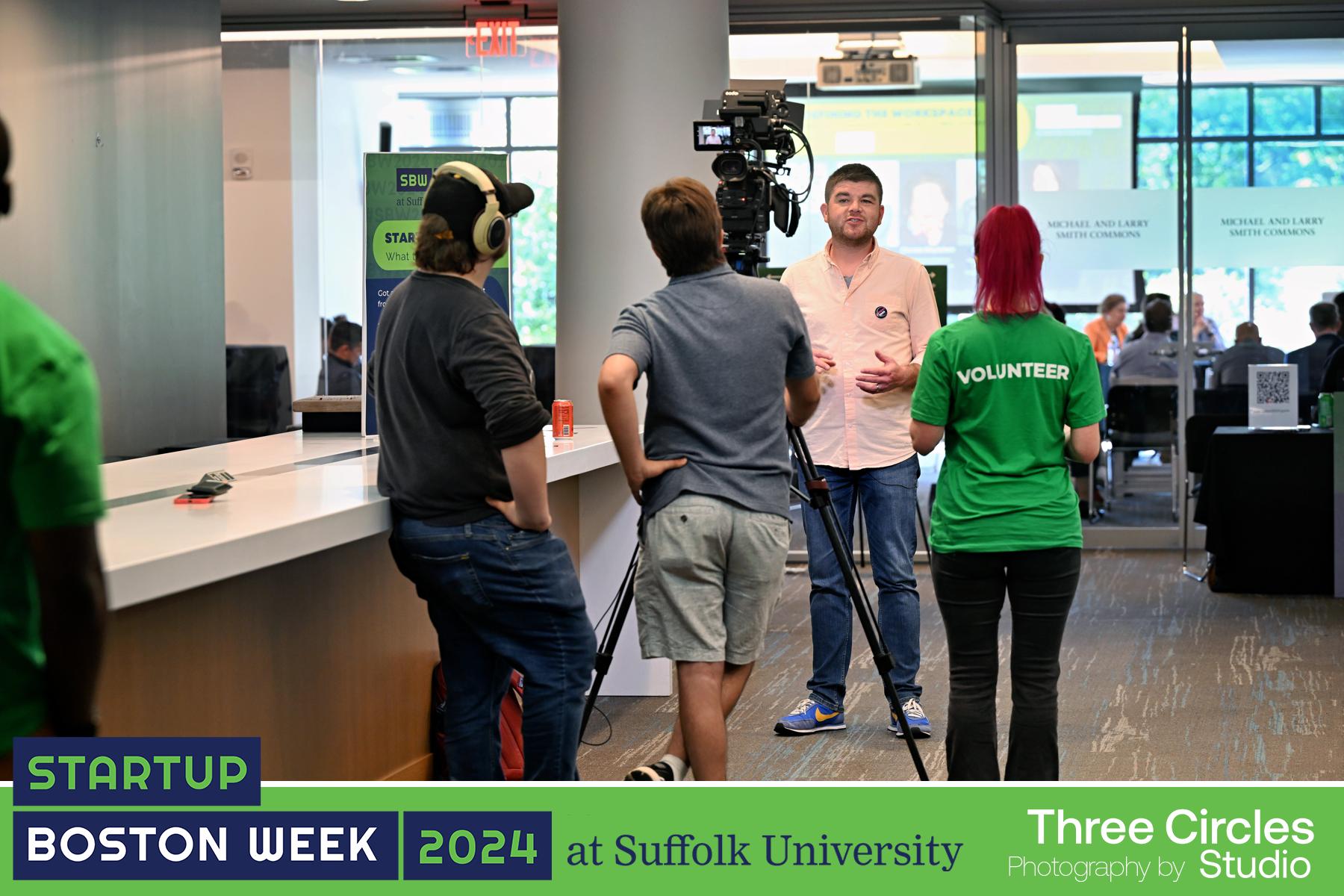
Image Credits
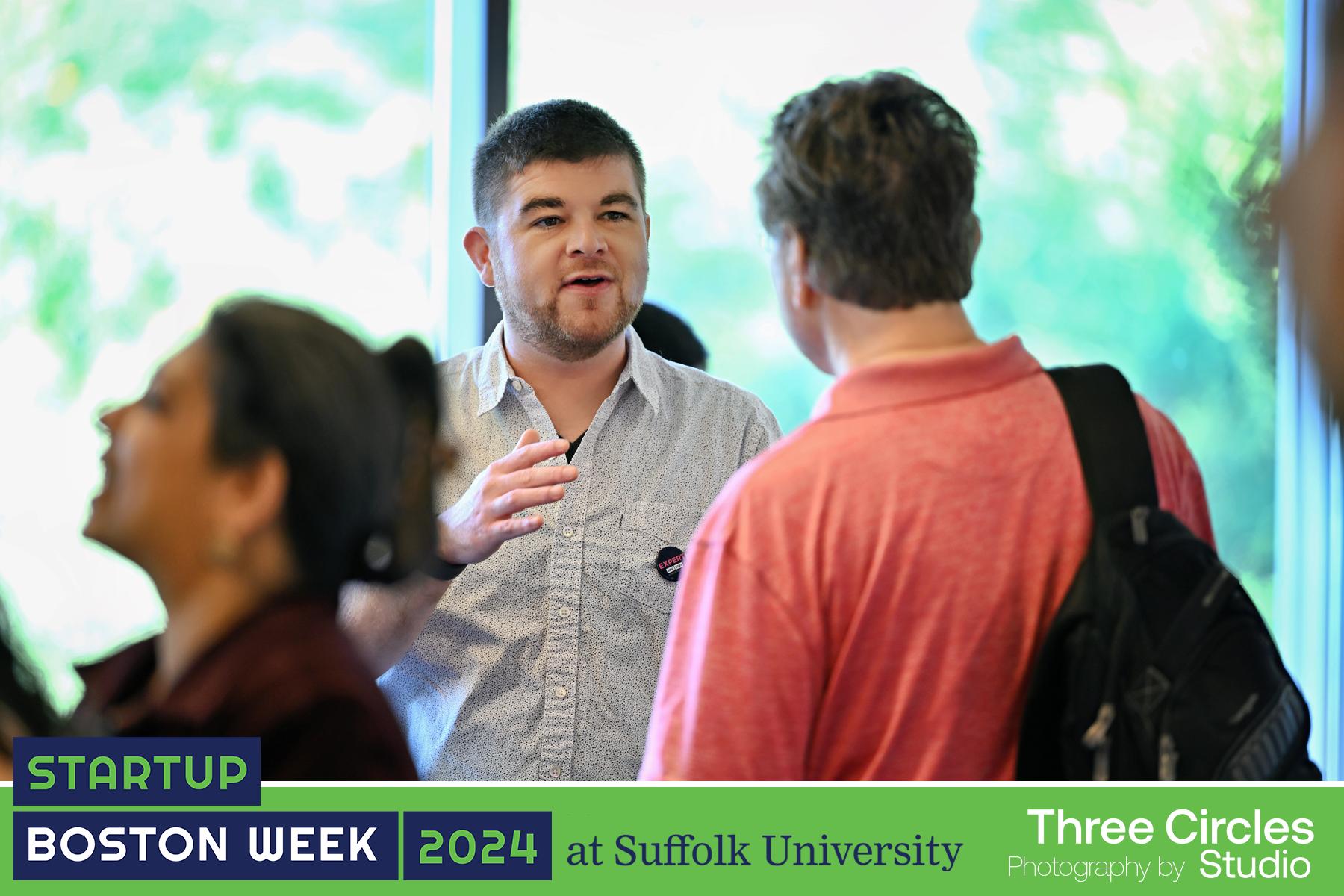
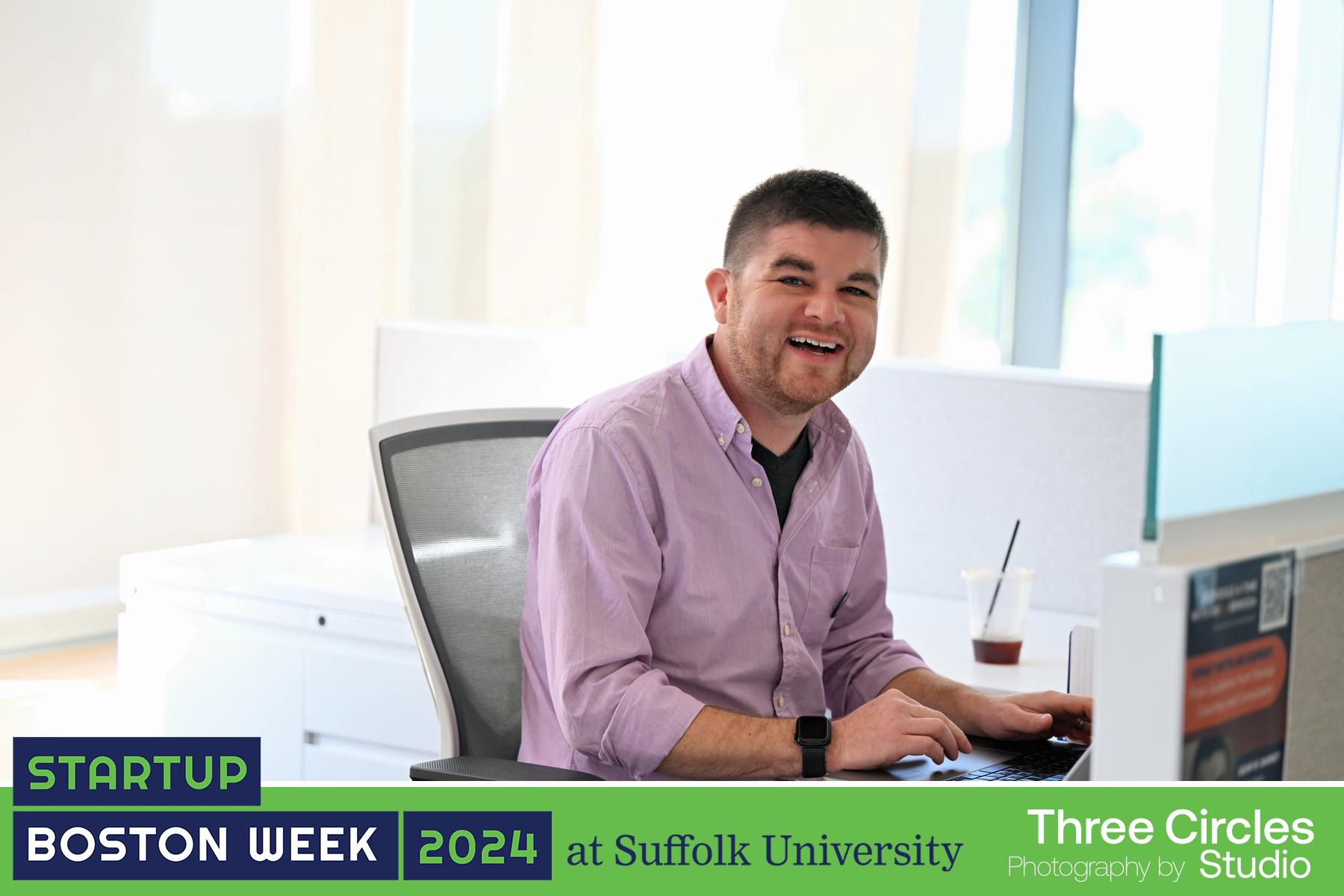
The images from Startup Boston Week come from the fantastic work of Kevin Thai (https://www.linkedin.com/in/kevinthai/) and his photo team at Three Circles Studio https://www.threecirclesstudio.com/, but I do have full use of them!