We caught up with the brilliant and insightful Michael Gips a few weeks ago and have shared our conversation below.
Michael, thanks for taking the time to share your stories with us today What’s something you believe that most people in your industry (or in general) disagree with?
In many industries, it’s difficult to be a generalist; consider the disciplines of law, medicine, engineering, and teaching, for instance. Doctors don’t typically practice both oncology and otolaryngology.
It’s even more difficult being a generalist across multiple industries–in my case, corporate security (physical and cyber), law, journalism, media training, association management, and high-tech startups. I’m not talking about being a dilettante; I mean having having multiple active practices in different fields that often weave into and reinforce one another.
Remember the TV show “Ed” from maybe two decades ago? It was about an attorney who also owned a bowling alley. Characters on the show couldn’t fathom that combination. It creates cognitive dissonance. And many of today’s professionals insist that to really excel, you have to pick one field, a specialty within that field, and probably even a subspecialty.
In general, they are right. Most disciplines demand specialization in a competitive marketplace.. Lawyers specialize in say, tax, litigation, or trusts and estates. Doctors may focus on untold number of fields. A person who writes technical manuals doesn’t typically have a side gig writing advertising copy.
I’m a generalist within and across disciplines, which is highly unusual. As a self-style philomath, I have (sort of) made it work. It requires having several of my own businesses to distinguish my brands. My skill set doesn’t fit into any job description. It would be boring focusing on the same field every day. By working in multiple fields, I get a unique perspective that energizes me and adds value for my clients.
But I get people who ask “Who are you and what do you stand for?” While I of course feature specific skill sets to particular clients, I don’t shield clients from the others. That security company may need a cease and desist letter or media training down the line.
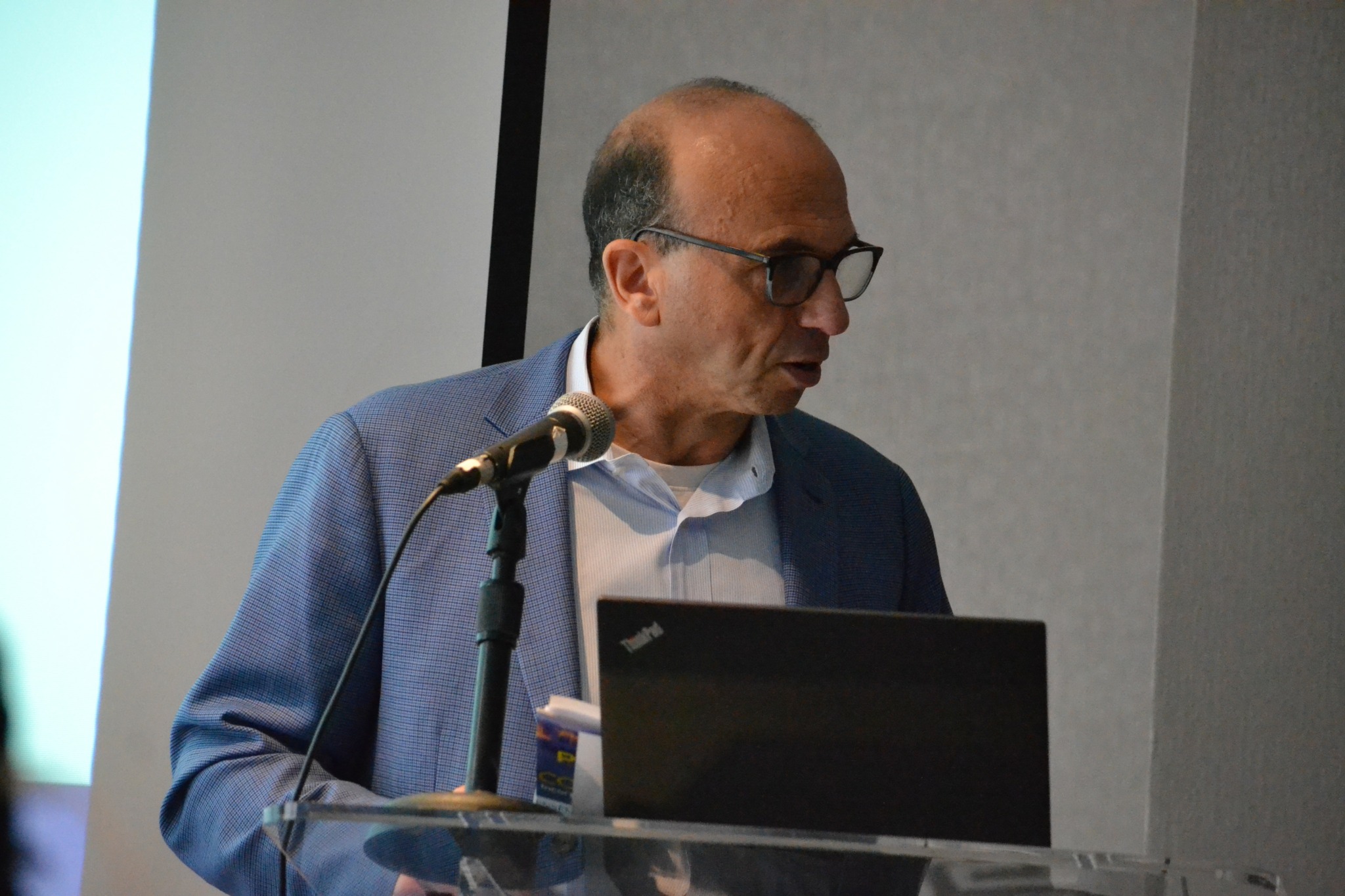
Michael, before we move on to more of these sorts of questions, can you take some time to bring our readers up to speed on you and what you do?
I was a history and Spanish double major in college, then attended and graduated law school. As a “collector” of knowledge, I’ve always been interest in accreting information and skills through my career rather than putting old ones aside. My first job was as a legal clerk at a public television station, combining my interests in law and journalism. Working as a death penalty clerk in New Jersey added criminal law to my repertoire, and a stint as a litigator in a law firm contributed knowledge of intellectual property. I pulled together these various skills and experiences and became a writer/editor for a security magazine published by a professional association. I gained expertise in security, production, and journalism–which led to my promotion as an association executive and a chief security officer. I have built a good reputation in all of these fields, being identified by multiple authorities as being a security thought leader and influencer, having won many journalism awards, and serving in high-level volunteer roles in the association community. More so than even these awards and honors, I’m proud of the work I’ve done, the people I’ve met, and the relationships I’ve nurtured across many industries.
The nature of my practices lends it self to broad knowledge. I’ve conducted media training with venture capitalists, aerospace engineers, military contractors, university deans, small business owners, police executives, and software engineers. It’s advantageous to be at least comfortable with diverse subject matter.
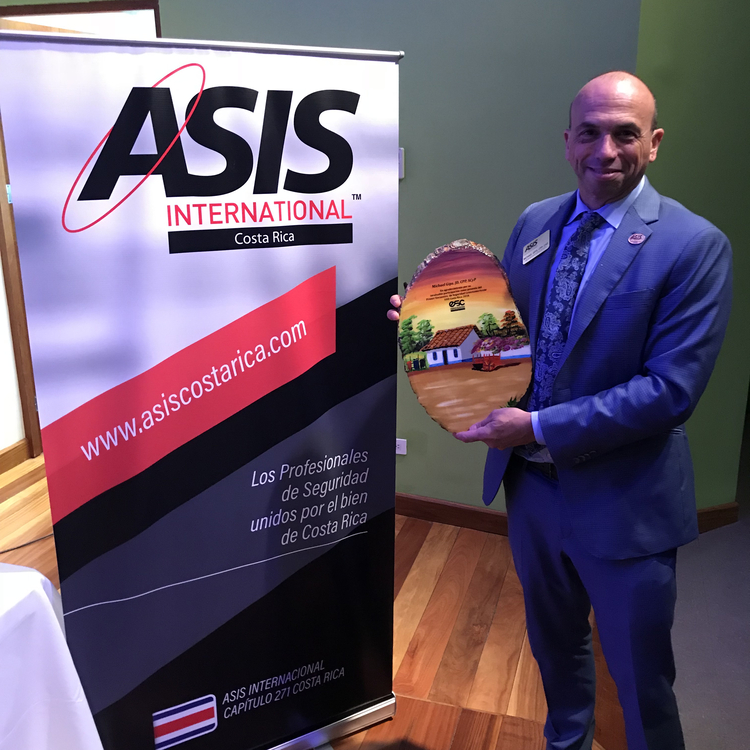
Can you share a story from your journey that illustrates your resilience?
I’m going through something right now that I hope shows my resilience. I’m a part owner of a startup that I believe can be a unicorn. It involves personal safety, as well as convenience, via speech authentication and voice recognition. I’ve had to use my legal skills, marketing abilities, research acumen, security knowledge, and industry connections over the past three years. It’s a do or die time for us now as we seek a round of funding to get the product in clients’ hands. And we have many eager prospective clients.
On a different but related issue, I, like the rest of the world, am navigating a world being overrun by generative AI. It’s a remarkable, world-changing technology. It is lightning fast and comprehensive. But it is suggestible and often confidently or subtly wrong. We need to harness AI carefully with full recognition of its limitations, biases, and flaws. We are in a sea of AI-generated information masquerading as original human thought and expression.

How about pivoting – can you share the story of a time you’ve had to pivot?
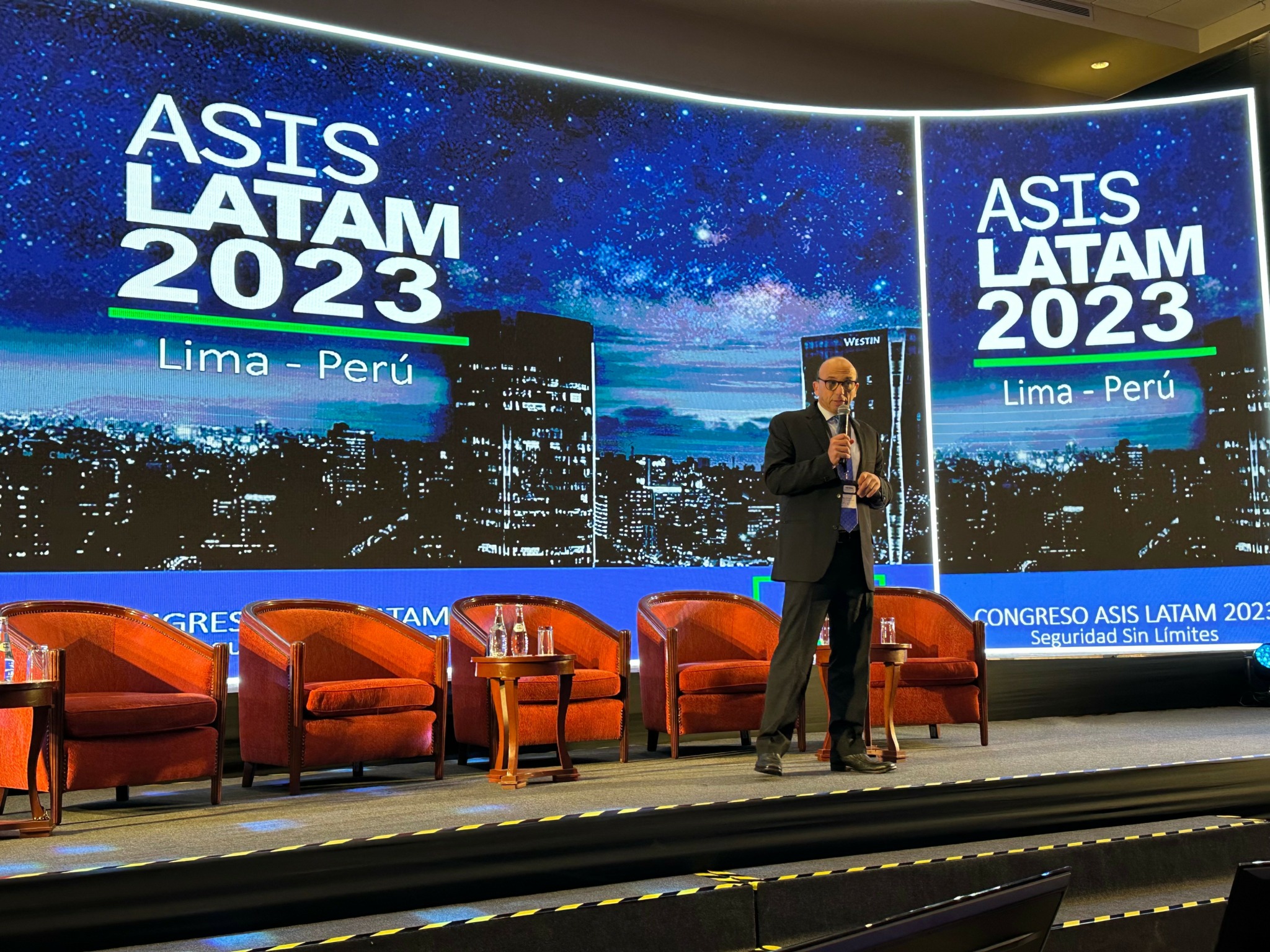
In 2019 I left a high-level job where I had worked for years, one that balanced my multiple interests and skill sets. Before I departed, I had good prospects for my next job. But it turned out that I was a unicorn. The positions would confine me to a fraction of the things I like to do, while adding aspects that I didn’t like or wasn’t good at. Corporate job descriptions were useless–I had to develop my own. This entailed creating a new business (actually, multiple businesses) and finding various partners to accommodate what I wanted to do. That’s been the story of the last five years–trying to brand my various ventures, marketing, performing various types of work, volunteering, and presenting at conferences, while striving to learn more. I will always keep expanding my repertoire, though I draw the line at otolaryngology!
Contact Info:
- Website: https://www.gipsinsights.com
- Linkedin: https://www.linkedin.com/in/michaelgips/
- Twitter: @mikegips