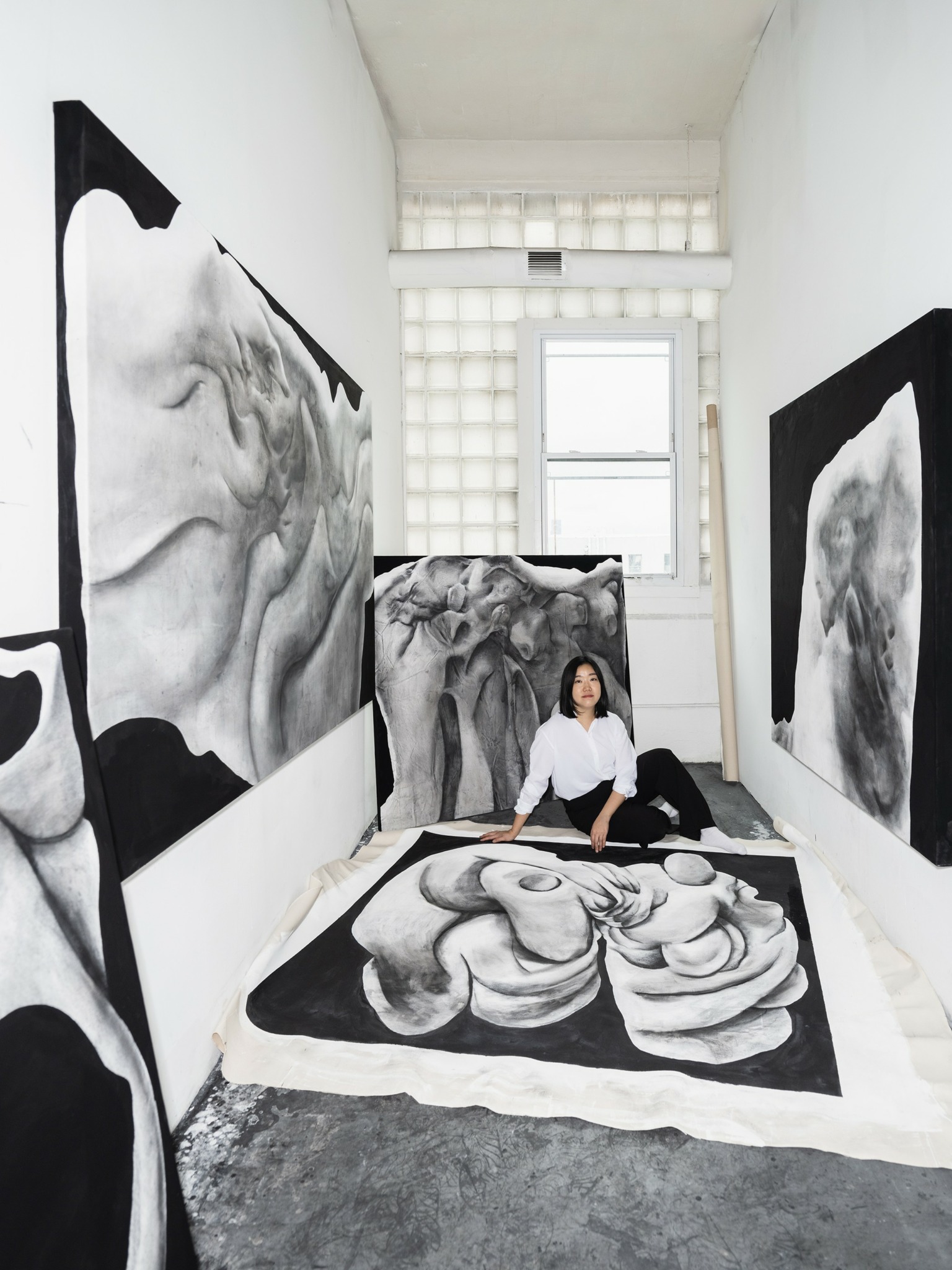

We were lucky to catch up with Ara Ko recently and have shared our conversation below.
Hi Ara, thanks for joining us today. Are you able to earn a full-time living from your creative work? If so, can you walk us through your journey and how you made it happen?
I am currently an art instructor for autistic individuals. After graduating with my Master’s degree in Fine Art, I decided to move to NYC. There, I submitted my resume to the company that provides educational services to students with special needs. During the call, they asked how I would handle potential challenges that might arise during a class for autistic children. For example, they asked what I would do if a student didn’t want to participate and refused to sit in a chair. I responded that in such a situation, I would pretend to have pain in my leg and ask the child, “Could you bring me a chair so we can sit together?”
It might sound a bit awkward, but this approach has worked with the children in my class. Although I have more life experience than they do, sometimes I need to approach them at their level. so they see me as a friend. But at the same time, I also need to be an adult to determine correction to students’ behavior when they’re doing something wrong. I have experienced that only when I could guide them in the right direction, and only when they could trust that I had a potentially correct answer to their questions, did they fully accept me as their instructor.
Although I didn’t have much experience in educating autistic students when I first started, I now have a much better understanding of how to work with them and help them progress through art classes.
Ara, love having you share your insights with us. Before we ask you more questions, maybe you can take a moment to introduce yourself to our readers who might have missed our earlier conversations?
While working with children on the autism spectrum, I found myself inspired by them and taking joy in their growth. Although I may not understand the children as fully as their parents do, I have gained confidence that, at least during art class, I can be a better teacher for them than anyone else. I see myself as a prepared instructor, combining both my artistic knowledge and my genuine care for the children.
One of the challenges in teaching these children is that their level of focus varies from session to session. Especially in the first few classes, many children struggle to adjust to the routine of the class, making it difficult for them to concentrate or even sit still. This requires me to find various ways to capture their attention. For instance, I might gently pat a child’s back to ease their anxiety, continually reassure them that everything is fine and that we are all happy, or use small sounds, like a clicking noise, to help a child who is sensitive to auditory stimuli focus.
Since the autism spectrum covers a wide range of children, some are intellectually advanced beyond their peers, while others may have significant developmental or motor skill challenges. This means that my approach to each child, as well as the content of the art curriculum, must be tailored accordingly.
For children who show talent in drawing, I guide them towards improving their skills further, teaching traditional academic painting or illustration once they are 17 and older. My experience, having attended art middle school, art high school, university, and earning a master’s degree in art, enables me to provide this kind of instruction effectively.
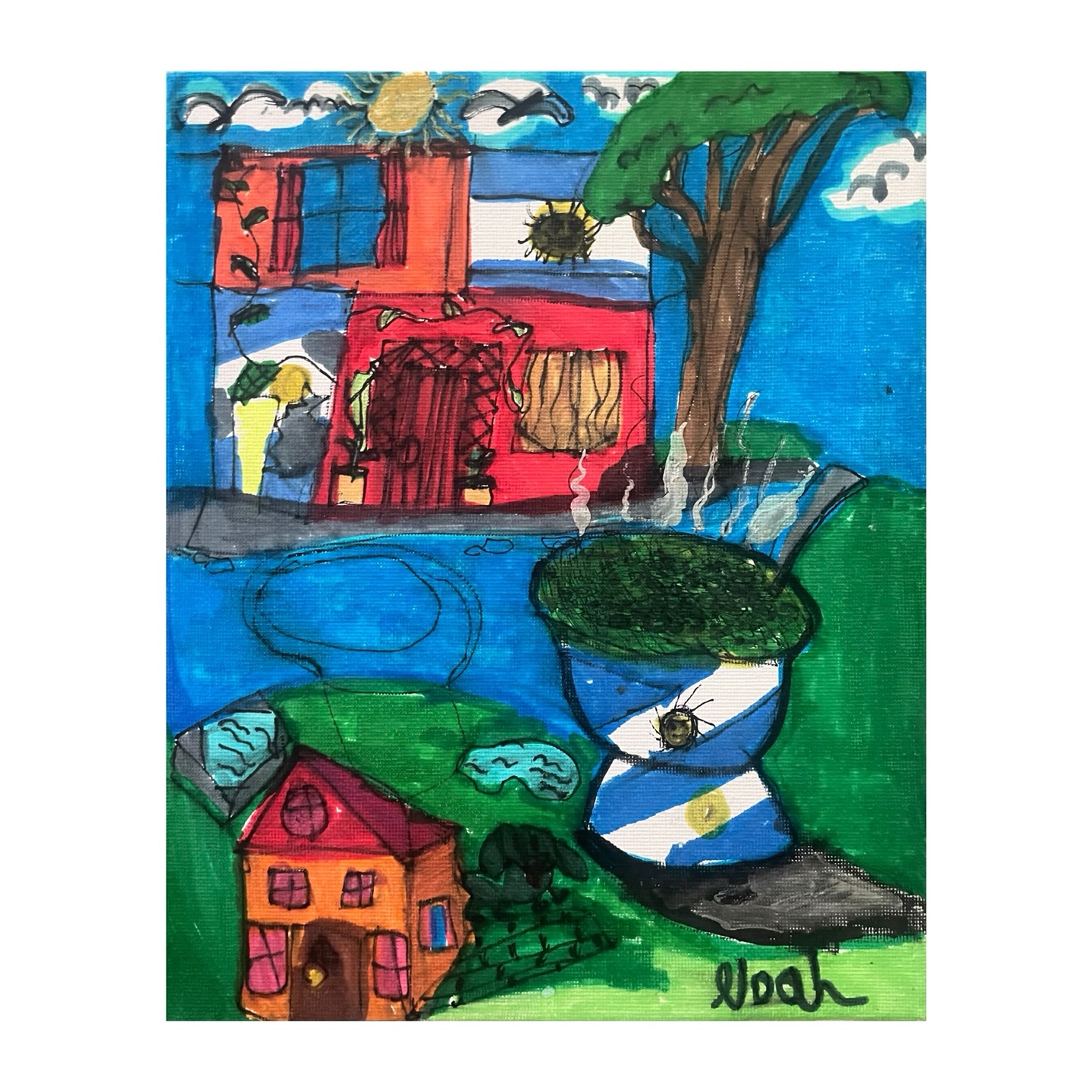
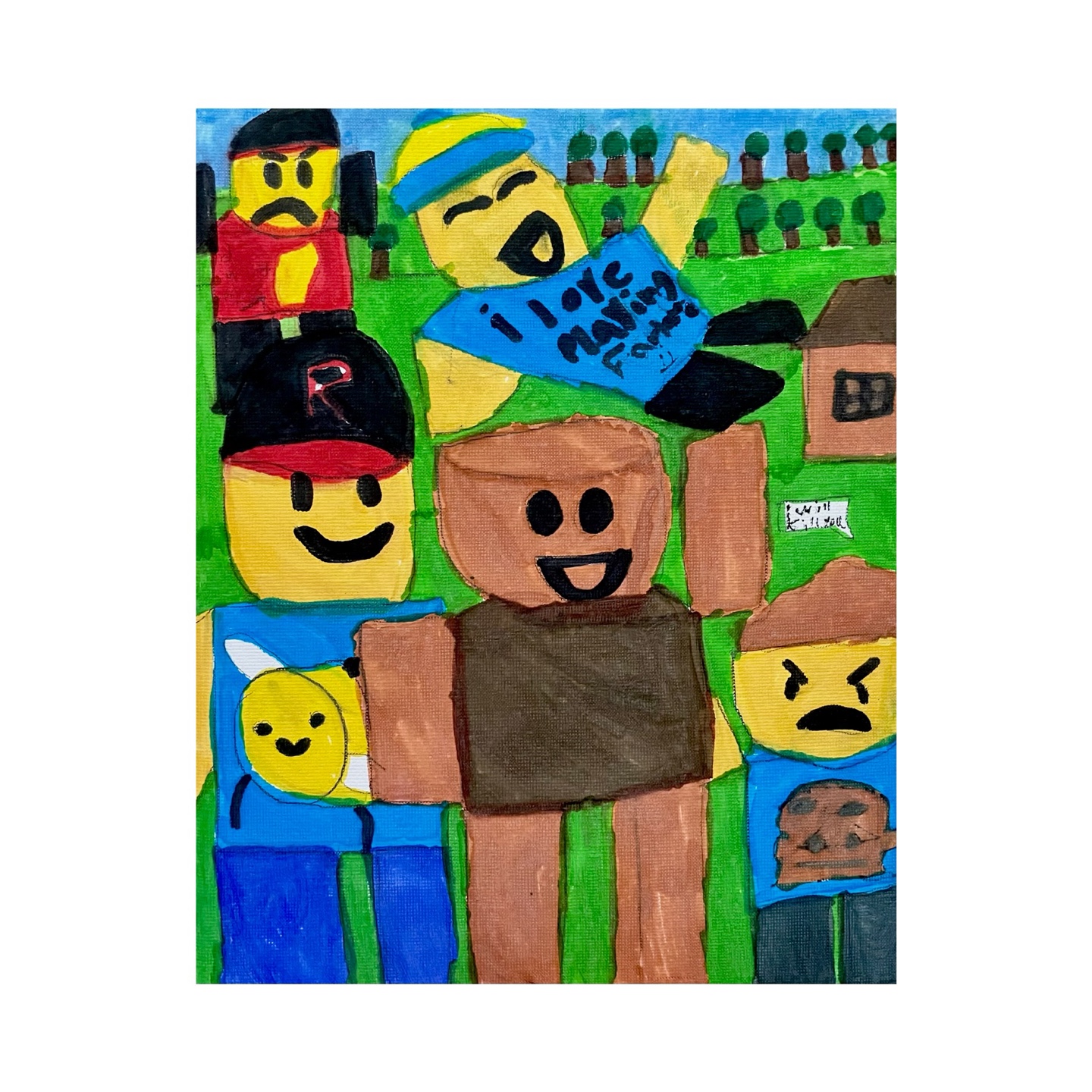
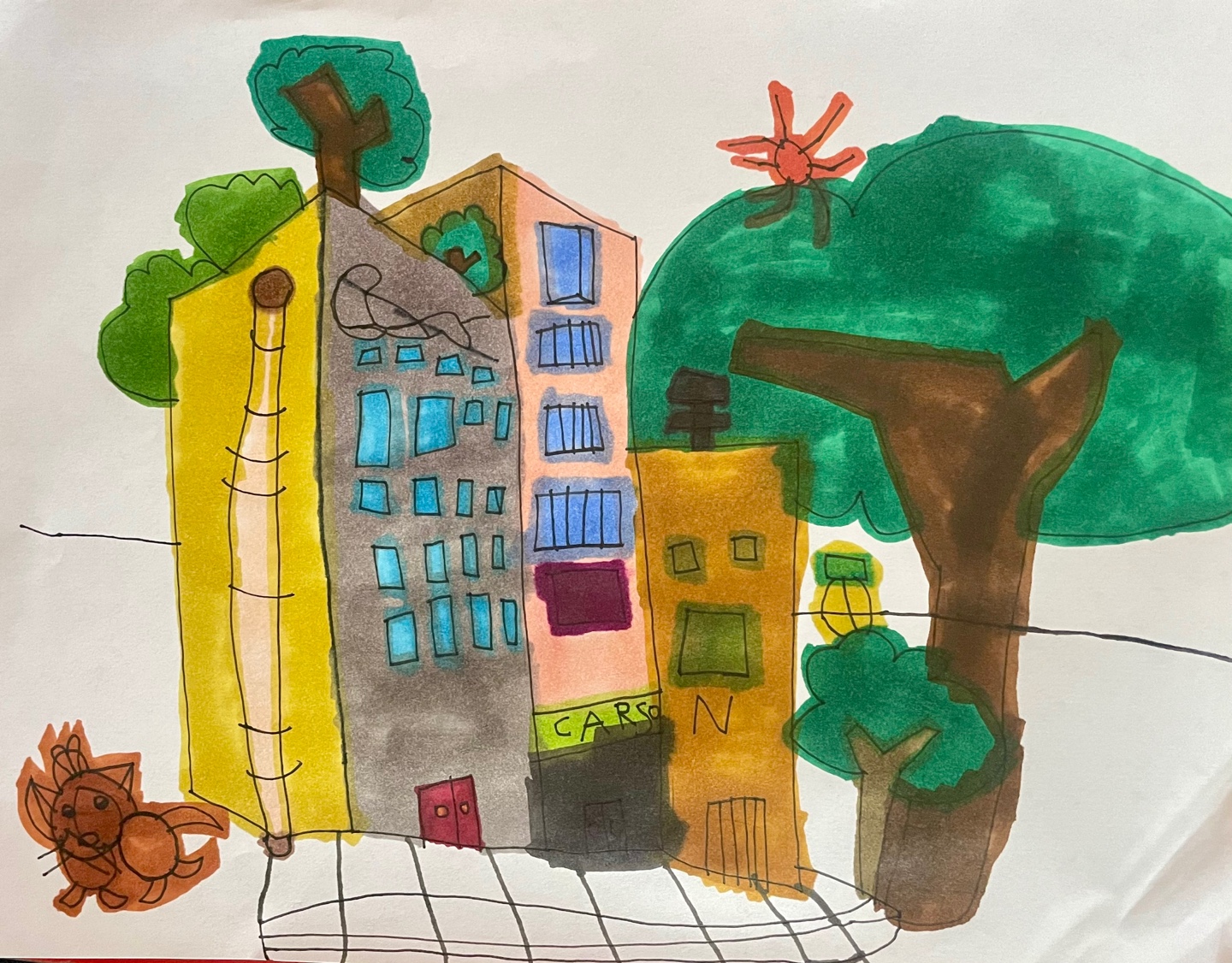
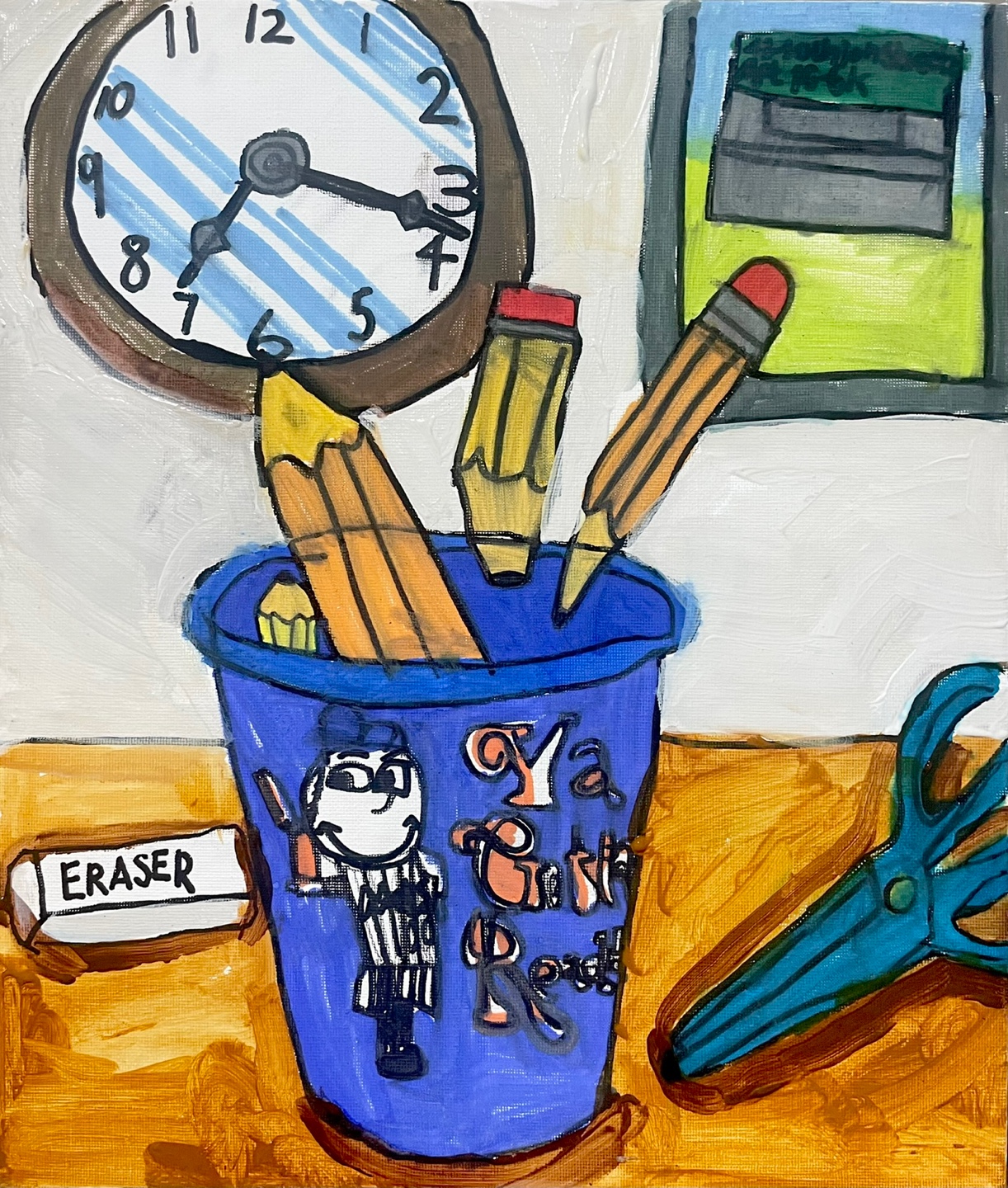
For younger children who struggle to hold a pencil, I introduce thicker markers to help build hand strength, guiding them to trace lines (for children aged 5-6). As they grow, they begin to recognize circles, squares, and triangles, identifying these shapes in real-world objects and practicing drawing them on paper (for children aged 7).
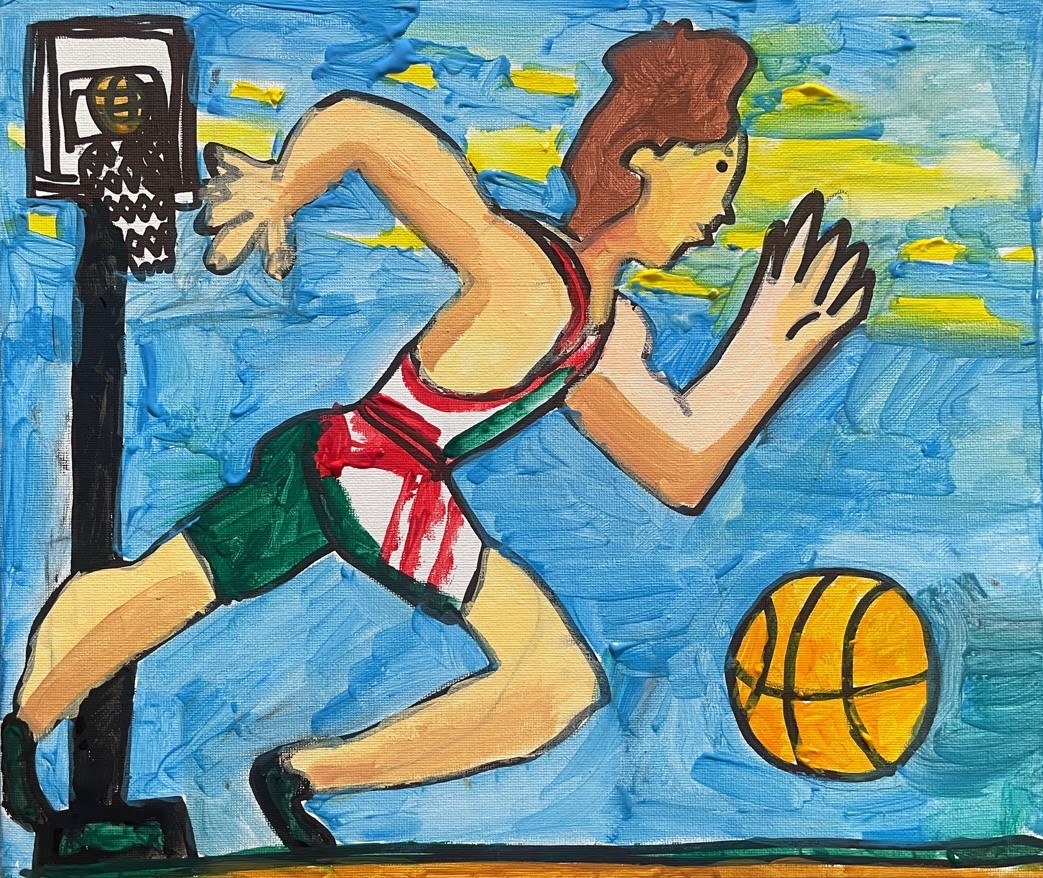
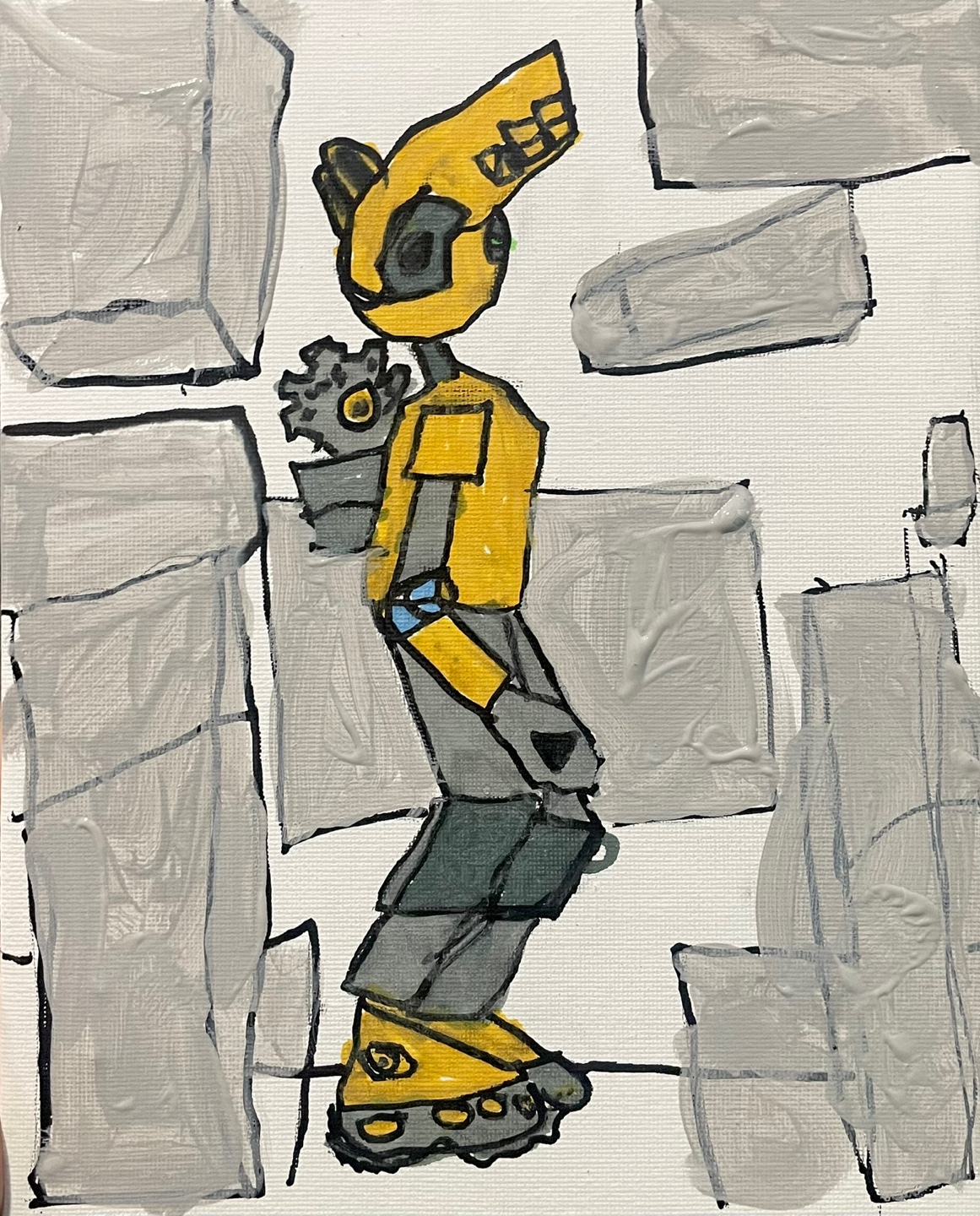
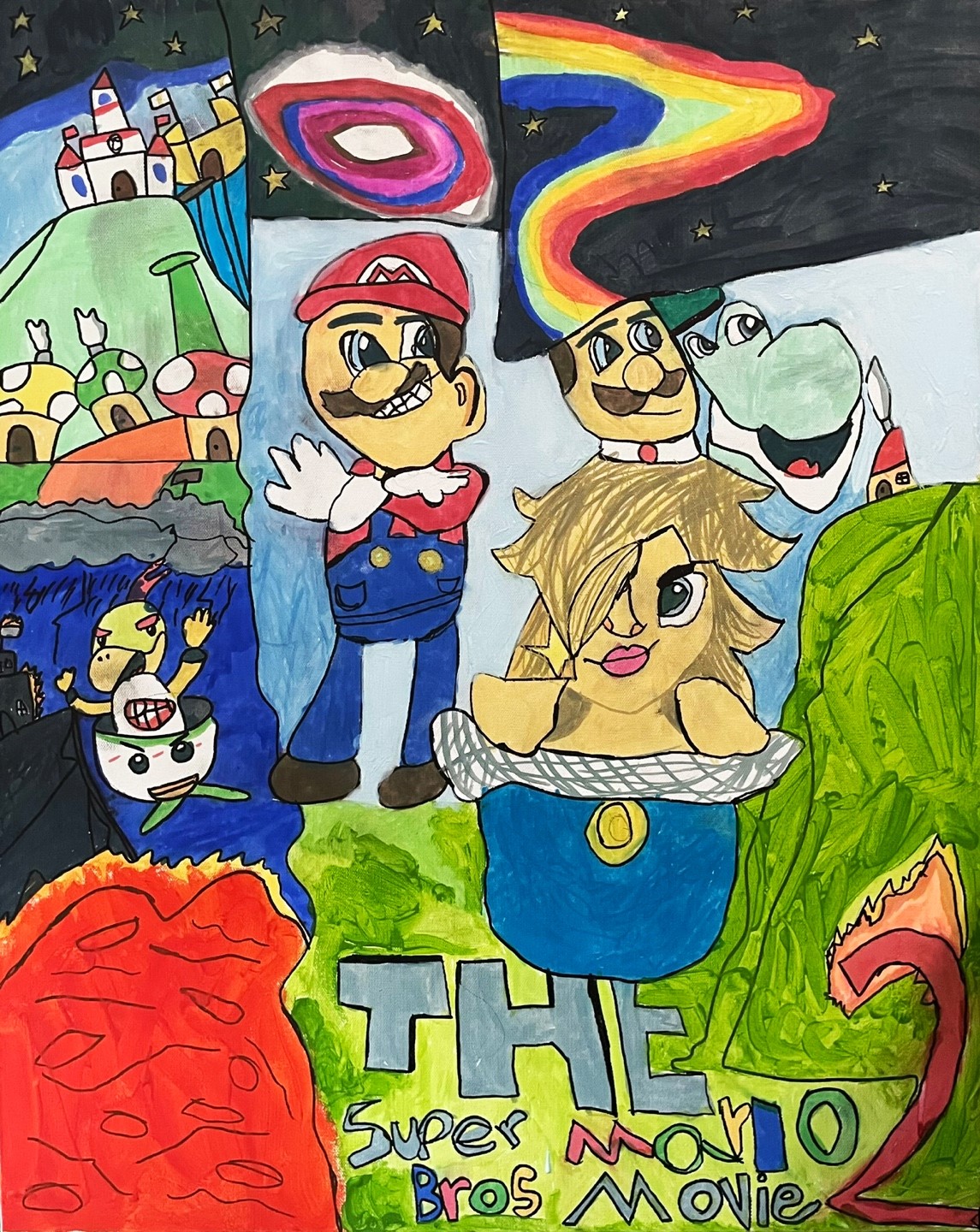
For children between the ages of 8 and 15, I assess their drawing style and personality to recommend painting approaches that suit them best. As the class progresses, I gradually introduce them to a variety of subjects, helping them develop the skills to tackle them confidently. This process fosters both their drawing abilities and their enjoyment of art.
I am genuinely happy to see that my professional background as an artist has positively influenced my ability to teach these children. I receive referrals from parents and often end up teaching siblings or twins, which reassures me that my classes are heading in the right direction.
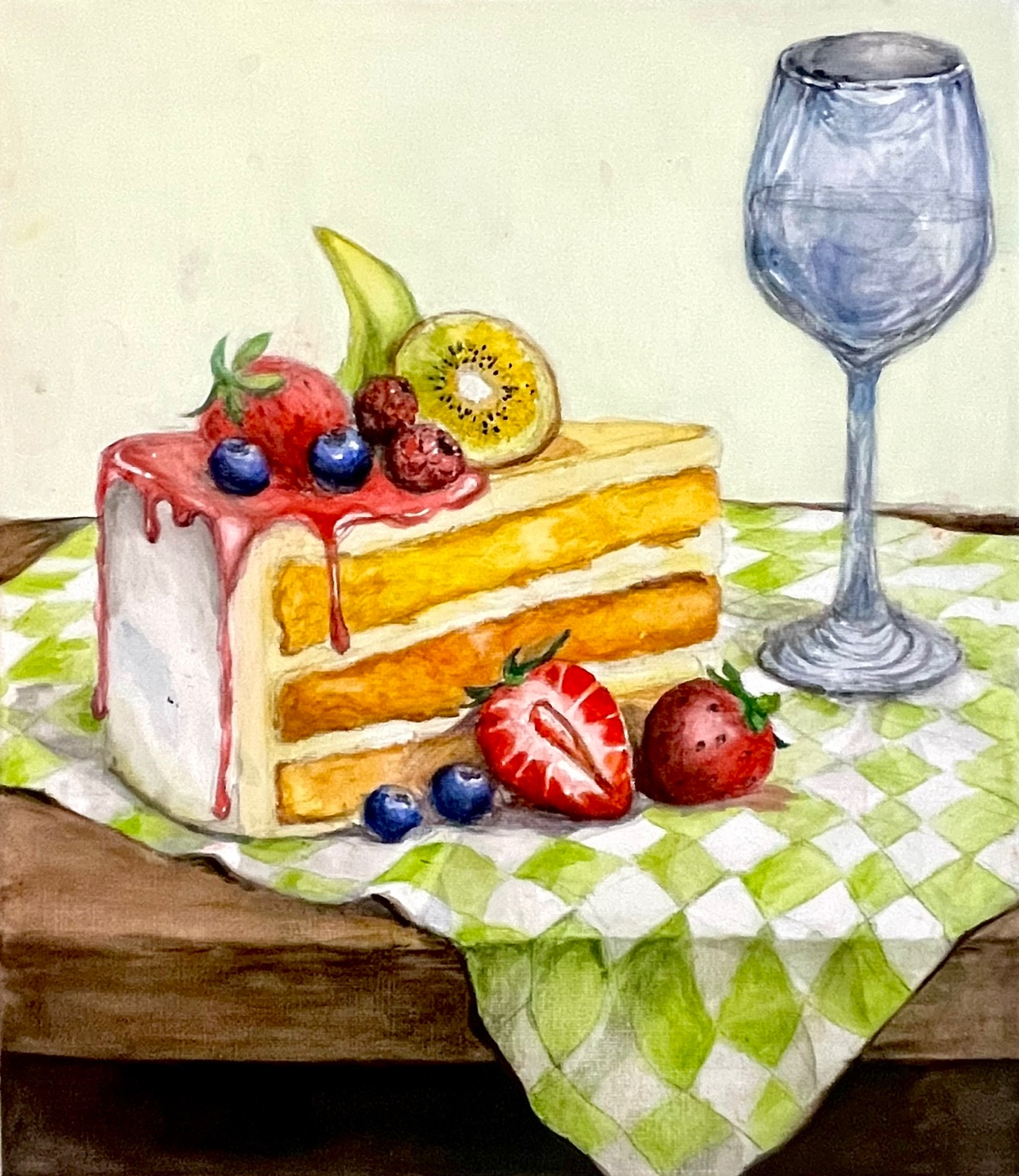
Have you ever had to pivot?
One shift began when I met a seven-year-old child in class. The child struggled to hold a pencil correctly and didn’t understand that drawing was a way to represent what was seen onto paper or a canvas. To the child, drawing was merely a tool for play, often resulting in repetitive and meaningless scribbles. With patience, I guided the child to recognize shapes like circles, triangles, and squares and to draw her at a calm and deliberate pace. Now, the child not only draws shapes but also attempts to depict patterns on clothing. This experience taught me what it truly means to teach, growth.
Another turning point came when I met a slightly older child. This child didn’t seem to have taken many art lessons and didn’t appear very confident in drawing. However, after over eight months of working together, the child now shares the topics he wants to draw with me in advance without needing to ask for guidance. This experience also gave me a significant realization about my teaching approach: drawing plays a crucial role in shaping a child’s personality. Art influences children’s overall happiness and confidence and in the end, contributes to shaping their approach to life.
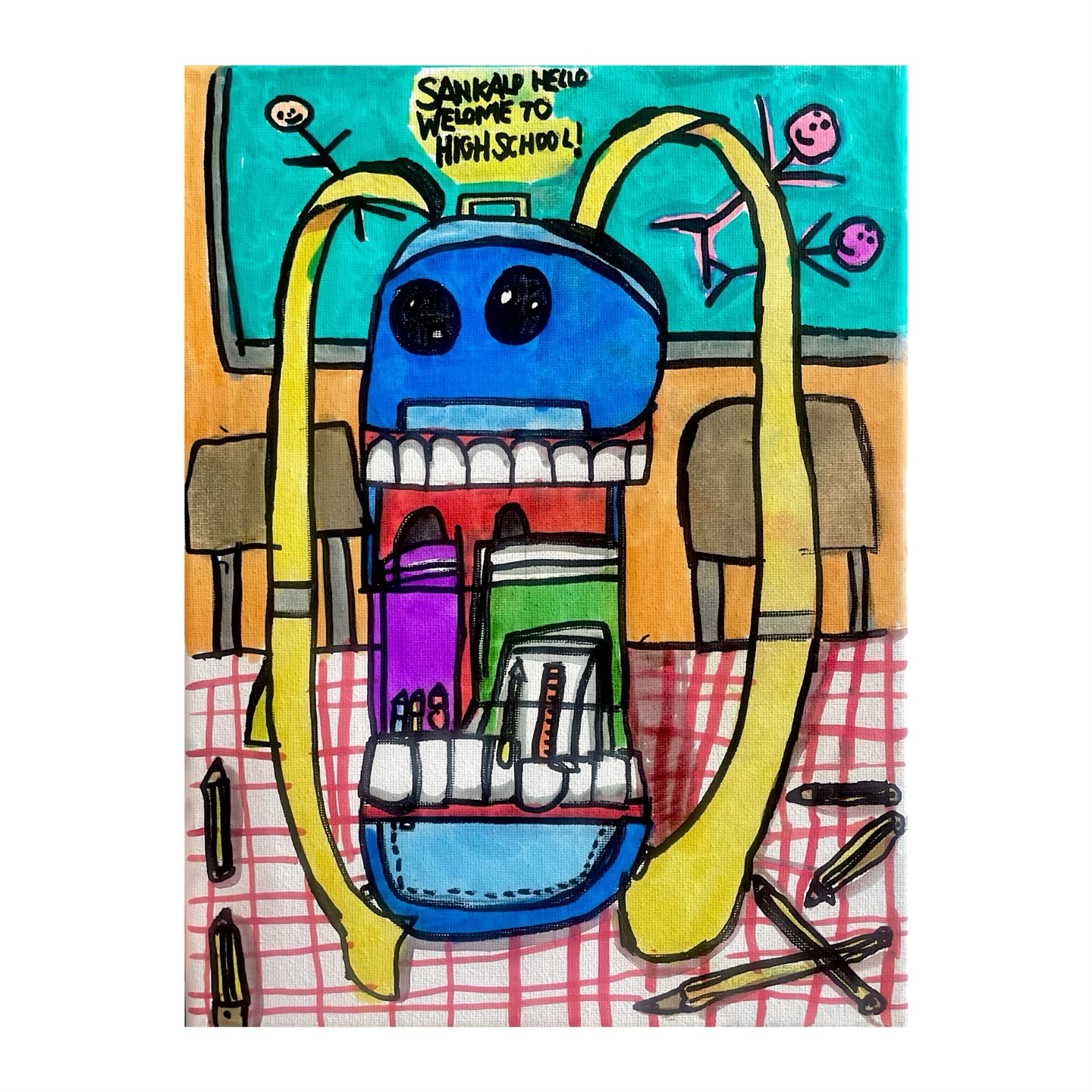

Any resources you can share with us that might be helpful to other creatives?
What helped me in teaching students with special needs was the teaching experience I gained two years prior, learning about children for about three years in Korea. I was able to draw on that experience to shape my curriculum in a meaningful way. But I also believe that you don’t need to have everything figured out before you try something new. When I first started teaching three years ago, I had no prior experience. But I could learn by doing, and I now appreciate that I took that step even without many resources at that time. I don’t regret not knowing more beforehand, as now I have a richer understanding of how to connect my knowledge about art education with a variety of students.
Contact Info:
- Website: https://www.arakostudio.com
- Instagram: https://www.instagram.com/arako_mono