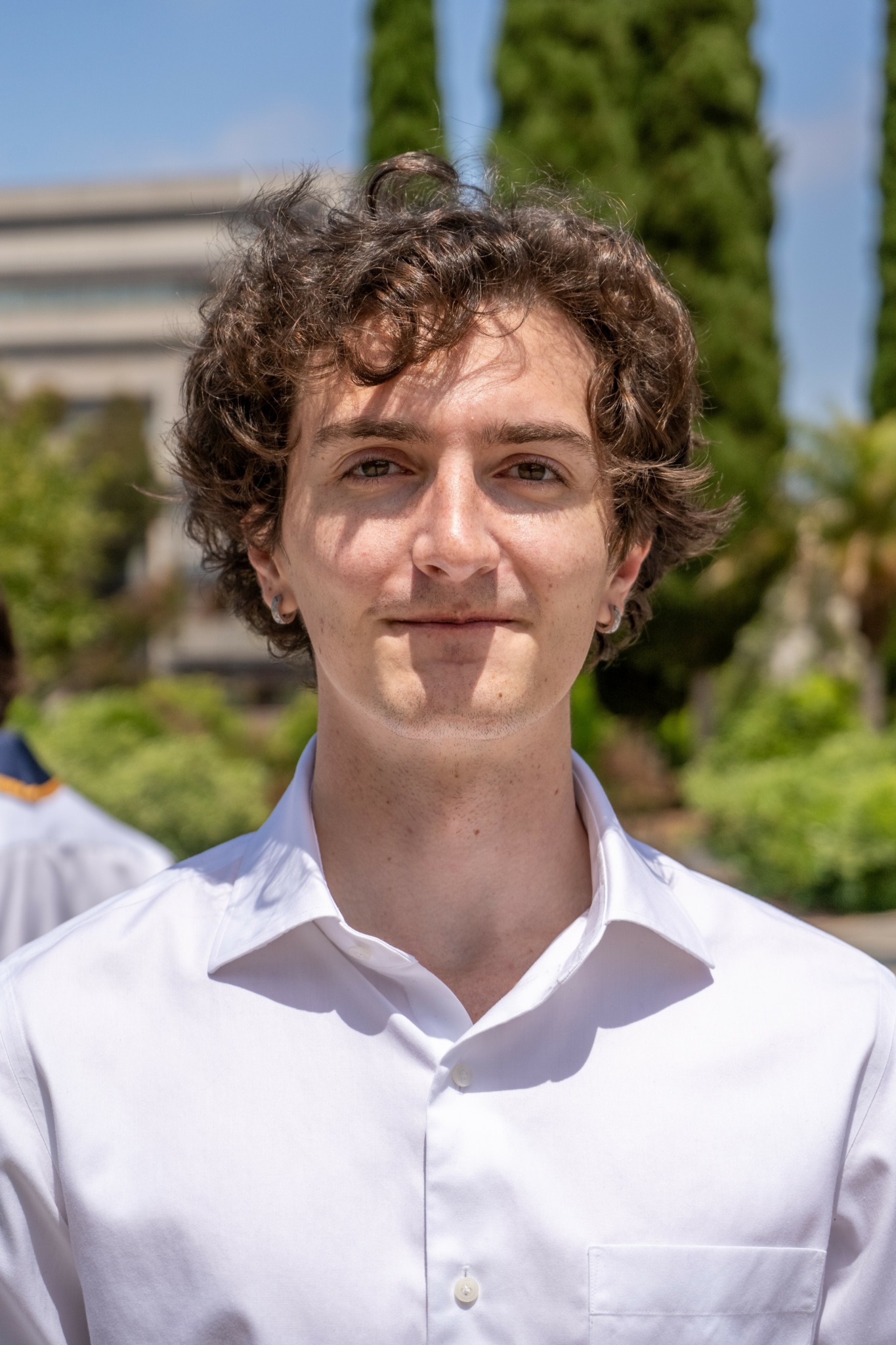

Alright – so today we’ve got the honor of introducing you to Nikolas Yanek-chrones. We think you’ll enjoy our conversation, we’ve shared it below.
Nikolas, looking forward to hearing all of your stories today. Naming anything – including a business – is so hard. Right? What’s the story behind how you came up with the name of your brand?
I’ve always been fascinated by Greek mythology, an interest that was probably borne equally from the fictional Percy Jackson novels and my own very real Greek heritage. This gave me many great options to choose from, each one seemingly more dramatic than the last. At first I believed it was important that the myth I chose be directly related to learning or intelligence. After querying the modern day oracle, Google, for some answers I changed course. Most of the names that came up had enough vowels to give onomatopoeia a run for its money, and I wanted something short and sweet. I pivoted to look for myths that were more aligned with principles that my business embodies, or spoke to the mission of our company. These too failed me.
After some time I remembered a kind of paradigm that pervades all cultural myths. That for every myth of virtue and triumph there is a story of sin and tragedy. This latter group of tales I found much more memorable, and scientific studies have been fairly confident in concluding that this bias towards negativity in memory is a feature of our cognition and not a bug. As such I didn’t need any internet assistance in my last search, and landed on the story of Icarus who escaped from the Labyrinth in Minos with his father on a set of waxen wings. In the story I recognized parallels of my own, but most importantly a warning against pridefulness and arrogance. After the unlikely and ingenious escape Icarus, believing himself to be immune to the danger expressed his father’s warnings or simply incognizant of them, ascended so close to the sun that the wax holding his wings began to melt. I found the lesson of the story to be relevant to the task ahead of me, and the name Icarus to be perfectly short enough for an American brand. IcarAI looked and sounded much better than AIcarus or IcAIrus, and it became the name of my business.
As always, we appreciate you sharing your insights and we’ve got a few more questions for you, but before we get to all of that can you take a minute to introduce yourself and give our readers some of your back background and context?
While I was finishing my third year of school in 2023 my cousin, a special education teacher in Southern California, reached out about AI tools that could help with the work of teaching while also protecting student privacy. In particular they were interested in software to help with Individualized Education Plans (IEP’s). I thought that surely there must be something out there, as the AI hype train had been running for what seemed like an eternity at that point. To my surprise everything I came across was either unsatisfactory in terms of output quality or screamed “I’m selling your data”. After two months and many iterations of testing on the student privacy modules of my software I came back ready with an highly unpolished albeit functional product. You see at this point I wasn’t planning on marketing or selling what I made, I figured it just had to be good enough that I could share with my cousin to help their work life balance enter a more sustainable equilibrium. After meeting to discuss the tool I had made though I was left with the impression that it could be more, much more. The product, Auto-IEP, is still under active development. There is still much work to be done on the user experience, but I’m confident about the potential it has to reach teachers and districts in the areas they need it most.
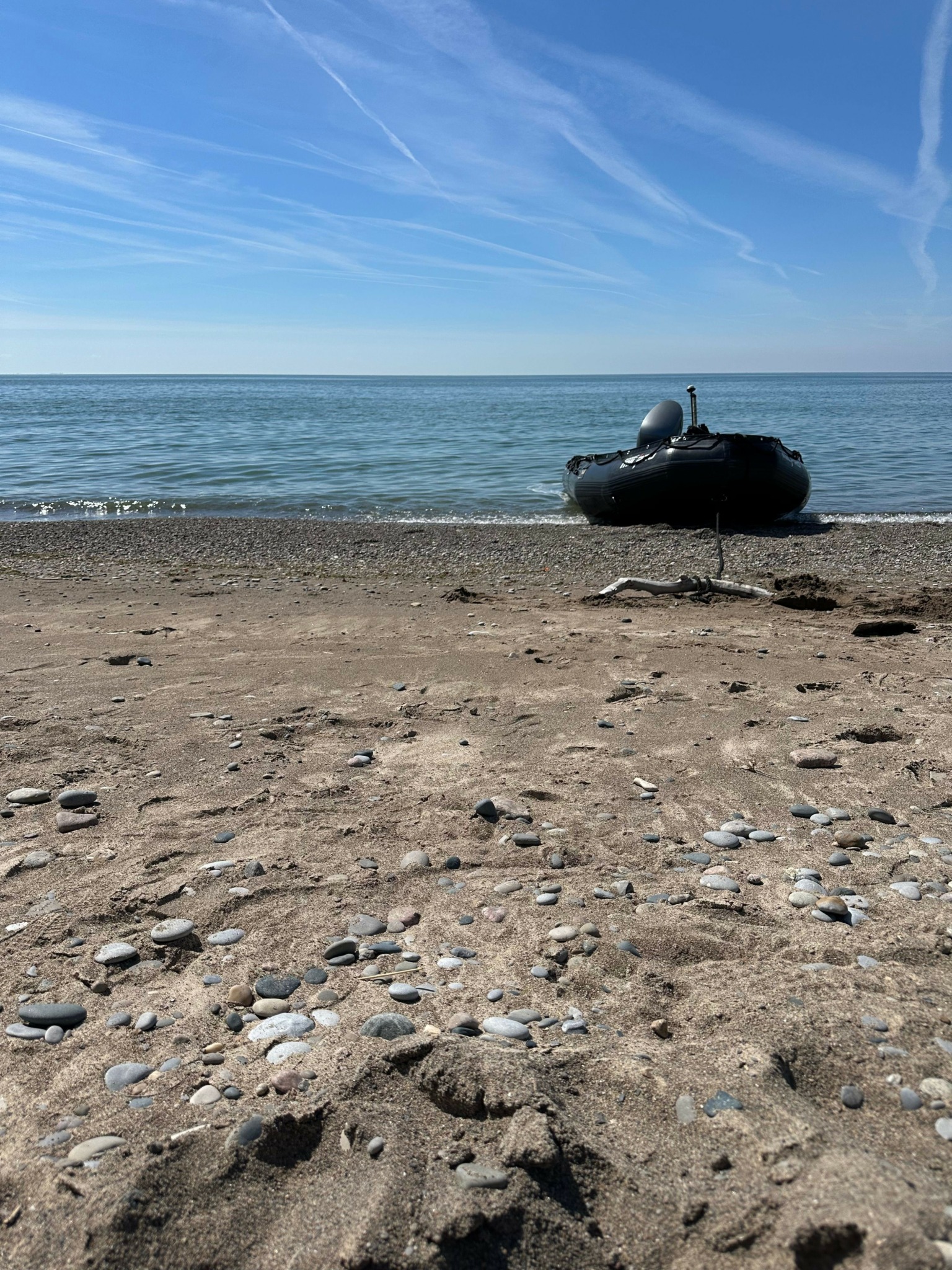
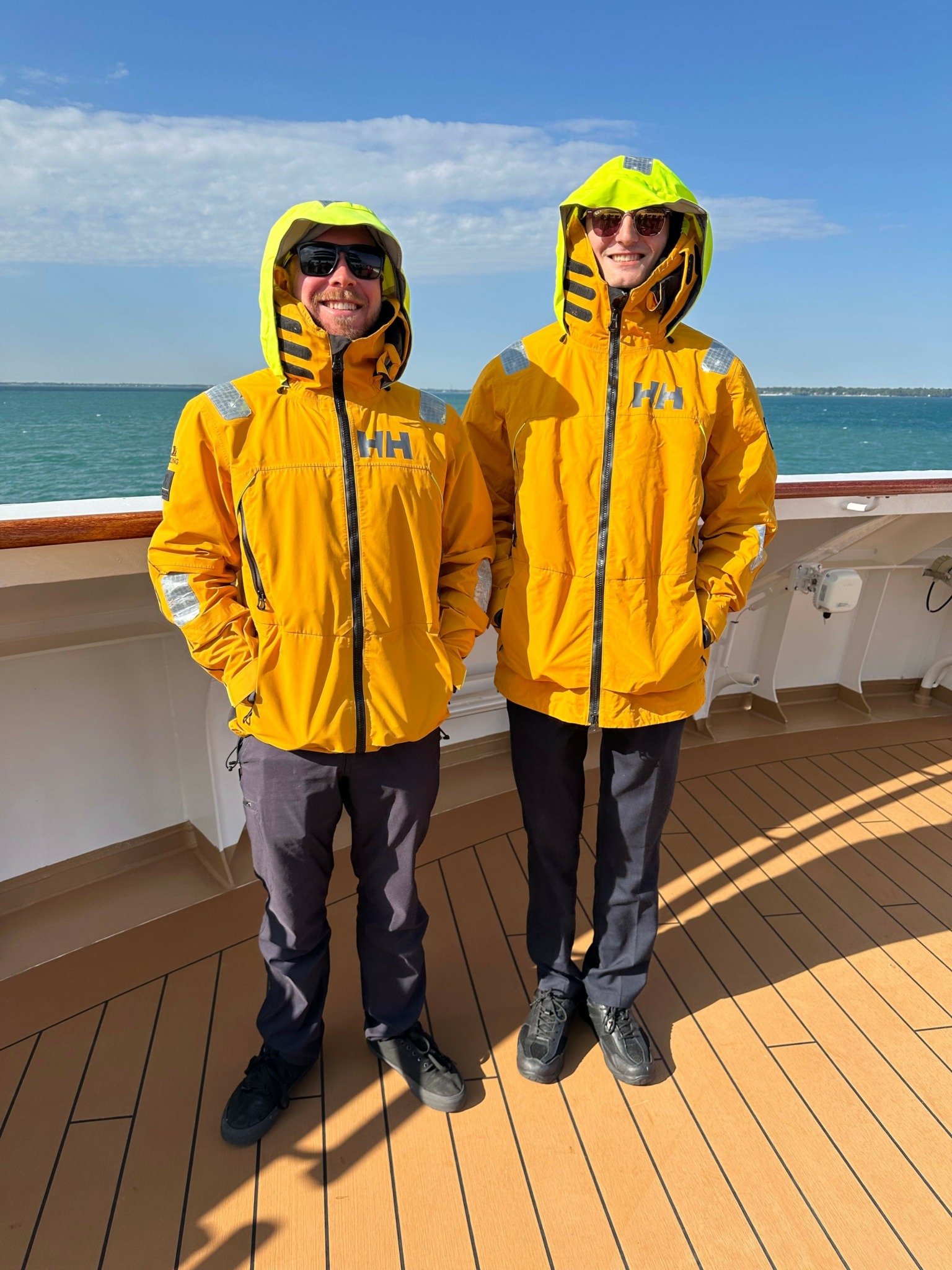
IcarAI, the business under which I operate multiple projects, was born alongside that first product. The product’s mission of helping people get their time and lives back became a central ethos of my business and outreach philosophy. This mindset helped me expand my horizons beyond public education and into the scientific sectors when I was approached by a close friend of mine, Christian Johnson, to assist the Fjord Phyto project with data they had collected to study phytoplankton in the Western Antarctic Peninsula. Christian, along with his mentor Allison Cusick, helped me understand what problems they were facing and armed with their expertise we were able to create data pipelines that not only helped them in their efforts but had widely applicable uses across marine biology and oceanography. One example is the open source CTDFjorder python package designed to centralize the transformations needed for data collected from a CTD device into one cohesive ecosystem, regardless of the device manufacturer. I recently had the pleasure of extending this work while aborad a Viking Expedition ship through a collaboration Viking has with Fjord Phyto and the Scripps Institution of Oceanography. There I was exposed to many other disciplines of marine science, and became inspired with regards to future directions for the research arm of IcarAI.
We’d love to hear about how you keep in touch with clients.
IcarAI does not operate the way that many other education technology or research consulting firms do. The relationships with the people and organizations we provide solutions for often start with interpersonal connections that have little to do with professional pursuits. We begin at a baseline of loyalty, not only from client to company, but from company to client. It sounds very cliche, the company that cares about its clientele, but in this instance I believe we stand apart from the field. One of the blessings of managing my own privately owned business is that I get to, sometimes, make unbusinesslike decisions in order to make sure that the people we serve are in fact left better off because they trusted us to help them. Though these decisions often result in ceding immediate material gain what is rewarded in terms of opportunity and long term professional relationships covers any short term loss tenfold, and perhaps most importantly helps me sleep at night.

Are there any books, videos, essays or other resources that have significantly impacted your management and entrepreneurial thinking and philosophy?
I regard Behave by Robert Sapolsky as one of the greatest books one can read to better understand yourself and others. It’s not directly related to management science, or how to make profits, but is an excellent introduction on a wide array of human behaviors and their likely origins. It changed forever the way I view the world in ways that I’ve found to be beneficial not only to my business but also to myself and the people that I interact with. The book gave voice to a better side of my nature that approaches interactions with understanding, patience, and sincere interest.
Contact Info:
- Website: https://icarai.io
- Other: https://www.icarai.io/education
https://www.icarai.io/research
https://www.icarai.io/business