



We were lucky to catch up with Marc Baron recently and have shared our conversation below.
Marc, thanks for taking the time to share your stories with us today Did you always know you wanted to pursue a creative or artistic career? When did you first know?
That time between high school and college. I had been highly active in the chorus, band/orchestra, theater club, acting, etc. Then came that moment when a counselor asked you to choose your path to best select your college. I remember saying that music and performance was what I liked and what I was good at. When I came home and told my mother, she replied, “Well, it’s in your DNA.”
I thought that was a reference to her early life when she was a dancer, but later – when doing extensive family research for a biography on my grandfather who was a sculptor – I fully realized when that meant. My grandmother was a concert pianist distantly related to Gustav Mahler, and to Alma Schindler. My grandfather was a respected sculptor from Vienna who was also a concert singer. Then many of my ancestors were involved in the arts. So, I supposed mom was right.
My biggest satisfaction from my family research was finding and connecting to family members thought dead since World War II. They have warmly welcomed me, hosted my visits to Vienna, Salzburg, Prague, and Zagreb, and remain in constant communication. Eventually my research will lead to a book.
Awesome – so before we get into the rest of our questions, can you briefly introduce yourself to our readers.
I began singing and playing in the high-school band, eventually started acting, performing, writing, and directing school productions. When looking at colleges, I was accepted to Pace University long before my grades were requested, because the head of the drama department lived opposite my high school and saw my work.
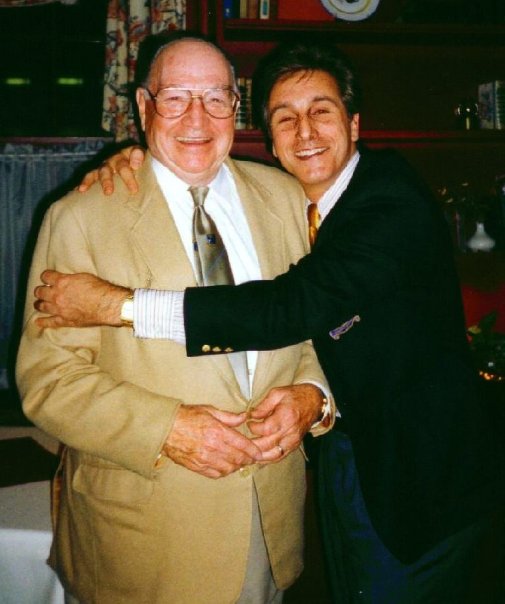
In college I became friends with a teacher, Fred Kelly – Gene’s brother. Fred was also a director and choreographer who encouraged me to study not only performance but directing. Fred brought me into The Lambs, an old theatrical organization where I perform regularly and often directed. I met one creative collaborator there: a playwright whose work I directed five times, one of which is the inspiration for a feature film I’m now developing with a producer in Vienna. I began working on film sets doing “stand-in’ work and was in high demand because I knew what directors needed. That created a wonderful opportunity to learn first-hand from top directors and cinematographers. On one of those jobs, Matthew Broderick and Dustin Hoffman saw my scribbling and encouraged me to write and to make own films. So, I call myself a storyteller, whether it be by music, songs, acting, writing, etc.
In your view, what can society to do to best support artists, creatives and a thriving creative ecosystem?
In the US when you tell someone you’re an actor, singer, etc., the first response is usually “What have you done” or “Have I seen you in anything.” In Europe, the response is quite different and doesn’t require ‘proof.’ We need to do away with the stereotype that artists are starving. Sure, some are, but most I know have side jobs and pay their bills. Everyone loves to faun over the superstars, but they are the minority of artists. It would be better to encourage and support those in smaller careers – they’re the ones you don’t realize are giving voice to a commercial, delivering a few lines in films or TV shows, writing for television, etc.
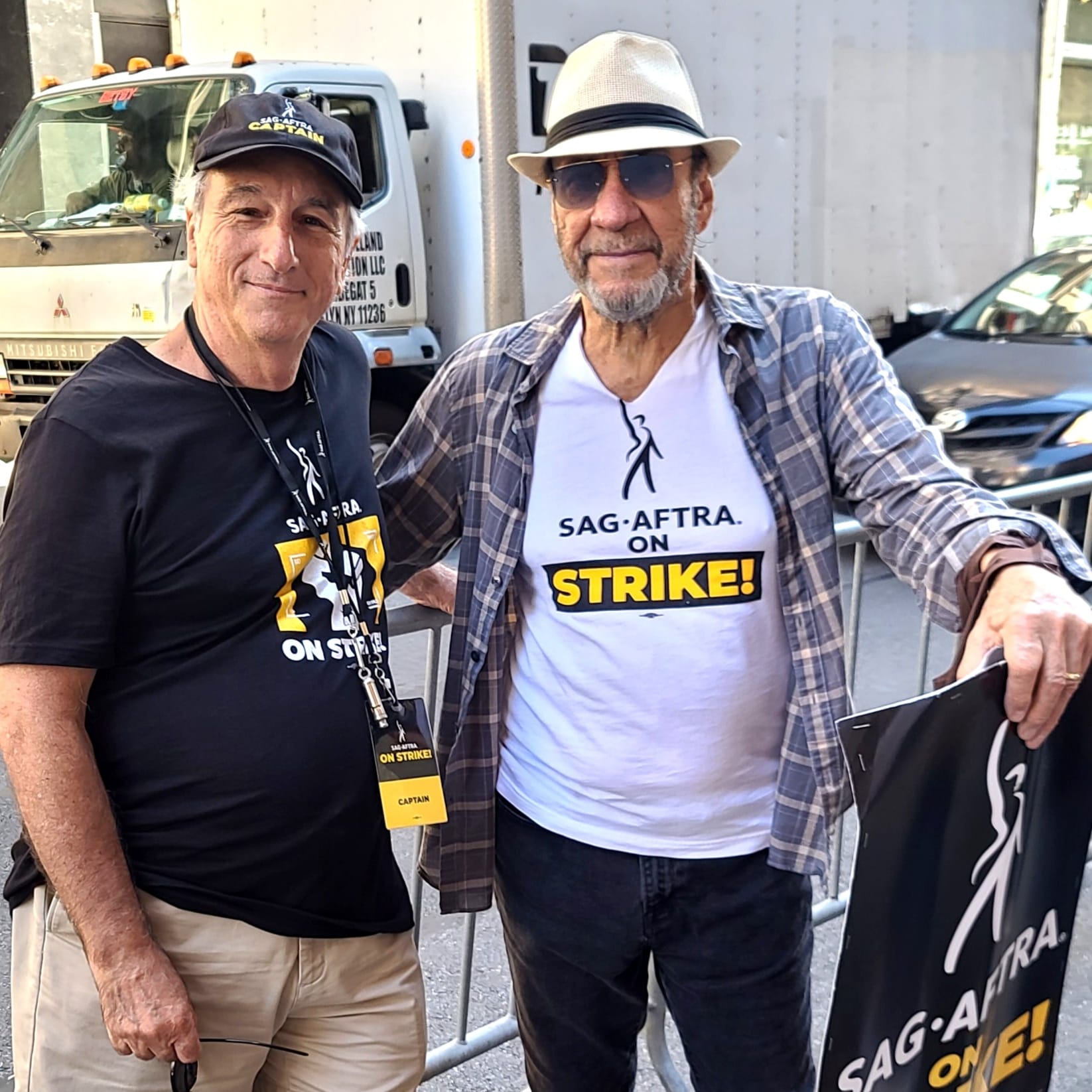
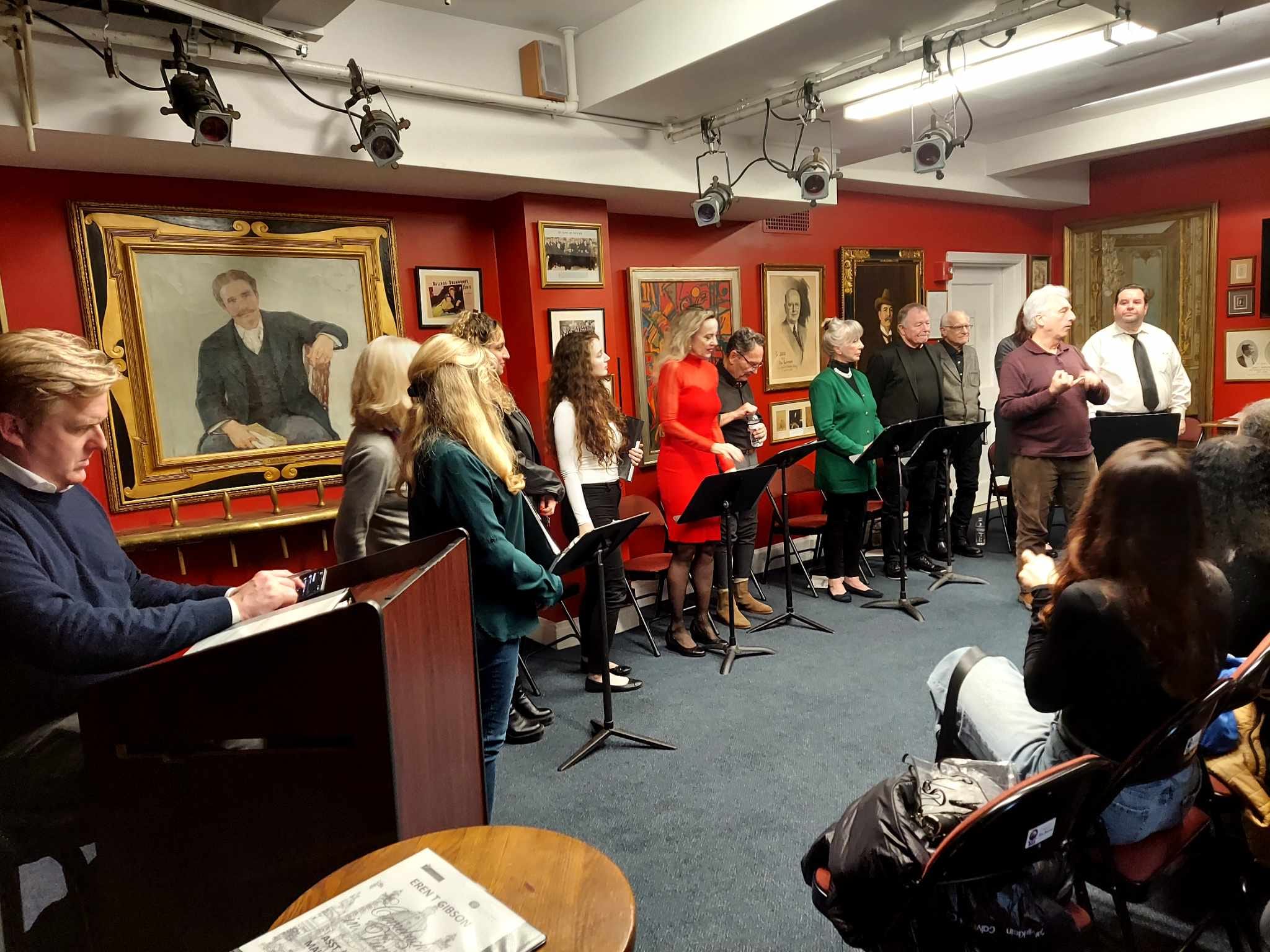
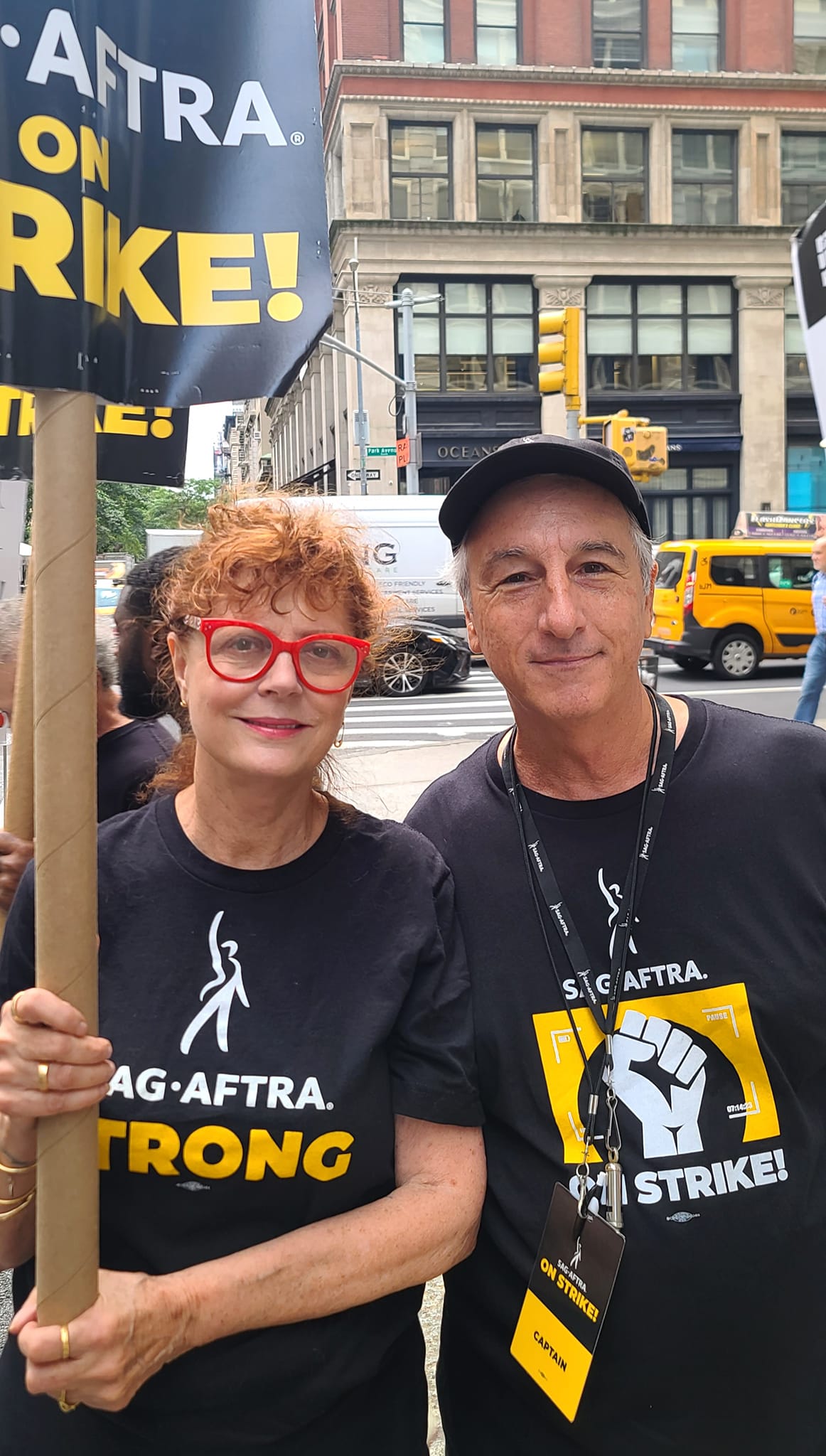
For many years I have been involved in two organizations on a volunteer level to support my fellow creatives. I have been serving on the New York SAG-AFTRA board for over 17 years and began union service long before that. For 42 years I’ve been part of the oldest theatrical organization in the US – The Lambs – and in leadership there for 30 years, with ten as its president. The purpose is for fellow creatives to socialize together, inspire and support each other. My one regret was I did not focus enough on my career and earnings; however, I take immense pride and comfort knowing I have helped so many for so long. I’ve since stepped down from leadership and am now focusing on my own creative projects, my book and two film projects.
How about pivoting – can you share the story of a time you’ve had to pivot?
Why I consider myself a storyteller, there has been a slow change or pivot. I began in music, then moved to musical theater and singing, then added directing, eventually to screenwriting and directing. This is an industry that likes to pigeon-hole people: an actor, or a singer, or a musician, or a writer….and lately, it is now embracing hyphenates. Creative minds are not singular.
BUT opportunities can be difficult. I want to direct a film, but the pushback is until you have directed you cannot direct. Ironic, no? When I mention acting, or singing, people say you’re an administrator or union organizer. So, there is a constant need to prove yourself or to fight for an opportunity. For me, there was a time when the lightbulb went off – and hopefully it’s not too late – to get back on track. It’s hard on our personal lives as well. My sons accept my path and hope for success, but I’m sure they occasionally wonder what if I had a different path … and it’s hard to forge a romantic life when finances are tight or demands of work counter the demands of a relationship.
Contact Info:
- Website: https://www.OroloroEntertainment.com
- Instagram: https://www.instagram.com/oroloroent/
- Facebook: https://www.facebook.com/MarcBaron
- Linkedin: https://www.linkedin.com/in/oroloro
- Twitter: https://x.com/Oroloro/
- Other: www.ComebackInVienna.com
www.Josephu.info
www.MegaBallsMovie.com
www.MarcBaron.com
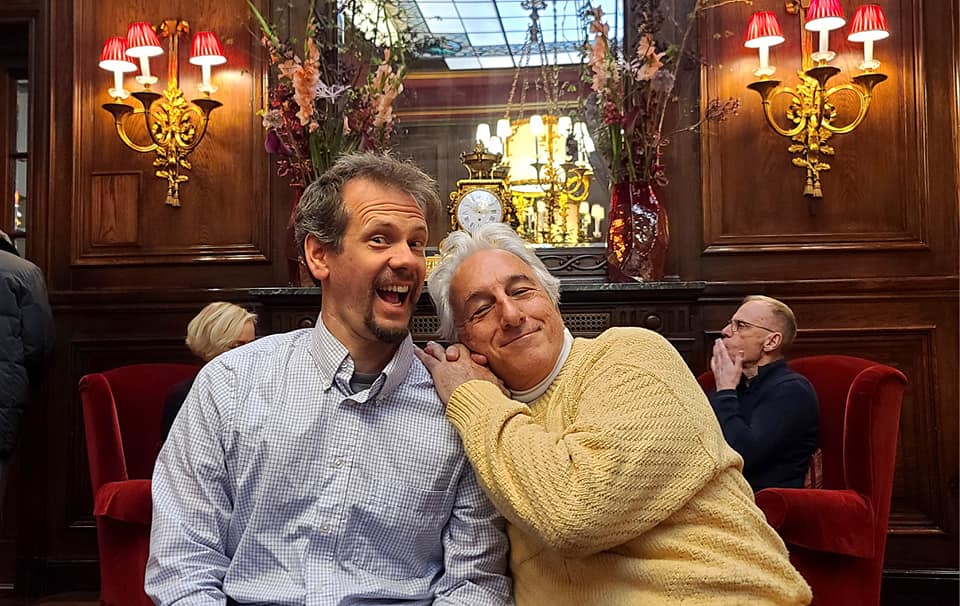
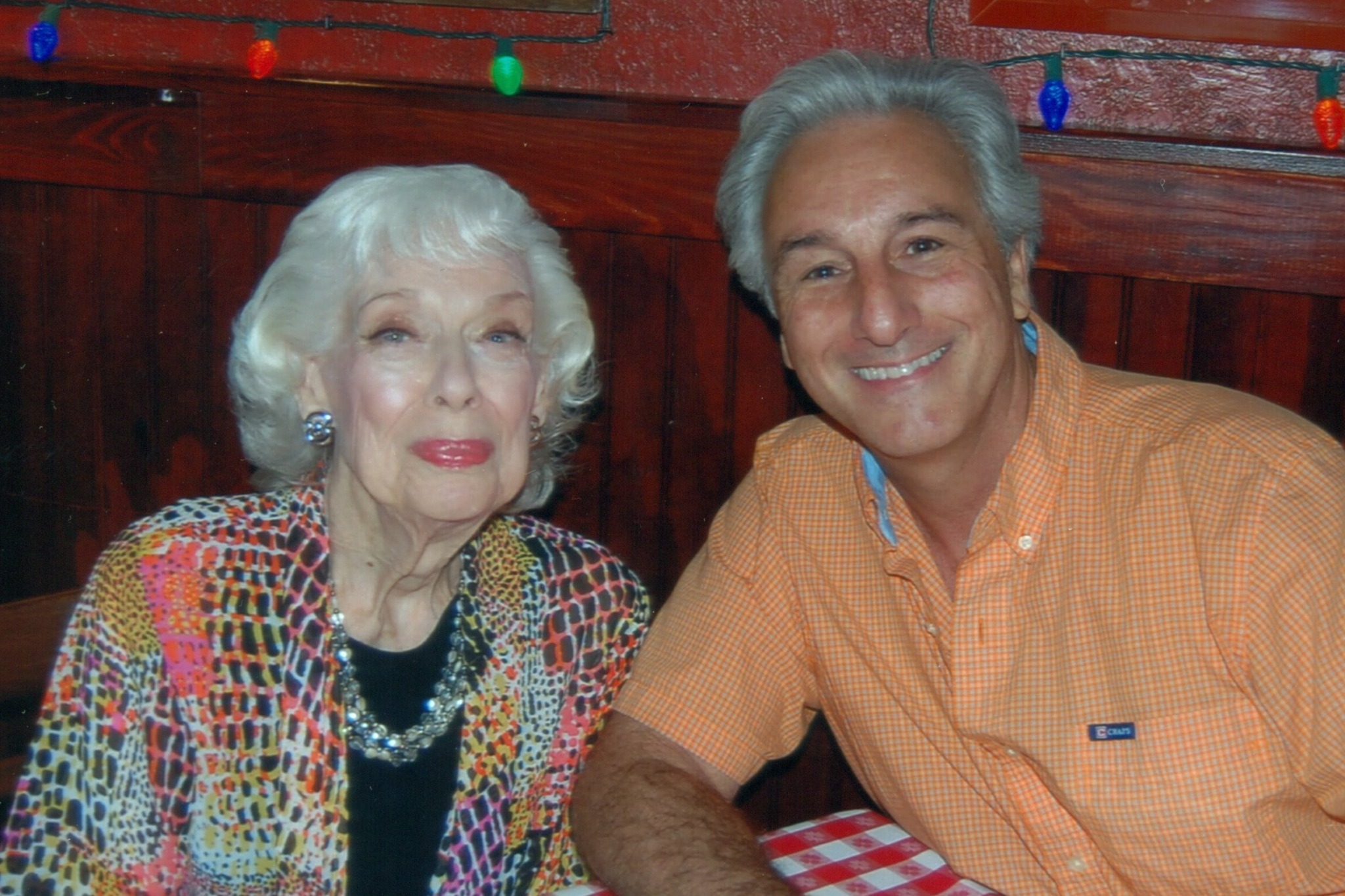
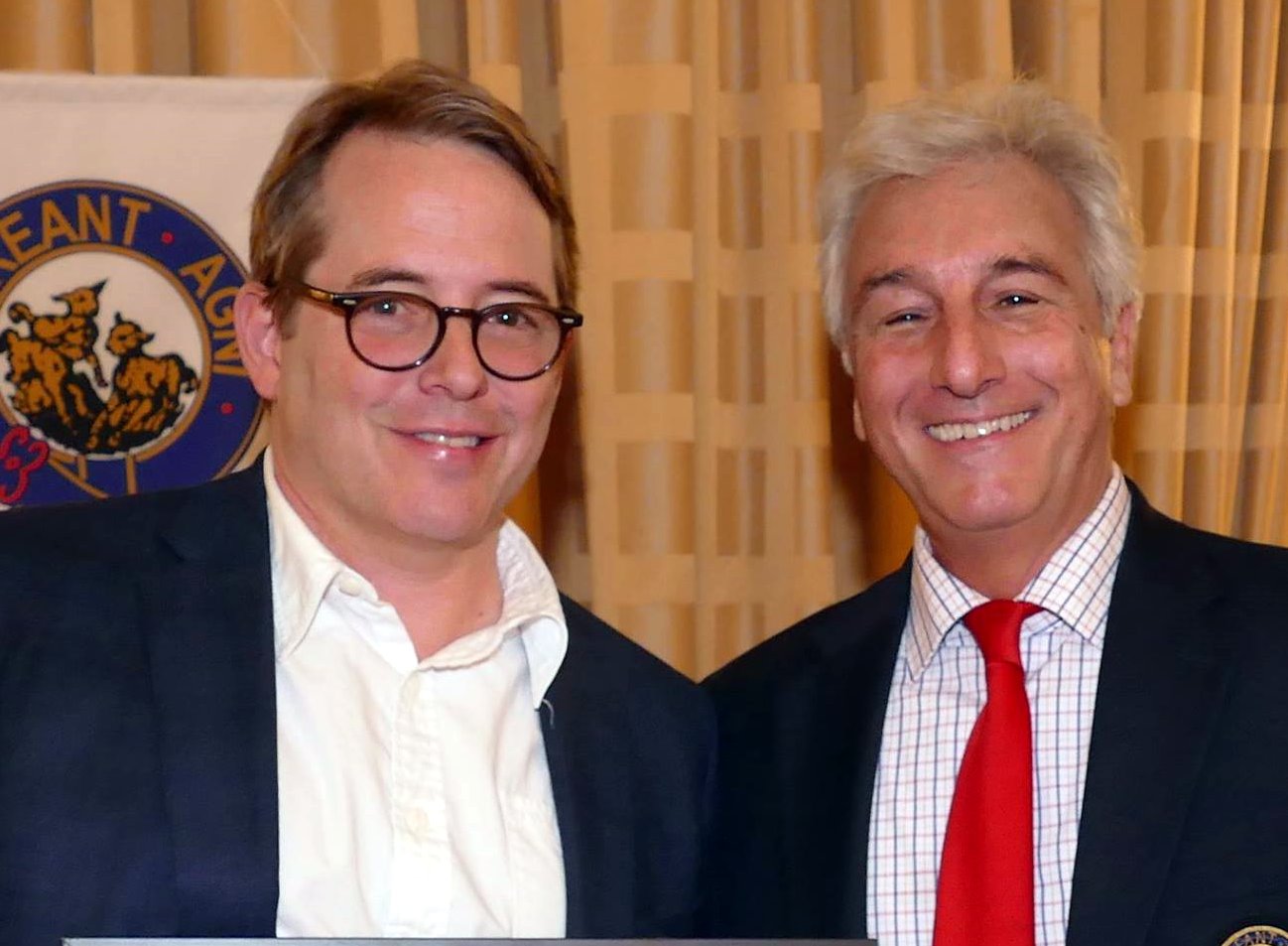
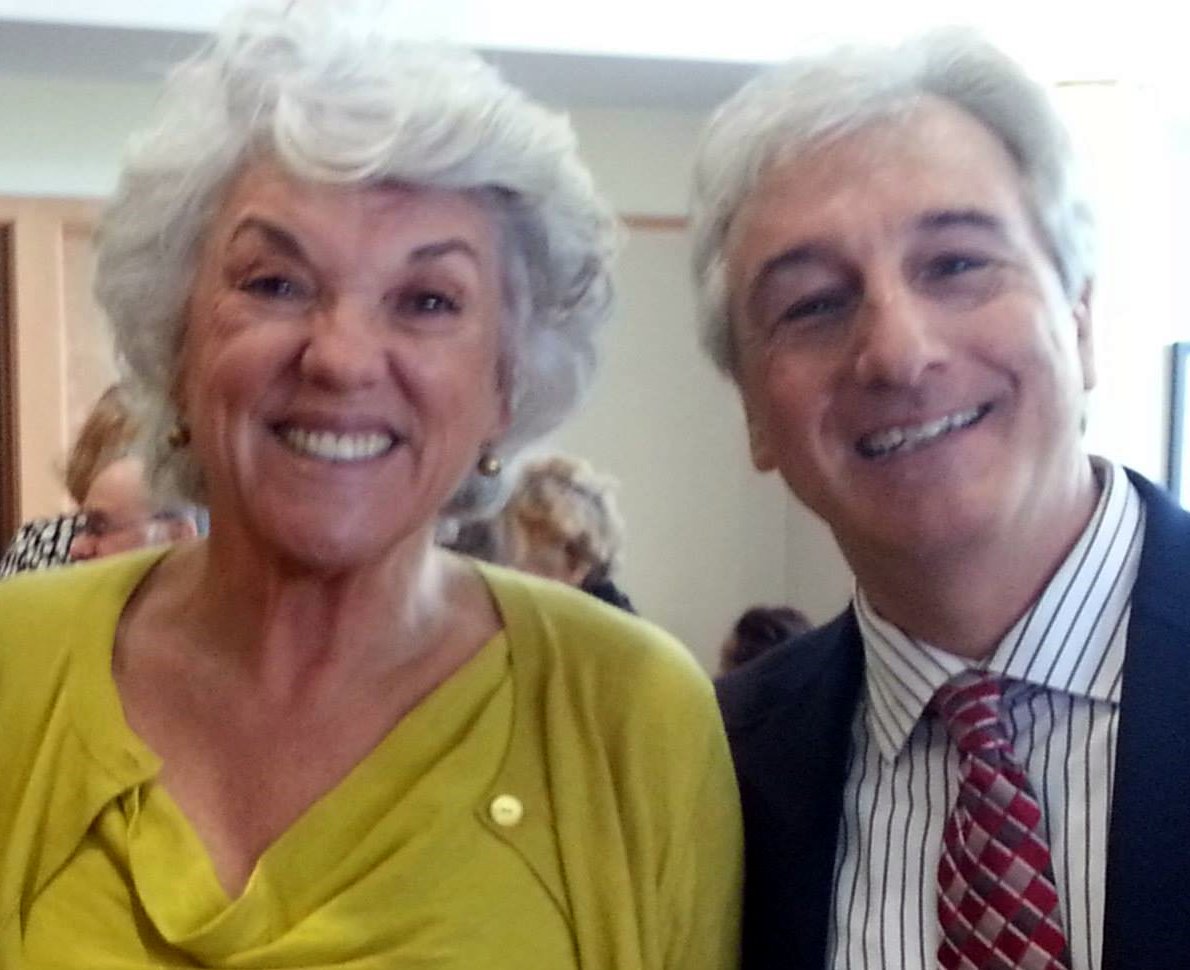
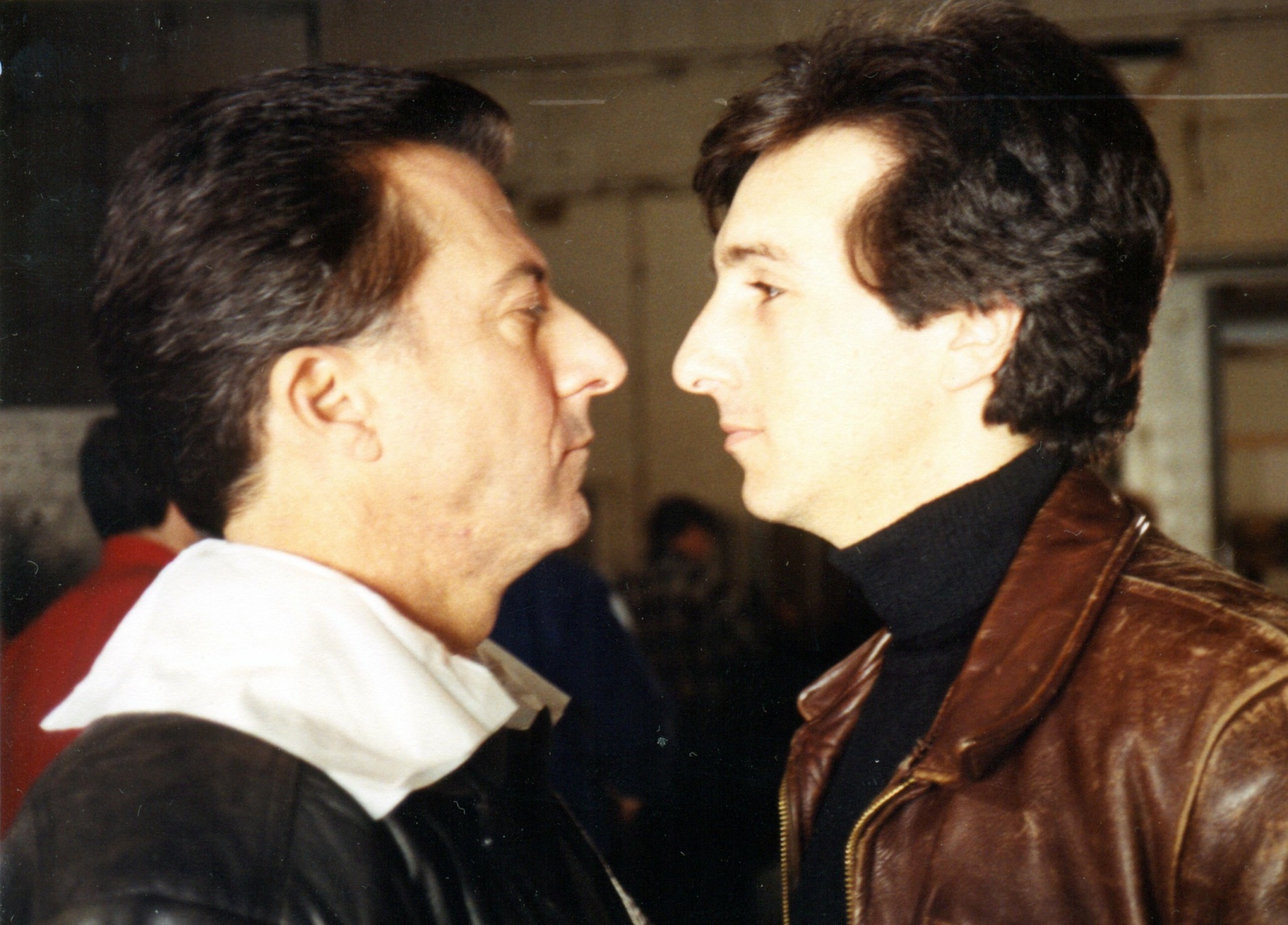
Image Credits
Captions if needed:
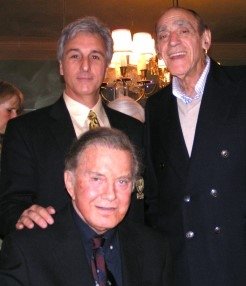
with Abe Vigoda and Cliff Robertson at The Lambs
with Fred Kelly at The Lambs
with F. Murray Abraham on strike
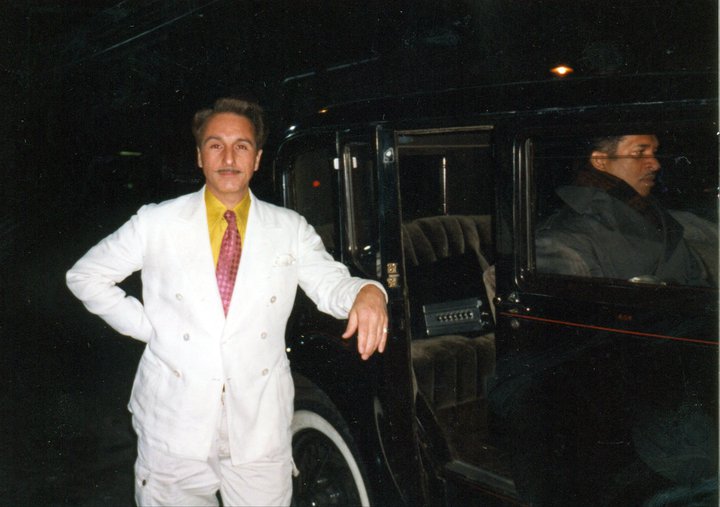
Still from the set of Woody Allens “Sweet and Lowdown”
Reading of my screenplay, “Comeback in Vienna”
on location with my Vienna producer Viktor Perdula
with Joyce Randolph
with Matthew Broderick
with Tyne Daily
with Dustin Hoffman on set of “Family Business”