

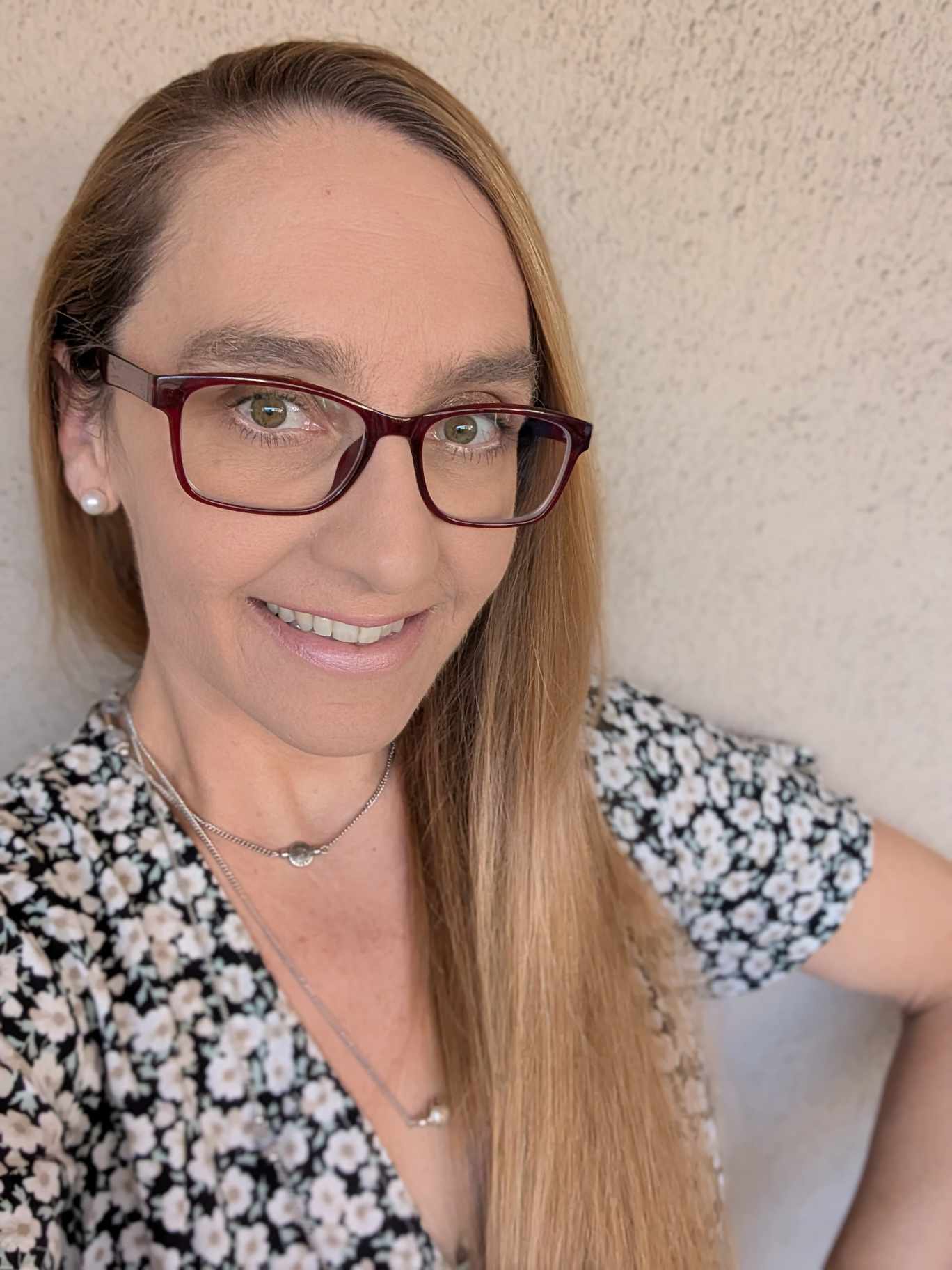

We recently connected with Cody Smart and have shared our conversation below.
Hi Cody, thanks for joining us today. How do you think about vacations as a business owner? Do you take them and if so, how? If you don’t, why not?
I do now – but I’ve truly struggled with this in the past. As a sole owner – and only employee since I’m a script consultant/doctor who works directly with her clients and doesn’t pass on work to anyone else – it’s incredibly hard to take breaks. Taking a vacation usually means saying no to projects – and potentially losing clients if they’re not willing to wait until I’m back. It also involves cramming as many projects as possible before and after my vacation, to make sure I deliver quality work to all of my clients, and don’t experience a low month.
But I’ve come to realize the importance of taking breaks, too. As a creative professional, it’s important to clear my head and experience new things to keep the creative juices flowing. And as a mom and wife, I also need mental breaks to be able to balance working full time and being a mom and wife at the same time.
So for entrepreneurs who feel they can never stop – realize that not stopping can also hold you back. Your mind and body need a break from time to time. You’ll come back refreshed, and your business will benefit from it, too.

Cody, love having you share your insights with us. Before we ask you more questions, maybe you can take a moment to introduce yourself to our readers who might have missed our earlier conversations?
I am an L.A.-based Script Doctor & Consultant originally from Santiago, Chile. I hold degrees in English Literature & Linguistics, Screenwriting, Development, and Producing. I’ve worked for Sony, I’ve been a judge for multiple Screenwriting contests, head of the coverage department for a script hosting site, I’ve done a blog turned vlog with tips for Screenwriters called the Helpful Reviewer, I’m an instructor at the prestigious Writers’ Program at UCLA Extension, I host webinars for the Writers Store/Script University, and I work full-time doing script consultations and rewrites in my capacity as a Script Doctor, helping writers take their work to the next level.
When I first started in the industry, I thought I wanted to be a full-time writer. That’s the only path I envisioned for myself. But when I was in grad school and we had to do an internship, I ended up falling in love with development, and realized I had a true skill for it. That’s when I decided to switch paths, and go into script consulting/doctoring. That path isn’t an easy one, and you first have to work as a reader for many years, honing your craft like I did. Then I started getting referrals from people who liked my coverages to start consulting on projects. And that ultimately led to people asking me to doctor their scripts, which is what the bulk of my work consists of today.
In terms of my work, I love reading scripts and breaking them down. I believe that what sets me apart from other consultants/script doctors is that my philosophy is to always keep my client’s story at the forefront, and never impose my own. I help them elevate THEIR work, and not change it into my own version of the story. When I analyze a script, I look at what’s working, what needs work, and what tangible solutions I can find to improve it.
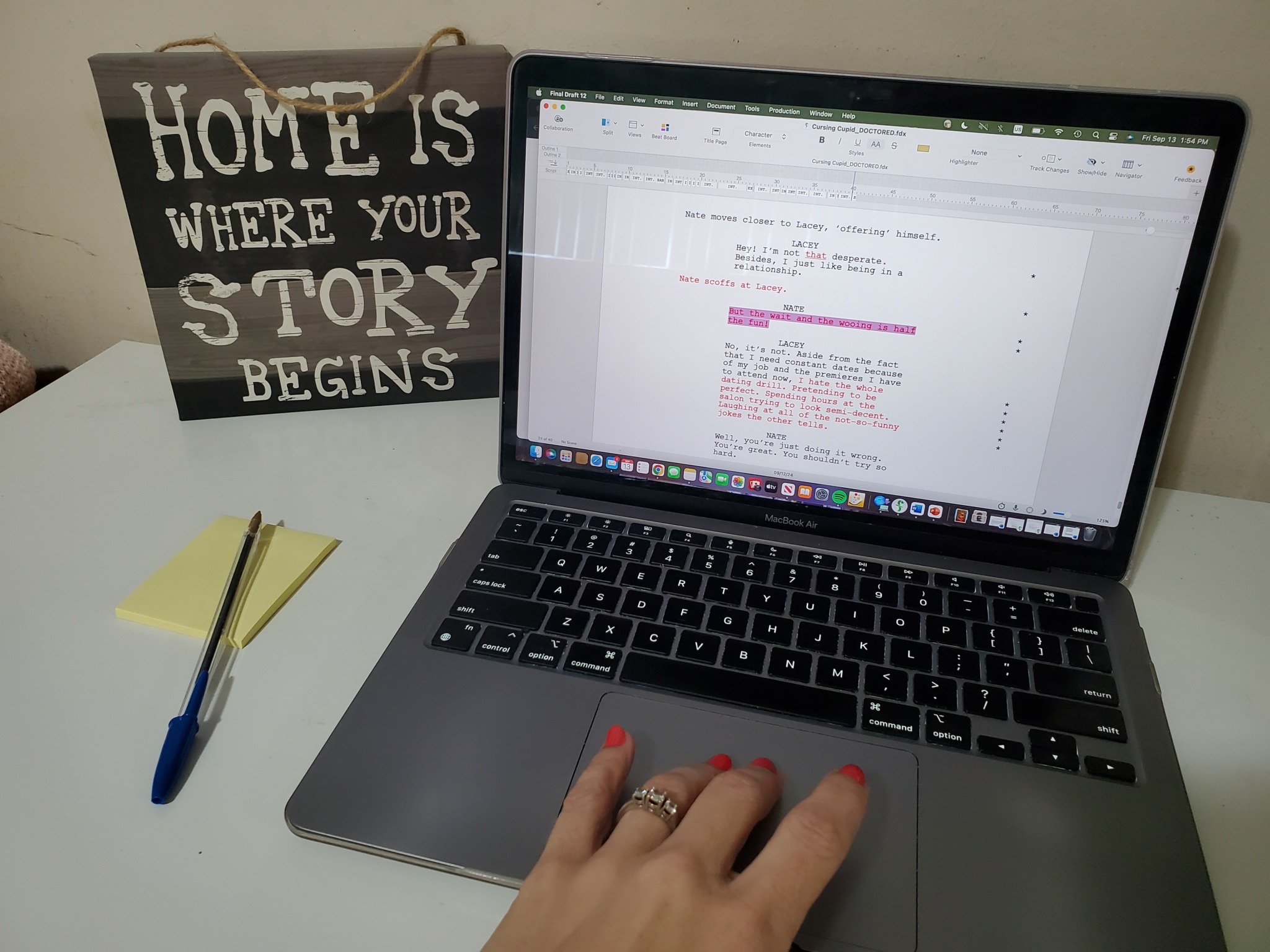
The way I work with my clients always starts with an in-depth analysis of their script – usually a long written report where I go sequence by sequence. Then this is followed by a zoom consultation most of the time, where we go deeper into the notes and plot next steps. Then afterwards, some clients decide to tackle the rewrite themselves with my guidance (and we go through several drafts where I give notes as a consultant), and others decide to hire me right away as a script doctor to rewrite their script (which is done in a ghost-writing capacity).
I pride myself in really listening to my clients and what they want for their stories, while also being very in tune with what the industry is looking for nowadays, so I can best guide them. I always tell it like it is – but in a constructive way. I never want to discourage anyone from writing, but want to motivate people to continue writing and getting better – the same way I do with my Screenwriting students.
Aside from my consulting business, I also love teaching and mentoring a new generation of writers. At UCLA Extension, I teach different courses, which rotate every quarter, including Script Doctoring, Script Doctoring for TV, Get Your Script Contest Ready, Marketing Your Script, Advanced Show Bible & Pitch Deck Workshop, and Screenwriting Accountability Group.
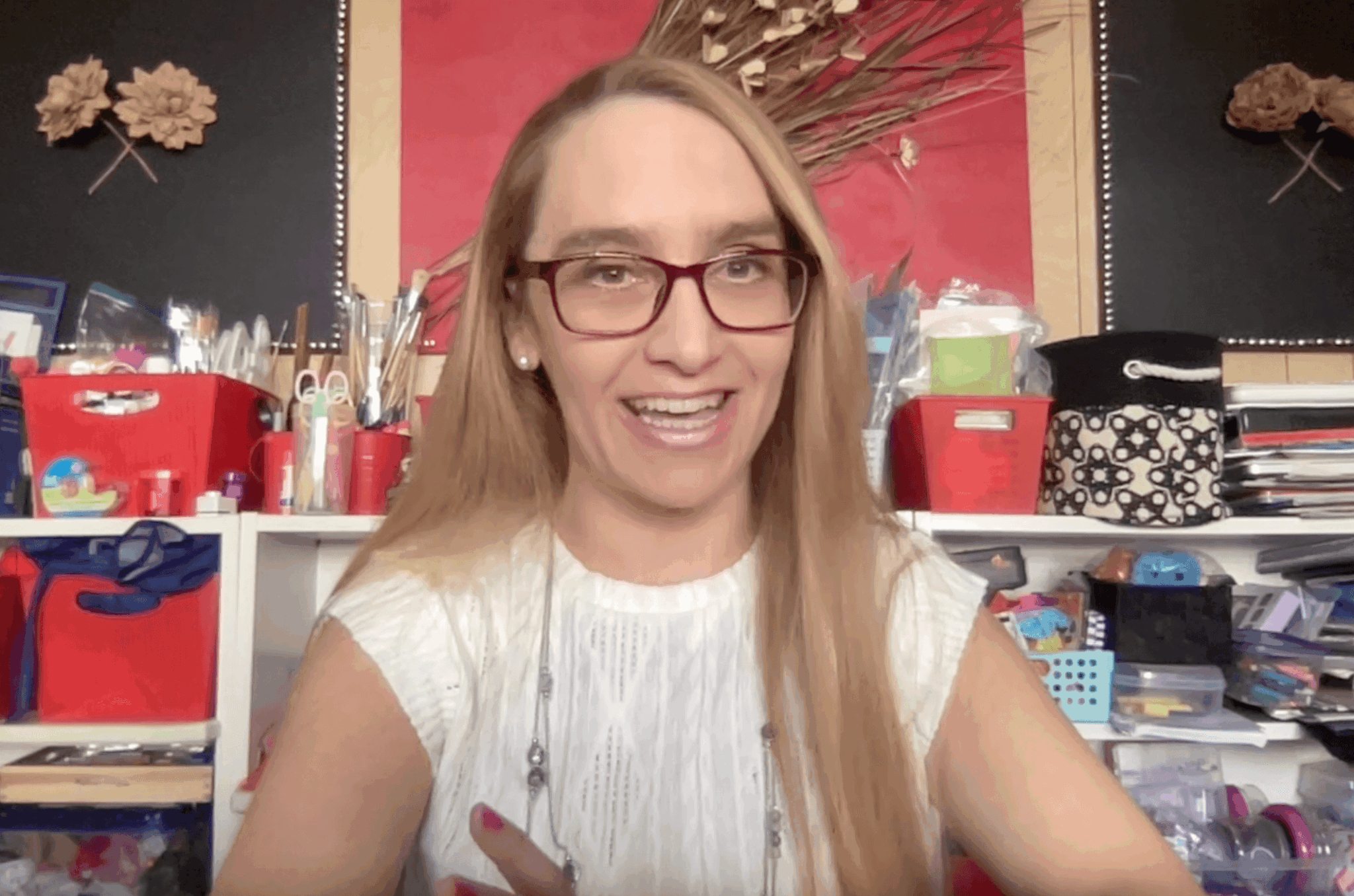
What do you think helped you build your reputation within your market?
I think that my dedication and attention to detail have helped me stand out from other consultants/doctors, and thus, build my reputation. A LOT of my work comes from word-of-mouth, and because clients have realized that my level of analysis of their scripts is like no other. I literally go scene by scene or sequence by sequence, explaining what’s working (positives are always key for me too), what needs work (in a constructive way), and offering suggestions for improvement. I also never give absolutes – This is a creative art form, and thus, subjective. So I might offer different types of suggestions for the client to consider. And I also love brainstorming with clients over zoom to get to the core of things, and find the best solution to their script problems.
Is there a particular goal or mission driving your creative journey?
I love Screenwriting as an art form, and I believe that film is truly a collaborative medium – and it all starts with the script. I believe human beings need art – it’s a critical part of the human experience. In that regard, one of my favorite quotes about art that I think encapsulates this is from Kurt Vonnegut: “The arts are not a way to make a living. They are a very human way of making life more bearable. Practicing an art, no matter how well or badly, is a way to make your soul grow, for heaven’s sake. Sing in the shower. Dance to the radio. Tell stories. Write a poem to a friend, even a lousy poem. Do it as well as you possibly can. You will get an enormous reward. You will have created something.”
In my work, I strive to help champion scripts that showcase interesting character-driven stories. Work that is inclusive and that represents the real world we live in. Stories that are real examples of the human experience. Scripts that feel fresh, original, and unique. An ultimately, stories that make an impact and make people think.
Contact Info:
- Website: https://www.scriptreaderpro.com/about-us/
- Instagram: https://www.instagram.com/nextlevelscreenwriting
- Facebook: https://www.facebook.com/nextlevelscreenwriting
- Youtube: https://www.youtube.com/watch?v=dEevGQ8Va_Y&list=PLez8jOvskc-MDJUzPaa8h66qgw5yIUaYV&index=9&t=360s
- Email: nextlevelscreenwriting@gmail.com
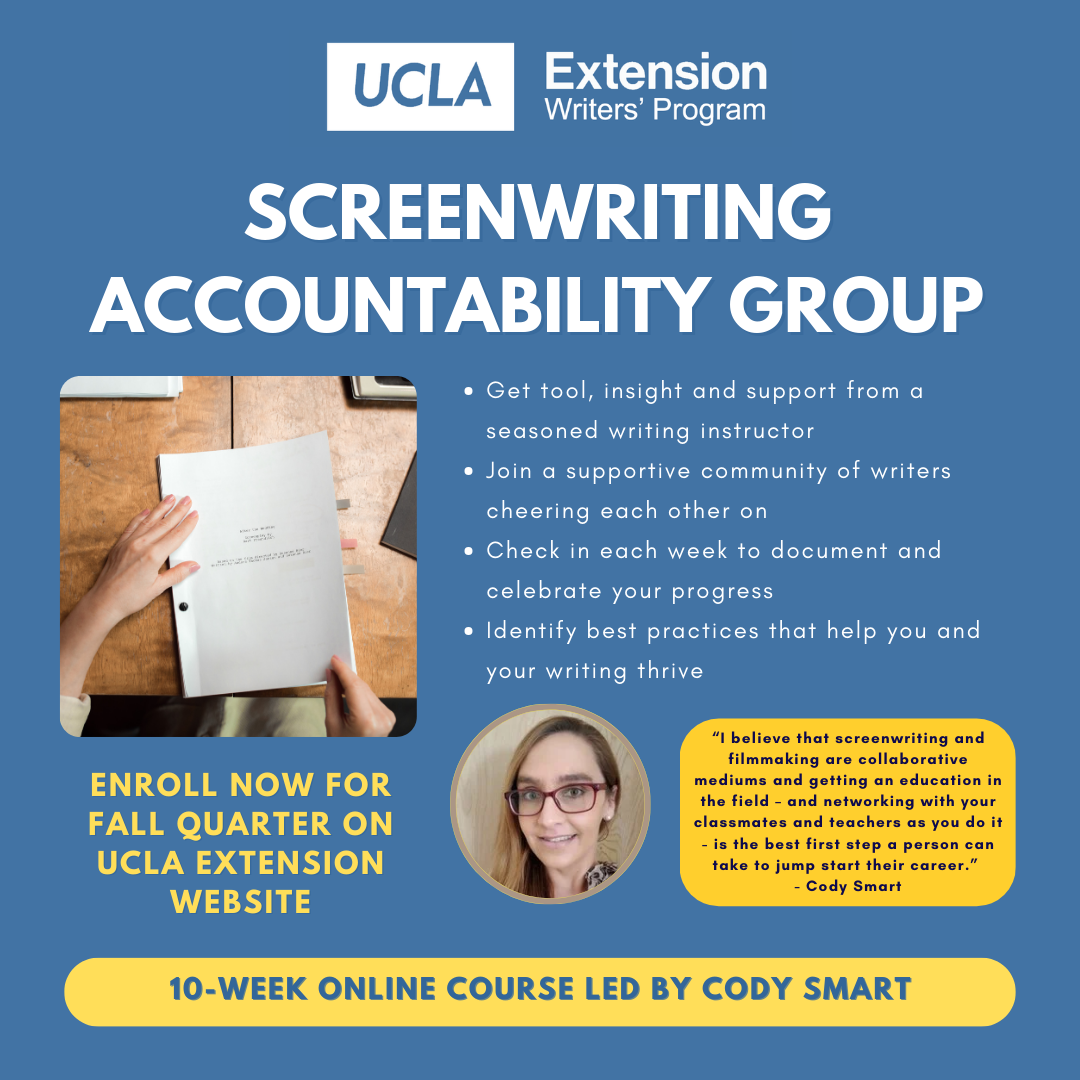
Image Credits
Image Labeled Cody Smart 3 – Writers’ Program – UCLA Extension