


We caught up with the brilliant and insightful Stephen Powell a few weeks ago and have shared our conversation below.
Stephen , looking forward to hearing all of your stories today. Alright, so we’d love to hear about how you got your first client or customer. What’s the story?
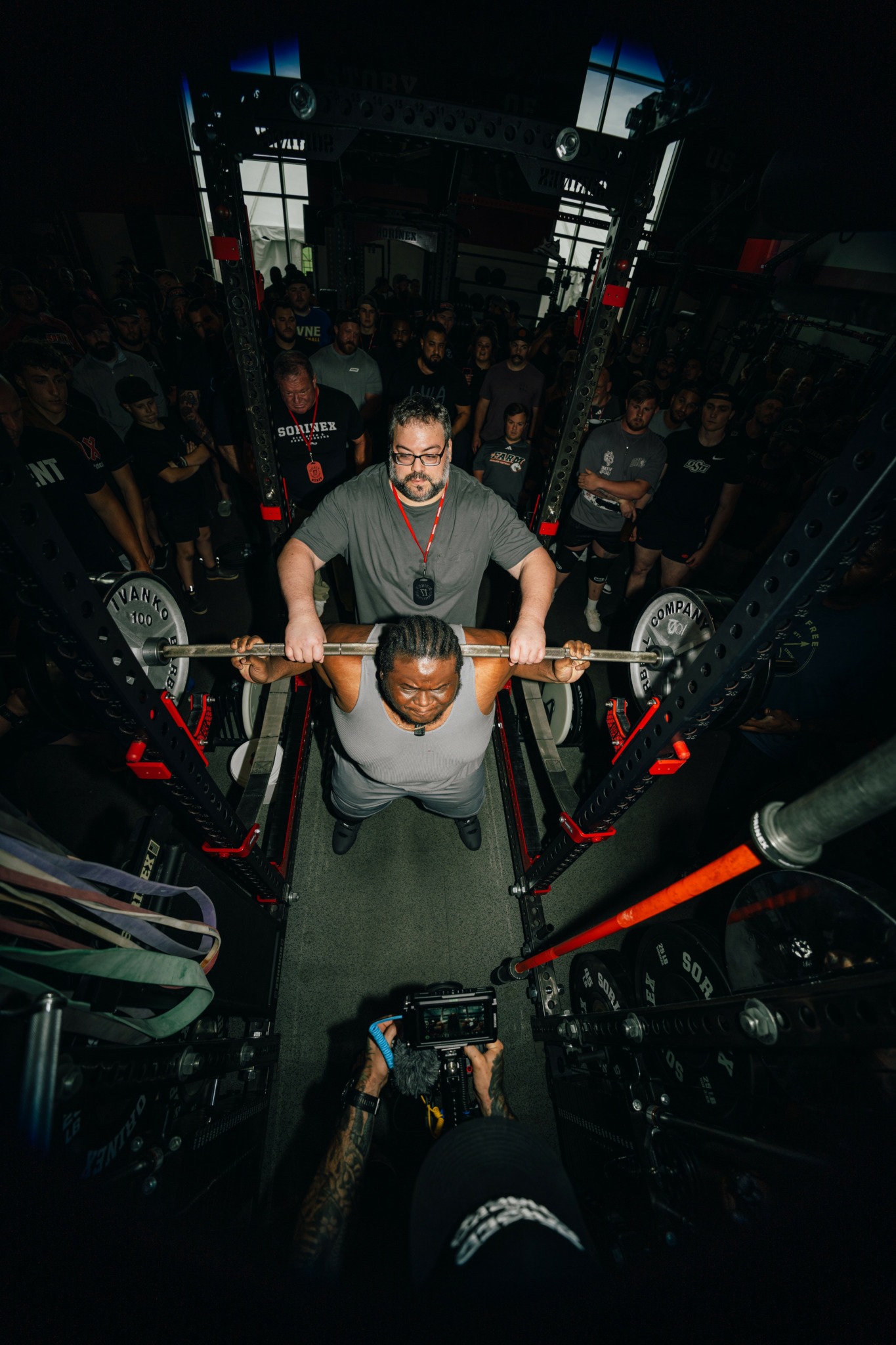
My first coach, Richard Sorin, gave me my first client. Richard’s company Sorinex is global now. You would be hard pressed to find a D1 or professional sports weight room without it. However, back then it was still growing. From time to time athletes would come into the gym and ask Richard for help with strength training. One day he came up to me and said, “I was contacted by the parents of this 14 year old. Her name is Jenna and apparently she is very strong and wants to compete in Powerlifting. I’ll let you coach her.” That was the start. After working with Jenna for a year she became a world champion. She squatted 463 lbs in competition when she was 15. She was an unreel talent. I found I had a gift of explaining technique and training practices and have largely stuck with it ever since.
Great, appreciate you sharing that with us. Before we ask you to share more of your insights, can you take a moment to introduce yourself and how you got to where you are today to our readers.
I started weightlifting when I was 11 years old. I heard a man named Paul Anderson speak at a summer camp when I was 10 years old. Paul is the last American man to win a Gold Medal in weightlifting in 1956. He was one of the strongest men to ever live. He dedicated his life working with at risk youth and founded The Paul Anderson Youth Home in the late 1960’s. He was in failing health when I met him. He was still a powerful speaker and his message really resonated with me. That began a lifelong love I have for all things related to strength training and competitive lifting like weightlifting (snatch and clean & jerk) and powerlifting (squat, bench press and deadlift). My father took me to libraries and book stores to read everything I could get my hands on related to strength training. By the time I was 14-15 I had a library of books and articles on training. This was years before the internet. This thirst for knowledge continues to this day. I have 35 years of experience. When time inevitably showed me I was not going to be an Olympic Champion in weightlifting I soon shifted to coaching. I help people discover how to train properly and achieve their athletic and strength goals. I work To find and implement optimal training plans for everyone I coach. I am known for my technical knowledge and eye. Lifters and coaches from around the world will send me training footage and ask me why the lifts they show me were missed. I explain to them the error and also how to fix and improve their technique. I have been fortunate enough to have coached 2 Olympian’s and 14 national champions along with a handful of professional athletes. Having said that, the most rewarding part about coaching is helping the average hobbyist achieve their goal. I help them develop focus and confidence. The overwhelming majority of people who contact me are men and women with average athleticism. For them training is the antidote to the anxieties of life. It was for me. I do the best I can to put them first and help them achieve the goals they have for themselves.
How do you keep your team’s morale high?
When juggling multiple personalities, I emphasize that I coach everyone fairly but not the same. Everyone I coach responds to verbal cues and instruction differently.. One athlete may have the mentality for me to be more straight forward. Others may need more constructive criticism. Some are more visuals learner’s while others are more cognitive thinkers. I can say to one lifter to be faster through extension and they understand while I may have to demonstrate that to someone else. Weightlifting is a very demanding sport physically and progress isn’t as linear as other sports. It takes years of training so I’m very clear about that from the beginning. When individuals decide this is what they want to do feelings don’t matter. The truth of who each person is and what they are willing to sacrifice does matter. If someone has a rough day at work or is stressed about something and would rather not train that’s fine, if you decide to train don’t bring that stuff in the gym. I expect everyone to give me their best effort and to support their team mates. If they have a bad attitude I let them vent and talk and sometimes that brings them around but if it’s clear their attitude will distract others they leave for the day. When anyone walks in the gym I expect their best effort and a good attitude. Being very clear about that upfront and consistent with enforcing this makes for a great team environment.
Can you tell us about what’s worked well for you in terms of growing your clientele?
The most effective way to build clientele in my industry is word of mouth. If a coach or personal trainer genially cares about his/her clients and puts them first this is not only realized but felt deeply by them. On top of that when you motivate them and get results that certainly motivates clients to tell others as well. Listen to your clients, engage in the process meaning be attentive. Don’t be on your phone half the time they are training. To sum this up the key to this is personal relationships. The ultimate key to success in this is to invest in your clients lives as people. I don’t expect any client to fully trust me or care what I have to say until they know I care about them.
Contact Info:
- Website: palmettoweightlifitng@gmail.com
- Instagram: @stephen_powell_weightlifting
- Linkedin: https://www.linkedin.com/in/stephen-powell-46255421a
- Youtube: Palmetto Weightlifting
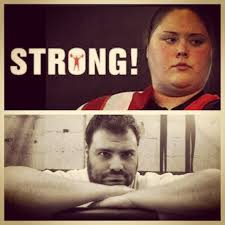
Image Credits
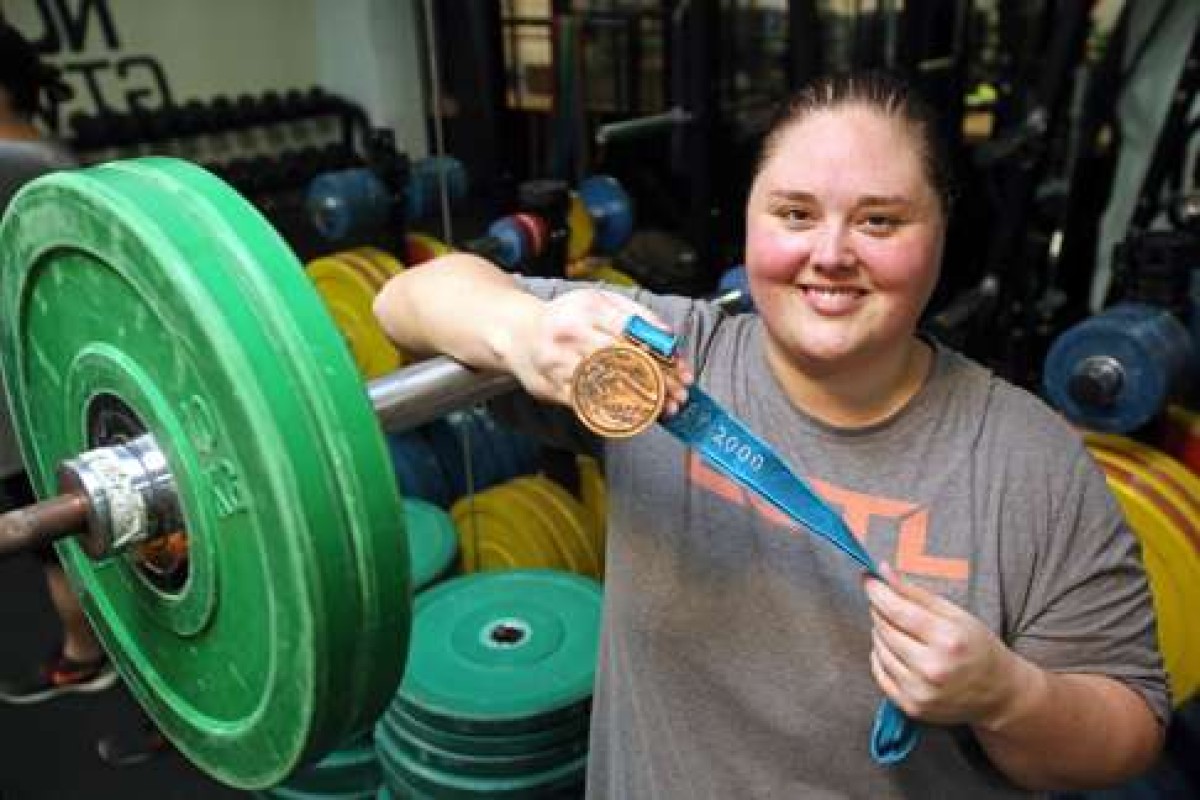
Top left Cheryl Haworth with her Bronze medal she won from then 2000 Sydney Olympic Games.
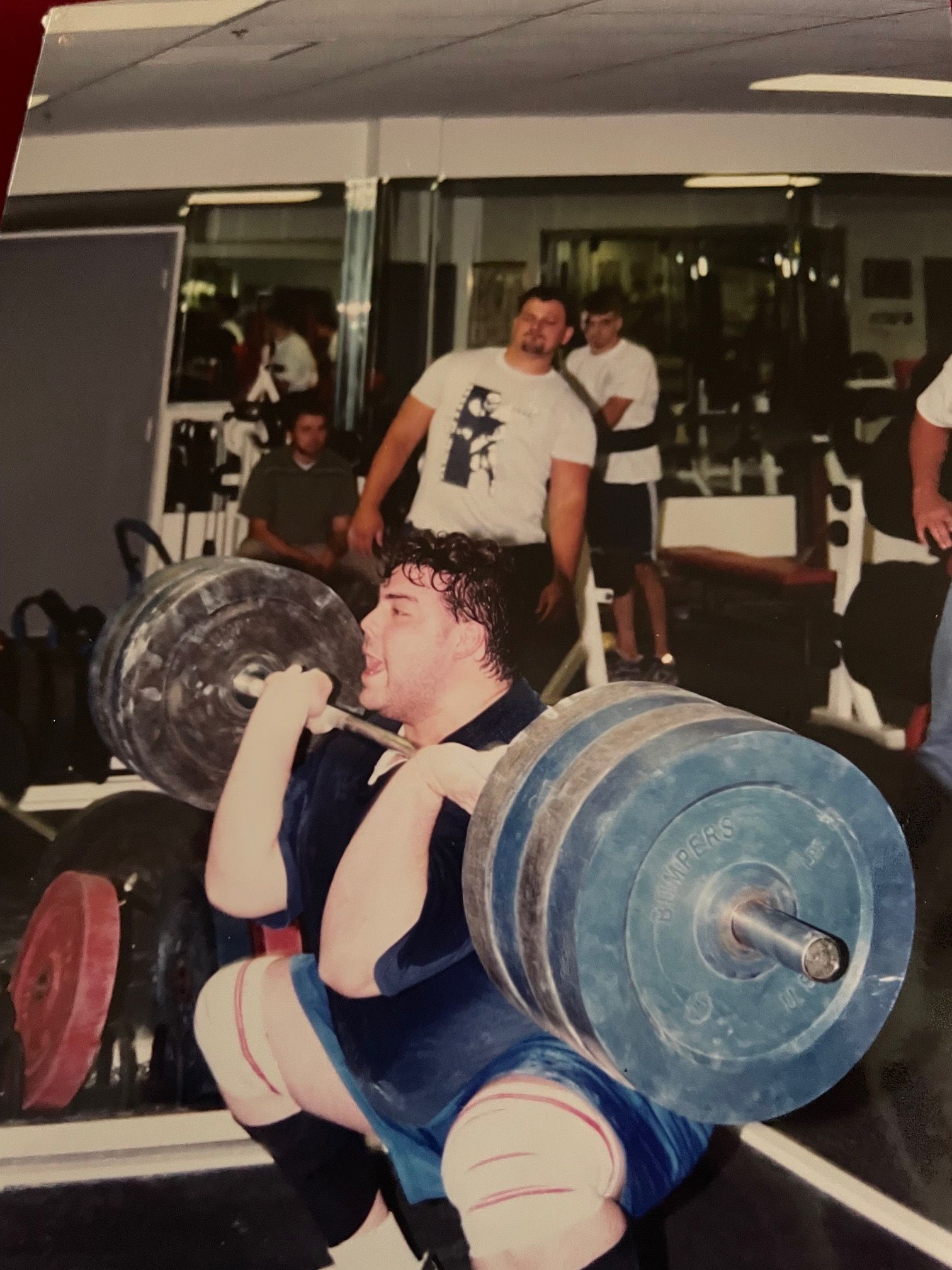
Top right me training many years ago pursuing my Olympic dream
Bottom left former national weightlifting competitor Joe Syzmanek drives under a 145 kg (319 lbs) clean & jerk
Bottom left a promotional photo from Cheryl Haworths documentary Strong!