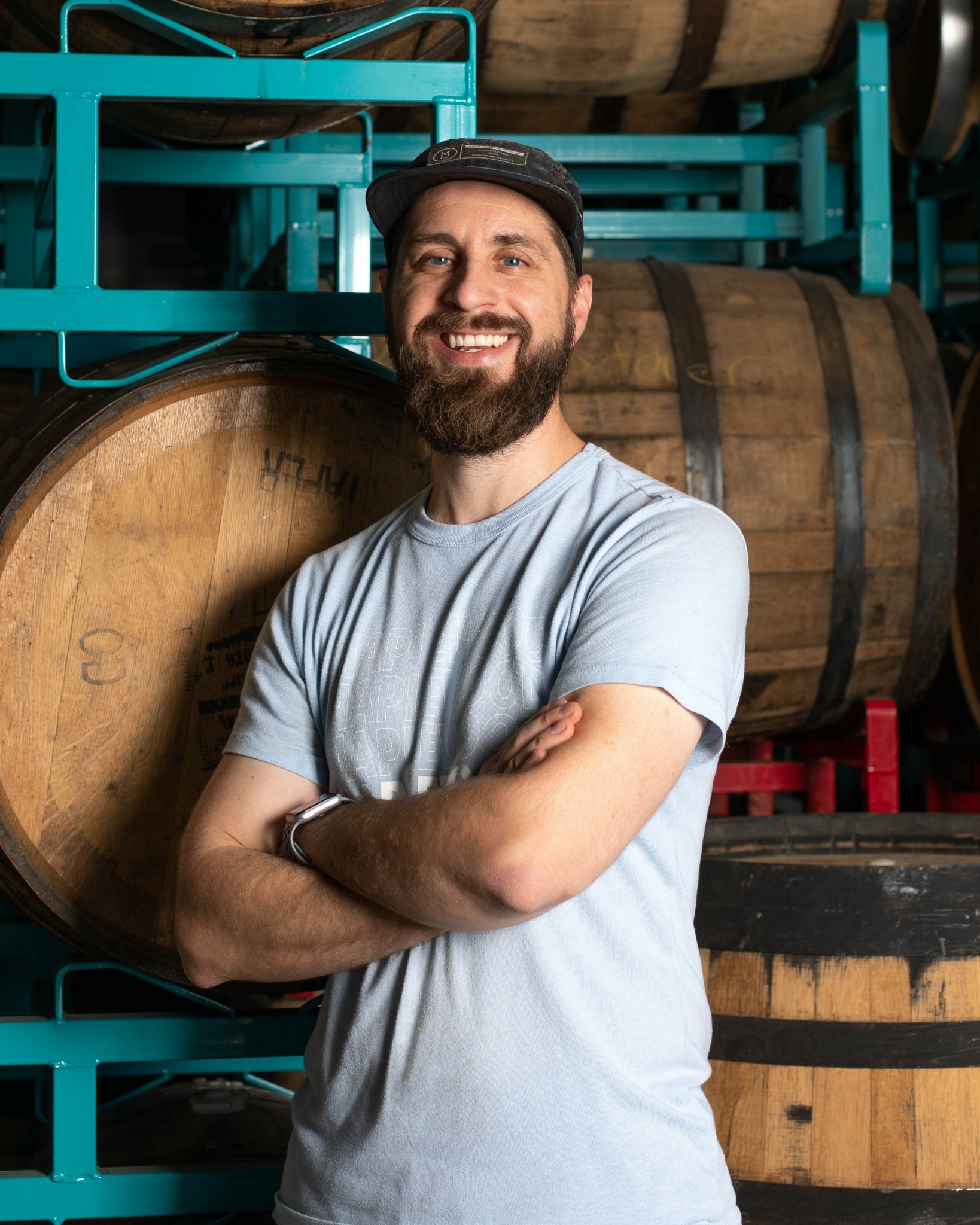

We were lucky to catch up with Adam Cieslak recently and have shared our conversation below.
Adam, appreciate you joining us today. What’s the backstory behind how you came up with the idea for your business?
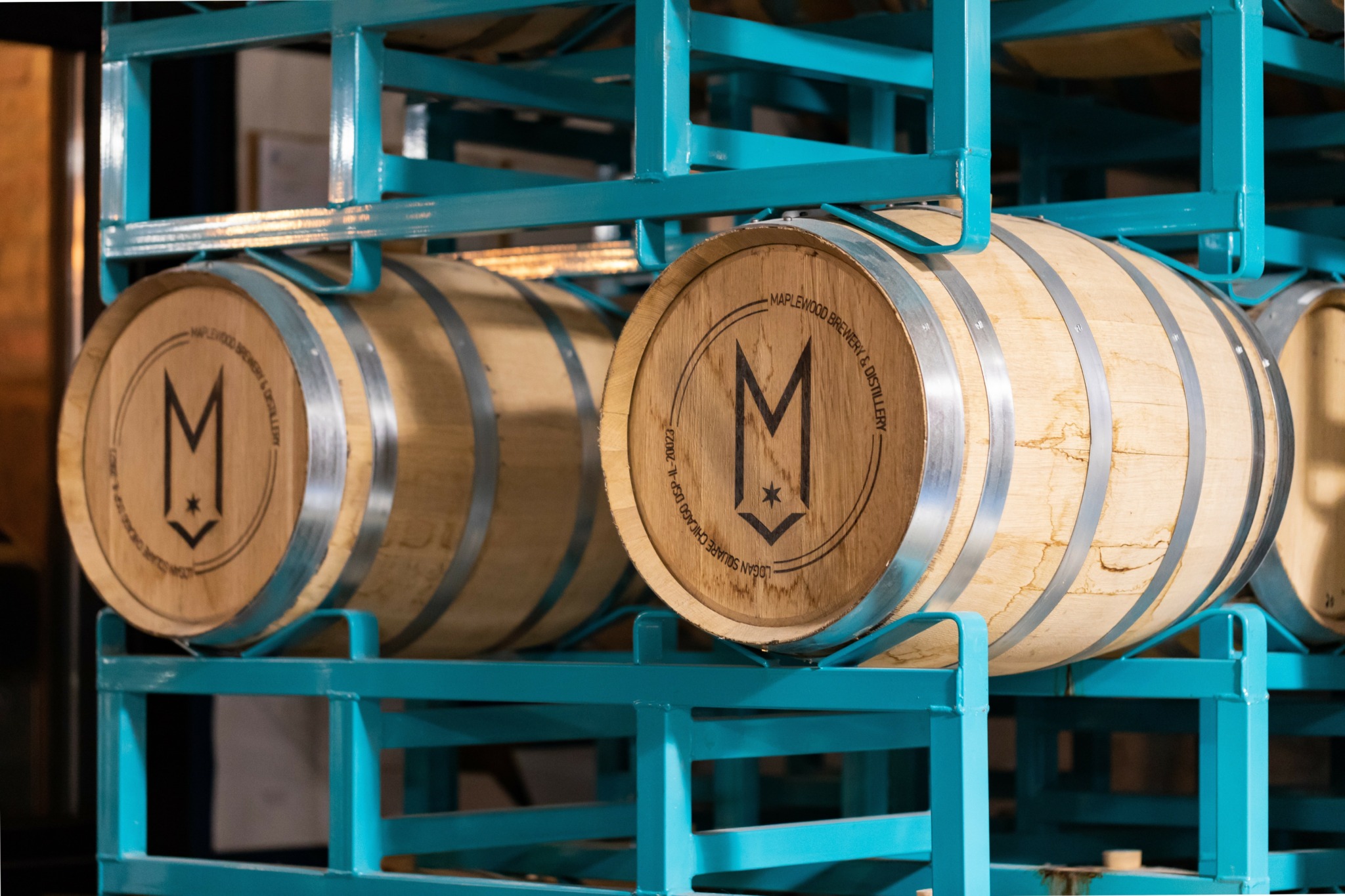
We came up with the idea for Maplewood Brewery & Distillery, a combination brewery after noticing the significant overlap in related production equipment and processes required to produce beer or spirits. We also noticed there were almost zero facilities in the country producing both craft beer and craft spirits at the time. My partners and I were long time homebrewers, and wanted to make career changes from what we were doing to pursue a more creative outlet. Craft beer was starting to gain some real momentum, and and craft spirits was in its infancy. So, we decided the time was right to bring something new to Chicago (and the country) – a single facility where you could try one set of ingredients turned into different product categories. For example a beer and a whiskey made from the same grain. We also wanted to take things a step further and incorporate a full circle production approach. Whiskey is of course aged in wood barrels, but many styles of beer are also barrel aged. So we are still one of the few places where you can try one of our beers, then one of our whiskeys, and then the same beer that was barrel aged in the same barrel the whiskey was previously in. There’s similar overlap and synergies in un-aged products, for example gins use a blend of botanicals often that are citrus or floral forward. IPAs and many other beer styles use citrus or floral hops. So, in one of our gins, we use the same hop varieties we use in several of our IPAs.
We felt this endeavor was worthwhile because as the craft beverage market evolved, producers were doing more and more creative things, but only a handful had the capabilities I previously mentioned. We saw a huge hole in the market for creating a ‘playground’ for our brewers and distillers to make world class and unique products. This really got us excited because we would be the only facility in our region where a beer or spirit drinker could go and get products produced like this. It’s the type of place that we knew we’d love to visit if it existed, so we created it.

Adam, before we move on to more of these sorts of questions, can you take some time to bring our readers up to speed on you and what you do?
I got into the craft beverage industry by starting at home, making beer with friends. It was a creative outlet that I needed. I love the idea of taking a set of ingredients, using fermentation, and transforming it into a final product. Whether its cooking, brewing, distilling, it’s cool. I love it. So, when my partners and I decided we wanted to start our business, I started taking a very disciplined and scientific approach to it. I read every single book on the subject of brewing and distilling that I could fine. I joined industry groups. I spoke to people who were already in the industry. I did everything I could for years prior to us opening. I became obsessed, and I feel that’s often what it takes to dive wholeheartedly into any subject.
Can you share a story from your journey that illustrates your resilience?
I didn’t come from a lot of money and we didn’t have a giant pool of investors. So, we had to find a way to finance our business to get it off the ground. We saved, and we started it with a very, very small budget – because that’s what we could afford to do. I went into starting this business knowing that we’d absolutely have to bust our asses, and work extremely hard to make it become a success, and that it was a significant risk. I went into it knowing we wouldn’t be able to draw a real paycheck, or see profits, for years. The first few years of the business were lean. But I never lost sight of our goals and keeping my eyes on what we set our to achieve. I wanted our products to be the best from a quality standpoint, and kept that at the top of the priority list. But production is just one aspect of the business. Slowly, we kept gaining new accounts and retail partners and fans. I’d say after about 3 years we *finally* got to the point where we could start to breathe. But even at that point, we doubled down and put every extra penny back into the business to continue our growth and start hiring employees. It took a solid 5 years to get to place where the business was not on my mind every second of every day.
How’d you build such a strong reputation within your market?
Keeping an obsessive eye on maintaining quality and engaging with customers. We weren’t afraid to make sometimes difficult decisions if an issue arose with production. For a small business, it’s costly to have to redo something or fix and issue. But, it’s much for costly for a first time customer to get one of your products and have a bad experience with it, because if they do, in this day and age they likely will not be giving your business another shot. We also try to be as open and as engaging with customers as possible. Some companies in our industry like to keep ‘secrets.’ We took the opposite approach and love to talk to customers about exactly how our products are made, and share our excitement with the customers.
Contact Info:
- Website: https://maplewoodbrew.com/
- Instagram: https://www.instagram.com/maplewoodbrew/
- Facebook: https://www.facebook.com/MaplewoodBrew
- Twitter: https://x.com/maplewoodbeer
- Other: https://linktr.ee/maplewoodbrew