



We’re excited to introduce you to the always interesting and insightful Claudia Pinel Iatalese. We hope you’ll enjoy our conversation with Claudia below.
Claudia, looking forward to hearing all of your stories today. Did you always know you wanted to pursue a creative or artistic career? When did you first know?
I have always had a passion for music since a young age, so much so that I started violin classes at the age of 6. By the age of 15 I had left violin behind, but I had picked up piano and guitar instead. I grew up playing these instruments and took piano classes for 10 years with an inspirational teacher from back home called Cleo Boechat. Even though I wasn’t the most passionate performer, I knew I wanted to work with music somehow and she not only helped me discover that music had other paths apart from performing/composing, but she also helped me with my audition to Berklee College of Music where I ended up pursuing a double major of Music Production and Engineering and Music Business/Management. I knew I wanted to pursue music production and engineering professionally as soon as I discovered audio engineers and music producers existed, which I believe was in high school. I wanted to work with music but not necessarily perform, and I wanted to be part of the creative process but not be the artist myself. As soon as I got into production and engineering, I quickly realized that my passion is capturing an intimate and emotional performance, and my goal is for listeners to feel the same energy I am hearing and feeling in the studio when musicians and artists connect with each other.
Claudia, before we move on to more of these sorts of questions, can you take some time to bring our readers up to speed on you and what you do?
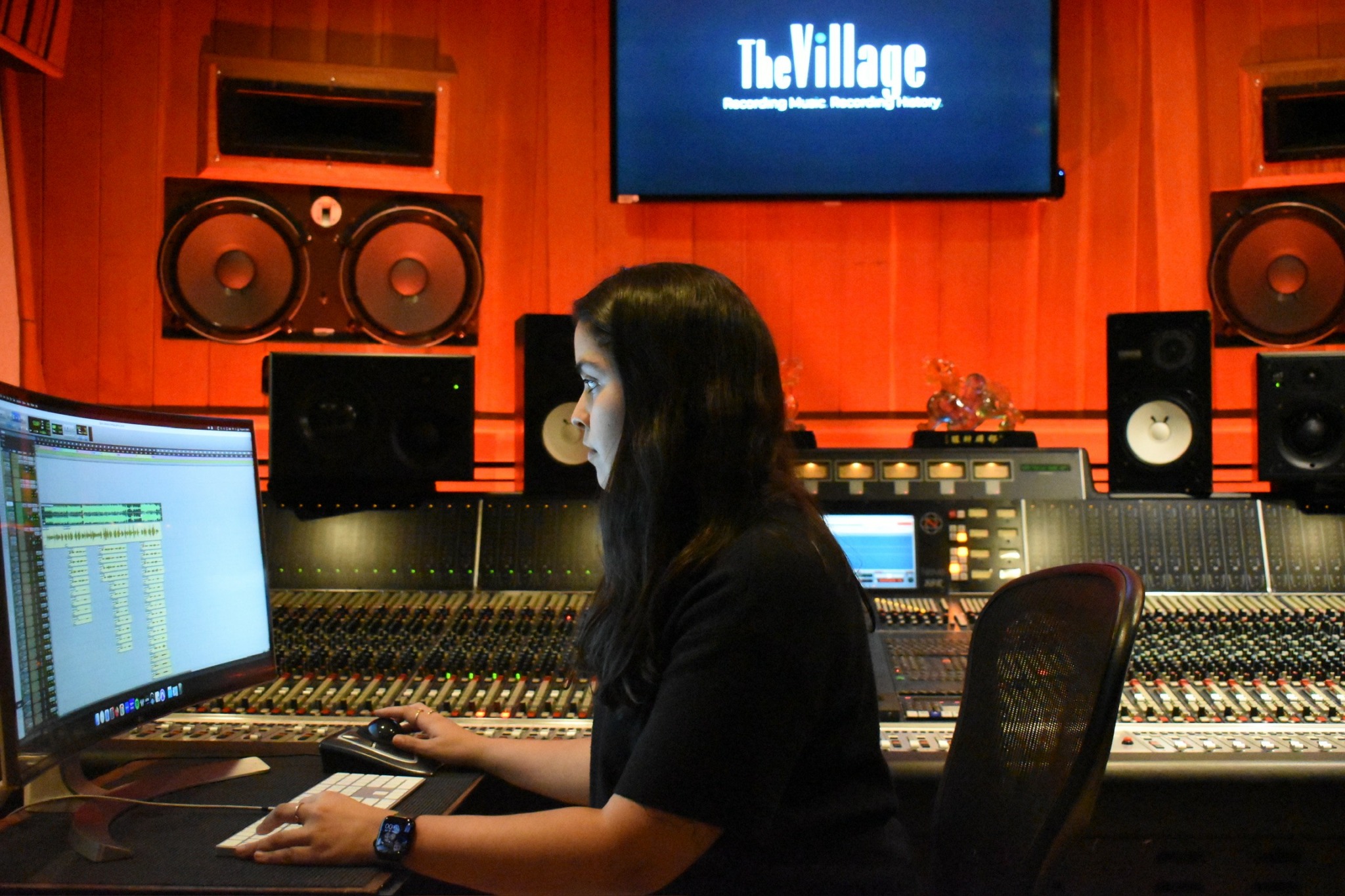
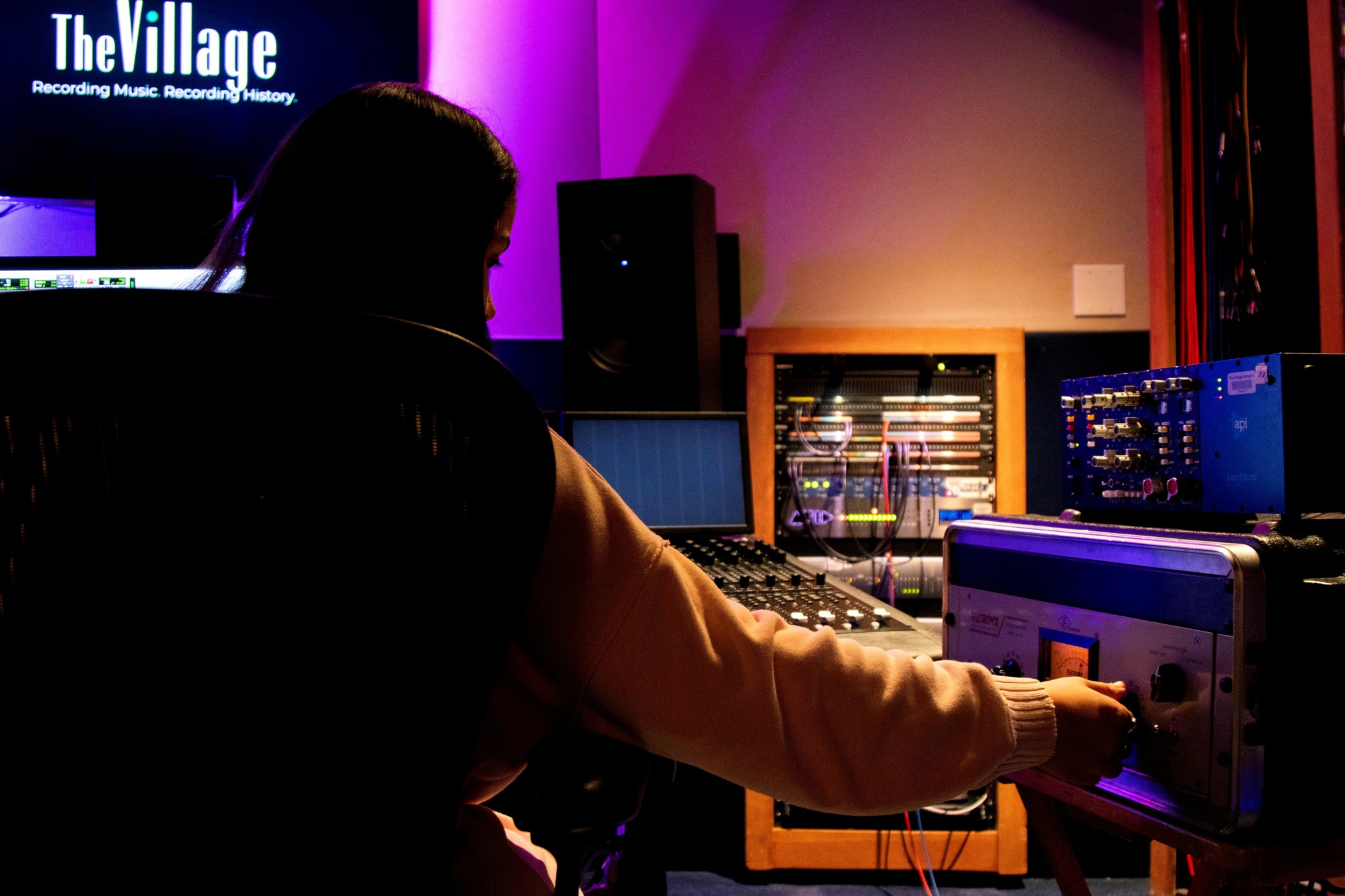
I am an audio engineer and record producer based in Los Angeles and originally from Rio de Janeiro, Brazil. I believe my career began when I started learning piano and guitar, because even though I am a music engineer and producer, I think that knowing how to play these instruments and knowing music theory helps me a lot to better understand the projects I am recording and working on. These skills also helped me get into Berklee College of Music where I graduated with two majors, Music Production and Engineering and Music Business/Management. At Berklee I not only learned a lot more about music theory and how to train my ear, but I also began to expand the limited knowledge I had on music engineering and production. My first major is what attracted me to Berklee in the first place because I knew I wanted to study sound engineering and production before I began college, and it was one of the main reasons I choose Berklee. My second major was something I became interested in during college, and I thought it was important to know and understand how the music and entertainment industry works since I was going to be a part of it. Right after graduating, I interviewed and received job offers at a studio in New York and another in Los Angeles. I ended up choosing Los Angeles not only because I enjoyed the city, but mainly because of the importance and history that the studio in Los Angeles carries. The Village Recording Studio is recognized worldwide, and several internationally known artists and bands have recorded their music here, such as The Rolling Stones, Red Hot Chili Peppers, Elton John, Coldplay, Fleetwood Mac, John Mayer, Lady Gaga, Lana Del Rey, etc. I started working as an assistant and now, after two years, I am part of several different sessions and projects. These sessions include not only musical artists and bands, but also music sessions for films and TV series as well as live music shows. I love collaborating with people who are passionate about their music, no matter the genre, and I like to think of my role as a sound engineer as providing and taking care of all the technical aspects so that the artist in the studio can fully focus on their art.

Can you share a story from your journey that illustrates your resilience?
Unfortunately, one of the things that sets me apart at the moment in the music engineering and production industry is the fact that I am a woman. The music engineering and production industry has always had very few women. Fortunately, in recent years, that number has increased a little. I am happy to have had some women who influenced me along the way and to have met and worked with some who continue to influence me daily. I am also fortunate to work at a studio (The Village Recording Studio) that prides themselves in having a higher percentage of women on staff than other studios. However, it was clear to me during college that the field of music engineering was predominantly male because not only were there very few examples of women in the field, but the ratio of students in my classes was also predominantly male. It was intimidating at first, but it didn’t stop me from pursuing what I wanted and working to show my potential.
Looking back, are there any resources you wish you knew about earlier in your creative journey?
There are several different organizations that support women in audio production and engineering, including Women’s Audio Mission, She Is The Music, We Are Moving The Needle, Girls Make Beats, etc.
Contact Info:
- Instagram: https://www.instagram.com/clauiatalese/
- Linkedin: https://www.linkedin.com/in/claudia-pinel-iatalese-3040201bb

Image Credits
Photos by Grahm Finn and Emma Jonietz