

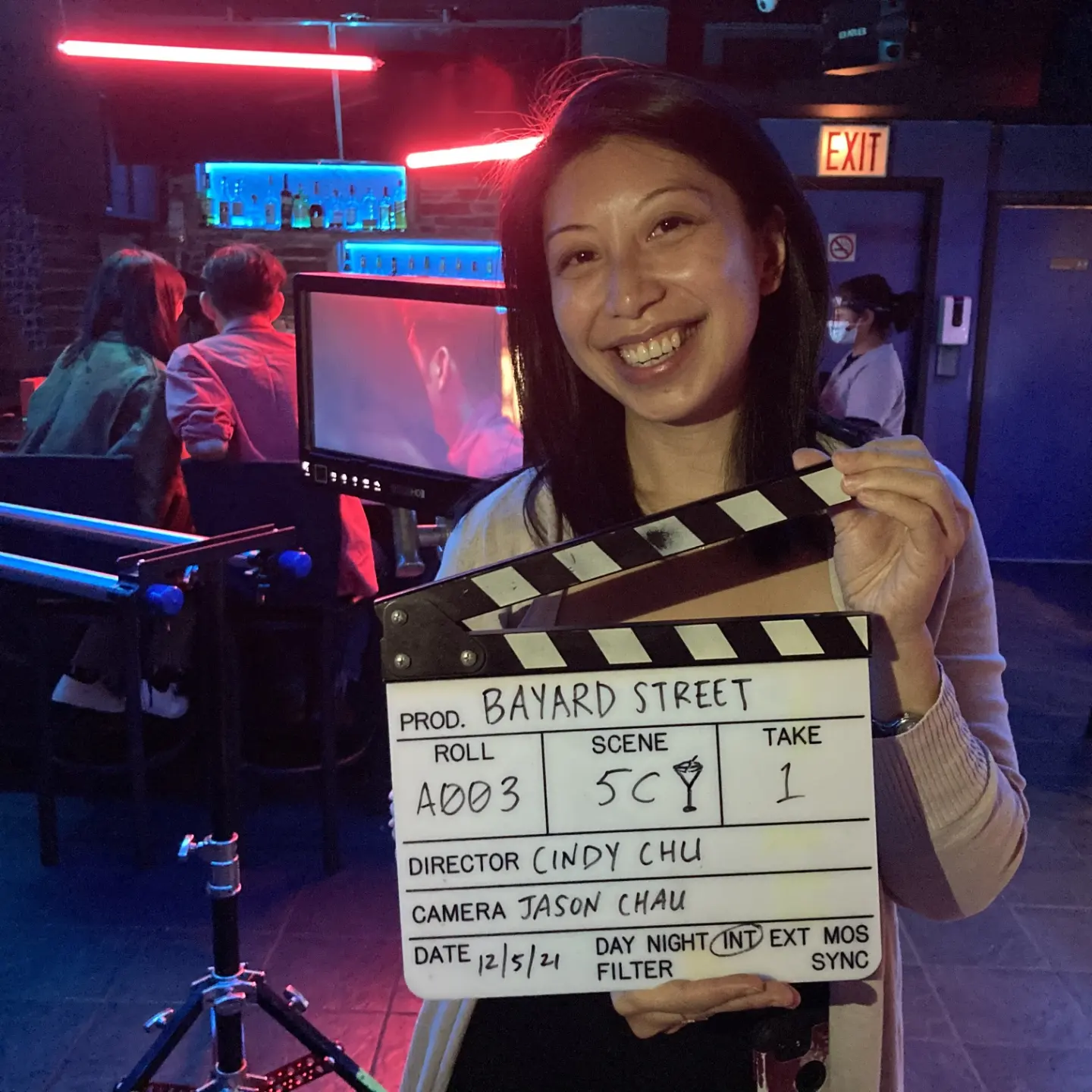

We were lucky to catch up with Cindy Chu recently and have shared our conversation below.
Hi Cindy, thanks for joining us today. We’d love to hear about the best boss, mentor, or leader you’ve ever worked with.
Back in 2022, I was traveling through Mexico. I got a phone call that I was a finalist for Mentorship Matters, a year-long program that pairs emerging TV writers with a showrunner mentor. I interviewed with showrunner, Angela Kang (The Walking Dead). We came from similar backgrounds and she was so down to earth, and at the end of the call, she told me she wanted to work with me. Through the program, she gave me notes on my original TV pilot from the pitch, outline, drafts, and the final version. She was so supportive, and I eventually landed as a writers production assistant on her Amazon/Sony TV series, SILK: SPIDER SOCIETY.
The job required a car, and because I’m from New York City, I barely knew how to drive and didn’t own a car. Angela and her team vouched for me to get the job, and I did everything I could to get a car and learn to drive right in time for the start date. From the beginning, she told me if there was something I wanted to learn about in the writers room, to let her know. The whole journey with the series was a learning experience from getting the writers room setup, sitting in on the sessions, and allowing support staff to share ideas. Because I’m from Flushing, Queens, where Silk’s character, Cindy Moon is from too, I shared ideas that were specific to the area that only New Yorkers would know. It was a very welcoming environment.
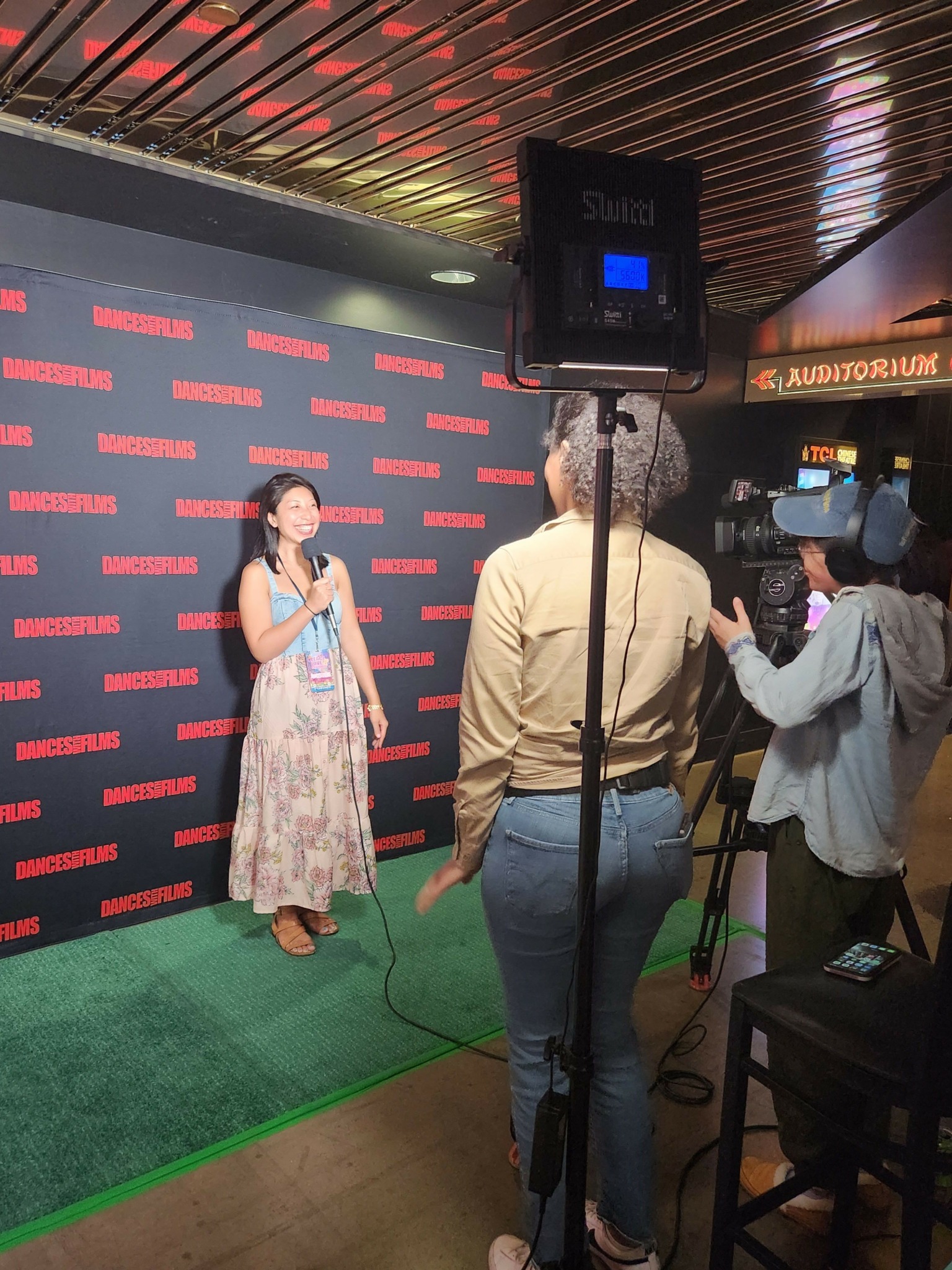
During the writers strike last year, my short film, BAYARD STREET continued screening in the film festival circuit. When we premiered at the TCL Chinese Theatre, she offered to sponsor anyone who wanted to come from our writers room and she came with her husband, Eric, and our writers assistant, Ryan to support. When I was interviewing my current agents, I hadn’t gone through the experience before and didn’t know how to handle it. Angela was there guiding me with questions to ask them. It was so helpful!
After SILK and MENTORSHIP MATTERS ended, she continued to champion me for my current job as a WPA on Apple/Sony’s series, STAR CITY, and Sony’s Diverse Writers Program. I witnessed her assemble our writers room and give opportunities to everyone on the team to grow and learn. She’s an amazing mentor and showrunner.
Cindy, before we move on to more of these sorts of questions, can you take some time to bring our readers up to speed on you and what you do?
Growing up in Queens, New York to a Chinese/Taiwanese working-class immigrant family, I didn’t have the opportunity to express my creative voice. My parents were more concerned about our survival and pushed me towards more practical studies than my interest in the arts. My mom barely spoke English, but she loved horror films so as a way for us to bond, we’d watch horror classics like “Nightmare on Elm Street” and this sparked my interest in the genre. After college, I began my journey in acting and received my MFA degree from the Actors Studio Drama School at Pace University. However, the lack of authentic Asian American roles ultimately steered me towards a new path: writing.
My narratives often revolve around socially conscious themes, frequently featuring Asian American female protagonists who come from more humble backgrounds. My passions started as uncovering deeper truths of Asian (American) experiences such as the events that happened on Angel Island, off the coast of San Francisco, during the Chinese Exclusion Act, and writing stories in a way that entertains the audience by genre-bending them. However, as my lived experiences have grown, my inspirations have expanded beyond the Asian American narratives. I lived in Mexico on and off for over a year and saw the impact of the migrant situation, U.S. deportation, and the desperation of migrants traveling to the U.S. While media and politics push a negative narrative about migrants, I aim to tell their stories that humanize and reflect their experiences while also entertaining the audience by scripting the story through a thriller lens.
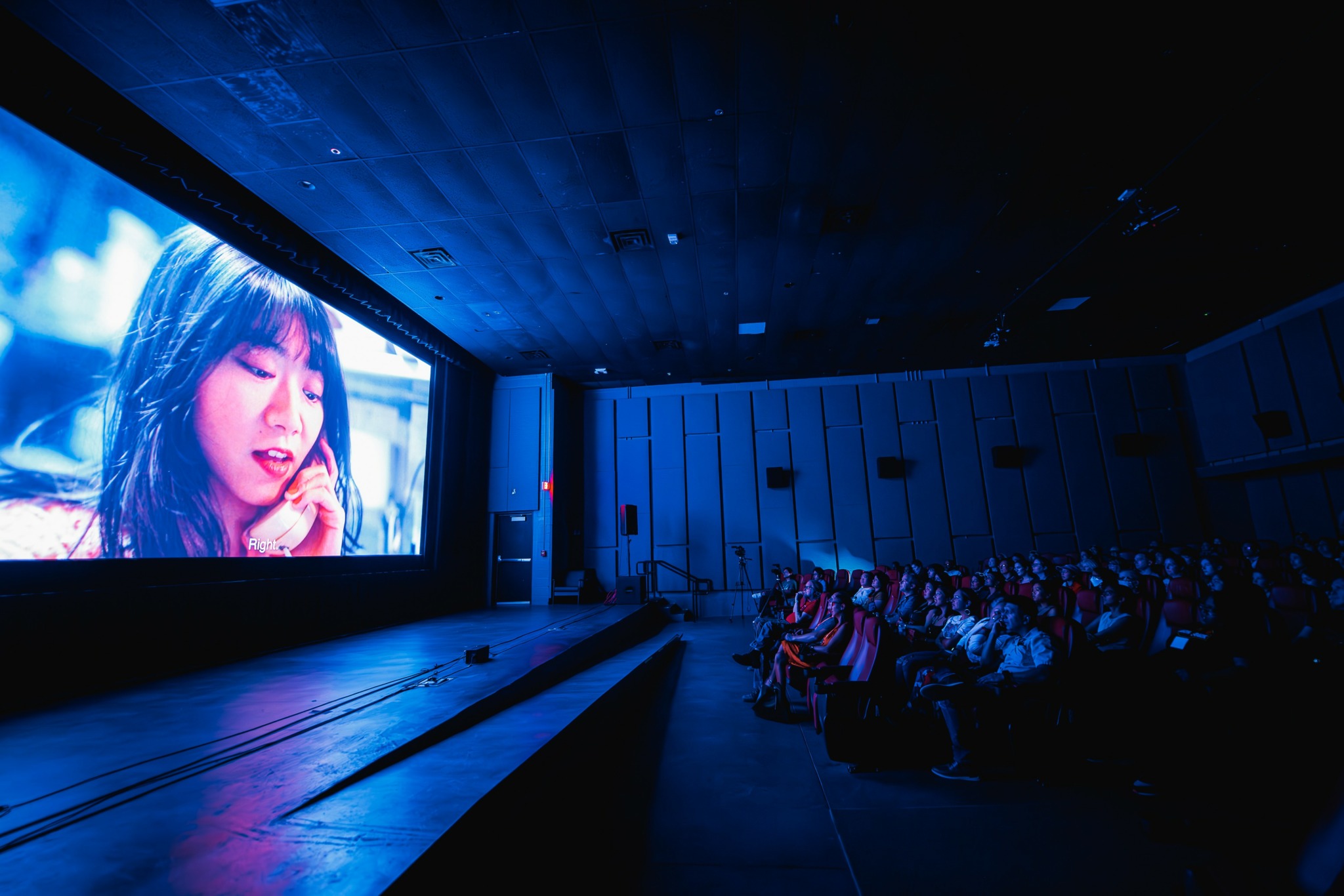
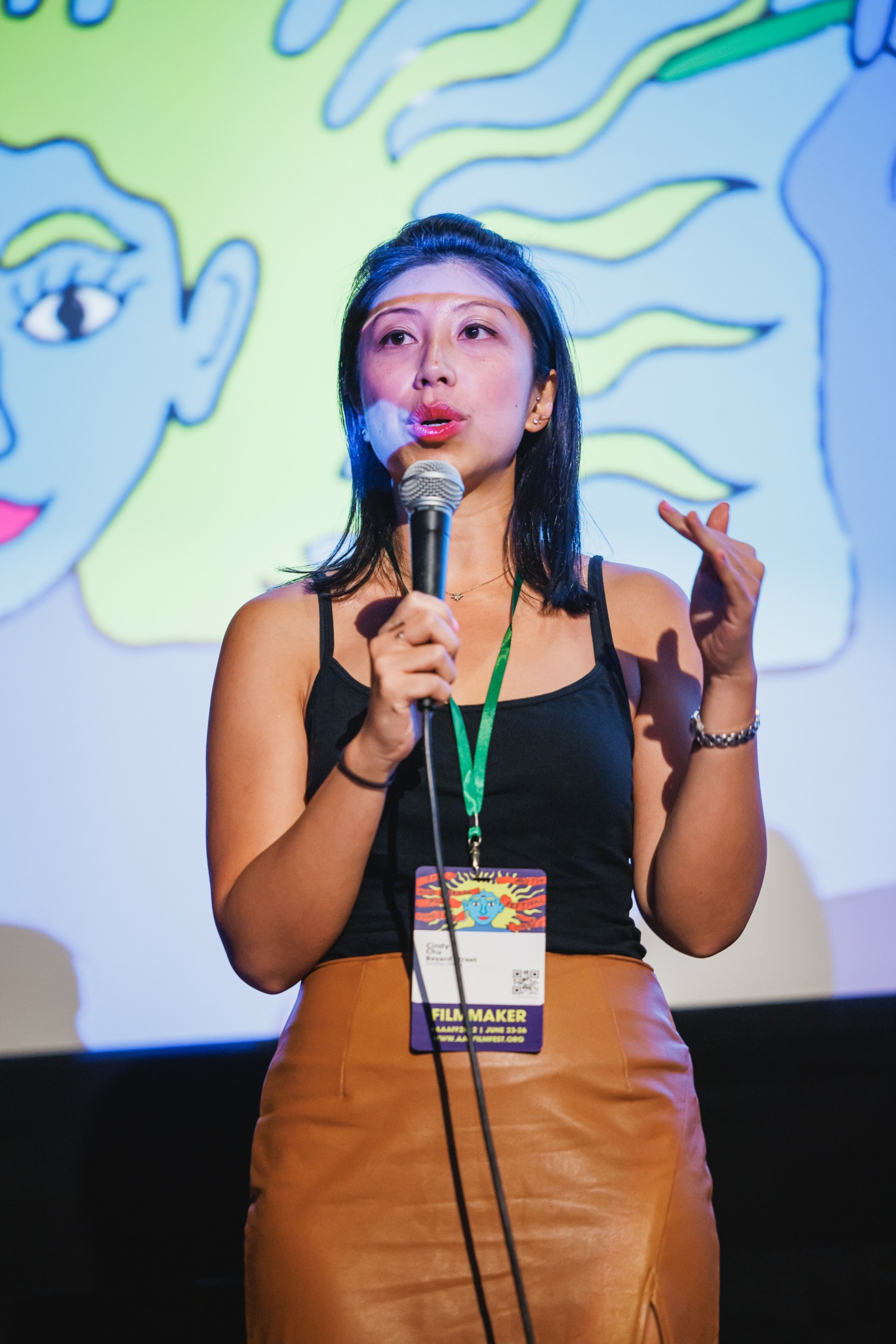
In the last few years, I’ve also expanded to directing. I received a grant from the Queens Council on the Arts to shoot the short film version of my feature script, BAYARD STREET. It’s an immigrant love story inspired by my parents’ journey working in Chinese restaurants in America. It was such a collaborative experience involving the Taiwanese and Chinese immigrant community in New York City where they allowed me to utilize their locations to film, and we had many donors who supported us to raise the rest of the funds for production, and more. The film had a successful film festival run where we won the Audience Choice Award at the Asian American International Film Festival and won Best Narrative Short at the Philadelphia Asian American Film Festival.
My parents worked hard to make a life for us in the U.S., and one of my proudest moments was being able to create a film that is an ode to them and the generations that came before.
What can society do to ensure an environment that’s helpful to artists and creatives?
Artists and creatives are underappreciated and undervalued in our society. I came up in the independent filmmaking circuit before working in Hollywood TV writers rooms. Building a resume and portfolio of projects are incredibly difficult while keeping your finances afloat. Many creatives have full-time day jobs while also having the capacity to work on their art during their off time, and still prioritize time for family, friends, dating, and hobbies outside of the creative projects. Furthermore, it’s typical to juggle multiple creative projects at once as well. It’s a lot.
New York had an initiative called Creative Rebuild which gave a guaranteed income of $1K a month to artists for 18 months. I didn’t receive it, but I read stories from those who did, and I can imagine what a financial relief it was to have that, especially because the concentrated cities like NY and LA where TV and Film are in are so expensive. More initiatives like Creative Rebuild need to be available for artists to relieve the financial burden and give them room to be and thrive as artists.
What do you think is the goal or mission that drives your creative journey?
I started writing mainly because I wanted to see Asian (American) roles that were more authentic to our experiences and hadn’t been portrayed in mainstream media. As I moved into the independent filmmaking space, that mission grew to give opportunities to more women and People of Color in front and behind the camera. I’ve collaborated with amazing people thanks to connections made through organizations that support POC creatives like Ghetto Film School, Asian Creative Network, and more.
As I continue to grow in my career, I aim to build a production company to further support POC stories through a genre-bending lens and eventually partner with orgs that I came up with like GFS and ACN to create an eco-system to support upcoming women and POC creatives through mentorship and on-set experience on my productions. Furthermore, because I came from a working-class immigrant family background, I intend to also give masterclasses to colleges that have less financial backing. Every student deserves a chance to learn no matter what financial background you come from.
Contact Info:
- Website: https://bit.ly/cindychu
- Instagram: itscindychu
- Linkedin: https://www.linkedin.com/in/cindy-chu
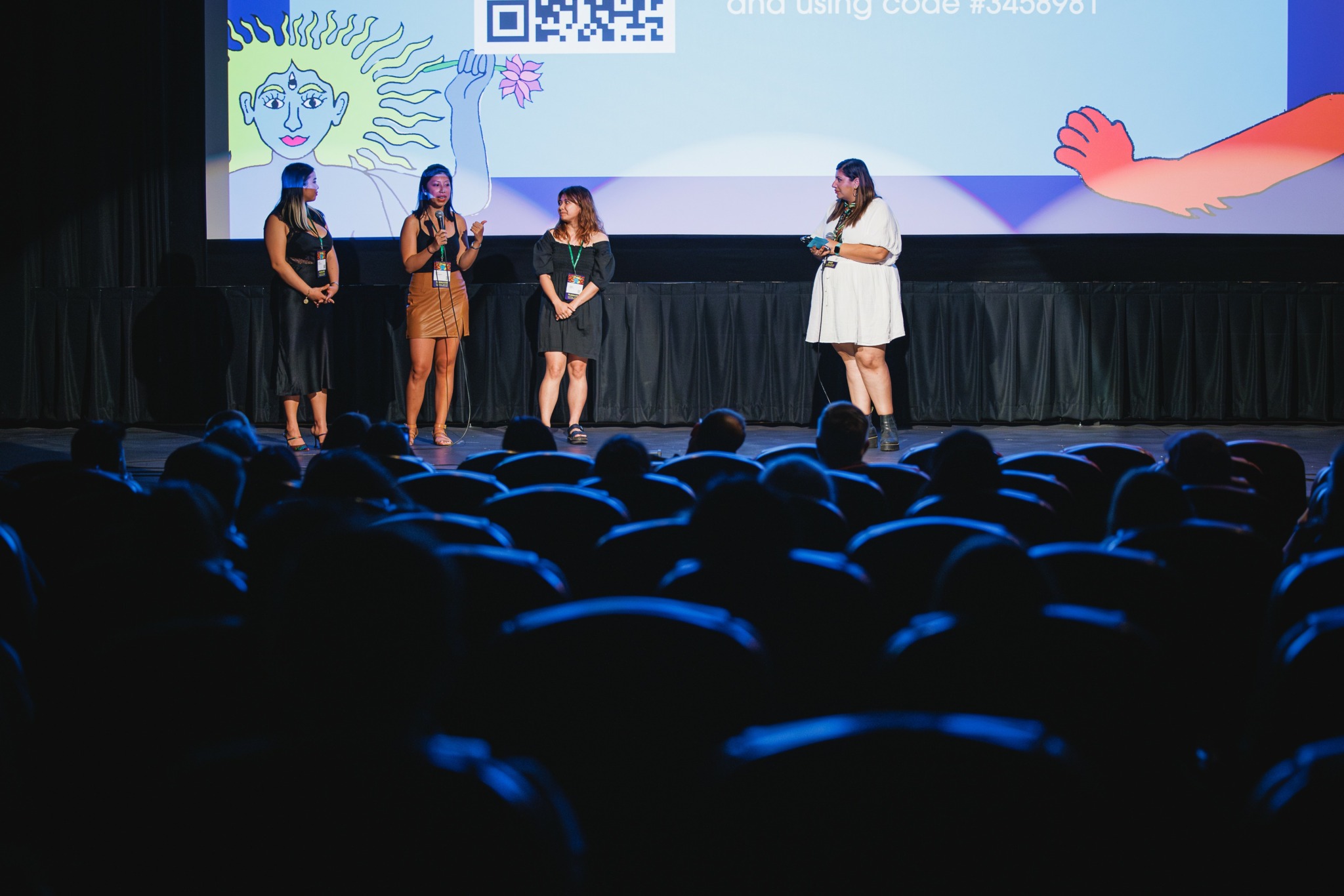
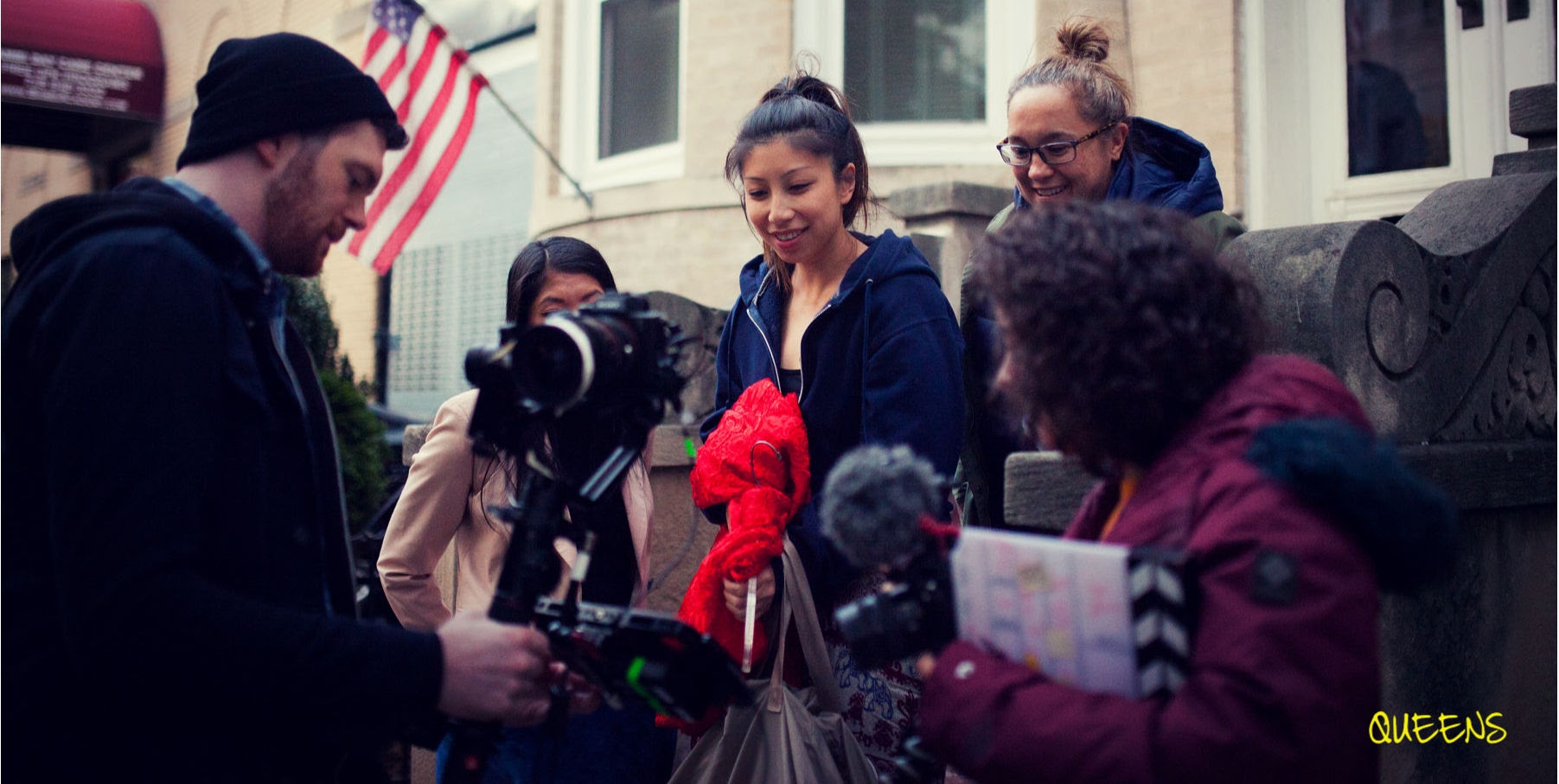
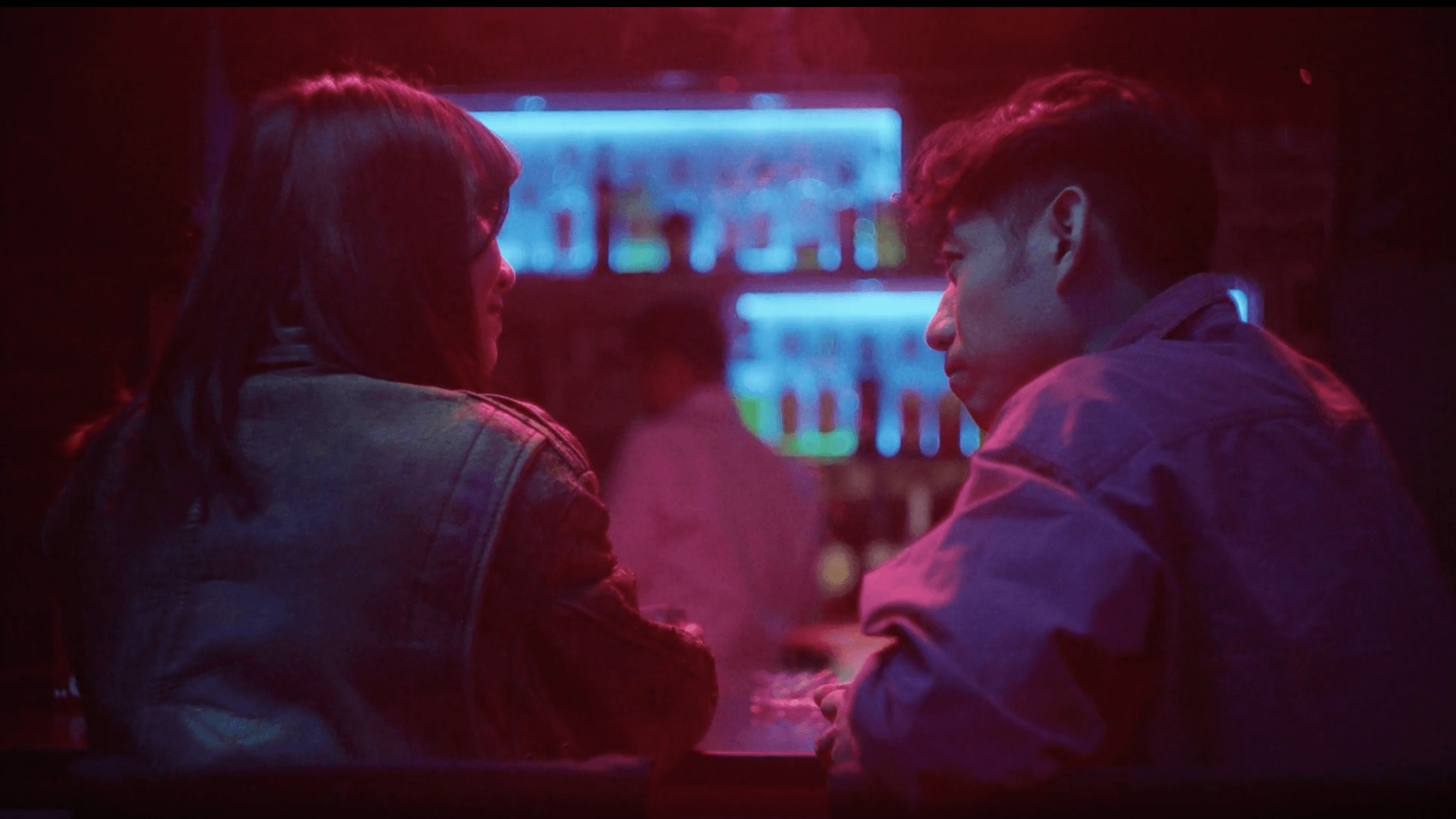
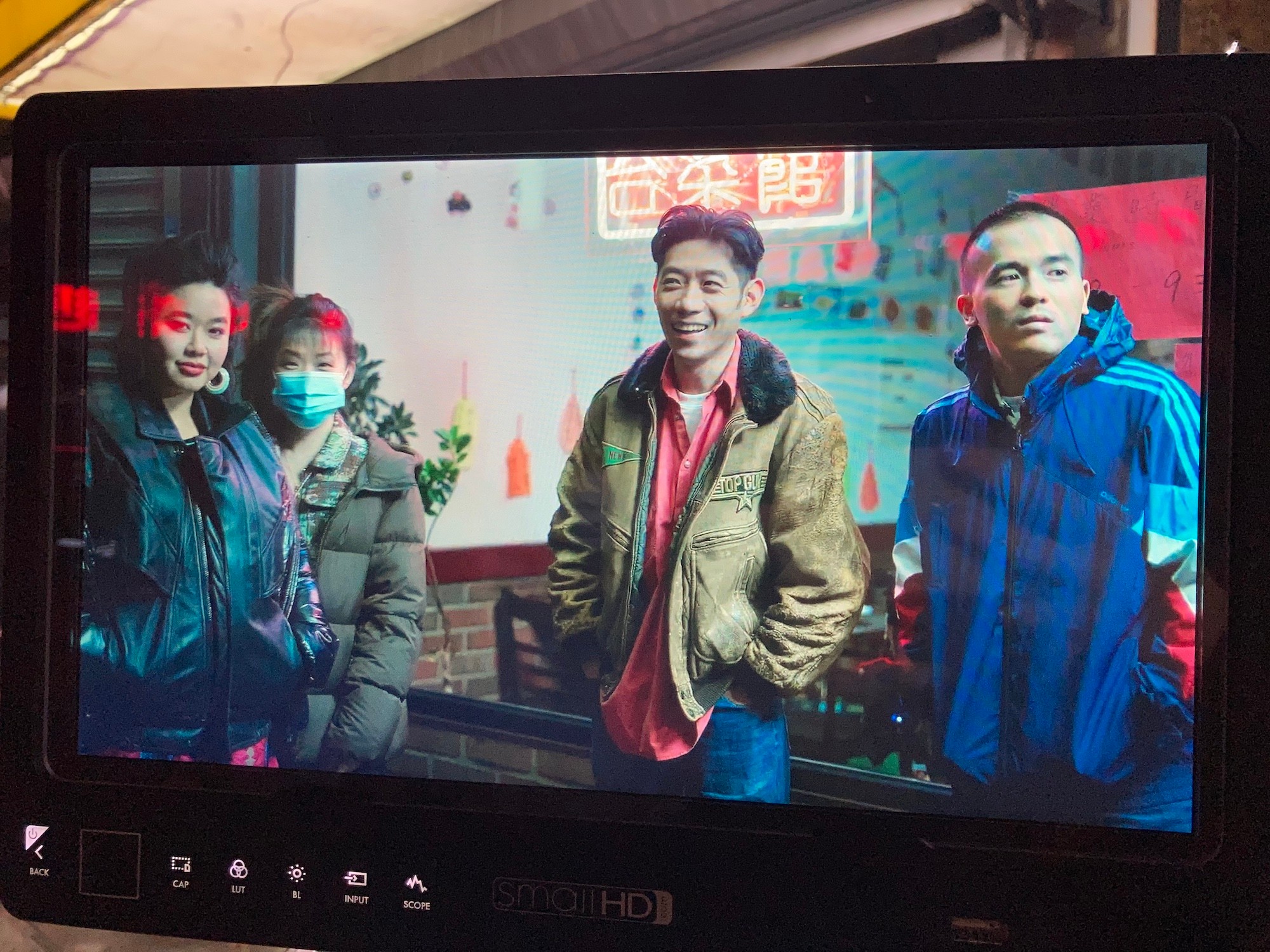
Image Credits
@Hlkfotos, Eric Badique, Chaveli Muñoz