


We were lucky to catch up with Angela Rosenberg recently and have shared our conversation below.
Angela, looking forward to hearing all of your stories today. Let’s kick things off with your mission – what is it and what’s the story behind why it’s your mission?
The vision of ANGARI Foundation was conceived nearly 15 years ago when my family decided our individual passions – marine science, film, boating and business – could combine toward a single goal. After college, my sister Kari and I embarked on careers in film and marine science, respectively, where we discovered a critical need for flexible and affordable ocean access for scientists as well as innovative approaches for teaching science.
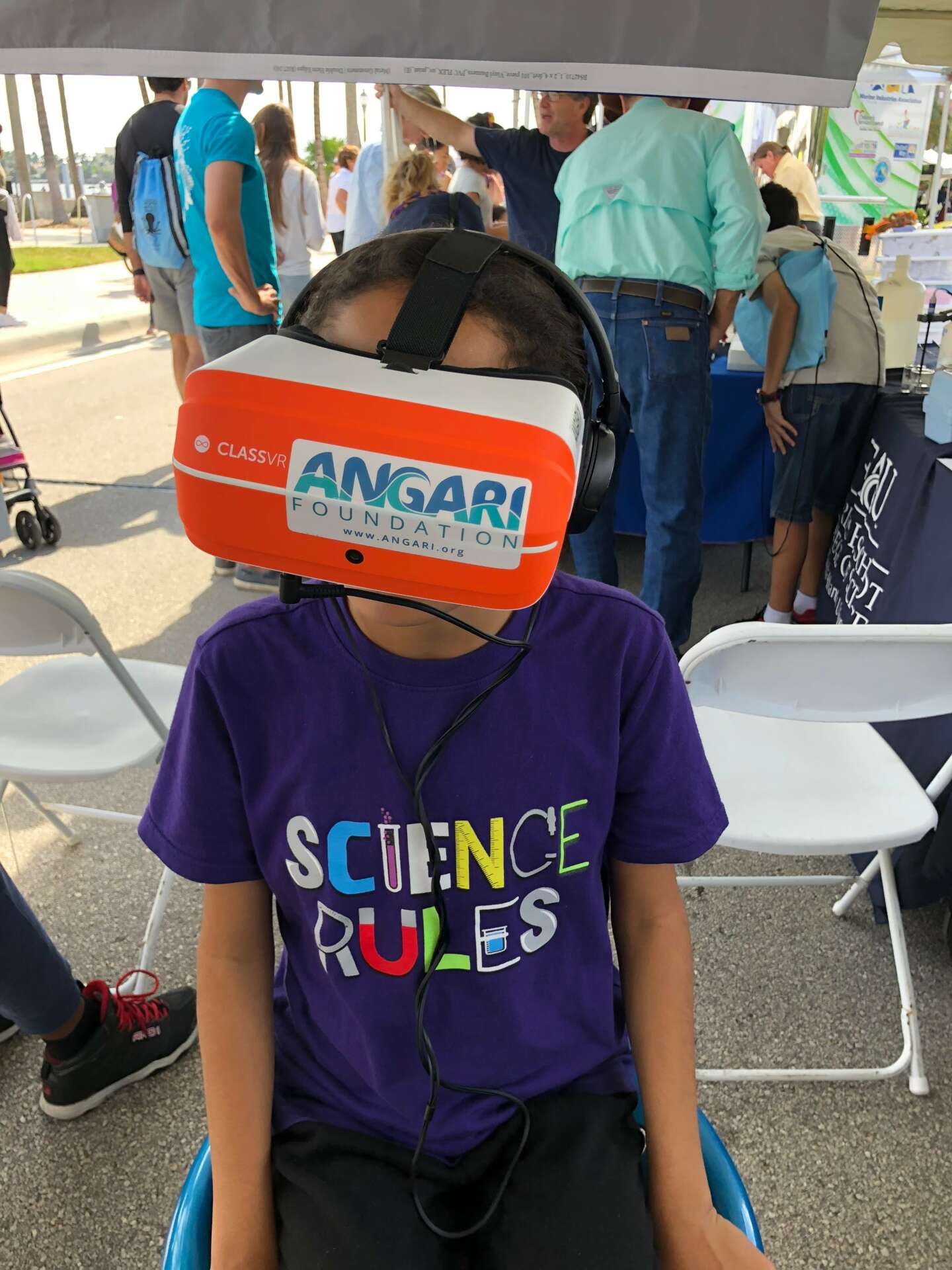
In 2016 my family established ANGARI Foundation. At ANGARI (named in my sister’s and my honor), we integrate our professional expertise with our parents’ extensive business knowledge to achieve the Foundation’s mission. Our goal: support marine scientists in the field, educate students in the classroom and engage members of the community in open dialogue to advance ocean science and education and promote sustainability for the benefit of our planet and our society.
Great, appreciate you sharing that with us. Before we ask you to share more of your insights, can you take a moment to introduce yourself and how you got to where you are today to our readers?
Since I was young, I have loved being on the water. My parents were boaters and when I was a baby, we sailed the Chesapeake Bay. During my youth, our family would also go sailing in the Caribbean for a few weeks every summer and enjoy snorkeling, beaches and boating. As I got older, my parents acquired a small powerboat, and my parents, sister and I would spend the summers on it navigating and exploring The Bahamas. As adults, my sister and I owned and operated our own small boat that we used for diving, fishing and traveling around South Florida. We gained an incredible amount of experience and attained days on the water and both earned US Coast Guard licenses. Boating and the ocean were always things familiar and close to home for me.
In school I always enjoyed science – it was definitely a favorite subject! When it was time to consider options for college, I was considering going the pre-med route and becoming a medical doctor. However, at the time I was filling out applications, my older cousin was attending law school at the University of Miami. He mentioned its marine science school and programs. I hadn’t even considered marine biology as a career, much less knew anything about what schools were recognized for it. I applied to the University of Miami, which offered a dual major marine science program. I liked this option because it allowed me to major in marine science and biology. If I decided I wanted to go into medicine after all, I would still be set for med school with a biology degree. I was accepted and started at the University of Miami in fall 2002.
I definitely chose the right program. I enjoyed all my marine science classes and loved how interdisciplinary the field is. I was also exposed to a ton of research experiences and opportunities during undergrad. This really set me up well to go into research and attend graduate school at UM’s Rosenstiel School for Marine and Atmospheric Science. I wanted to study the deep sea, and the funded project that best aligned with my interests was a project on deep sea corals in the Marine Geology & Geophysics department. This was exciting and intimidating. I had spent the last four years biology focused and had limited geology knowledge. In my first year of graduate classes, I learned a ton of geology — much of which all the other students already knew from their undergraduate geology degrees. My classmates were incredibly helpful, and I was able to get up to speed, finish my classes and work on my master’s thesis on the geochemistry of deep sea corals. I can’t say I miss grad school, but I enjoyed the time I was there. I learned A TON, enjoyed the challenges and found a new interest in and appreciation for geology and chemistry, and of course geochemistry!
After graduating with my Master’s degree in Marine Geology & Geophysics, I accepted a position as a laboratory manager and chemist for a new faculty member at the University of South Carolina. It was an exciting prospect to help someone set up a new lab from scratch. Instead of working on corals, I was going to be researching trace metals in seawater. I got to put my knowledge of geochemistry from grad school to use while learning so many new things about seawater chemistry. The lab came together really well, and we developed new methods, completed thousands of analyses, published papers, trained new up and coming scientists and students and so much more. This was also my first opportunity to really work on my management and administrative skills, like conflict resolution and accounting, and I realized I was good at it. Subsequently, I took the opportunity to earn an MBA at USC during my employment. I thought this could give me new skills (different from science) and open up new doors for the future.
While working at USC and completing my MBA, I was offered a position to lead programs at The International SeaKeepers Society, a Miami-based nonprofit that unites the scientific and yachting communities. At the time, I had no idea how many people existed with my level of experience in both the scientific and yachting worlds, but I felt that there was no more perfect fit. I moved back to Miami and joined SeaKeepers. There was some hesitation as I knew that I was leaving the science academic research world for the nonprofit world, and this was going to be a big change. I went from wearing jeans and a lab coat everyday to blazers and business attire. I was no longer the person conducting the research but now tasked with facilitating it and helping other scientists get out on the water for their own fieldwork. What if I didn’t like it? I did. It brought all kinds of new challenges – sales, customer service, fundraising and donor relations. I was fortunate to have some fantastic colleagues who were amazing to work with and brought new, different ideas and approaches to things. For the first couple of years, it was exciting and rewarding to build a program from scratch. However, my vision for what it could grow into was too big at the time. Frustration was replacing enthusiasm, and I felt I was outgrowing the position and could not further move forward.
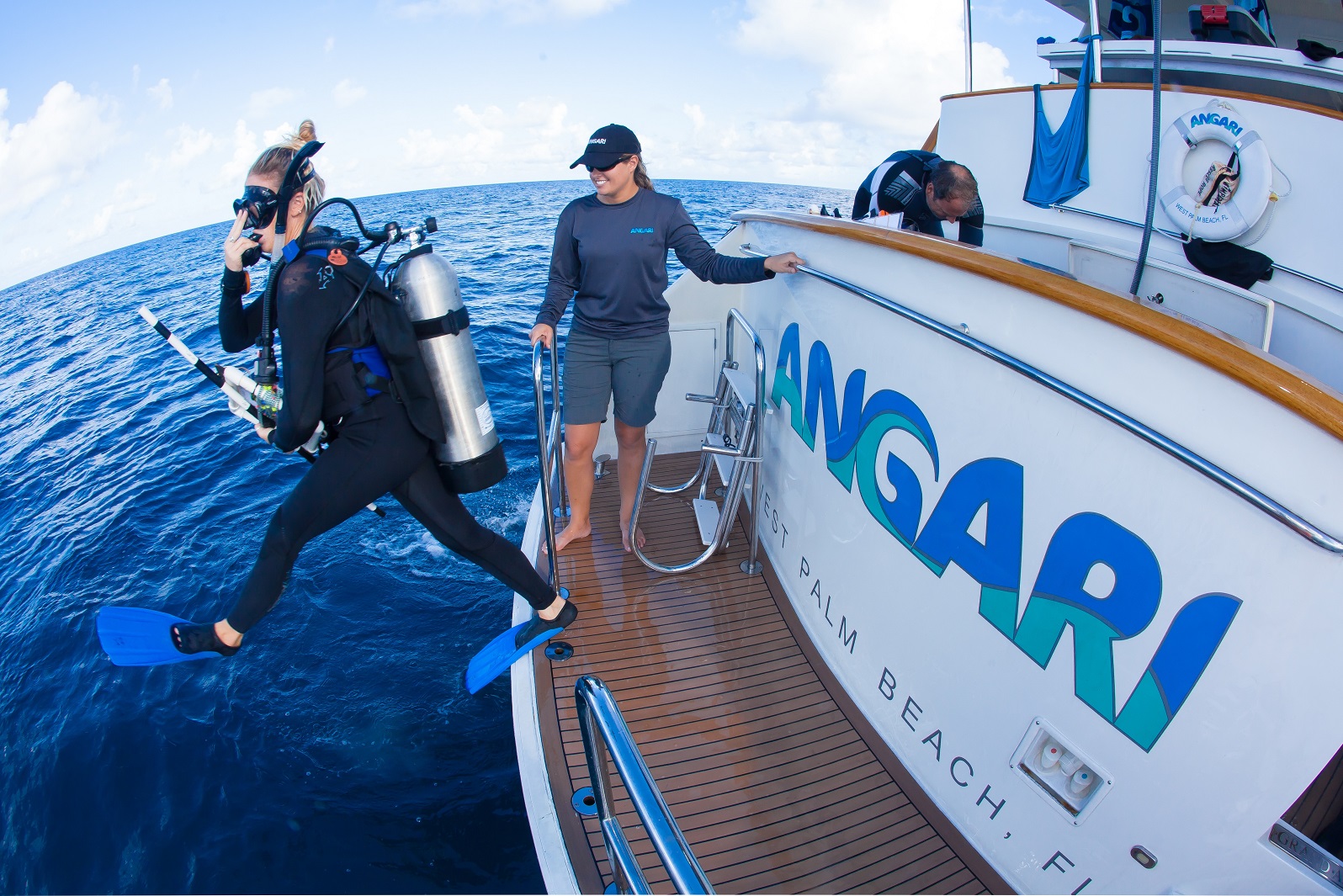
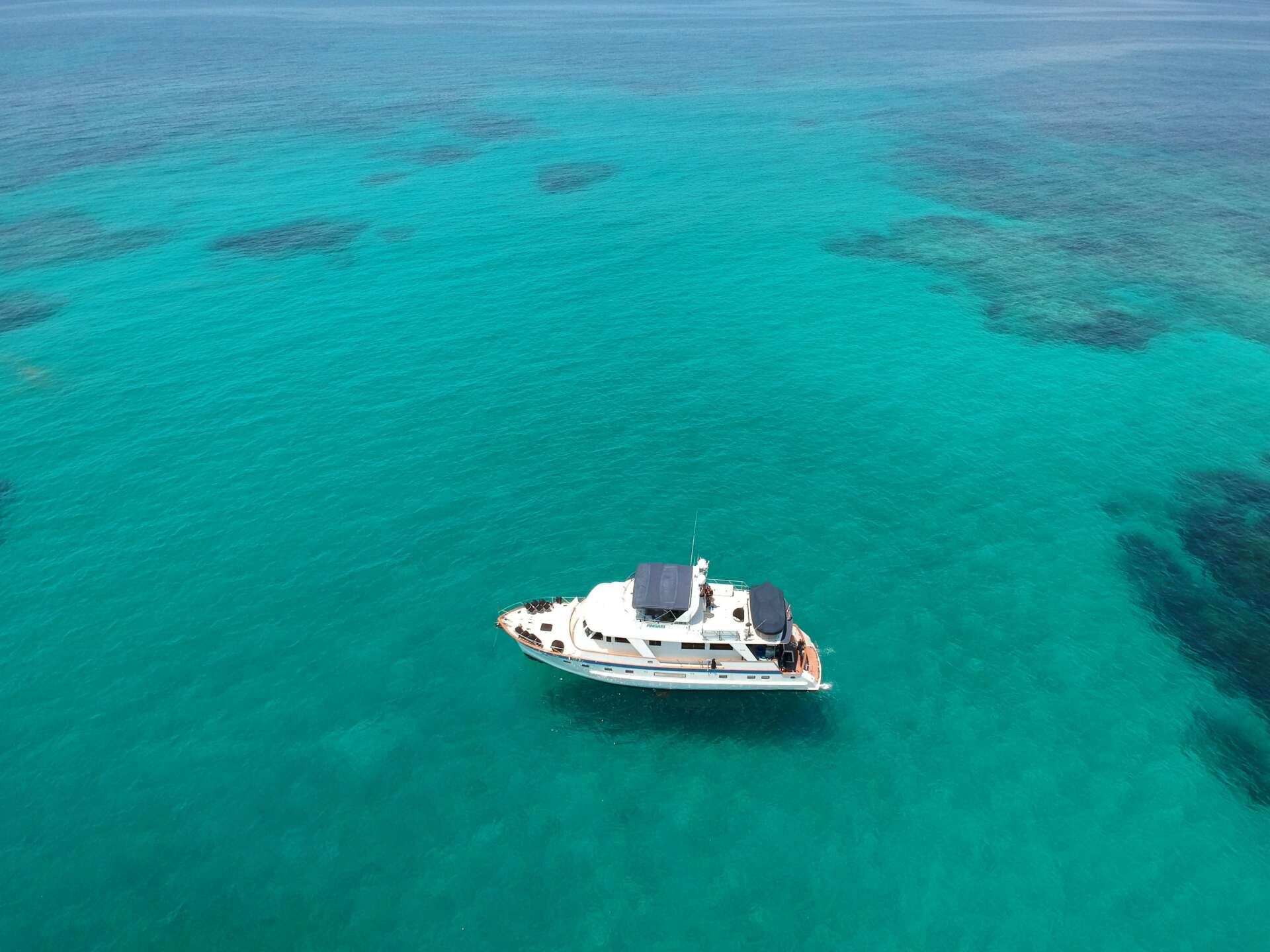
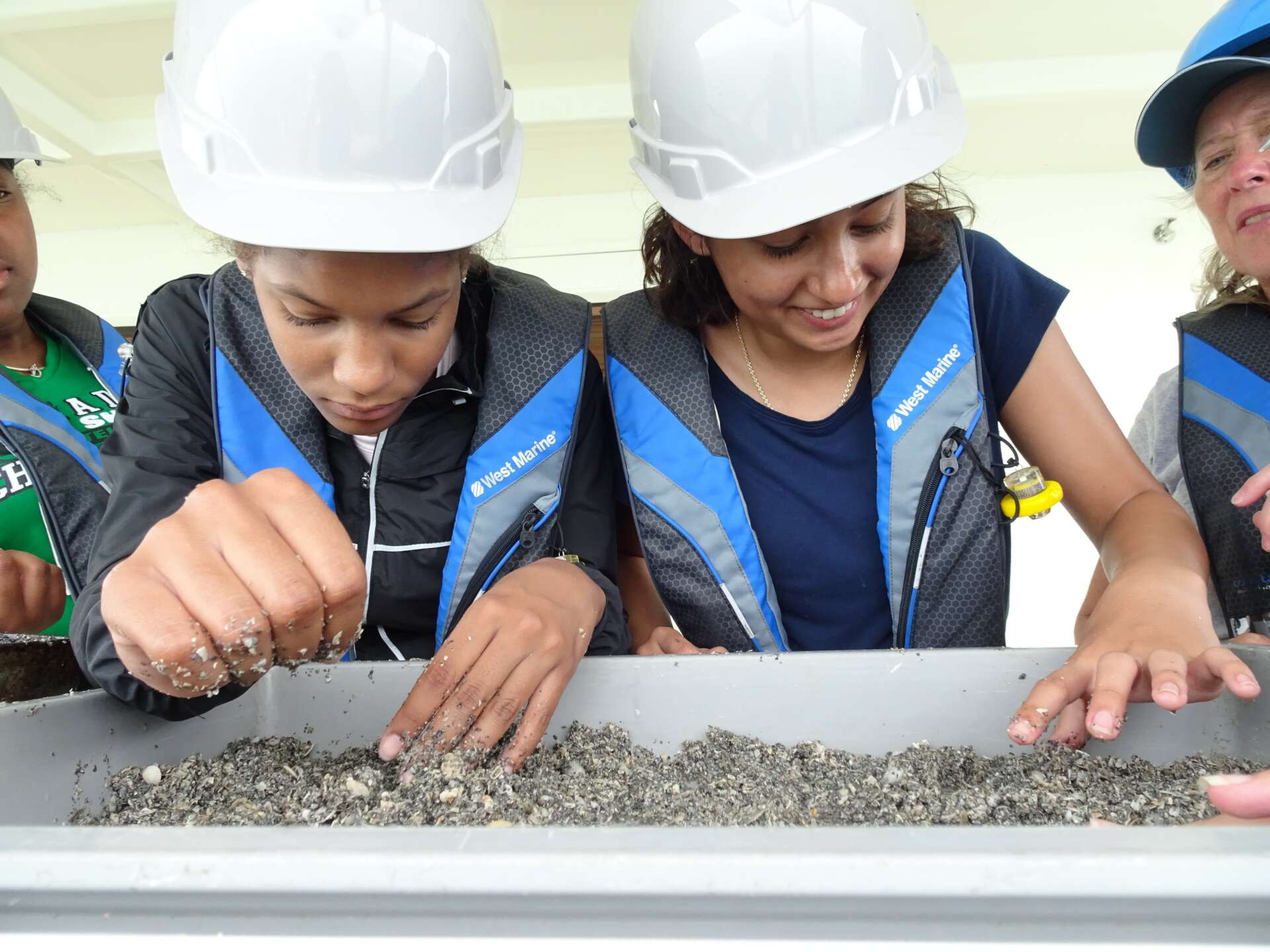
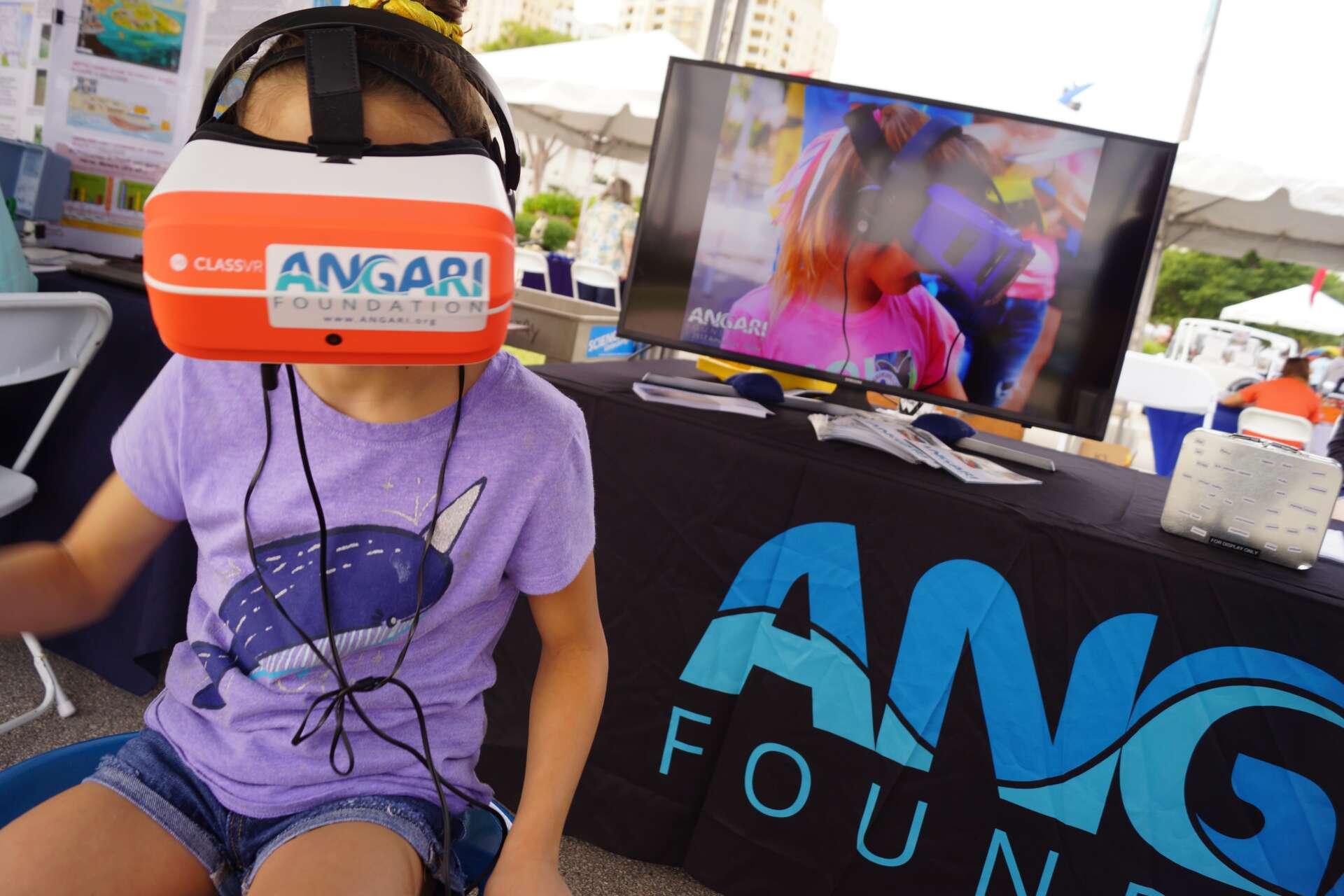
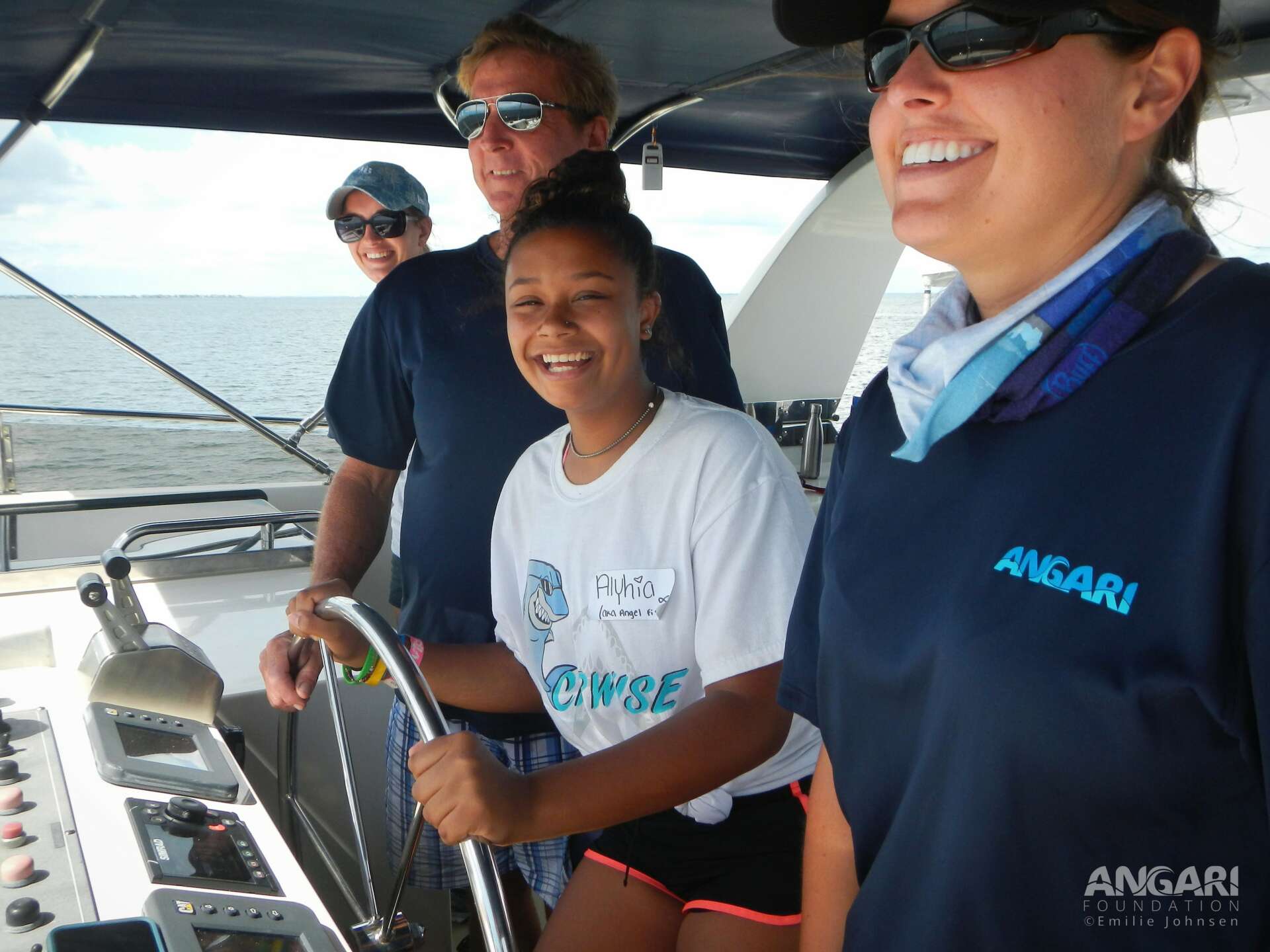
When I initially accepted the job at SeaKeepers, I imagined I would be there for many years, and not just the 2.5 years I was actually there. Even so, in those few years, I learned new skills and grew my confidence in business and outside of science. It resparked a dream that my sister and I had had many years earlier when I was in college. I was studying marine biology, and she was studying film. We wanted to combine our passions with our love of boating and design a research vessel for science and film. We thought it’d likely be a nonprofit so we could help researchers and share their work with the public, and we would name it ANGARI (a combination of our names). As I remembered all of this, and evaluated the experiences and skills I had gained to date, this dream didn’t seem so far out of reach anymore. I decided that now was the time to go for it. I spoke with my parents and sister, and we all agreed that it was the right time and we were all in the right positions to create ANGARI Foundation, with me leading as its president. I wrote up a business plan and created the nonprofit in 2016. We spent several months looking for the right vessel for our needs and acquired a 65-foot trawler later that same year. After a several month refit, we put it to use and have been using the research vessel to support marine science research and education ever since. We offer the vessel at low costs to support scientists and share their research with the public through film and media. We also take middle and high school students out in the field to work alongside scientists to learn about science careers and gain hands-on experience, something I wasn’t able to do until college.
I’ve enjoyed my path here, and there’s a lot of things I’m proud of. I am always accepting of a challenge and try to make the most of any opportunity. I feel fortunate to have learned so much from so many people along the way, and I continue to keep an open mind and learn new things. I also love that my sister and I had a dream in our youth and many years later were able to bring it back around and make it happen. We just celebrated the completion of our 50th expedition, and I still feel like we’re only getting started. I’m excited for what’s to come.
What do you think helped you build your reputation within your market?
Probably several things..
1. Honesty and integrity. I have always been honest and straightforward with clients and colleagues. I make it clear that I have their best intentions in mind, and I don’t give them the runaround. I strongly believe that you should not make promises you cannot keep. No one is perfect, but as long as you’re truly doing the best you can, you have my respect and gratitude. If you make a mistake, admit it and implement corrections for next time.
2. Accepting feedback and always improving. I think this is probably a standard (or should be) for customer service. During and after an expedition, I ask our clients, whether scientists, teachers or students, for feedback. What did you like? Why us? What can we do better? What would make this even better? Some people are more willing to provide feedback than others, but I always listen and want to know. Oftentimes, it’s an easy solution or a great new idea.
3. Experience. There’s no question that our reputation is also built on our experience. Everyone on our team brings something to the table, and it’s apparent when working with us. We are able to provide quality services and handle any challenge because we really know what we are doing and have the experience to back it up.
Where do you think you get most of your clients from?
Word of mouth. We have a website, email list and have made use of some digital marketing. However, most new clients hear about us from existing clients. As a nonprofit, our existing clients also recognize that by helping us grow and evolve, we can in return continue to support them.
Contact Info:
- Website: https://angari.org
- Linkedin: https://www.linkedin.com/in/angela-rosenberg-b0a95416/
- Youtube: https://www.youtube.com/channel/UCu7LjnhP6fsmasvFRuDoYBQ
Image Credits
ANGARI Foundation