

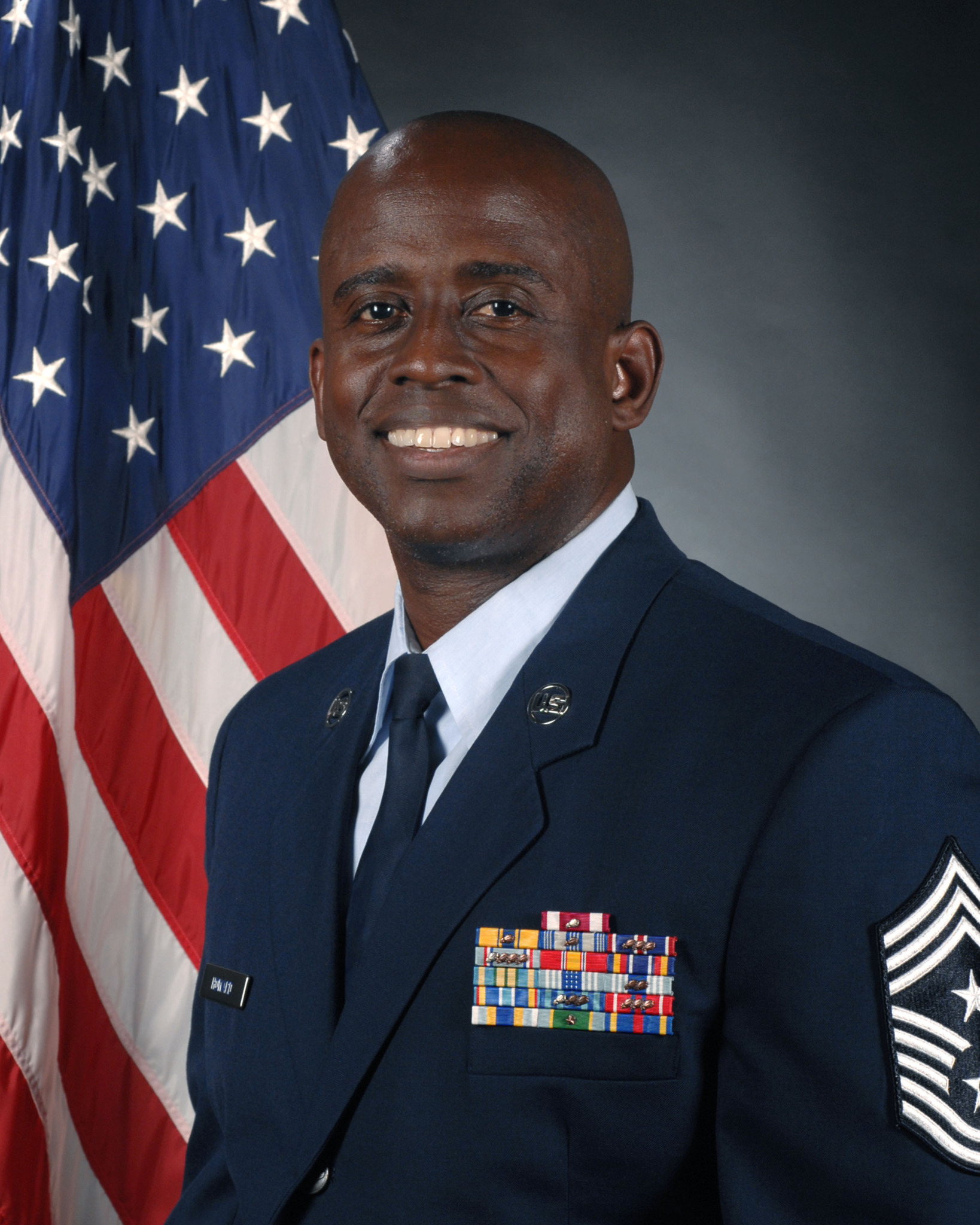

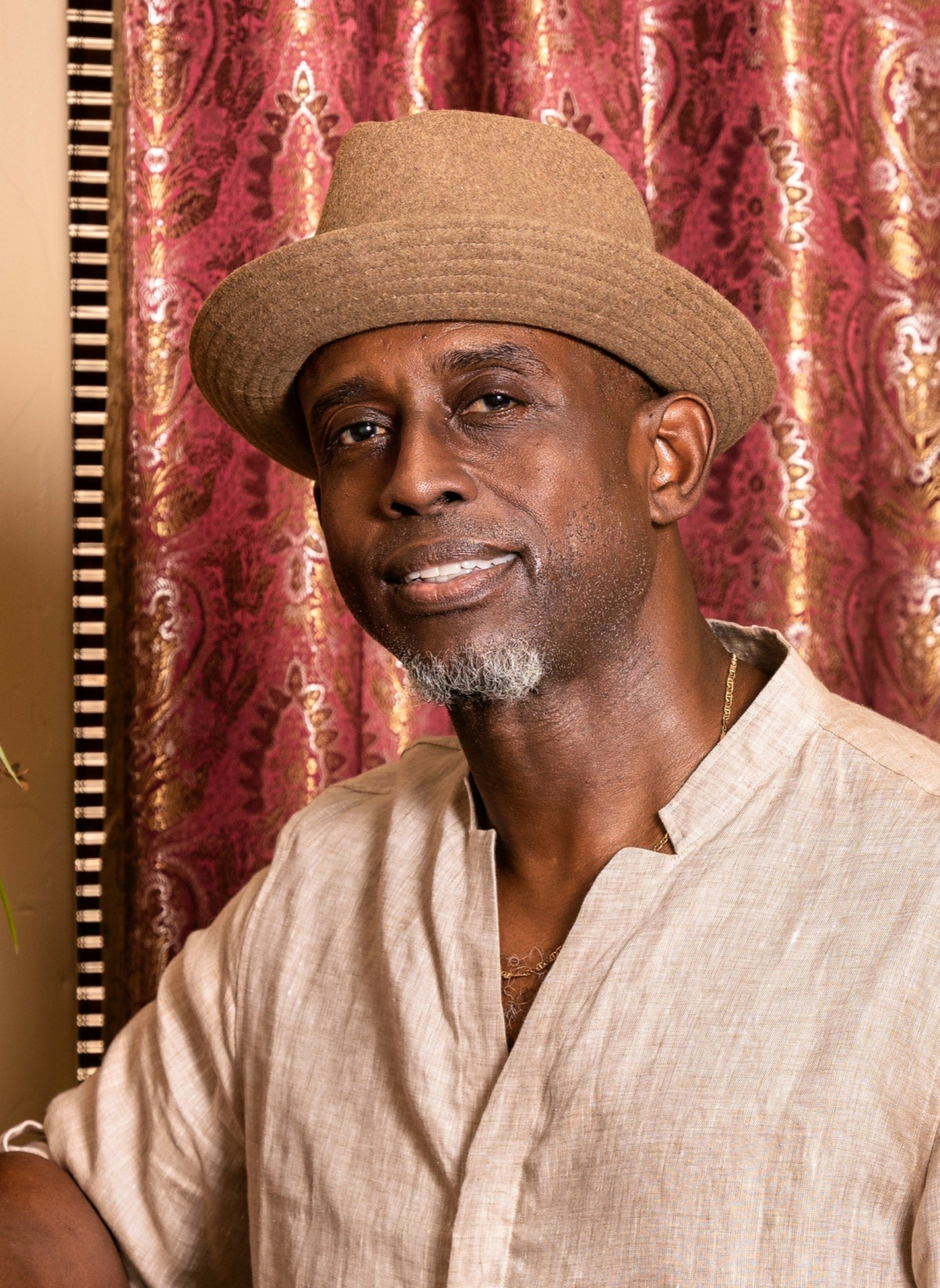
We caught up with the brilliant and insightful Vincent Howard a few weeks ago and have shared our conversation below.
Alright, Vincent thanks for taking the time to share your stories and insights with us today. We’d love to hear about the best boss, mentor, or leader you’ve ever worked with.
“Best” is a relative term that calls for an overly simplified assessment that doesn’t address the complex layers of effective leadership. I find myself fortunate to have served under a number of fantastic leaders who displayed a myriad of strengths that were appropriate to the team we led & to my personal developmental needs at the time. Staff Sergeant Theresa Washington was a great teacher & disciplinarian; General Scott Chambers showed the value of vision; Colonel Hoxie provided the pride of a mission-focused aviator; Colonel Thersa Humphrey was the epitome of sincerity & energy, Colonel Matthew Lewin was a fearless defender, General John Cherrey modeled trust & confidence and my current boss Amy Jensen epitomizes intelligence & faith in ME. I know I left out some outstanding leaders – I also point out that even a insecure, micromanaging leader who I will not name taught an excellent lesson in what leadership looks like when it’s botched. And I don’t have space to mention all of the high-level mentors & coaches (some of whom were teammates or even subordinates) that have colored my professional life. I just find it difficult to say definitively “Here’s my #1, my #2, my #3, etc”. I appreciate their cumulative effect for the strengths they reminded me of, the talents they developed and the positive impact tidal wave they collectively created.
Awesome – so before we get into the rest of our questions, can you briefly introduce yourself to our readers.
My life’s passion is resilience. And I’m not just talking about “bouncing back”. I’m talking about:
1) Preparing in advance for the challenges that WILL present themselves: Fix the roof when the sun is shining. Know your naturally occurring strengths that exist in all of us, develop those talents that may NOT come naturally, strengthen personal & professional relationships before you need them because there is no ceiling.
2) Recover when situations don’t go your way. This is where you show how effective your preparation was. I’m not just talking about the major disappointments in life that no amount of preparation can adequately compensate for; those may take time and/or professional assistance. But some other issues can be dealt with before they occur, even if we feel like wallowing. My personal thoughts during those moments are “I’m getting hit hard right now; surrendering feels normal, no one will blame me”. Then I get up and hit back.
3) Grow from when you win and when you lose. Sometimes you win by accident; sometimes you lose when you should have won. Sometimes you win because your preparation was superior. Sometimes you lose because your preparation was inadequate. Regardless of the situation, there’s a lesson to be learned and if you assess it correctly, you can either reproduce the success formula or modify it. Then you begin the preparation phase all over again.
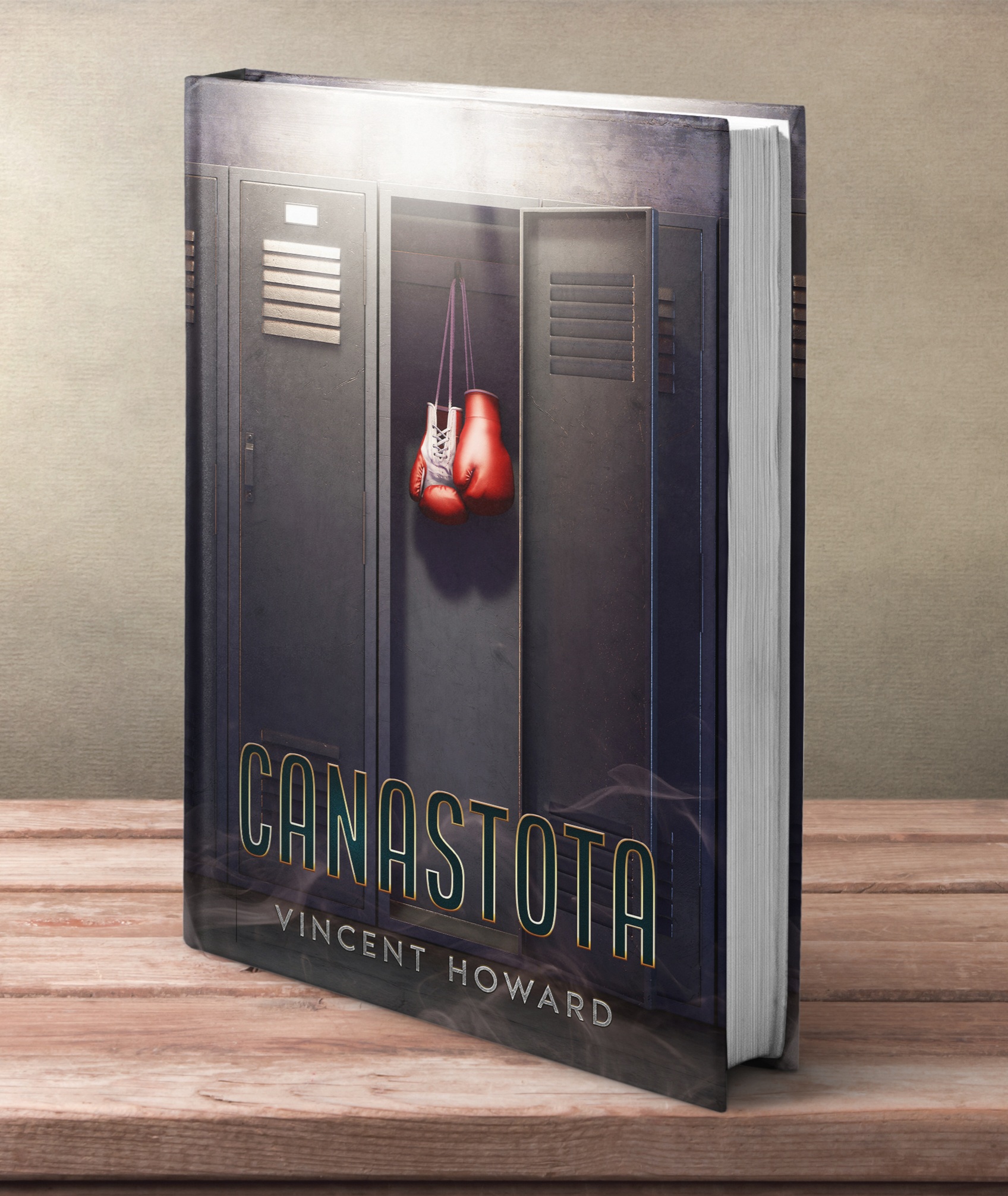
All of my projects can be tied to an aspect of resilience. “Crossroads” involved making good choices. “Why Didn’t Someone Tell Me…” involves self-image & discipline. I’m planning other works probably best classified as historical fiction that highlight important tenets of resilience, including one that delves into being betrayed by a trusted friend & another that examines the concept of refusing to surrender despite overwhelming odds.
What’s the most rewarding aspect of being a creative in your experience?
Again, I don’t often speak or think in terms of “most” or “best” but I will say a very rewarding aspect is the ability to create something that inspires something different in each viewer. If I can predict how a majority of people will respond or if a majority can assess my motivation behind it, then I have not created a very complex piece of art. I want people to view my creation, apply their own lens to it and all come up with a different interpretation of whatever piece I am sharing. I love the idea of having even a small part towards inspiring thought.

Is there something you think non-creatives will struggle to understand about your journey as a creative?
With all of the entertainment options available, I suspect the books, music & art may not be as widely enjoyed as they once were. But the process of creating mimics the requirements of being successful in ANY industry, even the military. There isn’t an industry where its practitioners can keep doing things the same way and see things the way everyone else does and hope to remain successful. An open mind that see possibilities is of value in any industry. Athletes may run sprints because it helps them run up & down the field or the court. I think non-creatives should look at the creative arts as an opportunity to exercise and strengthen their imaginations and then use that enhanced skill to better the professional OR personal situations.
Contact Info:
- Website: https://www.vincentlhoward.com
- Facebook: https://www.facebook.com/vincent.howard.33?mibextid=ZbWKwL
- Linkedin: https://www.linkedin.com/in/vincent-howard-m-s-b2bb6366?utm_source=share&utm_campaign=share_via&utm_content=profile&utm_medium=android_app
- Youtube: https://youtube.com/@vincenthoward19?si=yMGvO8nJoDjAPsg2

Image Credits
N/A