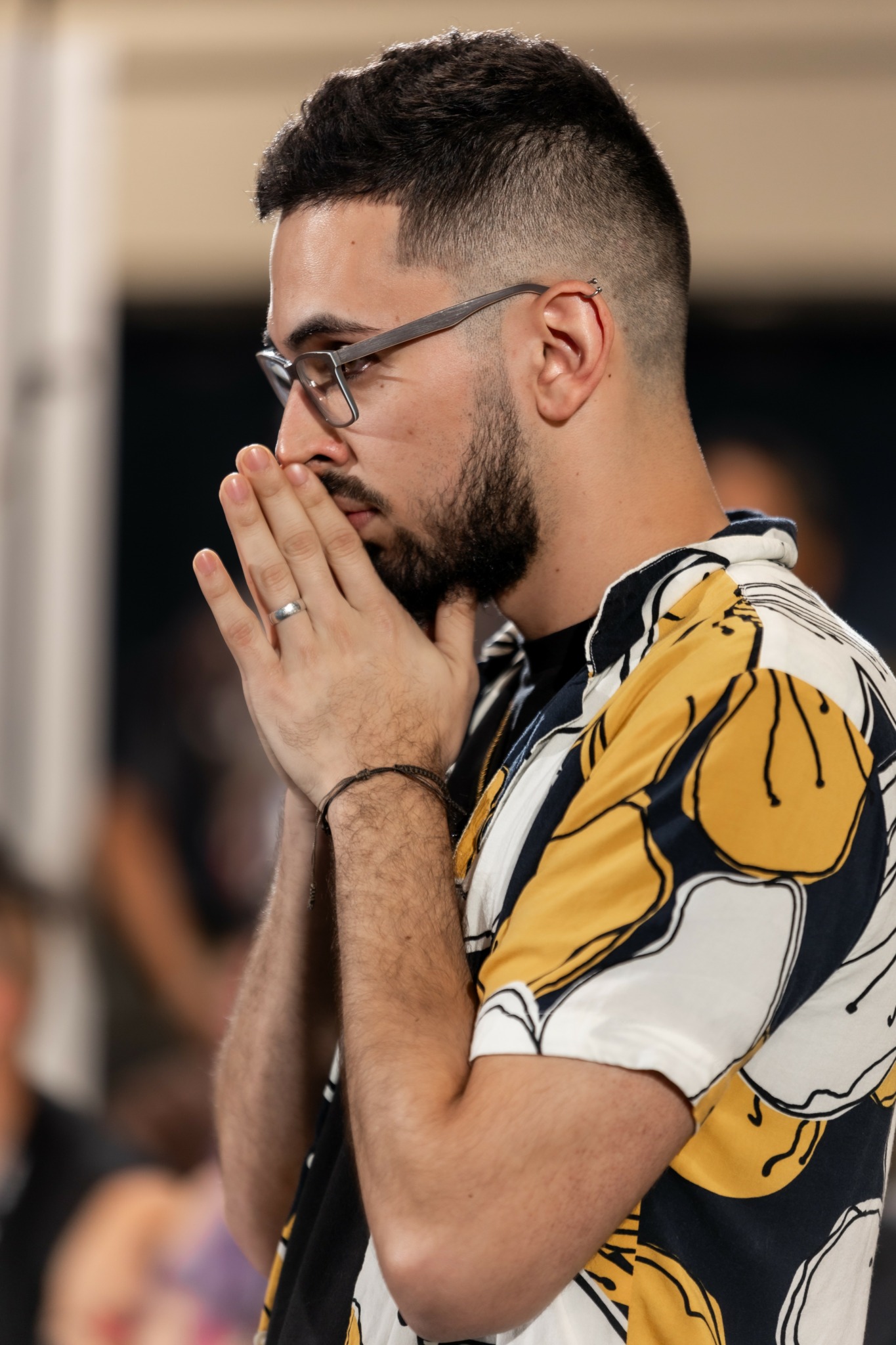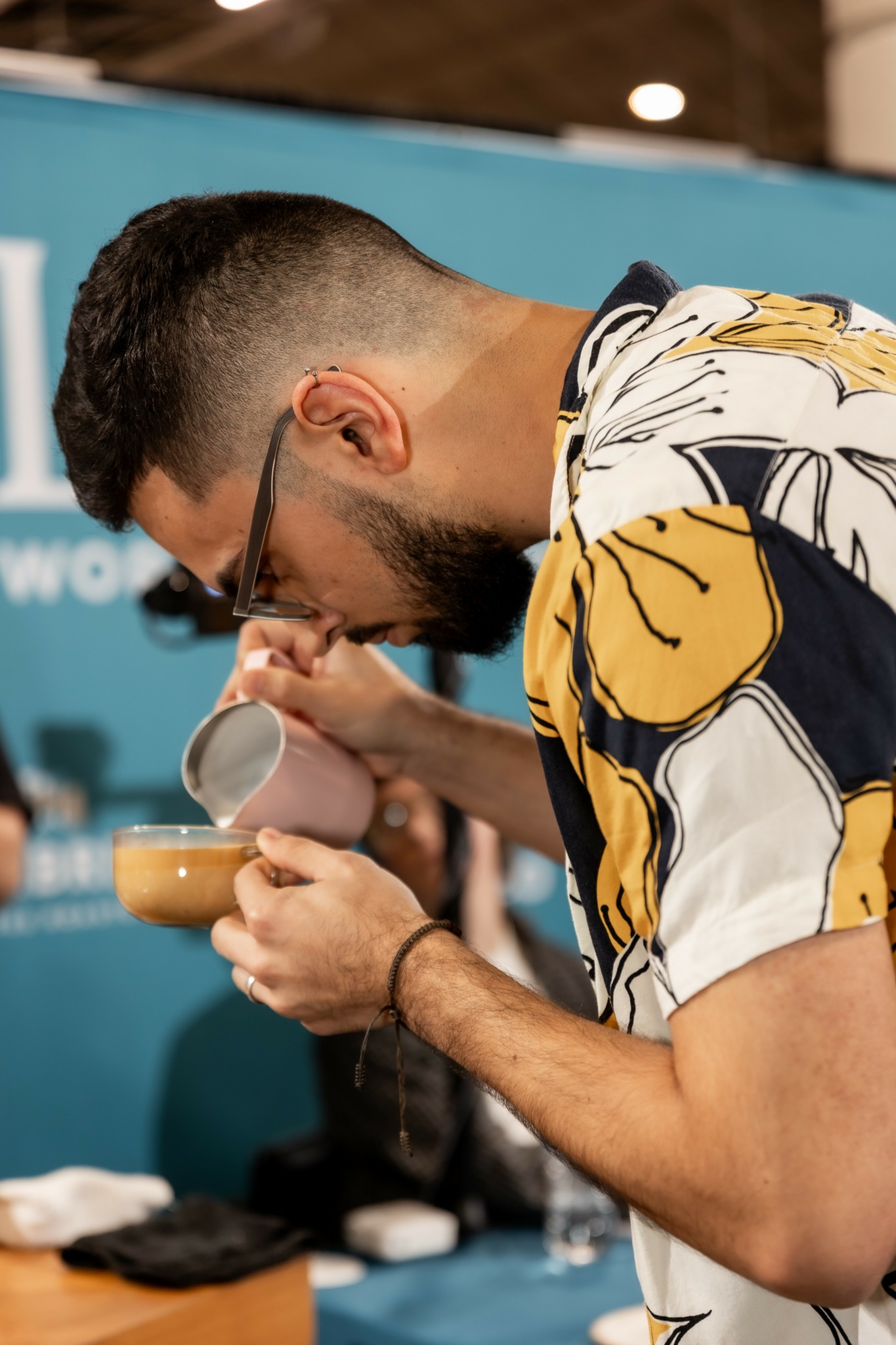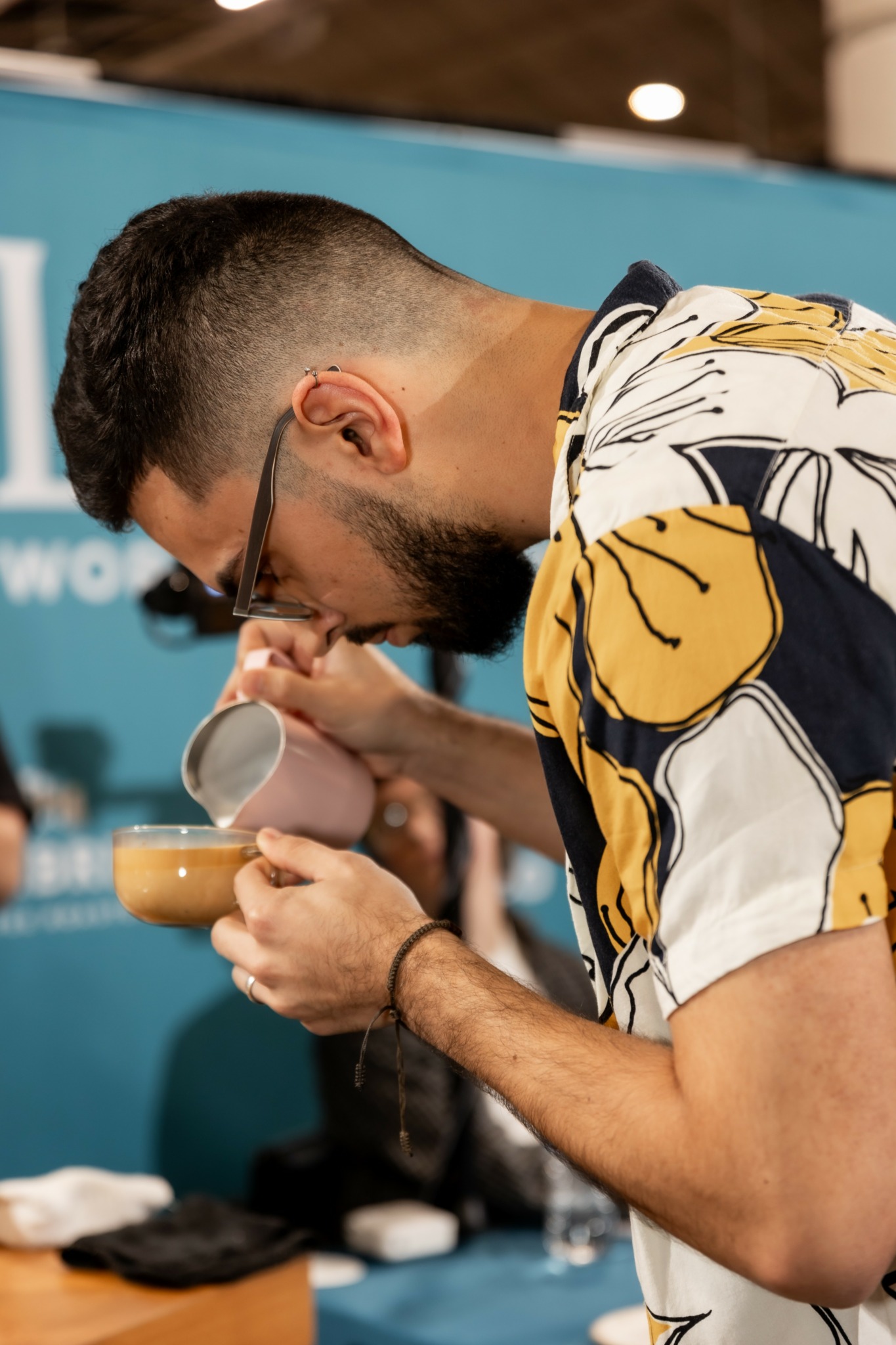

We recently connected with David Posada and have shared our conversation below.
David, thanks for taking the time to share your stories with us today Can you talk to us about how you learned to do what you do?
My journey as a barista began just 12 months ago, but in that short time, I’ve reached milestones that often take years to achieve. I started with a deep passion for learning new skills—something that’s been a constant in my life as both a musician and an entrepreneur. Every year, I set resolutions to master a new craft, and last year, I decided to dive into the world of coffee.
Initially, I didn’t know much about coffee, but I was determined to learn everything I could, no matter the challenges. My journey truly took off when I discovered the world of latte art competitions. The idea that there were others out there, striving to be the best, ignited something in me. I was driven to become the best, knowing that it would require starting from the bottom and building my skills step by step. I immersed myself in the craft, learning from every experience, every mistake, and every success along the way.
Looking back, one thing that could have sped up my learning process would have been finding a mentor earlier in my journey. While self-teaching and exploration were crucial, having someone with more experience to guide me, provide feedback, and share their insights could have accelerated my progress. Also, diving deeper into the science of coffee early on—understanding the chemistry of extraction, milk steaming, and the technical aspects of brewing—would have provided a stronger foundation from the start.
The most essential skills in my journey were persistence and adaptability. The learning curve in coffee, especially in latte art, is steep, and it requires a lot of patience to get through the initial stages of trial and error. Creativity was another key skill—approaching each pour as an artistic endeavor allowed me to express myself through the medium of coffee. Finally, the ability to focus intensely on small details—whether it’s the precise angle of a milk jug or the exact temperature of the milk—was crucial in developing consistency and quality in my work.
Time was fortunately not a problem for me, as I had the opportunity to work full-time as a barista. Making thousands of coffees every month allowed me to improve quickly. However, the real obstacles were the lack of knowledge at the beginning, the frustration of not getting things right, and the disappointment of losing in the first round of my first two local competitions. But the key was never giving up. Each setback was a learning experience, and with persistence, I gradually improved and achieved success.
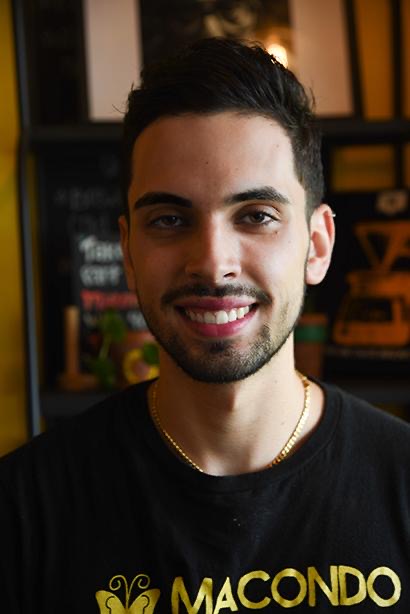
Great, appreciate you sharing that with us. Before we ask you to share more of your insights, can you take a moment to introduce yourself and how you got to where you are today to our readers.
My journey to the coffee industry began with a desire to build a better future for myself and my family. Originally from Colombia, I was a full-time musician, performing every other weekend, giving private lessons, and serving in a church. Music was my life, but when I moved to the United States, I knew I had to start from scratch. As an immigrant, you often find yourself willing to do anything to get settled, and that’s exactly what I did.
After almost two years in the U.S., I followed my heart and moved to Miami to be with the love of my life. We got married and started a new life together, supporting each other as a team. During my job search in Miami, I found Macondo Coffee Roasters, where I met Carolina Omedas, an incredible leader with a contagious positive energy. I was drawn to the atmosphere of the coffee shop and wanted to experience a different side of the restaurant industry, having always worked in the back of the house.
I started at the register, working as a cashier and enjoying the opportunity to connect with customers. I loved meeting new people, helping them with their orders, and learning about their preferences. After three months, an open position for a barista came up, and even though I knew nothing about coffee, I decided to take the leap. Learning a new skill is something I challenge myself with every year, and this was no different. I became obsessed with mastering the craft, dedicating myself fully to becoming the best I could be.
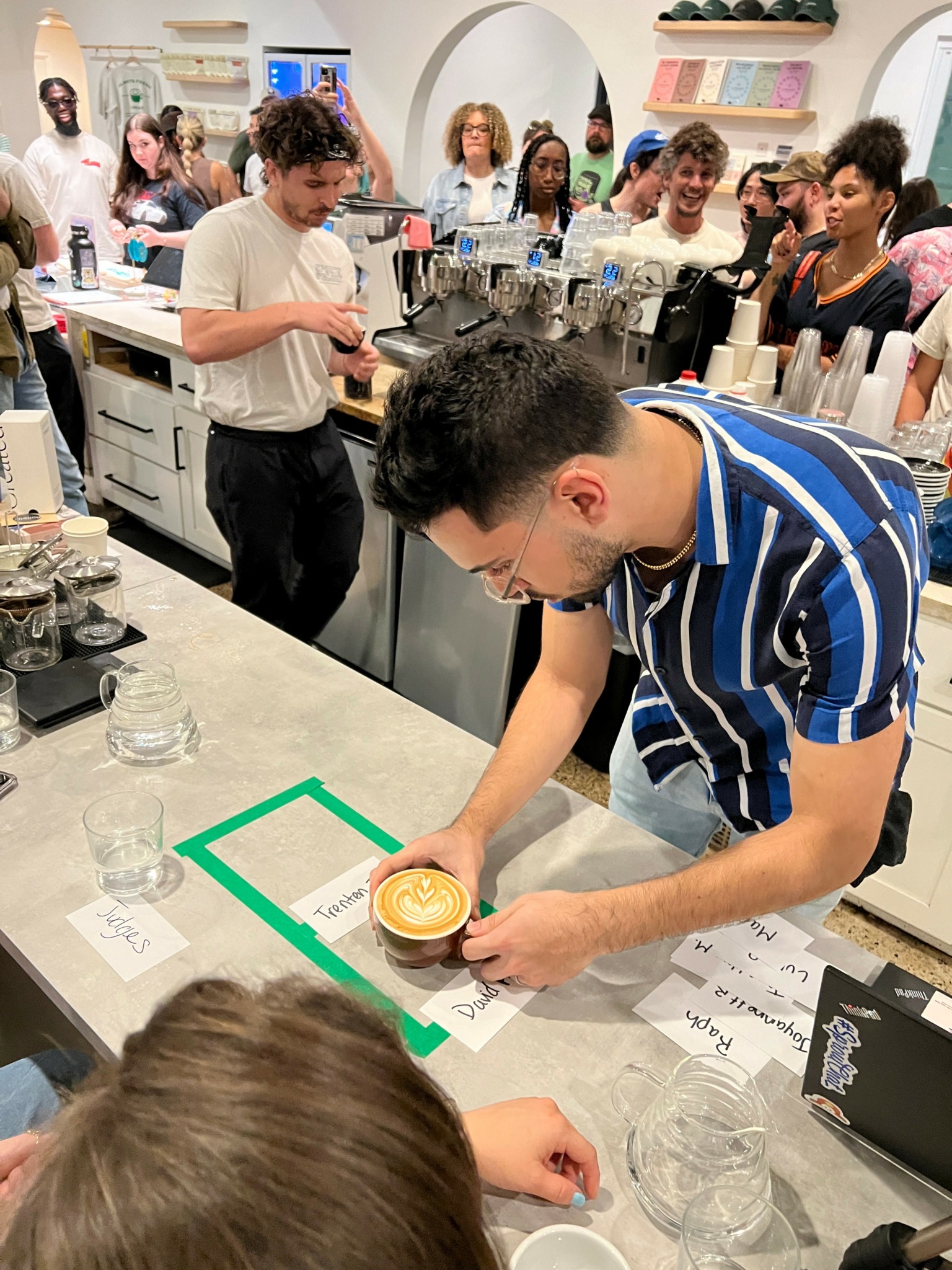
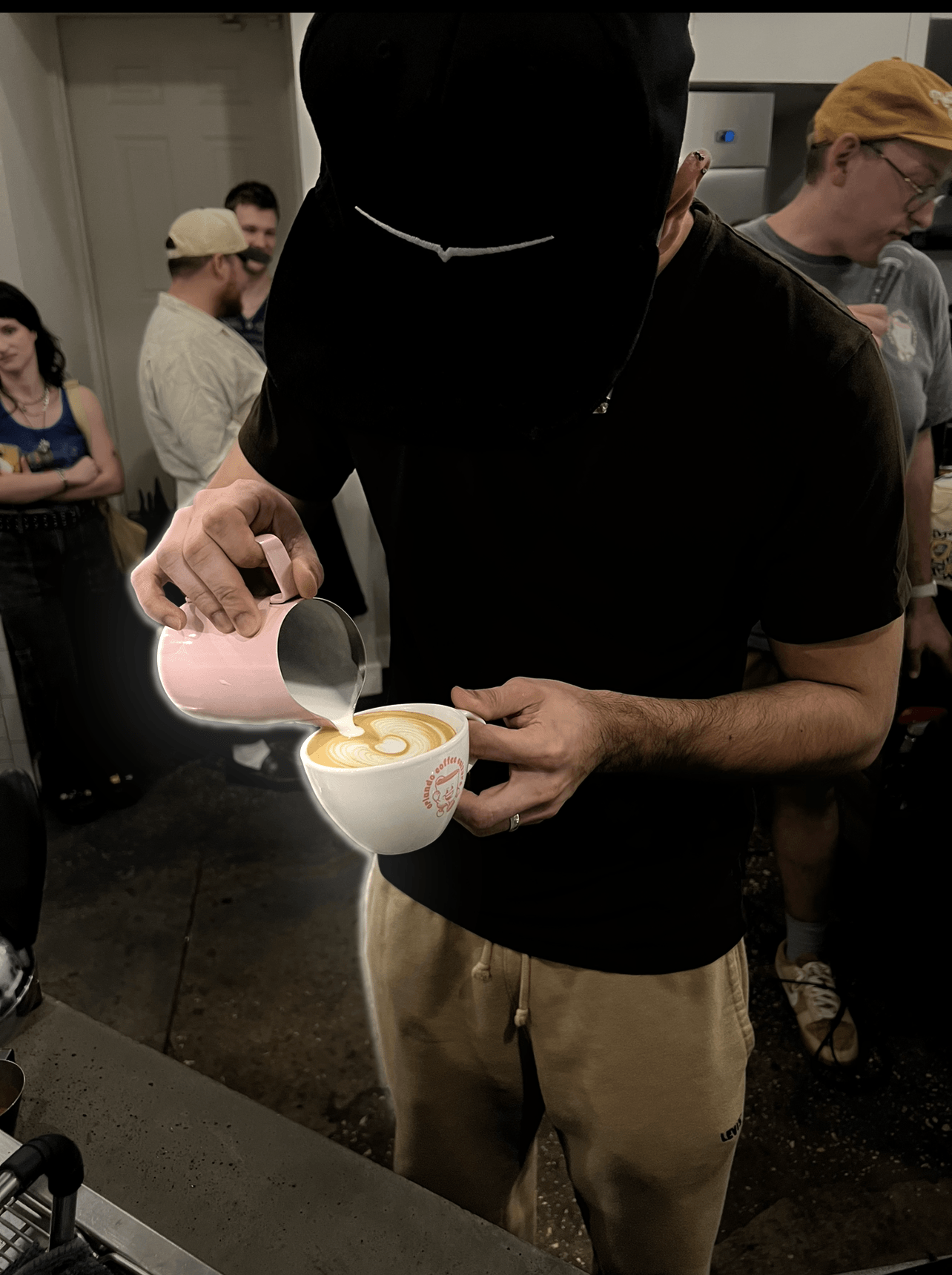
Within my first year, I achieved what many take years to accomplish—I qualified for the Latte Art World Championship Open. Out of thousands of baristas, I was selected to compete in the 64-competitor bracket and made it to the second round. This achievement is something I’m incredibly proud of, especially considering it was my first year in the coffee industry.
Today, I’m focused on sharing my passion and knowledge with others. I write a blog about specialty coffee, teaching people how to make coffee shop-quality coffee at home. I also offer a 101 barista course, helping others learn the basics and improve their skills. What sets me apart is my relentless drive to be the best, not just for myself but for those I serve. I’m committed to providing value, whether through my blog, courses, or the coffee I create.
For anyone following my journey, I want them to know that I’m all about passion, persistence, and continuous learning. Whether it’s coffee, music, or any other craft, I believe in diving in fully and never giving up, no matter the challenges. My work is a reflection of that dedication, and I’m excited to continue growing and sharing my experiences with others.
What’s the most rewarding aspect of being a creative in your experience?
For me, the most rewarding aspect of being an artist and creative is the ability to express myself in a way that resonates with others. There’s something truly unique about how your feelings and the energy of your body can be conveyed through your art. Whether it’s in the form of latte art or music, the connection between your emotions and the final product is profound.
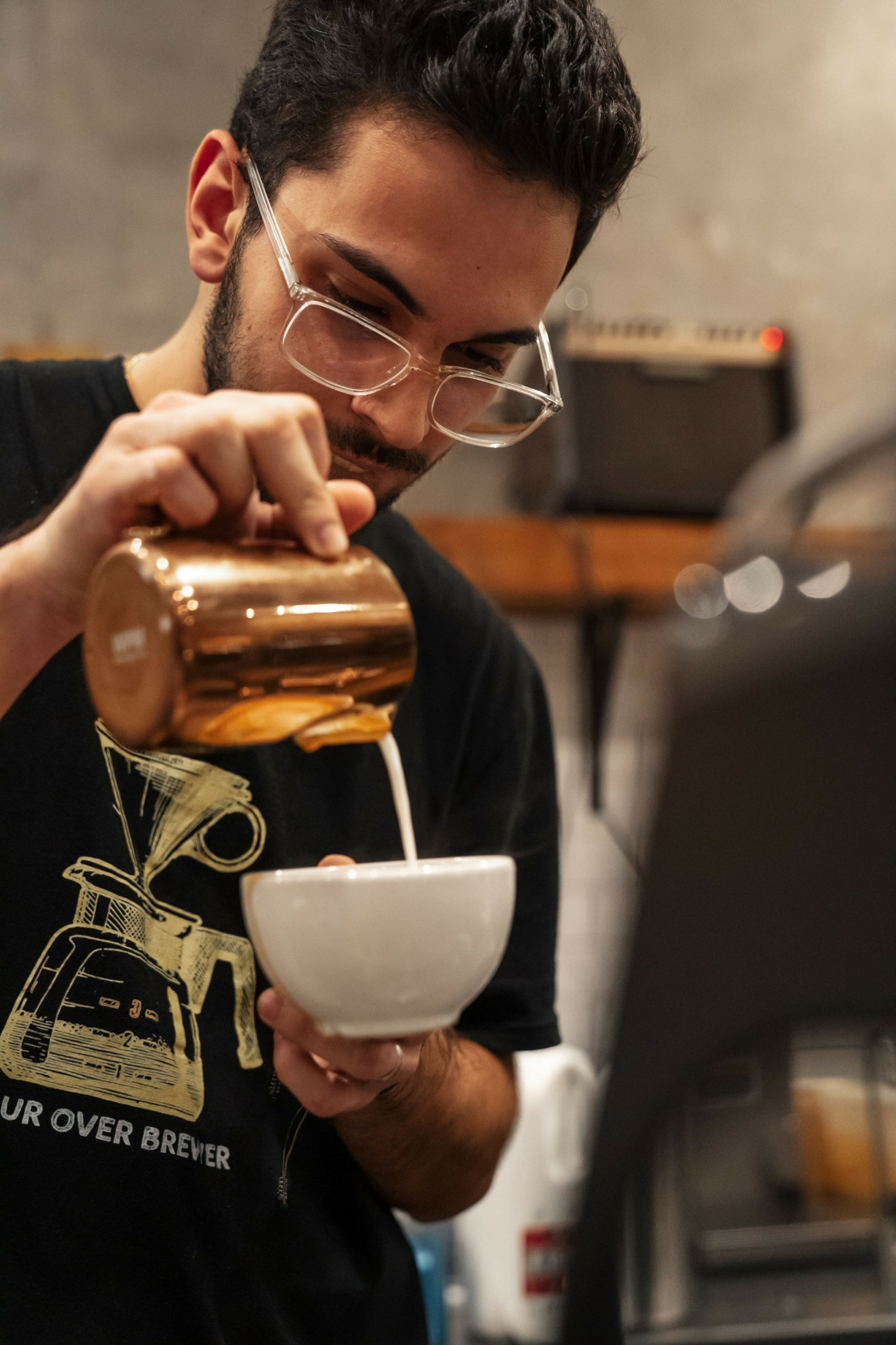
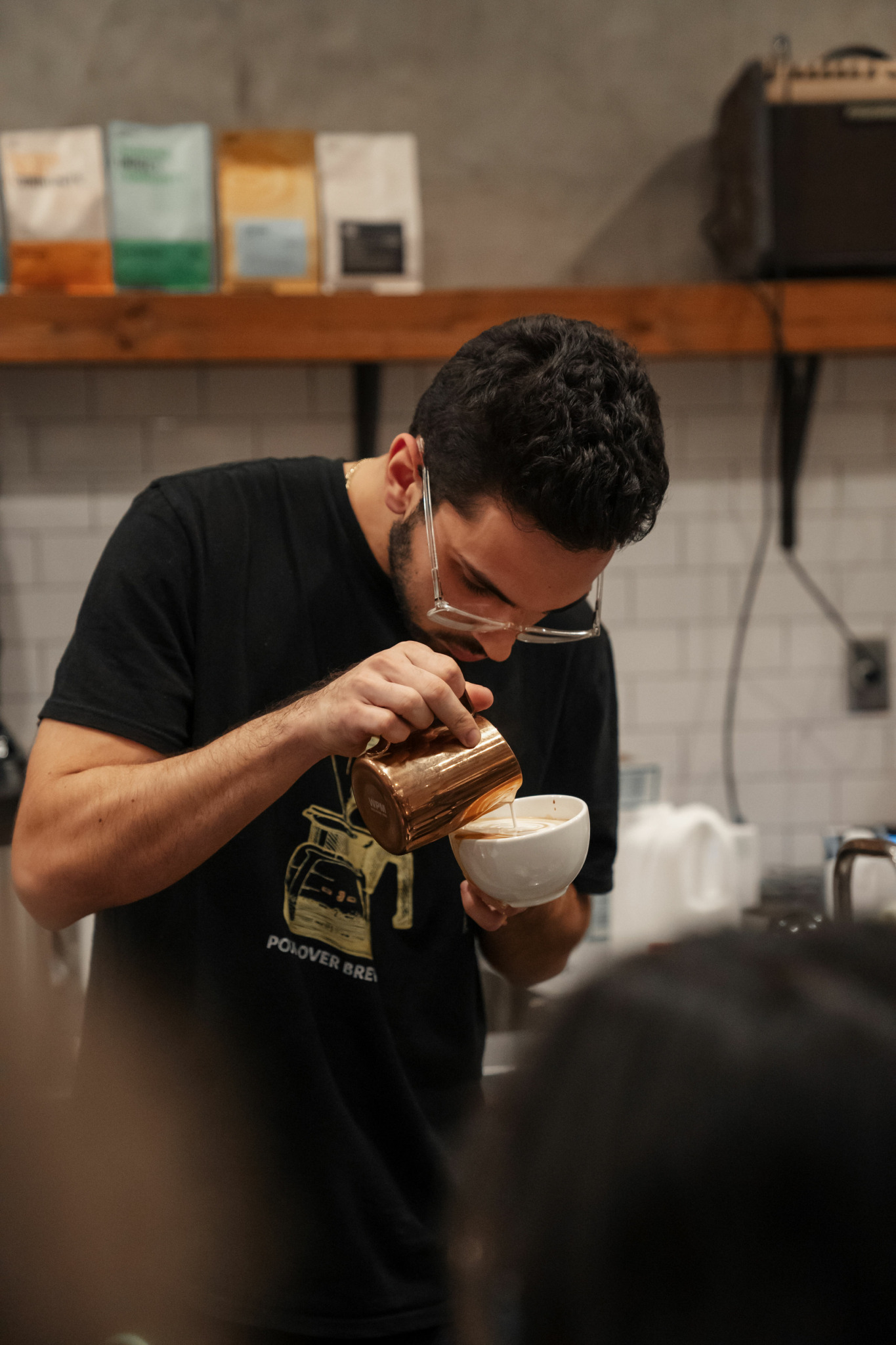
In latte art, I’ve found that being calm, relaxed, and focused is essential to pouring my best designs. This mindfulness not only enhances the visual appeal of the coffee but also elevates the taste. It creates a complete experience for the customer. I’ve had customers tell me they can immediately tell when I’ve made their coffee because it’s not just about how good it tastes or looks; it’s about the entire experience, from the balance of flavors to the customer service they receive.
In any creative field, whether it’s coffee or music, you transmit your energy and feelings into your work. Recently, my wife and I performed at a wedding, and it was incredible to see how our music impacted people’s lives. Moments like these remind me why I love being a creative—it’s about connecting with people on a deeper level and leaving a lasting impression.
Challenges are also a crucial part of the creative process. I believe that pushing yourself to the limit is essential for growth. When you put yourself under pressure, you have no choice but to give your best. The experience of being seen and judged by others, whether in a competition or a performance, builds confidence and pushes you to improve continuously.
Is there something you think non-creatives will struggle to understand about your journey as a creative?
One thing that non-creatives often struggle to understand is the depth of knowledge and dedication required in creative fields like making coffee or music. To many, it might seem like making a cup of coffee or playing a song is as simple as what you do at home or in a casual setting. But in reality, there’s so much more behind it.
As a barista, you need to have a deep understanding of the coffee bean—its origin, the process it went through, the roast profile, and even the specific date it was roasted. All these factors play a crucial role in how you extract the coffee, whether it’s an espresso or a filtered brew. The temperature of the water, the temperature of the milk—everything matters. It’s not as easy as it looks, and every detail counts.
Similarly, musicians don’t just pick up an instrument and play. It takes years of studying music theory, practicing, and refining your skills to perform at a high level. Knowledge and practice are what build a master in any craft.
Another aspect that’s often overlooked is the mental focus required to perform, whether you’re under pressure or in a more comfortable setting, which can sometimes be even harder to maintain focus in. Frustration is a common part of the journey, and it’s important to express your feelings, whether they stem from mistakes or successes. This helps you control your mindset and keep moving forward.
In both coffee and music, the process is anything but simple. It’s a journey of continuous learning, practice, and mental resilience. I hope this insight helps others understand that creativity, in any form, requires a lot more than just the final product—it’s about the dedication, knowledge, and focus that go into every step.
Contact Info:
- Website: https://baristakeys.com/blog
- Instagram: @davidposada2311
- Facebook: David Posada