



Alright – so today we’ve got the honor of introducing you to Van Ethan Levy (they). We think you’ll enjoy our conversation, we’ve shared it below.
Van Ethan, looking forward to hearing all of your stories today. Let’s go back in time to when you were an intern or apprentice – what’s an interesting story you can share from that stage of your career?
As an intern therapist, I had a large amount of abusive and harmful licensed therapists who supervised me. I constantly experienced transphobia, ableism, racism, homophobia and so much more.
There was only one supervisor who truly showed up and taught me how to engage from an anti-oppressive positionality and be humanistic while supporting my growth and holding the reality of the abuse I experience every single day as a trans, non binary, queer, autistic, disabled, Latine, Egyptian, Jewish person.
Dr. Ghada Osman (she) inspires me to be a better human. She taught me how to be accountable for my actions and the crucial role accountability plays in healing and restorative justice. She continues to model how to engage from an anti-oppressive and trauma-informed positionality, be present with the person/people you are working with, how to trust people and support the person in trusting one self and so much more. She has helped support my growth in this field of psychotherapy and as human being.
Her book Mental & Emotional Healing through Yoga: A Guiding Framework for Therapists and their Clients has really helped me in my own personal life on implementing practices. As well as in my work with my clients and the interns that I am helping support in their journey. Her book can be found at her website, GhadaOsman.com. I highly recommend it!
Van Ethan, before we move on to more of these sorts of questions, can you take some time to bring our readers up to speed on you and what you do?
For those who may not be familiar with my work, I’m Van Ethan Levy (they/elle), a queer, non binary, trans individual with a rich tapestry of historically excluded identities. I’m Egyptian, Jewish and Latinx, autistic, and have dynamic disabilities among more identities. My journey into my field has been shaped by my experiences and my commitment to social justice. I am dually licensed as a Marriage & Family Therapist and a Licensed Professional Clinical Counselor, and my passion lies in holding space for the full spectrum of one’s identity.
My entry into this industry was deeply personal. Growing up, I experienced significant challenges, including being subjected to harmful conversion therapy and navigating a world rife with microaggressions and systemic biases. These experiences fueled my drive to advocate for a more inclusive and understanding approach to therapy and support. I’ve dedicated my career to creating safer, more affirming spaces for marginalized communities, especially for trans and non binary individuals.
In my professional practice, I provide therapy and counseling services that focus on validating and supporting individuals through their unique journeys. I also lead trainings on a variety of crucial topics such as supporting trans and non binary identities, disability justice, neurodiversity, and harm reduction. My priority is to educate and support folx to find strengths within themselves as well as ensuring that diverse identities are respected and understood. I do my best to continue to create materials to cater to different learning styles (documentary, interactive workbook, recorded trainings, live trainings and more).
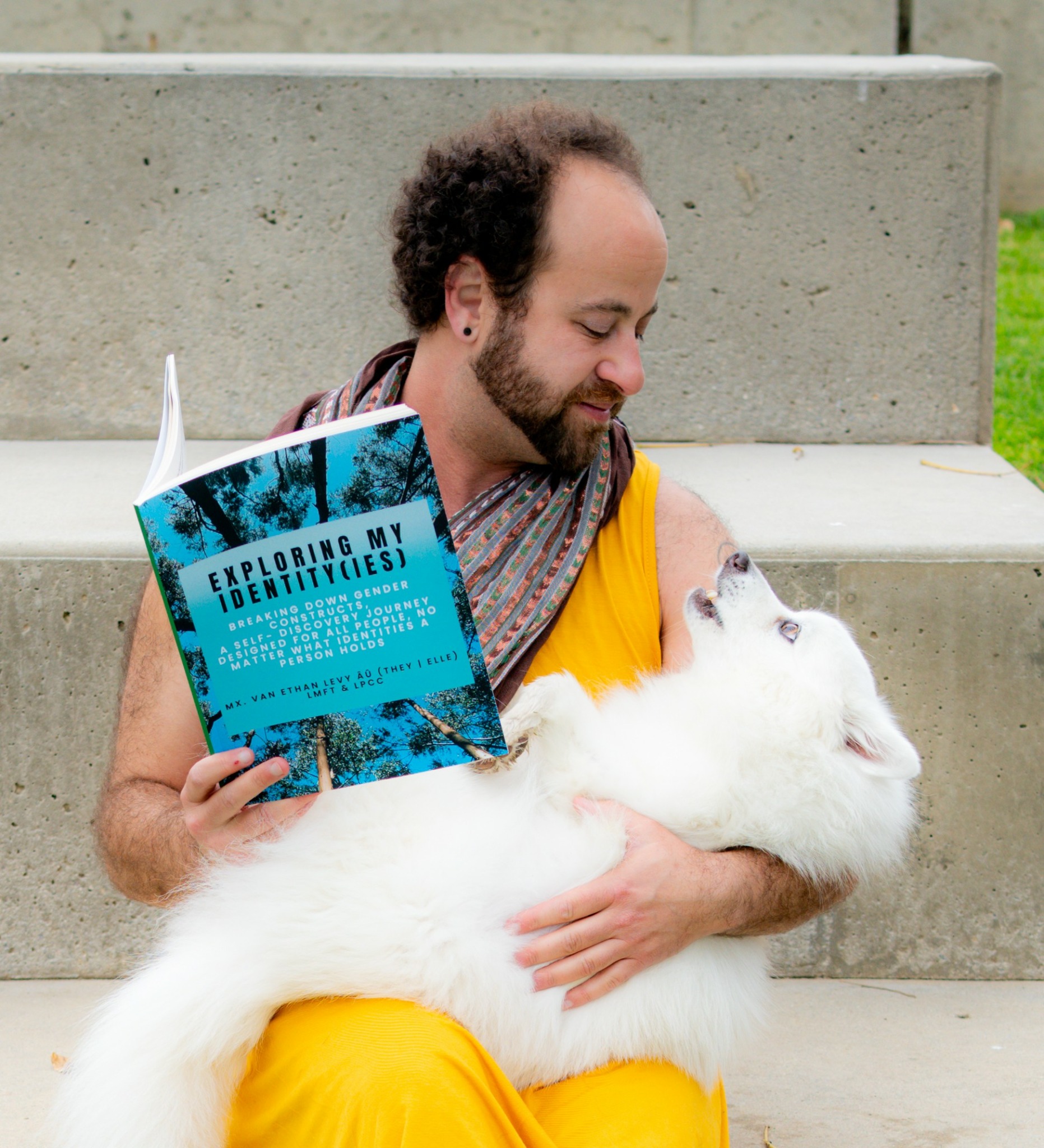
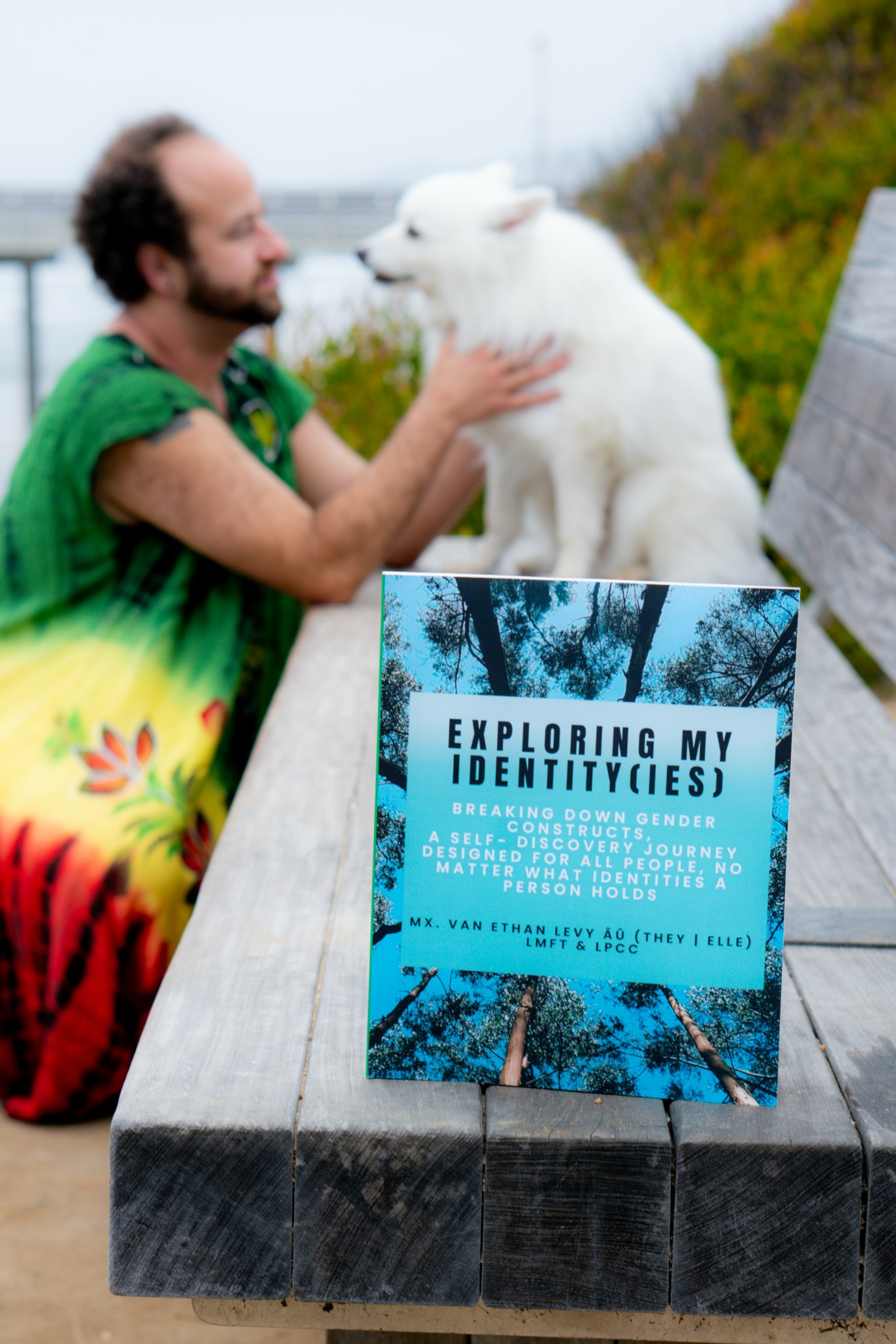
One aspect of my work is my commitment to combating gatekeeping in access to affirming care. I am the organizer of the No More GateKeeping national provider list and have developed an app that helps streamline the assessment process for affirming care. Additionally, I authored the interactive book Exploring My Identity(ies) and produced the documentary Do Something: Trans & Non Binary Identities. These projects, along with the international conference Do Something: Identity(ies) are part of my broader effort to foster dialogue and education around identity and social justice.
What sets me apart is my lived experience and the intersectional approach I bring to my work. My personal journey through systemic oppression and my dedication to creating inclusive, affirming environments inform my practice and advocacy. I’m deeply grateful for the ways I’ve been able to contribute to both individual healing and systemic change, particularly through my trainings and educational initiatives.
For potential clients and followers, I want them to know that my work is rooted in a genuine commitment to justice and understanding. I strive to offer more than just professional services; I aim to be a source of validation, empowerment, and advocacy. My ongoing efforts to educate and transform practices within the mental health field are driven by a vision of a world where everyone’s identity is honored and supported.
In essence, my work is about resilience and growth, and prioritizing how to live and potentially thrive, as we live in a world that doesn’t create space for that for everyone. I am dedicated to continuing this journey, learning, and expanding the ways in which we can all show up for each other in more inclusive and meaningful ways.
How’d you build such a strong reputation within your market?
Building my reputation within the field has been shaped by several key principles and practices. First and foremost, my commitment to honesty, transparency, and directness has been foundational. In a field where trust is paramount, I believe that being open about my own journey and the complexities of my identity helps foster genuine connections with clients and colleagues alike.
A heart-centered approach is central to my practice. By prioritizing empathy and understanding, I work towards creating spaces where individuals are validated and trusted. This approach extends beyond individual interactions to the broader scope of my work, including the trainings and educational initiatives I lead. It’s not just about providing services or information; it’s about cultivating a supportive environment where people feel safer to explore and express their identities.
Another crucial aspect of my reputation is my commitment to accountability and restorative justice. I openly acknowledge that I am fallible and that, despite my best intentions, I will still perpetuate systems of oppression or cause harm. By admitting these potential realities and actively working towards addressing them, I demonstrate a willingness to learn and grow. This approach helps build trust and respect, as it shows that I am not only committed to improving my practice but also to holding myself accountable in the process.
Through this process of ongoing reflection and learning, I strive to model how to navigate and rectify the impacts of systemic biases. My reputation is built on the recognition that addressing these issues requires a continuous and sincere effort. I am dedicated to examining and challenging the ways in which I may contribute to harm, and to engaging in practices that promote healing and justice.
Ultimately, I believe that my reputation within the market is a result of these combined efforts: being honest and transparent, heart-centered engagement, and a steadfast commitment to accountability and restorative justice. These principles guide my work and interactions, and I hope they resonate with those I have the privilege to support and collaborate with.
Do you have any insights you can share related to maintaining high team morale?
Managing a team and maintaining high morale involves a combination of honesty, transparency, and proactive support. Based on my experiences, here are some key strategies that I find supportive:
Be Honest and Transparent: Openness is crucial for building trust and ensuring that team members feel secure and informed. Share relevant information openly and address any issues or changes directly. When team members understand the context and rationale behind decisions, they’re more likely to feel engaged and respected.
Trust and Validate: Demonstrate that you trust your team by validating the team’s reality with responsibility and autonomy. Trusting your team not only boosts their confidence but also encourages a sense of ownership and commitment to their work. Regularly validating their experiences and realities helps reinforce that their contributions are valued and acknowledged.
Be Direct and Ask Questions: If you sense that someone on your team is struggling or that something might be bothering them, address it directly. Create a safer space for open dialogue by asking, “Is there something on your mind that you’d like to discuss?” This shows that you are attentive to their needs and concerned about their well-being. Be okay with being wrong, even if you didn’t mean to be.
Encourage Open Communication: Foster an environment where feedback is welcomed and acted upon. Ensure that your team knows that their experiences are valid and that their input can influence decisions. This not only improves morale but also leads to better team dynamics and productivity.
Hold Dialectical Realities: Understand that multiple perspectives/realities can coexist and are not mutually exclusive. For instance, an interaction may feel affirming to me but potentially harmful to someone else. Both experiences can be valid and true for the individuals involved. The focus should be on addressing the impact and harm, identifying ways to repair any damage, and preventing similar issues in the future. This approach ensures that all perspectives are respected and that the team can work collaboratively towards resolution and improvement.
Model Accountability: Be willing to acknowledge and take responsibility for your own actions and any mistakes. Demonstrating accountability fosters a culture of trust and respect, encouraging team members to also be open about their challenges and growth areas.
Offer Support: Regularly ask your team how you can support them better. Questions like “How can I support you in your role?” or “Is there a way I can engage differently to better support you?” can provide valuable insights into how you can adjust your approach to better meet their needs.
Recognize and Celebrate Achievements: Regularly acknowledge and celebrate both individual and team accomplishments. Recognition reinforces positive behavior and boosts morale, showing that you appreciate their hard work and contributions. This is my growth edge.
By incorporating these strategies into your management approach, you can build a strong, motivated team that feels valued and supported. Maintaining high morale is about creating an environment where honesty, trust, and mutual respect are at the forefront of every interaction.
Contact Info:
- Website: https://VanEthanLevy.com
- Instagram: https://www.instagram.com/sktrvan/?hl=en
- Facebook: https://www.facebook.com/vanethanlevy
- Linkedin: https://www.linkedin.com/in/van-ethan-levy-11549459/
- Twitter: https://x.com/sktrvan2
- Youtube: https://www.youtube.com/@vanethanlevythey1178
- Other: TikTok: https://www.tiktok.com/@sktrvan?lang=en
Pinterest: https://www.pinterest.com/sktrvan/


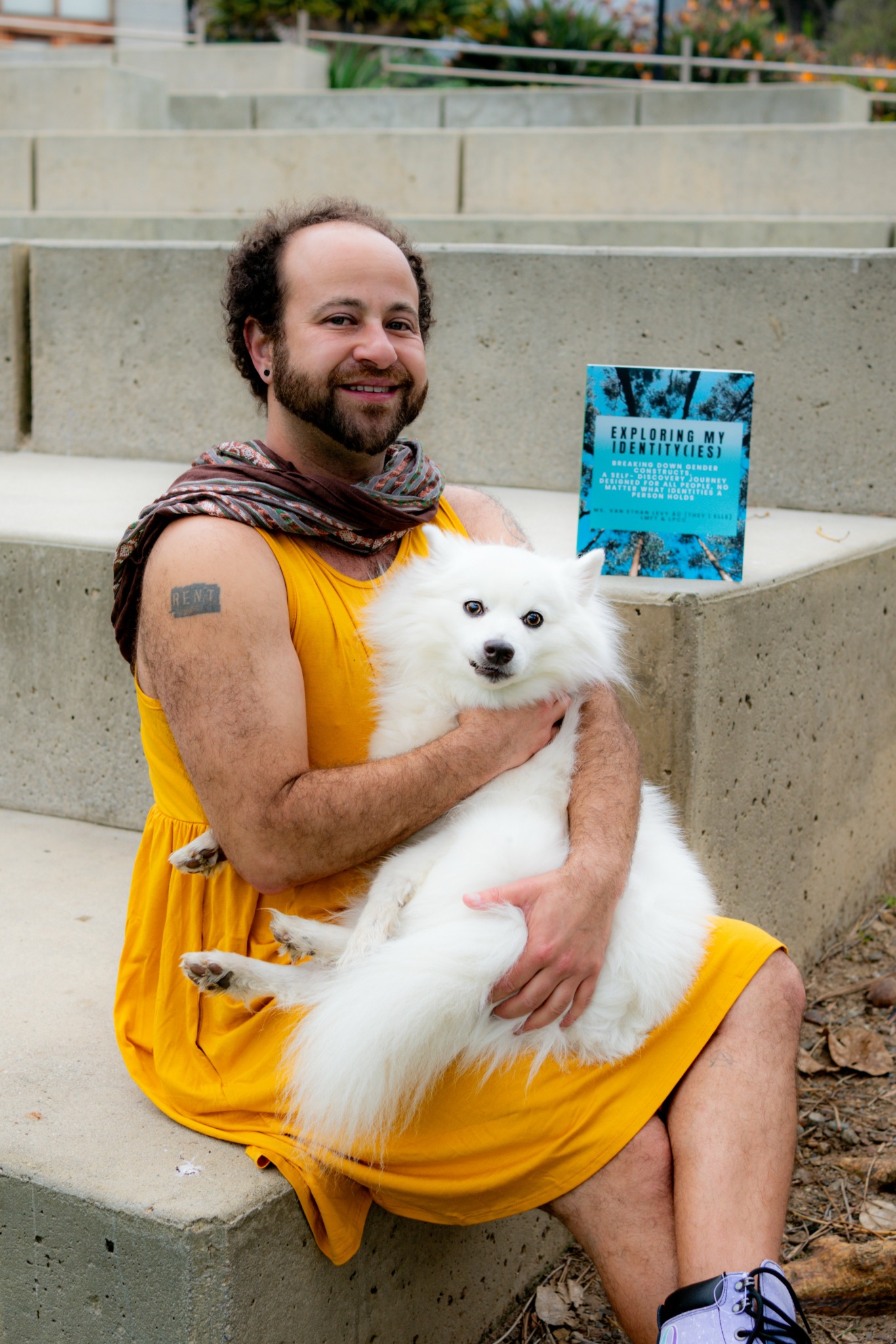
Image Credits
@CapturedByJenise