Alright – so today we’ve got the honor of introducing you to Hillel O’leary. We think you’ll enjoy our conversation, we’ve shared it below.
Hillel, looking forward to hearing all of your stories today. Can you talk to us about a project that’s meant a lot to you?
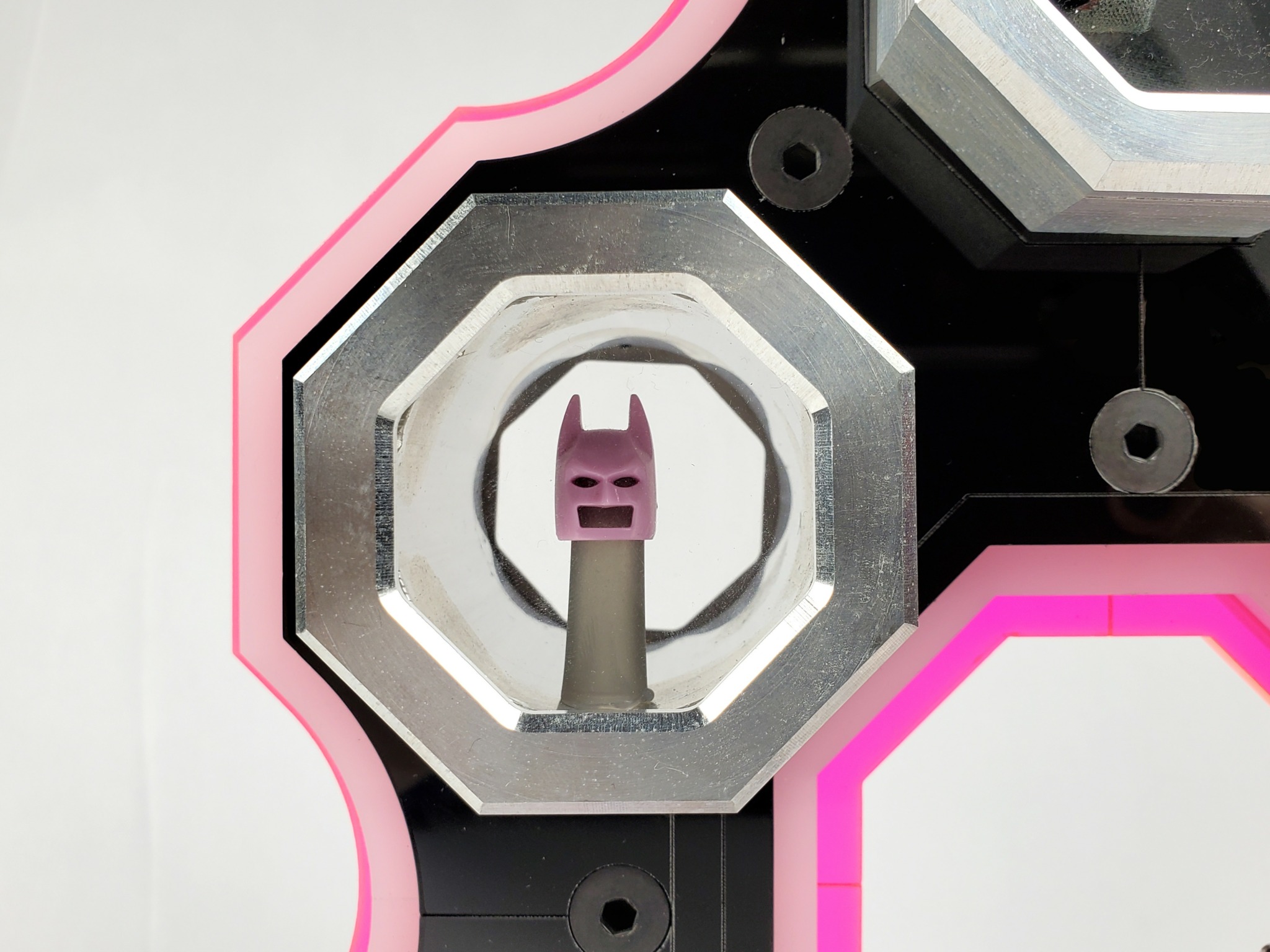
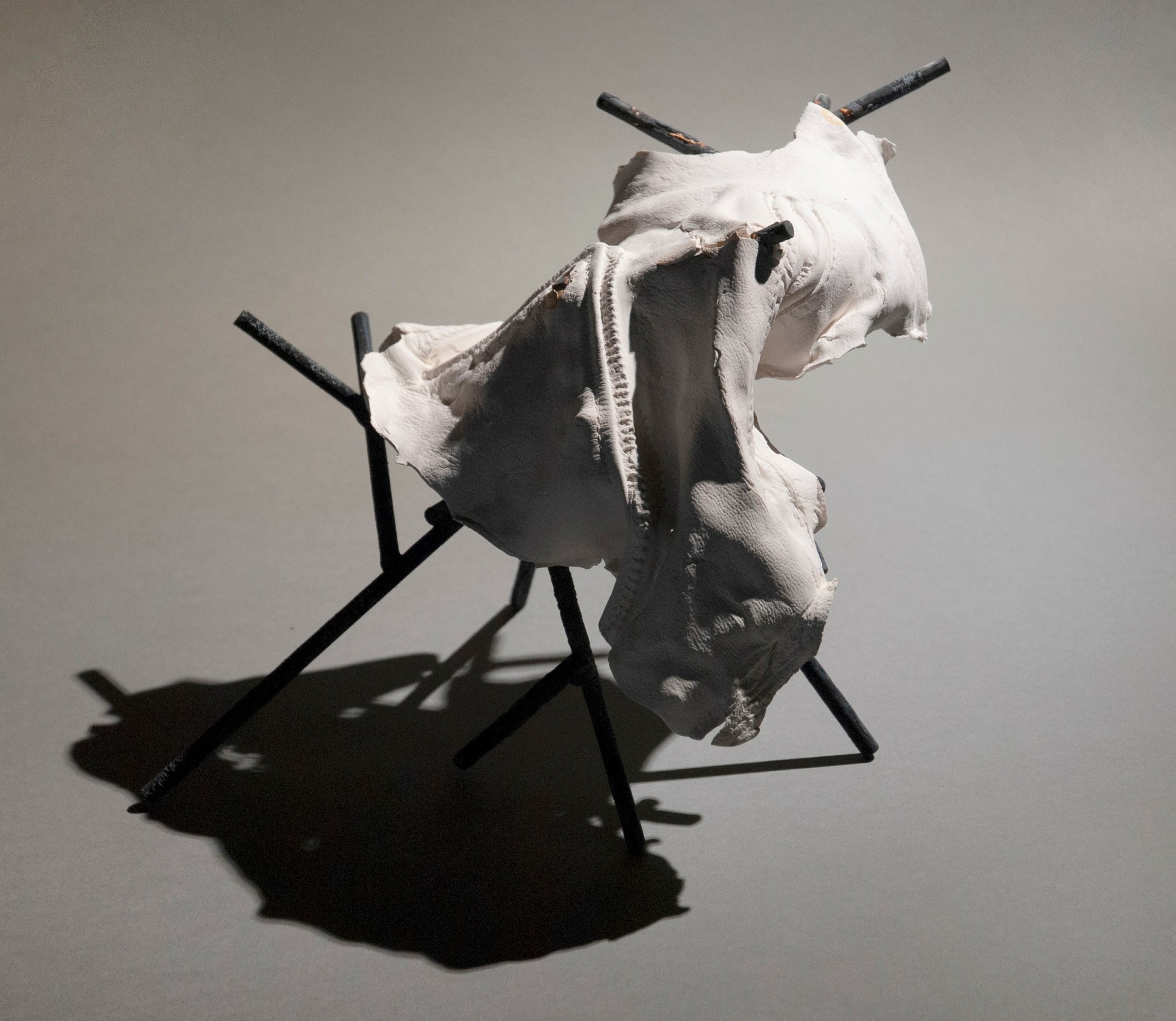
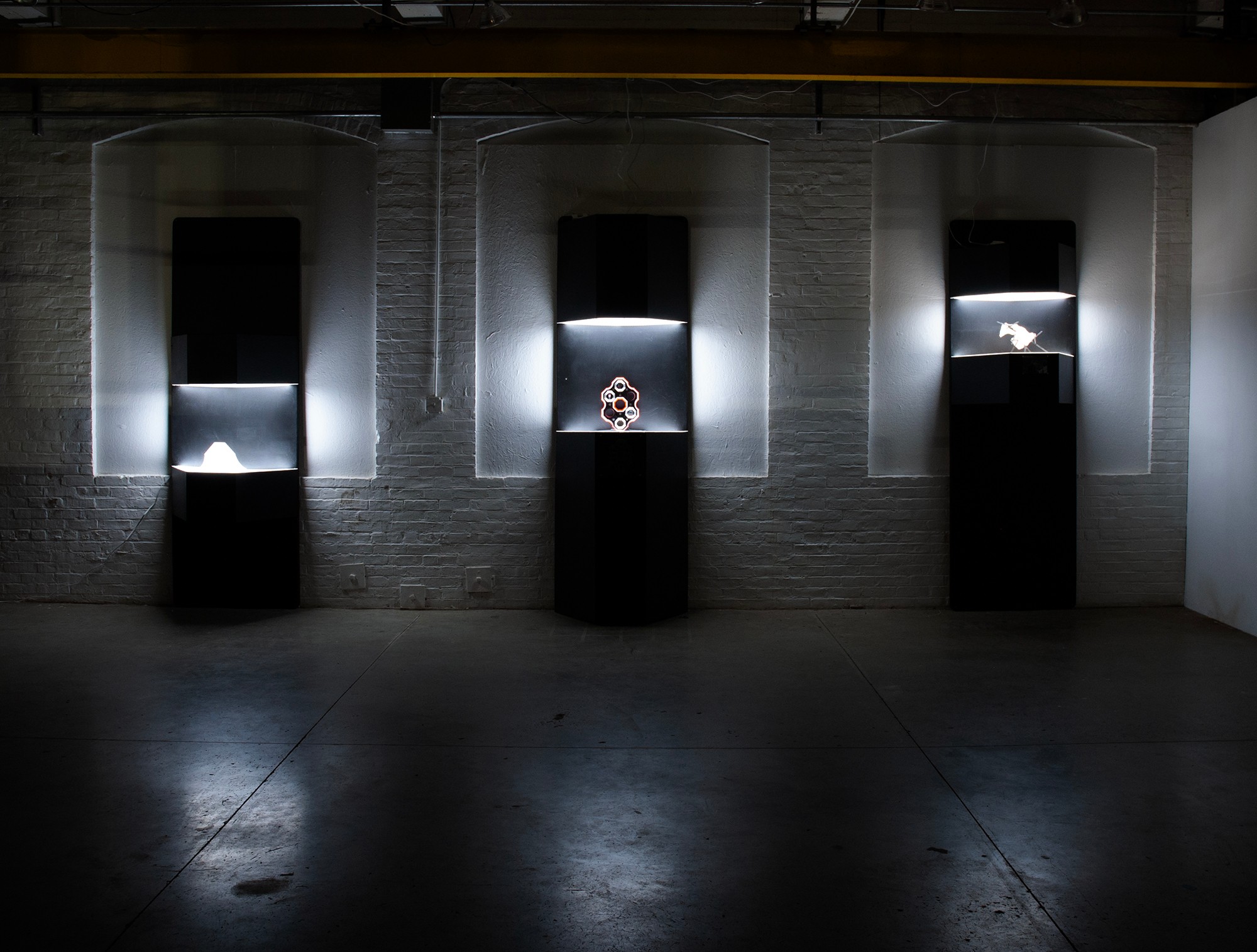
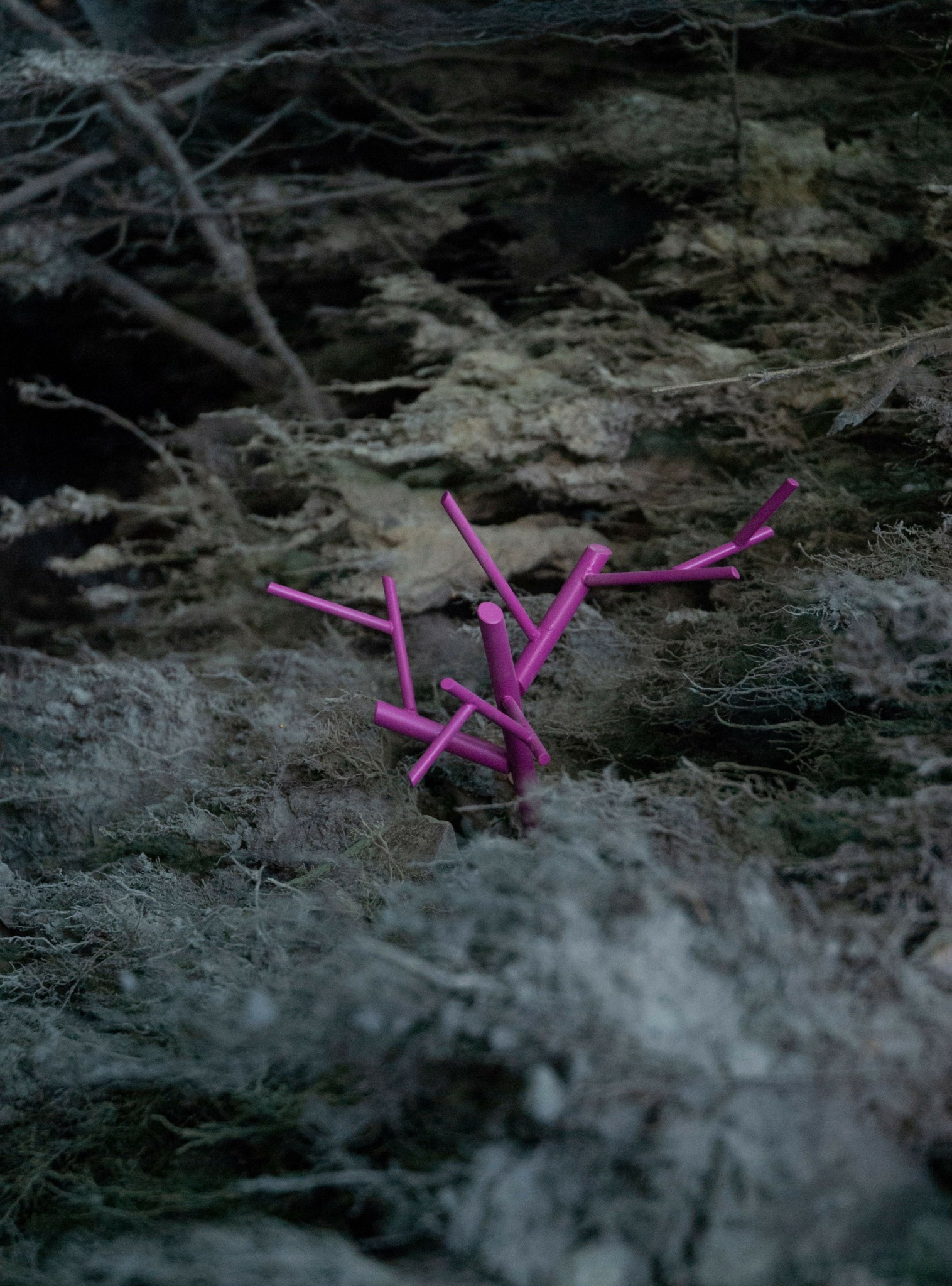
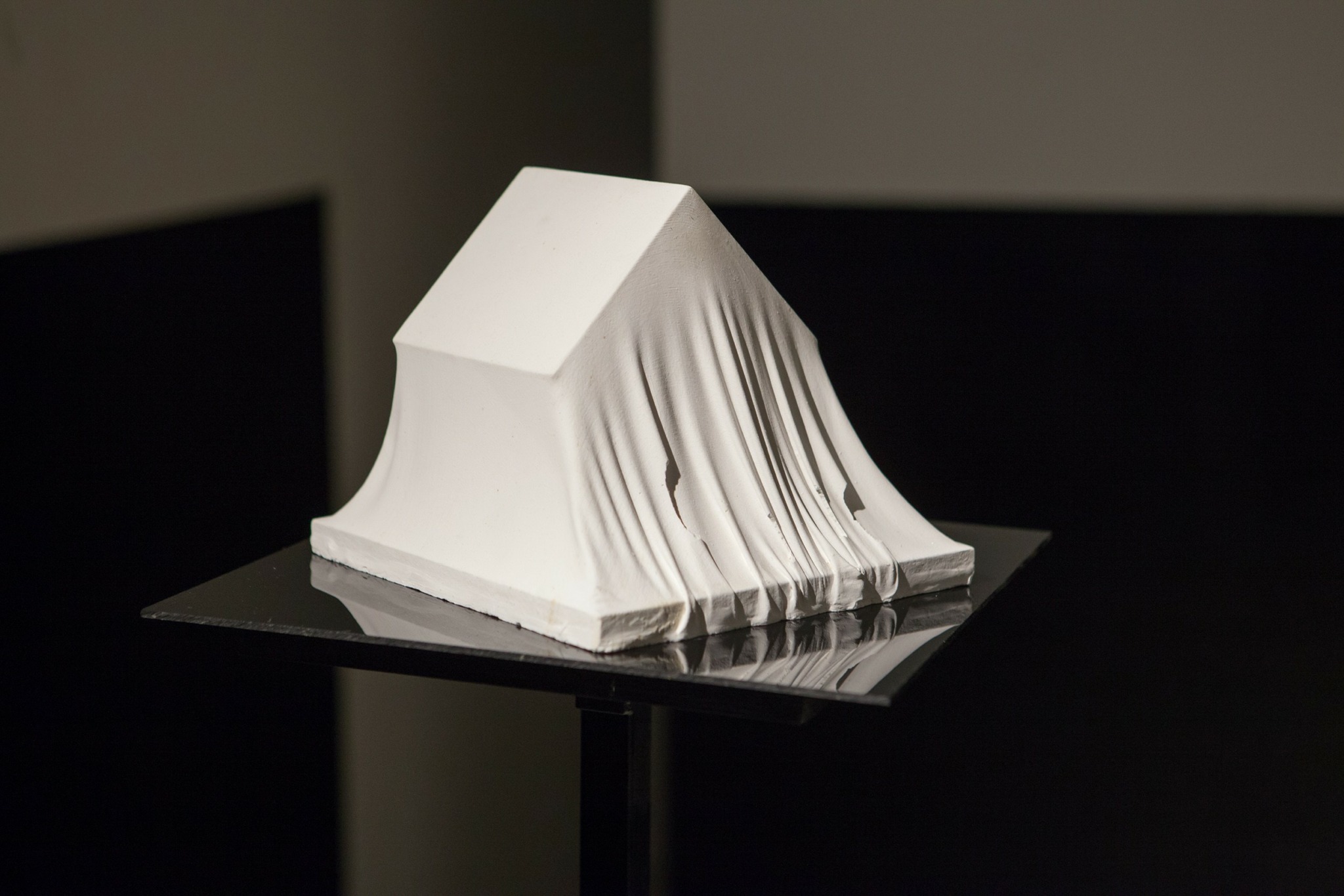
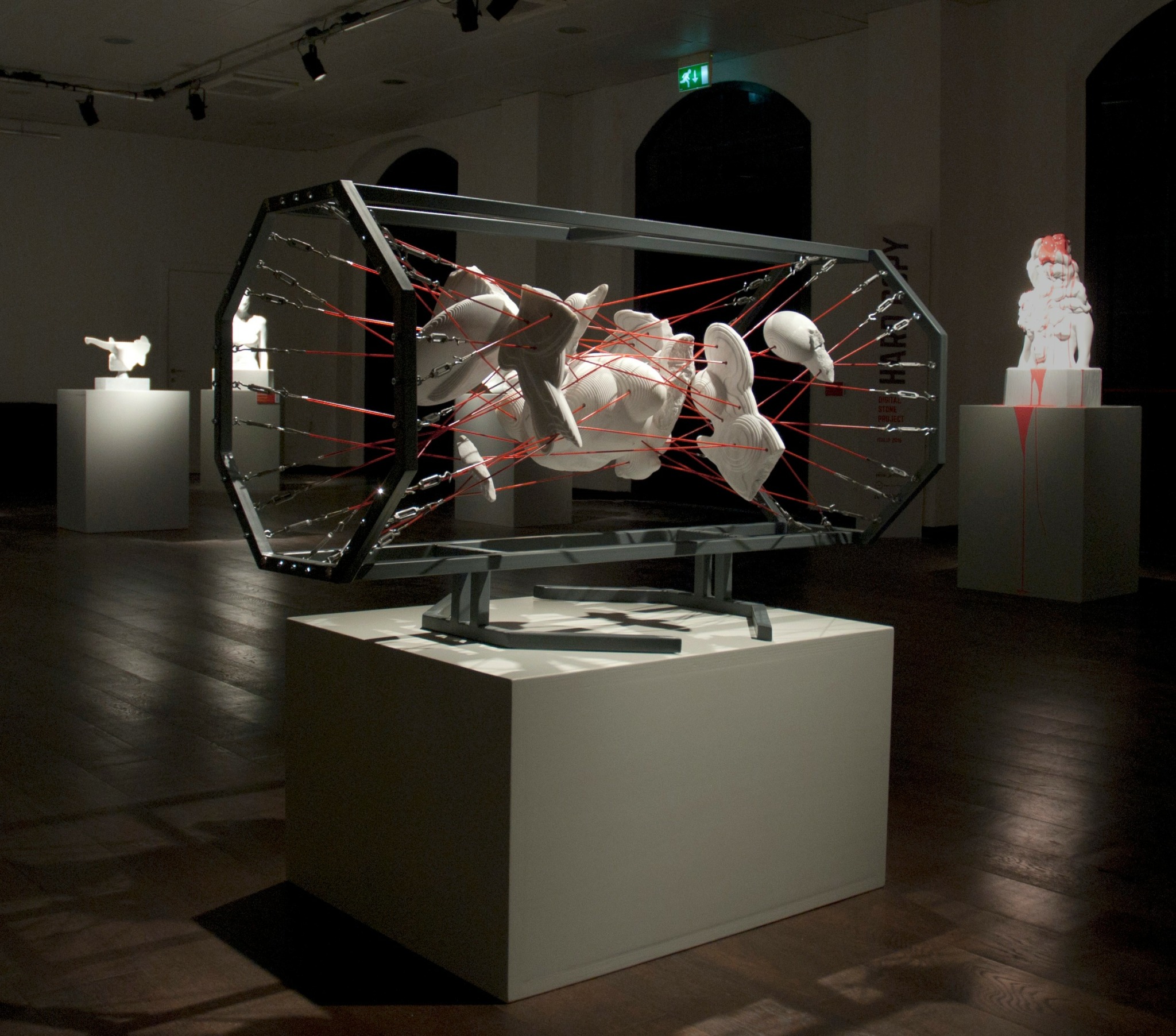
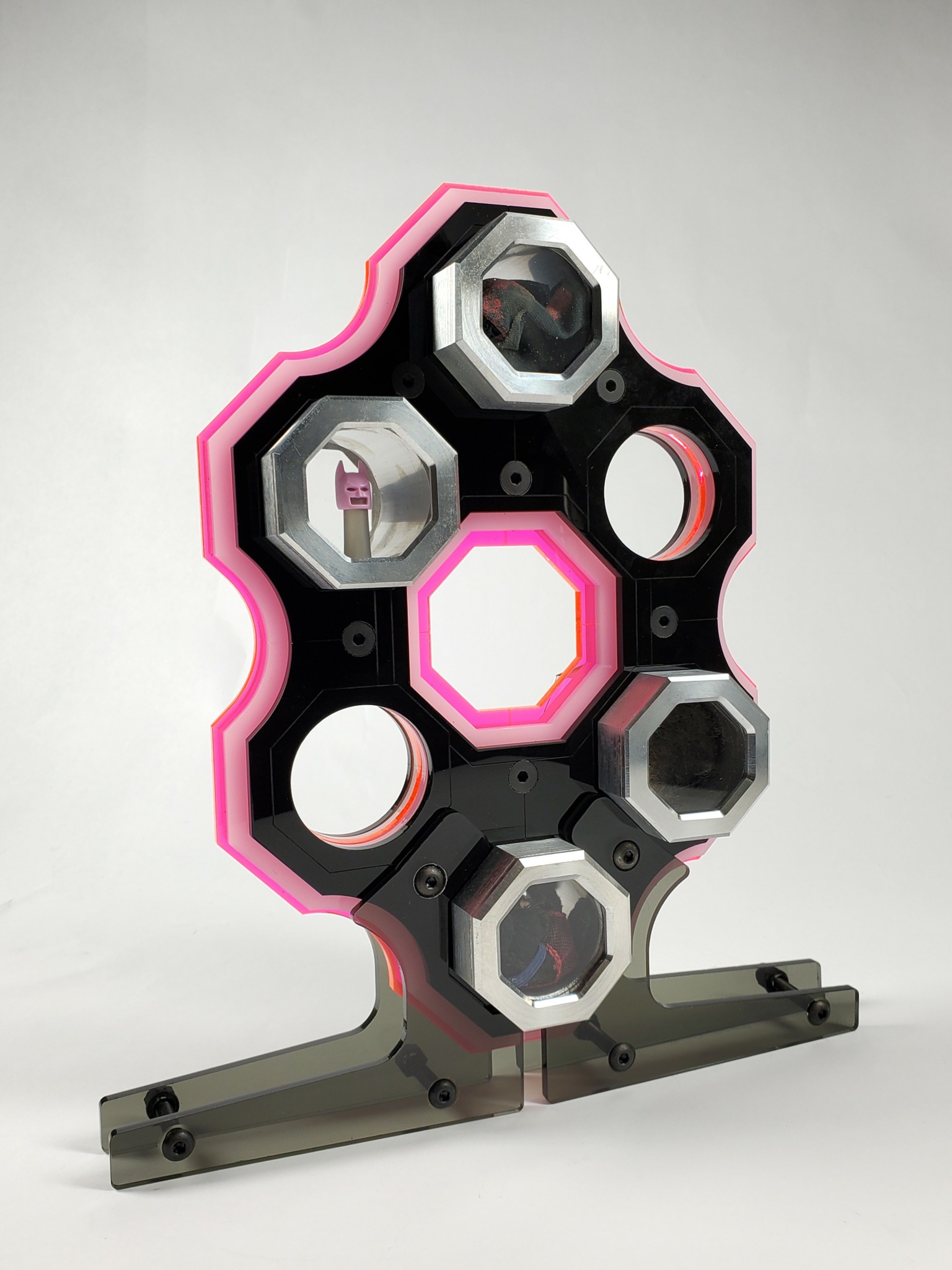
For me, the most meaningful project has been the process of connecting with people through the arts, and through the storytelling that is possible within sculpture, installation, and exhibition. All of my historical and personal research, paired with low and high tech fabrication has allowed me to create a visual language that not only helps me to tell my story, but helps others connect my work to their own experiences. It’s about finding materials and cultivating techniques that help to contextualize a historical moment, an emotion, or a gut reaction. It’s about combining the language of mark-making, with the possibilities of drawing from the sacred, the queer, and the industrial. When I’m able to combine these elements, create tension between them, or draw abstract connections, I am always working to provoke people to think about the meanings that they assign to what they’re looking at, and in space between what i intended, and how people interpret it, there is so much room to understand things in new ways.
Great, appreciate you sharing that with us. Before we ask you to share more of your insights, can you take a moment to introduce yourself and how you got to where you are today to our readers.
My name is Hillel O’Leary, and I’m a culturally Jewish, Non-binary artist, designer, educator, and advocate. I’ve been working in the arts for over fifteen years, and in that time, i’ve always been interested in the potential for change-making in the combination of fine arts, design, and advocacy.
My continuing research is based in a constellation of conceptual investigation, making, and experimentation that draws from Queer theory, post-structural, and post-capitalist philosophy, and hybridized technological and industrial fabrication in the service of creating immersive socially-engaged experiences.
My work engages with these theories by combining experimental work with materials and methods in service of developing new visual languages for expression and connection. I use novel technical fabrication, intuitive making, symbolic formal language of gender roles and queer precarity at the precipice of loss, and select materials and locations that carry the conceptual weight of their production, acquisition, and use. My sculpture, installation, and experience designs are snapshot accretions capturing brief moments of clarity in the continuing process of navigating an increasingly turbulent world. They are an attempt to make meaning between the familiar and otherworldly, while provoking gut-feelings of tension, connection, loss, and wonder, through obfuscation, abstraction and interpretation of material history and culture.
Basically, I believe that mark-making, historical and cultural reference, and methods of fabrication can be combined in ways that provoke us, and help us to question societal norms. In doing so, my aim is to unlearn the strictures of capitalism, and fight the imposition of white supremacy through raising awareness, creating sacred objects and installations that provide reflective space, and make claims of validity for the unheard and unseen.
How about pivoting – can you share the story of a time you’ve had to pivot?
When i graduated from RISD in 2011, I was certain that I was going to go straight to grad school at Yale, or the RCA, or some other prestigious university, but when I applied to these (and several other institutions), i was entirely rejected. I hadn’t gotten in anywhere.
I was totally heartbroken and confused. I was having trouble finding work, and I was trying to make ends meet doing freelance design/build projects. I had been homeless, I’d lived on a couch in a closet, and had finally settled into a tiny studio apartment. I thought I was clearly ready to make it, but things didn’t work out the way i’d hoped, and it would be some time before i landed on my feet again.
I decided that I needed to do something dramatically different, so I (along with my partner at the time) sold everything we could (including my rusty old Ford Ranchero), packed up our essentials in a little sedan, and spent the next six months on the road, trying to figure out where to sleep and how to eat every day. We camped a lot, and saw some really life-changingly beautiful things amidst the challenges. Eventually, our tent was destroyed in a freak storm, and we had to flee to stay with some friends in Texas. while we were there, I got a call that I’d been accepted to the Vermont Studio Center, so I drove for two days straight to get there in time, asking everyone i could think of to borrow some money to help me pay for it. Once I got to Vermont, I met some amazing friends, one of whom connected me to the grad program at Penn State, where I was accepted and got a full ride. It was one of the most important experiences of my life, and my work continues to benefit from all that i learned about myself, how to be resilient, and how to be an artist.
What can society do to ensure an environment that’s helpful to artists and creatives?
In my experience as a creative person, the most challenging thing has been to find stability. Human beings are, by nature creative, and we all need, and benefit from the work of artists, designers, musicians, and other people who are able to give voice or image to the things we care about. We know about what mattered to societies and cultures because of the creative artifacts that are left behind. Art is a reflection of who we are, and it needs to be concretely supported in a number of avenues. This includes sustaining and improving access to creative pursuits for children in schools, providing universal healthcare and universal basic income for artists, and improved investments in local, regional, and national opportunities for artists to grow skills, and connect with paid opportunities in industry. Most artists I know are struggling, or have struggled, and I think we should expect and demand better for ourselves, and for the generations of artists who will have to navigate the same difficulties that we are facing now.
Contact Info:
- Website: https://hilleloleary.com/
- Instagram: https://www.instagram.com/hilleloleary/
- Linkedin: https://www.linkedin.com/in/hillel-o-leary-24899830/
- Other: https://www.tiktok.com/@hilleloleary