



We recently connected with Kerry Kazmierowicztrimm and have shared our conversation below.
Kerry, thanks for taking the time to share your stories with us today Are you able to earn a full-time living from your creative work? If so, can you walk us through your journey and how you made it happen?
I have been fortunate enough to make a full-time living from my creative work for the last two years. For several years before that, I earned about half my living through creative work, and the other half through part-time work as a dog-sitter, personal assistant, etc.
Early on, getting work as a writer came through a wide variety of avenues: answering an ad for a playwriting job on Playbill, getting referred by a friend, introducing myself to artistic directors, etc. My first gig as a video game writer—which is how I now make most of my living—came about, very tangentially, thanks to a show I wrote and produced at the Hollywood Fringe Festival back in 2018. Someone who came to see my play later described it to a director/producer friend of theirs at a pool party. That producer/director reached out to me and asked to option the script for a feature film. The film never got made, but that producer/director had optioned another script with a different director attached. That other script needed a rewrite, and I was recommended to rewrite it. Through that process, that film’s director became a big fan of my work. He has a background in writing and directing for video games, and when I said I was interested in working in that medium, he began to refer me for multiple projects, several of which I got to work on. I would not have the career I have now if it wasn’t for the play I produced at the Fringe Festival years earlier.
Kerry, before we move on to more of these sorts of questions, can you take some time to bring our readers up to speed on you and what you do?
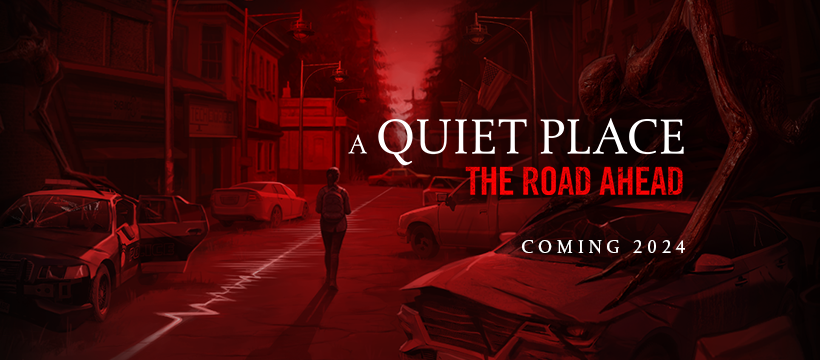
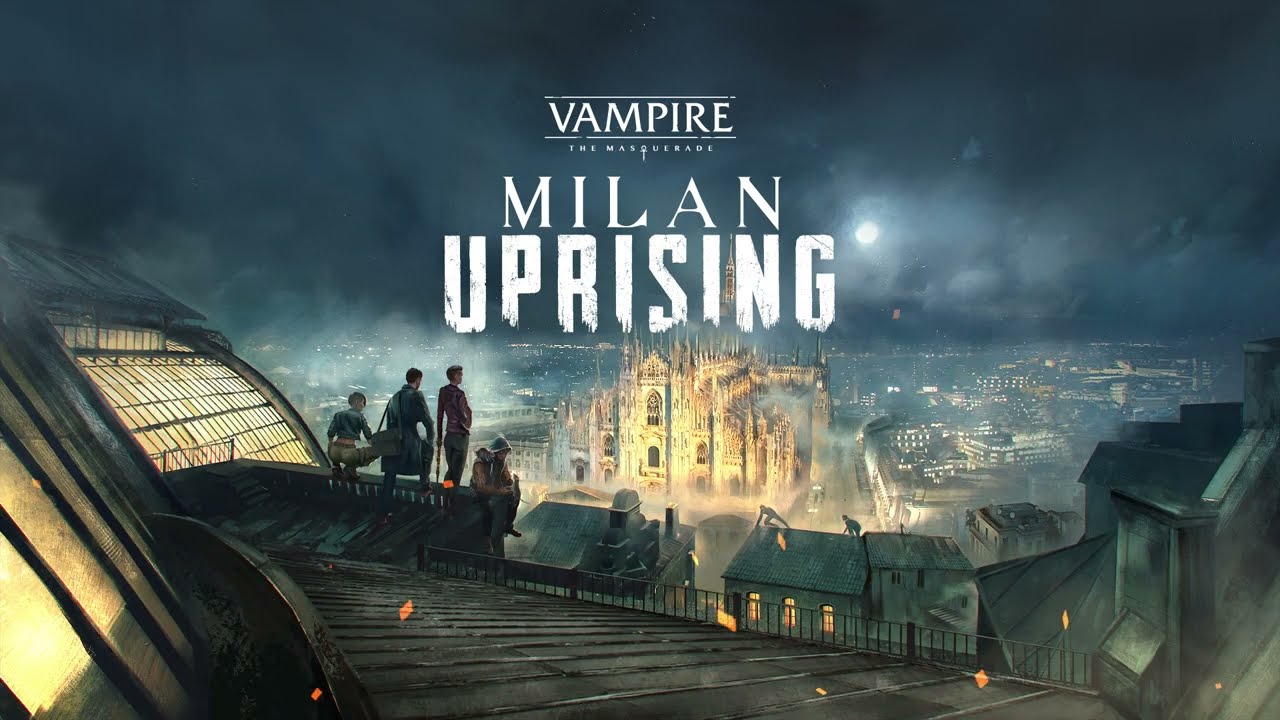
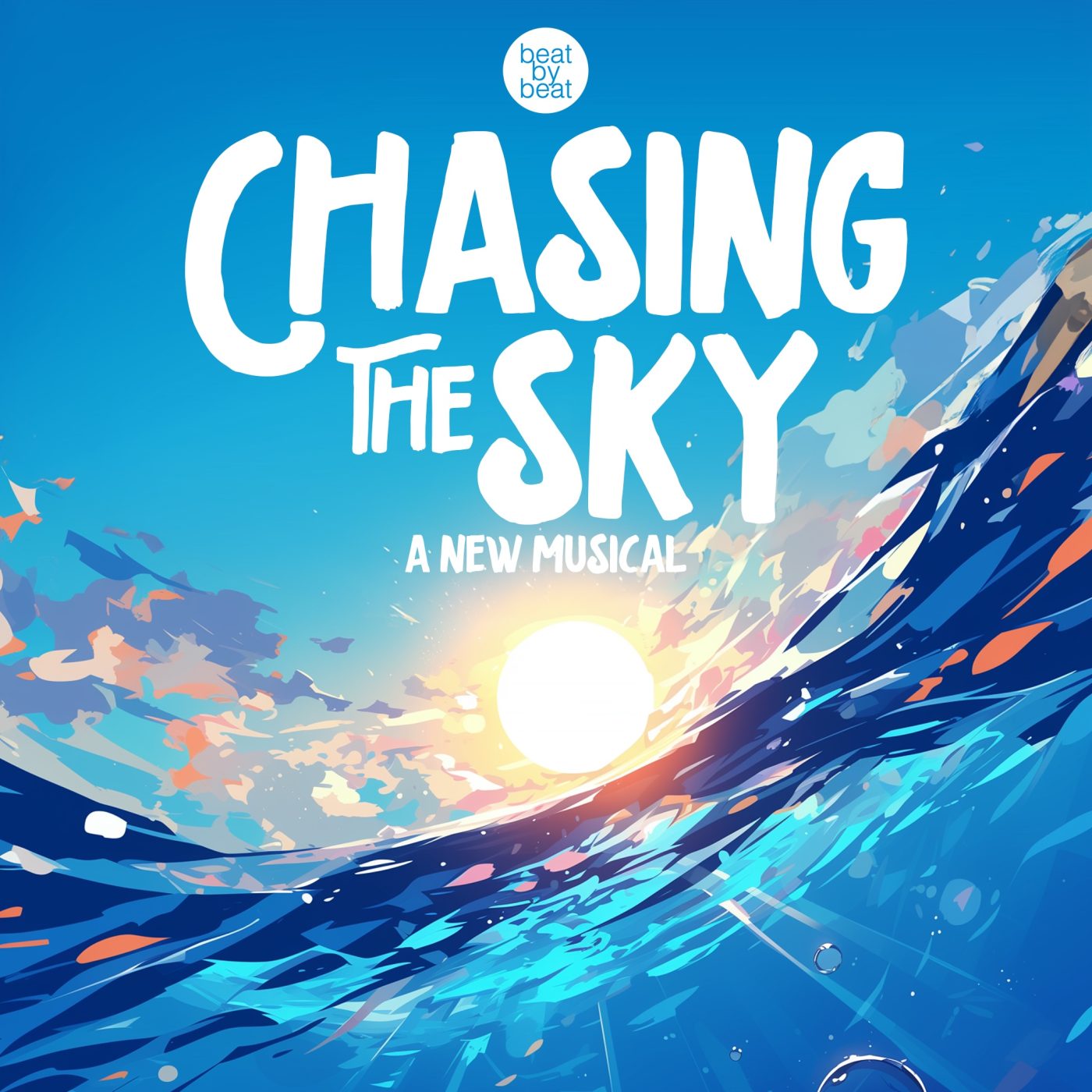
I am a writer with over thirteen years of experience working as a playwright, video game writer, and screenwriter. Over 700 productions of my plays and musicals have been staged in 20 countries. 10 of my scripts have been published, and six studio recordings of my musicals have been produced. CHASING THE SKY, a musical I co-wrote, has been enjoying an open-ended run in Poland since Spring 2023. I have two video games I worked on—A QUIET PLACE: THE ROAD AHEAD and VAMPIRE THE MASQUERADE – MILAN UPRISING—coming out in Fall 2024, and another video game (unannounced) coming out in 2025.
I am a writer with PTSD, ADHD, depression, and am on the autism spectrum. For a long time, I was undiagnosed. I use these experiences, and my empathy for those struggling to articulate what they’re going through, to inform my work.
I think the reason I’ve excelled in multiple mediums is because I’m incredibly comfortable working in a wide variety of collaborative environments. I’m just as a comfortable building a new show from the ground up with a composer and lyricist, as I am jumping into a video game a year into its development and figuring out how to get the story on track so it feels cohesive with the gameplay and world the developers have already built.
I think a lot of people try to come into a project and immediately have all the answers. When I join a project, I’m very big on asking as many questions as possible. I have found that leading from a place of curiosity allows for a better collaboration (because my collaborators feel heard), which almost always ends with a stronger product.

We often hear about learning lessons – but just as important is unlearning lessons. Have you ever had to unlearn a lesson?
Early on, when I was a screenwriter in Hollywood, I was told to essentially accept any note I was given without question. While arguing about a note won’t get you very far, I’ve actually found questions to be a reasonable route, as long as it’s clear that I’m genuinely curious to learn more about the person’s reason for giving the note. There’s a distinct and important difference between asking questions to better understand a note, and questioning someone’s note. The former shows interest in the person’s perspective, and helps you figure out the issue the note is really trying to solve (“the note behind the note,” as it’s often called); while the latter can make the note-giver feel defensive, and hurt the collaborative process.
When I was younger, I was taught I shouldn’t ask any questions, so I would dutifully write down notes I didn’t fully understand and incorporate them into the script. Unfortunately, because I didn’t fully comprehend the note, it caused the integration into the script to feel forced. As I grew more comfortable as a writer, I was able to ask more questions, so when I did incorporate a note, I really understood why I was doing it.
Have you ever had to pivot?
I still write musical theatre, but at one point it became very clear that, outside of having a show on Broadway, it would be very difficult to earn a consistent living as a musical theatre writer. However, receiving my MFA in Musical Theatre Writing put me through a figurative bootcamp of learning to collaborate with people of all different styles and backgrounds; and I knew that video games required collaboration with people in a wide variety of departments, many of whom would have backgrounds incredibly different from my own. I believed that I could take the collaborative skills I learned as a musical theatre writer and transfer them to video games. Even though the terminology and development processes are very different, that key skill of working to understand someone with a unique artistic lens is what’s allowed me to pivot from medium to medium.
Contact Info:
- Website: https://www.kerrykaz.com
- Instagram: @kerrykaz
- Linkedin: https://www.linkedin.com/in/kerry-kazmierowicztrimm-a5884730/
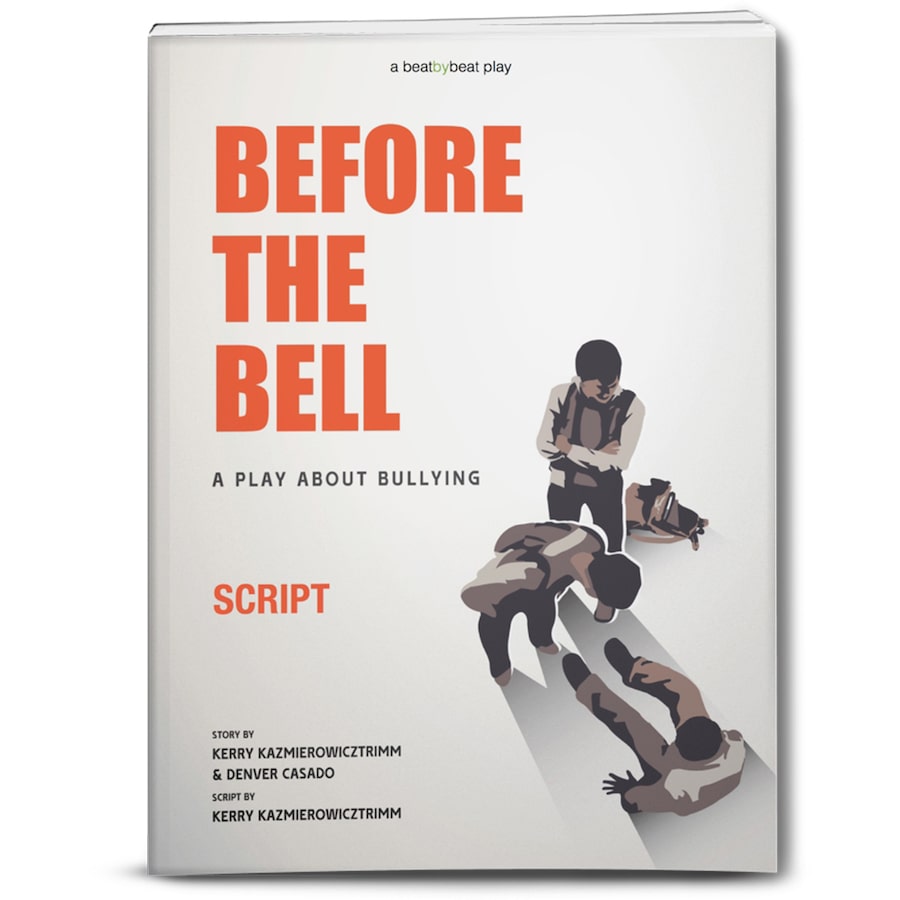
Image Credits
“Wounded” Poster—Matthew Hill