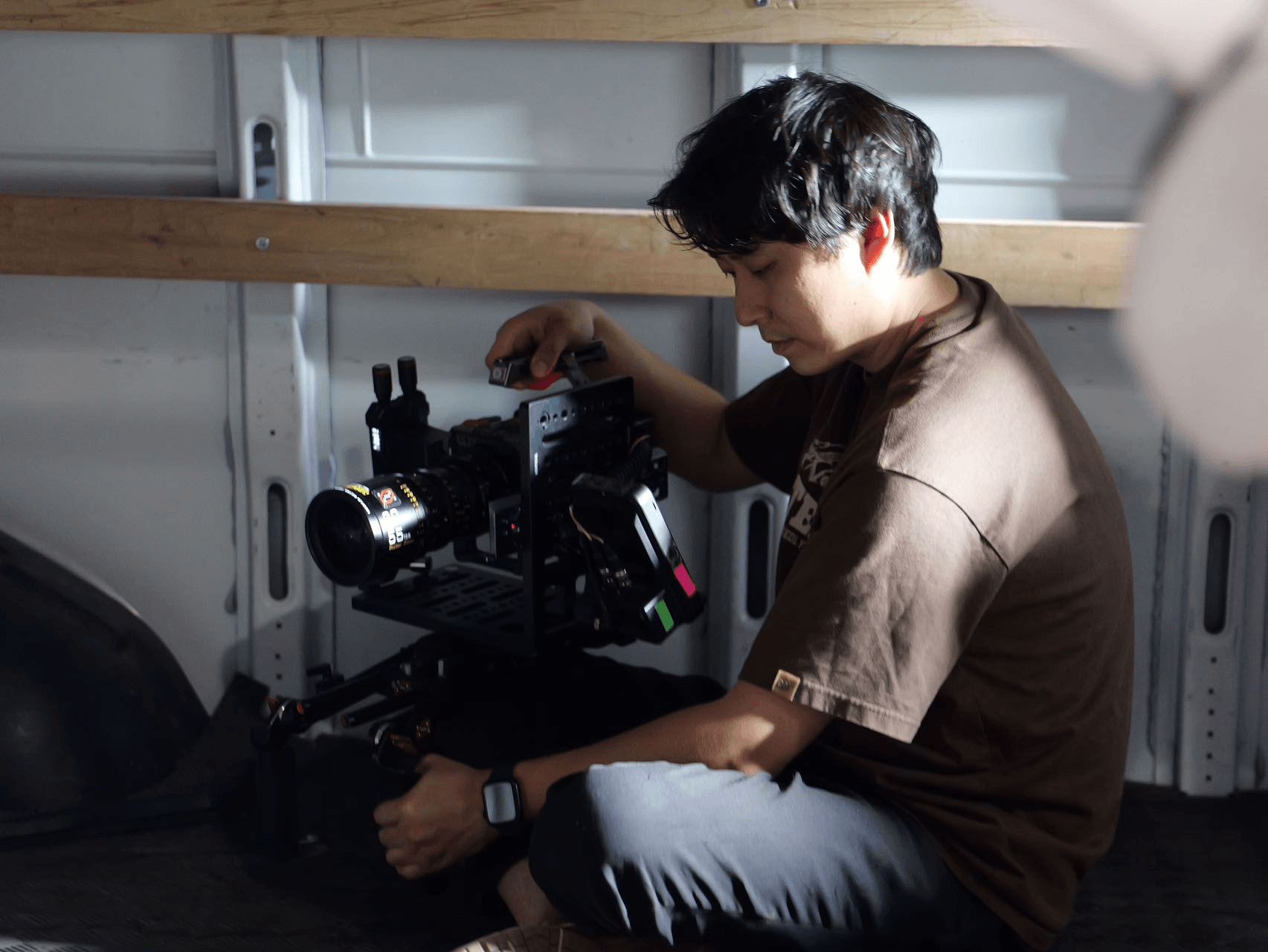

We caught up with the brilliant and insightful Hao Yan a few weeks ago and have shared our conversation below.
Hao, thanks for taking the time to share your stories with us today Let’s jump right into the heart of things. Outsiders often think businesses or industries have much larger profit margins than they actually do – the reason is that outsiders are often unaware of the biggest challenges to profitability in various industries – what’s the biggest challenge to profitability in your industry?
I believe many directors, like me, enter the industry with a romantic vision, thinking that their unique perspective on film will be enough to pay the rent or that if they had the chance to direct their own movie, it would definitely be a hit. However, the reality is that the market often dictates whether this project is on or not. On one hand, there is a need to please the market and the audience, while on the other hand, there is a desire to maximize the display of one’s uniqueness as an artist. In some short series I’ve been working on, there were conflicts between directors and producers for similar reasons. Producers, aiming to cater to the market and the audience, would try to control the director’s creative desires, while the director would constantly try to break free from these constraints. The balance between profitability and creative expression has always been a significant challenge for directors and producers.
For industry workers, maintaining a consistent and stable income is a century-old challenge in this industry. Many actors I know have second jobs. Apart from the glamorous Hollywood stars, it’s very difficult to cover living expenses solely through film work.
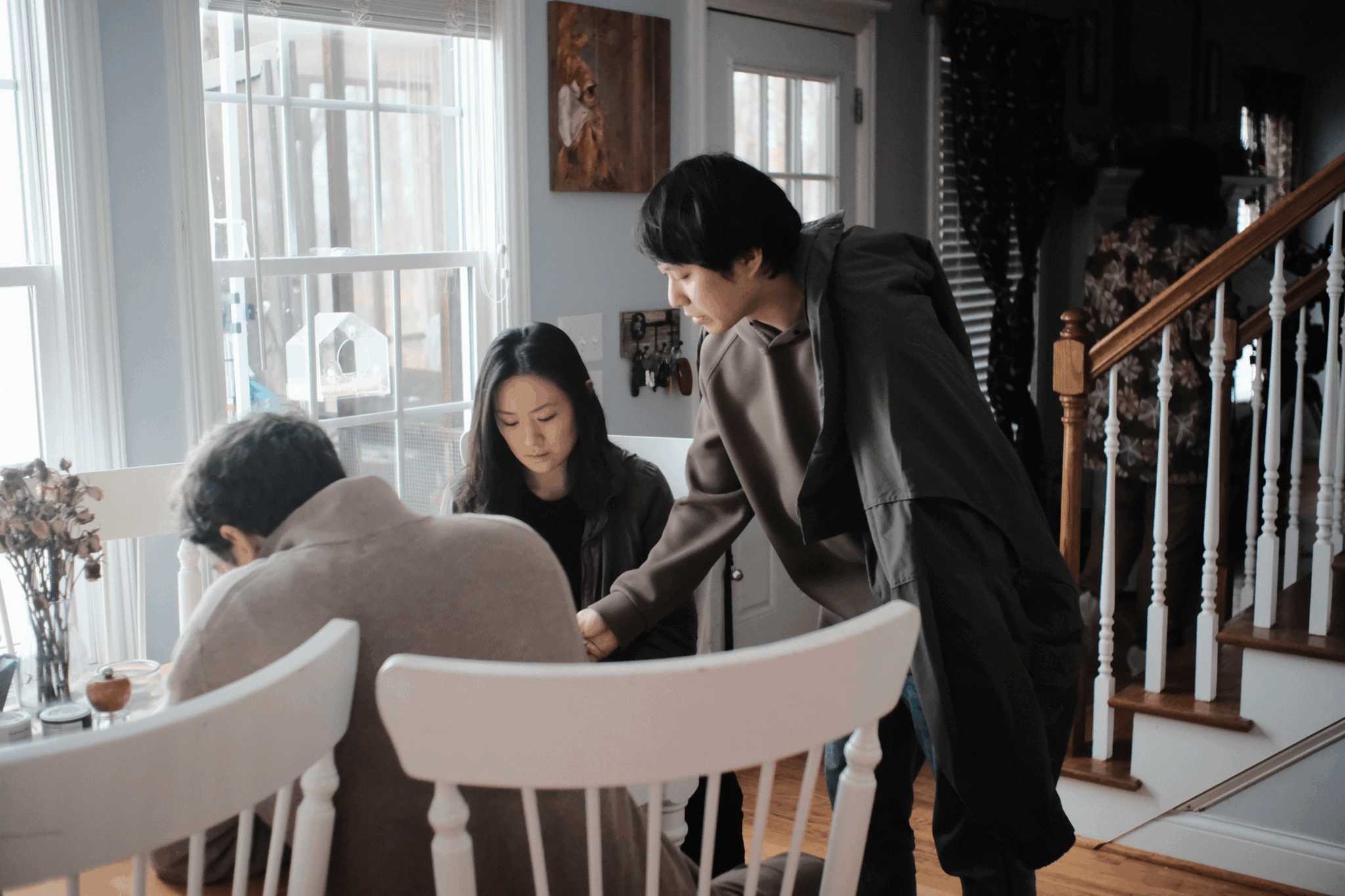
Hao, before we move on to more of these sorts of questions, can you take some time to bring our readers up to speed on you and what you do?
I am a director and cinematographer, I help people visualize their concepts in their minds. I switched my major twice back in undergraduate school, I’m interested in everything, but it was difficult for me to choose a certain major and dedicate it to my lifetime. So it led me to a mind journey to seeking what is the subject to which I could commit myself for decades. the term “film,” which I had long buried, pops up in my mind again. I have been a film enthusiast since childhood. When I was in elementary school, I once told everyone my dream was to become a director like Hitchcock, even though I had no idea who Hitchcock was; I only knew he was frequently mentioned on my favorite TV show about movies. As I continued my school life, the idea of pursuing film was slowly buried just because it was not a “rational” decision. But I was very glad that it reemerged at this crucial point in my life, so I chose film studies without hesitation.
I think it’s really important for a director to stay curious in life. A lot of interesting ideas come from the daily routine, and that requires building up your raw database in your mind. When I was a kid, I used to daydream a lot in class. I’d create images based on books, desks, classrooms, or an unforgivable movie scene I’d watched. These daydreams could last for an hour, with me just staring at one spot, lost in thought. When I studied directing later on, I realized that what I was doing as a kid was basically creating storyboards in my head. If I hadn’t been such a movie lover back then, I wouldn’t have had so many images to work with. This reminds me of the first music video project I’m pretty proud of—a Western-style music video. It was a school assignment during my master’s program, and I put a ton of effort into it. The moment I heard the song for the first time, the visuals popped into my head. I ended up spending a good amount on costumes, production design, and the location, but it paid off because the video won some awards at film festivals, which was a huge boost for me.
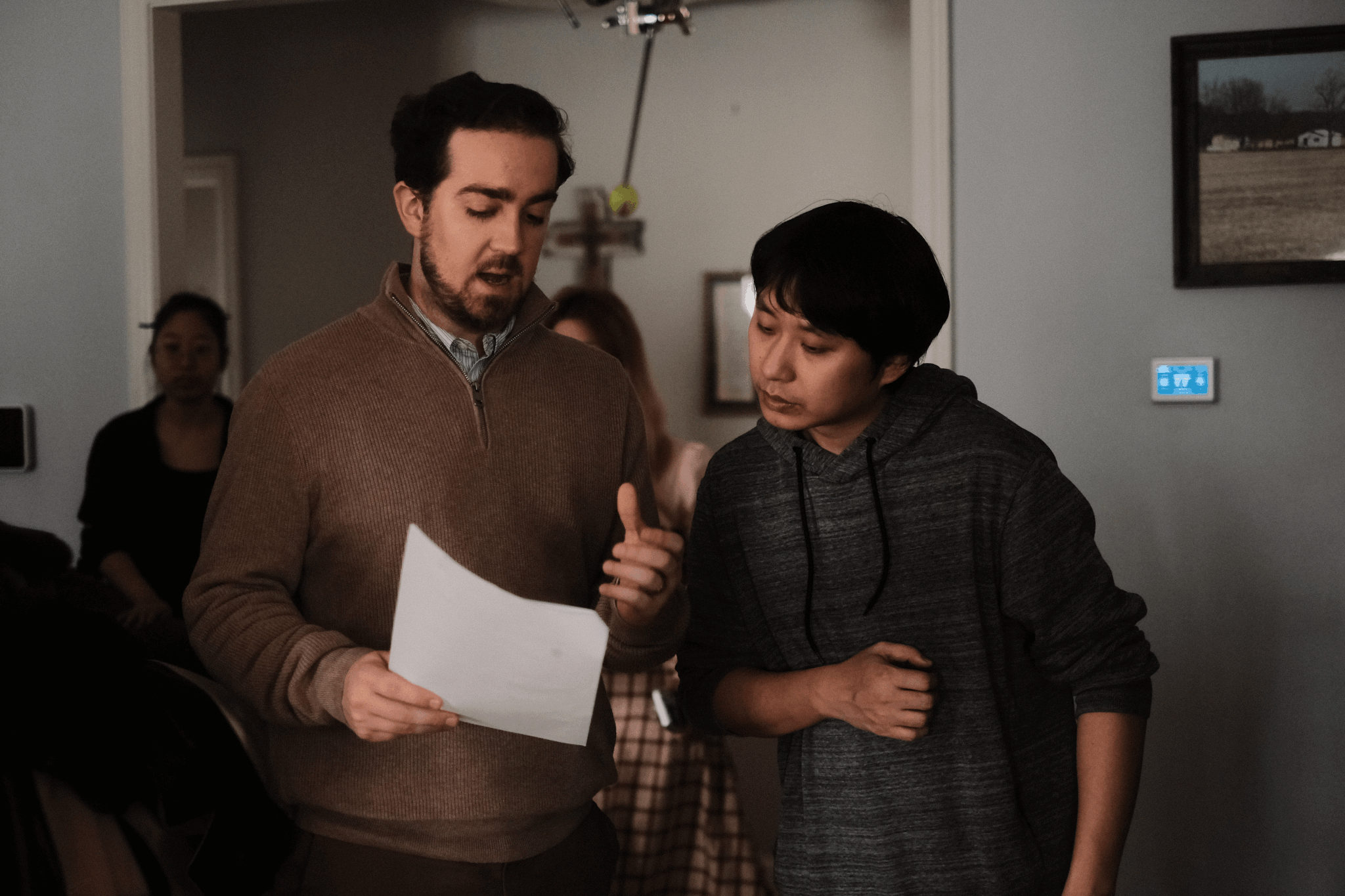
Learning and unlearning are both critical parts of growth – can you share a story of a time when you had to unlearn a lesson?
During the first year of my master’s program, I made a short film for my final project, and it turned out to be one of the most painful and embarrassing experiences I’ve ever had. The assignment was to tell a story in three minutes, and I was confident, even a bit smug, about what I thought was an extremely clever narrative. But after the screening, I realized it was a complete disaster. That was the first time I truly understood that, as a storyteller, solid preparation is more important than just having a creative idea.
I used to make the mistake of getting too caught up in my own creative storyboards, visuals, dialogue, or plot, forgetting how difficult the execution might be. For example, I once imagined a long shot that would move from the sky down to a person to show the surreal nature of a dream. But I didn’t realize how challenging that would be to shoot, especially with just a Canon C100. After going through many failures that made me doubt myself, I finally understood that while creativity is cheap, the ability to tell a story is truly valuable. Even simple concepts can become captivating in the hands of a skilled director because they have the experience and the knowledge to bring out deeper meaning.
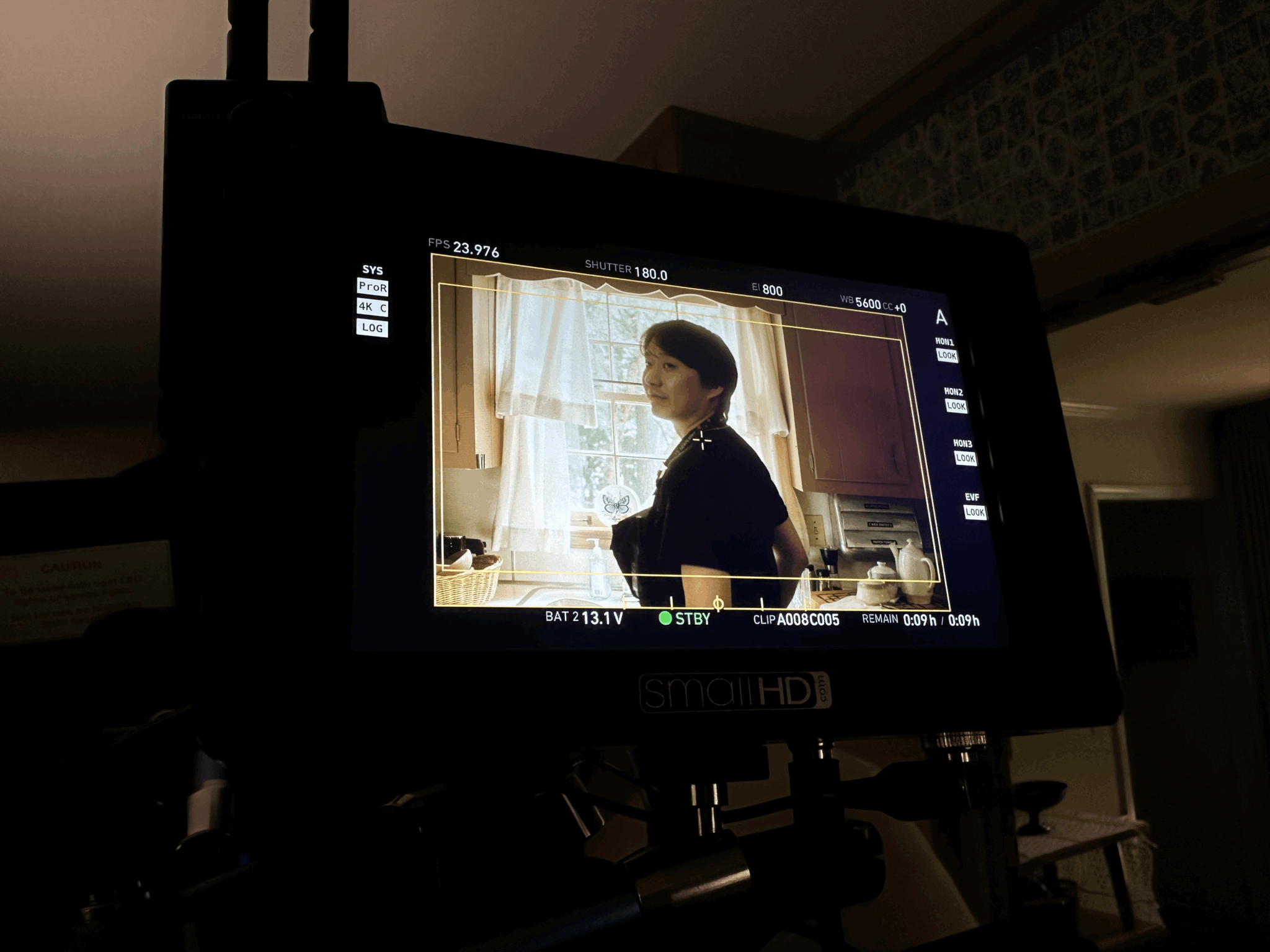
For you, what’s the most rewarding aspect of being a creative?
I’ve always believed that an artist’s work is meant to reflect and resonate with people on a deeper level. Film directors, for example, create entire worlds to tell a story, and if that world is built well enough, the audience will get completely immersed in it. Whether it’s a comedy, tragedy, or horror film, if the audience feels something because of the world I’ve created, that’s the biggest reward for me. I think this holds true for other forms of art as well.
Contact Info:
- Instagram: https://www.instagram.com/hao_yan3?igsh=bHpvZzZhMnRsNTV6&utm_source=qr
- Linkedin: https://www.linkedin.com/in/haoyan605
- Other: Email: haoyanxd@gmail.com