We’re excited to introduce you to the always interesting and insightful Cécile Roberfroid. We hope you’ll enjoy our conversation with Cécile below.
Cécile, looking forward to hearing all of your stories today. Can you open up about a risk you’ve taken – what it was like taking that risk, why you took the risk and how it turned out?
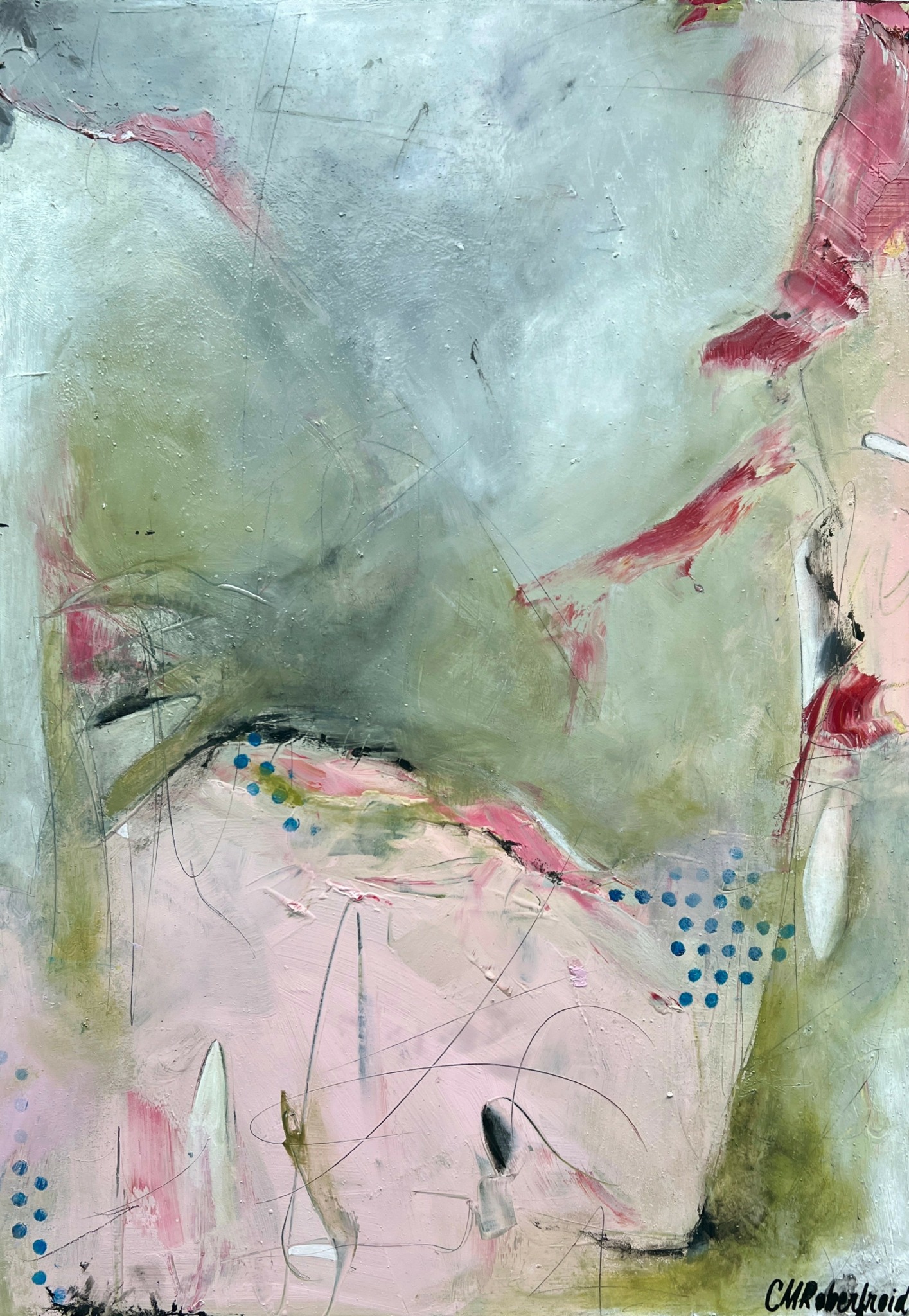
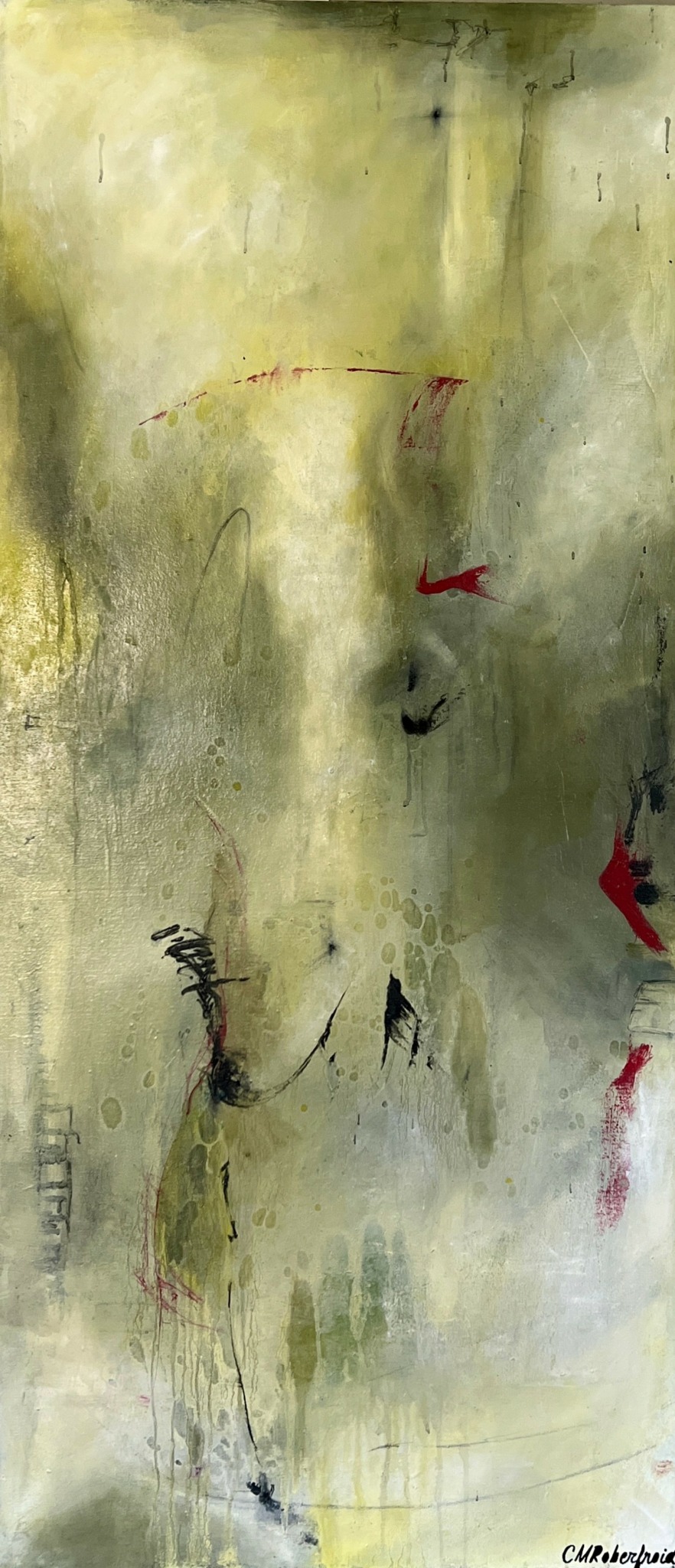
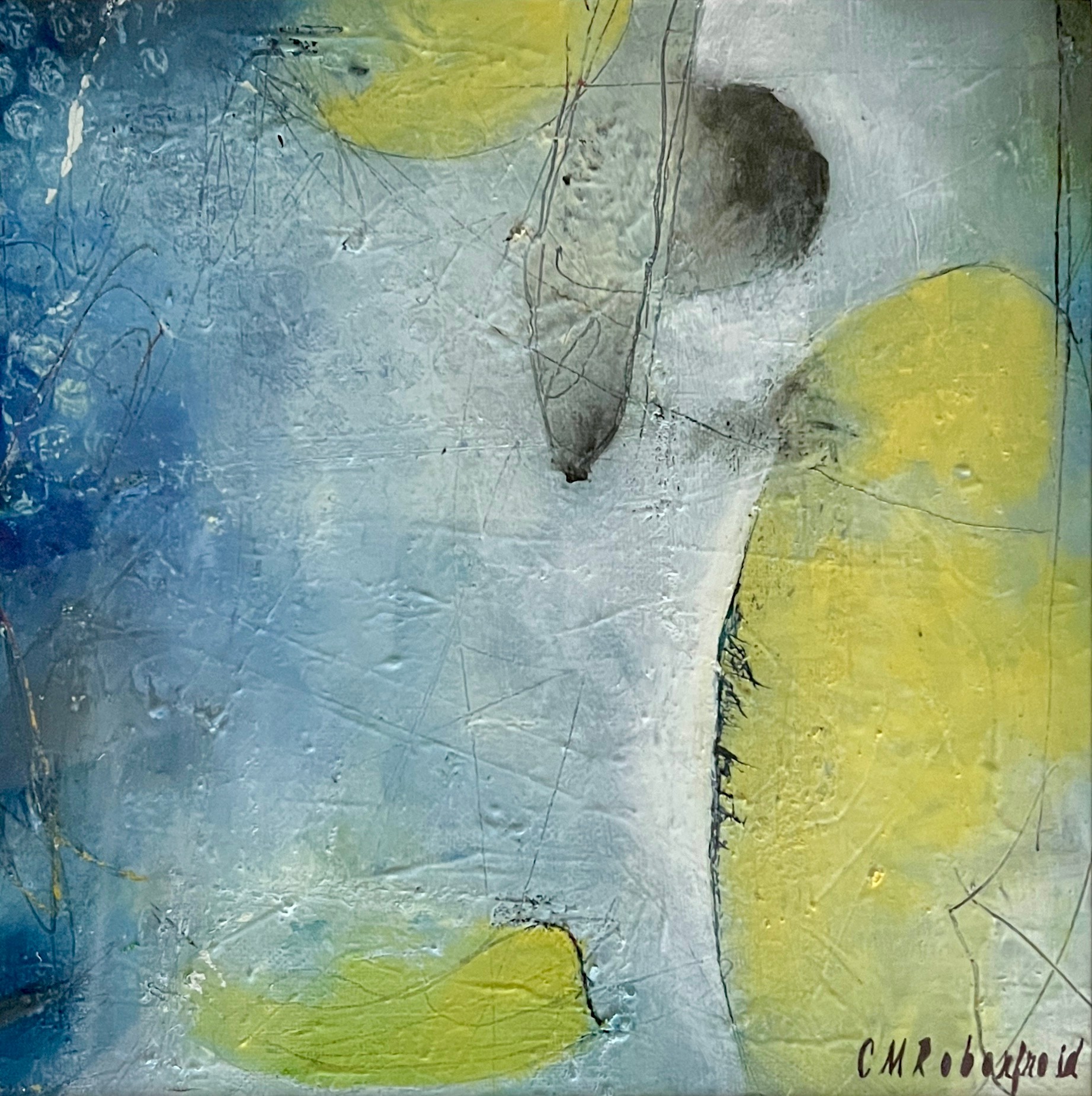
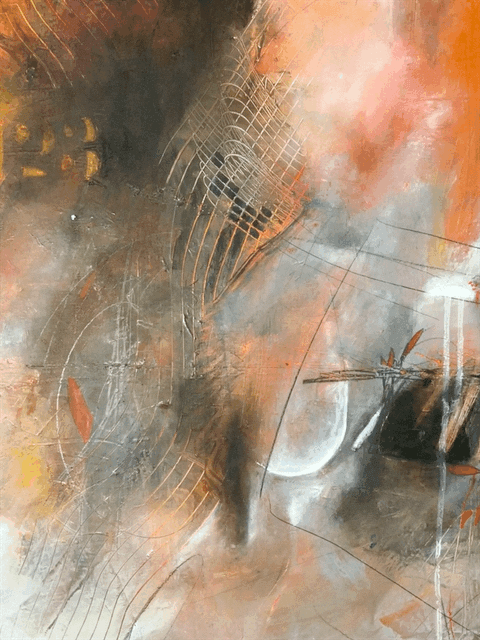
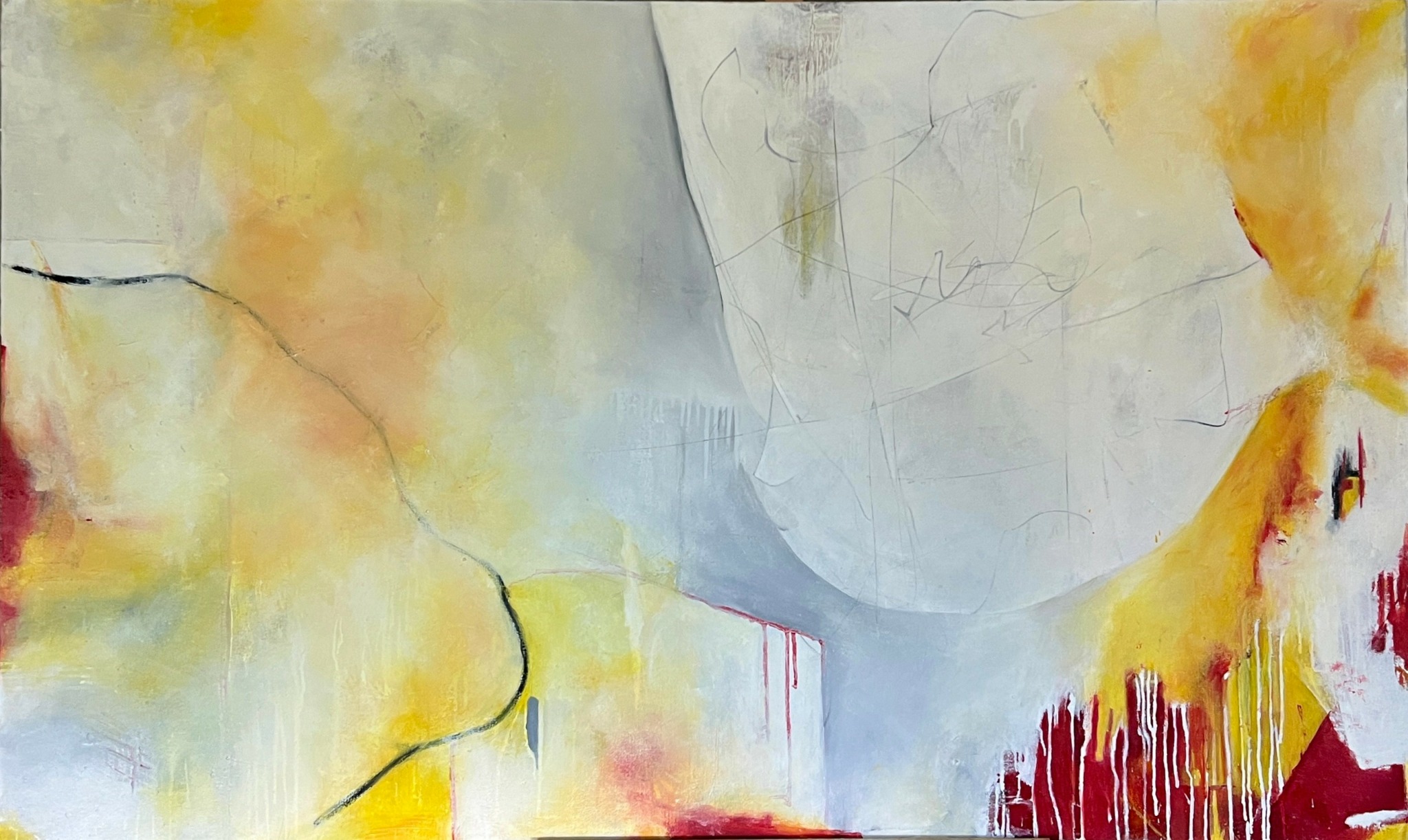
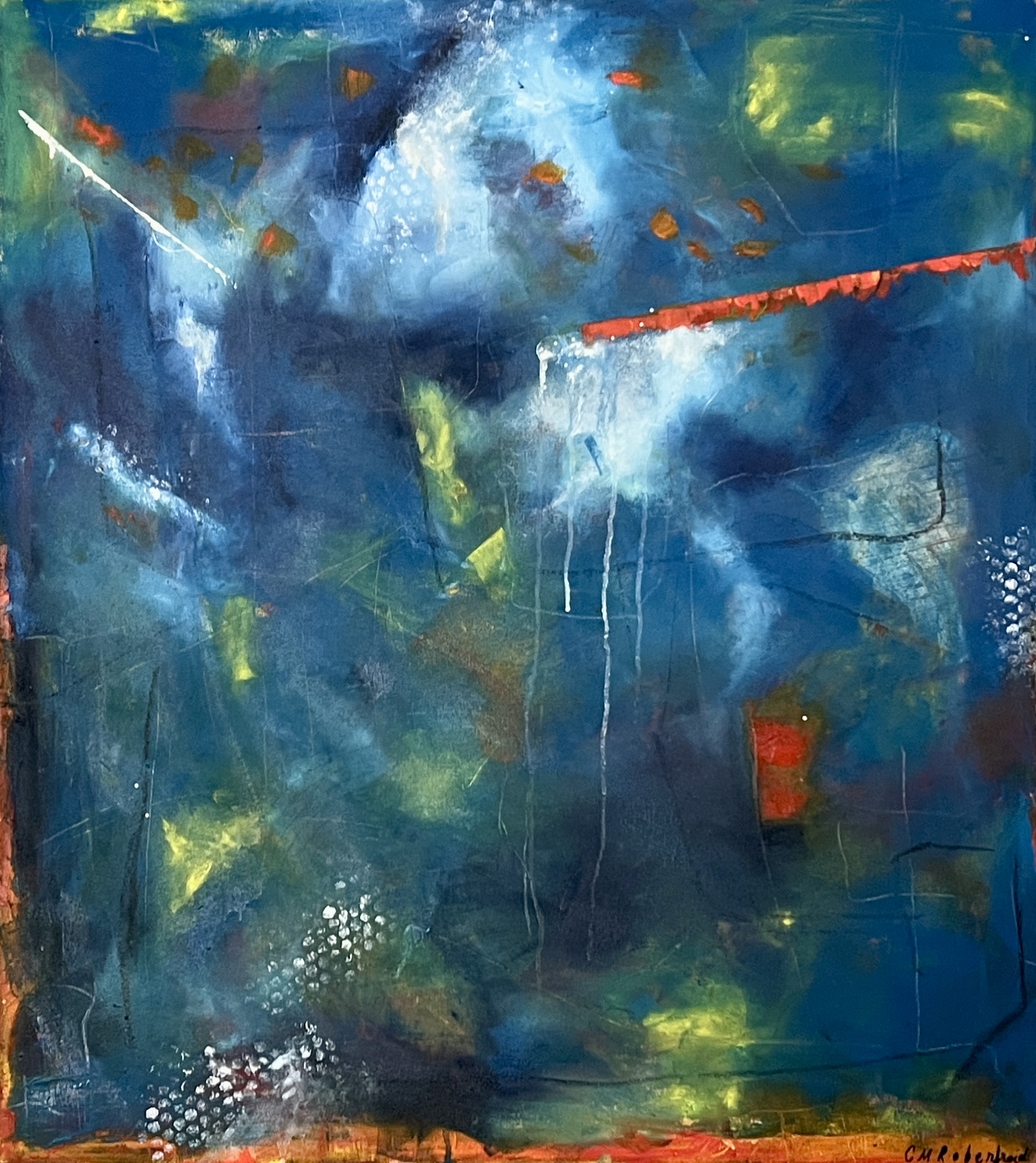
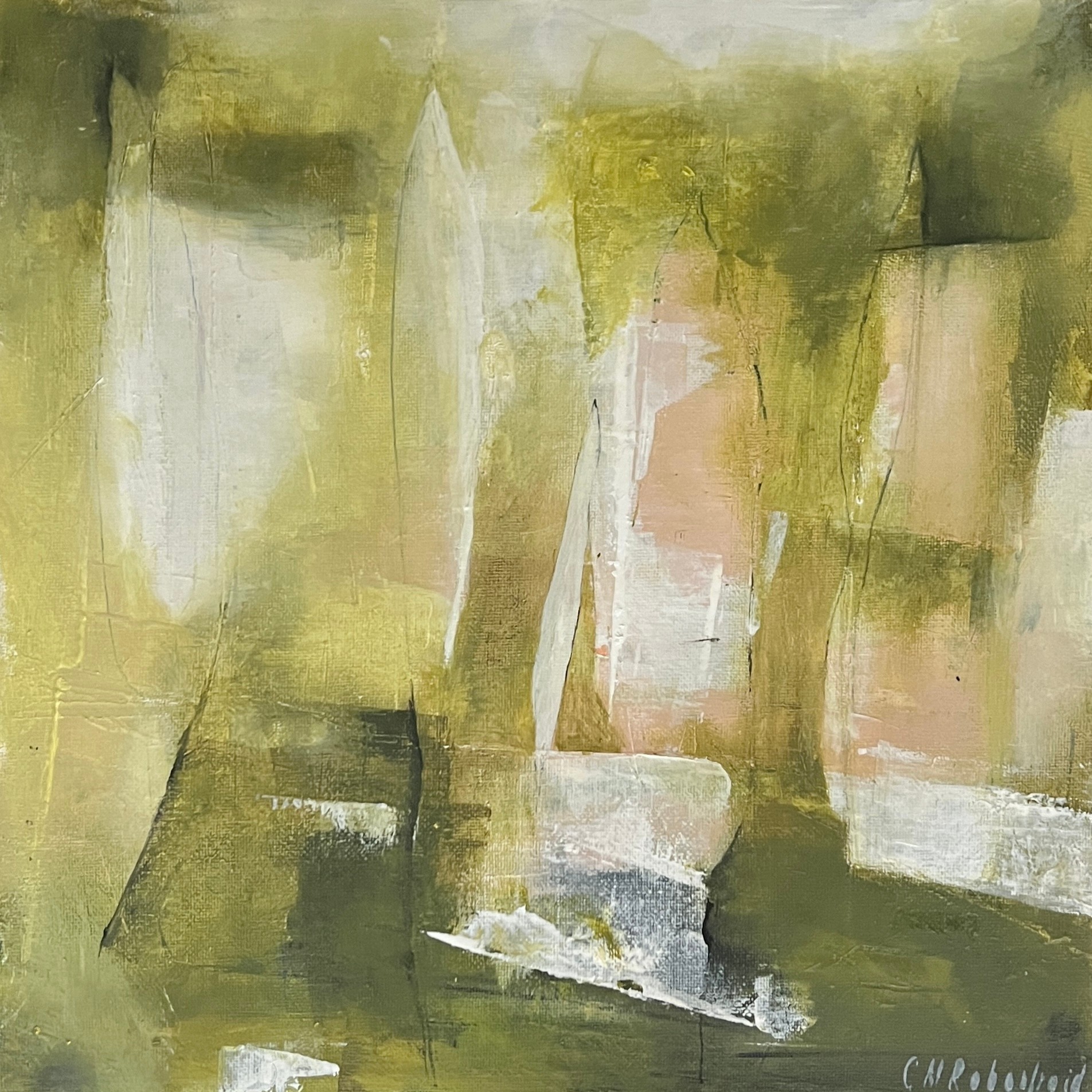
As an abstract intuitive oil painter, each time I approach the canvas, I embrace the inherent risks of the creative process. My process is intensely personal, with emotions and instincts guiding each bold, uncertain stroke. I start with a loosely chosen palette, but it’s the willingness to abandon control that truly shapes my work. I take deliberate risks—letting go of elements I’ve grown attached to, covering up what feels safe, and challenging myself to break free from the familiar. These risks are not just part of my process; they are the driving force behind my art, pushing me to explore uncharted territories of color, form, and expression. Through this fearless experimentation, my work continually evolves, reflecting the courage to step into the unknown with every painting.
Awesome – so before we get into the rest of our questions, can you briefly introduce yourself to our readers.
From a young age, art has been my anchor, providing balance in my life. This deep connection led me to attend art school with the dream of becoming an art therapist. Over the years, I worked as an Art Therapist, in a field where art was transformative—it moved people, guiding them to profound realizations, and helping them grow stronger and more resilient. Art was more than just a tool; it was a conduit for healing, offering profound meaning as I helped others recover and rediscover themselves through creative expression.
Art has always been a pillar in my life, providing stability and centeredness. Whether crafting or engaging in formal artistic endeavors, creating has been essential to my well-being. Recognizing its healing power in my own life, I felt compelled to create, ultimately leading me to pursue a career in art.
For many years, I engaged in creative projects finding balance in my life, but eventually, returned to my passion for oil paints. I paint intuitively, letting the paint, colors, shapes, and marks guide me. Each painting is a part of me, telling a story or expressing an emotion. Through lines, shapes, and colors, I convey my innermost feelings, finding that abstract expression feels both honest and safe. Painting has become a profound love—something that not only brings me joy but also helps me understand myself and the world around me. Without it, I wouldn’t feel whole.
What do you find most rewarding about being a creative?
For me, being a creative person is a profound gift, it is a unique way to communicate with the world. Creativity allows me to express myself visually, offering a safe outlet for my innermost feelings. Whether I’m tackling uncomfortable topics or deeply personal issues, art gives me the freedom to explore them without fear of judgment.
I believe that creating art is both cathartic and healing. Having worked in the field of art therapy for many years, I’ve witnessed the transformative power of art firsthand, the way it can bring relief and change to those in distress. Personally, I’ve found solace in my own creative process, using art to work through emotions that were too difficult to articulate. Through making art, I’ve healed myself, finding a safe space to address challenging issues.
Art has become an integral part of my life, a refuge that I cannot imagine living without. It helps me make sense of my experiences and the world around me, providing clarity and comfort in a way that nothing else can.
In your view, what can society to do to best support artists, creatives and a thriving creative ecosystem?
I believe that art, in all its forms, is imperative to the world and deeply influences how society organizes itself and how we view and treat each other. In today’s society, art is too often confined behind the walls of museums and galleries, spaces where not everyone feels welcomed. Art should be accessible to everyone, allowing all people the joy of experiencing it.
Art should also be a central and important part of education, not an afterthought. As a society, we should value art as much as mathematics because through art, we can gauge the pulse of a society. Consider the Lascaux caves in France, with paintings that are 17,000 years old. These caves tell stories about the people of that time—their lives, loves, wars, struggles, and beliefs. All of these elements are primal to humans and are often communicated through art. Art today continues to reflect society and should be embraced as a common form of expression.
Public art is a growing movement, and we need to continue to push for it. Art doesn’t just beautify our world; it reflects our society’s heartbeat and translates the values, beliefs, rituals, and traditions that define us. Making art more accessible and available to all will foster a deeper understanding of its importance. It will also encourage the creation of art and elevate artists to a more respected position in society. I look forward to a time when artists are as respected as engineers.
Contact Info:
- Website: https://cecileroberfroid.com
- Instagram: cecile.roberfroid.art
- Facebook: cecile roberfroid art