

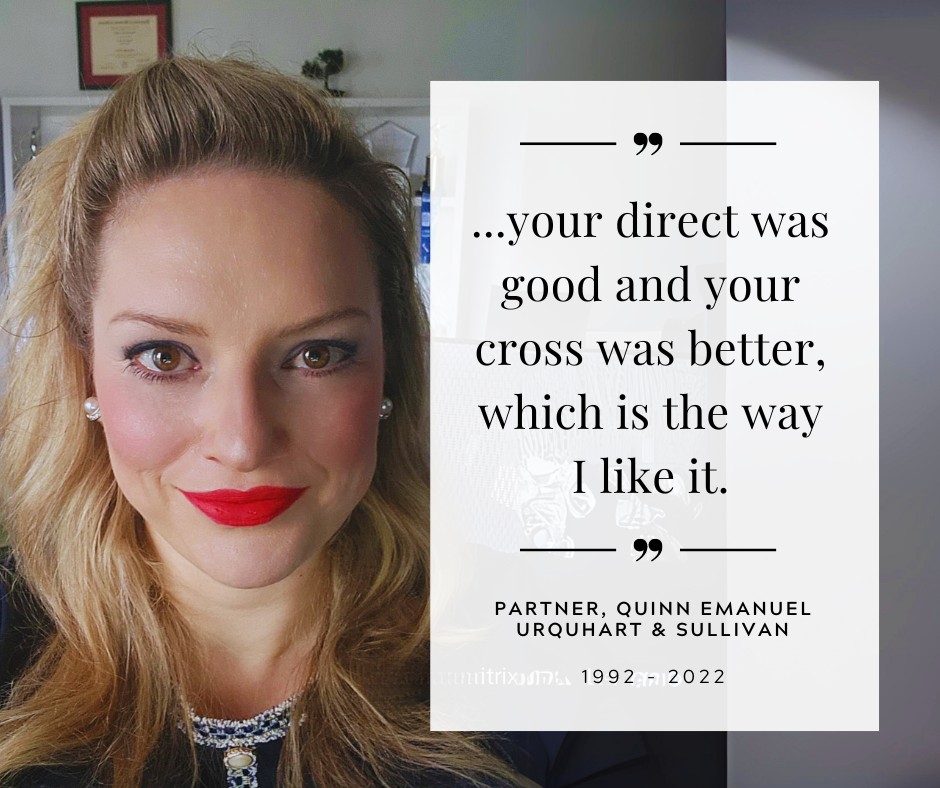

We recently connected with Cedar Boschan and have shared our conversation below.
Cedar, looking forward to hearing all of your stories today. We’d love to hear from you about what you think Corporate America gets wrong in your industry and why it matters.
Many assume that all accountants are CPAs (certified public accountants), when, in fact, that is a specialized license, which happens to be irrelevant to many of the services our firm provides, although we are indeed accountants.
Namely, a CPA certification, and even a CFF or CFE fraud certification, simply does not train an individual for the work our accountants do, such as royalty accounting, IP valuation, and copyright damages calculation and rebuttal, all of which require specialized knowledge and skills in intellectual property and industry-specific financial analysis. Forensic accounting is accounting for a legal purpose, so it straddles the worlds of accounting and law, so expertise in the relevant aspects of both fields are required.
For example, USA CPAs who do financial audits attest to their clients’ compliance with generally accepted accounting principles, while royalty auditors audit on a consulting basis adverse parties’ compliance with legal contracts and arcane statutes (i.e., the standards for each audit are unique and the purpose is different). These are differing areas of expertise and quite differing dynamics between the auditor and the party who is subject to audit.
Therefore, while some forensic accountants in general (and staff at our firm in particular) are CPAs, others are not, and most CPAs find that it no longer makes sense to maintain their license when they have a successful career as a royalty auditor, royalty accountant, or an IP valuation or damages expert, because it is a different field, although some of the organizations vying to provide credentials try to argue otherwise. For better or worse, there is no true certification for the type of forensic accounting that we do.

Cedar, love having you share your insights with us. Before we ask you more questions, maybe you can take a moment to introduce yourself to our readers who might have missed our earlier conversations?
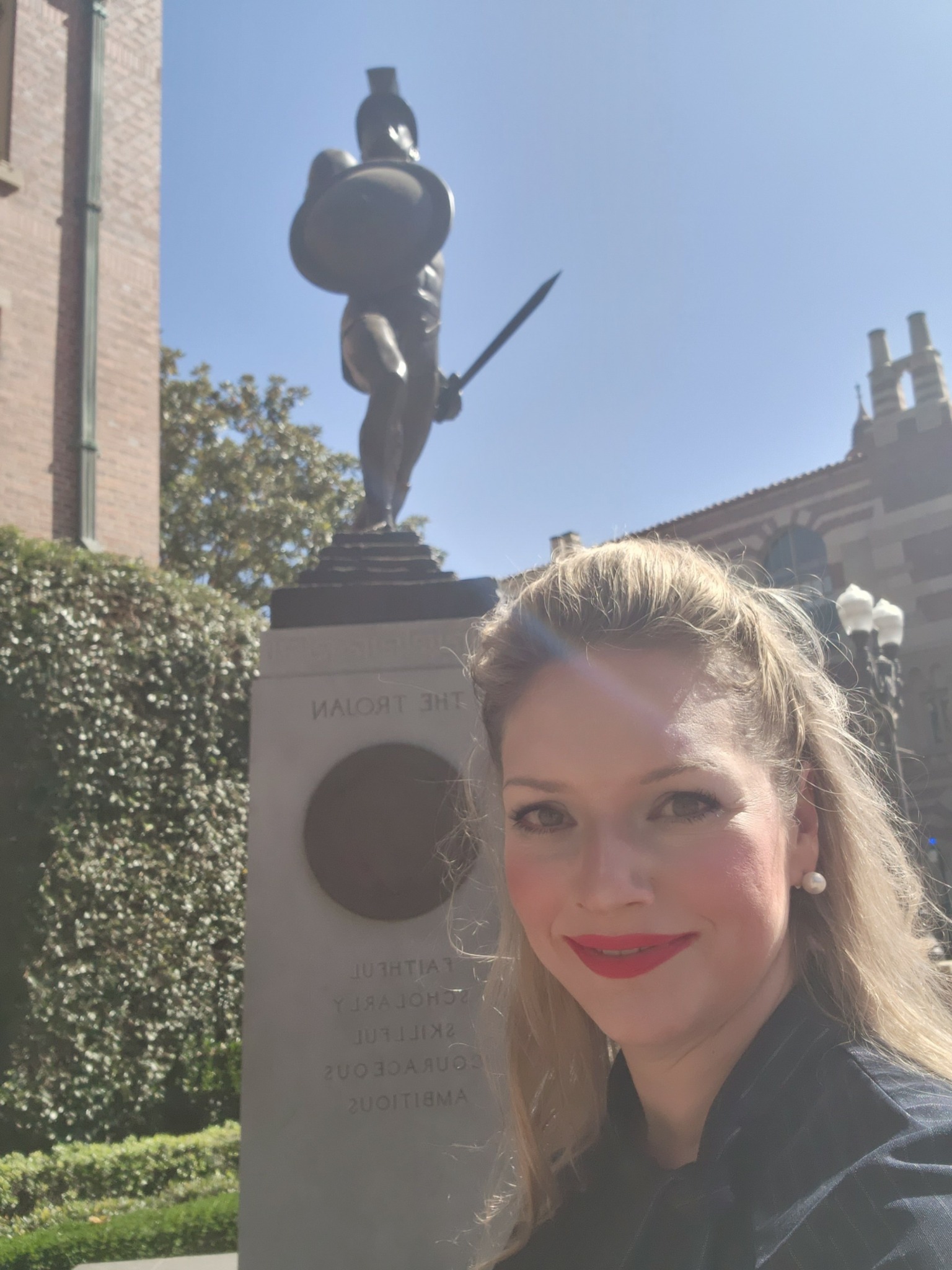
I entered forensic accounting as a royalty auditor, after I studied business, accounting, economics, legal writing, copyright law, and the music industry at The University of Southern California, where I earned a bachelor of science in 1999.
My firm and I provide the following services to law firms and their clients:
– Royalty and profit participation compliance audits and rebuttals
– Damages claims and rebuttals
– Outbound royalty accounting
– Intellectual property valuation
We are respected for our expertise in intellectual property rights and known for our tenacity and high standards.

Have any books or other resources had a big impact on you?
Most of my good qualities as a manager I learned from Jennifer Wilson at Convergence Coaching. I wish my clients (lawyers) would hire her or her colleagues to coach them – she could help them so much!
Also, I discovered Tim Ferriss when I read his book, “The 4-Hour Workweek.” Ferriss is an author and podcast host, among other roles. He has spent a great deal of time reading and interviewing business experts, which introduced me to ideas from legends like Peter Drucker and Zig Ziglar, as well as more polymaths such as Jim Collins.
Conversations about M&A are often focused on multibillion dollar transactions – but M&A can be an important part of a small or medium business owner’s journey. We’d love to hear about your experience with selling businesses.
I haven’t exactly sold my business, but I have joined and separated from a partnership and, separately, merged and un-merged my practice with a midsize CPA-firm. Also, earlier in my career, I worked at a boutique accounting firm that was acquired by a larger CPA firm.
The most general lesson that I have learned that applies to most buy/sell transactions is that the challenge of merging firm “culture” is usually ignored or not prioritized, but it can be the most important part of ensuring success. Employees – and clients – quit when they are not happy with the new company’s values and/or will be let go if they do not harmoniously integrate with the new company. Few owners pay attention to this and I believe it is why many of the expected synergies in an acquisition fail to materialize.
However, it can be hard to understand the concept, let alone manage it successfully.
Contact Info:
- Website: http://www.boschan.com
- Instagram: https://www.instagram.com/boschancorp/
- Facebook: https://www.facebook.com/BoschanCorp/
- Linkedin: https://www.linkedin.com/company/boschan-corp/
- Twitter: https://x.com/BoschanCorp
- Youtube: https://www.youtube.com/channel/UCSxscJyn8VpUDGABy2v8YRg
- Yelp: https://www.yelp.com/biz/boschan-corp-culver-city

Image Credits
(c) Spotlight Studios